
Removable Dental Prosthesis on Implants in the Upper Jaw
Dental prostheses on implants have undergone remarkable development in recent years. This method offers a particularly stable and aesthetically pleasing solution, especially in the upper jaw. Implant-supported dental prostheses are a popular choice, providing secure anchorage and a...
Über 350 Google-Bewertungen
The short answer
Removable implant-supported dentures in the upper jaw are prostheses that sit on implants firmly anchored in the jaw and can be removed by the patient. Unlike conventional full dentures, they do not simply rest on the gums: the implants provide support, reduce the risk of loosening and pressure points, and noticeably improve stability and wearing comfort.
- Who is it suitable for?
- When several or all teeth in the upper jaw are missing and a full denture without support is not an option.
- Advantages
- The potential benefits include a more secure fit with less slipping, fewer pressure points and easy cleaning thanks to removability, depending on the fit and individual findings.
- Costs
- Depending on the number of implants and type of denture; binding cost information is provided before treatment begins in the individual treatment and cost plan (Heil- und Kostenplan).
This overview does not replace a dental consultation. Suitability, the number of implants and the type of restoration are planned individually.
What is a removable dental prosthesis in the upper jaw?
This is a dental prosthesis that is anchored to implants and can be removed by the patient themselves. This is a special type of upper jaw denture supported by implants. It is used primarily when several teeth in the upper jaw have been lost. Instead of a fixed bridge or a complete denture, a removable denture is secured to implants in the upper jaw. In contrast to conventional full dentures, which rest on the gums, implants are placed in the upper jaw here. These implants provide the denture with the necessary support to minimise the risk of loosening or pressure sores.

Advantages of a Removable Dental Prosthesis on Implants in the Upper Jaw
Choosing an implant-supported dental restoration offers several potential benefits, particularly for the upper jaw. The main possible benefits include: 1. Stability and comfort: Compared with a conventional removable complete denture, this type of restoration can be significantly more stable and comfortable. The implants act as fixed anchor points, which can reduce movement of the denture and the likelihood of pressure sores. 2. Aesthetics: Implant-retained dentures in the upper jaw can provide a natural appearance. Because the denture is held more securely by the implants and places less strain on the gums, this can create a more realistic appearance of the teeth and gums. 3. Preservation of the jawbone structure: In contrast to conventional removable dentures, implants can stimulate the jawbone and help maintain its structure. This can help preserve the natural shape of the face.
4. Better chewing function: Implant-supported dental restorations can offer significantly improved chewing function compared with traditional removable dentures. The stability of the implants can help patients eat and speak more easily.

When is a removable dental prosthesis on implants advisable?
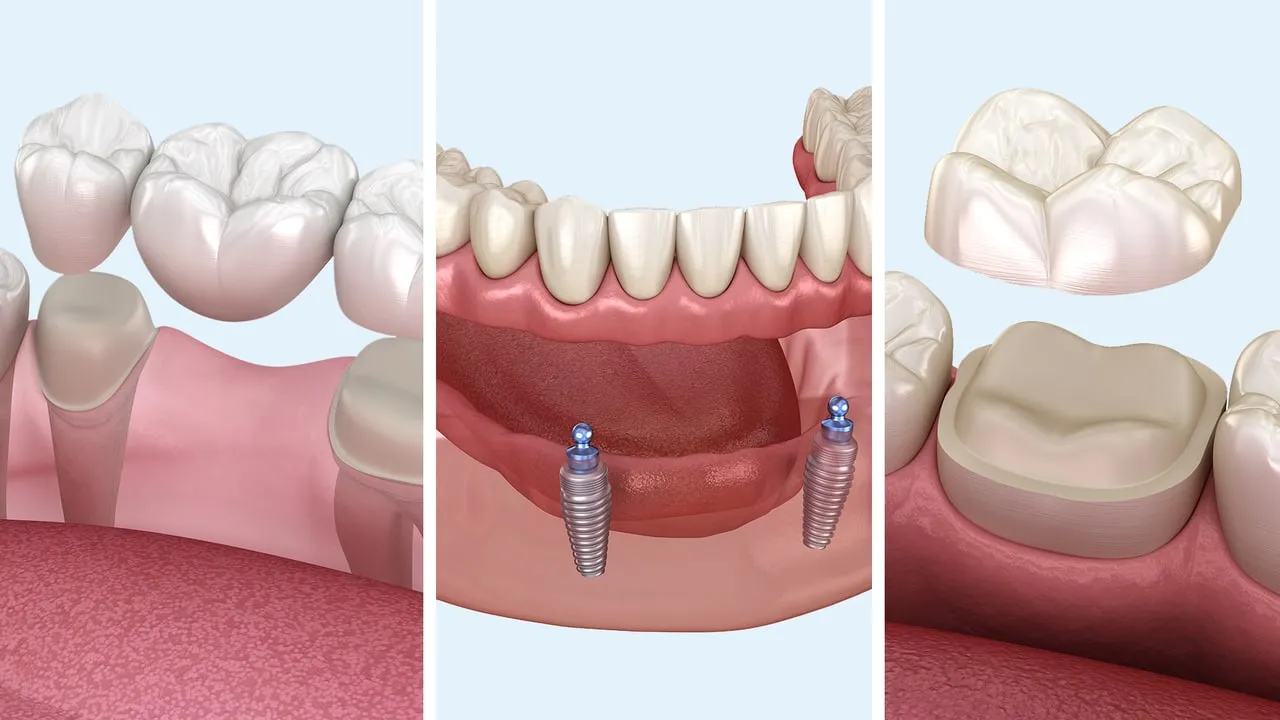
Removable dental prostheses on implants in the upper jaw can be an option for patients who have lost several teeth in the upper jaw. They can offer both functional and aesthetic benefits, depending on the treatment chosen, the fit and individual findings. This type of dental prosthesis can be used for complete dental arches and, where several teeth are missing, as a removable partial prosthesis; an individual missing tooth is restored with an individual implant crown rather than a removable prosthesis. Another application is a complete denture on implants, which is used in cases of complete tooth loss in the upper jaw. This option can help the dental prosthesis sit securely and support quality of life, depending on individual circumstances.
Difference Between Implants and Dentures
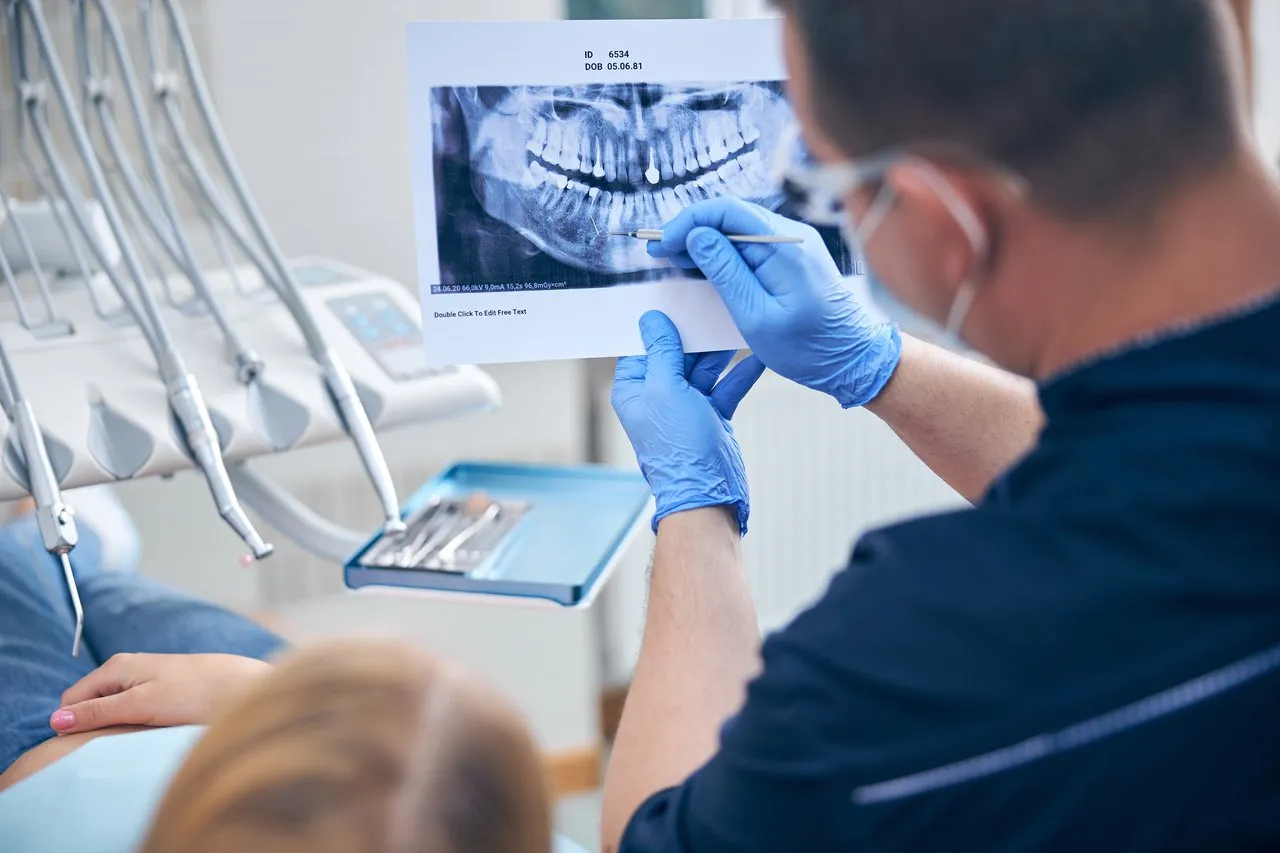
Many patients wonder whether they should choose implants or a denture. The main difference lies in the type of anchorage. While dentures rest on the gums or remaining teeth, implants provide stable anchorage in the jawbone. Implant-supported dental prostheses generally offer better stability and durability than conventional dentures. In the case of an upper denture on implants, better retention and preservation of the jawbone are provided. This was not the case with conventional dentures.
Implant-supported denture: A long-term solution?
Yes, implant-supported dentures are a long-term solution that can last for many years. The implants must be well cared for, and the patient must visit the dentist regularly for check-ups. With good care, an implant-supported denture can last 10 to 15 years or longer.
Disadvantages of a Removable Dental Prosthesis on Implants
As with any dental treatment, implant-supported dental prostheses also have potential disadvantages. Some of the disadvantages include: • Cost: The cost of implants and the denture may be higher than for conventional dentures. The treatment is more complex and requires several steps. • Surgical procedure: The implants for full dentures require a surgical procedure that carries risks. It is a well-established and safe procedure. However, as with any operation, there are risks such as infections or complications during healing. • Maintenance and care: Although implant-supported dentures are more stable than conventional ones, they require regular maintenance and care. This includes cleaning and checking the implants.

Removable Dental Prostheses: Experiences and Outlook
An implant-retained removable dental restoration in the upper jaw can offer stability and comfort. This may make eating, speaking and laughing easier and may reduce denture movement and discomfort. This type of restoration can also provide both functional and aesthetic benefits.
FAQs About Removable Dental Prostheses on Implants in the Upper Jaw
This is a dental prosthesis that is anchored to implants and can be removed by the patient.
Implant-supported dental prostheses offer greater stability and improved chewing function, and preserve the jawbone structure.
Treatment can take several months, as the implants need to integrate with the jawbone before the dental prosthesis is fitted.
Yes, with good care, an implant-supported dental prosthesis can last 10–15 years or longer.
An implant-supported denture is more stable and longer-lasting. It is anchored in the jaw, while normal dentures rest on the gums or remaining teeth.
Yes, a removable dental prosthesis on implants can be removed by the patient, making it easier to clean and maintain.
The costs may be higher, and the procedure requires surgical treatment.
Yes, an implant-supported lower denture is also a popular solution for tooth loss.
Regular cleaning of the dental prosthesis and implants, as well as regular visits to the dentist, are important.
The healing period is usually 3–6 months before the dental prosthesis is placed on the implant.