Dental splints: protection and relief
Almost everyone has heard of dental splints, but there are different types, each with its own purpose and uses. In the following article, we explain what types are available, when they are useful and how treatment is provided at the practice. We also explain the differences between...
Über 350 Google-Bewertungen
What is a dental splint?
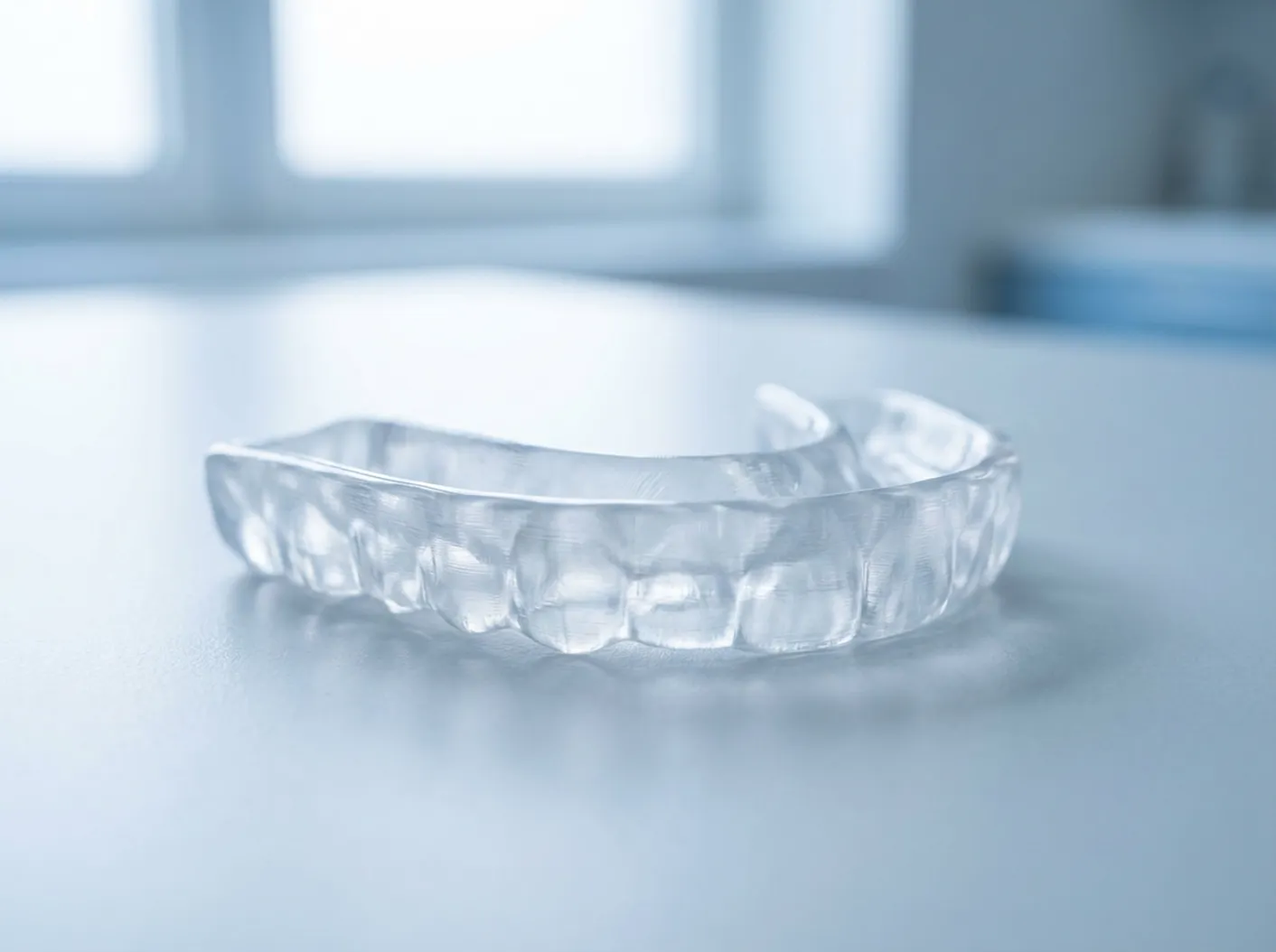
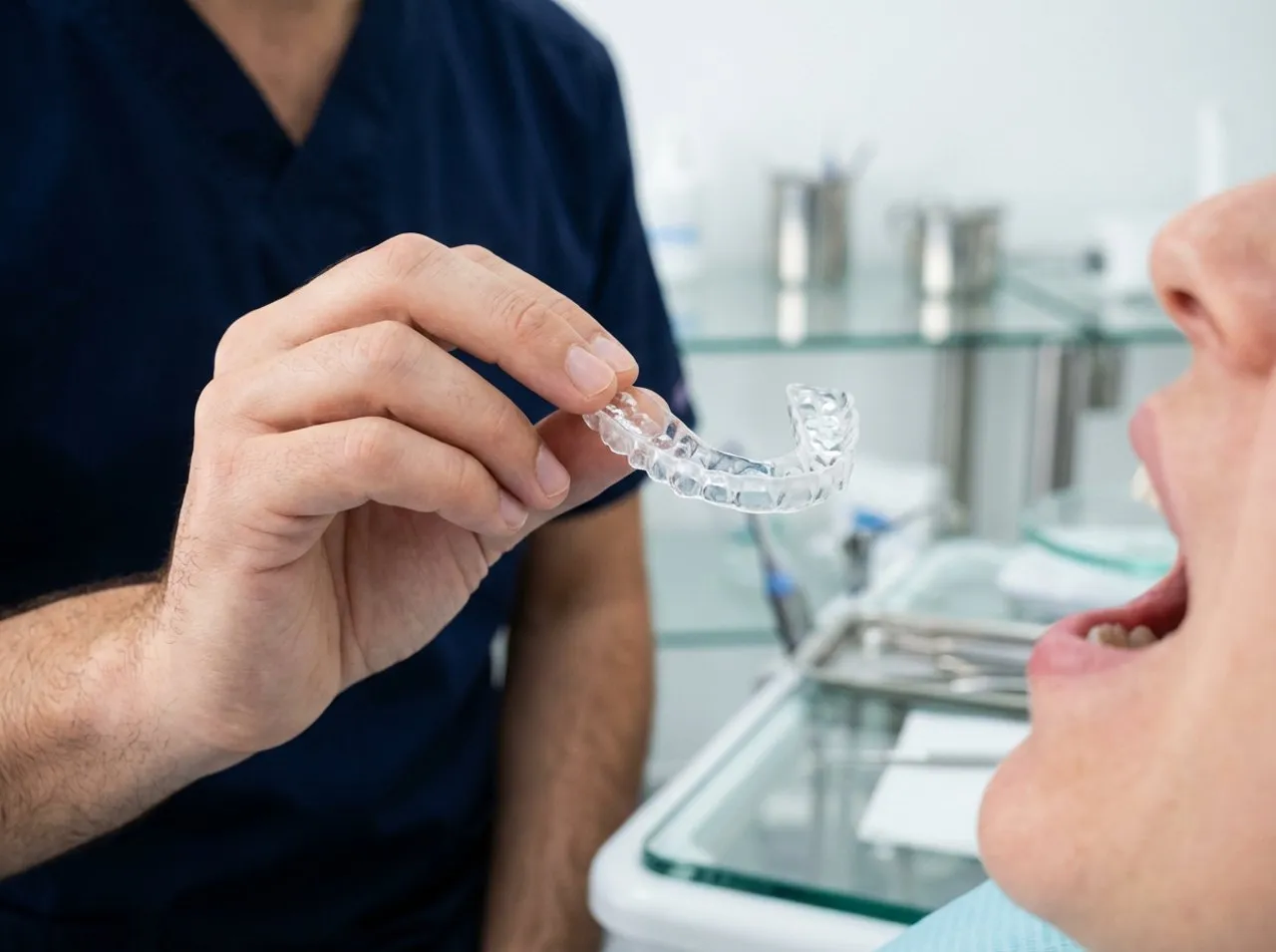
A dental splint is a custom-made plastic guard. It fits over the upper or lower jaw. Its purpose is to protect, guide or stabilise the bite. This custom-made appliance is not a standard solution. Its shape and thickness depend on your clinical findings. This requires thorough diagnostics.

When is an occlusal splint useful?
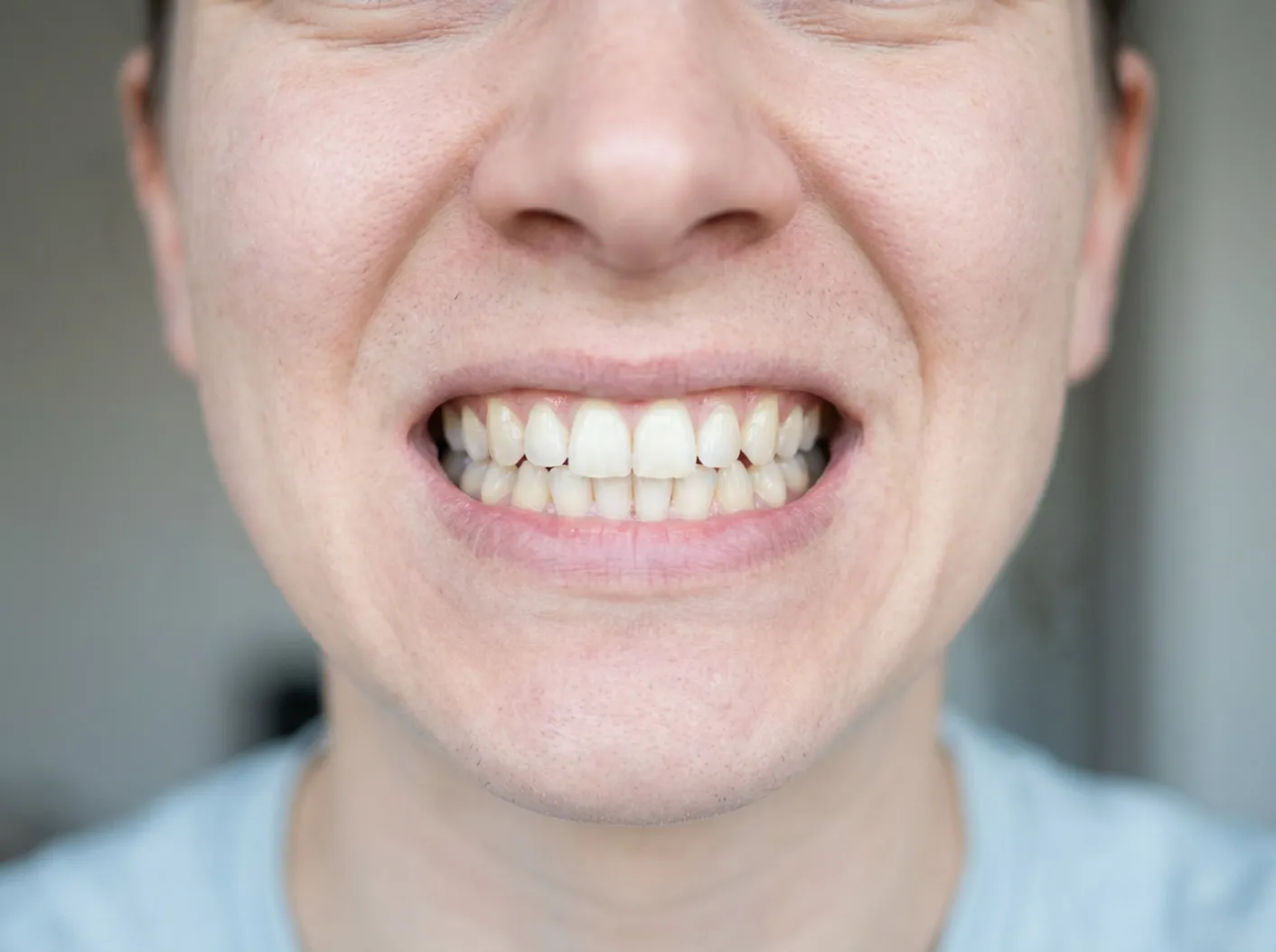
A bite guard often helps with bruxism. This means teeth grinding or clenching. Typical signs are tooth wear, microcracks and sensitive tooth necks. An occlusal splint can also be useful for CMD. CMD stands for craniomandibular dysfunction. This involves overloading of the temporomandibular joint and muscles. Many people affected notice it in the morning. They wake up with jaw pain. Some experience headaches or neck tension.
What types are available?
There are various types of dental splints. The choice depends on the treatment goal and diagnosis. Good advice is therefore essential.
Grinding splints and occlusal splints
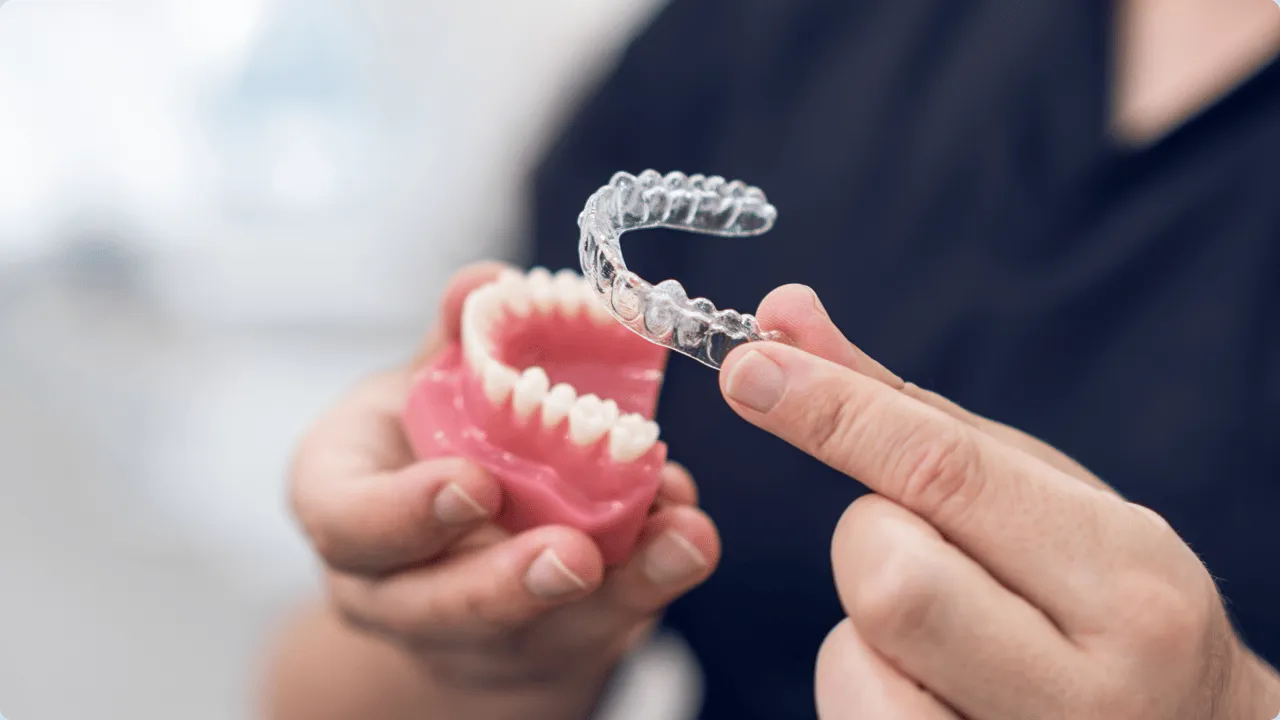
This occlusal splint protects the tooth surfaces from abrasion. It distributes forces more evenly. This reduces pressure peaks on individual teeth. You usually wear the guard at night. For severe clenching, wearing it during the day can help. We decide this based on your progress.
CMD occlusal appliances and relaxation splints
The focus here is on relaxation. The plastic guard can relieve strain on the chewing muscles. It can guide the lower jaw into a more favourable position. Monitoring is important. An incorrect fit can worsen symptoms. We therefore adjust the contact points very precisely.
Aligners and therapeutic correction
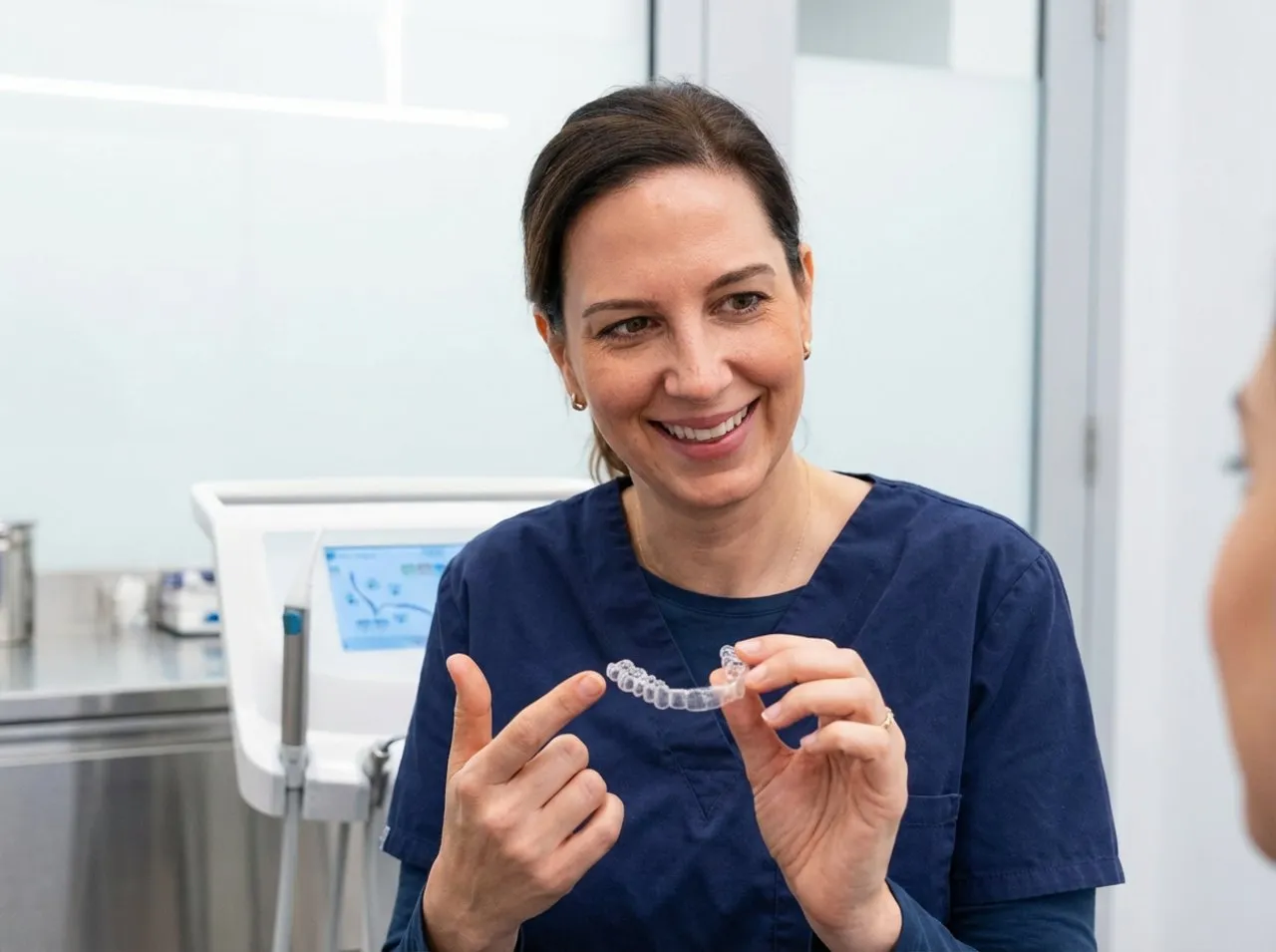
For more complex misalignments or functional problems, treatment with aligners may be useful. The aim is controlled, gradual tooth movement and therefore a more stable bite. Whether this is suitable in your case is something we decide after a thorough examination and diagnosis. Aligner therapy is also often part of an overall plan. This can include patient information, accompanying measures such as physiotherapy and, depending on the findings, further treatment steps.

Retainers after braces
After treatment with braces, the result must remain stable. Retainers are used for this purpose. They prevent teeth from shifting. There are removable retainers. There are also fixed retainer wires. We will discuss together which solution is right for you.
Sports mouthguards
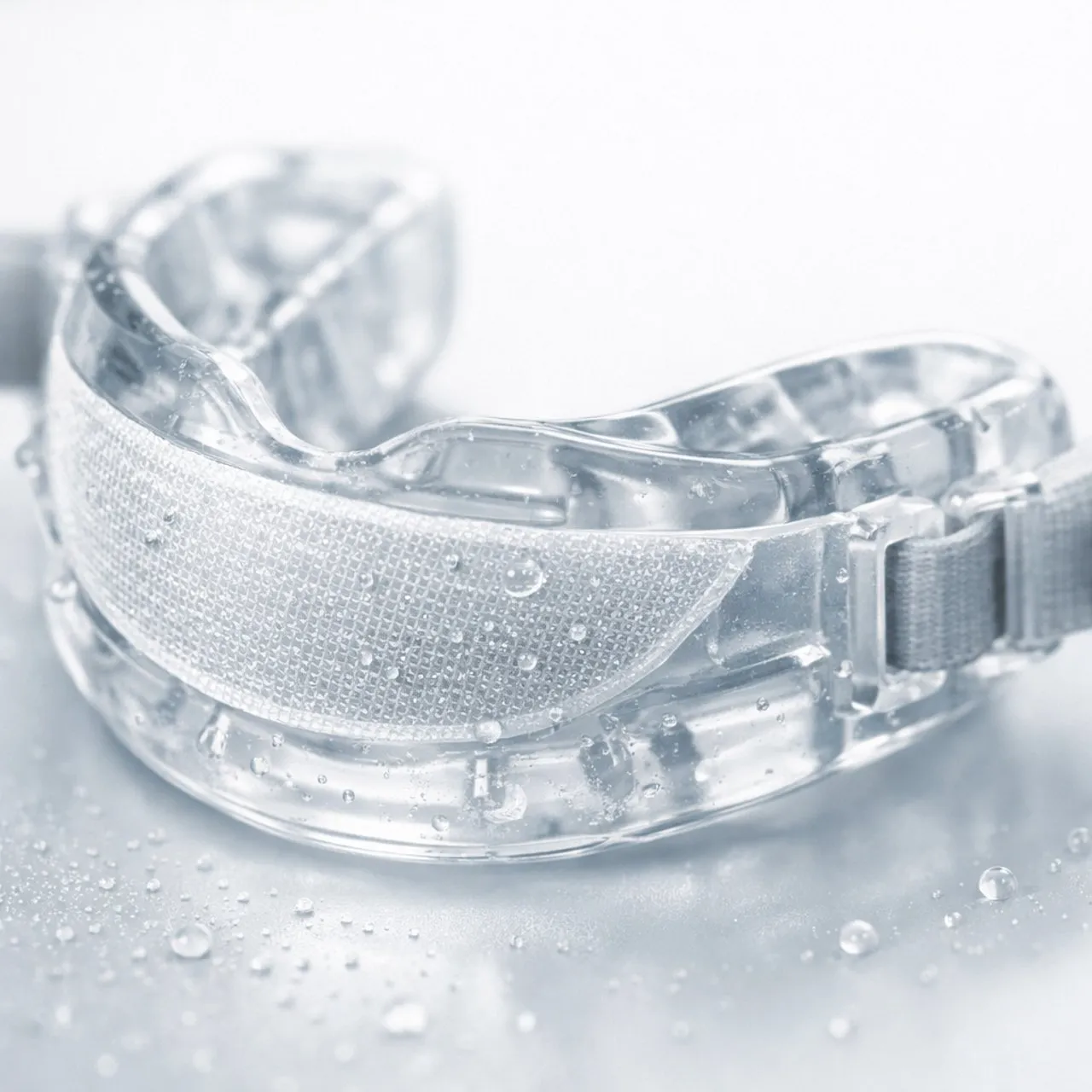
Sport carries a risk of dental injuries. A custom-made mouthguard protects the teeth and lip. It can also protect brackets.

Anti-snoring splints
Some anti-snoring splints move the lower jaw forwards. This can reduce snoring. We assess suitability during a consultation.
How treatment works at Wunschlachen
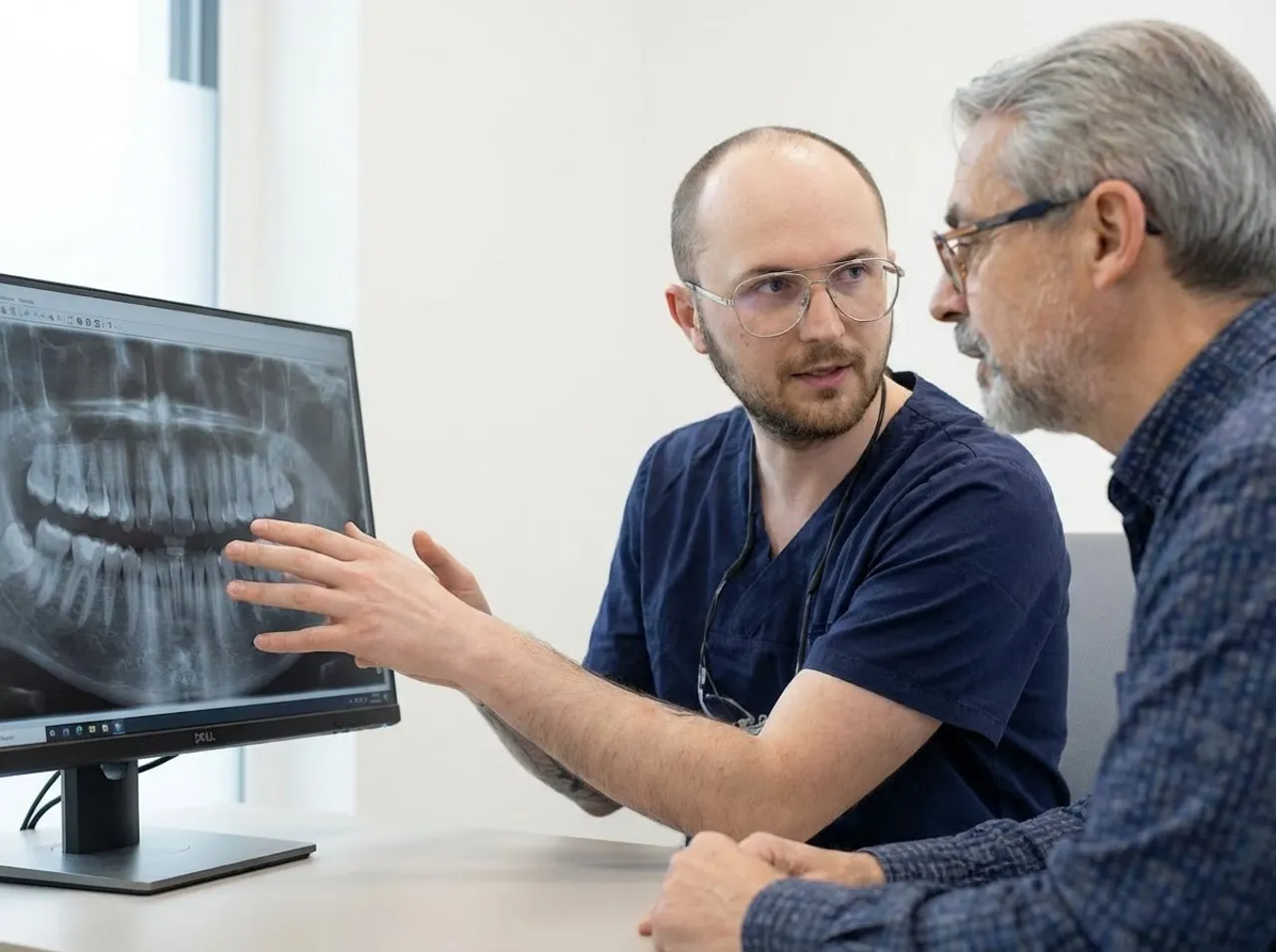
We begin with a consultation. We ask about symptoms and habits. We then examine your teeth, bite and jaw joint. We often add a functional analysis. We test mobility and muscle points. X-rays or photographs are taken if needed. Next comes an impression or an intraoral scan. This is digital and precise. Your custom-made occlusal splint is produced in the laboratory. When fitting it, we check how it sits. We check the contact points and occlusion. We then explain how to wear and care for it.
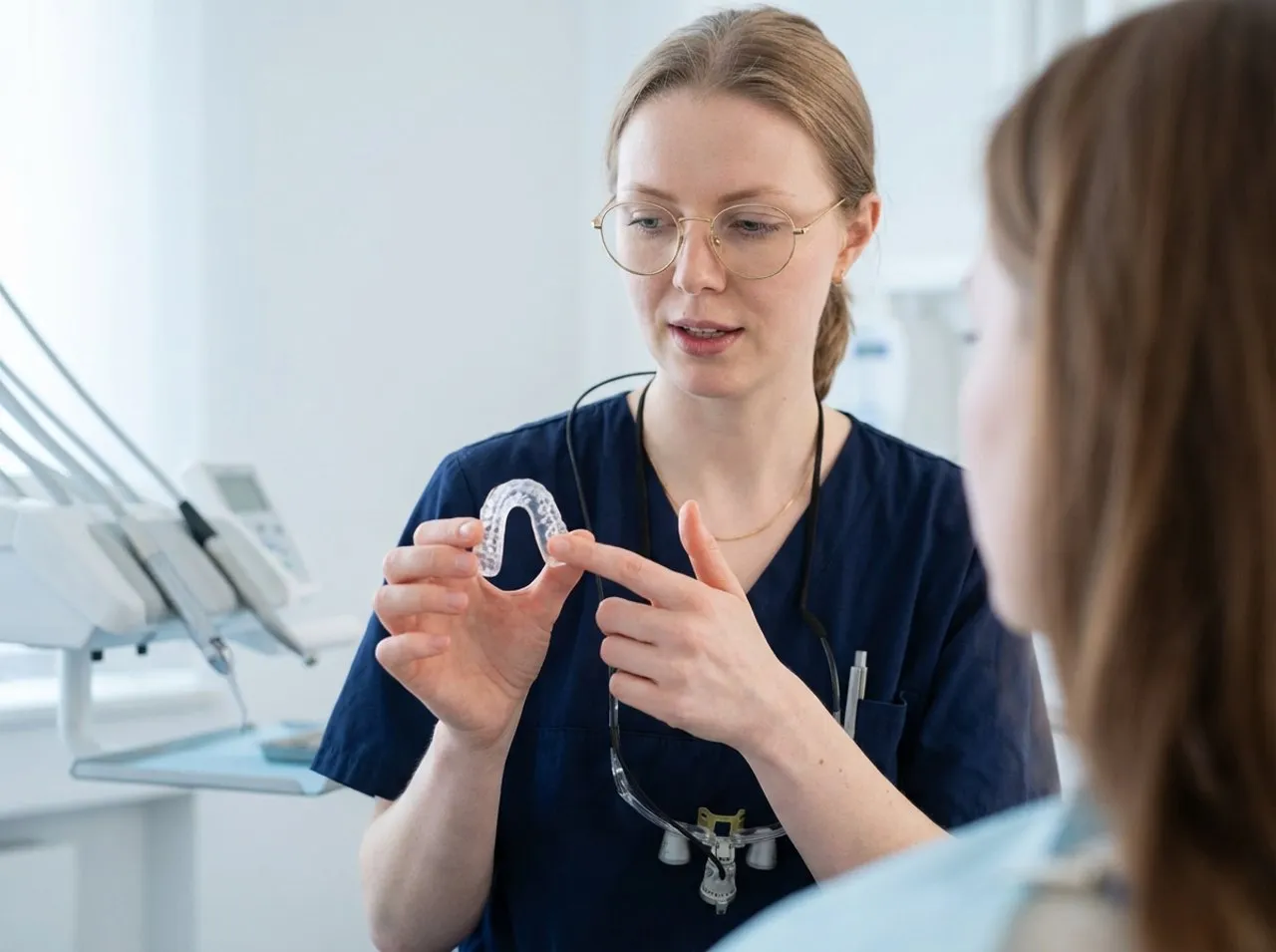
Wearing time and getting used to your splint
You usually wear the occlusal splint at night. For acute symptoms, wearing it during the day can help. We decide this based on the clinical findings. Increased saliva flow is normal during the first few nights. A feeling of having a foreign body in your mouth is also common. This usually subsides quickly. Consistency is important. Wearing it irregularly has little effect. Contact us promptly if it causes pressure sores.
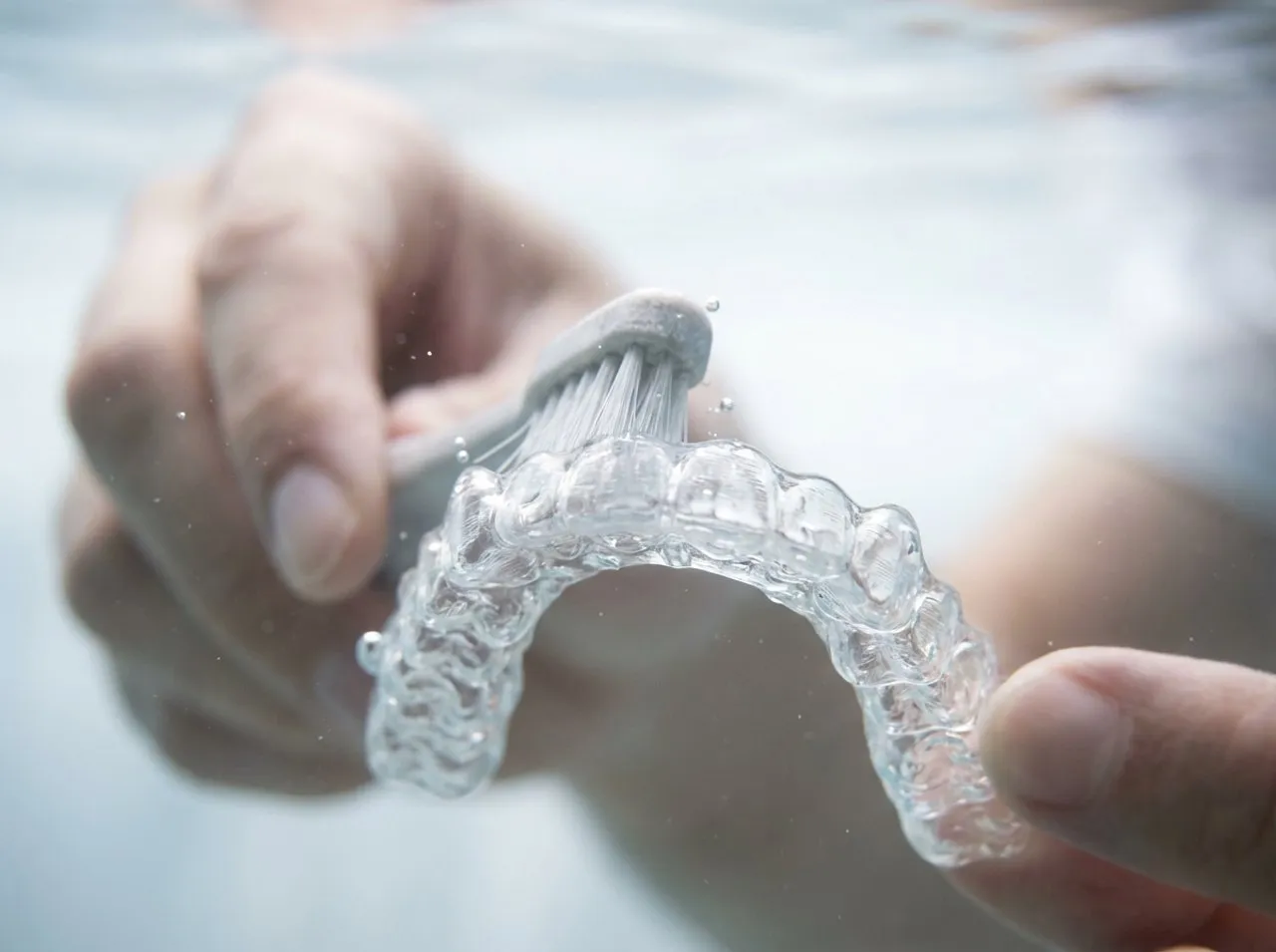
Cleaning and care
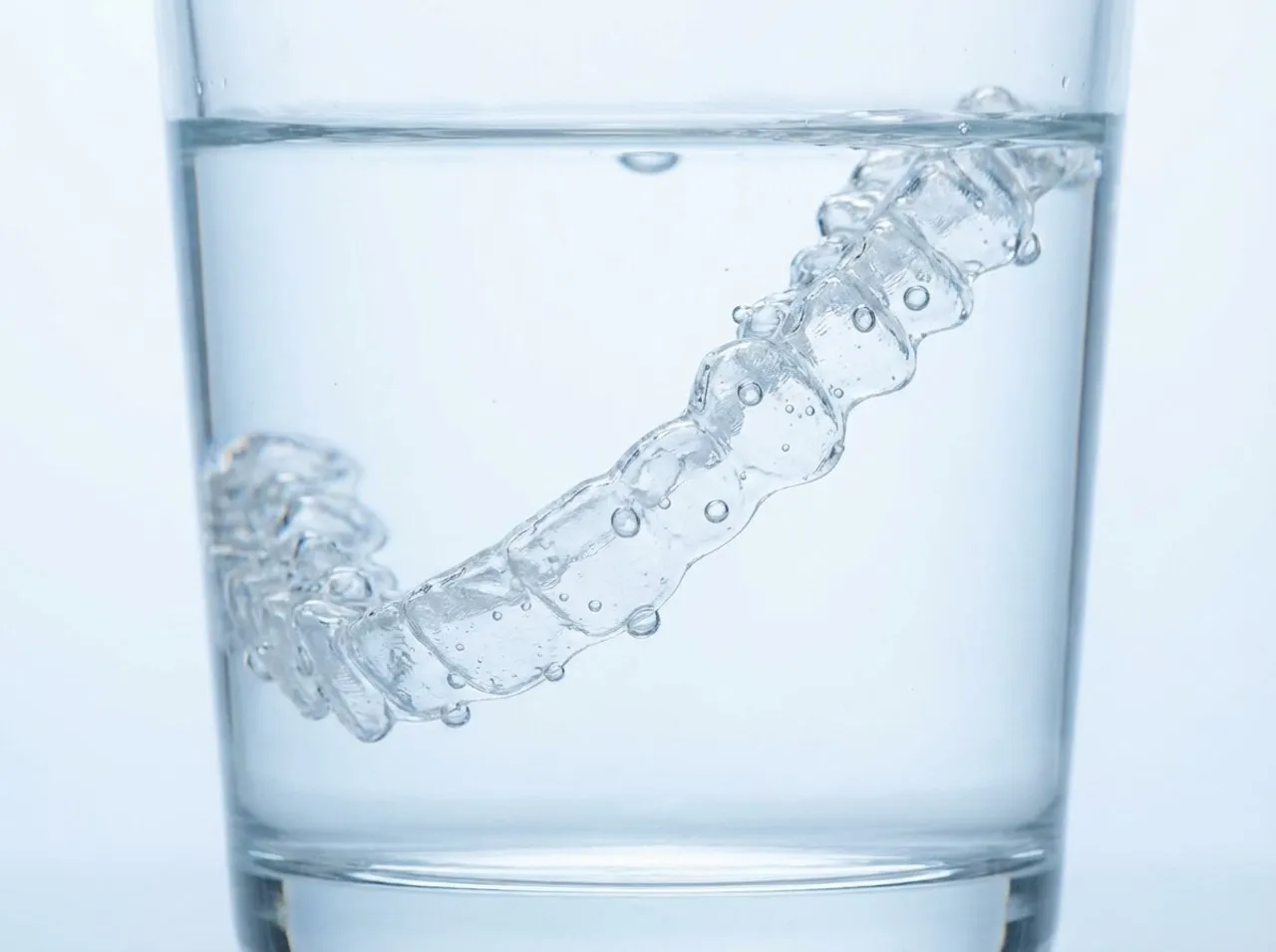
Clean your occlusal splint daily. Use a soft brush and lukewarm water. Hot water deforms the plastic. Toothpaste is often not ideal. It can roughen the surface. Mild soap or special tablets are better. Store the plastic guard in a dry place. Use a ventilated box. This reduces the risk of odours and deposits.

Costs and cover
The costs depend on the type. Simple grinding splints are often less expensive. Therapeutic versions are more complex. Where there is a medical indication, statutory health insurance often covers basic care. Additional requests may involve a personal contribution. We explain this transparently. Private insurers reimburse costs depending on the policy. A cost overview before treatment begins is advisable. We draw up a plan for this purpose.
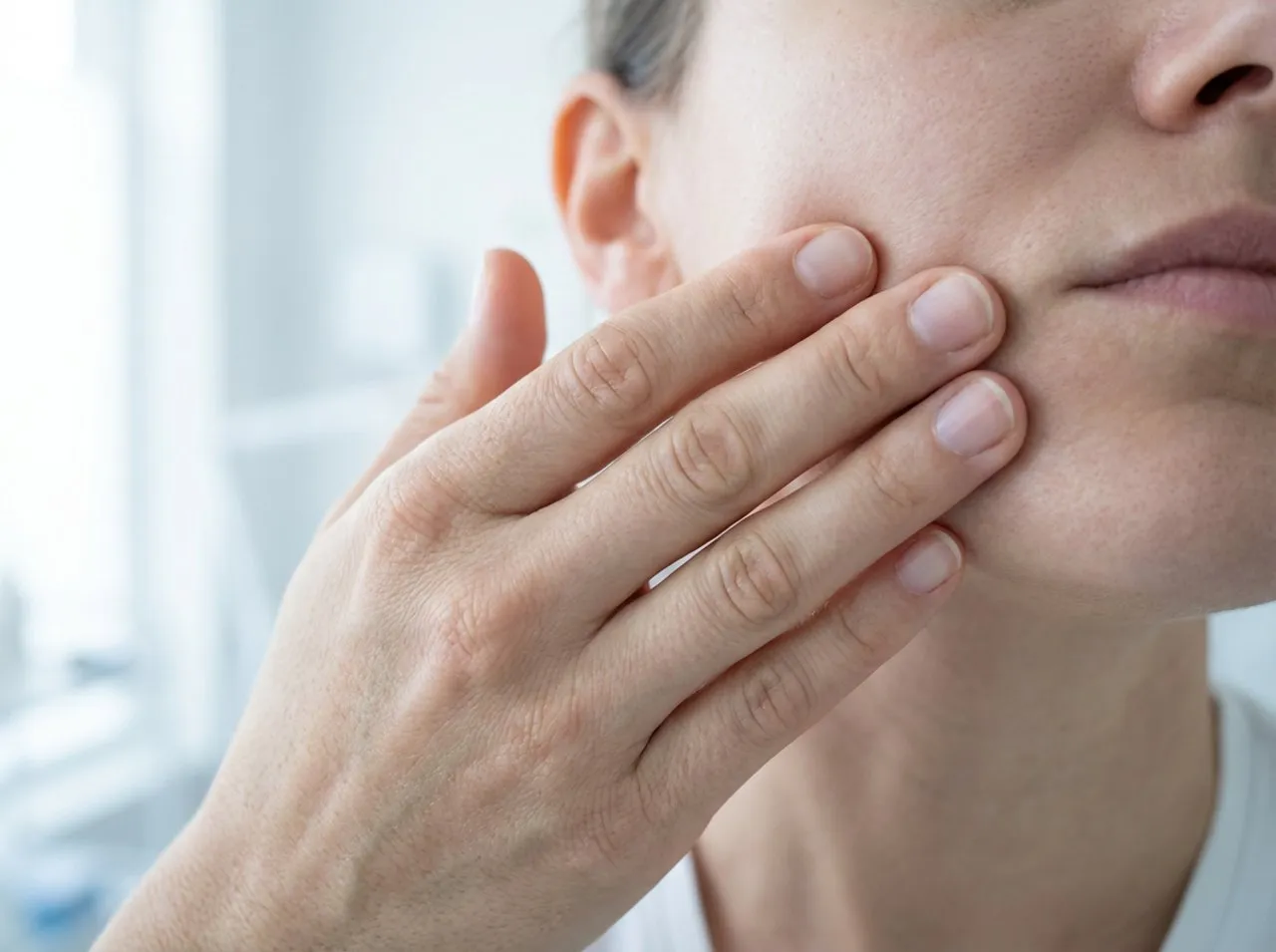
When should you see a dentist promptly?
Come in promptly if you have severe pain. This is also important if your jaw locks. The same applies to new cracks in a tooth. Warning signs include swelling or fever. Numbness is another warning sign. We will then investigate the cause immediately.
Conclusion
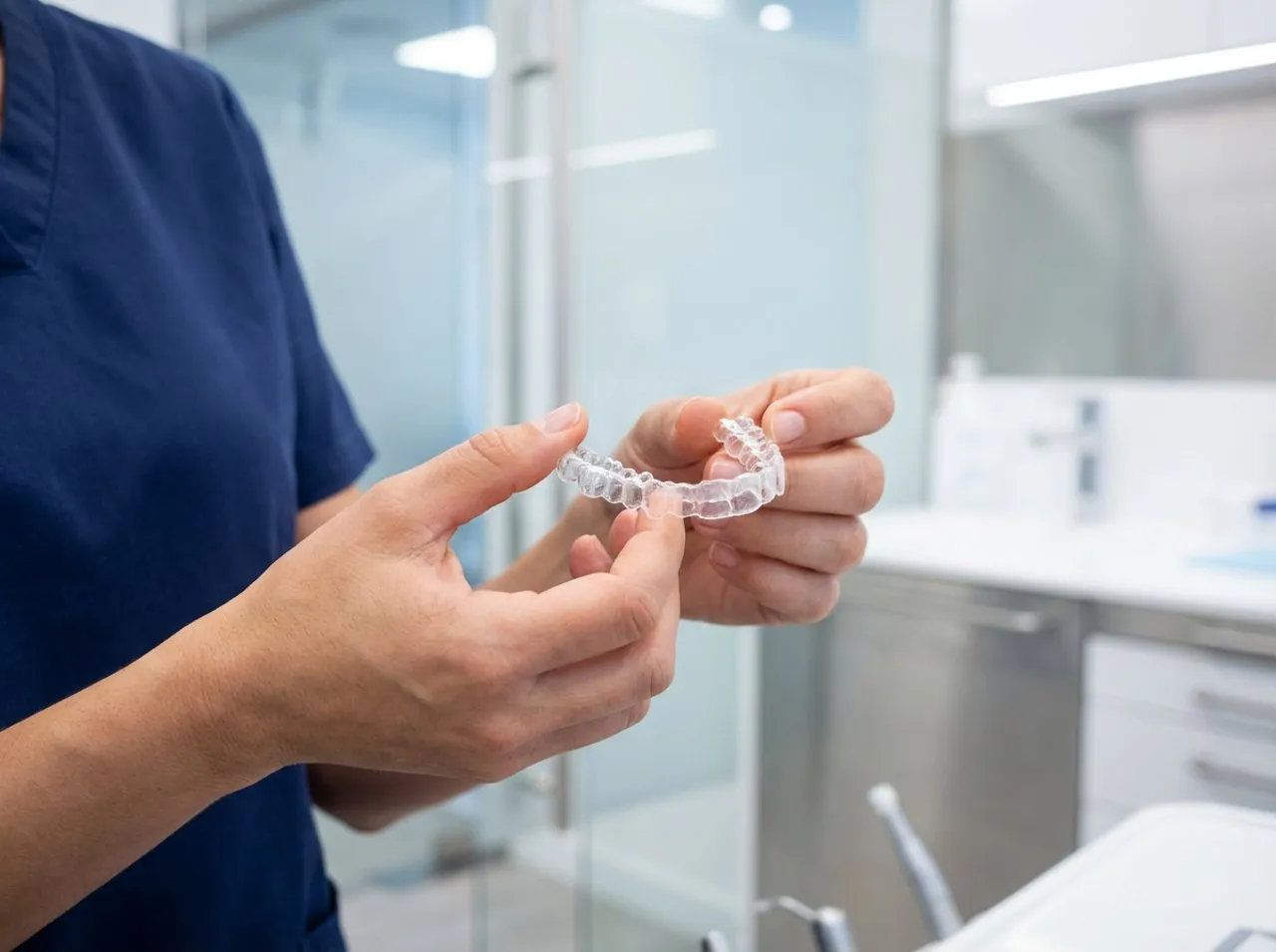
A bite guard can protect teeth and reduce discomfort. It can relieve strain on the muscles and temporomandibular joint. The right diagnosis is crucial. At the Wunschlachen practice in Berlin, we provide personal advice. We make bite guards precisely and check the fit. Book an appointment if you have symptoms.
FAQ: dental splints
An occlusal splint protects against wear and cracks. It distributes pressure during clenching. It can relieve strain on the muscles and jaw joint.
Teeth are often flattened or sensitive. Many people wake up with jaw pain. Headaches in the morning are also typical.
This depends on the cause and the level of strain. Many people wear the occlusal splint at night over the long term. We check regularly whether adjustments are needed.
Yes, the excessive strain often decreases. The muscles can relax. CMD sometimes requires additional therapy.
The occlusal splint provides protection and relief. A retainer stabilises the result after orthodontic treatment. Both are custom-made.
Sometimes, especially with severe clenching. We assess this based on the clinical findings. The design must be suitable for this purpose.
Rinse it daily with lukewarm water. Brush it gently with mild soap. Use cleaning tablets regularly.
Some toothpastes are too abrasive. They make the surface rough. This encourages deposits and discolouration.
Do not simply continue wearing it. Pressure sores can encourage inflammation. Come in for a check-up and adjustment.
Often yes, where there is a clear indication. Basic care is usually covered. Extras can incur additional costs.