
Denture on a fresh wound: pain
A denture can cause considerable pain on a fresh wound. Pressure sores, swelling or an inflamed mucous membrane are often present. Prompt examination and adjustment protect wound healing.
Über 350 Google-Bewertungen
Wear your denture or take a break?
After a tooth extraction, the mucous membrane is sensitive; a denture resting on it can cause pressure sores and pain, especially as the fit changes during the first few days as the swelling subsides. Mild discomfort should decrease daily. At the practice, targeted adjustment of the denture at pressure points and adding a soft reline can help; fever, pus or increasing swelling require immediate assessment.
- Typical causes
- Localised overloading of the denture base, a rubbing denture edge, or an altered fit as swelling subsides.
- Warning signs
- Worsening pain at any time, fever, pus, persistent bleeding or increasing swelling – have this assessed promptly.
- What helps
- Follow your treating dentist’s advice on having pressure points adjusted at the dental practice, soft relining, external cooling and careful rinsing with lukewarm salt water.
General information only; this does not replace a diagnosis. Take painkillers only in accordance with the package leaflet; if you have pre-existing conditions or are taking blood-thinning medication, consult a doctor beforehand.

Why a denture on a fresh wound causes pain
After a tooth extraction, the mucous membrane is particularly sensitive. The wound margins are swollen and react to pressure. A denture transmits chewing forces to this area. During the first few days, the fit changes. The swelling subsides and the contact points shift. This creates new areas of friction and pressure.
Common causes of pain
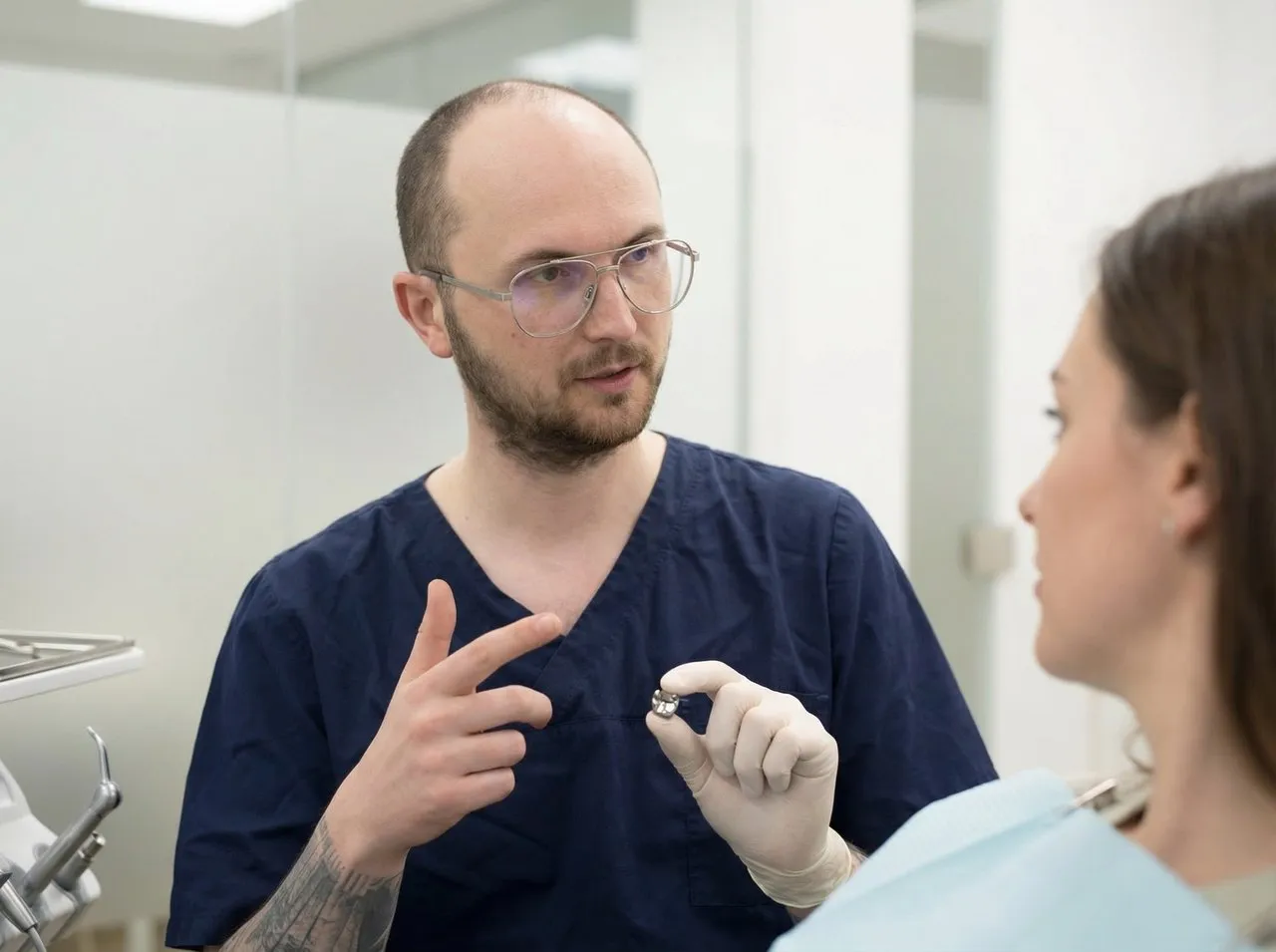
There is often localised overloading of the denture base. This leads to painful ulceration of the mucous membrane. An unstable denture border can also rub. Following an extraction, the bite may temporarily change. Premature contacts increase the load on the denture. An occlusal check may therefore be advisable. Denture adhesives are not always suitable. They can trap moisture and irritate the wound. They should be used cautiously in the early stages.
Pressure sore, inflammation or impaired wound healing
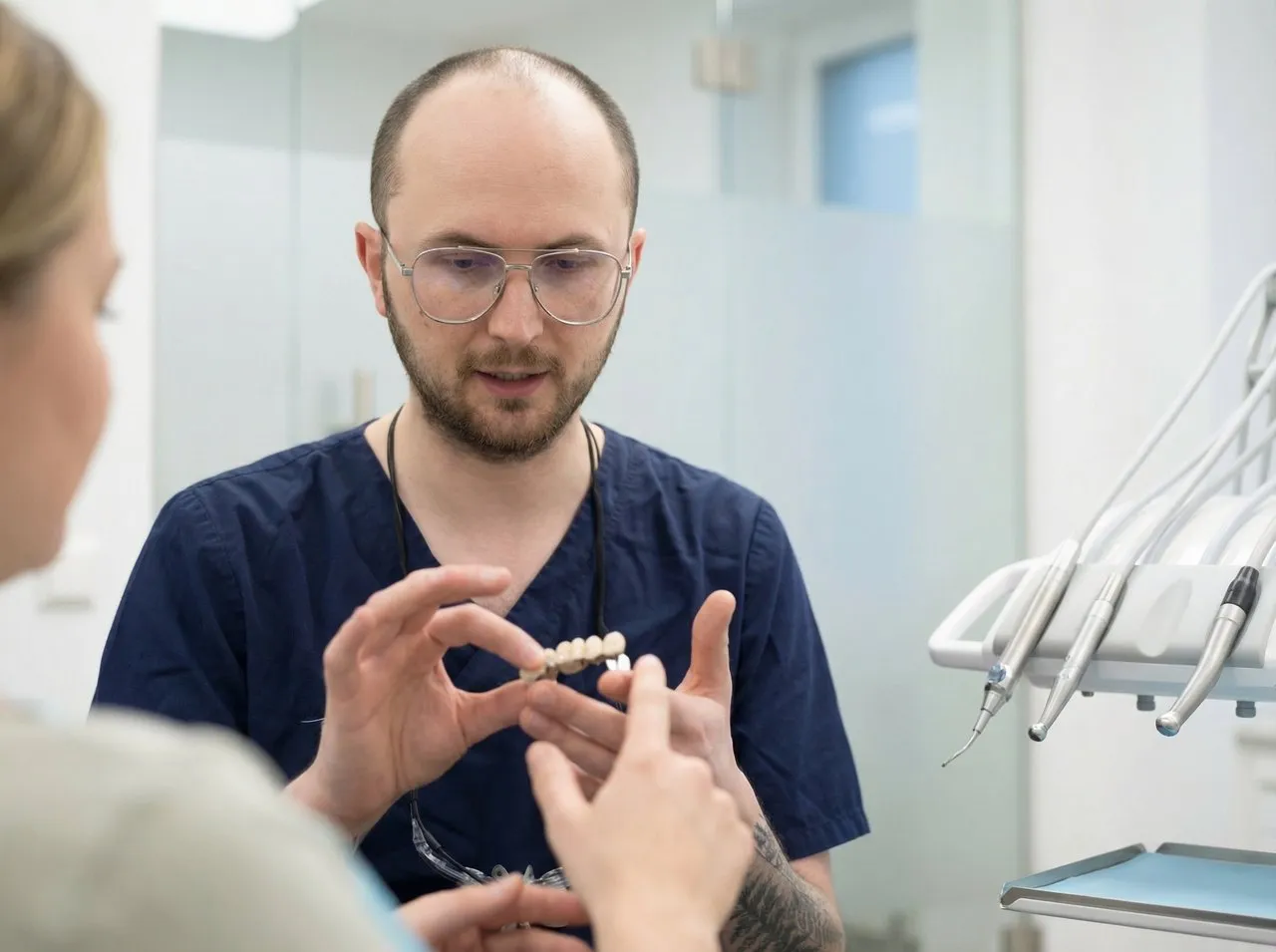
A pressure sore usually causes localised pain. Symptoms worsen under pressure. The pain often eases when the denture is removed. With inflammation, redness and swelling are often more pronounced. Throbbing pain and difficulty opening the mouth are possible. Bad breath, pus or fever are warning signs.
Alveolitis sicca as a possible cause
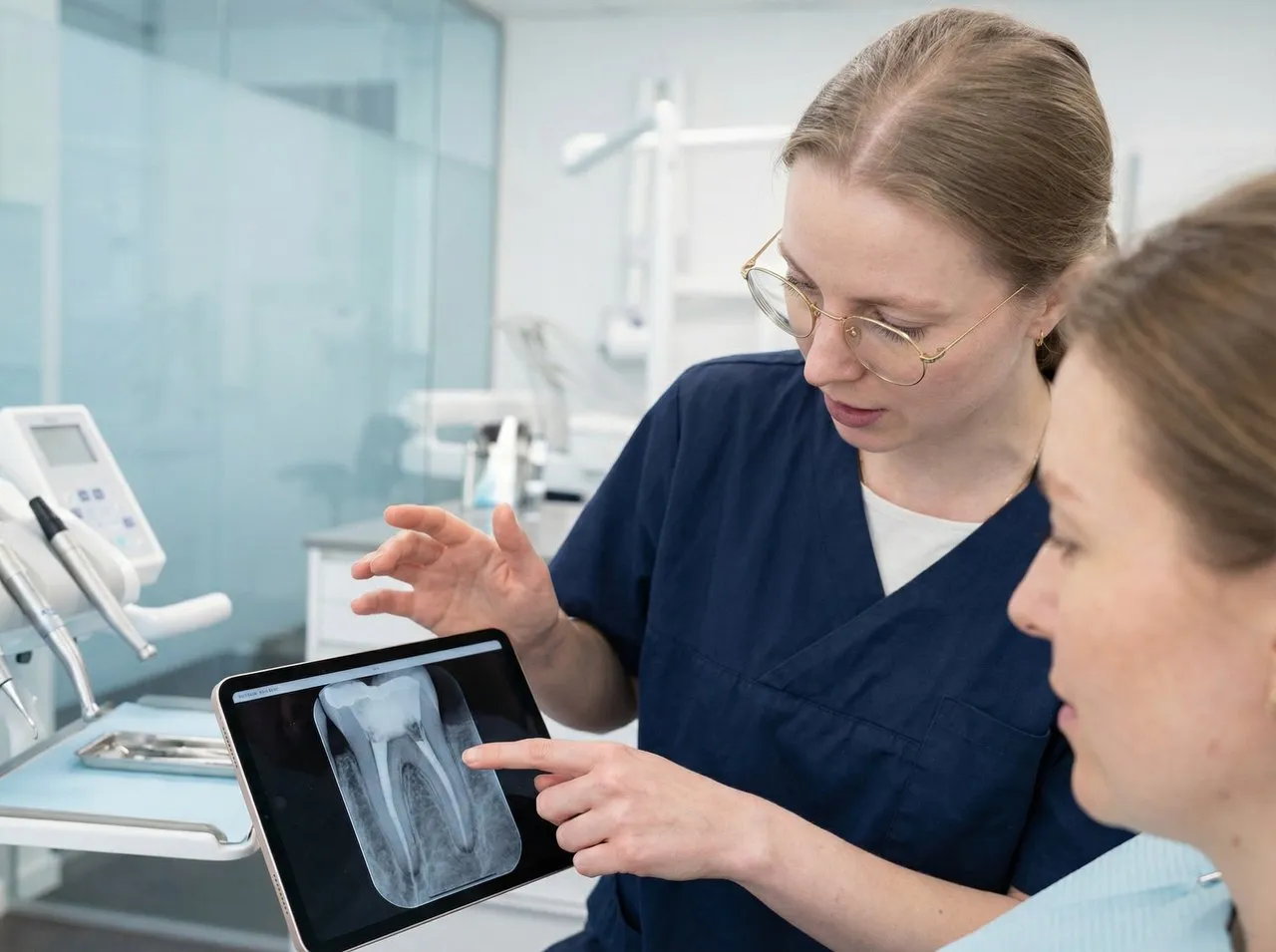
A blood clot normally forms in the tooth socket. It protects the wound and supports healing. If it is lost, alveolitis sicca (dry socket) can develop. Typical symptoms include severe, persistent pain starting between the second and fourth day. The pain often radiates to the ear or temples. The wound area often appears dry.

Measures for short-term relief
Wear the denture as advised by your dentist. If you have severe pain, a short break from wearing it may provide relief, but the timing of any removal should be decided with your dentist. External cooling reduces swelling in many cases. Use short intervals with breaks. Cold packs must not be placed directly on the skin. Rinse gently with lukewarm salt water only at the times recommended by your dentist. Avoid vigorous rinsing, sucking and smoking. This helps keep the blood clot stable. Painkillers should only be taken in accordance with the instructions on the packet. If you are taking blood thinners, have stomach problems or are pregnant, it is important to seek advice. Drug interactions must also be considered.
What the dental practice can do specifically
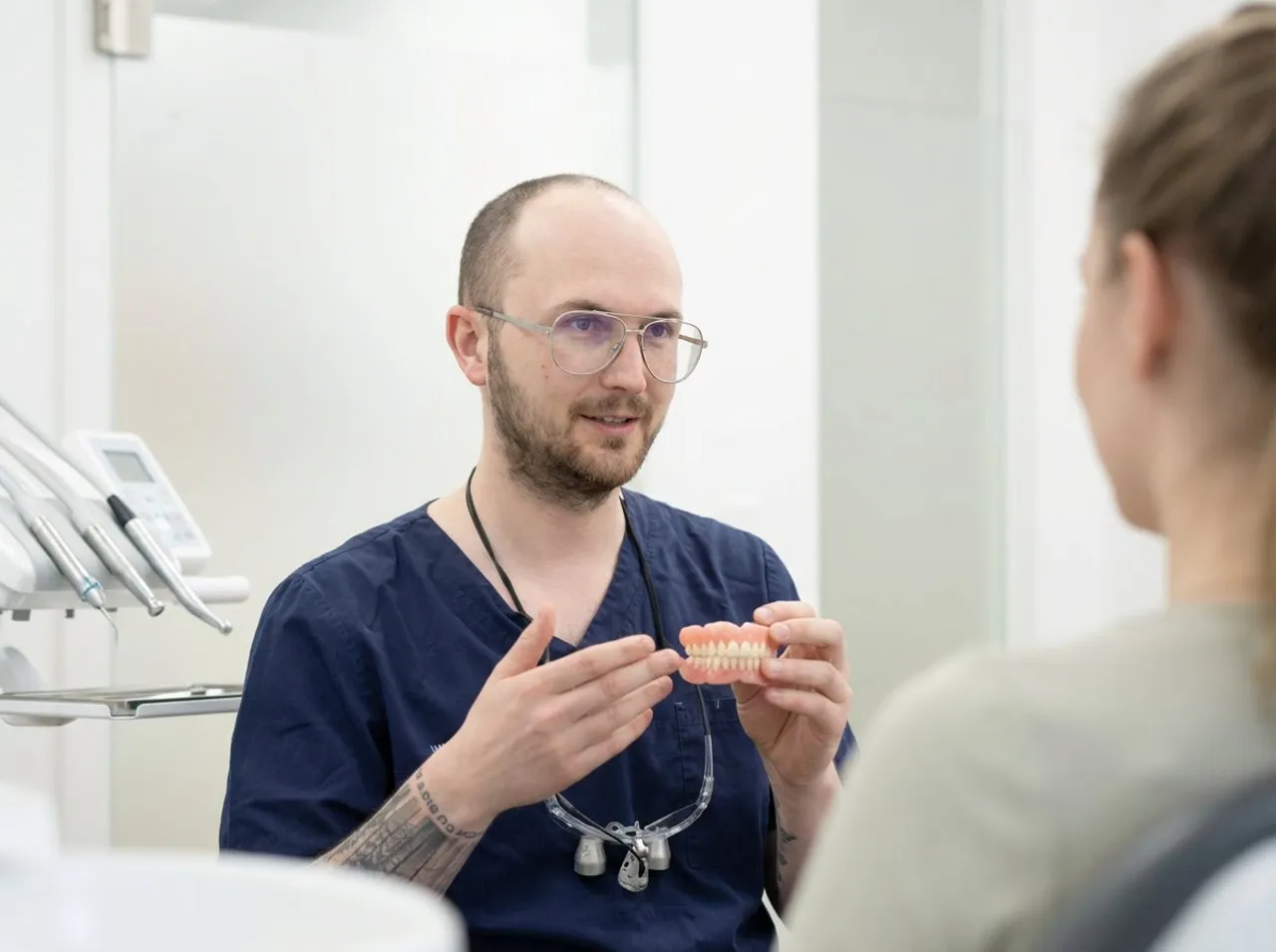
At the practice, the fit is checked and marked. Pressure points are precisely ground down. This often brings immediate relief. A soft lining cushions the bearing surface. It distributes forces more evenly and reduces friction. This supports healing of the mucous membrane. If there are signs of inflammation, the wound is assessed clinically. Wound cleaning or local treatment may be carried out if necessary. With alveolitis, a dressing can reduce pain.

Wound healing and time frames
Mild pain is common in the first few days. It should decrease every day. There is often significant improvement after about a week. Healing may take longer with a denture. Mechanical stress delays regeneration. Follow-up appointments are therefore often advisable. Worsening pain, persistent bleeding or increasing swelling is unusual and warrants prompt professional advice; do not wait until the third day. Follow your individual instructions for wearing, removing and rinsing an immediate denture.
Diet and oral hygiene after extraction
Choose soft, lukewarm foods. Avoid hard crusts, seeds and very spicy food. These irritants place strain on the wound. Drink plenty of water and avoid alcohol. Very hot drinks irritate the mucous membrane. Thorough oral hygiene promotes healing. Clean the denture thoroughly every day. Use denture cleaner and lukewarm water. Hot water can deform the plastic.
Preventing new pressure sores
Early check-ups are crucial. Small adjustments prevent more serious injuries to the mucous membrane. This is particularly true for a complete denture. Wear the denture before your appointment as agreed. This is the only way to reliably identify pressure points. A long break from wearing it distorts the findings. Avoid nicotine during the healing phase. Nicotine reduces blood flow to the wound area. This can delay healing.
When urgent assessment is required
Seek prompt dental help for severe, persistent pain. This also applies to fever, pus or persistent bleeding, as well as increasing swelling. Significant new difficulty breathing, speaking or swallowing is an emergency requiring immediate treatment: call 112 directly rather than seeking routine dental care. For other urgent dental problems, contact the emergency dental service.

Conclusion
Pain caused by a denture on a fresh wound can usually be treated. Adjustment and a soft lining are often sufficient. Warning signs should always be assessed promptly.
Treatment at Wunschlachen in Berlin
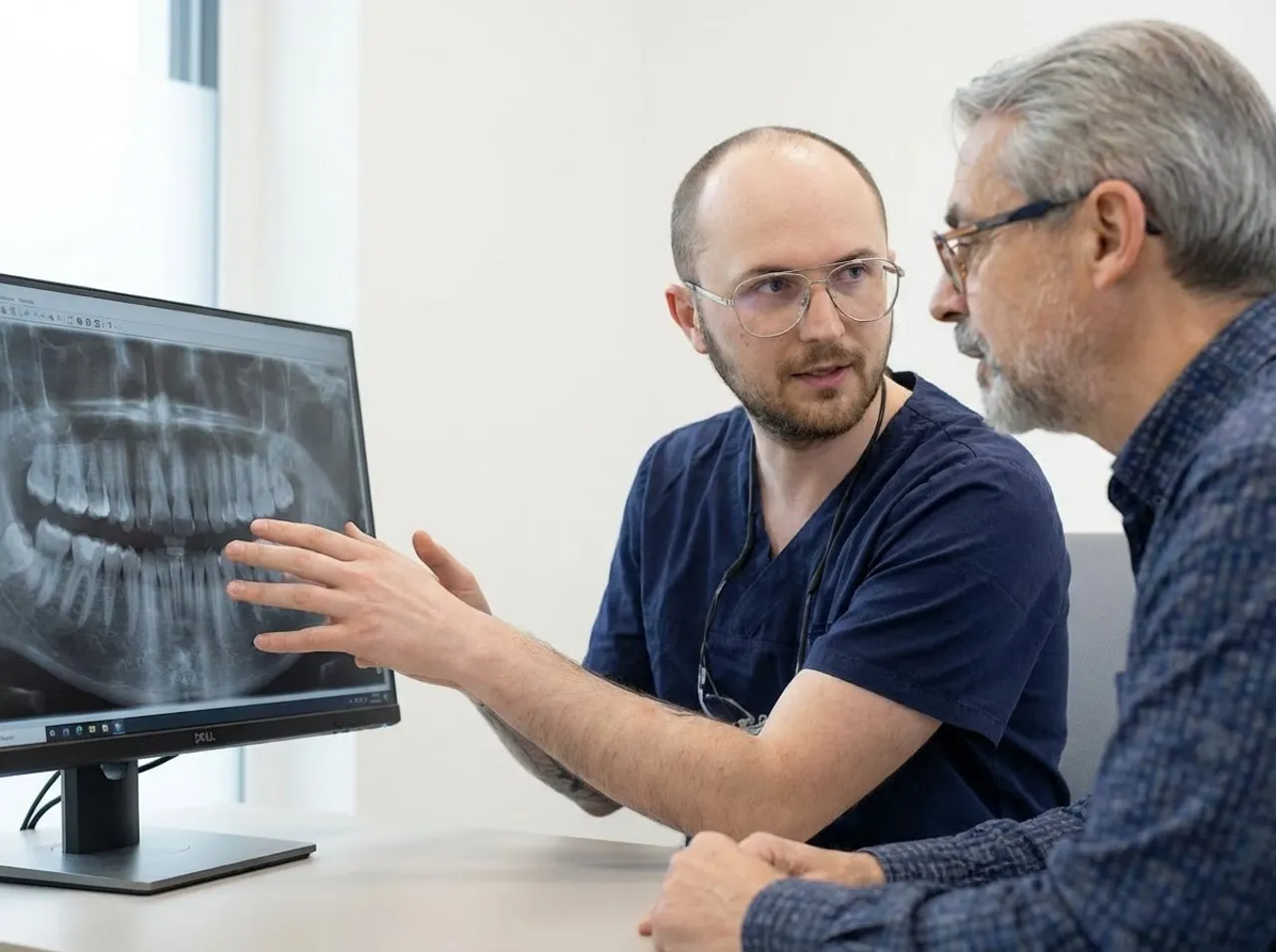
We examine the wound, the fit of the denture and pressure points. We then adjust the denture precisely and gently. You will receive advice on care and aftercare.
FAQ – Pain from a denture on a fresh wound
This depends on the wound, the stitches and the type of denture. It is often possible to start wearing it early, but only with appropriate monitoring.
Swelling and fit change during the first few days. This creates new pressure points and areas of friction.
A typical sign is localised pain when chewing or speaking. There is often a reddened area of mucous membrane.
The protective blood clot is missing from the tooth socket. This causes severe, persistent wound pain.
Use it cautiously in the early stages. An adjustment is usually more effective.
Pressure points are marked and adjusted precisely. The aim is even distribution of force.
It cushions the bearing surface and reduces friction. This promotes healing of the mucous membrane.
Gentle rinsing with lukewarm salt water is often sufficient when recommended by your treating dentist. Vigorous rinsing should be avoided.
If there is severe pain or bleeding, contact your treating dentist promptly for advice on whether and when to relieve pressure. Further planning depends on the examination findings.
Yes, the fit often changes considerably. A follow-up check reduces the risk of new pressure sores.