
Recognising and stopping early-stage tooth decay
Tooth decay often begins unnoticed. In the early stages, it usually does not yet cause severe pain. This is precisely why early detection is so important. If early tooth decay is discovered in time, it can usually be treated with minimally invasive techniques. A hole in the tooth can often still be prevented. So...
Über 350 Google-Bewertungen
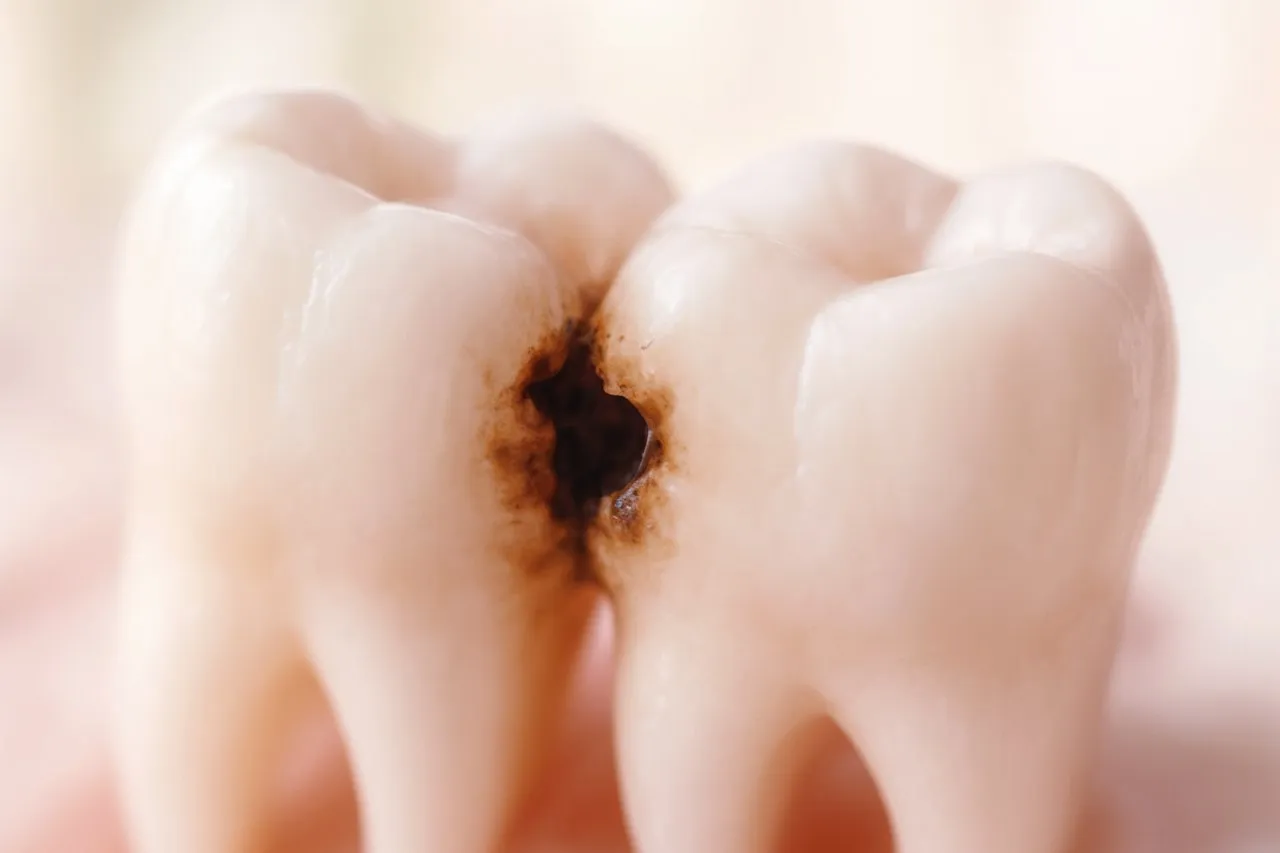
What is early-stage tooth decay?
Early-stage tooth decay is also known as initial caries. Initially, it affects only the enamel. The inside of the tooth is usually not yet affected at this stage. Bacteria in dental plaque produce acid. This removes minerals from the enamel. This is known as decalcification or demineralisation. At this early stage, the surface is often still intact. The tooth feels smooth. Nevertheless, a damaging process is already under way in the enamel.

Causes of early tooth decay
The main cause is dental plaque. It consists of bacteria, food debris and components of saliva. When combined with sugar, it produces an aggressive acid. Frequently snacking on sweet treats promotes tooth decay. Sugary drinks also attack the enamel. These include soft drinks, fruit juices and energy drinks. Inadequate oral hygiene increases the risk. Brushing too infrequently or for too short a time leads to a greater build-up of plaque. Poorly cleaned interdental spaces are also particularly at risk. Other factors include a dry mouth and a low salivary flow. Certain medicines can contribute to this. Closely spaced teeth can also make cleaning more difficult.
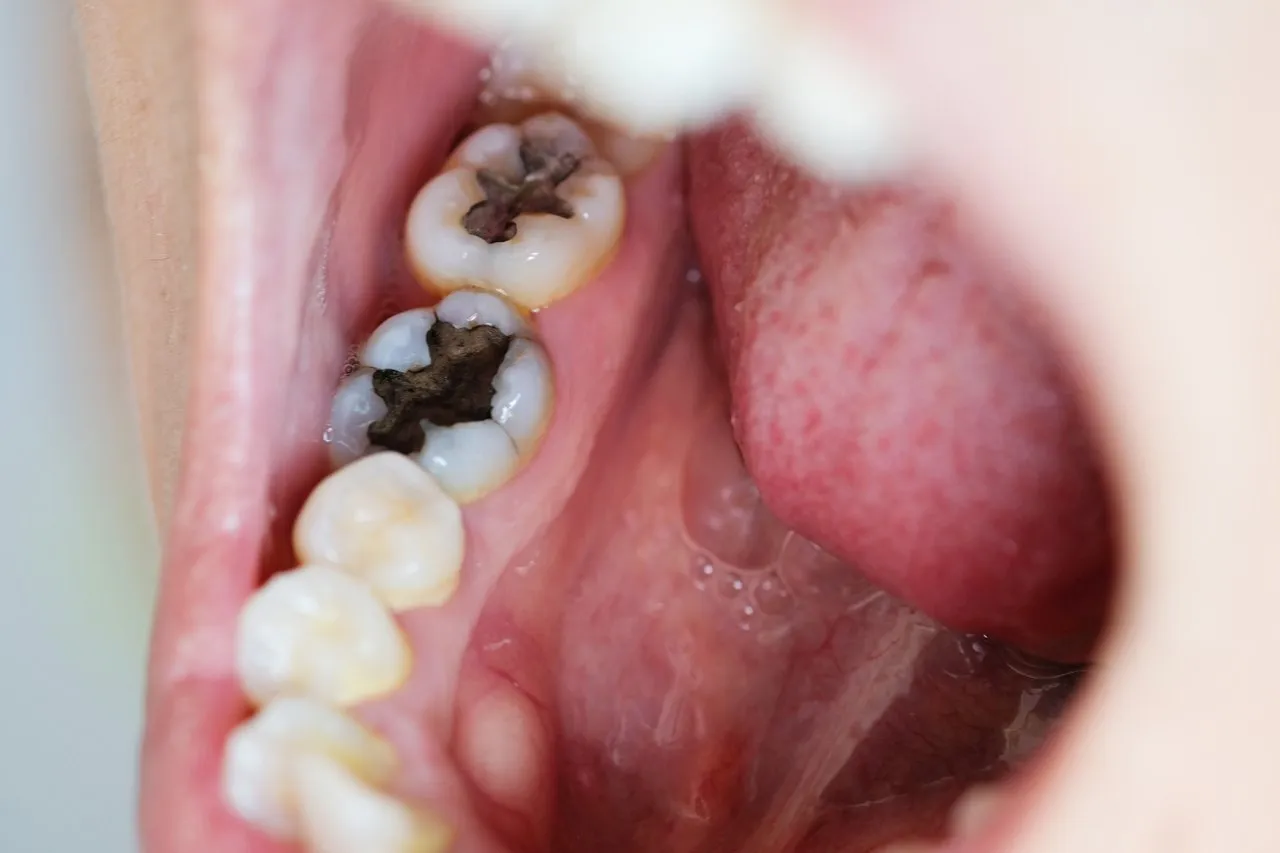
Early signs: How to recognise early tooth decay
Early-stage tooth decay is often painless. Nevertheless, there are typical signs. Dull, light patches are common. These are known as white spots or chalky patches. They usually occur around the gumline. Later, the areas may turn brownish. The surface then sometimes feels slightly rough. Cold foods may cause a brief aching pain. You should take these early signs seriously. The sooner you respond, the gentler the treatment will be.
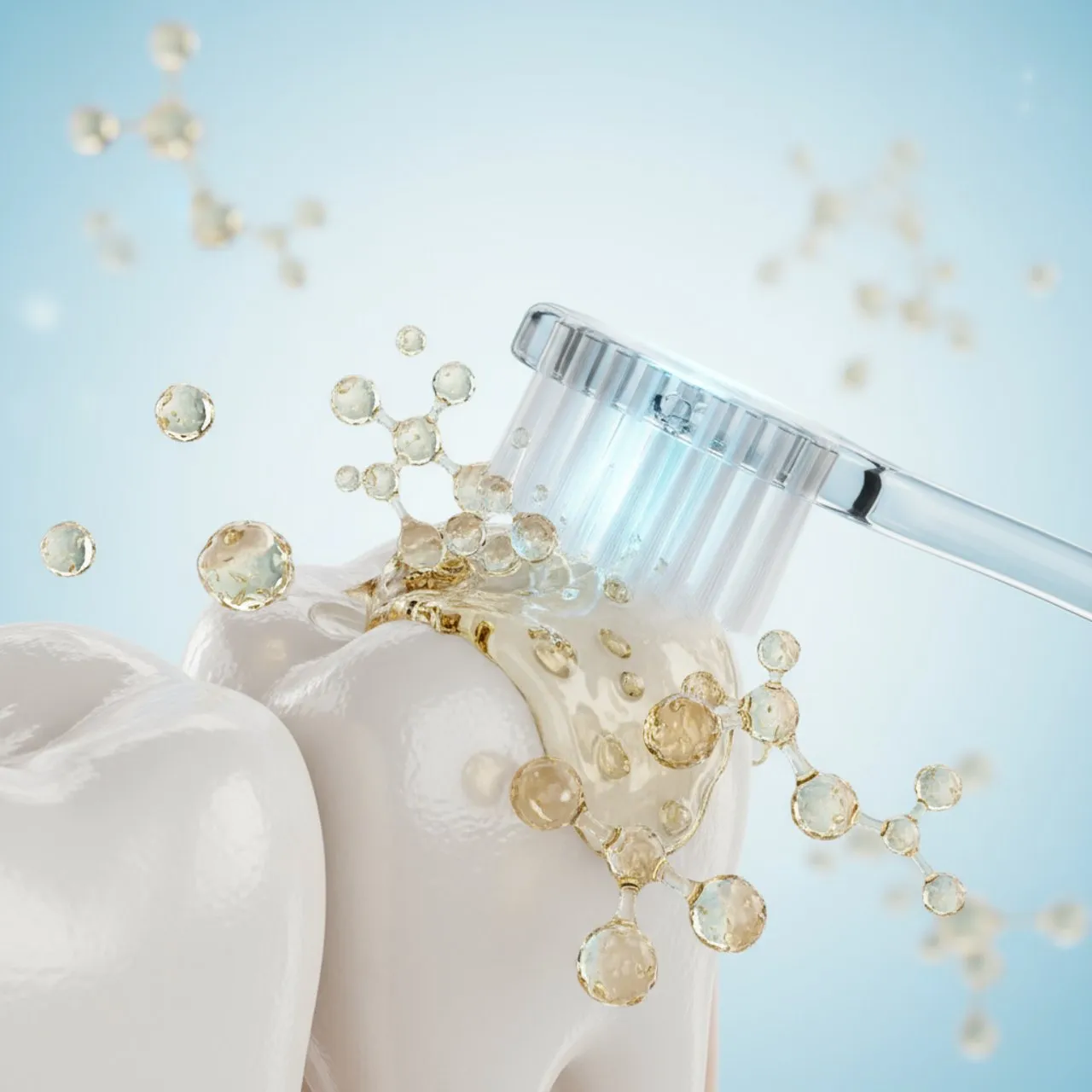
Treating early-stage tooth decay
The aim is to stabilise the tooth. The destructive demineralisation must be stopped. A consistent change to your oral hygiene routine is important. Thorough brushing twice a day with fluoride toothpaste is essential. Dental floss or interdental brushes clean the spaces between the teeth. At our practice, we often use highly concentrated fluoride preparations. They help to restore minerals to the enamel. This can partially reverse early tooth decay. In some cases, caries infiltration is advisable. A special resin is applied to the porous area. It hardens and stabilises the enamel from within. Only once the enamel has already broken down does the tooth need a filling. In the genuine early stage, we can often provide treatment without drilling.

Early-stage tooth decay in children
Milk teeth are particularly vulnerable. Their enamel is thinner than that of adults. Tooth decay therefore spreads more quickly here. So-called bottle caries is typical. Sweet drinks from a bottle with a teat attack the front teeth. The first patches are often difficult to detect. Parents should check their children's teeth regularly. Even small, light-coloured changes are a warning sign. An early visit to the dentist is then important. At Wunschlachen, we provide parents with comprehensive advice. We show them how to care for children's teeth properly. This can prevent many treatments.
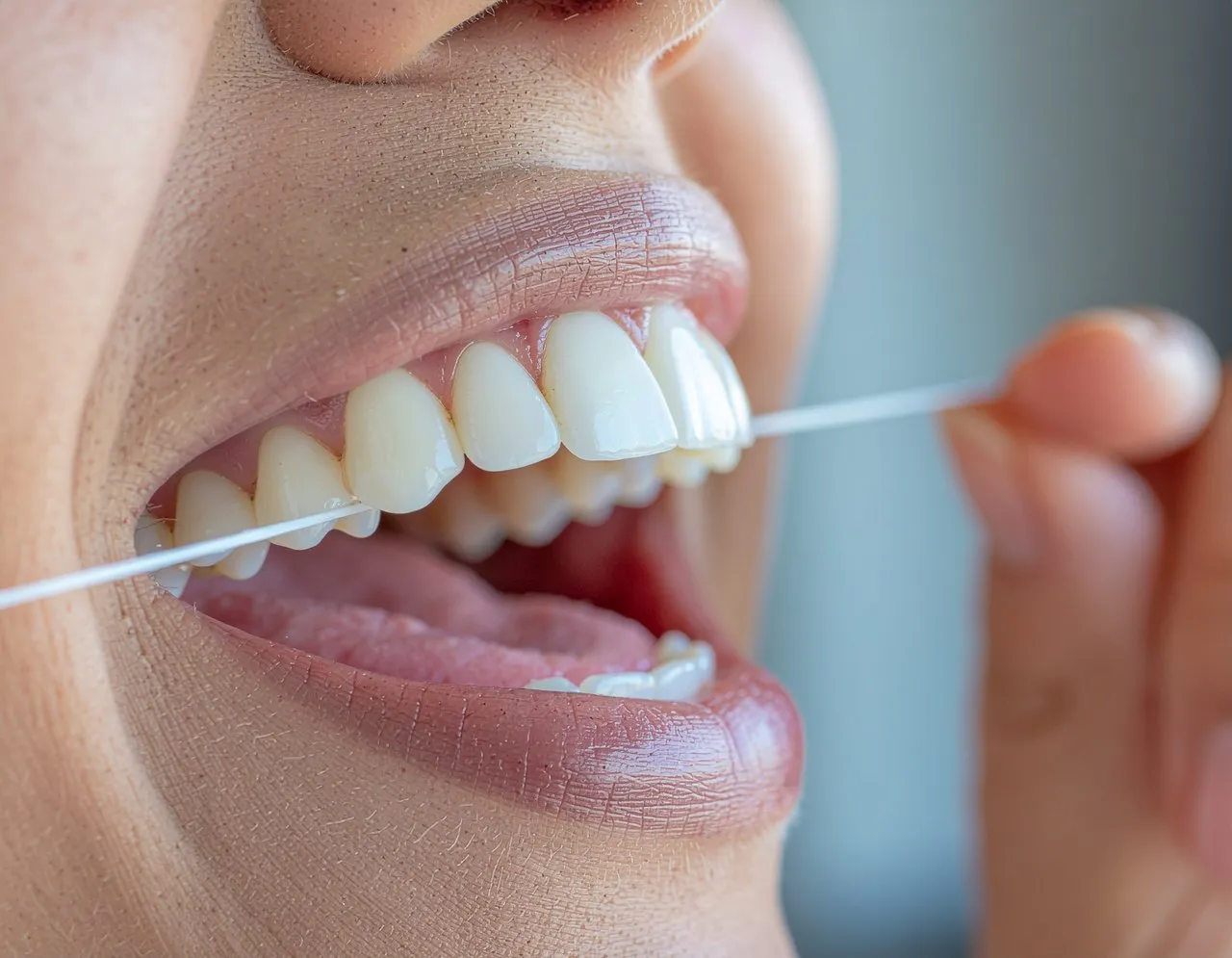
Prevention: How to protect your teeth
Good dental care is the best way to prevent tooth decay. Brush for at least two minutes every morning and evening. Use a fluoride toothpaste. Clean between your teeth every day. Plaque accumulates particularly in these areas. This is where tooth decay occurs especially often. Make sure you follow a tooth-friendly diet. Limit sugar and sweet snacks. Clear drinks and set mealtimes are better. Regular dental check-ups are essential. This allows early signs of tooth decay to be detected in good time. Professional dental cleaning reliably removes stubborn plaque. At our Wunschlachen practice, we create personalised preventive care plans. We take your individual risk of tooth decay into account. This is how we protect your teeth in the long term.
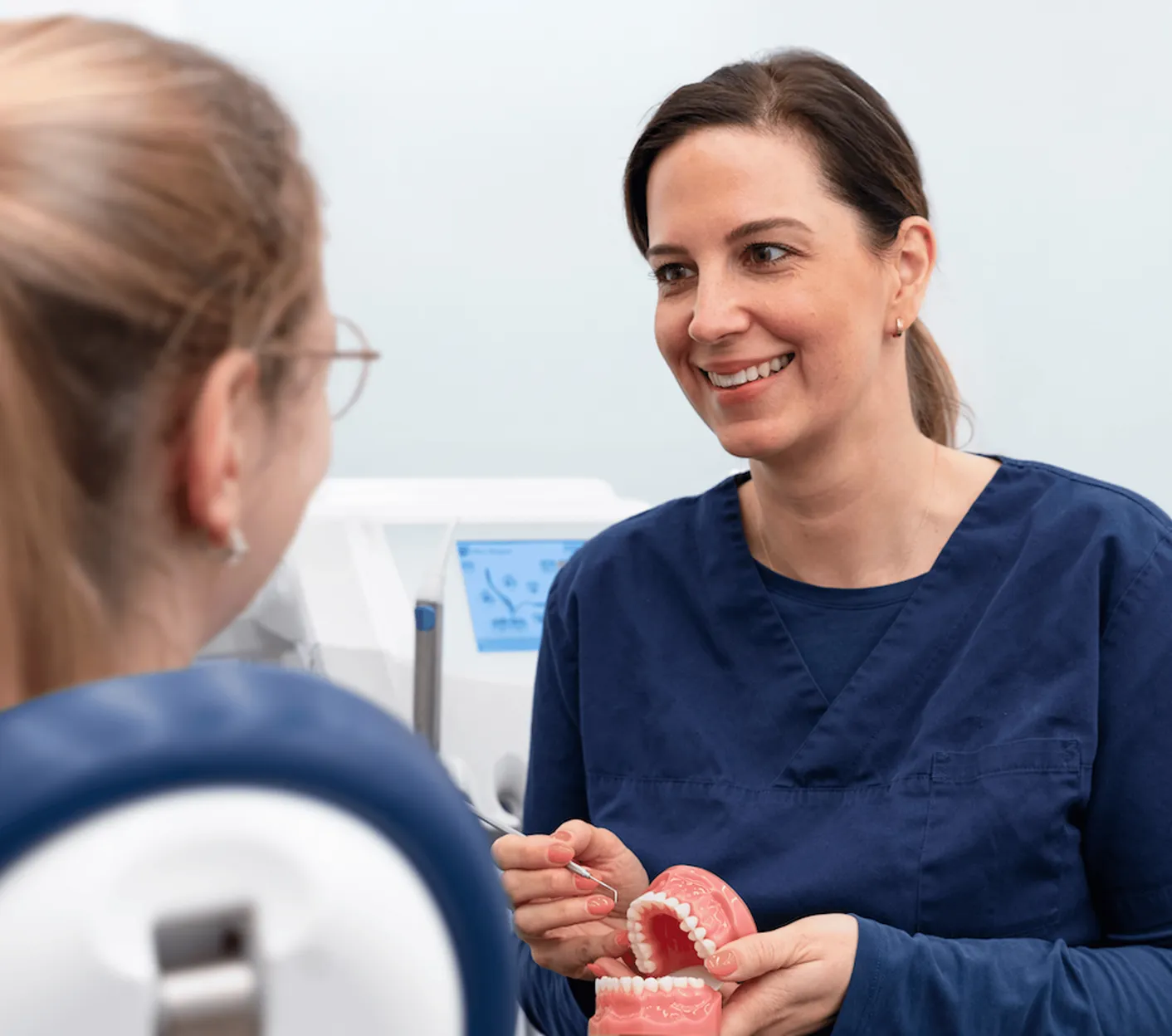
Tooth decay check at Wunschlachen in Berlin
Are you unsure whether early tooth decay has developed? As part of the examination, we carefully check all tooth surfaces. If necessary, we use special diagnostic procedures. Chalky patches or initial discolouration are documented. We discuss suitable measures with you. We focus on treatments that are as gentle as possible. Our aim is to keep your teeth healthy in the long term. Consistent preventive care can significantly reduce tooth decay. We support you on the way to your dream smile.

Conclusion: Act early, preserve your teeth
Early-stage tooth decay often goes unnoticed. Paying attention to the first signs can prevent a great deal. Good oral hygiene, fluoride and regular check-ups keep tooth enamel stable. This helps you avoid painful damage and more extensive procedures. The Wunschlachen dental practice provides you with reliable support.
FAQs – Frequently asked questions about early-stage tooth decay
It is an early form of tooth decay. Only the enamel is affected. The tooth does not yet have a visible hole.
Early tooth decay usually does not cause severe pain. Sometimes the teeth are sensitive to cold. However, this does not replace a dental check-up.
Look for dull, light or chalky patches. These areas may later turn brownish. If you are unsure, always have a dentist check the area.
Yes, this is often possible. Good oral hygiene and fluoride are required. Professional measures at the dental practice also support remineralisation.
Consistent preventive care with fluoride is often sufficient. In suitable cases, caries infiltration may be an option. Drilling is then often unnecessary.
The bacteria can be transmitted. For example, this can happen through saliva contact when sharing cutlery. Good oral hygiene significantly reduces the risk.
At least two check-ups a year are recommended. If you have an increased risk of tooth decay, shorter intervals may be advisable. Your dentist will determine the appropriate interval.
It removes plaque from hard-to-reach areas. This reduces bacteria and improves prevention. Early signs of tooth decay are also easier to detect.
Yes, milk teeth are more susceptible. Tooth decay spreads more quickly in them. Early check-ups at a children's dental practice are therefore important.
Make an appointment with a dentist promptly. Until then, you should brush carefully and reduce your sugar intake. Only a professional examination can provide certainty.