Brace emergency
If your brace is causing problems, contact us immediately. Acting promptly is important to avoid injuries and achieve your desired result. Below, we explain the most common problems and what to do in each case.
Über 350 Google-Bewertungen
The short answer
If you have problems with your brace – such as pain, severe pressure, loose or protruding parts, or loss of the brace – you should contact your practice immediately. Acting promptly helps to avoid injuries in the mouth and prevent the success of your treatment from being jeopardised. The practice will assess over the phone whether you need an appointment at short notice.
- Common problems
- Pain, unusually severe pressure, loose or protruding parts, lost brace
- Warning signs
- Injuries to the oral mucosa, persistent severe pain, damaged appliance
- When to visit the practice
- Get in touch immediately – acting promptly prevents injuries and protects the outcome of your treatment
General information only, not a promise of healing. The orthodontic practice will determine the appropriate course of action on a case-by-case basis.
Fitting the brace
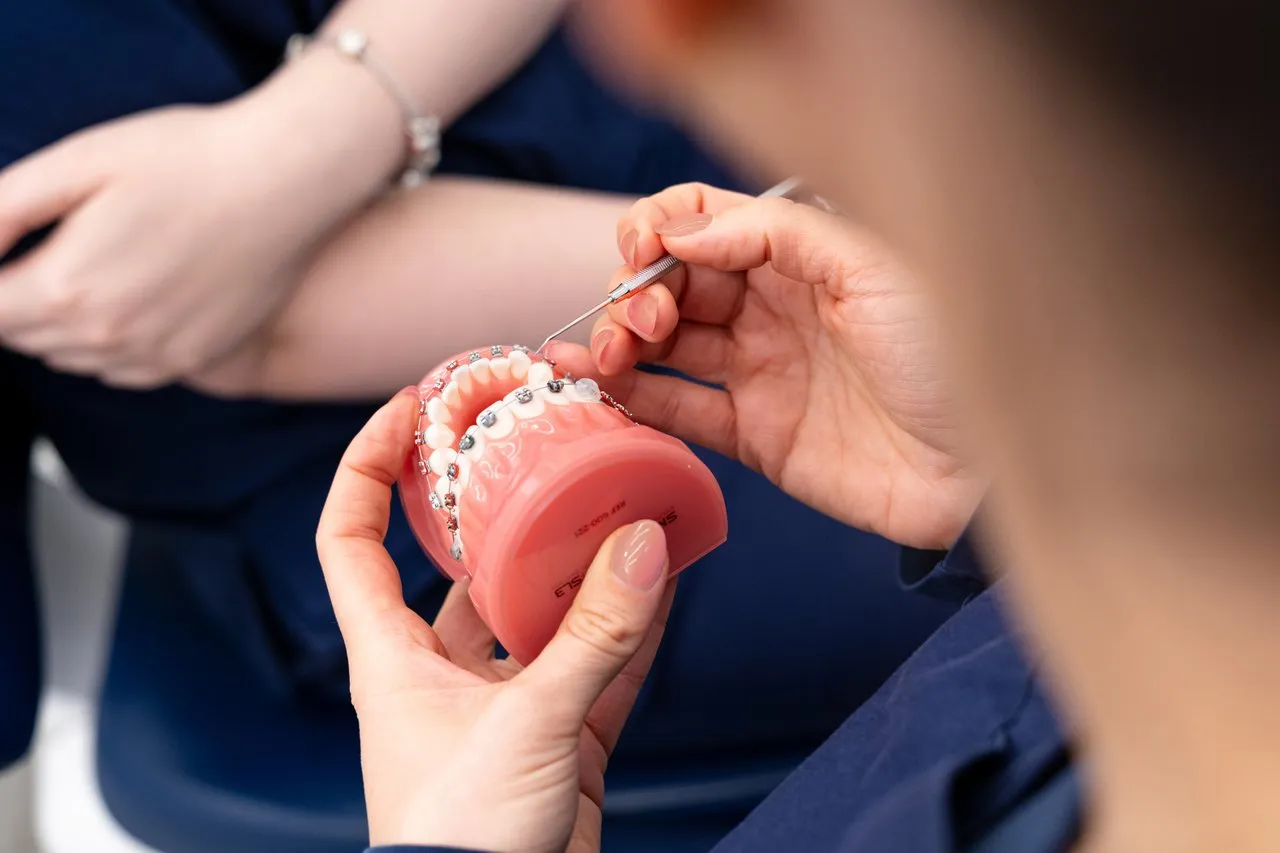
Pain after the first treatment is normal. It can last for several days. The pain is caused by the sudden tension and pressure resulting from the movement of the teeth.
During this time, your teeth may also feel loose. This is also normal, as the body has to get used to the new appliance.
A gentle diet is very important during this time. Avoid hard foods and opt for soft and puréed foods instead. Hot and cold drinks should also be avoided so as not to irritate the teeth further.
You can use aids such as anti-inflammatory mouthwashes to help during the first few days. However, if the pain does not subside, come to the practice immediately. Our specialists will adapt the treatment to suit your needs.
Dental care
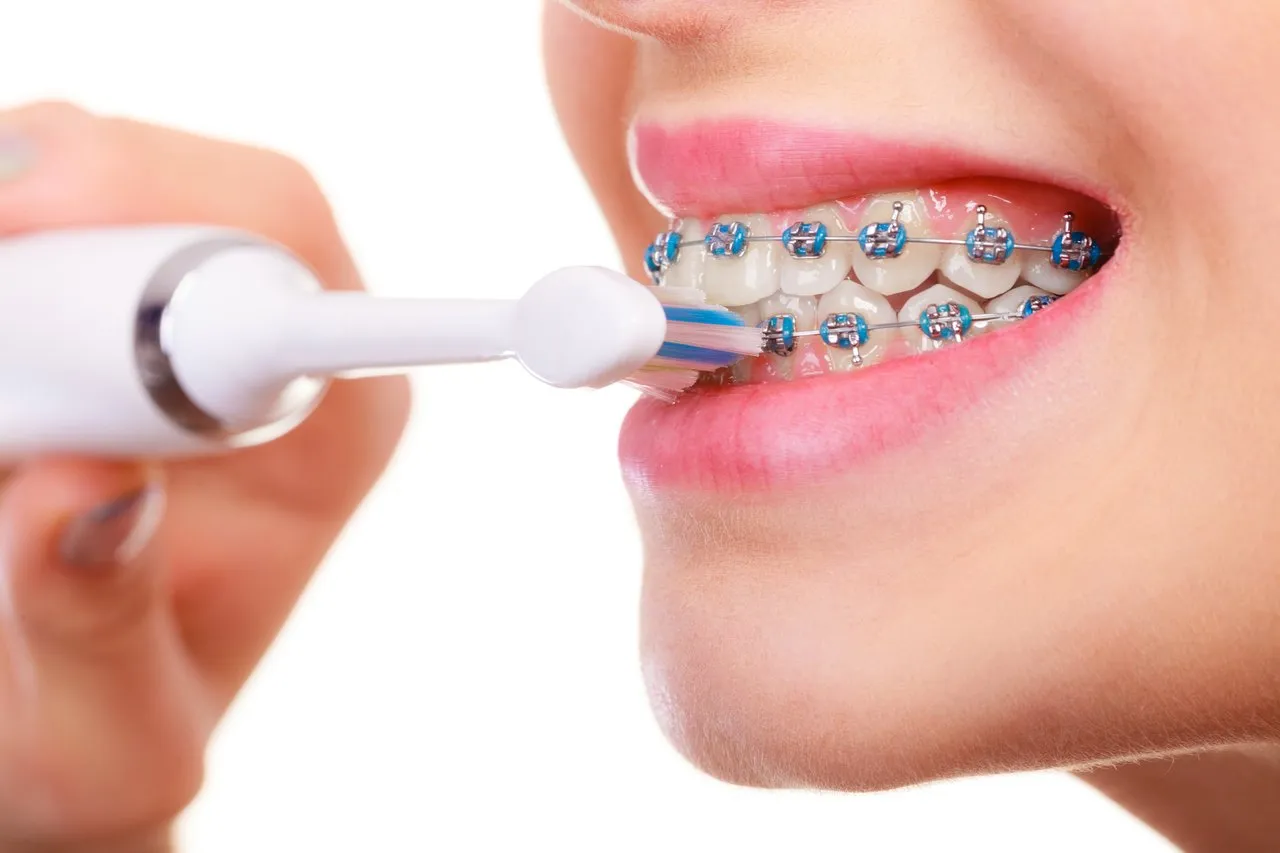
If you notice blood and swelling during or after brushing your teeth, it could be gingivitis. Be thorough when brushing your teeth and with your general dental care. Food particles can become trapped particularly easily in a fixed brace. You can also use aids such as mouthwashes or dental floss. Adapt your oral hygiene routine after the brace has been fitted and follow the instructions of the doctor treating you.
Brackets and bands
In this case, you must see the doctor treating you immediately. Please let us know beforehand so that we can allow sufficient time for the problem.
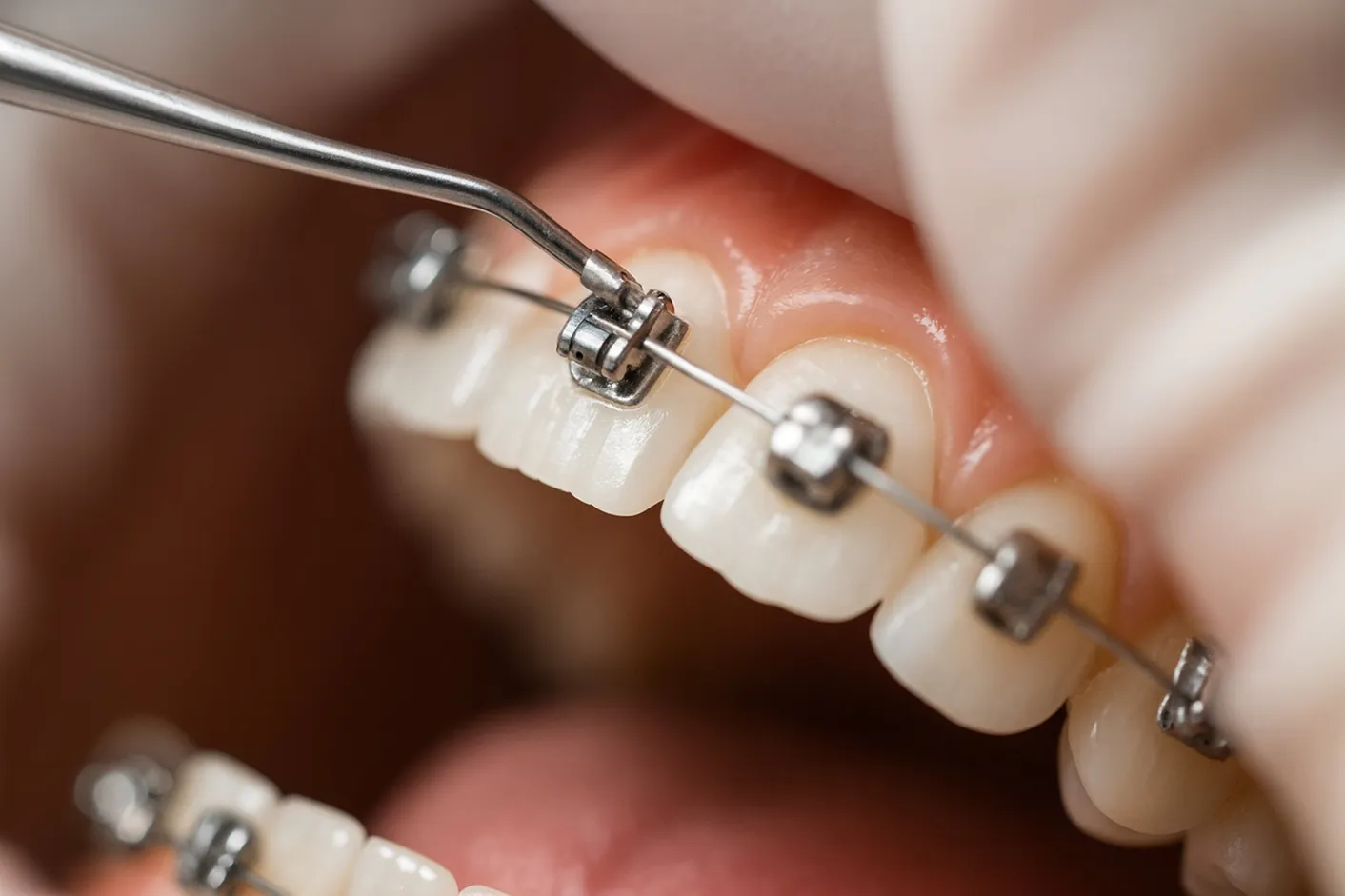
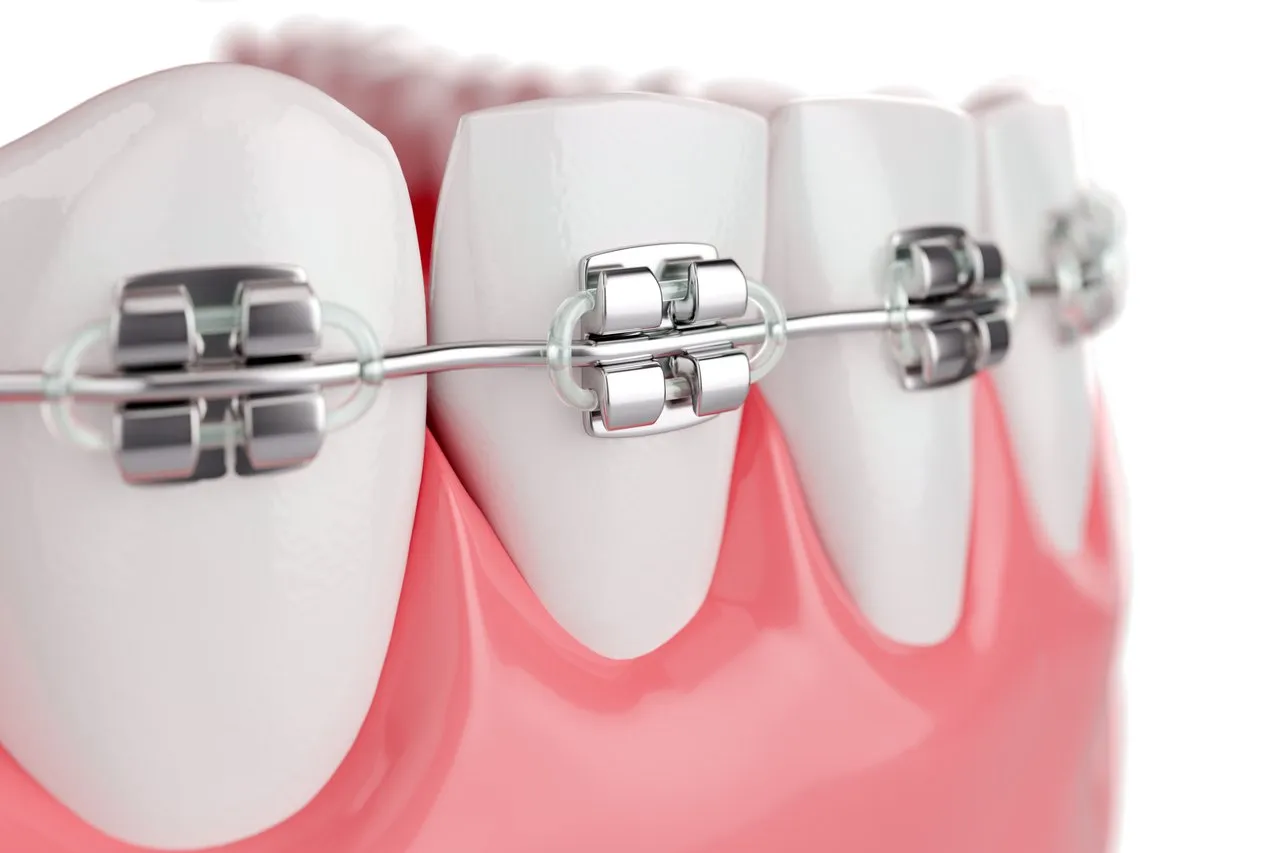
If the bracket is still attached to the archwire, it may remain in your mouth. Carefully move the bracket to one side so that you can reach the relevant areas when brushing your teeth.
If the band has come loose, contact your treating orthodontic practice promptly for advice on what to do. Do not move, reseat, push or try to remove a band that is still attached. Only a completely detached, easily accessible piece can be safely removed from your mouth.
If you feel pressure from a bracket (for example, on your lip), apply a little protective wax to it. If this is not enough, contact your treating orthodontist to arrange a repair. Do not remove a bracket that is still attached to the archwire or only partly detached.
Please keep any parts that have come completely loose and bring them with you to the dentist.
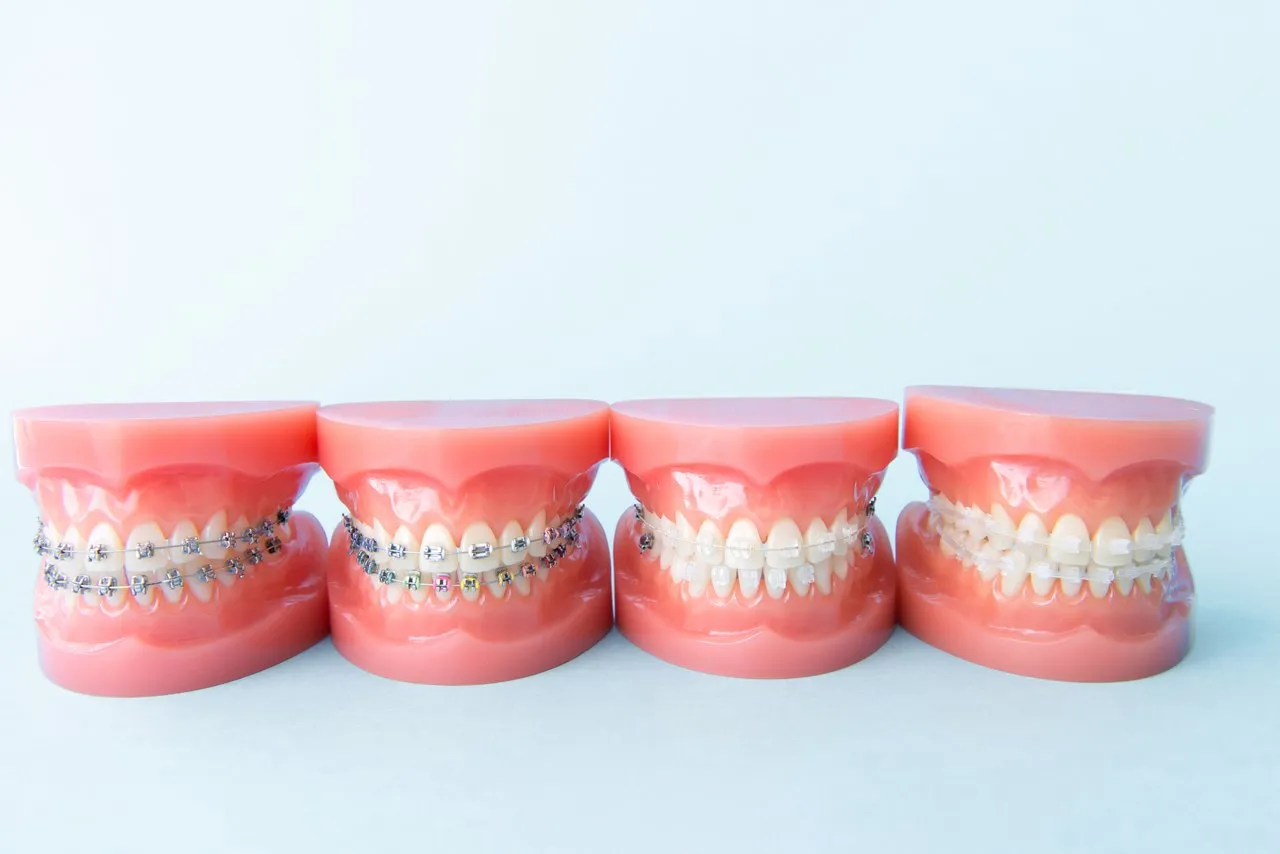
Archwire
If an archwire has slipped out, do not try to reinsert it yourself. Under no circumstances should you attempt to cut the archwire yourself.
If the ends of the archwire cause pricking or other discomfort, do not attempt to bend the wire yourself.
If your orthodontic team has provided protective wax, use it as instructed to cover the area and reduce rubbing. Contact your treating orthodontist to arrange a repair so that the problem can be resolved professionally.
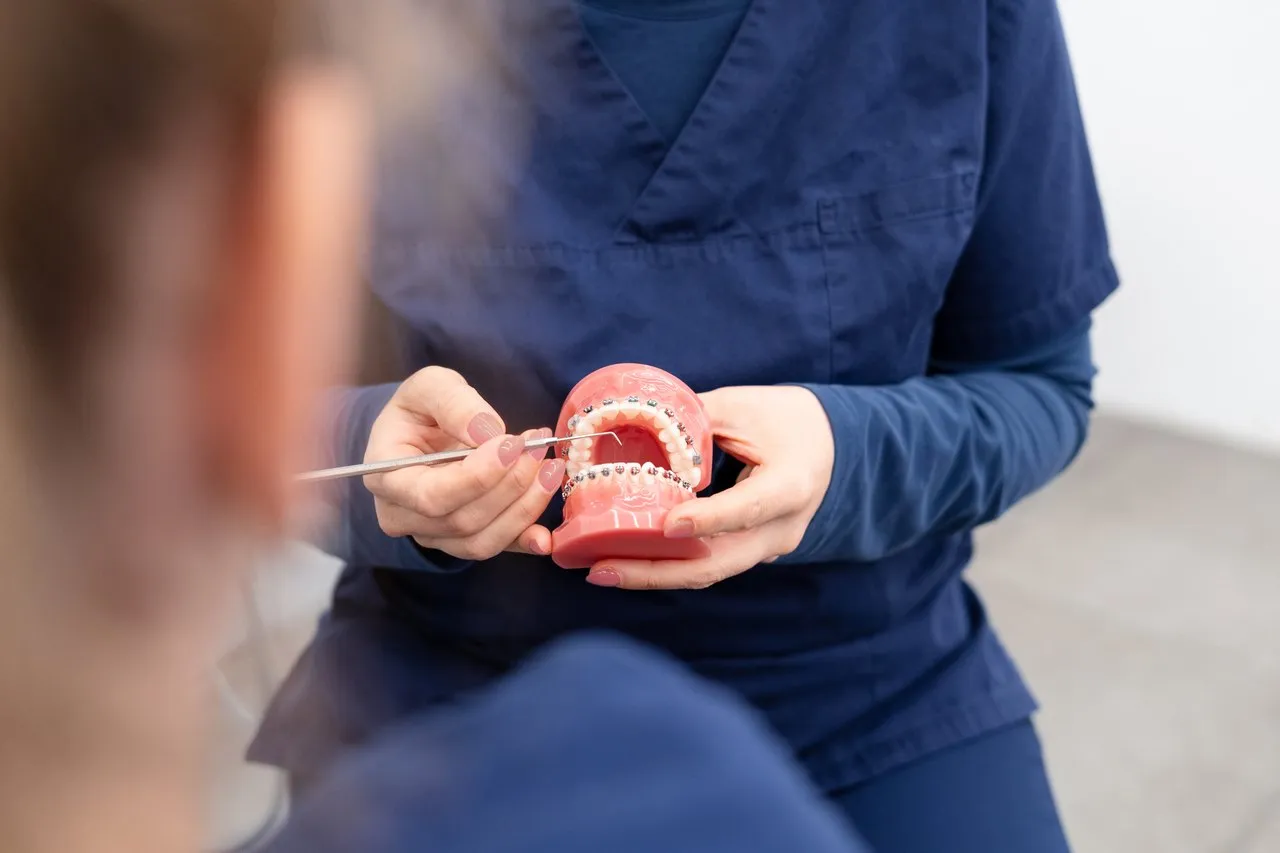
Palatal arch
Book an appointment immediately if the palatal arch has come loose. Do not try to push the unsecured appliance back into the lock. It should be assessed by your orthodontist; follow any device-specific instructions you have already received from your clinician. Come to our practice as soon as possible.
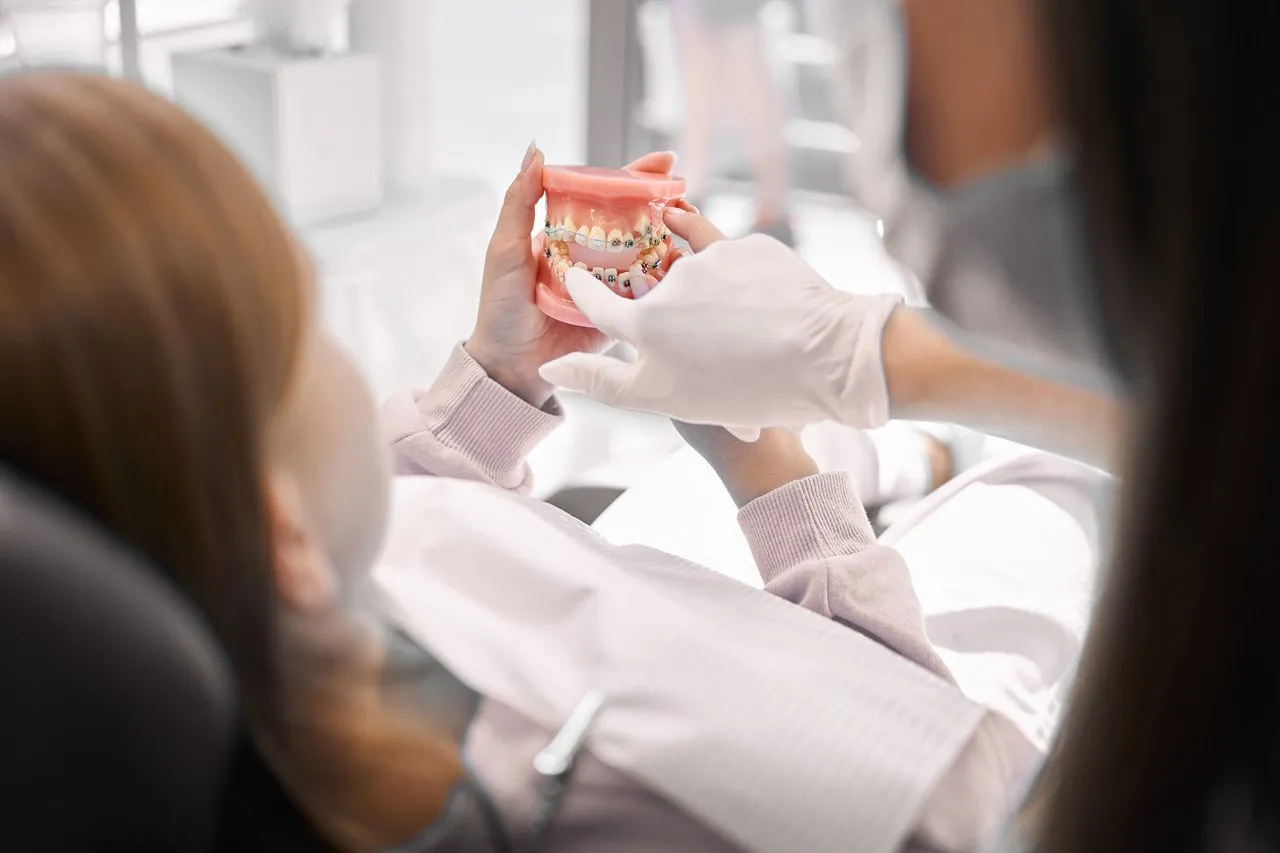
Retainer
If the retainer comes loose, come to us immediately. The quicker action is taken in this case, the more straightforward the rest of the treatment will be.
If the teeth have already moved a long way from the desired position, new retainers will be fitted. However, this will incur additional costs.
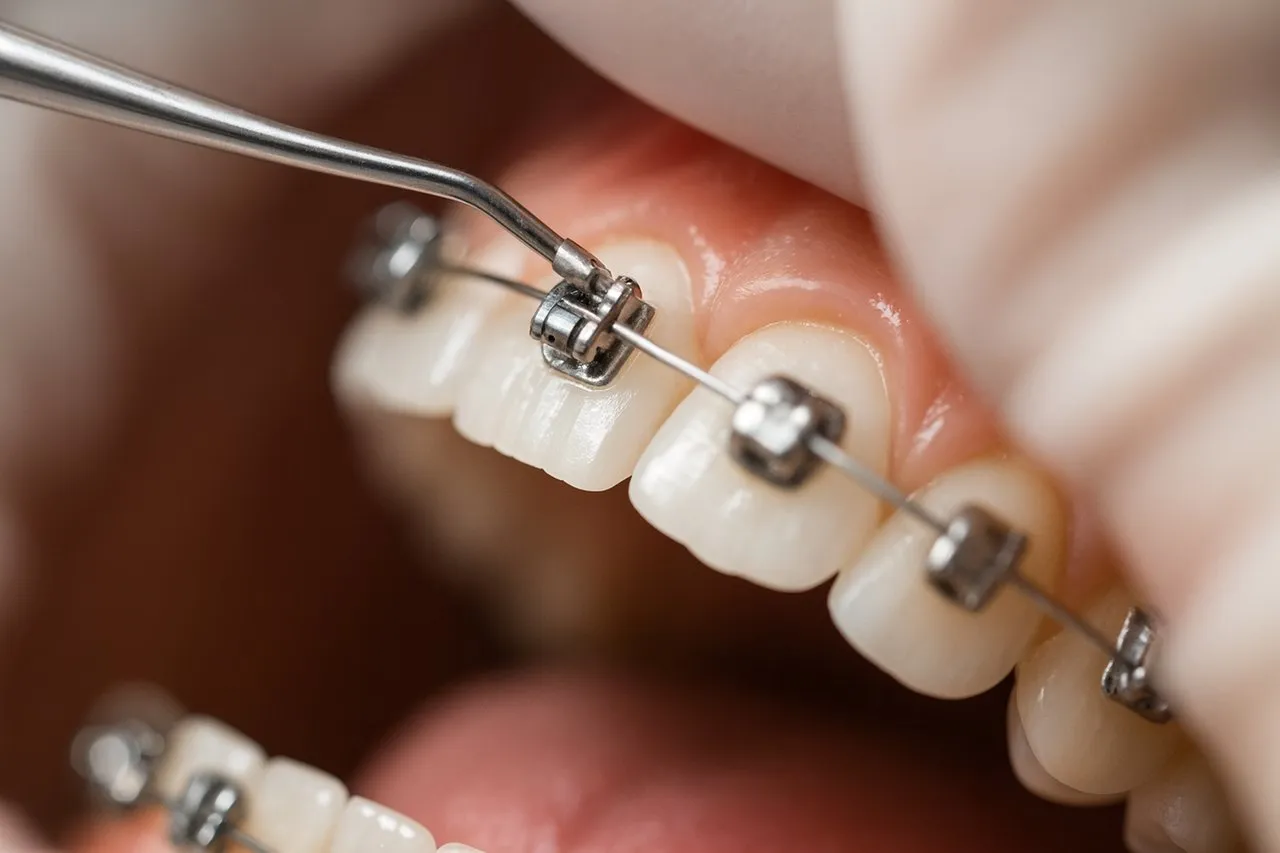
Loose parts
Some elements of the brace can come loose and get lost. For an ordinary breakage or loss of a small part without breathing difficulties, book an appointment at our orthodontic practice as soon as possible. Acting quickly can prevent further problems and secure your desired result. If you have difficulty breathing or other airway symptoms, call 112 for immediate emergency help in Germany. If you suspect that you have inhaled a component or swallowed a sharp component, obtain urgent medical assessment and follow your clinician's advice.
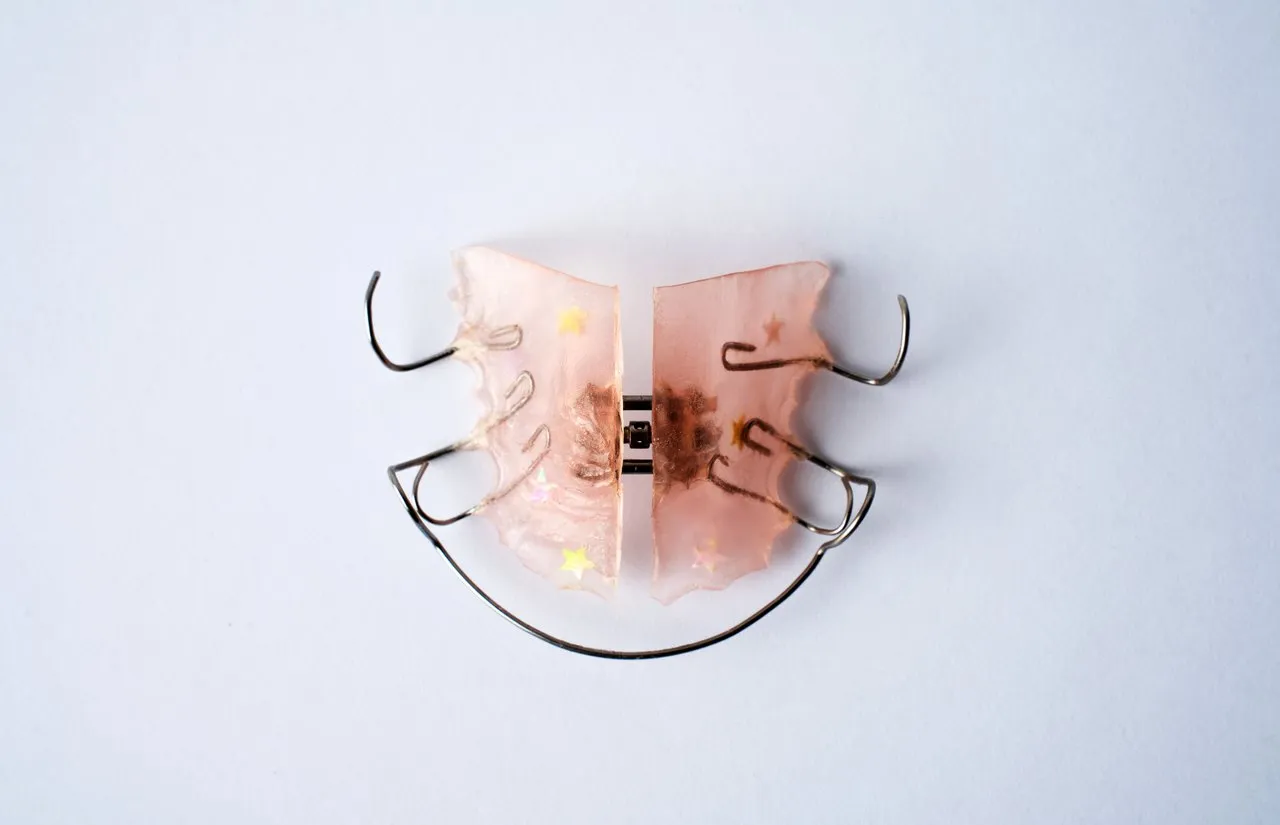
Removable brace
A removable brace is easy to use, but it can nevertheless present some difficulties. There can be various reasons for this. In any case, your brace will need to be readjusted. Book an appointment at our practice immediately.
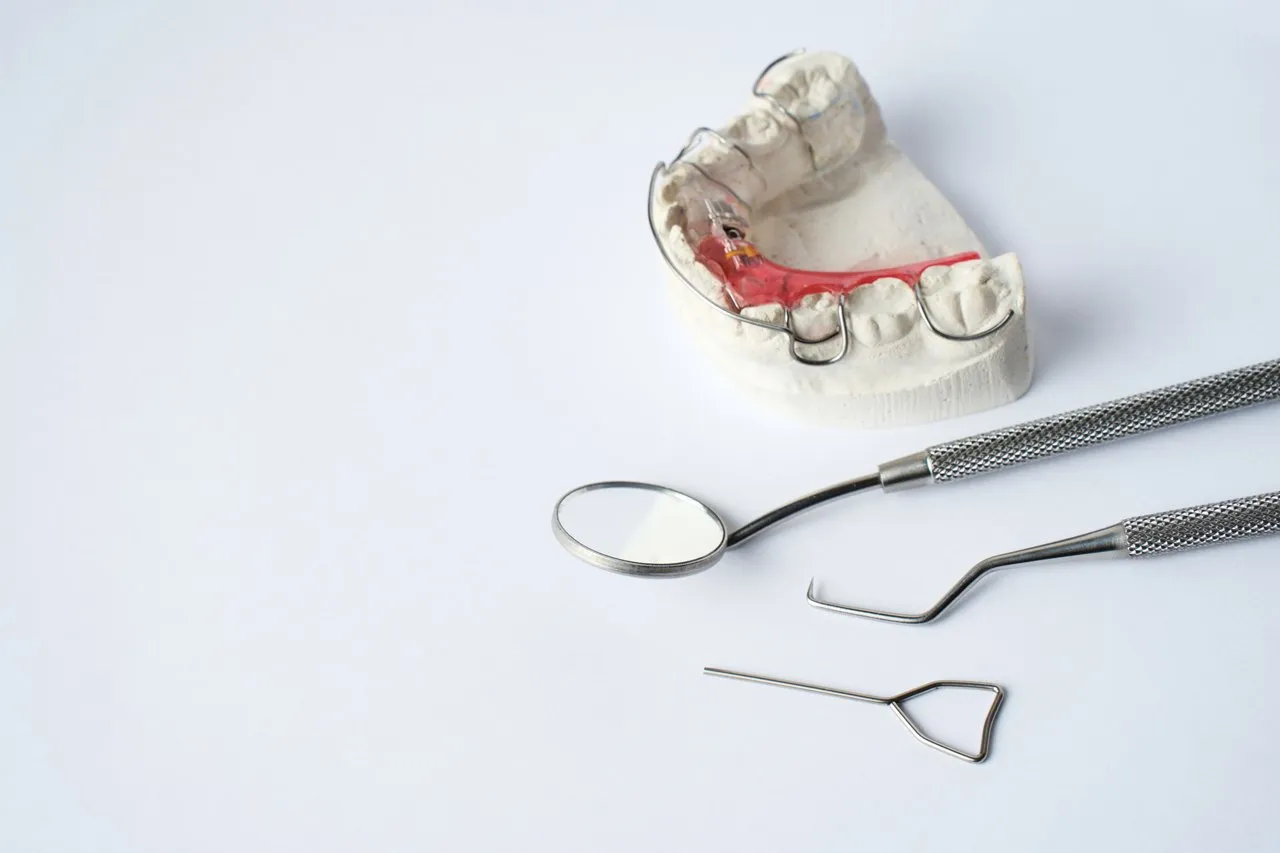
Broken brace
This can happen to anyone. Do not worry. In many cases, a broken brace can be repaired by your dentist and restored to working order.
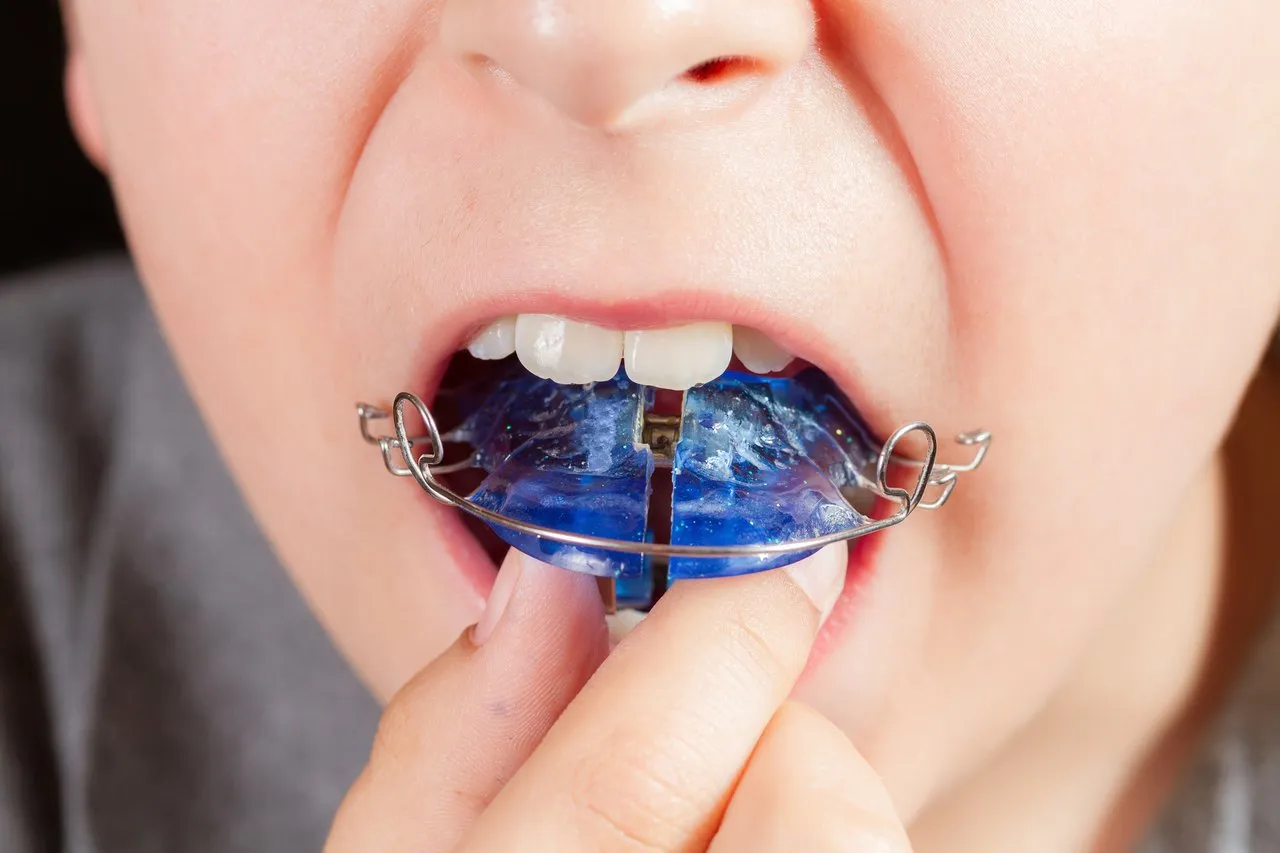
Loss of your brace
If you have lost your brace, contact us as soon as possible. Together, we will discuss the next steps. It is important to maintain the results achieved so far.
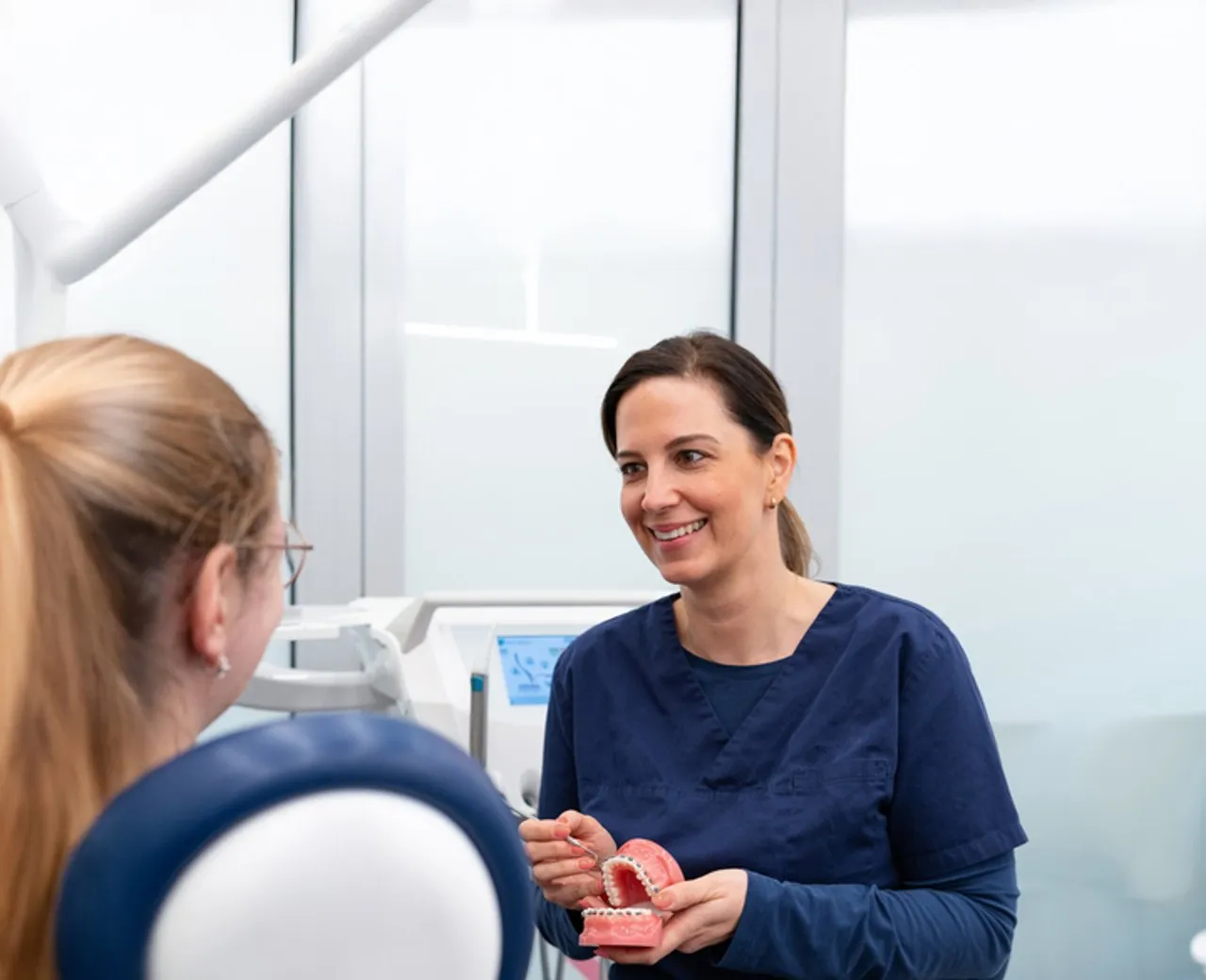
Modern methods for correcting your teeth
We work with high-quality materials and state-of-the-art technology. This enables us to provide you with results of the highest quality. However, we need your active support to ensure a swift and smooth process. Follow your dentist’s instructions and contact us immediately if you experience any problems.