Looking for a dentist: how to find the right practice
Anyone looking for a dentist should consider more than just distance. The area of expertise, experience, accessibility and clear advice are all important. This text explains what patients should look out for, how to make the search easier and when a practice is truly a good fit.
Über 350 Google-Bewertungen

Why a focused search for a dentist matters
The choice of dental practice has a major influence on your care. It is not just about check-ups. It is often also about preserving teeth, aesthetics or implantology.
A good practice identifies problems early. This can make subsequent treatment less extensive. At the same time, care built on trust gives you greater confidence in everyday life.

Looking for a dentist: these criteria really matter
When searching, professional expertise comes first. Not every practice offers every treatment. Implants, veneers or aligners often require particular experience.
The technology available is also important. Digital diagnostics can present findings more precisely. This makes planning easier and improves processes.
Please feel free to book an appointment at our practice.

How to assess the location of a practice
Many patients choose solely on the basis of proximity. This is understandable, but not always ideal. Good accessibility is more important than distance alone.
Check how to get there by car and public transport. Parking facilities can also be decisive. This makes planning easier, especially for longer appointments.

Which treatments should a dental practice offer?
Anyone looking for a dentist should pay attention to the range of services offered. A modern practice usually covers several areas. These include preventive care, tooth preservation, dental prosthetics and aesthetic dentistry.
Individual advice is particularly helpful. Not every treatment is suitable for every clinical situation. Good dentists therefore develop a treatment concept tailored to individual needs.

What are the signs of good dental advice?
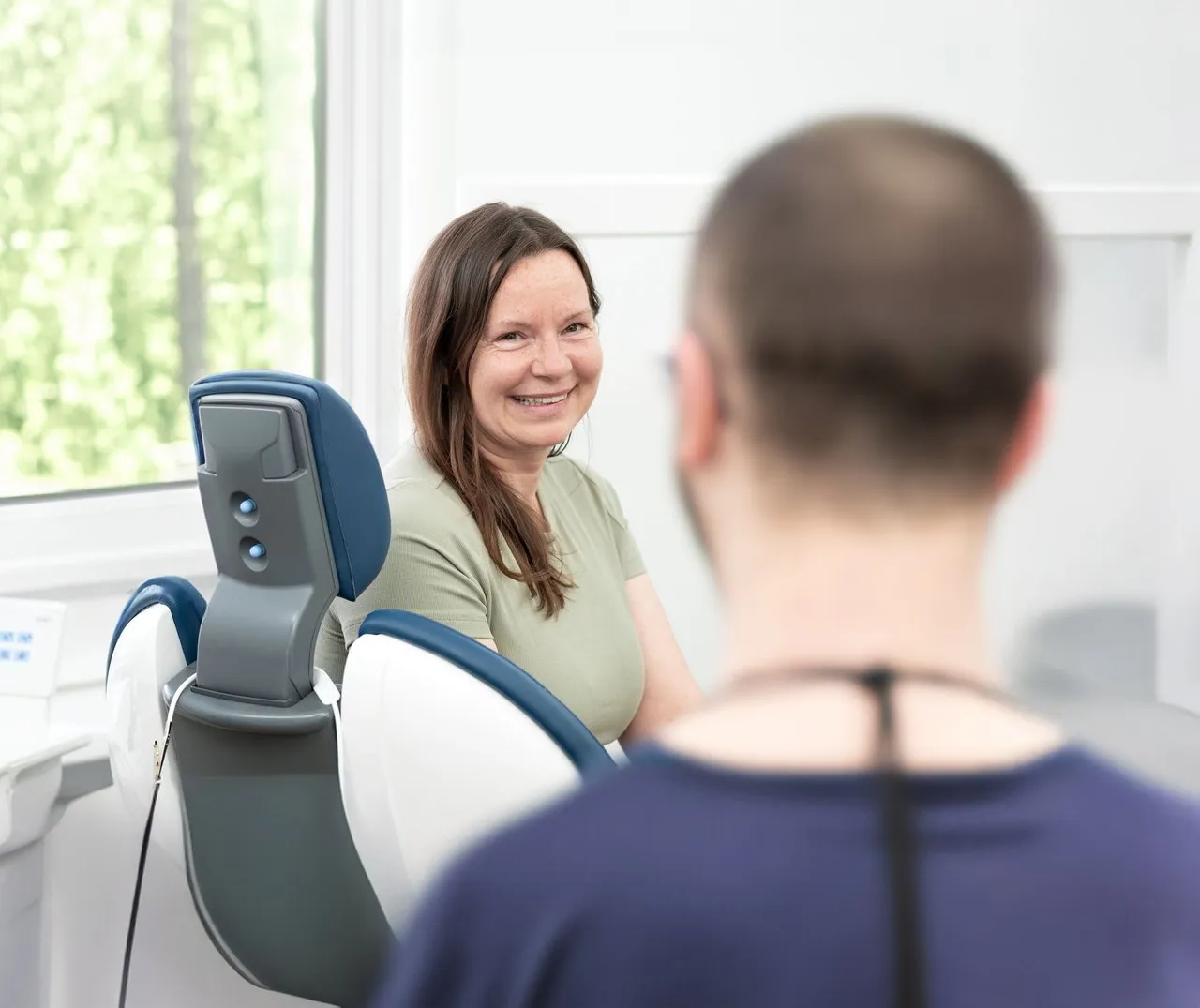
The consultation is often the best litmus test. A good practice listens first. This is followed by an examination, a full explanation and a clear treatment plan.
Make sure the language used is easy to understand. Medical terminology should be explained. Only then can patients make a well-informed decision.
How to put reviews and recommendations into perspective
Many people now use online reviews. This makes sense, but is not enough. Individual opinions show only part of the picture.
It is more important to look for a pattern across many reviews. Repeated mentions of good organisation, friendliness and professional expertise are relevant. Extremely positive or very brief comments are less informative.

How to structure your search for the right dentist
Start with your own priorities. Are you looking for preventive care, dental prosthetics or aesthetic corrections? This will help you make the right choice.
Then book an initial appointment. You can learn a lot from your experience at reception. Friendliness, organisation and clear explanations often say more than advertising.

Wunschlachen as a guide to modern dentistry
For many patients, a practice is ideal when medicine and service go hand in hand. This is exactly what modern practices focus on today. In addition to expertise, empathy and transparency also matter.
Wunschlachen stands for an approach to dentistry based on clear advice. This includes structured processes and a broad range of services. For patients, this creates clarity and trust.
Anyone looking for a dentist should do more than simply compare. What matters is finding a practice that is the right fit both professionally and personally. The result is care that provides long-term support.
How to tell at your first appointment whether the practice is right for you
Criteria on paper are one thing; the first visit is another. There are a few things you can easily observe during it.
Do they explain why a treatment is necessary — and what happens if you wait? A recommendation without an understandable explanation should give you pause. Are alternatives mentioned, including the less expensive option covered by statutory health insurance? And for anything beyond standard care, do you receive a written treatment and cost plan before treatment begins?
Another good sign is how a practice responds to a request for a second opinion. A practice that is confident in its advice will have no problem with this. Also feel free to ask how the practice can be reached outside opening hours and what to do if you have acute pain — otherwise, you may only find out when you urgently need to know.
And finally: take any discomfort you feel seriously. If you feel interrupted while things are being explained to you, or leave with unanswered questions, that is a finding in itself. Dental treatment often continues for years — trust is not a soft factor here, but a prerequisite for you attending check-ups in the first place.