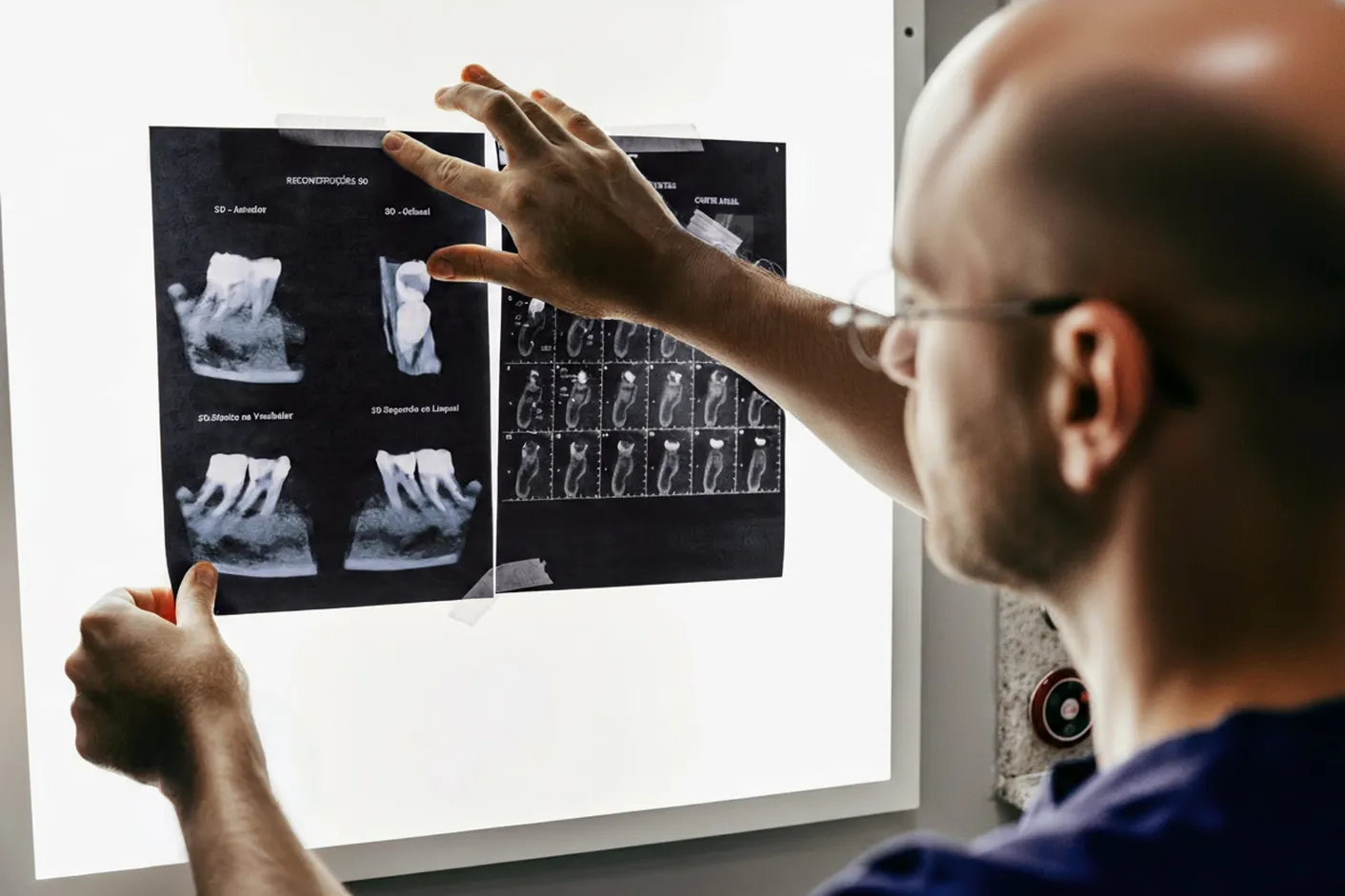
Tooth replacement in the lower jaw: A comprehensive overview
The loss of teeth in the lower jaw can present both aesthetic and functional challenges. Fortunately, there are now numerous tooth replacement options that can be tailored to each patient's individual needs. In this article, we will...
Über 350 Google-Bewertungen
How does a full denture stay in place in the lower jaw?
Several tooth replacement options are available for the lower jaw: removable partial or full dentures, fixed bridges and implant-supported solutions. Implants provide the most stable retention and a natural chewing sensation, while dentures are less expensive and do not require surgery. The most suitable option depends on the number of missing teeth, the amount of available bone and the budget.
- Options
- Partial denture, full denture, dental bridge or implant-supported tooth replacement.
- Key point
- Implants have the most stable anchorage; dentures are less expensive and do not require surgery.
- Good to know
- A full denture is often more difficult to retain in the lower jaw – implants can significantly improve its stability.
General information only; no promise of a cure. The appropriate treatment will be determined in an individual consultation; costs will be set out in a treatment and cost plan (Heil- und Kostenplan) before treatment begins.

Tooth replacement in the lower jaw: An important decision
Tooth replacement for the lower jaw is a solution for people who have lost their teeth for various reasons. The loss of teeth can lead to problems with chewing, speaking and smiling. However, there are a wide variety of options for replacing missing teeth. The most common options include dentures, bridges, implants and complete dentures.
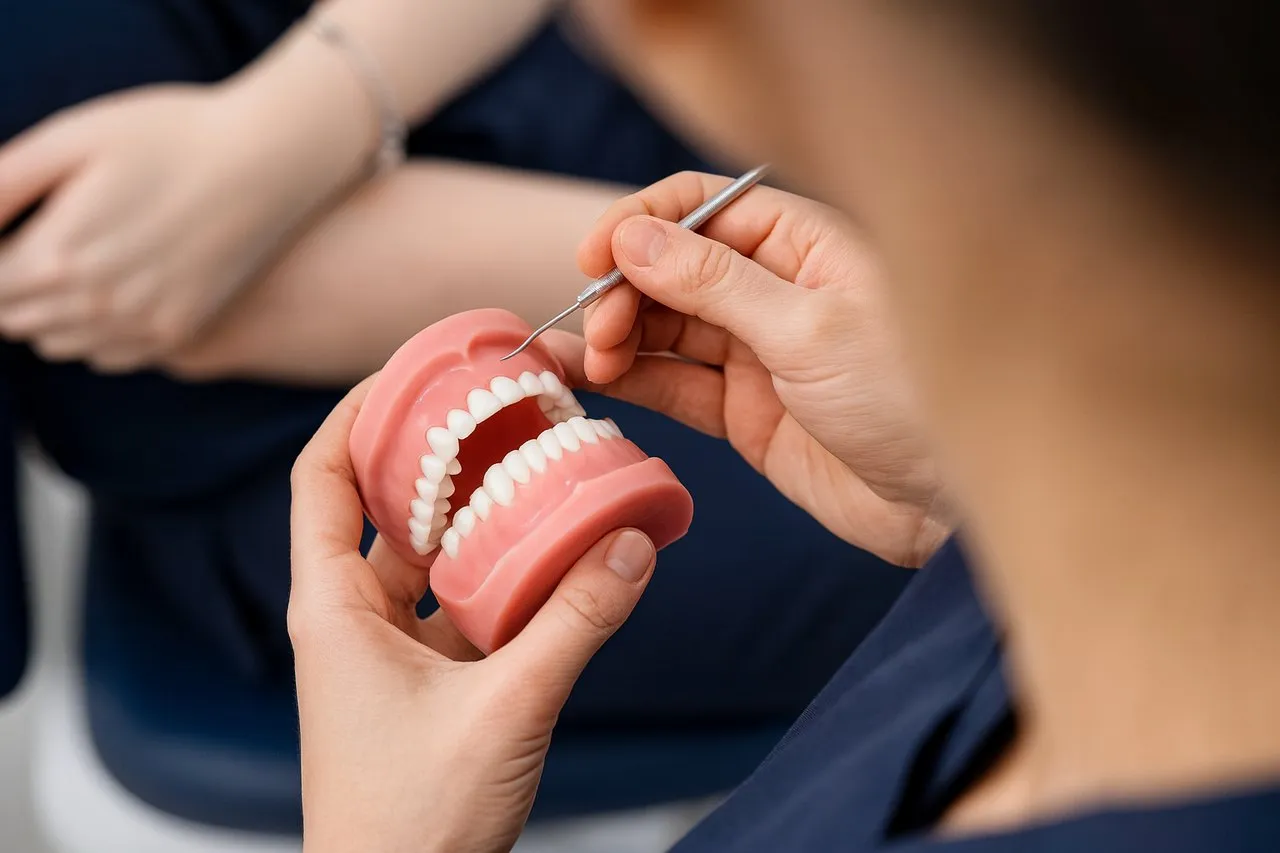
Dentures for the lower jaw: A flexible solution
A denture for the lower jaw is one of the most common solutions for replacing missing teeth. It is a removable denture that replaces either all the teeth in the lower jaw or just individual teeth. There are various types of denture that can be adapted to the patient's needs. Lower jaw denture without retention A denture without retention is often referred to as a "free-standing denture". It is worn without additional fastening mechanisms such as implants or clasps. This type of denture is generally used when only one or a few teeth are missing in the lower jaw. It has the advantage of being relatively inexpensive and not requiring any surgical procedures. However, it may be less stable than dentures with retention or implants and must be adjusted regularly. Denture for 1 tooth If only a single tooth is missing in the lower jaw, a denture for one tooth can be a practical solution. This denture replaces the missing tooth and can be connected to either a bridge or a single-tooth denture. A denture for 1 tooth is particularly popular with patients who have only a small gap in their teeth.
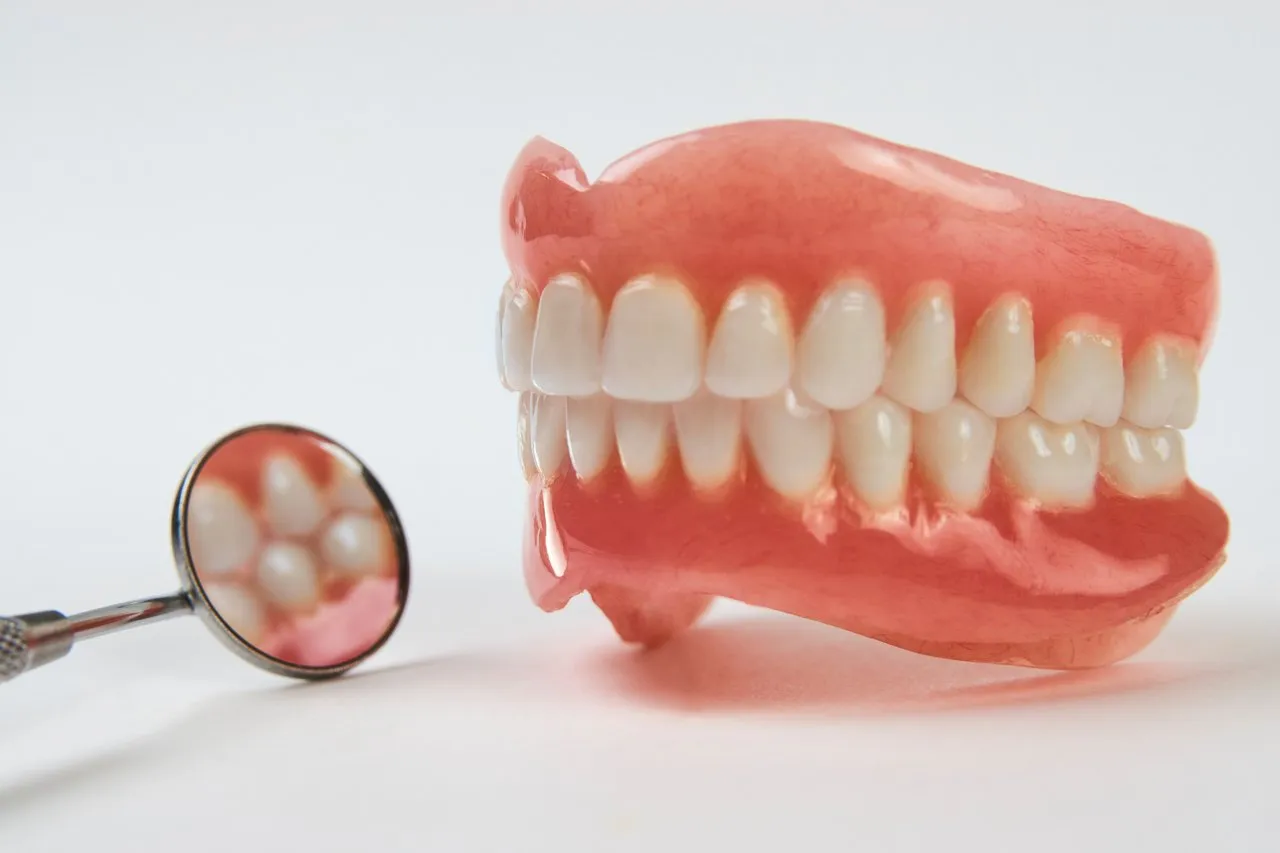
Tooth replacement options: From bridges to full dentures
There are many types of dental restoration that are suitable for the lower jaw. Each variant has its own advantages and disadvantages. This depends on how many teeth are missing and what requirements the dental restoration must meet.
Dental restoration for the lower jaw with implants
A dental implant is one of the most stable and durable solutions for dental restoration in the lower jaw. It is an artificial tooth root that is inserted into the jawbone. A crown or bridge is then attached to this implant. Dental implants offer the advantage of being firmly anchored in the jaw and giving a natural feeling when chewing. They are particularly suitable for patients who have lost several teeth or want a permanent solution. Fixed teeth without implants: the dental bridge Another option for dental restoration in the lower jaw is the dental bridge. A bridge is used to close a gap caused by one or more missing teeth. It consists of two or more crowns that are attached to the neighbouring teeth. The construction replaces the missing tooth. A bridge offers a fixed solution that, unlike a denture, does not have to be removed. Full denture in the lower jaw: a comprehensive solution The full denture for the lower jaw is a removable denture that replaces all the teeth in the lower jaw. It is often used for patients who no longer have any teeth in the lower jaw. The full denture is fitted so that it rests on the jawbone and is held in place by a special form of retention. This denture offers a complete restoration of function and aesthetics. However, in a lower jaw without implants, it can be difficult to keep the denture stable.
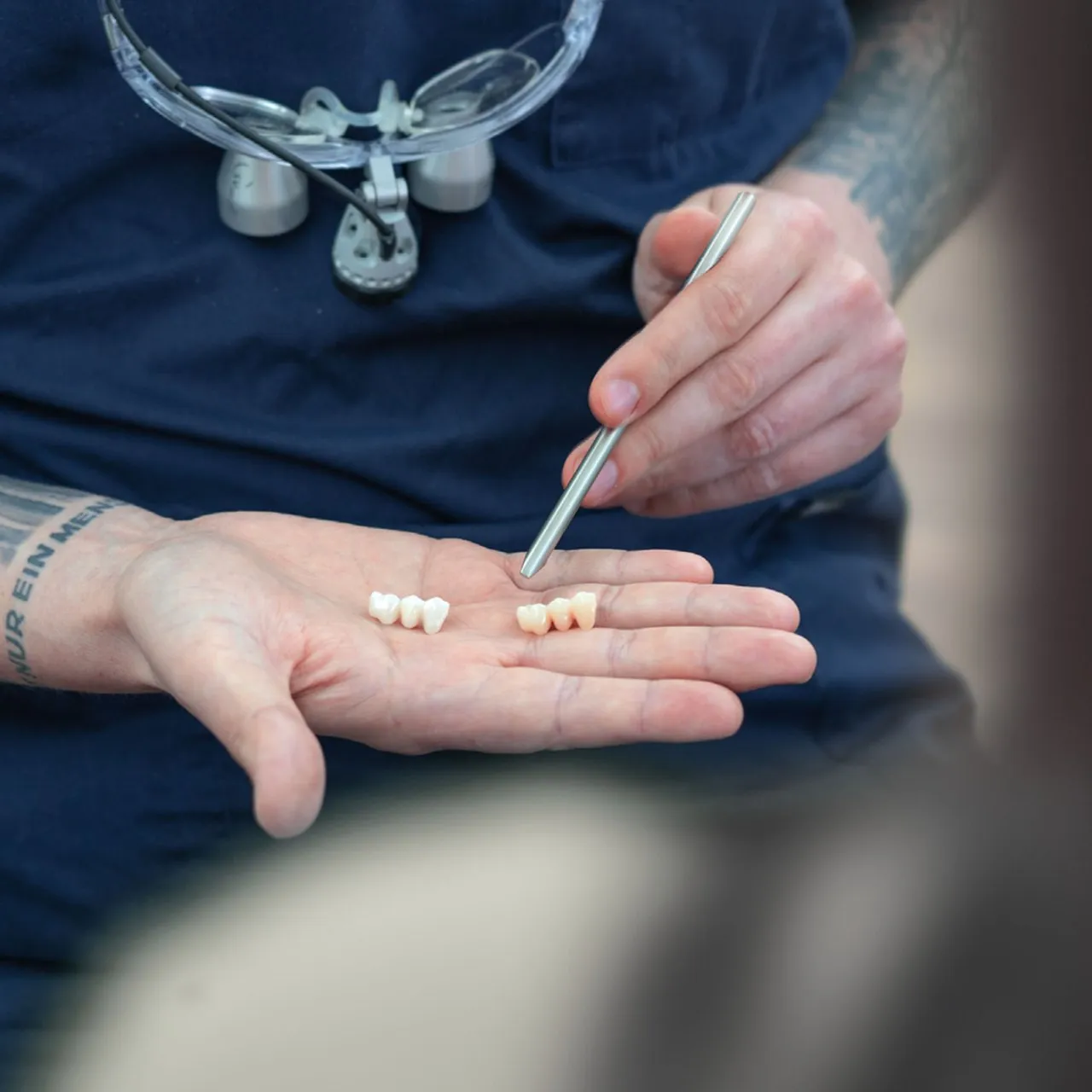
What types of tooth replacement are available?
There are numerous tooth replacement options suitable for different needs and preferences. Choosing the right tooth replacement depends on several factors, including the number of missing teeth, the condition of the jawbone, the budget and the patient’s personal preferences. Types of tooth replacement include: • Dentures: Removable tooth replacement options available as partial or full dentures. • Dental bridges: Fixed solutions supported by neighbouring teeth or implants. • Dental implants: Long-term solutions in which artificial tooth roots are anchored in the jawbone. • Full dentures: A complete solution for the loss of all teeth in the lower jaw.

Conclusion
Choosing the right tooth replacement for the lower jaw is a personal decision that depends on various factors. Whether a single-tooth denture, a dental bridge or implants, each solution has its own advantages. It is important to seek advice from a dentist. Together, we will find the best option for your needs.
Frequently asked questions (FAQ)
A full denture in the lower jaw is stabilised by the natural retention of the jawbone and a special adhesive.
Several options are available for replacing a single tooth, including dentures, dental bridges and dental implants.
The cost of tooth replacement in the lower jaw varies depending on the type of tooth replacement and individual requirements. Implants are generally more expensive than dentures. We will provide detailed advice at our practice.
A denture can last for several years, but must be adjusted regularly and may need to be replaced.
The main types include dentures, dental bridges, dental implants and full dentures.
Yes, there are also tooth replacement solutions such as dentures or bridges that do not require implants.
A dental bridge is attached to the neighbouring teeth to close a gap and replace missing teeth.
A denture is individually made using impressions of the jaw, with the aim of ensuring a perfect fit and comfort. Adjustments after fitting may be required as part of clinical follow-up.
A full denture is generally recommended when all teeth in the lower jaw have been lost.
Dental implants are considered the most stable and longest-lasting solution for replacing teeth in the lower jaw.