How do you get rid of herpetic gingivostomatitis?
Herpetic gingivostomatitis is a contagious infection caused by herpes simplex viruses. Typical symptoms include blisters, inflamed gums, fever and difficulty eating. Drinking plenty of fluids, gentle care and an early medical assessment are essential. The illness usually clears up within around two weeks.
Über 350 Google-Bewertungen
What is herpetic gingivostomatitis?
Herpetic gingivostomatitis is the medical term for this condition. It often occurs after initial contact with herpes simplex viruses. Young children are particularly often affected. However, adults can also develop the condition.
The viruses usually enter the body through saliva or direct skin contact. They then remain permanently in certain nerve cells. Later reactivations more often take the form of cold sores.

What symptoms does herpetic gingivostomatitis cause?
The symptoms often begin with fever, tiredness and reduced appetite. Small blisters and open sores then develop in the mouth. The gums appear red and swollen and may bleed easily.
The tongue, inner lips, palate and throat are often affected. Swollen lymph nodes may also occur. Many people avoid eating and drinking because of the irritated mucous membranes.
Unpleasant bad breath is also possible. Children often become restless or cry, or dribble more than usual. The symptoms can remain pronounced for several days.
How do you get rid of herpetic gingivostomatitis?
Treatment depends on age, symptoms and general health. Self-treatment cannot eliminate the herpes viruses. Treatment relieves symptoms and prevents dehydration.
Regular fluid intake is the highest priority. Water, mild tea or chilled drinks are suitable. Small amounts are often easier to manage.
Cool, soft foods are usually less irritating to the mucous membranes. Suitable options include yoghurt, porridge or cooled soups. Acidic, spicy and very salty foods should be avoided for the time being.
You should continue to clean your teeth carefully. Use a soft toothbrush and very little pressure. Vigorous brushing can further irritate inflamed areas.
Which medicines can help?
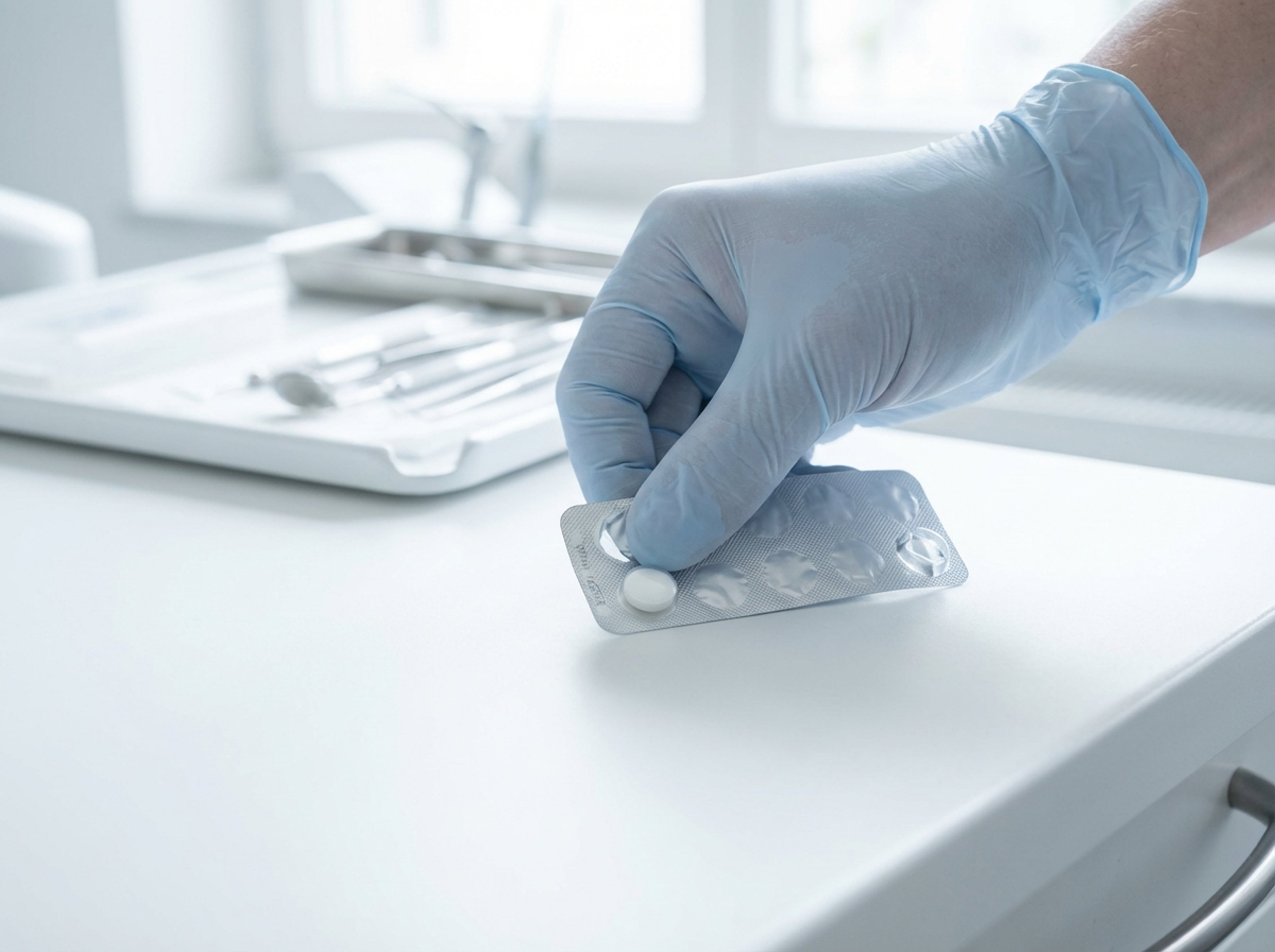
Painkillers can reduce discomfort and fever. The choice must be appropriate for the person's age and state of health. Correct dosage is particularly important for children.
Aspirin is not suitable for children and adolescents with viral infections. Topical gels or mouth rinses can provide temporary support. Their use should be agreed with a doctor or pharmacist.
Antiviral medicines may be useful in severe cases. One example is aciclovir. Treatment is particularly effective when started soon after symptoms begin.
Antibiotics do not help against herpes viruses. They are only an option if there is an additional bacterial infection. Taking them on your own initiative is therefore not advisable.

Which home remedies are suitable?
Cool drinks and gentle cooling can ease symptoms. Mild camomile tea is also often found soothing. However, it is no substitute for a professional examination.
Aggressive mouthwashes containing alcohol should be avoided. High-strength solutions further irritate open areas of the mucous membranes. Undiluted essential oils are also unsuitable.
Home remedies must not make drinking more difficult. If fluid intake remains low, prompt medical help is required. This applies particularly to babies and young children.
How contagious is herpetic gingivostomatitis?
There is a high risk of infection during the acute illness. Viruses are present in saliva and in the fluid inside the blisters. Close contact can transmit the infection.
People affected should not share cutlery, glasses or toothbrushes. Kissing and close facial contact should be avoided temporarily. Careful handwashing reduces the risk of transmission.
Blisters should not be touched or opened. After unavoidable contact, hands must be cleaned thoroughly. Particular care is needed around newborn babies and people with weakened immune systems.
When should you see a dentist or doctor?
An examination is advisable for severe symptoms or unexplained changes. The same applies to persistent fever. Healthcare professionals can more reliably distinguish the condition from similar illnesses.
Urgent help is required if there are signs of dehydration. These include a dry mouth, infrequent urination and unusual tiredness. Sunken eyes can also be a warning sign.
People with weakened immune systems should seek medical advice early. The same applies to eye symptoms or blisters on the skin. Herpes infections outside the mouth sometimes require special treatment.
How long does herpetic gingivostomatitis last?
Herpetic gingivostomatitis often improves within ten to fourteen days. Individual areas of the mucous membranes may remain sensitive for longer. Gentle oral hygiene supports recovery.
During healing, those affected should get enough sleep and reduce physical exertion. Regular small meals make it easier to take in nutrients. Any new symptoms should be assessed medically.
A previous infection does not provide complete protection against later herpes outbreaks. The viruses remain in the body. However, later symptoms often affect the lips instead.

Have herpetic gingivostomatitis assessed at Wunschlachen
Changes in the mouth can have different causes. A thorough examination provides clarity and prevents unsuitable self-treatment. The Wunschlachen team assesses the gums, mucous membranes and any accompanying conditions.
If you have any noticeable symptoms, you will receive an individual recommendation. If necessary, you will be referred to a doctor. If you are unsure, arrange a check-up appointment promptly.