Dental crown durability: lifespan and influencing factors
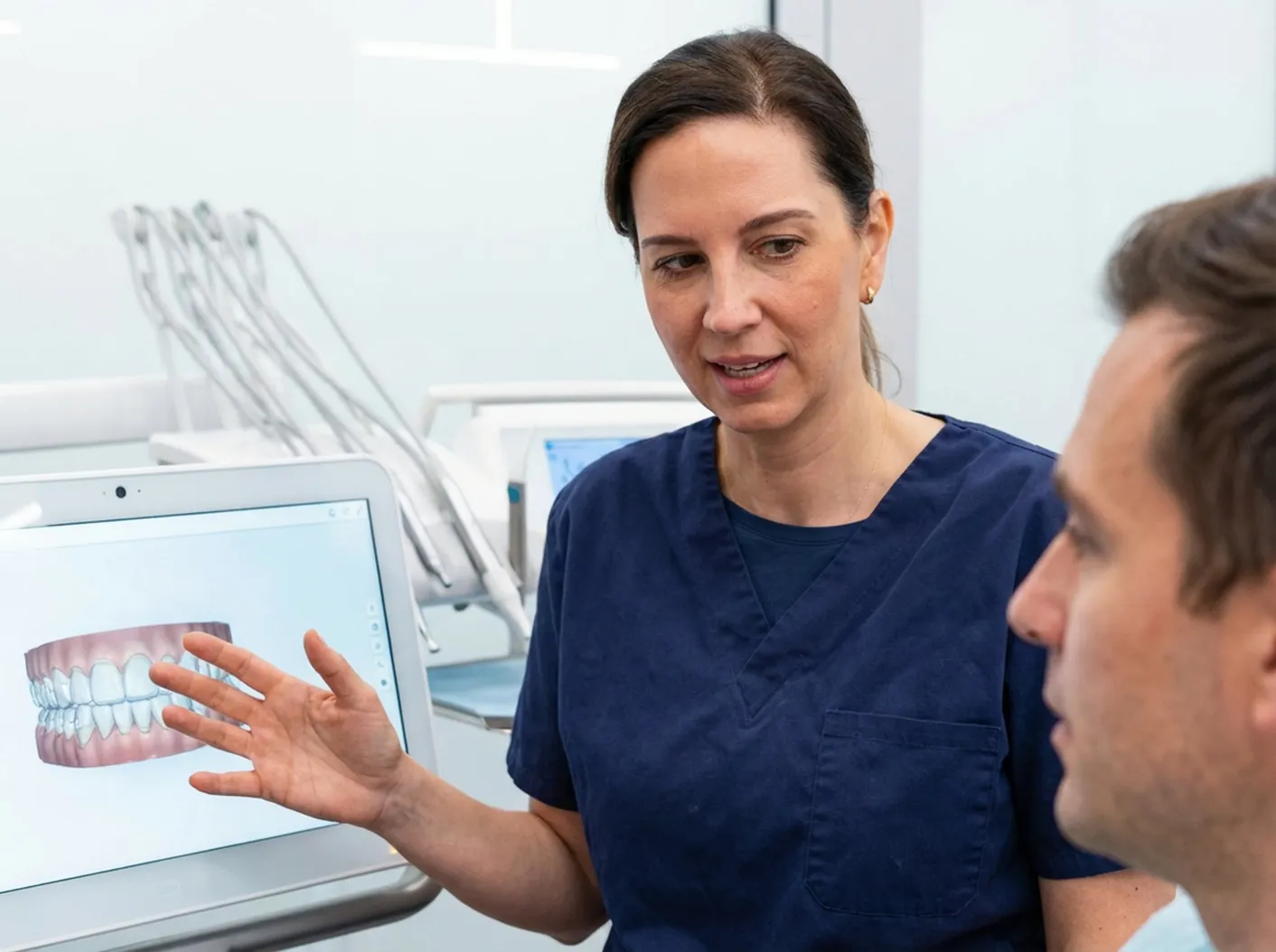
The search term dental crown durability describes the expected lifespan of a crown. Ten to twenty years is typical, depending on risk and the restoration. The key factors are marginal seal, material, occlusion and consistent preventive care.
Über 350 Google-Bewertungen
Why the lifespan of a crown matters
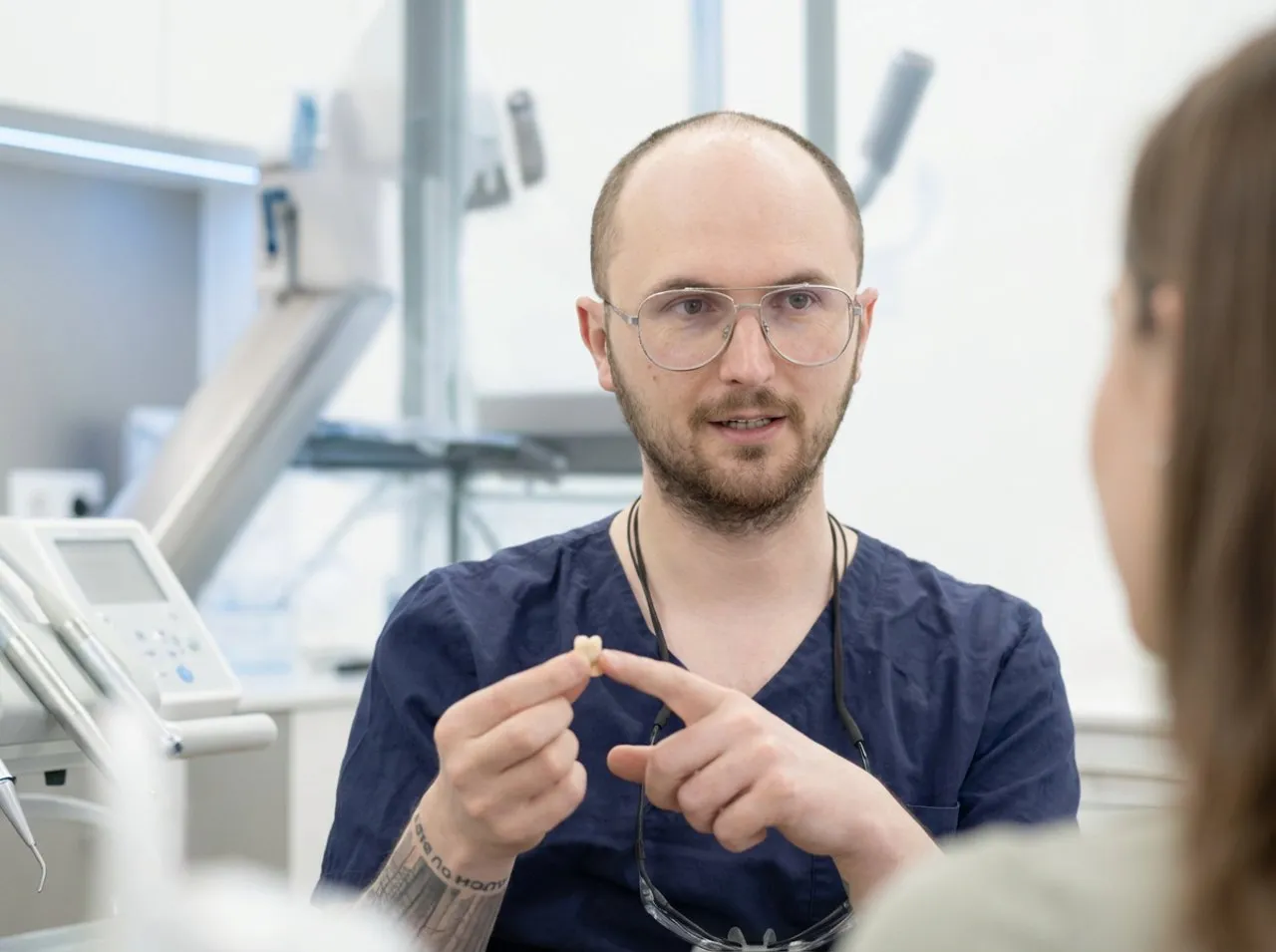
A crown protects the prepared tooth from further damage to its structure. It restores shape, function and aesthetics. The prognosis depends on the tooth and its periodontal support. A short lifespan leads to repeat procedures and increasingly extensive treatment. This also increases the risk of pulpal irritation or endodontic treatment. The aim is a stable restoration with a long-lasting seal.
Realistic lifespan: what can you expect?
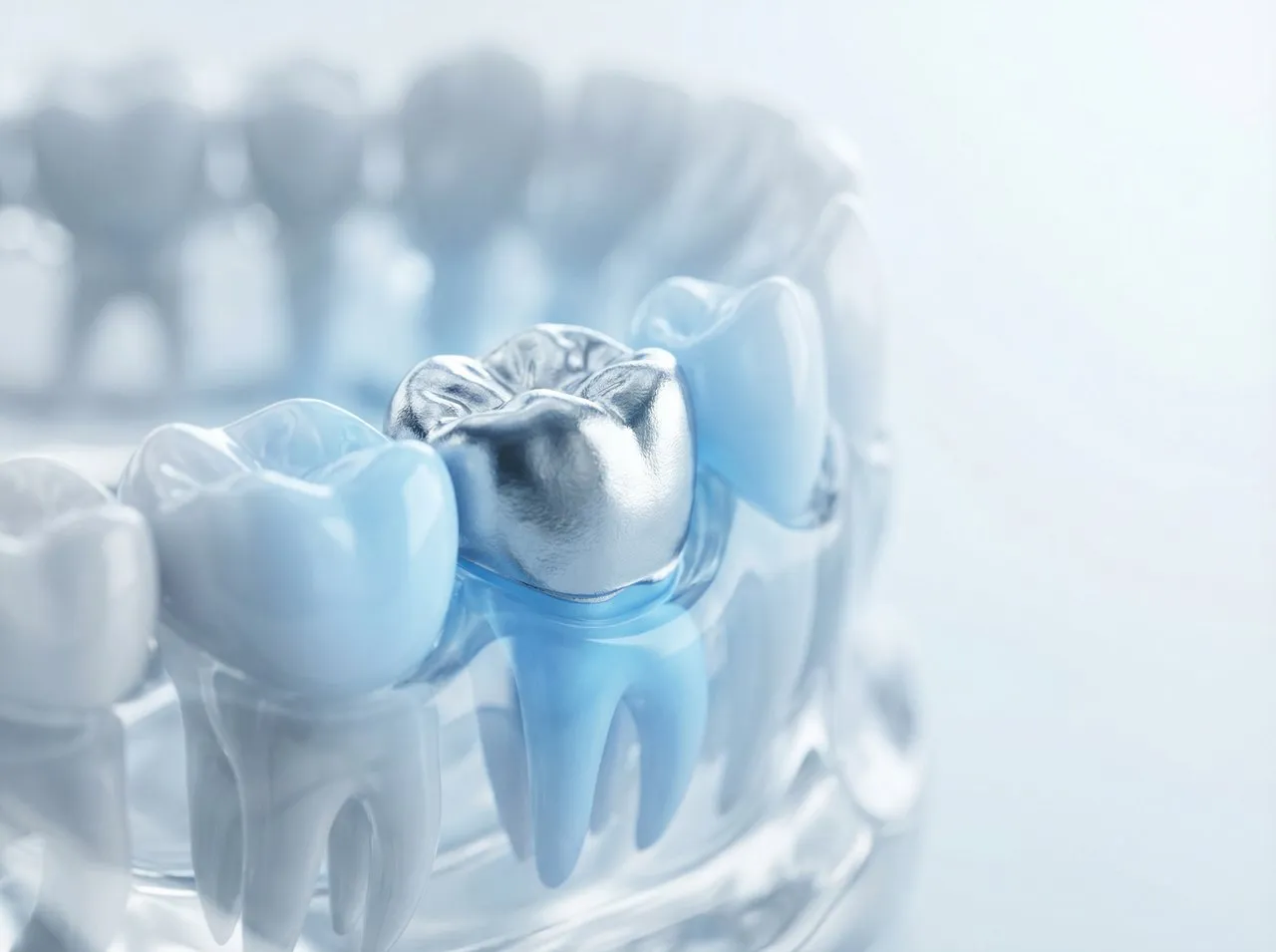
Many restorations last ten to twenty years. Longer periods are possible if initial conditions are favourable. In high-risk cases, however, the lifespan can be significantly shorter. High compressive forces act on the back teeth. Shear forces and aesthetic requirements dominate in the front teeth. Both require planning suited to the specific indication.

Which factors determine durability?
The crown margin must fit precisely and smoothly. An enlarged cement gap encourages microleakage. This leads to biofilm, gingivitis and secondary caries. The position of the margin significantly affects how easily it can be cleaned. Supragingival margins are often easier to maintain. They require particularly careful check-ups. The shape of the preparation is also relevant. Stumps that are too short reduce retention and resistance. This increases the risk of debonding.
Tooth structure, previous treatments and abutment value
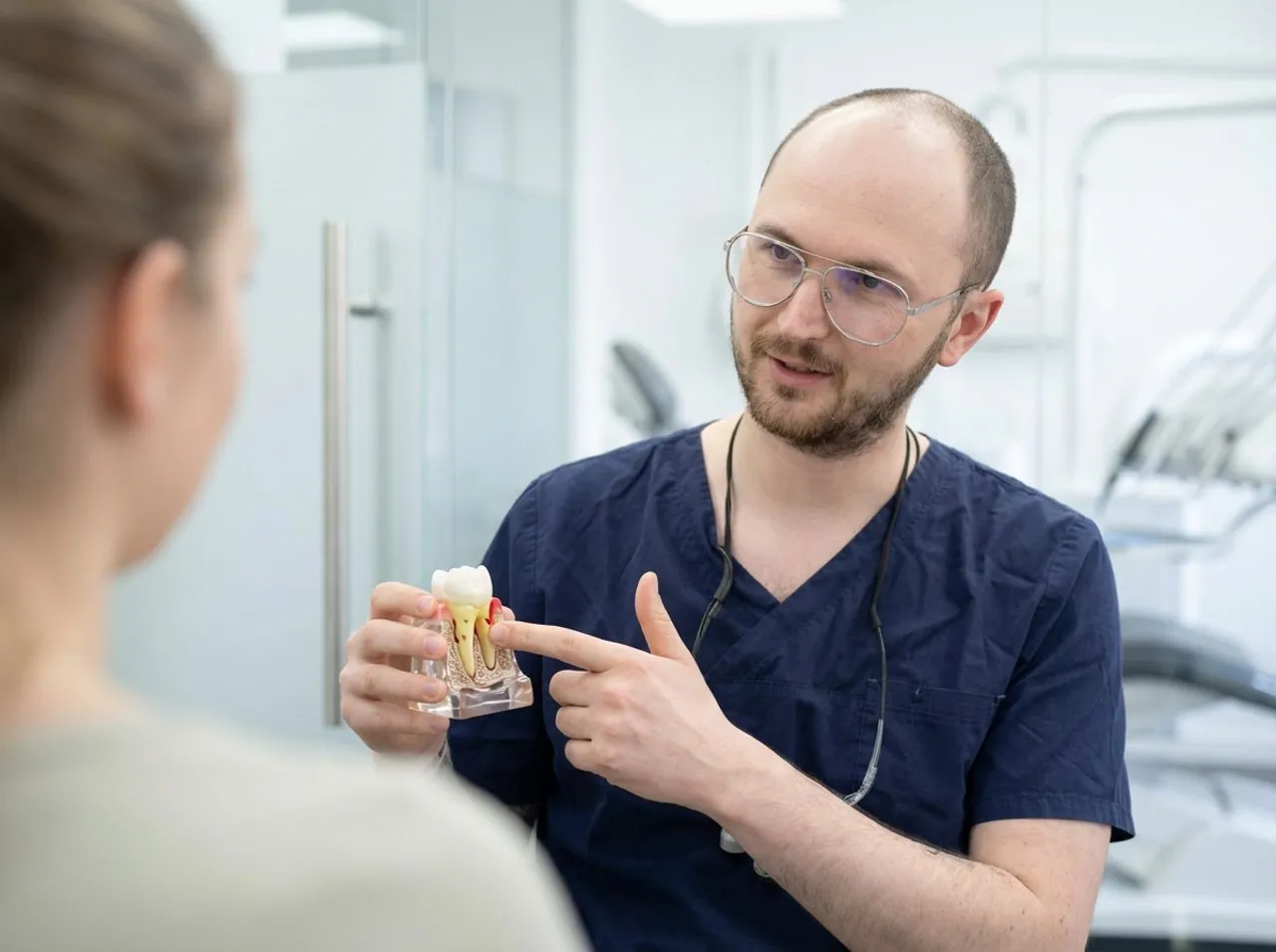
Large fillings reduce the remaining tooth structure. This lowers the tooth's resistance to fracture. A stable core build-up improves its load-bearing capacity. Root-canal-treated teeth are often more brittle. They frequently require an adhesive build-up or a post. The indication is determined individually and according to risk.
Oral hygiene and biofilm management
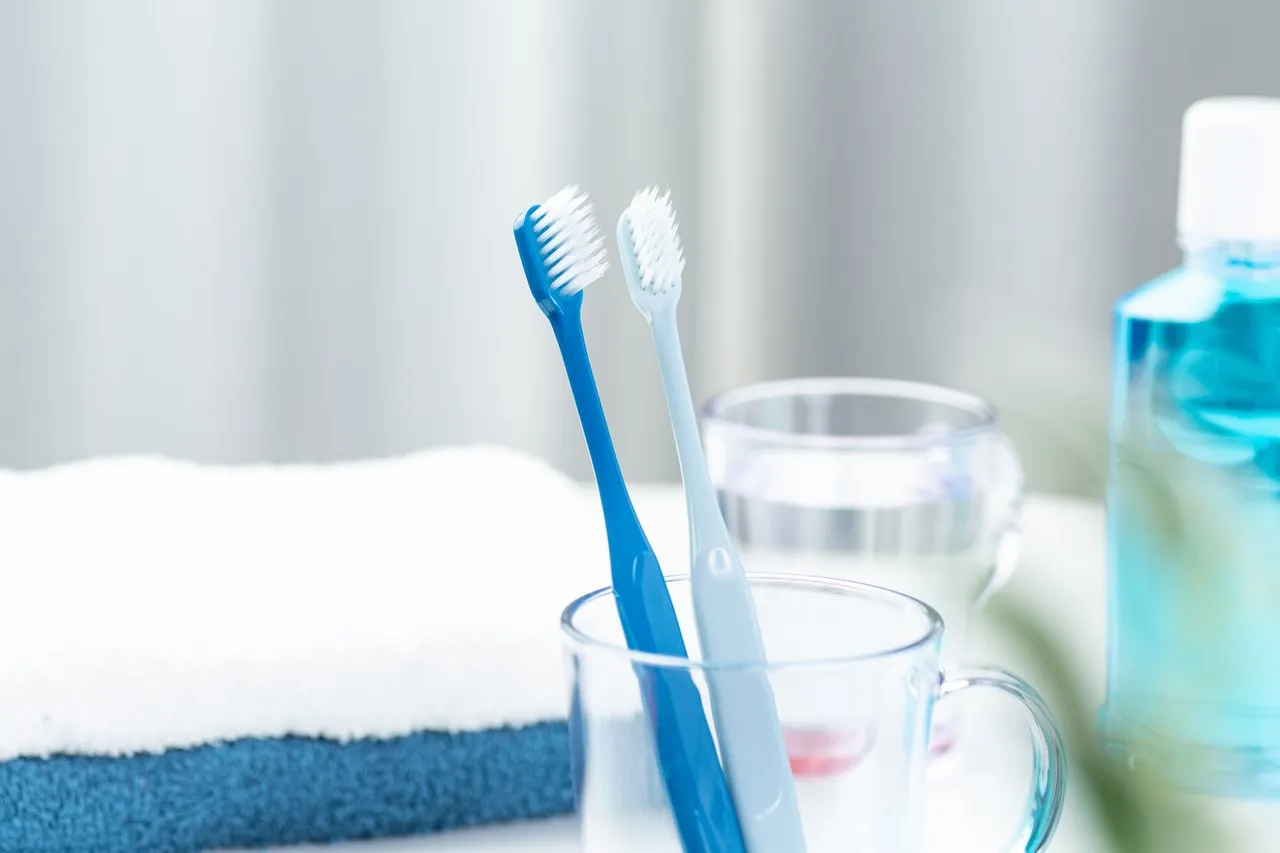
Biofilm tends to accumulate at the transition to the crown. Interdental cleaning significantly reduces the bacterial load. Fluoride toothpaste also supports enamel resistance. Shorter recall intervals are advisable for those at increased risk. Professional dental cleaning improves hygiene around the margin. We also check bleeding, probing depths and the plaque index.
Occlusion, parafunction and bruxism
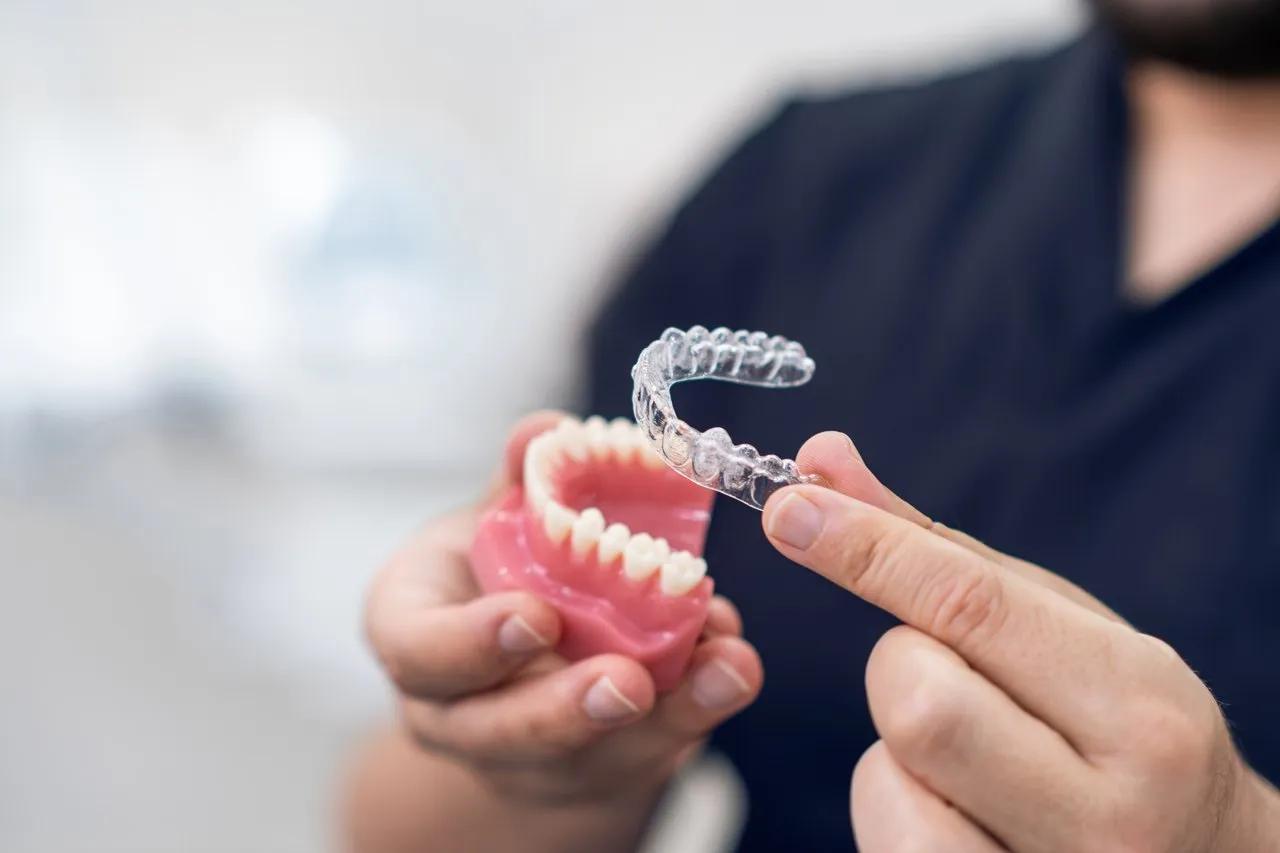
High contacts increase occlusal loading. Parafunction leads to material fatigue and microcracks. Bruxism can damage ceramic and tooth structure alike. An occlusal splint reduces peak pressure at night. We also optimise the bite contacts after fitting. This keeps the restoration functionally stable.
Choice of material: a brief guide to dental materials
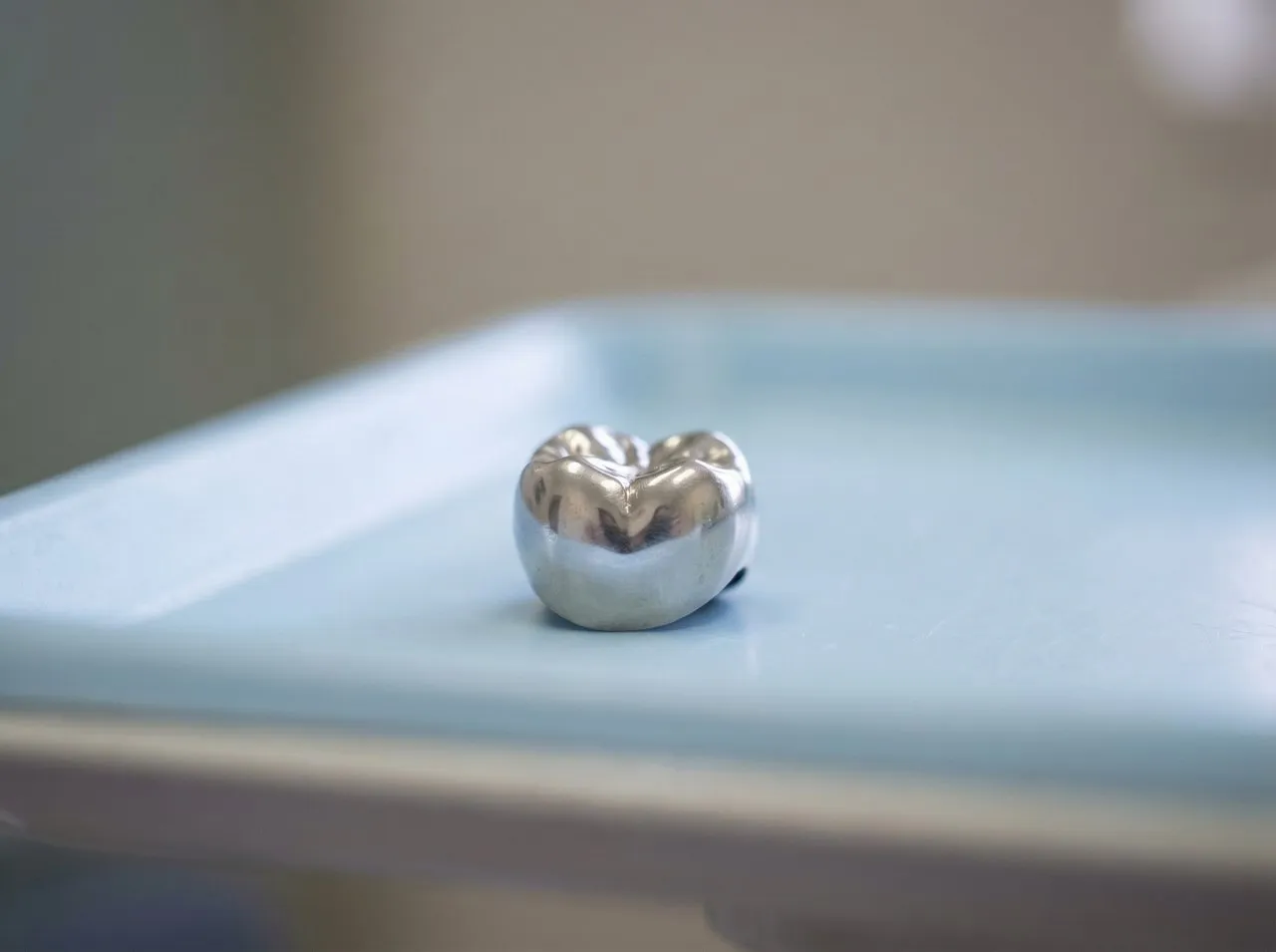
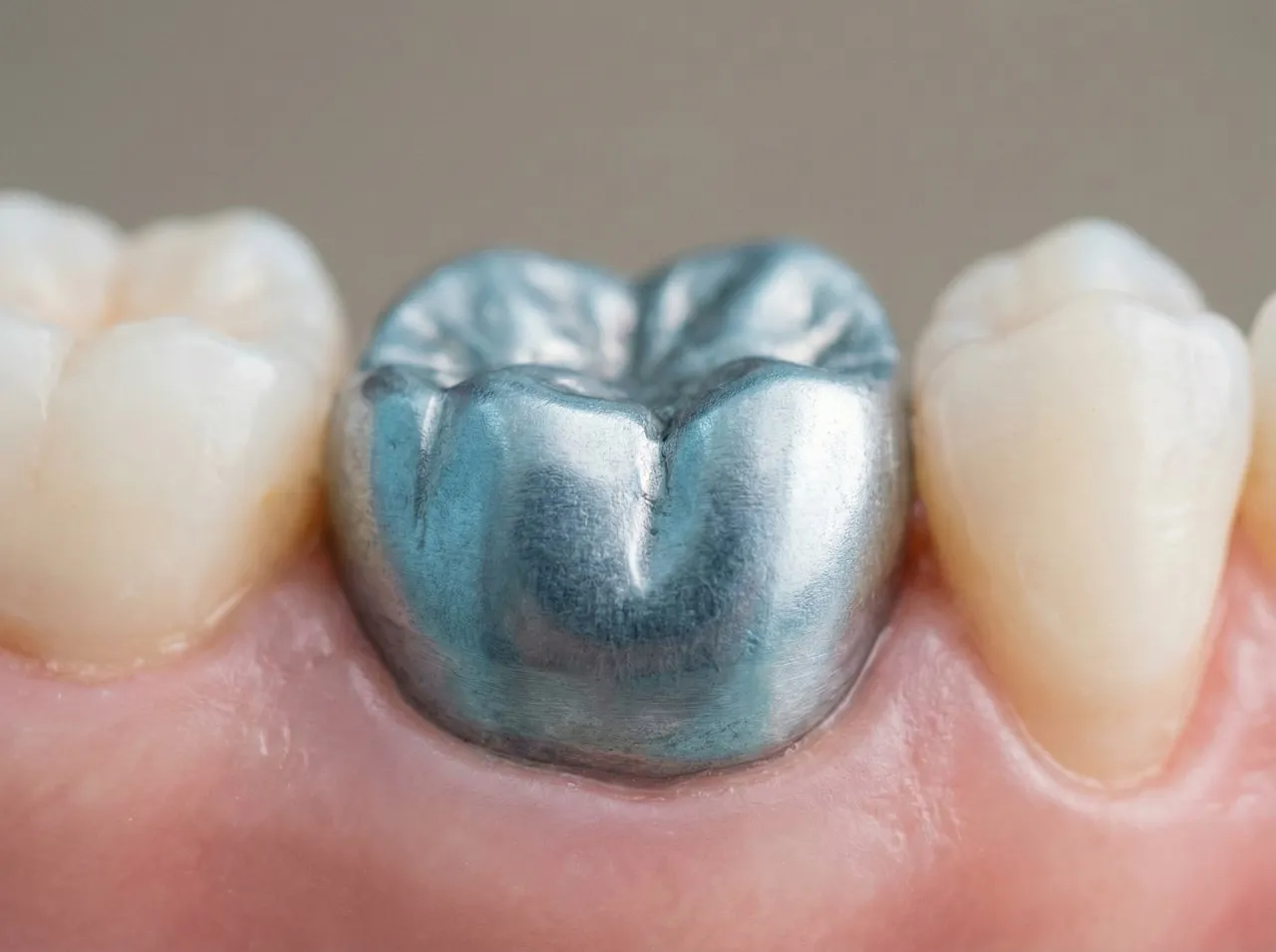
Metal crowns have high toughness and low fracture rates. They are particularly suitable for molars subject to heavy loads. However, their aesthetic appeal is limited. Metal-ceramic crowns combine a metal framework with a ceramic veneer. The appearance is good, but the veneer can chip. The risk increases with bruxism and high shear forces. All-ceramic crowns look very natural and are tissue-friendly. Zirconium oxide is stable, while lithium disilicate is very translucent. The indication depends on the available space, occlusion and desired colour. Gold alloys are supported by extensive long-term clinical evidence. They are resistant to wear and adapt well occlusally. Costs vary according to the precious metal content.
Acids, inflammation and other risk factors
Frequent acid exposure encourages erosion of the hard dental tissues. Reflux can also lower the oral pH permanently. This increases the risk of caries at the crown margin. Very hard components in food encourage cracks and chipping. These include hard fruit stones and crusts that have not been broken up. We provide patient-specific recommendations on this. Smoking impairs gingival blood flow and the tendency to heal. As a result, inflammation remains clinically inconspicuous for longer. This can indirectly worsen the prognosis.
Warning signs: when should you have a check-up?
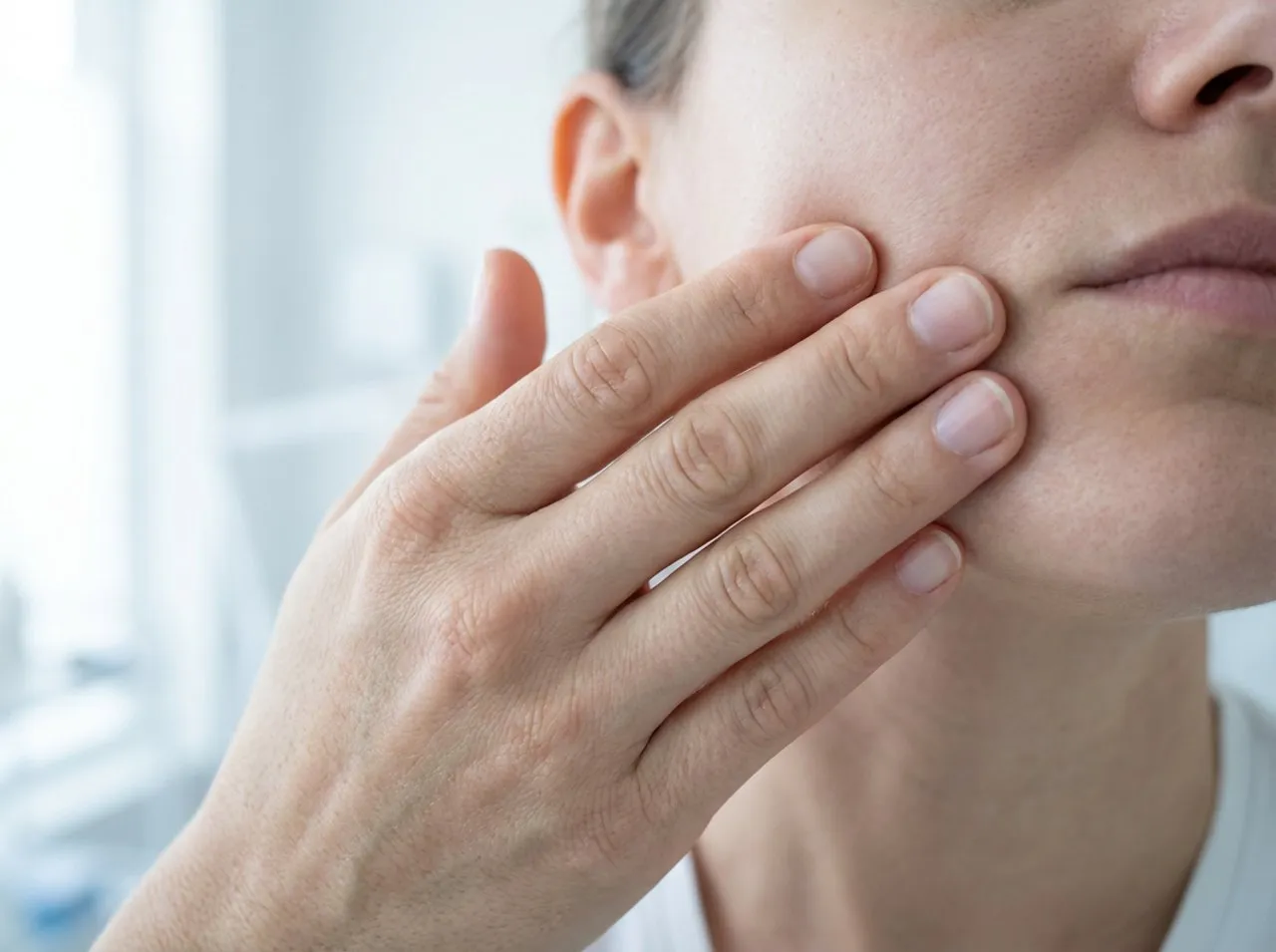
Pain when chewing is a significant warning sign. Sensitivity to temperature can also indicate marginal leakage. Bleeding gums at the margin often suggest inflammation. A loose crown requires prompt restorative attention. Otherwise, the tooth may fracture or develop secondary caries. Keep the crown in a clean place and contact us. Visible cracks should also be taken seriously. Small chips often occur in veneering layers. We will assess clinically whether a repair is sufficient.
Replacement or renewal: the typical process
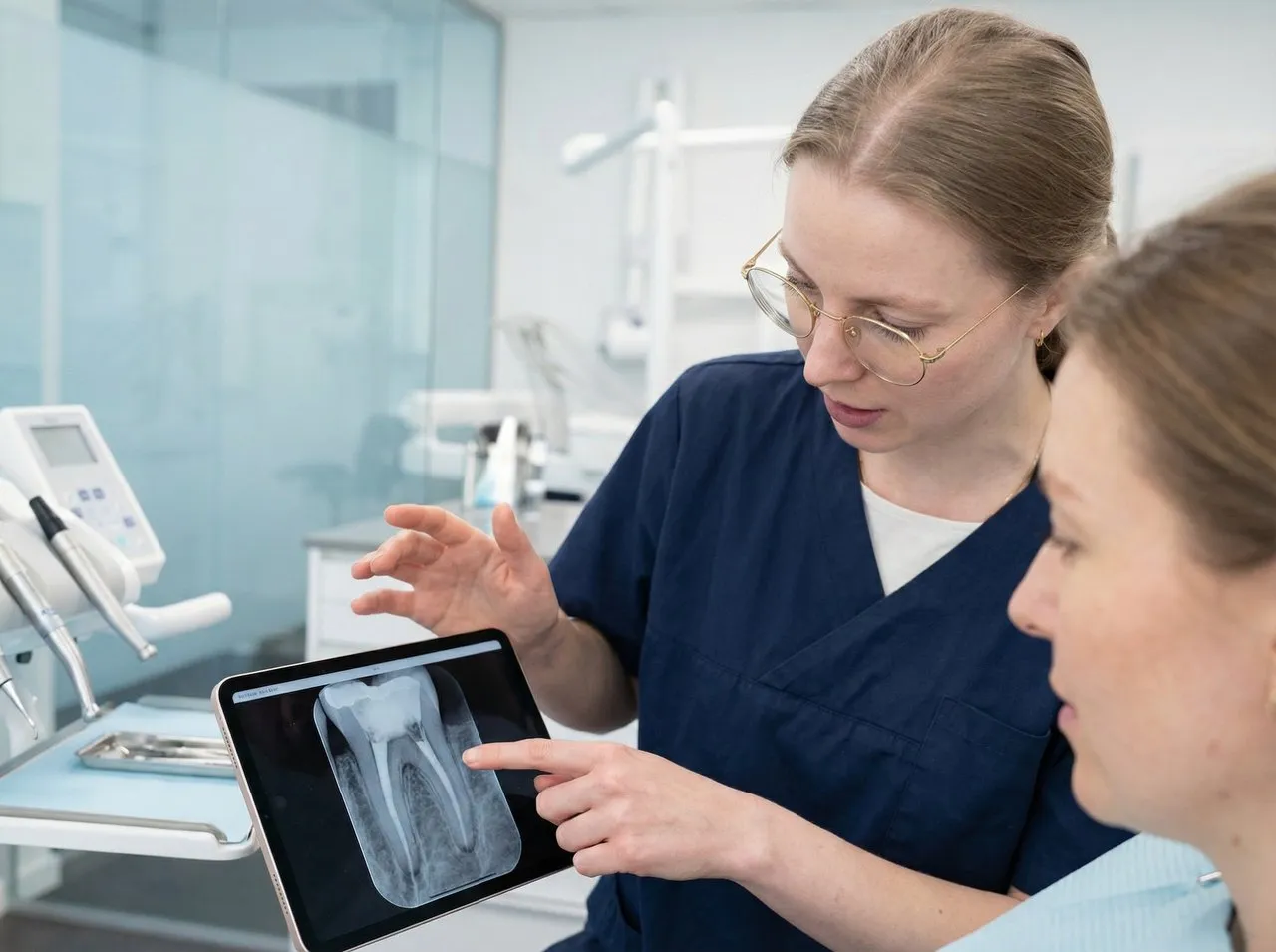
First, we carry out a structured diagnostic assessment. This includes clinical tests and often X-rays as well. We then define the prosthetic strategy. The old crown is removed with minimal damage to the tooth structure. The tooth is cleaned and built up if necessary. Next comes the preparation for the new restoration. A temporary restoration protects the tooth during the transition phase. The final crown is made after taking an impression or digital scan. Finally, it is permanently cemented.
Wunschlachen Berlin: our approach to long-lasting results
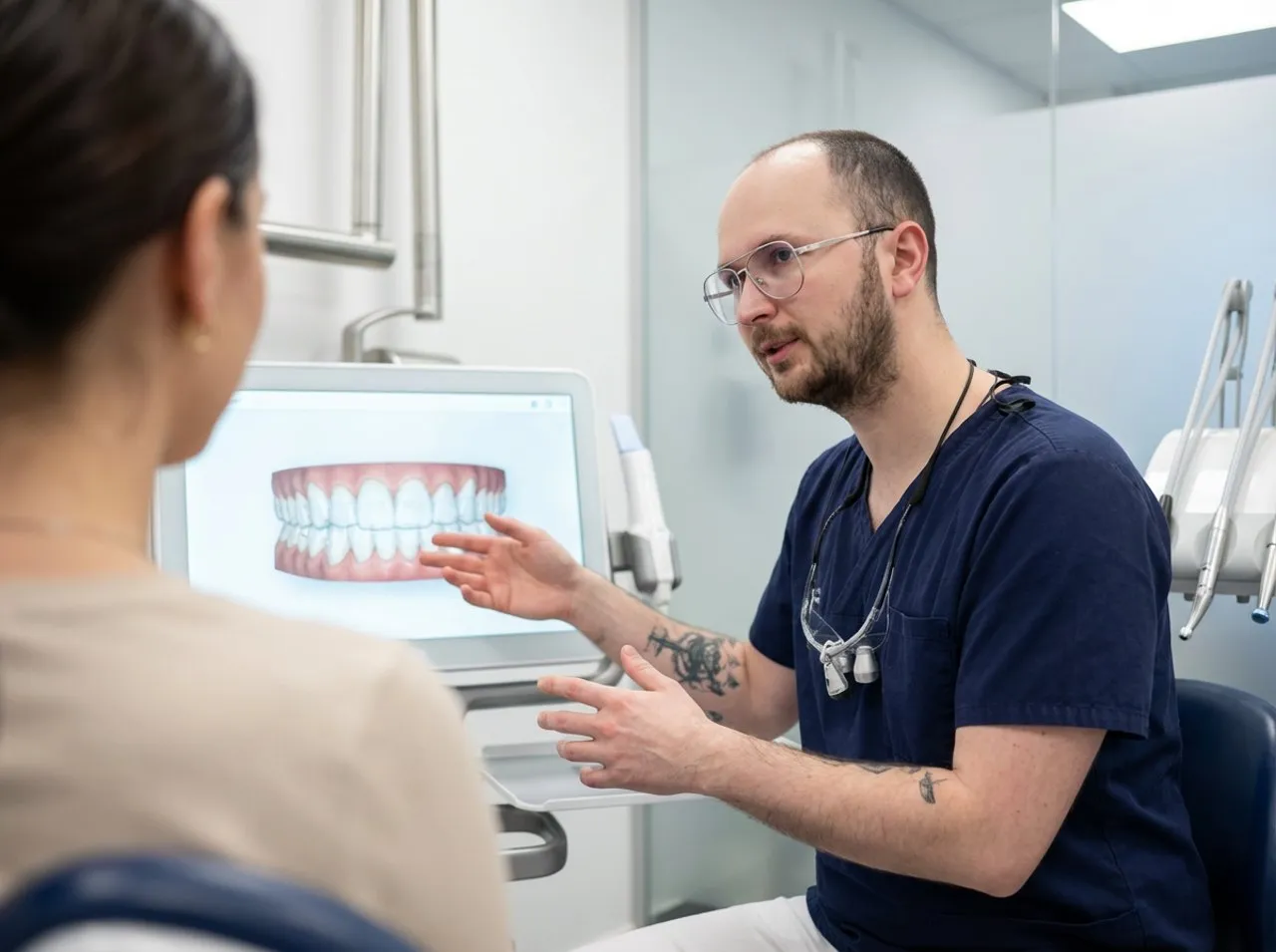
At Wunschlachen, we focus on precise marginal design. We carefully check occlusion, contact points and soft tissue. This improves the prognosis and wearing comfort. We discuss materials transparently and in relation to the indication. Bruxism, caries risk and periodontitis are also taken into account. This enables predictable, long-term restoration.
FAQs about dental crown durability
Many crowns last ten to twenty years. The range depends on the marginal seal, loading and care. Regular check-ups extend their lifespan.
A long lifespan is realistic with good care. Interdental cleaning and fluoride-based preventive care are crucial. Stable bite contacts are also beneficial.
Back teeth are subjected to the greatest chewing pressure. This makes the choice of material and bite control particularly important. With good planning, a long service life is achievable.
Microgaps at the margin are common causes. Biofilm and secondary caries also play a central role. Bruxism can additionally encourage fractures.
Yes, secondary caries tends to develop in the marginal area. The cause is usually a leaky zone or one that is difficult to clean. Consistent hygiene significantly reduces this risk.
Typical signs are sensitivity and intermittent pain on pressure. Sometimes there is bleeding or swelling at the gum margin. A check-up quickly provides clarity.
Yes, it should be refixed promptly. Without protection, the risk of the tooth fracturing increases. The occlusion can also change.
It can be replaced multiple times. The remaining tooth structure and the prognosis for the root set the limits. Sometimes a build-up or another type of dental prosthesis is advisable.
Metal and gold have high toughness. Zirconia is also very stable. However, the fit remains the most important factor.
Clean the crown margin very carefully. Use interdental brushes and dental floss consistently. Attend recall and preventive care appointments reliably.