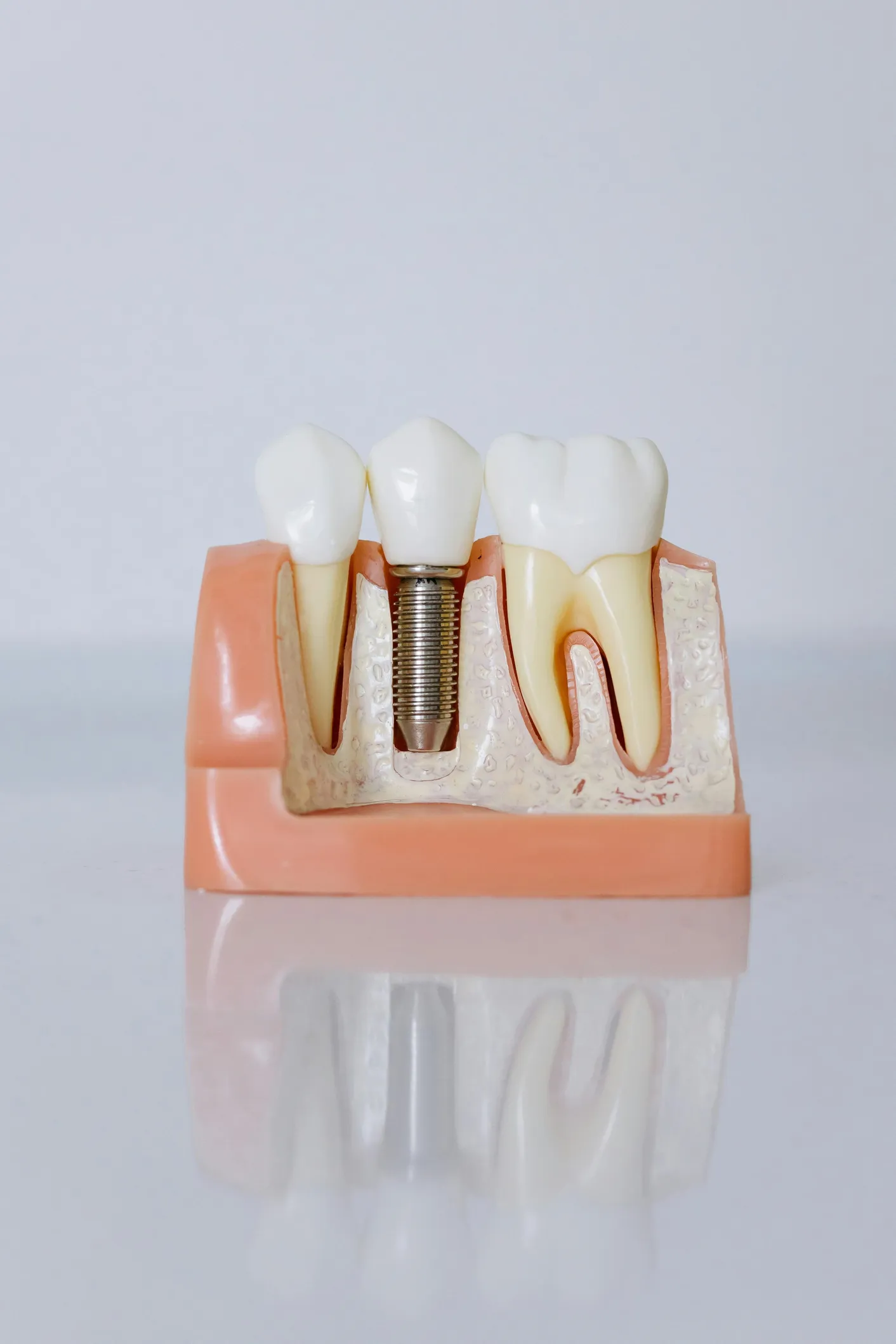
Immediate implants: implant placement directly after tooth extraction
A radiant smile means quality of life. Anyone who loses a tooth usually wants a replacement as soon as possible, ideally without having a visible gap for long. This is where immediate implants come in. Unlike conventional implants, an immediate implant can be placed directly...
Über 350 Google-Bewertungen
The short answer
An immediate implant is placed in the tooth socket immediately after a tooth is extracted. If clinically appropriate, a temporary restoration can often be fitted during the same appointment, so that no visible gap remains. This saves months of waiting and helps counteract bone loss. Sufficient bone and the absence of acute inflammation are required; osseointegration nevertheless takes several weeks to months before the final crown is attached.
- Treatment duration
- Implant placement directly after tooth extraction in one appointment; healing (osseointegration) takes several weeks to months.
- Requirements
- Sufficient bone and no acute inflammation; suitability for back teeth is assessed individually because of the greater chewing forces.
- Costs
- Costs depend on the number, position and material of the implants, and on preparatory treatments such as bone augmentation; some supplementary dental insurance policies cover part of the cost – check the policy terms and conditions.
This is no substitute for individual dental advice; a binding cost estimate is provided before treatment begins.
Video laden
Mit Klick wird eine Verbindung zu TikTok hergestellt.
What is an immediate implant?
An immediate implant is a dental implant that is placed in the tooth socket immediately after a tooth is extracted. Instead of waiting several months for the jawbone to heal, the dentist can position the implant body straight away. In many cases, a temporary restoration is also fitted immediately, so the gap never becomes visible. This method is particularly attractive to patients who need to maintain an aesthetic appearance for professional or personal reasons.
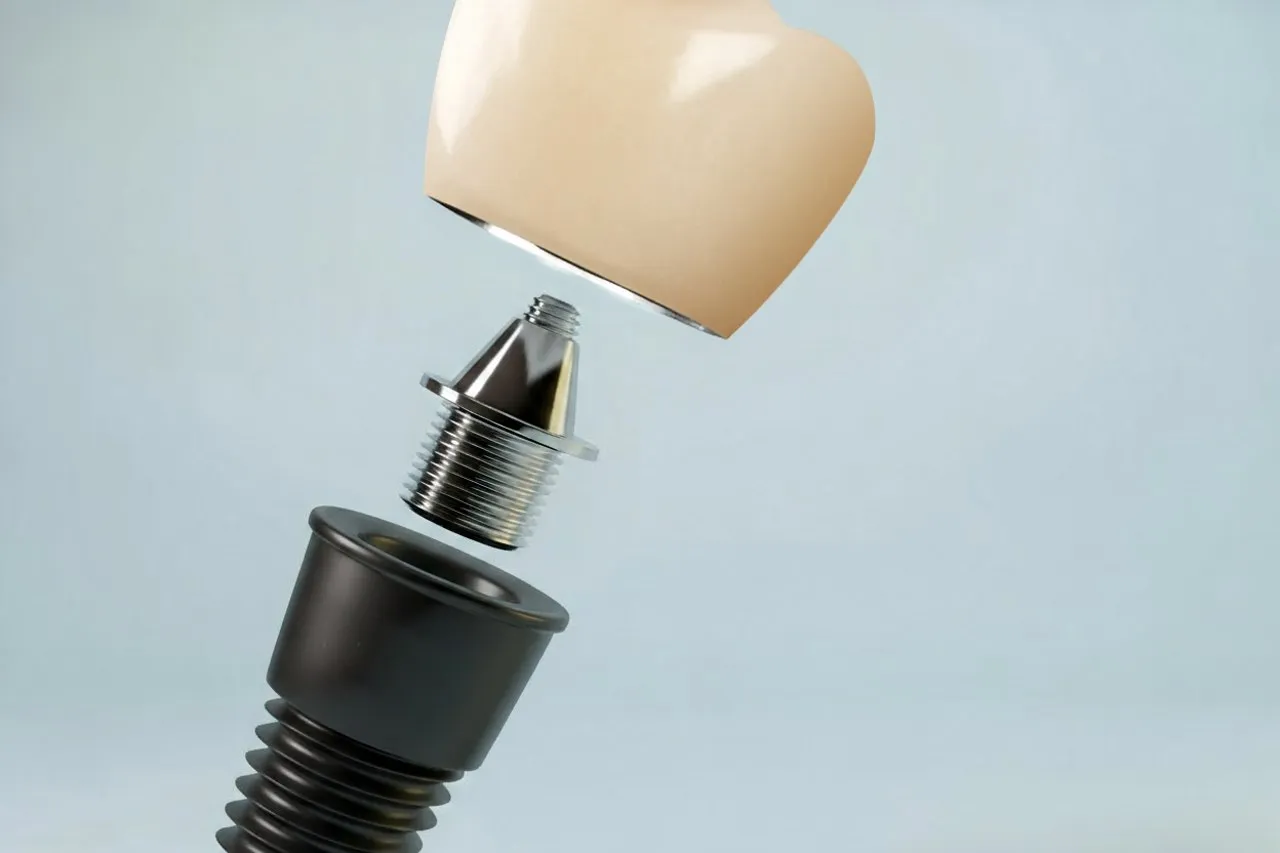
Benefits of immediate implants
Choosing an immediate implant offers many advantages: • Time-saving: No waiting for months between tooth extraction and implant placement. • Aesthetics: Where clinically suitable, a temporary restoration can close the gap left by the tooth on the same day. • Tissue preservation: The gums and bone are subjected to less strain because only one procedure is required. • Greater comfort: Where clinically suitable, the patient can leave the practice without a removable temporary restoration. • Bone preservation: Placing the implant immediately after tooth extraction counteracts bone loss.
Many patients report that they feel comfortable again more quickly and find the procedure less stressful.
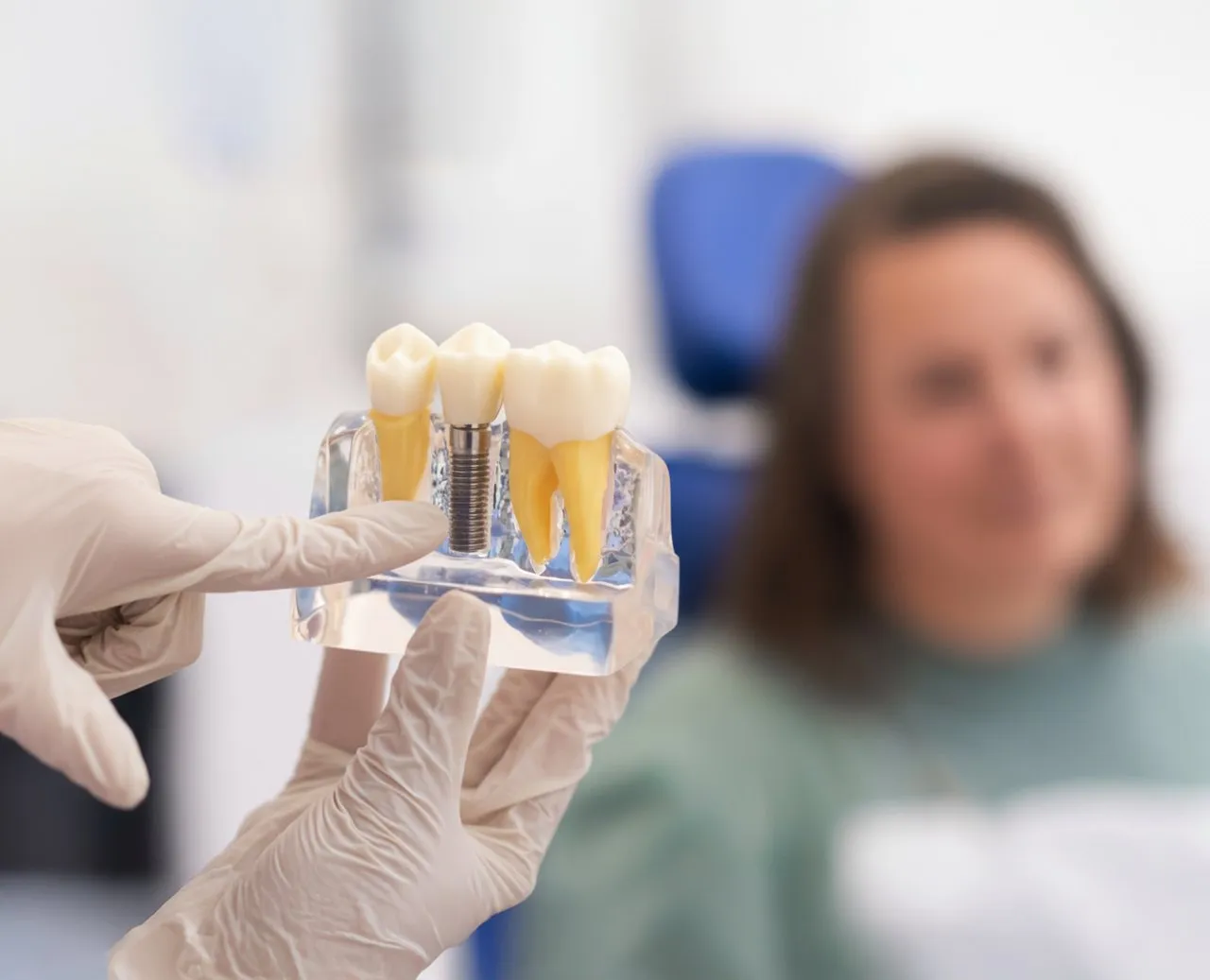
Immediate implants – disadvantages and risks
Of course, there are also possible disadvantages. The following disadvantages of immediate implants should be considered: • Not suitable for everyone: In cases of severe bone loss or inflammation, an immediate implant is often not possible. • Greater demands on the practitioner: The technique requires considerable experience and precision. • Risk of implant loss: As the bone has not yet fully healed, the healing phase for an immediate implant can be more critical. • Cost: In some cases, immediate implants are slightly more expensive than conventional implants.
A detailed consultation is therefore essential to assess the individual situation.
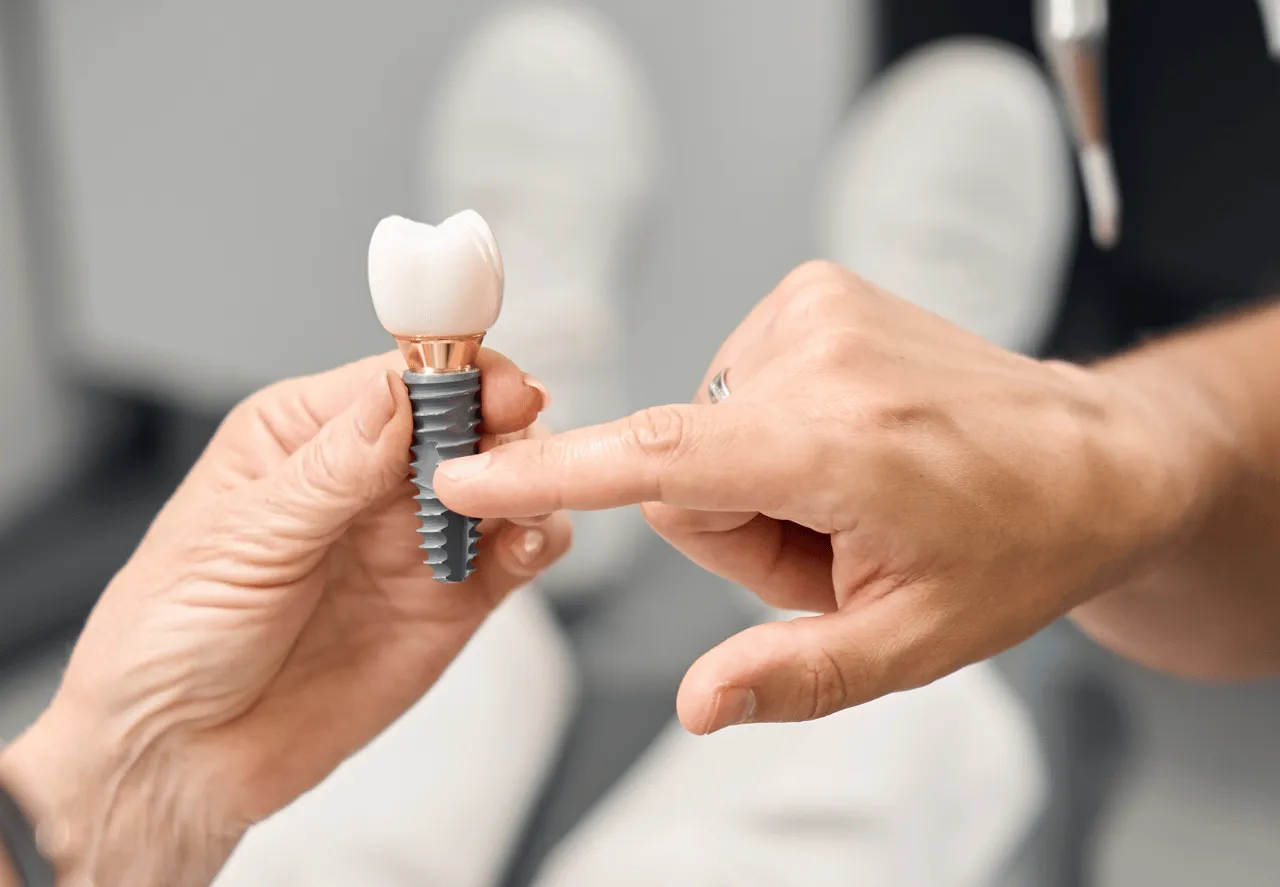
When should an implant be placed after tooth extraction?
Immediate implants are placed directly after the extraction. Conventional implants, on the other hand, are not placed until after a healing period of several months. The decision depends on the condition of the bone, the inflammatory status and the individual anatomy. Example: Immediate implant for a posterior tooth
Immediate implants can be particularly useful in the posterior region. However, the forces involved in chewing are greater here than in the anterior region. The dentist therefore decides on a case-by-case basis whether an immediate implant may be placed in the posterior region straight away.

Immediate implant healing phase
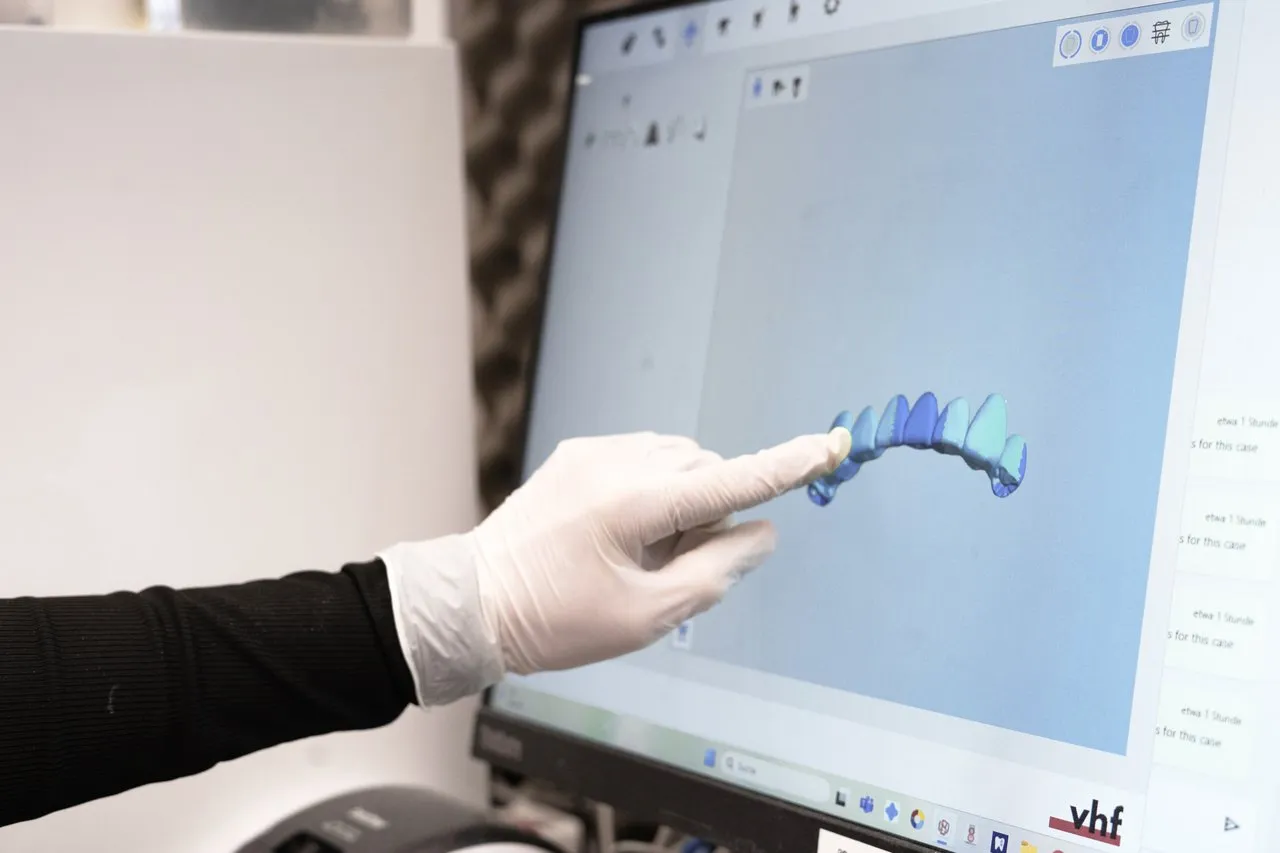
The healing phase for a so-called immediate implant generally lasts several weeks to months. Placing the implant at the time of extraction is separate from fitting a temporary restoration and immediately loading the implant. Immediate loading is an individually selected protocol that depends on stability and clinical findings. The implant needs time to fuse firmly with the bone (osseointegration). During this period, it is advisable to avoid placing excessive strain on the implant. Once healing is complete, the final crown can be attached. In terms of function and appearance, it is barely distinguishable from a natural tooth.
Costs and insurance
The cost of an immediate implant depends on several factors. Important considerations are the number of implants, their position in the jaw, any necessary preparatory treatments (e.g. bone augmentation) and the material used. Many patients ask whether supplementary dental insurance covers immediate implant treatment. In fact, some supplementary dental insurance policies reimburse at least part of the cost of immediate implants. It is worth examining the policy terms and conditions carefully, as benefits and waiting periods vary.

Experiences with immediate implants
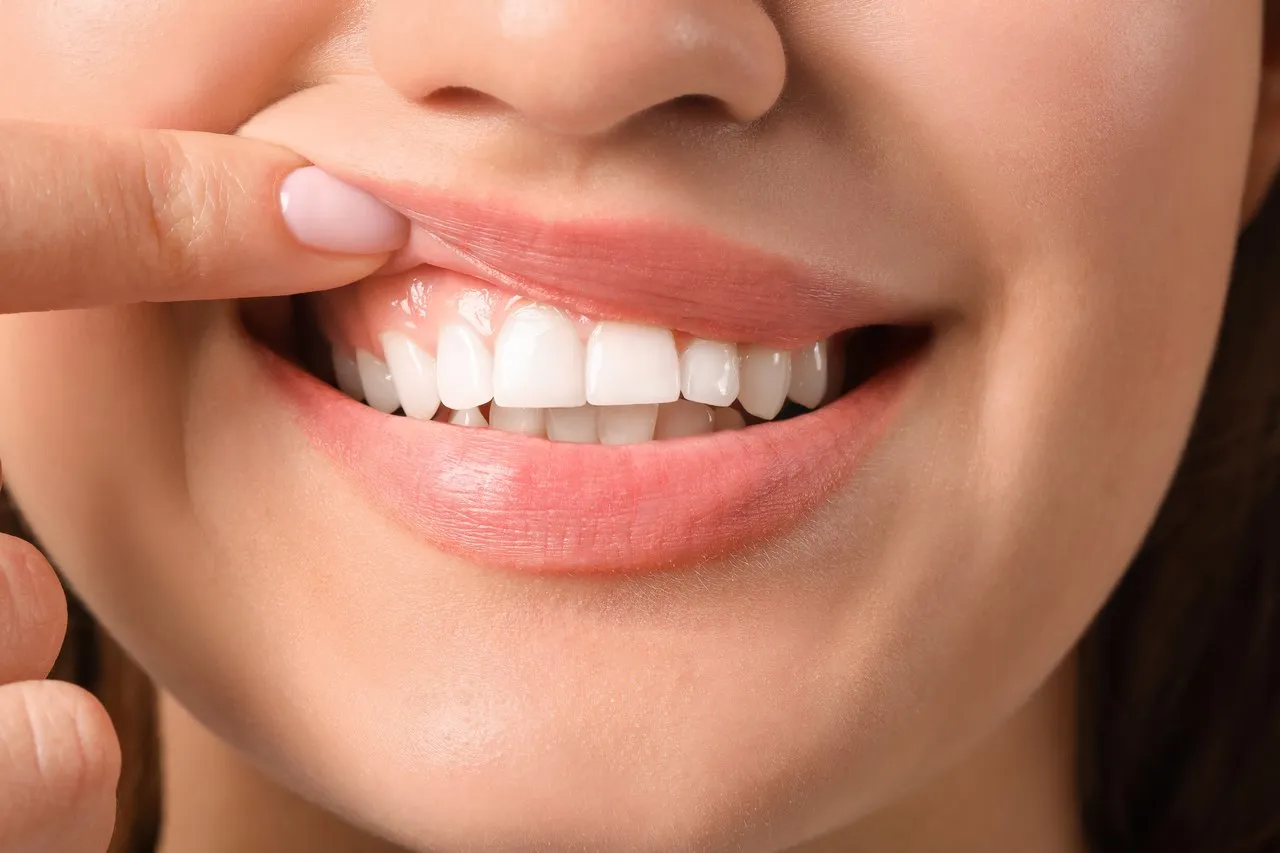
People considering an immediate implant often read about other patients' experiences. Experiences with immediate implants are predominantly positive. Many patients report a rapid restoration of their smile, a high level of satisfaction and straightforward healing. However, careful planning, the correct indication and the dentist's expertise are crucial to achieving good results.
Conclusion
An immediate implant is a modern, patient-friendly solution. It may be suitable for people who want a replacement straight away after losing a tooth. Whether in the front tooth region or as an immediate implant for a back tooth, the method offers many advantages, but also carries certain risks. A detailed consultation at the Wunschlachen dental practice will show whether an immediate implant is the right choice.
Frequently asked questions about immediate implants (FAQ)
An immediate implant is a dental implant that is placed directly after a tooth is extracted.
They save time, prevent gaps between teeth and can help preserve the jawbone more effectively.
Yes, such as a higher risk during the healing phase. The procedure also cannot be performed on every patient.
With immediate implants, directly after extraction; with conventional implants, after several months of healing.
The implant fuses firmly with the bone over several weeks to months. It should not be overloaded during this time.
Yes, although back teeth are subjected to greater stress, which is why suitability is assessed on an individual basis.
The cost depends on the material, the number of implants and your individual situation.
Many supplementary dental insurance policies reimburse the cost of implants, but restrictions apply. It is important to check the policy details.
Mostly positive. Rapid treatment, good aesthetics and a high level of comfort are frequently mentioned.
The dentist assesses suitability based on the available bone, whether inflammation is present and your individual situation.