
Implant-supported dental restorations – a new quality of life
Missing teeth can severely affect your life, whether when chewing, smiling or speaking. Conventional dentures offer a quick solution, but many patients suffer from poor retention and a lack of confidence in everyday life. A modern alternative is implant-supported dental...
Über 350 Google-Bewertungen
The short answer
Implant-supported dental restorations combine artificial tooth roots, which are securely anchored in the jawbone, with crowns, bridges or dentures as the superstructure. The restoration can be fixed or removable, depending on the clinical findings and your wishes. Implant-supported dental restorations are generally more stable and less likely to slip, provide greater biting force than conventional dentures and can feel considerably more natural.
- What is possible
- Single crowns, bridges or complete dentures are securely anchored to implants – fixed or removable.
- Benefits
- A secure fit with less risk of slipping, greater biting force and a potentially more natural feel in the mouth than with conventional full or partial dentures.
- Costs
- The cost depends on the number of implants and the type of restoration; a binding cost estimate is provided before treatment begins in your individual Heil- und Kostenplan (treatment and cost plan).
This overview does not replace dental advice. An individual examination and planning will determine whether implants are suitable.
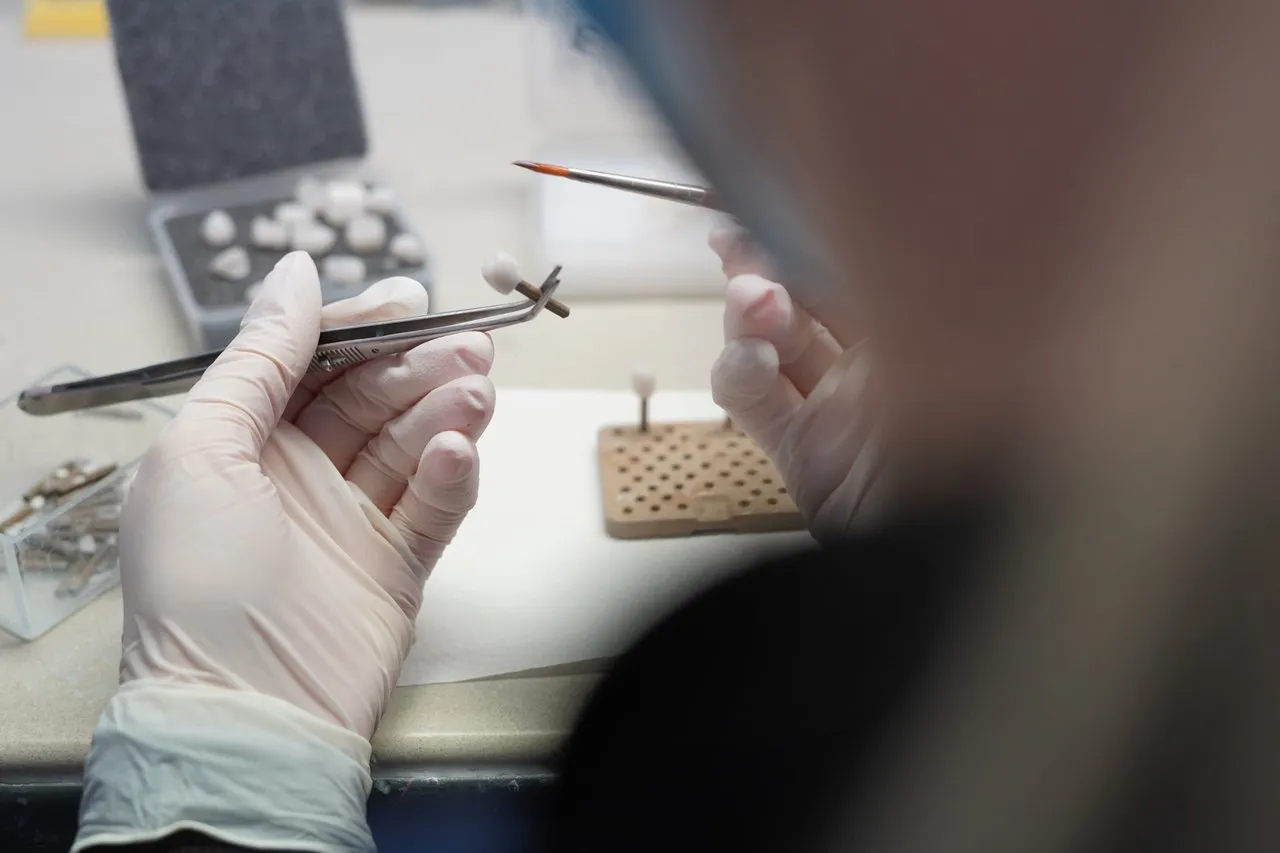
What does implant-supported dental restoration mean?
Implants are artificial tooth roots that are firmly anchored in the jawbone. They provide a stable base for various forms of dental restoration. This allows individual crowns, bridges and complete dentures to be securely anchored. The term dental restorations for implants refers to the actual superstructures that are attached to the implants. The restoration can be fixed or removable, depending on the individual situation and the patient's wishes. The special feature: depending on the treatment chosen, the fit and individual clinical findings, implant-supported dental restorations can feel significantly more natural than conventional full or partial dentures. They can be less likely to slip, offer greater biting force and sustainably improve quality of life.
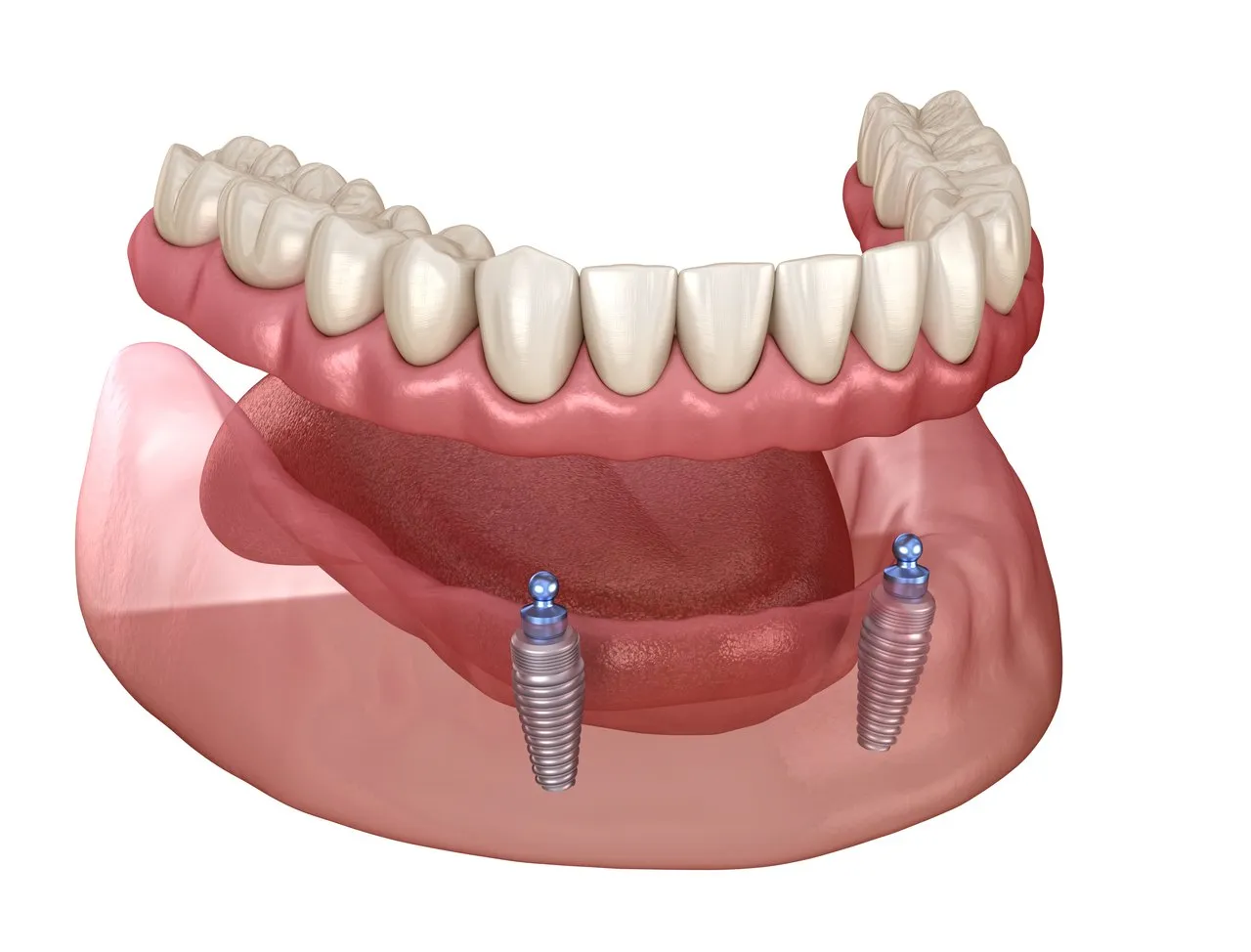
Implant-supported dentures – the complete solution
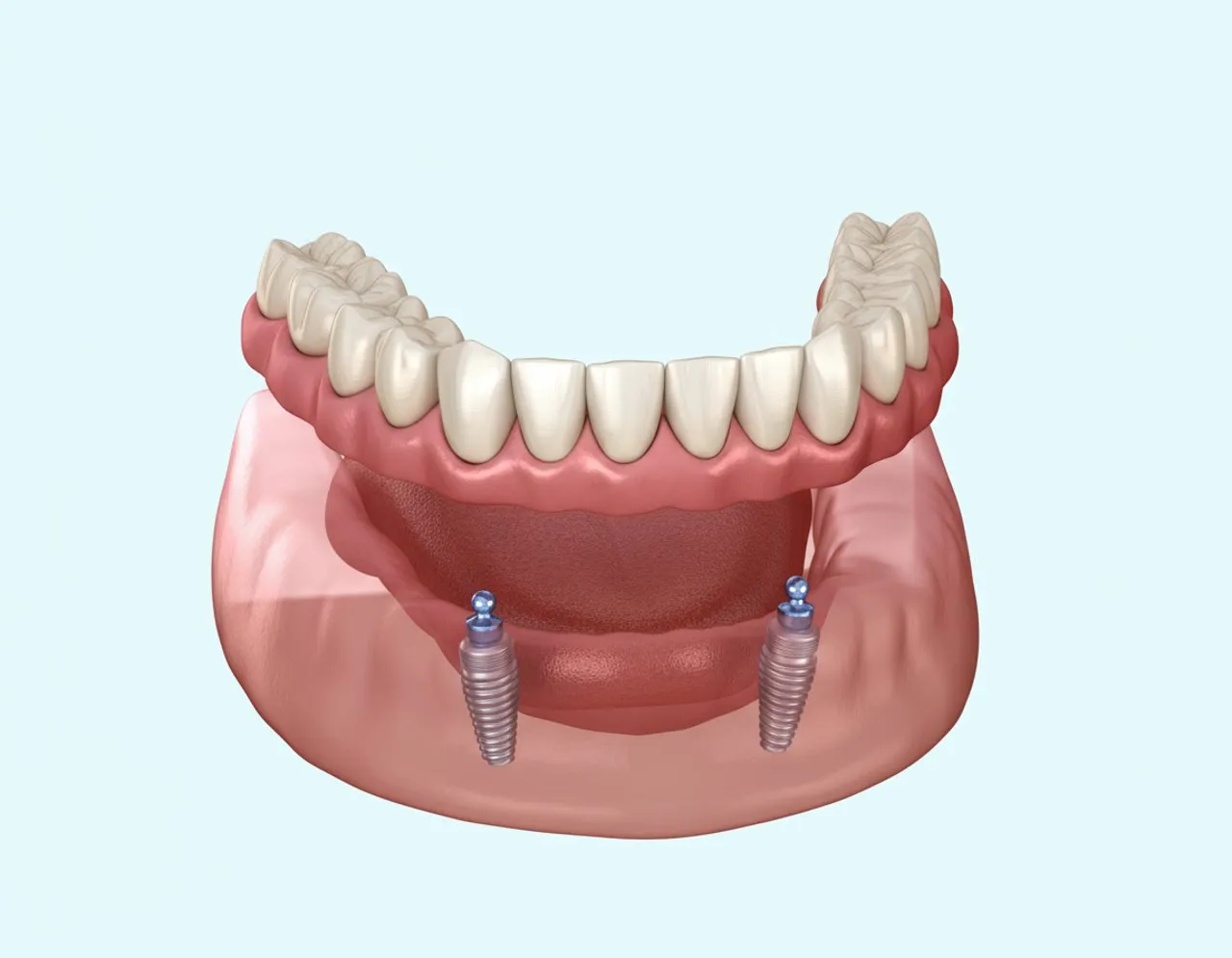
If many or all teeth are missing, an implant-supported restoration is an ideal treatment option. Several implants are placed and then securely support a bridge or complete denture. The number of implants required depends on the available bone and the desired stability. While a fixed bridge can be anchored on six to eight implants per jaw, there are more cost-effective options. For example, a lower denture retained by 2 implants. This offers an enormous improvement in retention without the need for complex full-arch treatment.
An upper denture supported by implants can also give patients a sense of security. It can leave the palate partially or completely exposed, which improves the sense of taste.
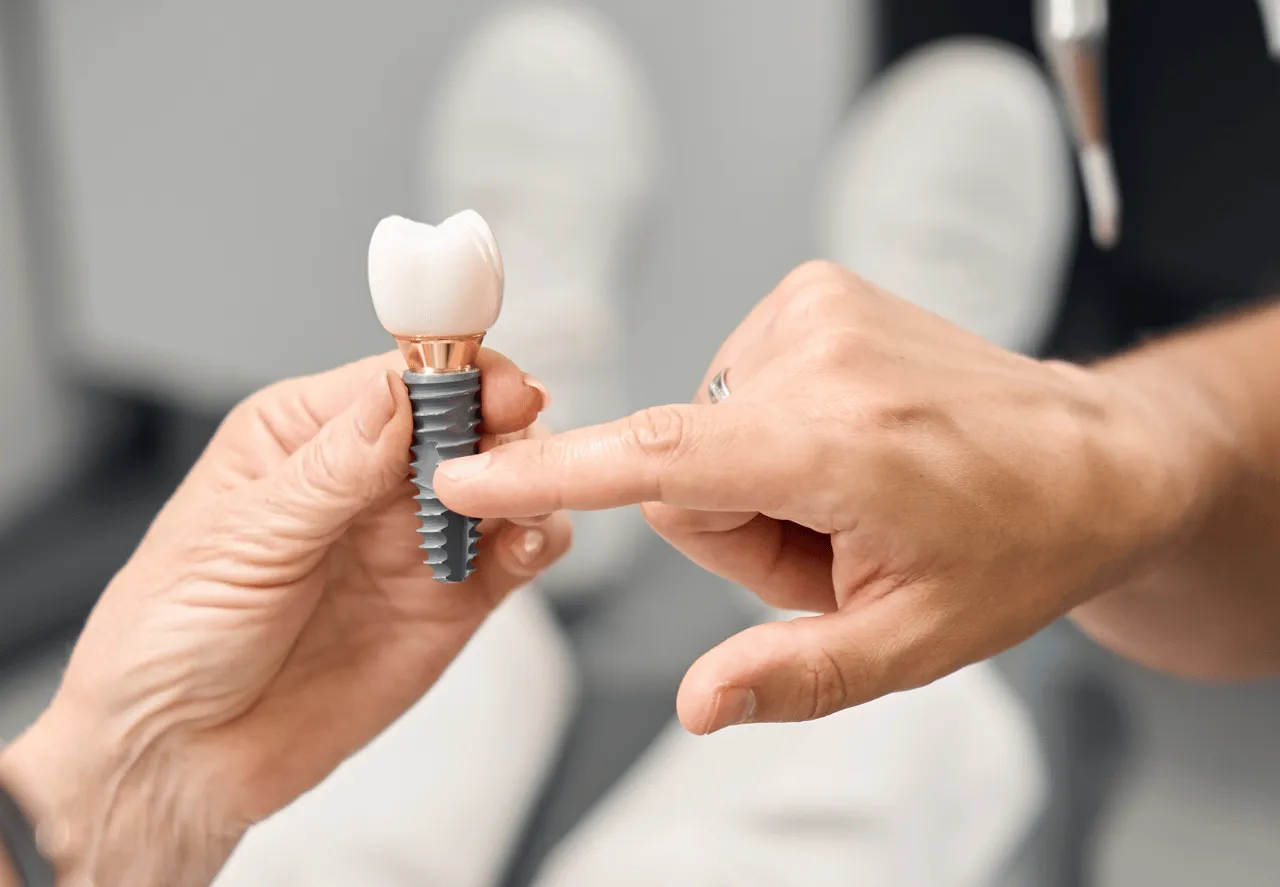
Implant dentures – stable and comfortable
An implant denture combines a conventional denture with implant-supported retention. While conventional dentures rest solely on the mucosa, an implant denture is secured to implants anchored in the jaw. This makes it stable, yet easy to remove for cleaning. This solution is particularly popular when patients want greater security but wish to retain the flexibility of a removable dental restoration. It offers a good balance between comfort, cost and functionality.

Implant-supported dental restorations – benefits at a glance
High-quality implant-supported dental restorations offer numerous benefits that go far beyond aesthetics alone: • Secure retention when speaking, laughing and eating • Significantly improved chewing function and greater load-bearing capacity • Natural aesthetics and a confident smile • Reduced risk of pressure sores and less need for denture adhesives • Support for jawbone preservation, depending on individual treatment and clinical findings
The latter point in particular is crucial: implants transfer chewing forces directly to the jawbone, which helps to preserve it. Conventional dentures, on the other hand, can accelerate bone loss because the load is distributed unevenly.
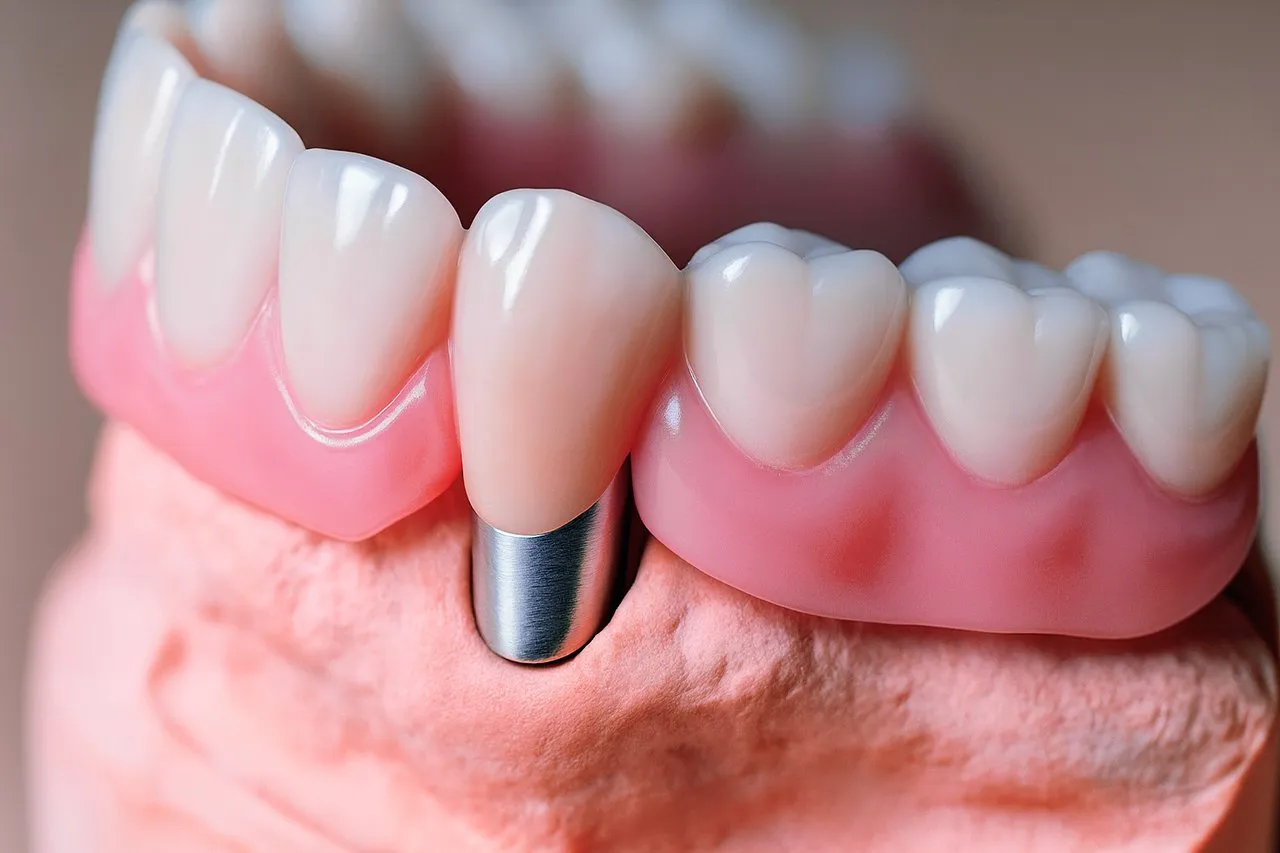
Implants for full dentures – a proven solution
The combination of implants and a full denture offers an improvement in quality of life, particularly for patients with an edentulous jaw. Several implants are placed to stabilise a full denture. The options range from simple systems with two implants in the lower jaw to extensive reconstructions. Depending on the individual circumstances, the restoration can be fixed or removable. Depending on the treatment chosen, the fit and individual clinical findings, the result can be a dental restoration that fits securely, is less likely to slip and gives the patient a carefree smile.
Upper dentures on implants – special features
The upper jaw presents particular challenges because there is often less bone volume here. However, modern techniques such as bone augmentation or a sinus lift also make it possible to place implants successfully here. An upper denture on implants offers major advantages over a conventional full denture. It fits securely, the palate can often remain exposed, and the sense of taste improves significantly. This is an attractive solution, especially for patients who place great value on quality of life.
Lower dentures on 2 implants – a major benefit
Many patients complain of poorly fitting complete dentures in the lower jaw that slip when speaking and chewing. Even a lower denture retained by 2 implants can bring about enormous improvements here. Two implants in the anterior lower jaw are often sufficient to secure the denture firmly. It can nevertheless be removed easily for cleaning and offers noticeably greater comfort. This option is also a particularly economical solution, giving many patients access to implant-supported dental restorations.

Conclusion: implant-supported dental restorations as a modern standard solution
Whether a single crown, partial bridge or complete denture – implant-supported dental restorations now offer suitable options for a wide range of initial situations, depending on individual suitability. Secure retention, natural aesthetics and functional benefits clearly speak in favour of this modern treatment method. Patients not only regain an attractive smile, but also a significant amount of quality of life.
FAQ – Frequently asked questions about implant-supported dental restorations
These include crowns, bridges or dentures attached to implants firmly anchored in the jaw.
An implant denture is held stably in the jaw by implants, whereas conventional dentures rest only on the mucosa.
In most cases, yes. However, if there is severe bone loss, bone augmentation may be required.
The costs vary depending on the material and complexity, but are significantly lower than for a fixed full reconstruction.
With good care and regular check-ups, implants can last for decades.
It fits securely, the palate often remains exposed, and the sense of taste is improved.
Yes, they can offer greater stability, help prevent pressure sores and help prevent bone loss.
Regular tooth brushing, special brushes and professional implant maintenance at the dentist are crucial.
Yes, there are both fixed and removable systems, depending on the patient's needs.
It usually takes several months from implant placement to the final restoration. This depends on the healing of the jawbone.