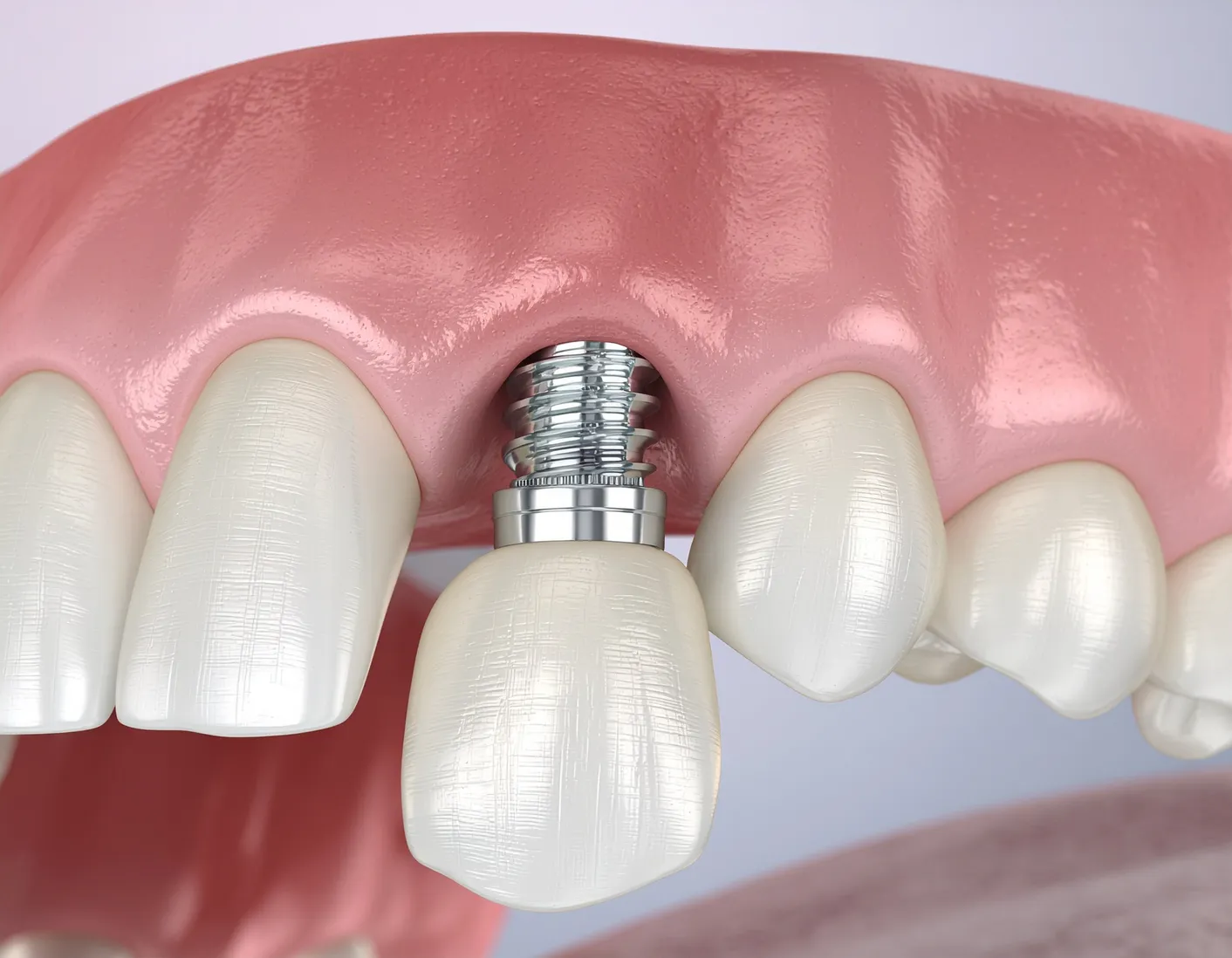
Implants in the upper jaw – the foundation for fixed dental restorations
The loss of teeth in the upper jaw presents many patients with particular challenges. As well as aesthetics, functionality also plays a crucial role. Missing teeth in the upper jaw can impair chewing, speech and overall quality of life. Implants in the upper jaw...
Über 350 Google-Bewertungen
The short answer
Upper jaw implants permanently replace missing teeth – from a single tooth to fixed restoration of entire rows of teeth with four to eight implants. Because the upper jawbone often has less volume, bone augmentation or a sinus lift may be necessary. Healing usually takes three to six months; the procedure is performed under local anaesthetic.
- Duration
- Healing usually takes 3–6 months, depending on bone quality and individual healing
- Special consideration
- The upper jaw often has less bone volume – a sinus lift or bone augmentation may be necessary
- Material
- Usually titanium or ceramic; both are considered highly biocompatible and durable
- Costs
- Depends on the number of implants and type of tooth replacement; individual consultation with a cost plan before treatment begins
Dental diagnostics in each individual case will show whether and how implants can be placed.
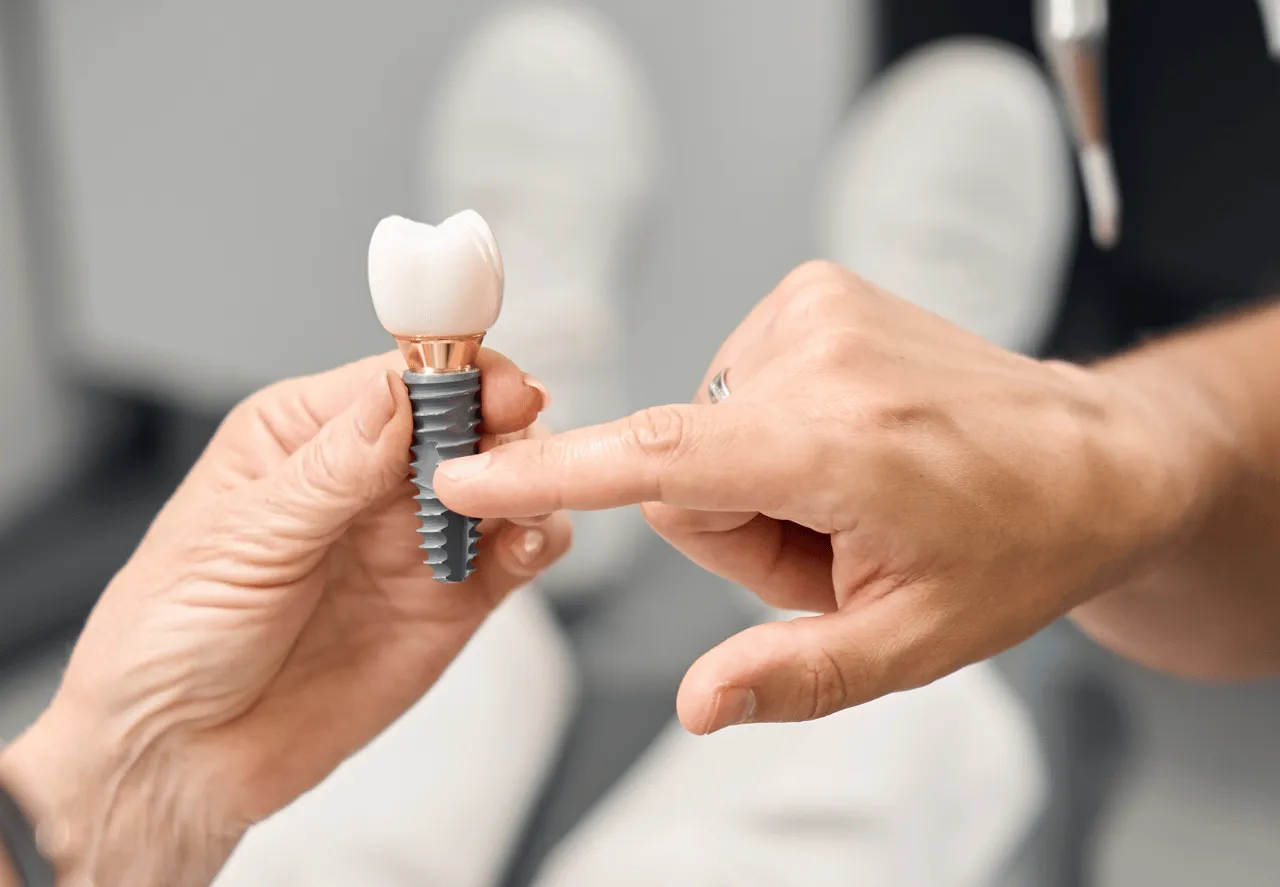
What are implants in the upper jaw?
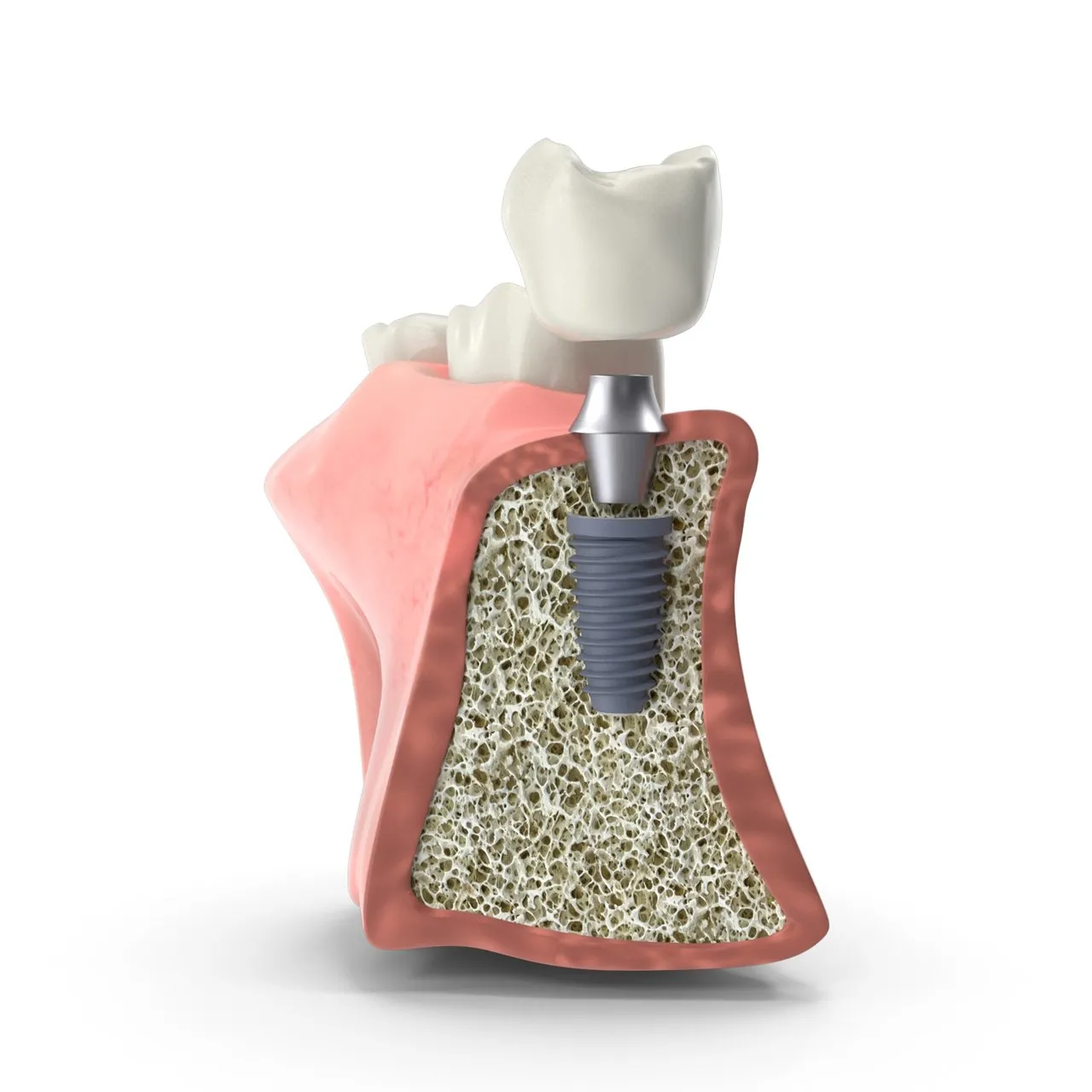
An upper jaw implant is an artificial tooth root that is firmly inserted into the bone. There, it performs the function of a natural tooth root. The desired dental restoration is then attached to it. Thanks to modern dentistry, implants are a proven and long-lasting solution for tooth replacement. Upper jaw dental implants are generally made of titanium or ceramic. Both are materials characterised by a high level of tissue compatibility and stability. Once the implant has firmly fused with the bone, the final dental restoration can be fitted.
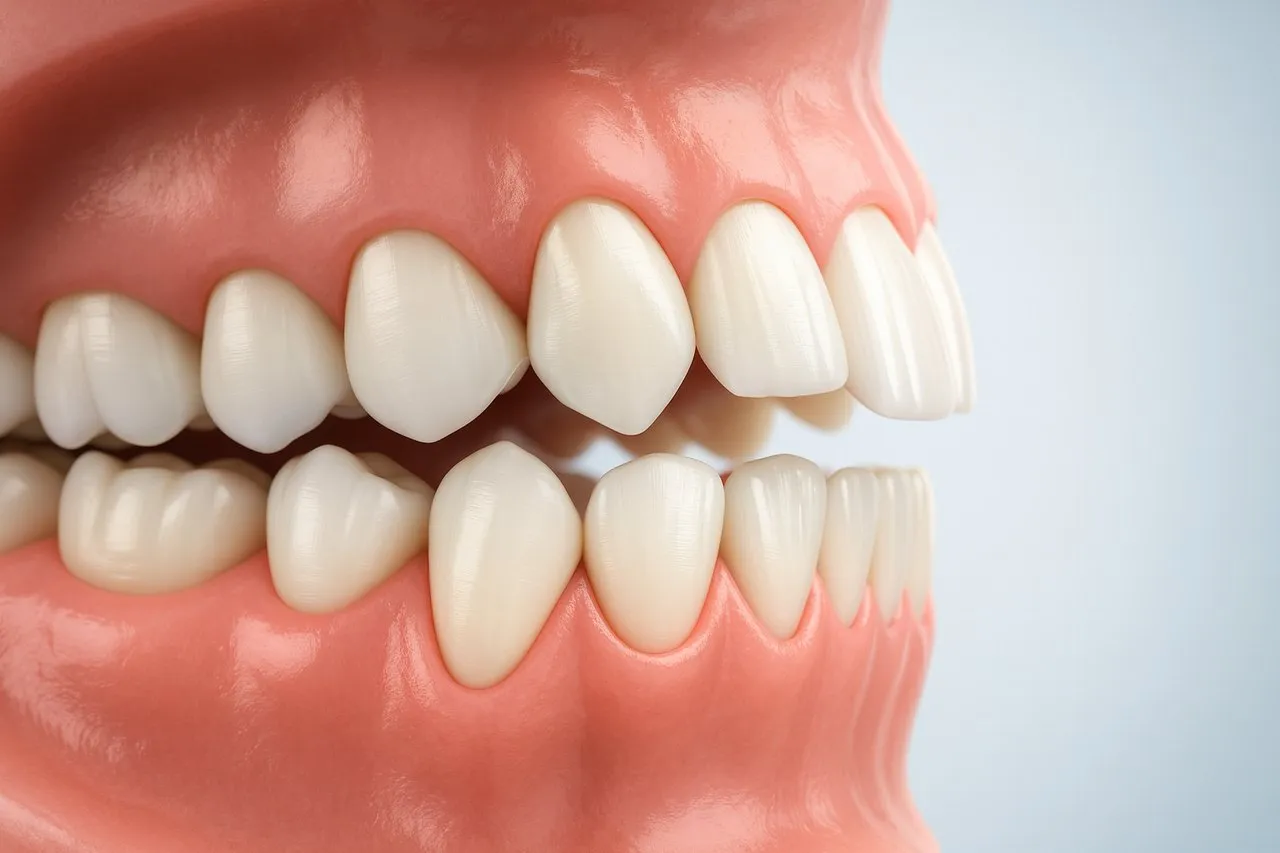
Special features of the upper jaw
The upper jaw differs anatomically from the lower jaw. The bone tissue in the upper jaw is usually softer and thinner, and it also borders on the maxillary sinus. This places particular demands on the planning and placement of an implant in the upper jaw. Bone augmentation in the upper jaw or a so-called sinus lift is often required before an implant can be placed. This involves lifting the floor of the maxillary sinus and filling it with bone material. This creates sufficient stability for the implant. Modern techniques and precise diagnostics now make it possible to successfully place dental implants in the upper jaw even in difficult situations.
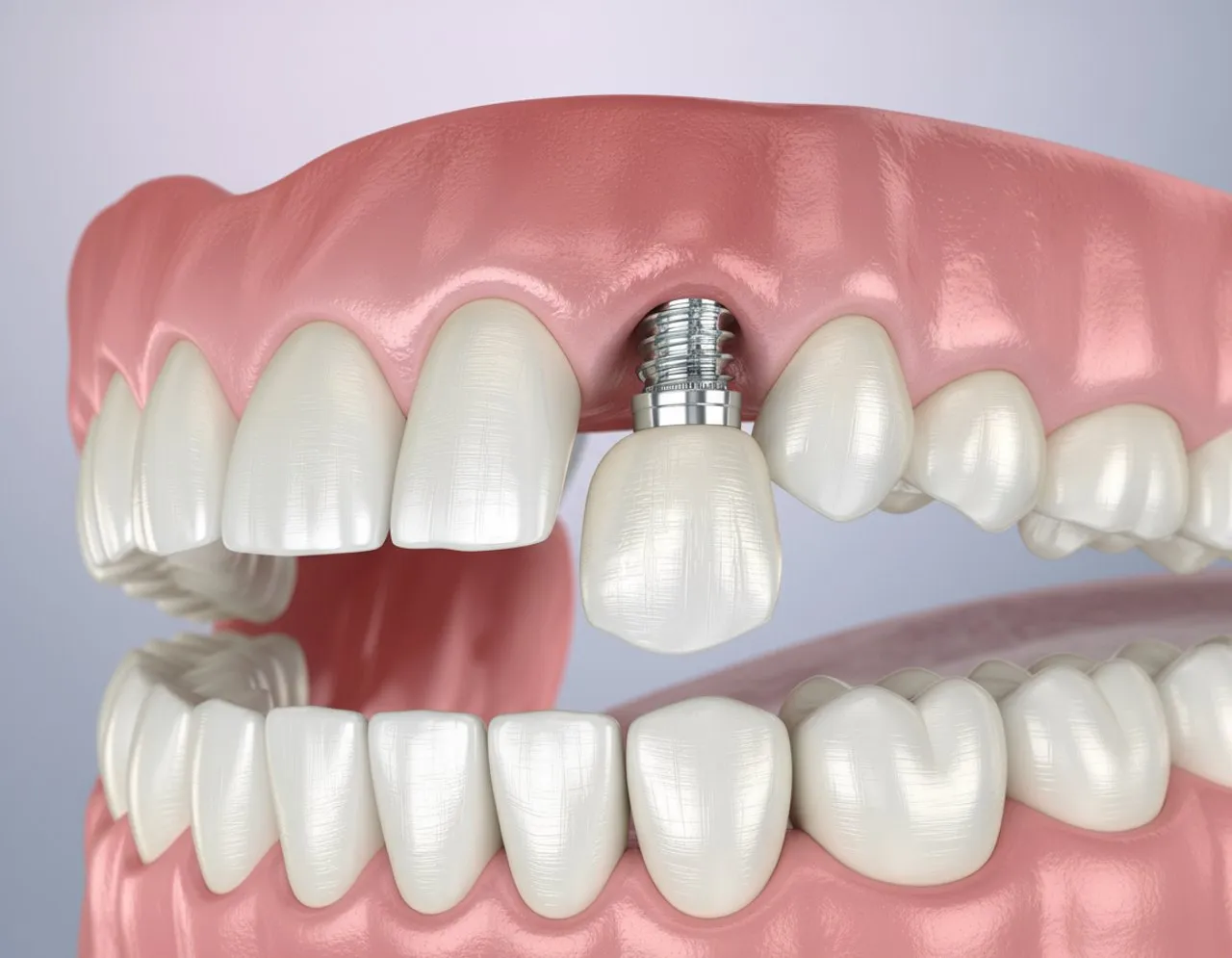
Advantages of upper jaw implants
An implant in the upper jaw offers numerous advantages compared with conventional tooth replacement:
• Natural aesthetics: The dental restoration looks like a real tooth and blends harmoniously into the dentition.
• Stability and functionality: Implants are firmly anchored in the bone and provide confidence when chewing and speaking.
• Bone stability: By transferring chewing forces to the bone, implants help prevent further bone loss.
• Comfort: Unlike conventional dentures, implants do not slip or cause pressure points.
• Longevity: With good care, implants can last for decades.
The implant placement procedure in the upper jaw
Treatment begins with a thorough examination and 3D diagnostics to assess the condition of the bone. The position of the implant is then planned. An upper-jaw implant is placed in several stages: 1. Preparation: If necessary, bone augmentation or a sinus lift is performed. 2. Implant placement: The implant is inserted into the bone under local anaesthetic. 3. Healing phase: Over several months, the implant becomes firmly integrated into the bone (osseointegration). 4. Prosthetic restoration: Once healing is complete, the crown, bridge or denture is attached to the implant.
Implants for individual teeth or entire rows of teeth
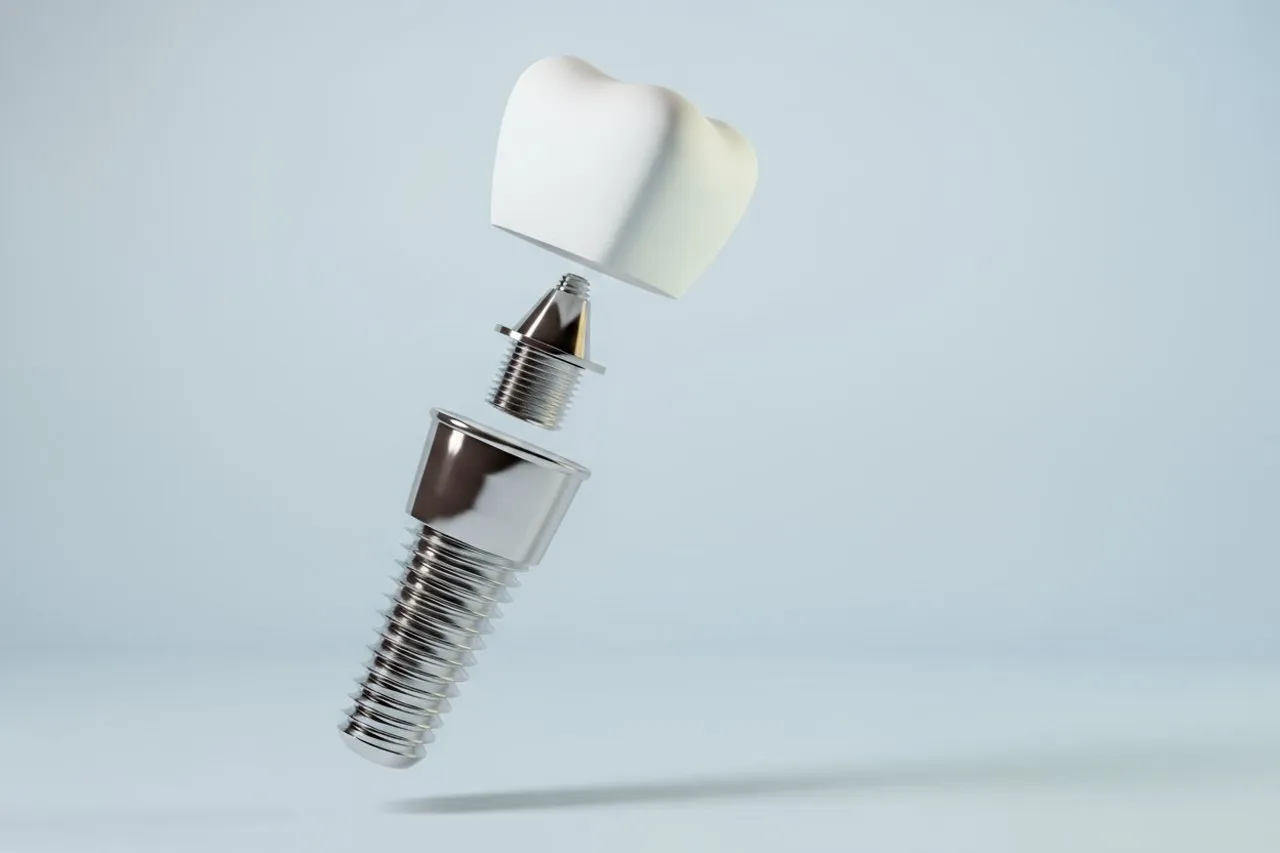
Dental implants can offer a suitable solution depending on the individual findings and treatment plan. They can be used for tooth replacement ranging from a single missing tooth to a complete arch in the upper jaw.
• Single implant: Replacement for a single missing tooth.
• Implant-supported bridge: Several missing teeth can be replaced securely with an implant-supported bridge.
• Implant-supported denture: A full denture can be securely fixed in place with just a few implants.
This makes it possible to develop a personalised and functional solution for almost every patient.

Risks and success factors
As with any surgical procedure, placing implants in the upper jaw also carries possible risks. These include infection, inadequate bone healing or problems with the maxillary sinus. However, thanks to modern diagnostics, sterile surgical techniques and experienced implantologists, the risk is very low. Thorough planning in advance, good oral hygiene and regular follow-up care at the practice are essential for success.
Caring for dental implants in the upper jaw
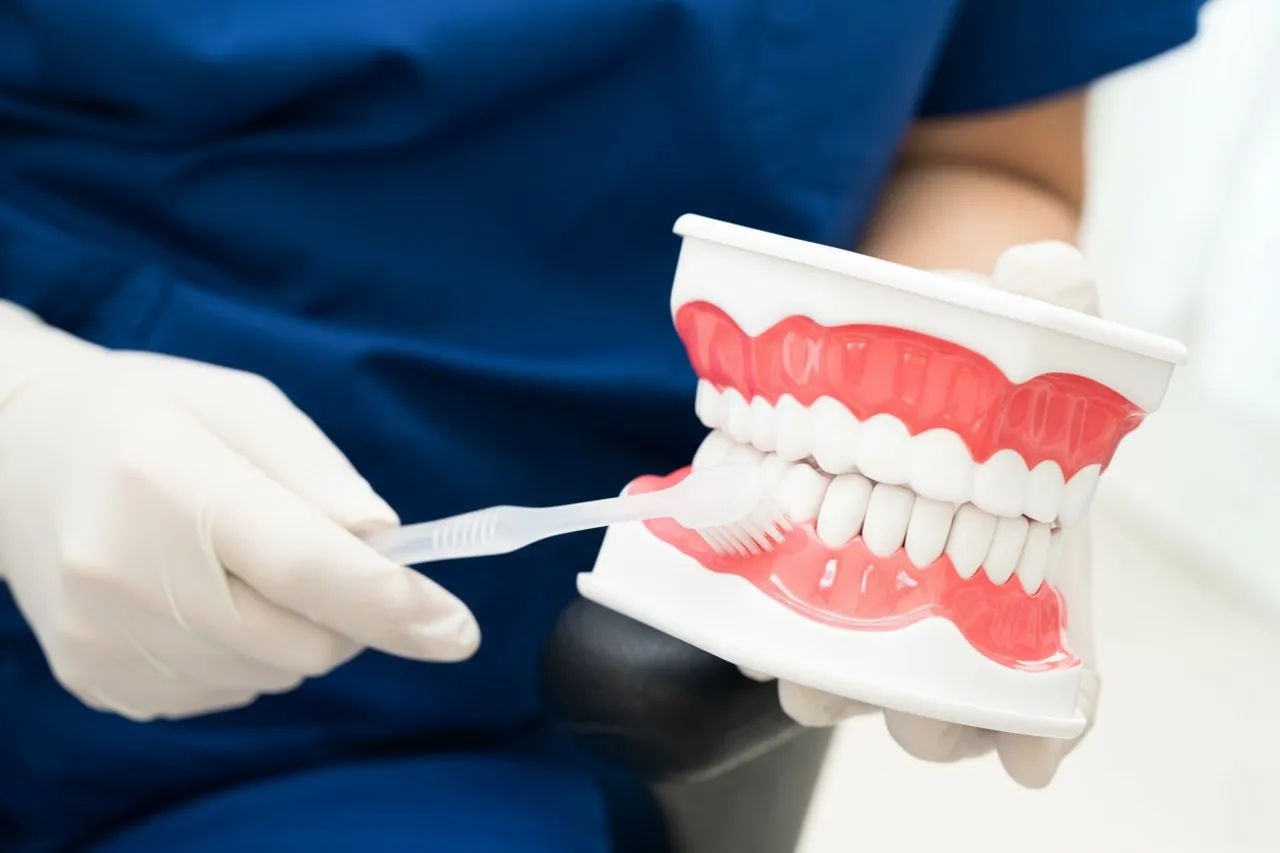
Consistent care is essential for implants to last in the long term. In addition to daily tooth brushing, special interdental brushes or dental floss should be used to clean the spaces between the teeth. People with implants should also have regular professional dental cleanings and check-ups. This prevents bacteria from accumulating and causing inflammation that could jeopardise the implant.
Conclusion: implants in the upper jaw as a modern solution
Dental implants in the upper jaw are a reliable and aesthetically pleasing way of replacing missing teeth. They provide stability, protect the bone and noticeably improve quality of life. Thanks to modern implantology, even difficult conditions can be successfully managed.
FAQ – Frequently asked questions about implants in the upper jaw
The upper jaw often has less bone volume, which is why additional procedures such as a sinus lift may be necessary.
Usually three to six months, depending on bone quality and individual healing.
Not always, but often in the upper jaw when there is insufficient bone.
Mostly titanium or ceramic, both of which are considered highly biocompatible and durable.
Depending on the concept, between four and eight implants are used to ensure a stable restoration.
The procedure is performed under local anaesthetic. Mild discomfort afterwards can be managed well with painkillers.
With good care and regular check-ups, they can last for decades.
Infections, impaired wound healing or an opening into the maxillary sinus. However, these risks are rare.
Yes, age does not matter as long as your general state of health permits treatment.
The costs vary depending on the number of implants and the type of dental restoration. An individual consultation with a dentist or implantologist is therefore necessary.
Book your appointment now
We would be happy to advise you in person at our practice.