
Inflamed tooth root – what you should know
An inflamed tooth root is a painful and often serious condition. It can affect both the dental pulp and the surrounding tissue. Inflammation at the tooth root can have various causes, including infections, injuries or tooth decay. In this article...
Über 350 Google-Bewertungen

What is an inflamed tooth root?
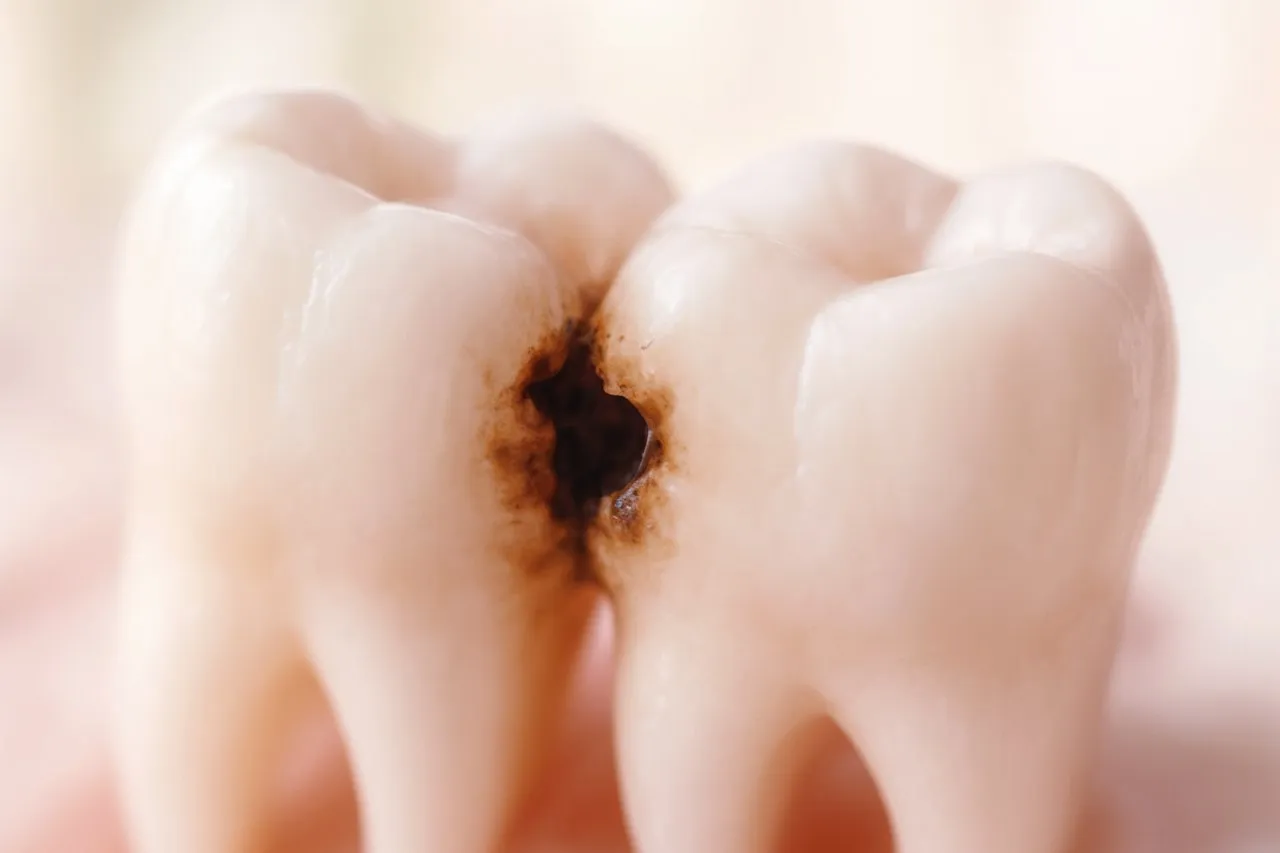
An inflamed tooth root is an infection of the tooth root caused by bacteria. These bacteria can enter the tooth when the enamel is damaged, for example by tooth decay or injuries. When the bacteria reach the tooth root, the tissue becomes inflamed. The inflammation can spread to the surrounding tissue and lead to an even more serious infection.
Causes of an inflamed tooth root
The most common causes of tooth root inflammation are: • Tooth decay: If tooth decay is not treated in time, it can penetrate the tooth enamel and reach the dental pulp. The bacteria can enter the tooth root and cause inflammation. • Dental injuries: A broken or cracked tooth can also provide an entry point for bacteria. This can result in inflammation of the tooth root. • Dental treatments: Sometimes a poorly performed filling or root canal treatment can allow bacteria to enter the tooth root. • Gum disease: Untreated gum disease can also affect the necks of the teeth and the tooth roots, leading to inflammation.

Symptoms of an inflamed tooth root
Tooth root inflammation is often associated with severe, stabbing toothache. This pain can occur not only in the affected tooth, but also in the jaw or throughout the face. The most common symptoms of tooth root inflammation include: • Severe toothache: The pain may be constant or come in waves. Sometimes it worsens on contact with hot or cold liquids or foods. • Swelling in the mouth: The inflammation can cause swelling of the gums and surrounding tissue. This is a sign that the infection is spreading. • Pus formation: In severe cases, pus can accumulate at the tooth root, indicating an advanced infection. • Sensitivity when biting down: As the tooth root inflammation progresses, the tooth can be particularly sensitive when biting down. • Fever: A persistent infection can also lead to fever. This is a sign of systemic inflammation in the body. • Bad breath: A foul smell from the mouth can indicate tooth root inflammation. The smell is caused by bacteria multiplying in the infected area.
Treating an inflamed tooth root
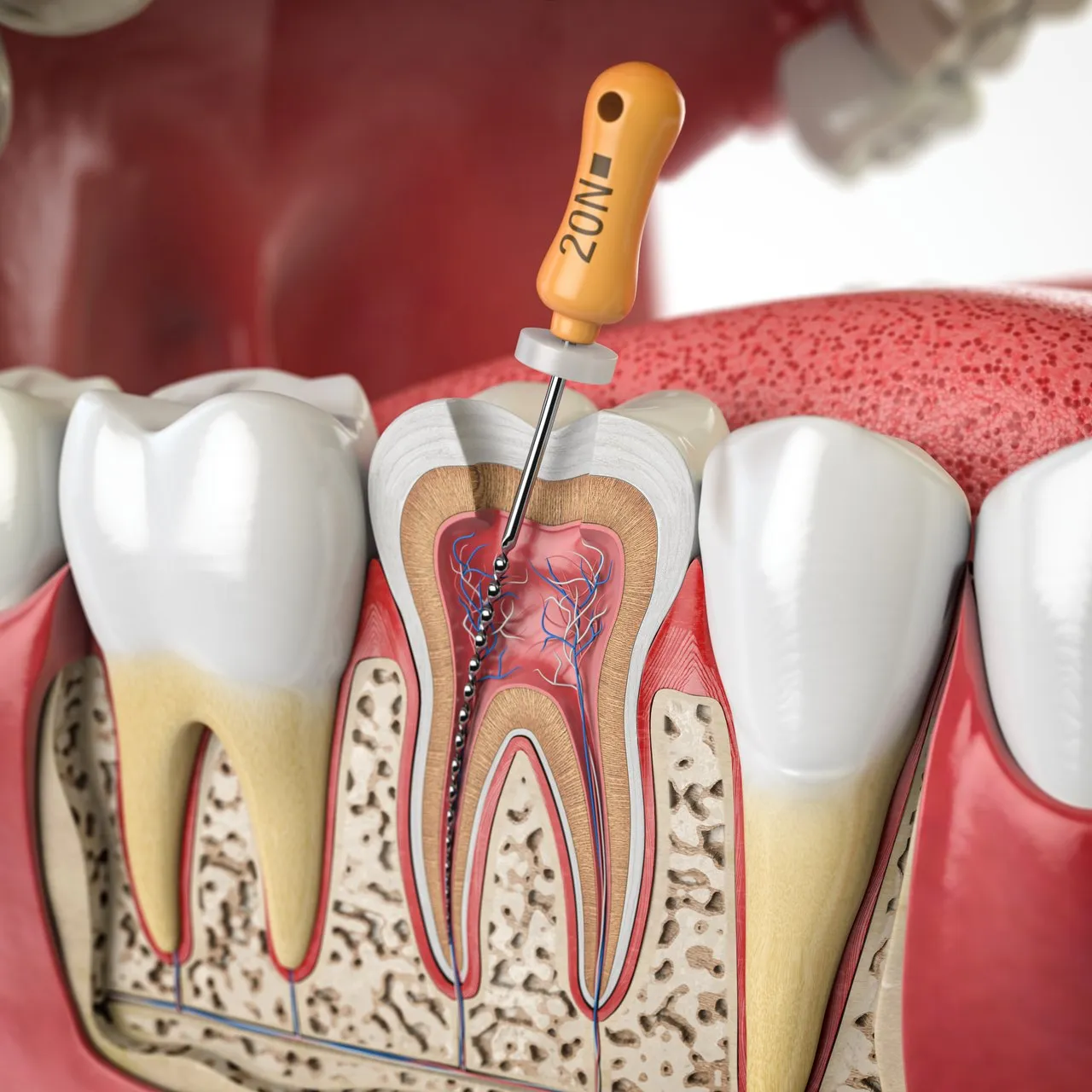
There are several treatment options for healing tooth root inflammation. The choice of treatment depends on the severity of the inflammation and the progress of the infection. Conservative treatment: If the tooth is still intact, the dentist may try to combat the inflammation with root canal treatment. During this treatment, the infected dental pulp is removed and the root canal is cleaned. It is then sealed with a special material. This helps to stop the infection and preserve the tooth. Surgical treatment: If root canal treatment is not sufficient, a surgical procedure such as an apicectomy may be necessary. This procedure involves removing the tip of the tooth root to eliminate the inflammation. Tooth extraction: In severe cases where the tooth can no longer be saved, it may need to be extracted. This is possible if the tooth is severely damaged. In that case, neither root canal treatment nor an apicectomy is possible.

Can an inflamed tooth root heal itself?
It is not advisable to try to heal an inflamed tooth root yourself, as it can worsen without professional treatment. Untreated inflammation can lead to serious complications such as the formation of an abscess. Home remedies such as cold compresses or painkillers can help temporarily. However, if you suspect an inflamed tooth root, it is essential to see a dentist.

Home remedies for an inflamed tooth root
Some home remedies can help relieve the pain of an inflamed tooth root. However, they do not solve the underlying problem. These home remedies include: • Salt water rinses: A mixture of warm water and salt can help reduce inflammation and relieve pain. • Garlic: Garlic has natural antibacterial properties and can be placed on the affected tooth. This fights the infection. • Tea bags: A warm tea bag can be used as a compress to reduce swelling and relieve pain.

Symptoms of chronic tooth root inflammation
Chronic tooth root inflammation can occur if its acute form is not treated properly. In such cases, the symptoms may be less intense, but the inflammation persists. Symptoms of chronic tooth root inflammation include: • Mild, intermittent toothache • A slight feeling of pressure on the tooth • Prolonged swelling in the gum area • Occasional formation of pus

What should you do about an inflamed tooth root?
If you suspect that your tooth root is inflamed, you should see a dentist as soon as possible. The dentist will determine the cause of the inflammation and recommend suitable treatment. Do not wait until the symptoms worsen, as early treatment can lead to better outcomes.
FAQ: Frequently asked questions about an inflamed tooth root
Symptoms include severe toothache, swelling, sensitivity when biting down and the formation of pus.
No, an inflamed tooth root should always be treated by a dentist. Without treatment, it can lead to serious complications.
Home remedies such as salt water rinses and garlic can help relieve the symptoms. However, they do not solve the underlying problem.
Usually with root canal treatment, during which the infected tissue is removed and the root canal is sealed.
With the right treatment, an inflamed tooth root can heal within a few days to weeks.
If the inflammation is left untreated, the infection can spread and lead to an abscess or even tooth loss.
In this case, you should see a dentist immediately to have the inflammation treated.
Yes, if an inflamed tooth root is not treated properly, it can become chronic and recur.
An apicoectomy is a surgical procedure in which the tip of the tooth root is removed.
The dentist makes the diagnosis through a clinical examination, X-rays and an assessment of the symptoms.