
What does an inflamed wisdom tooth mean?
An inflamed wisdom tooth develops at the back of the jaw. In most cases, the tooth only partially breaks through the gum. Bacteria collect in the small gaps and cause inflammation. The wisdom tooth is often positioned at an angle or twisted in the bone. It is difficult...
Über 350 Google-Bewertungen

Typical symptoms of wisdom tooth inflammation
Inflammation around a wisdom tooth causes noticeable symptoms. Pay particular attention to the following complaints. Pain and a feeling of pressure at the back of the jaw Typical symptoms include a pulling or throbbing toothache. The area behind the molars is tender to pressure. The pain usually gets worse when chewing. The discomfort may radiate to the ear, temple or head. Pain when opening the mouth is also possible. If left untreated, the pain usually gets worse. Swelling, redness and an unpleasant taste Inflammation often causes visible swelling. The cheek appears swollen and feels warm. The gum around the tooth is red. If bacteria penetrate deep into the tissue, pus forms. This causes an unpleasant taste and bad breath. At this point at the latest, you should see a dentist immediately.
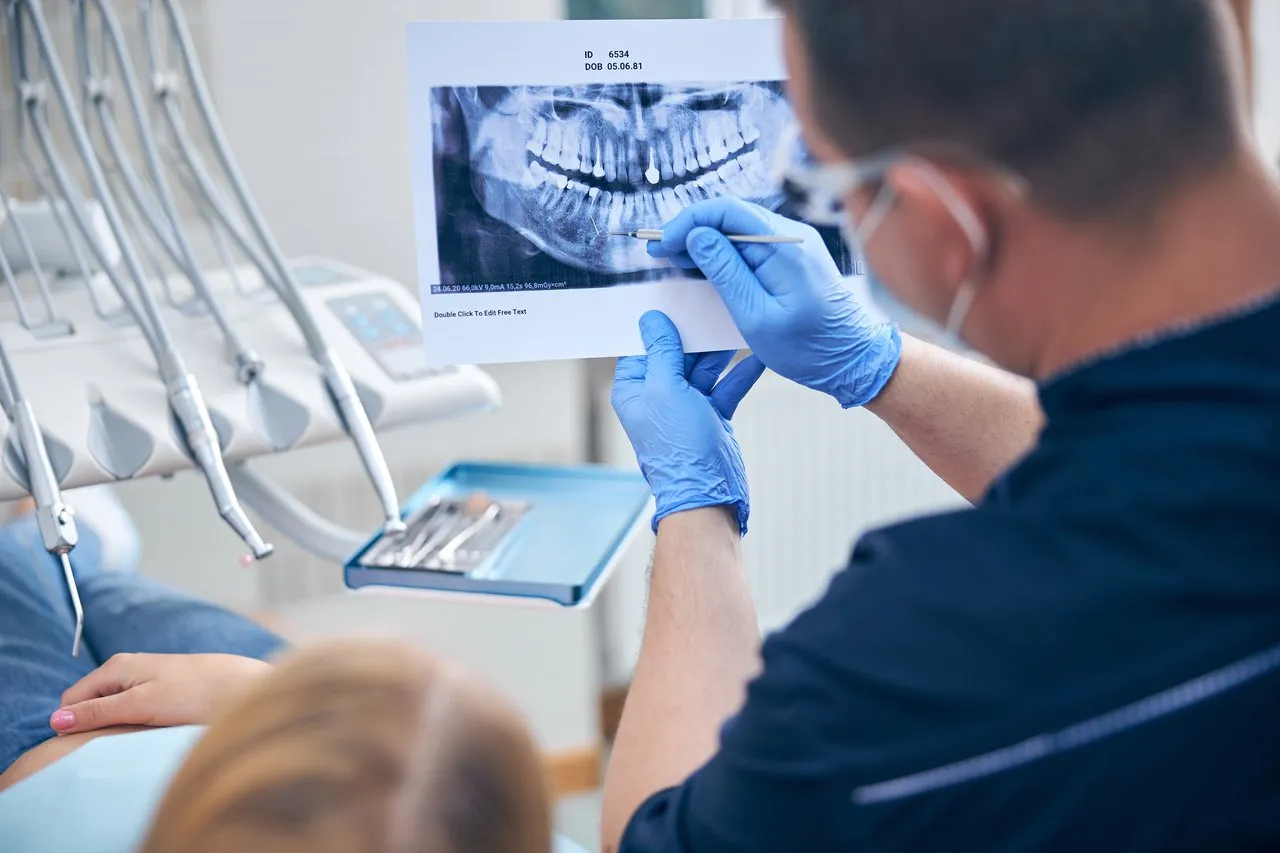
Causes: Why does a wisdom tooth become inflamed?
A wisdom tooth rarely becomes inflamed without a trigger. Several factors usually combine. Eruption problems and lack of space The last tooth often lacks the necessary space. It remains partially trapped in the bone or erupts at an angle. This is known as a partially impacted wisdom tooth. A flap of gum tissue remains over the tooth. Food debris and bacteria collect beneath it. Recurrent inflammation develops in the back of the jaw. Difficult oral hygiene and bacterial deposits The area behind the last molars is difficult to reach. A toothbrush can only reach it to a limited extent. Dental floss is also often difficult to use. As a result, deposits remain on the tooth surface for longer. They develop into bacterial plaque and tartar. These often trigger inflammation around the wisdom tooth. Other triggers in the jaw area Pain rarely radiates from deep caries. Inflammation of the jaw can therefore also cause discomfort. A precise diagnosis is therefore very important.
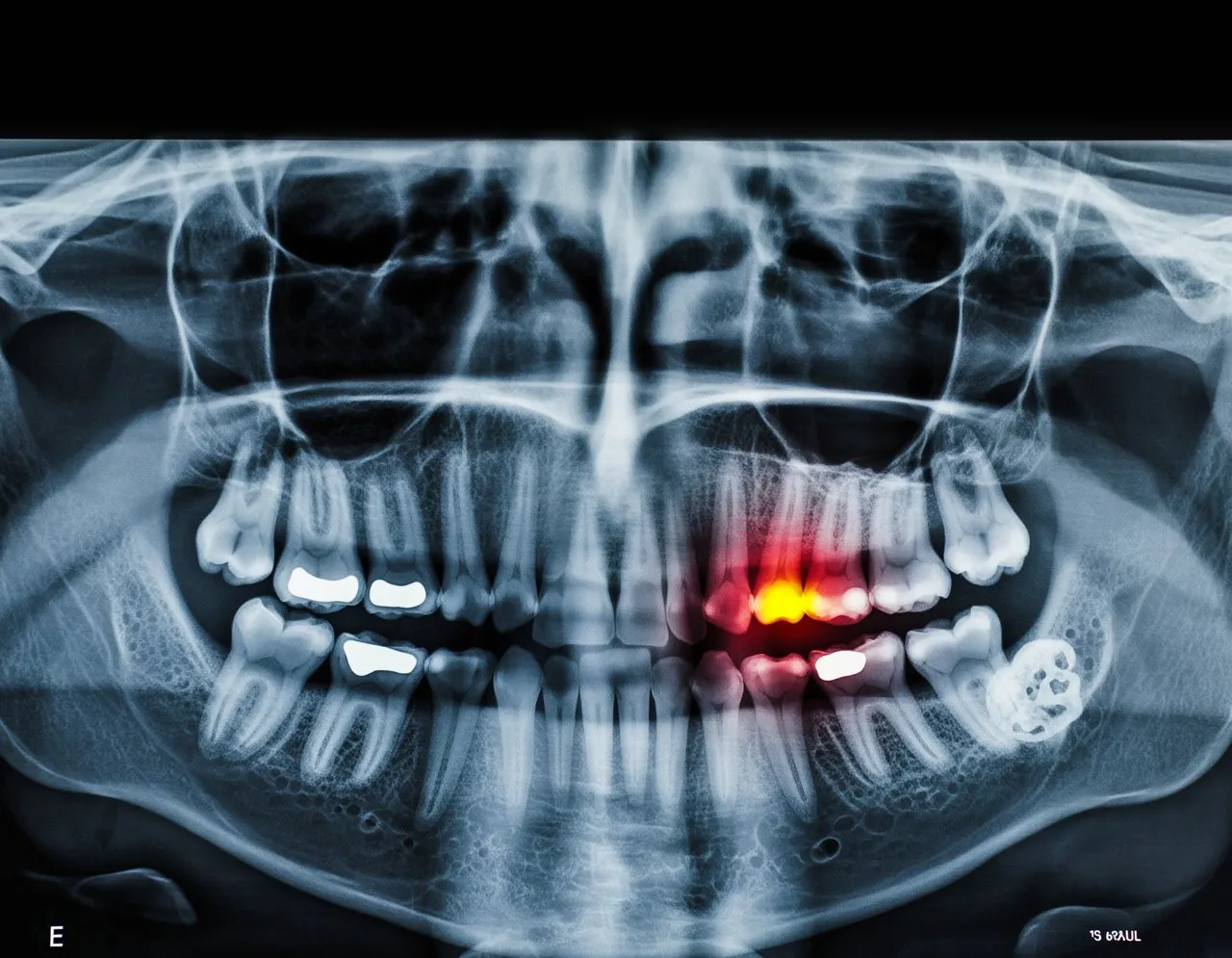
Risks and possible complications
If an inflamed wisdom tooth is left untreated, further damage may result. The inflammation can spread to the jawbone, jaw joint and soft tissue. In severe cases, an abscess may form. Severe swelling can prevent the mouth from opening. Fever and a general feeling of illness are possible. If the infection spreads further, jaw inflammation or periostitis may develop.
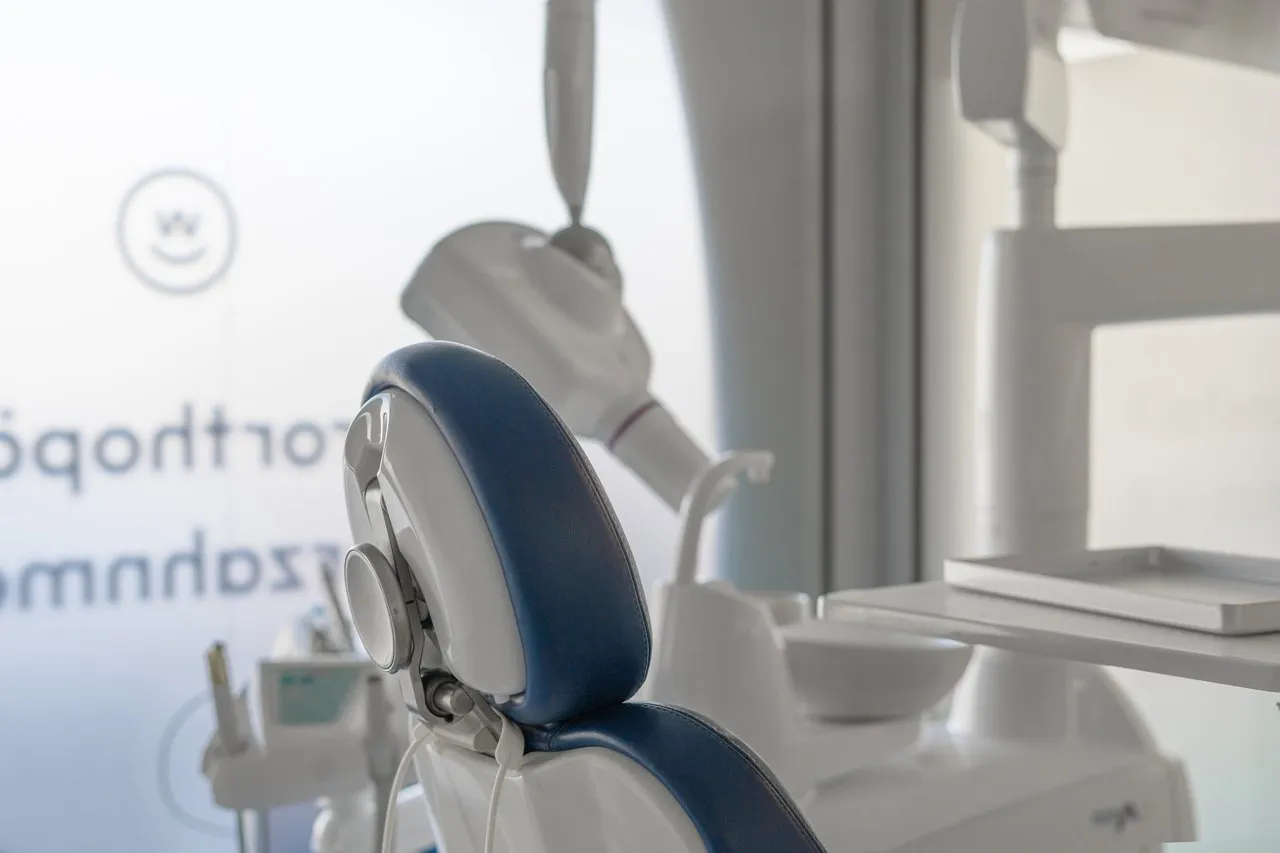
Diagnosis at the Wunschlachen dental practice
At the Wunschlachen dental practice in Berlin, everything begins with a consultation. You describe your pain, how long it has lasted and any measures taken so far. The dentist then thoroughly examines your mouth and jaw. They check for swelling, redness and tenderness to pressure. An X-ray is often taken as well. This allows the position and shape of the wisdom tooth to be assessed accurately. An individual treatment plan is then drawn up on this basis.

Treatment: What helps with an inflamed wisdom tooth?
Treatment depends on the extent of the inflammation. The position of the tooth and its stage of eruption also play a role. Several steps are often combined. Acute anti-inflammatory treatment and pain relief The first priority is to relieve symptoms. Painkillers and anti-inflammatory medicines are used. For a pronounced infection, the dentist often prescribes antibiotics. External cooling and soft foods support treatment. Antiseptic mouthwashes reduce the number of germs. This helps the tissue heal more effectively. Cleaning, irrigation and removal of the wisdom tooth For mild inflammation, cleaning is often sufficient. The flap of mucous membrane is irrigated and plaque removed. This significantly reduces the number of bacteria. If symptoms keep returning, removal is recommended. The wisdom tooth is removed in a minor procedure. This is usually performed under local anaesthetic. If the tooth is in a complicated position, wisdom tooth surgery is necessary. Patients with dental anxiety can also receive sedation. This makes the procedure relaxed and as stress-free as possible. After the procedure, you will receive detailed aftercare instructions. Cooling, rest and good oral hygiene promote healing.

Home remedies and self-help – what is useful?
Cooling and chamomile or salt-water rinses can relieve symptoms. They have a mild anti-inflammatory effect and soothe the tissue. However, they never replace treatment by a dentist. If you have severe pain, fever or pronounced swelling, do not rely on home remedies alone. See a dentist promptly.

Prevention: Avoiding wisdom tooth inflammation
Thorough oral hygiene is the best preventive measure. Use small brushes and interdental brushes for the back of your mouth. This also removes plaque from hard-to-reach areas. Regular check-ups at Wunschlachen provide additional help. The dentist can identify a lack of space or signs of inflammation at an early stage. If necessary, planned removal can be carried out in good time.
Your dental practice in Berlin – locations
Our dental practices in Berlin are located in Reinickendorf, Schöneberg, Friedrichstraße and Charlottenburg. We offer high-quality treatments and modern technology. Book an appointment with a dentist now, online or by phone, for a radiant smile.
General dentistry and surgery
Reinickendorf
Zahnarzt & Implantate
Gotthardstr. 27, 13407 Berlin Tel.: 030 / 495 20 10[email protected]Mo-Do: 08:00–20:00 Fr: 08:00–14:00
Mehr erfahrenSchöneberg
Zahnarzt & Implantate
Bayerischer Platz 7, 10779 Berlin Tel.: 030 / 854 44 83[email protected]Mo-Do: 08:00–20:00 Fr: 08:00–14:00
Mehr erfahrenFriedrichstraße
Zahnarzt & Implantate
Friedrichstraße 147, 10117 Berlin Tel.: 030 / 959 990 644[email protected]Mo-Do: 09:00–18:00 Fr: 09:00–14:00
Mehr erfahrenCharlottenburg
Zahnarzt & Implantate
Savignyplatz 5, 10623 Berlin Tel.: 030 / 233 290 390[email protected]Mo-Do: 09:00–18:00 Fr: 09:00–13:00
Mehr erfahrenOrthodontics and paediatric dentistry
Reinickendorf
Kieferorthopädie & Kinderzahnmedizin
Gotthardstr. 27, 13407 Berlin Tel.: 030 / 495 20 10Mo-Do: 08:00–20:00 Fr: 08:00–14:00
Mehr erfahrenSchöneberg
Kieferorthopädie & Kinderzahnmedizin
Bayerischer Platz 7, 10779 Berlin Tel.: 030 / 854 44 83Mo-Do: 08:00–20:00 Fr: 08:00–14:00
Mehr erfahrenFAQs – Frequently asked questions about wisdom tooth inflammation
Typical symptoms include pain, swelling and redness at the back of the jaw. An unpleasant taste and bad breath are also common.
If left untreated, the inflammation can spread. Abscesses, fever and jaw inflammation may result.
Antibiotics reduce bacteria and relieve symptoms. However, the cause must still be treated mechanically or surgically.
Removal is not necessary every time. However, it is usually advisable if inflammation keeps recurring.
Some discomfort is normal during the first few days. It can usually be managed well with painkillers and cooling.
It is better to avoid exercise during acute inflammation or after an operation. Exertion can increase swelling and delay healing.
Cooling, soft foods and antiseptic mouthwashes often help. Only take painkillers as recommended by a doctor.
They can provide support, but they cannot cure the inflammation. Without dental treatment, there is a risk of complications.
Yes, in severe cases, jaw inflammation or periostitis can develop. Severe symptoms should therefore always be assessed.
Yes, our practice offers gentle procedures and sedation. This helps patients with dental anxiety to feel as relaxed as possible during treatment.