Late infection after wisdom tooth surgery – what does this mean?
Healing after wisdom tooth removal is usually straightforward. In some cases, however, the wound does not become inflamed until days or weeks later. This is known as a late infection after wisdom tooth surgery.
This is a form of delayed wound healing. Bacteria enter the fresh or already partially healed tissue. This causes inflammation, which can be very painful.
This kind of complication is unpleasant, but can usually be treated effectively. It is important to recognise the warning signs early. This allows us to respond quickly at the Wunschlachen dental practice in Berlin.
Über 350 Google-Bewertungen
What does inflammation after wisdom tooth surgery look like?
A late infection after wisdom tooth surgery is a delayed wound infection that occurs days to weeks after the procedure – often after an initial few symptom-free days. Typical signs include renewed worsening pain, swelling, redness, an unpleasant taste or pus. It can generally be treated effectively, but should be examined promptly by a dentist; seek immediate help if you have a fever, difficulty swallowing or difficulty breathing.
- Common causes
- Bacteria in the bone socket due to food debris, poor oral hygiene, smoking, vigorous rinsing too soon or a dissolved blood clot (alveolitis sicca).
- Warning signs
- Suddenly worsening pain after symptom-free days, swelling, pus, a foul taste or fever; difficulty swallowing or breathing are emergencies.
- Treatment
- Local treatment to control the source of infection, including irrigation and cleaning of the wound, opening collections of pus if necessary and placing an anti-inflammatory dressing; an antibiotic may also be prescribed if the dentist considers it clinically indicated.
This does not replace individual dental advice.

Causes of a delayed wound infection
Wisdom tooth surgery creates an open wound in the bone. Initially, this is particularly susceptible to germs. If bacteria enter the wound, a late infection can develop.
Common causes include poor oral hygiene, smoking or vigorous rinsing too soon. Food debris in the wound also encourages inflammation after wisdom tooth surgery. In some cases, pre-existing conditions or a weakened immune system play a role.
A dissolved or missing blood clot can also cause problems. This is known as alveolitis sicca, or dry socket. It often causes severe wound pain.

Typical symptoms of a late infection
A late infection after wisdom tooth surgery usually causes typical symptoms. Patients often report pain that suddenly increases. This frequently occurs only after several symptom-free days.
The wound area is red and swollen. The region may feel warm. Sometimes the wound also produces an unpleasant taste or smell.
Pus after wisdom tooth surgery is also a clear warning sign. The pain may radiate to the lower jaw, ear or head. Many of those affected have difficulty chewing or opening their mouth wide.

How wound healing progresses over time
Some swelling after the operation is normal. It increases during the first few days and then subsides.
If your symptoms become worse again, you should be alert. Pain weeks after wisdom tooth surgery is not normal.
Complete healing takes considerably longer in the bone. This is why complications can also occur after a delay.

Diagnosis at the Wunschlachen dental practice
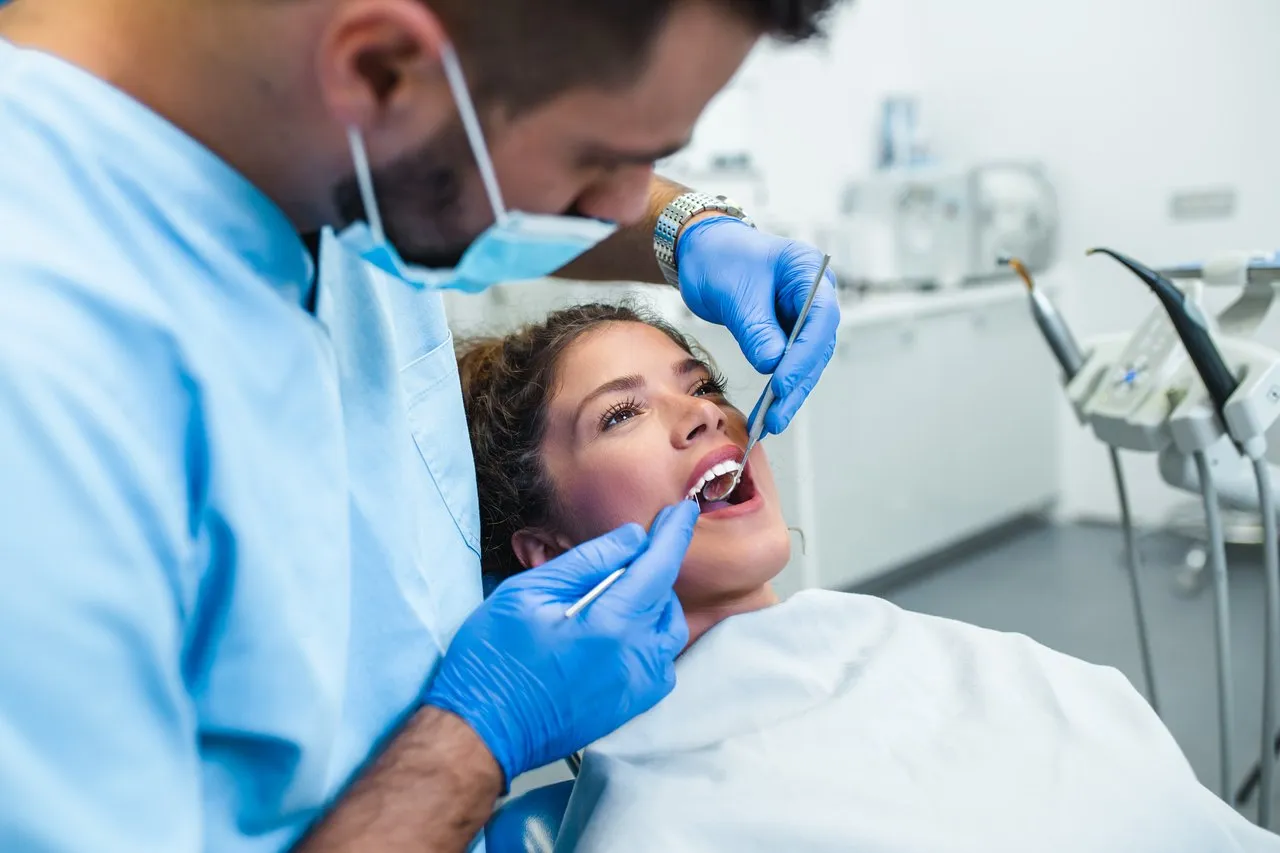
If you suspect inflammation after wisdom tooth removal, you should visit our practice promptly. During the examination, we carefully check the wound area. We look for swelling, redness, deposits and any discharge.
If necessary, we take an X-ray. This can help us assess changes in the bone and identify other relevant findings, such as retained root fragments or bone splinters. We interpret these findings together with the clinical examination when diagnosing a late infection.
We then discuss the next steps with you. The aim is to eliminate the cause of the late infection. At the same time, pain and swelling are treated in a targeted manner.

Treating inflammation after wisdom tooth removal
Treatment depends on the extent and nature of the infection. The wound is often first carefully rinsed and cleaned. Inflamed tissue or problematic stitches are removed if necessary.
If pus is already present in the wound, it is carefully opened and drained. We often place an anti-inflammatory dressing in the wound. This allows the tissue to heal more effectively.
Where clinically indicated for the assessed infection, we may also prescribe an antibiotic, alongside local treatment and source control as appropriate. This fights the bacteria in the tissue and bloodstream. If systemic spread is suspected, urgent professional assessment is required. You will also receive painkillers and precise instructions on what to do at home.
Risks and possible complications
If left untreated, a late infection after wisdom tooth surgery can have serious consequences. The inflammation can spread through the jawbone.
Inflammation of the jaw or the formation of an abscess is also possible. If bacteria enter the bloodstream, there is a risk of severe systemic infections.

Prevention: How to support healing
Good aftercare significantly reduces the risk of a late infection. Cool your cheek during the first few hours after the operation.
Smoking considerably delays wound healing. You should therefore avoid nicotine for at least a few days. Alcohol should also be avoided.
Clean your mouth carefully as instructed by your dentist. Soft toothbrushes, disinfectant mouth rinses and a gentle technique are important. At first, avoid vigorous rinsing or sucking on the wound.

Late infection after wisdom tooth surgery: when should you see a dentist?
See a dentist whenever you are unsure. Severe pain after several symptom-free days is particularly cause for concern. Increasing swelling or a fever should also be taken seriously.
Pus after wisdom tooth surgery is always a warning sign. The same applies to a foul taste or smell in the mouth. Difficulty swallowing or breathing requires urgent attention.
At the Wunschlachen dental practice, we examine your wound carefully. We explain all our findings clearly. Together, we draw up an individual treatment plan.
Conclusion: Take inflammation seriously and avoid complications
A late infection after wisdom tooth surgery is unpleasant. However, it can usually be treated effectively. The key is to see a dentist early.
Our team at the Wunschlachen dental practice in Berlin will support you throughout. We use gentle surgical techniques and provide careful aftercare. This minimises the risk of complications after your wisdom tooth surgery.