
Leaking filling: symptoms and treatment
A leaking filling creates a gap at the margin between the tooth and the restoration. Bacteria can settle there and promote new tooth decay. An early check-up protects tooth structure and prevents extensive follow-up treatment.
Über 350 Google-Bewertungen

What does a leaking filling mean?
A dental filling seals a defect and stabilises the remaining tooth structure. There should be no open gap between the filling and the tooth. If a gap develops there, the restoration is considered to be leaking.
These marginal gaps can be very small and initially invisible. Nevertheless, bacteria can reach areas that are difficult to access. Secondary caries can then develop there.

Why does a dental filling start to leak?
Filling materials are subjected to daily stress from chewing, temperature changes and acids. These factors can gradually weaken the material and the adhesive bond. Night-time teeth grinding also increases the strain considerably.
Composite can shrink slightly as it hardens. A careful layering technique reduces possible marginal gaps. Older fillings can also wear down, become discoloured or partially come loose.
Other causes include fine cracks in the tooth or new defects at the filling margin. Sometimes a small piece of material breaks off unnoticed. A filling that is too high can also create unfavourable chewing forces.

Leaking filling: which symptoms are typical?
A leaking filling does not always cause immediate discomfort. Some changes are only noticed during a check-up. Nevertheless, typical signs should be examined promptly.
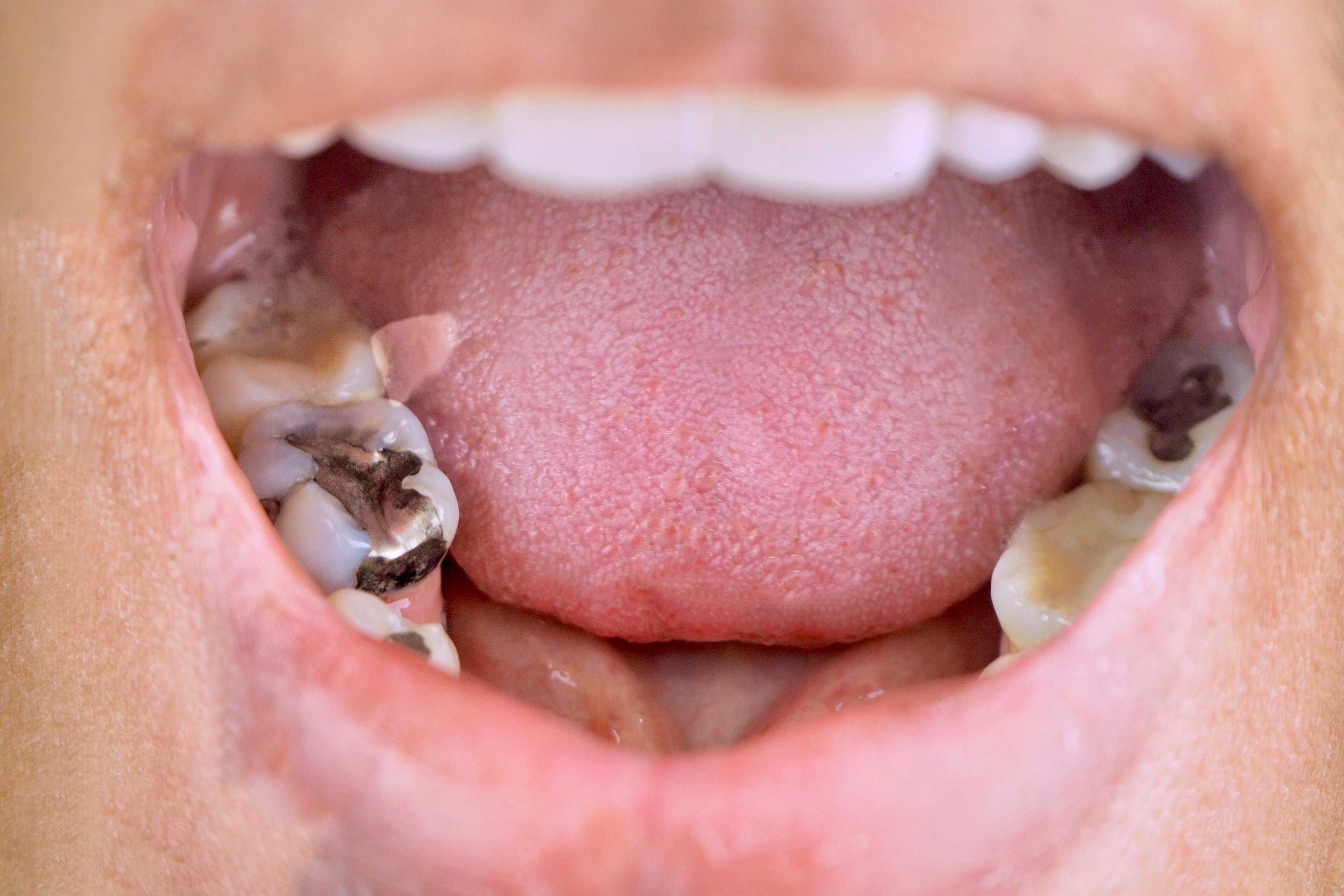
The tooth is often sensitive to cold, heat or sweet foods. A short, sharp pain may occur when chewing. Some people also notice pressure or an unusual sensation in the tooth.
Visible discolouration at the margin can also indicate changes. However, dark lines do not automatically mean tooth decay. A reliable assessment is only possible through a dental examination.
A bad taste can also occur occasionally. Dental floss may fray at the margin or become caught. With larger defects, the filling may feel rough or loose.
What consequences can a leaking filling margin have?
An open margin can allow plaque to accumulate beneath the filling. The area usually remains out of reach when brushing. This increases the risk of further tooth decay.
If secondary caries is left untreated, it can spread deeper into the tooth. The dental pulp may then become inflamed. In advanced cases, root canal treatment becomes necessary.
Weakened tooth structure can also break. Large or older restorations in particular therefore require regular check-ups. Early treatment usually preserves more natural tooth structure.

Can you check for a leaking filling yourself?
There is no reliable self-test for leaking fillings. Sensitivity to cold or pressure can have various causes. Visible discolouration also does not allow a reliable diagnosis.
Never probe the margin with needles or other objects. This could injure the gum, tooth or filling. Have any suspicious areas examined professionally.

How does a dentist detect a leaking dental filling?
First, the dentist examines the filling margin, surface and bite. Visible gaps, fractures or discolouration are assessed. The response to cold can also provide important clues.
If hidden tooth decay is suspected, an X-ray may be useful. It shows changes between teeth or beneath larger restorations. However, not every marginal gap can be visualised clearly.
The diagnosis always takes several findings into account. Symptoms alone do not prove that a restoration is leaking. Sensitive teeth can also have other causes.

How is a leaking filling treated?
Treatment depends on the size, depth and cause of the defect. Small changes at the margin can sometimes be smoothed or repaired. The rest of the restoration must be stable and free of tooth decay for this to be possible.
If the filling is clearly leaking, the old filling is usually removed. The dentist then examines the underlying tooth structure. Diseased tissue is removed and the defect is restored again.
A new composite filling is often suitable for smaller areas of damage. Larger defects may require an inlay, a partial crown or a crown. The appropriate solution depends on the remaining tooth.
If the defect is close to the dental pulp, further measures may be necessary. Root canal treatment is only recommended when supported by the diagnosis. The aim is always to preserve the tooth in the long term.

How long does a dental filling last?
There is no fixed lifespan for dental fillings. The material, size of the defect and position of the tooth affect how long it lasts. Oral hygiene, diet and chewing forces also play important roles.
An old filling does not need to be removed as a precaution. Its condition, seal and any symptoms are the decisive factors. Regular check-ups make it possible to provide appropriate treatment at the right time.
What should you bear in mind until your appointment?
If you have symptoms, arrange a check-up promptly. Until then, chew on the other side as much as possible. Avoid very hard or sticky foods.
Continue to clean the area carefully and thoroughly. Gently pull dental floss sideways out of the gap between the teeth. Never remove a loose filling yourself.
If you experience swelling, fever or severe discomfort, it is important to seek help quickly. These signs can indicate advanced inflammation. In that case, contact a dental practice at short notice.

How can marginal gaps be prevented?
Brush thoroughly twice a day with fluoride toothpaste. Also clean between your teeth regularly. This reduces the risk of new tooth decay.
Check-ups help to detect small defects early. If you grind your teeth, a custom-made splint may be useful. Frequent sugary snacks should be avoided as far as possible.

Have your leaking filling checked at Wunschlachen
At our Berlin practice, we examine suspicious fillings carefully. Modern diagnostics help us assess hidden marginal defects. We then discuss suitable treatment options with you in clear terms.
An early check-up can prevent extensive subsequent damage. This is particularly important if you have sensitivity or changes at the filling margin. Arrange an appointment at Wunschlachen in Berlin.