Mouthwash for gingivitis – what you need to know
Inflamed gums are painful and worry many patients. A targeted mouthwash for gingivitis can significantly relieve the symptoms. The right solution and correct use are important.
Über 350 Google-Bewertungen
Which mouthwash for gingivitis?
A medical mouthwash can relieve gingivitis by reducing bacteria – chlorhexidine is considered the gold standard for acute inflammation, but is only used for a limited time, as it can otherwise cause discolouration and changes in taste. Herbal mouthwashes containing camomile, sage or myrrh are suitable for longer-term support. However, without the removal of dental plaque, the inflammation rarely heals completely.
- How to use
- Follow the product instructions: you may be advised to rinse for about 30 seconds, spit out, then avoid eating or drinking for 30 minutes; use is often once or twice a day. If using chlorhexidine, use it at a different time from brushing your teeth with toothpaste, as directed on the label or by your clinician.
- Duration of use
- Use chlorhexidine for only a few days to a few weeks; agree the duration and choice of product with your dentist.
- Warning signs
- Severe bleeding gums, bad breath or loose teeth can indicate periodontitis – in that case, a mouthwash alone is no longer sufficient.
Does not replace individual advice from a dentist; agree use and duration with your dentist.
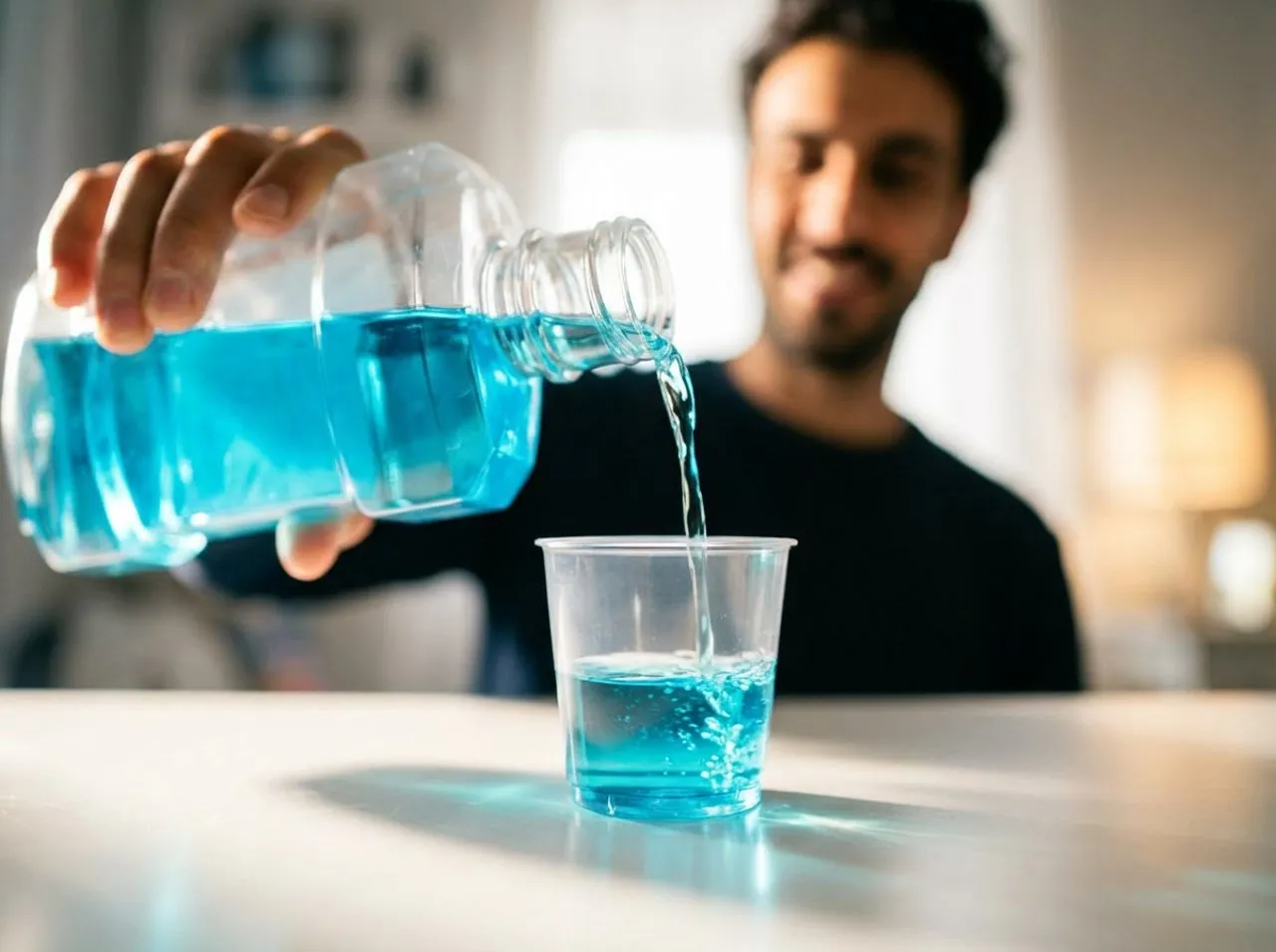
Causes of gingivitis
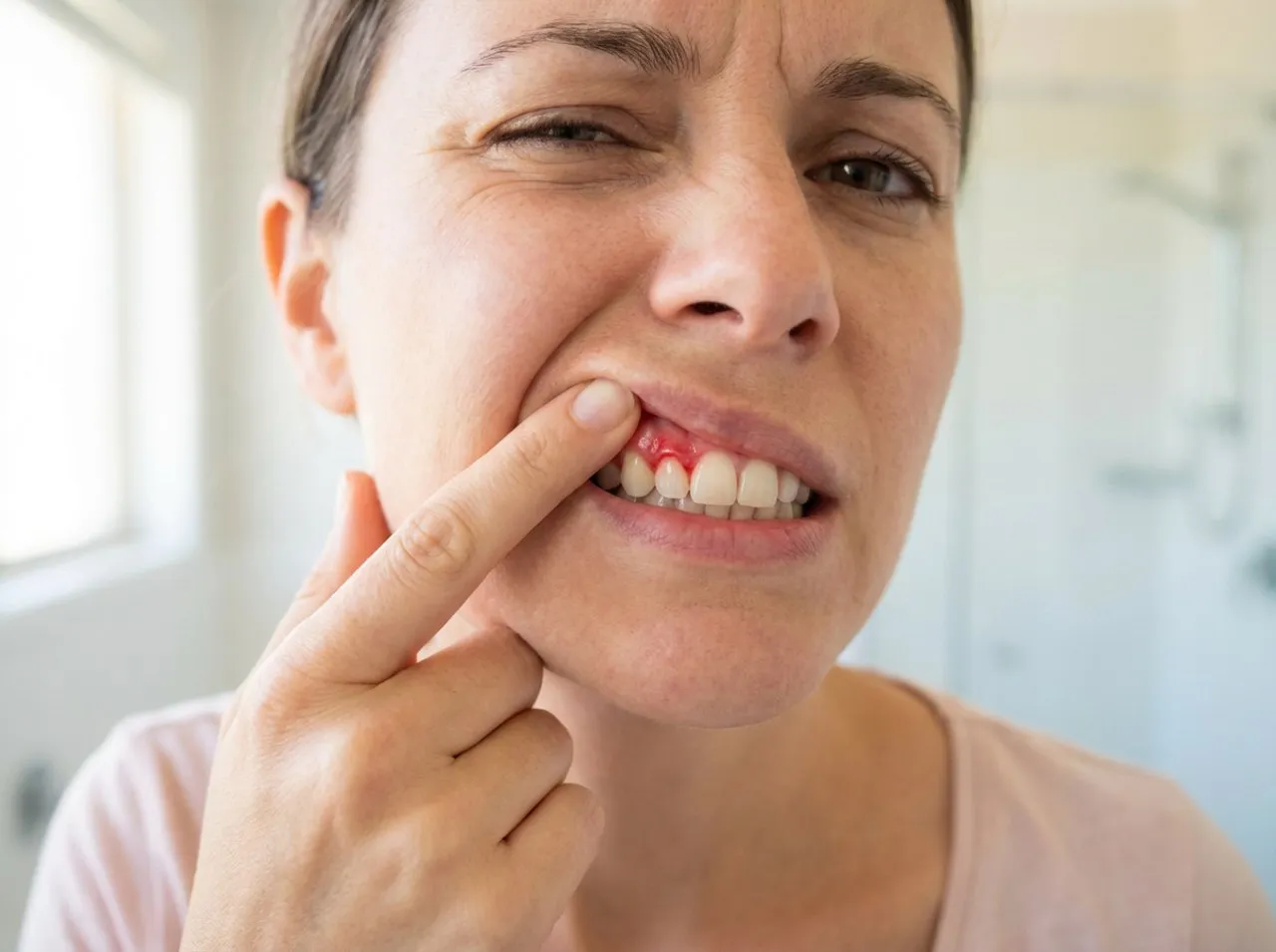
Before a mouthwash can help, the cause must be clear. In most cases, the symptoms are caused by bacterial gingivitis. Common triggers include dental plaque, inadequate oral hygiene or a weakened immune system.
Misaligned teeth, poorly fitting dental restorations or smoking can also irritate the gums. The tissue then becomes inflamed easily. This results in redness, swelling and occasional bleeding gums.

How does a mouthwash for gingivitis work?
A medicinal mouthwash reaches areas that a toothbrush can barely reach. It reduces bacteria in the mouth and soothes irritated gums. This allows the inflammation to subside more quickly.
Many solutions contain antibacterial active ingredients. Examples include chlorhexidine and essential oils. They inhibit the growth of germs and support healing.

Types of mouthwash for inflamed gums
A basic distinction is made between cosmetic and medicinal mouthwashes. Cosmetic products primarily freshen the breath. They are less suitable for treating gingivitis.
A therapeutic mouthwash for gingivitis contains effective ingredients. These include chlorhexidine, cetylpyridinium chloride or antiseptic plant extracts. These preparations are only used for a limited period.

Chlorhexidine mouthwash: targeted short-term therapy
Chlorhexidine is considered the gold standard for acute inflammation in the mouth. The rinse significantly reduces the number of germs. It can quickly relieve bleeding and swelling.
As chlorhexidine has a strong effect on the oral flora, the duration of use is limited. The rinse is usually recommended for only a few days to a few weeks. Longer use can lead to tooth discolouration or changes in taste.

Herbal mouthwash for gingivitis
Many patients want a gentle alternative. Herbal mouthwashes containing chamomile, sage or myrrh are a good option here. These plant extracts have anti-inflammatory and soothing effects.
Herbal solutions are well suited to longer-term support. However, they are no substitute for thoroughly cleaning the teeth and interdental spaces. Here too, you should consult your dentist about their use.
How to use mouthwash correctly
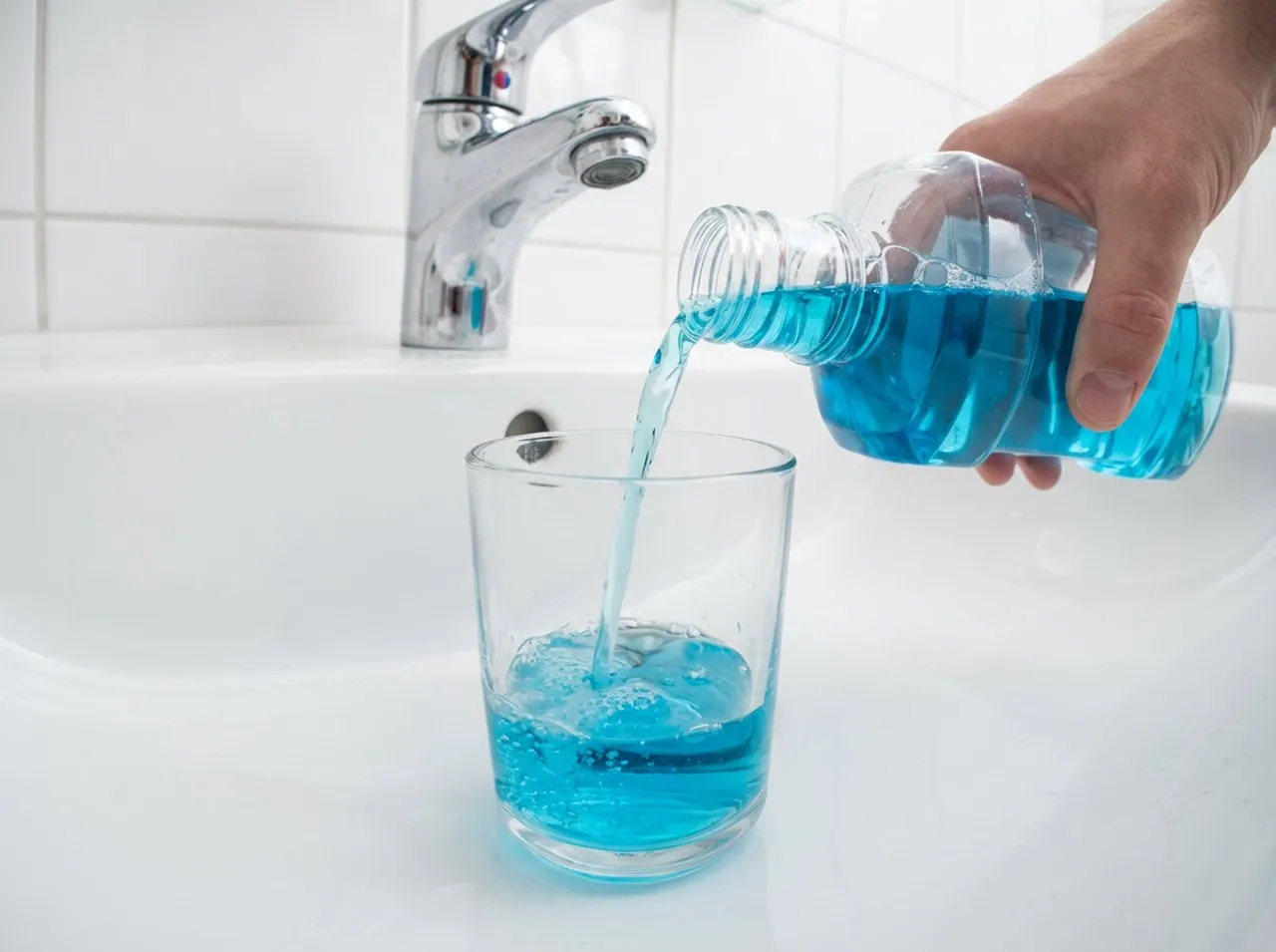
For good results, correct use is essential. Follow the instructions for your particular product: you may be advised to rinse with the solution for about 30 seconds after brushing your teeth. Do not exceed the amount specified on the packaging. If you are using chlorhexidine, use it at a different time from brushing your teeth with toothpaste, following the product label or your clinician's instructions.
Move the rinse back and forth in your mouth. Make sure that you thoroughly wet the gumline too. Then spit out the liquid; do not swallow it.
After using a medicinal mouthwash, follow the product instructions about eating and drinking; you may be advised not to eat or drink anything for at least 30 minutes. This allows the active ingredient to remain on the gums. Treatment is often carried out once or twice a day, but follow the directions for your particular product or those given by your clinician.
Homemade mouthwashes as a supplement
Salt water is a classic home remedy for irritated gums. A lukewarm solution of water and salt can have a mild disinfectant effect. It works well as a supplement to professional treatment.
Rinses made with cooled chamomile tea or sage tea are also possible. The herbs soothe the tissue and can reduce swelling. However, home remedies are no substitute for a dental diagnosis.
Limitations of mouthwash for gingivitis
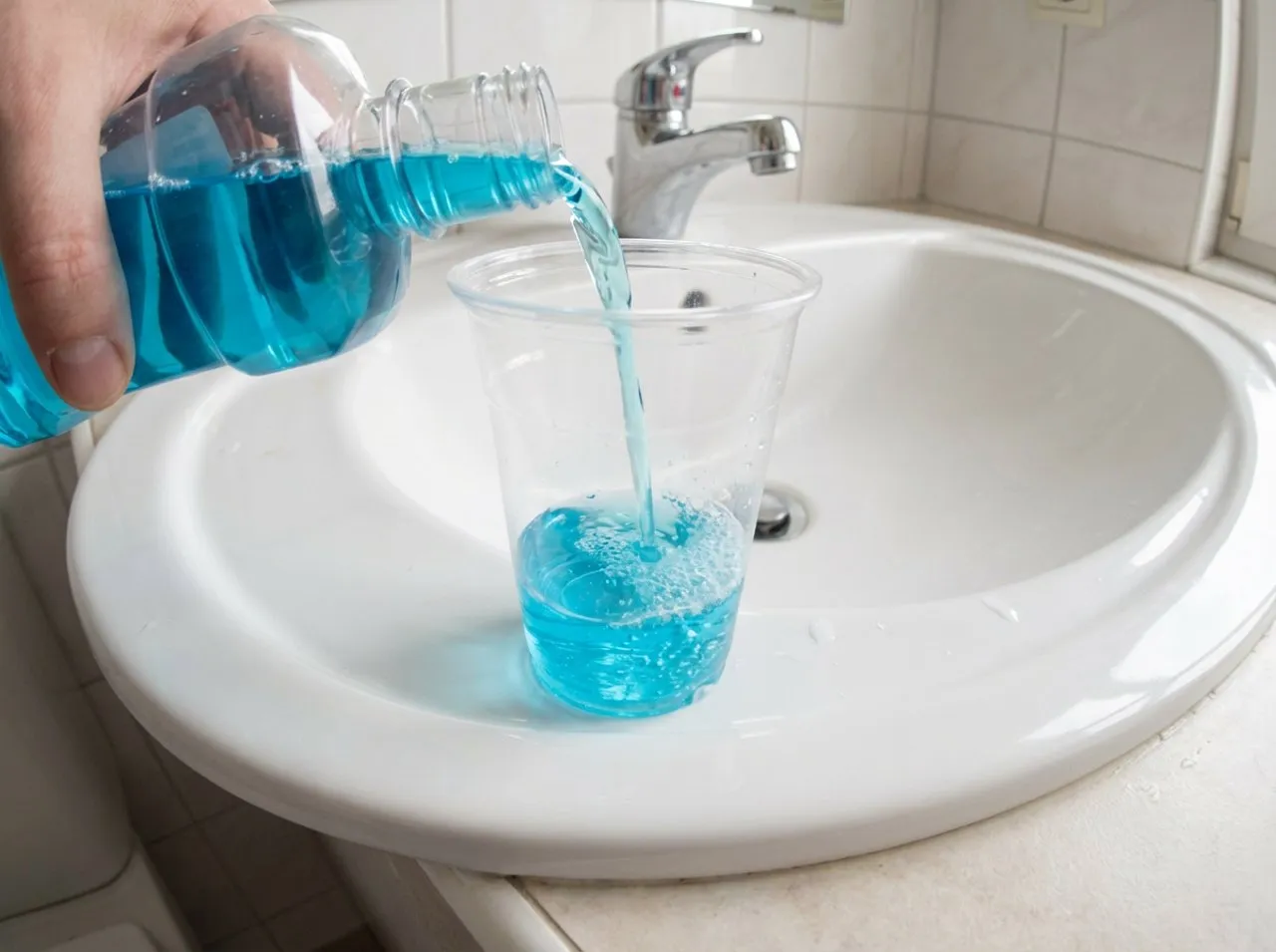
A rinse is always just one part of the treatment. Without thoroughly removing dental plaque, the inflammation rarely heals completely. Professional dental cleanings therefore play an important role.
If gingivitis is left untreated in the long term, periodontitis can develop. The jawbone and the supporting structures of the teeth are then also affected. At this stage, a simple mouthwash is no longer sufficient.
Warning signs include severe bleeding gums, bad breath or loose teeth. If any of these occur, you should see a dentist urgently. Only a dental examination can determine the actual cause.