Mucositis – causes, symptoms and treatment
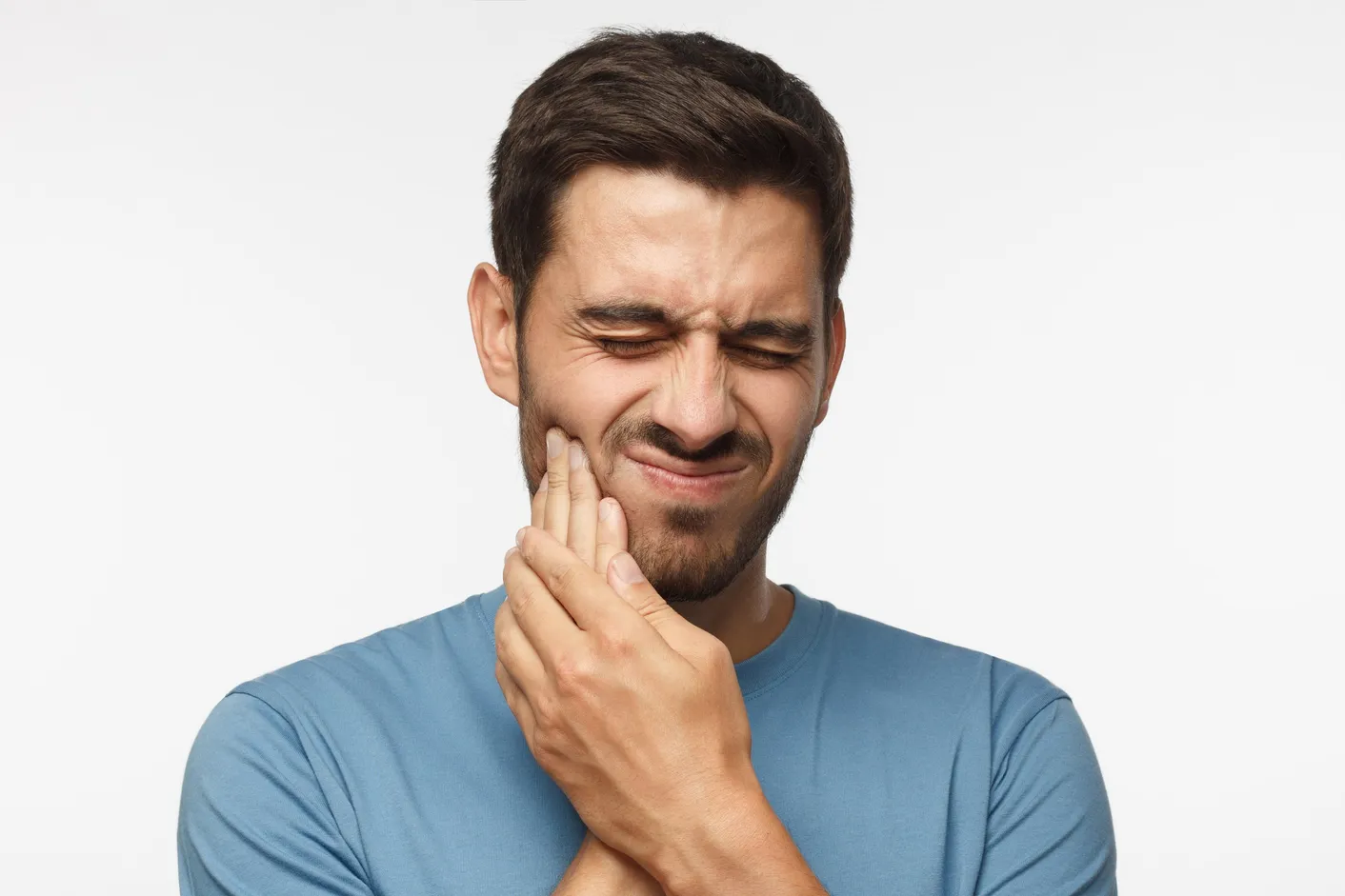
Mucositis is an inflammatory condition of the oral mucosa. It occurs particularly frequently in connection with medical treatments such as chemotherapy or radiotherapy. The condition can be very distressing for those affected. It is accompanied by pain, difficulty swallowing and significant...
Über 350 Google-Bewertungen
The short answer
Mucositis is a painful inflammation of the oral mucosa that occurs mainly during chemotherapy or radiotherapy – usually within five to ten days of starting treatment. Typical symptoms include redness, ulcers and difficulty swallowing. Treatment is coordinated by a doctor and includes pain relief, special mouthwashes and an adapted diet; the mucosa usually heals within two to four weeks. Careful oral hygiene helps prevent it.
- Typical causes
- Chemotherapy and radiotherapy, certain medicines, mechanical irritation, infections
- Course
- Usually begins 5–10 days after treatment starts; often heals within 2–4 weeks
- When to see a doctor
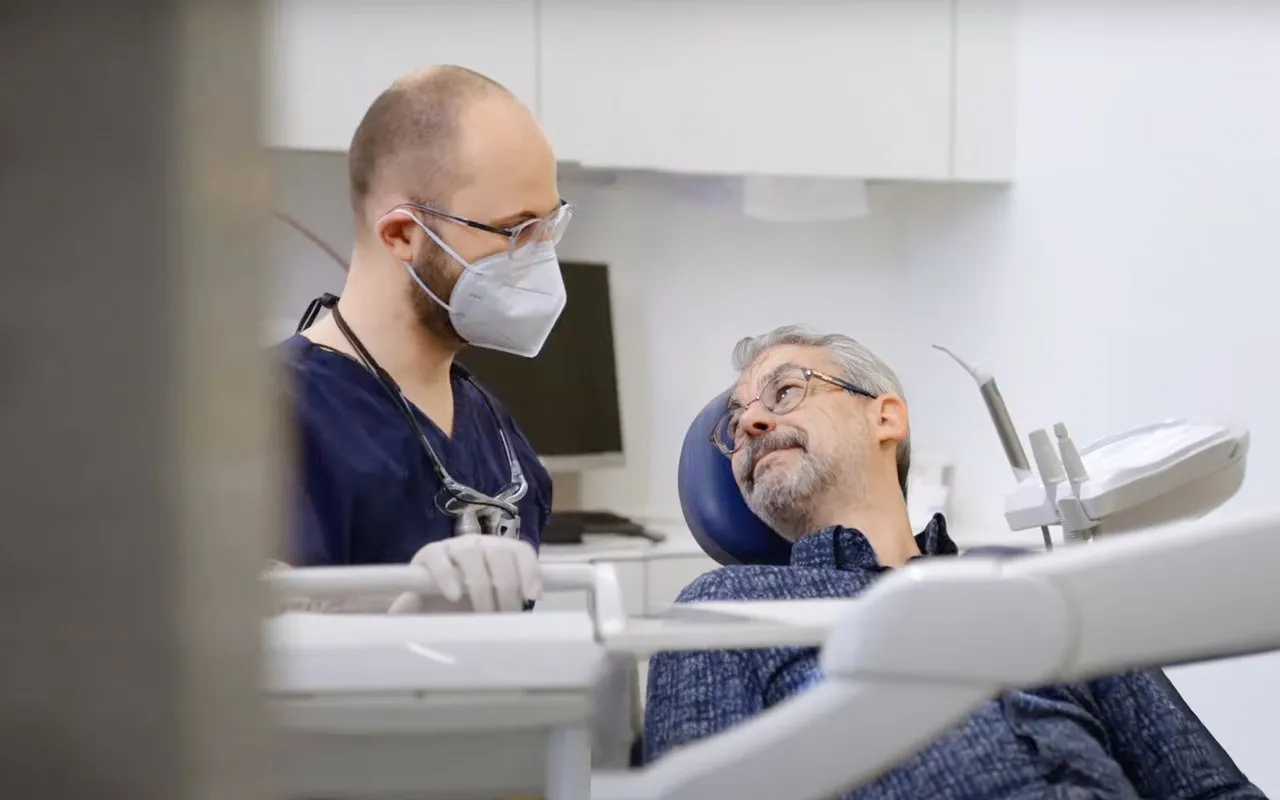
- If you experience pain, difficulty swallowing or restricted food intake; care provided by the oncology team, dentist and GP. Contact your oncology team immediately if you develop a fever during anticancer treatment or are unable to drink. Seek immediate emergency medical help if your airway is compromised.
This information is no substitute for medical advice; treatment should always be coordinated with a doctor.
What is mucositis?
The term mucositis refers to inflammation of the mucous membranes. It most commonly occurs in the oral cavity, where it is known as oral mucositis. This involves inflammation of the tissue of the oral mucosa. This leads to painful redness, swelling and, in severe cases, open wounds. Mucositis is not just a local problem: it can significantly impair eating, drinking and even speaking. In patients undergoing intensive medical treatment, it is also a risk factor for infections.
Causes of mucositis
The condition often develops as a side effect of medical treatments. The most important causes include: • Chemotherapy: Cytostatic drugs attack rapidly dividing cells – including the mucosal cells in the mouth. This makes the oral mucosa sensitive and susceptible to inflammation. • Radiotherapy: Patients undergoing radiotherapy to the head and neck often develop oral mucositis. This is due to damage to the mucous membrane caused by the radiation. • Medicines: Certain antibiotics or immunosuppressants can also irritate the oral mucosa. • Mechanical irritation: Dentures, sharp tooth edges or injuries increase the risk. • Poor oral hygiene: Bacteria and fungi can aggravate existing mucosal irritation.

Symptoms of mucositis
Symptoms vary depending on severity, but usually appear a few days after starting chemotherapy or radiotherapy. Typical signs are: 1. Redness and swelling of the oral mucosa 2. Burning and pain in the mouth 3. Difficulty swallowing 4. Dry mouth 5. Formation of painful sores or ulcers 6. Bleeding from the mucous membrane 7. Impaired sense of taste 8. Problems eating and speaking
In severe cases, the condition can result in patients being able to consume only limited amounts of food or no food at all. This often requires supportive nutritional therapy.
Course and severity of mucositis
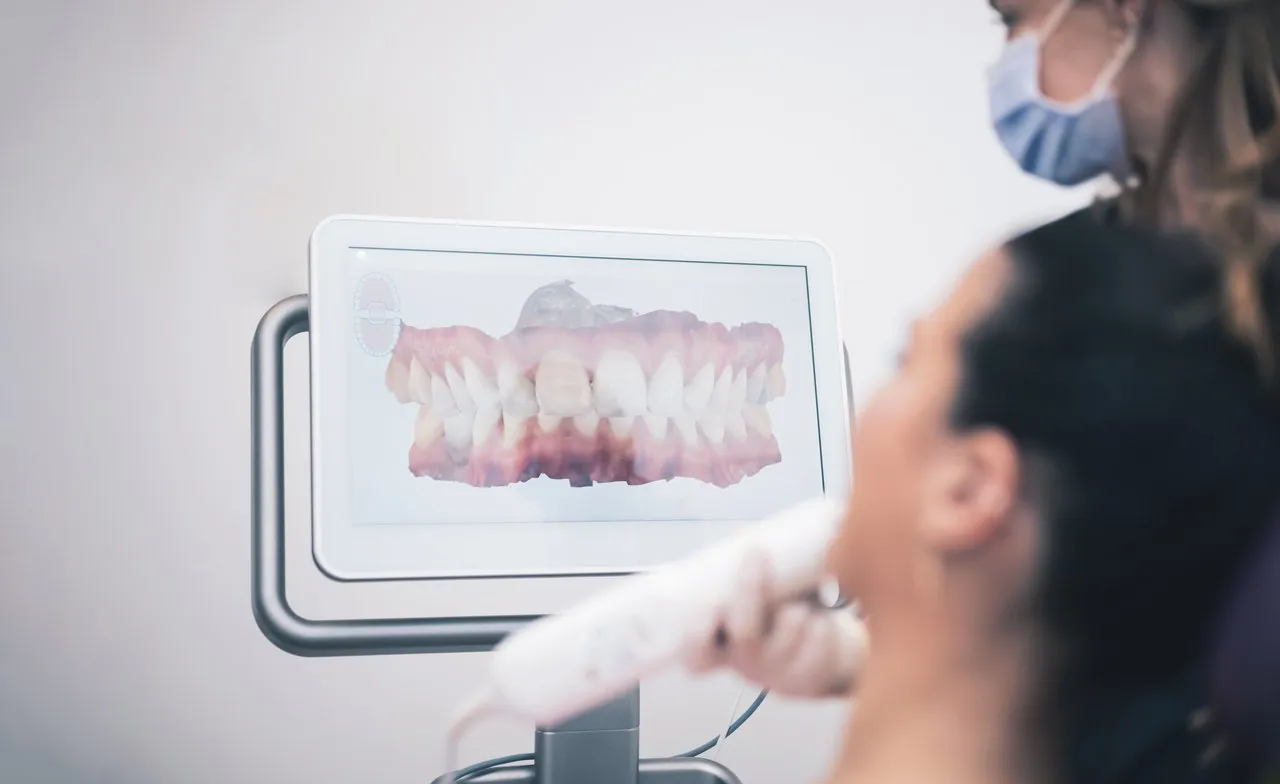
Oral mucositis typically progresses through several phases: • Initial phase: Initial redness and irritation become visible. • Acute phase: Pain increases and small wounds or ulcers develop. • Healing phase: After the treatment causing it has ended, the mucous membrane gradually regenerates.
In medicine, severity is often classified using the WHO scale. From grade 1 (mild redness) to grade 4 (pronounced ulceration, oral food intake no longer possible).
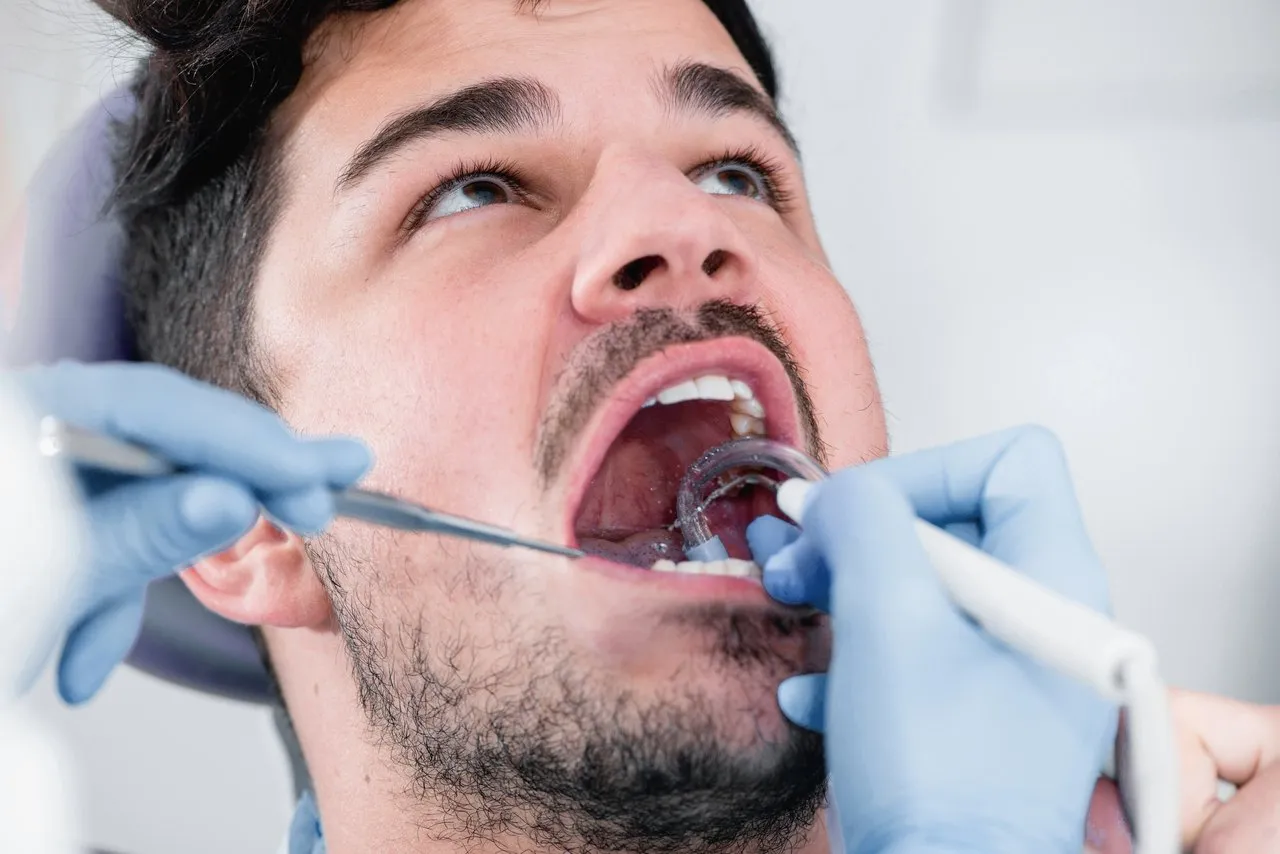
Treatment of mucositis
Treatment depends on severity and cause. As a general rule, treatment is usually symptomatic. This means that symptoms are relieved while the mucous membrane is given time to heal. Established measures include:
• Pain management: Local anaesthetics (e.g. lidocaine gels) or systemic painkillers. • Mouthwashes: Antibacterial or antifungal solutions may be used to treat a diagnosed concurrent infection or, where specifically indicated, to help prevent infection. • Moisture: Saliva substitutes or frequent drinking relieve dry mouth. • Dietary adjustments: Soft, cool foods are better tolerated. Spicy or acidic foods should be avoided. • Laser therapy (low-level laser or photobiomodulation): Studies show a positive effect on healing. Its use should be appropriate for the treatment regimen and agreed with the oncology team. • Cryotherapy: Sucking ice cubes during chemotherapy can protect the mucous membrane. It should be used in line with the treatment regimen and agreed with the oncology team.

Preventing oral mucositis
Consistent oral hygiene is the most important protection. This includes: • Regular, gentle brushing with soft toothbrushes • Alcohol- and sugar-free mouthwashes • Avoiding nicotine and alcohol • Regular dental check-ups, especially before starting chemotherapy or radiotherapy
Patients who are about to undergo a demanding course of treatment should consult a dentist at an early stage. This allows potential sources of irritation, such as sharp tooth edges or ill-fitting dentures, to be removed in good time.

Prognosis
The condition usually subsides within two to four weeks after the end of the treatment that triggered it. However, it can be very distressing during the active phase. Close monitoring by doctors and dentists is important to prevent complications such as infections.
FAQs about mucositis
It is inflammation of the mucous membranes, usually in the mouth, causing painful redness and ulcers.
The main causes are chemotherapy and radiotherapy, certain medicines, as well as mechanical irritation or infections.
Usually within 5 to 10 days of starting chemotherapy or radiotherapy.
No, the condition itself is not contagious. However, infections that can develop as a result are possible.
With painkillers, special mouthwashes, laser therapy and an adapted diet.
Yes, through careful oral hygiene, regular visits to the dentist and, where appropriate, preventive measures such as cryotherapy.
In most cases, the mucous membrane heals within two to four weeks.
Soft, cool foods such as yoghurt, soups or purées are recommended. Spicy and acidic foods should be avoided.
Indirectly, yes: it can promote infections and severely restrict food intake. Medical care is therefore important.
Care is usually provided by oncologists, dentists and GPs working closely together.