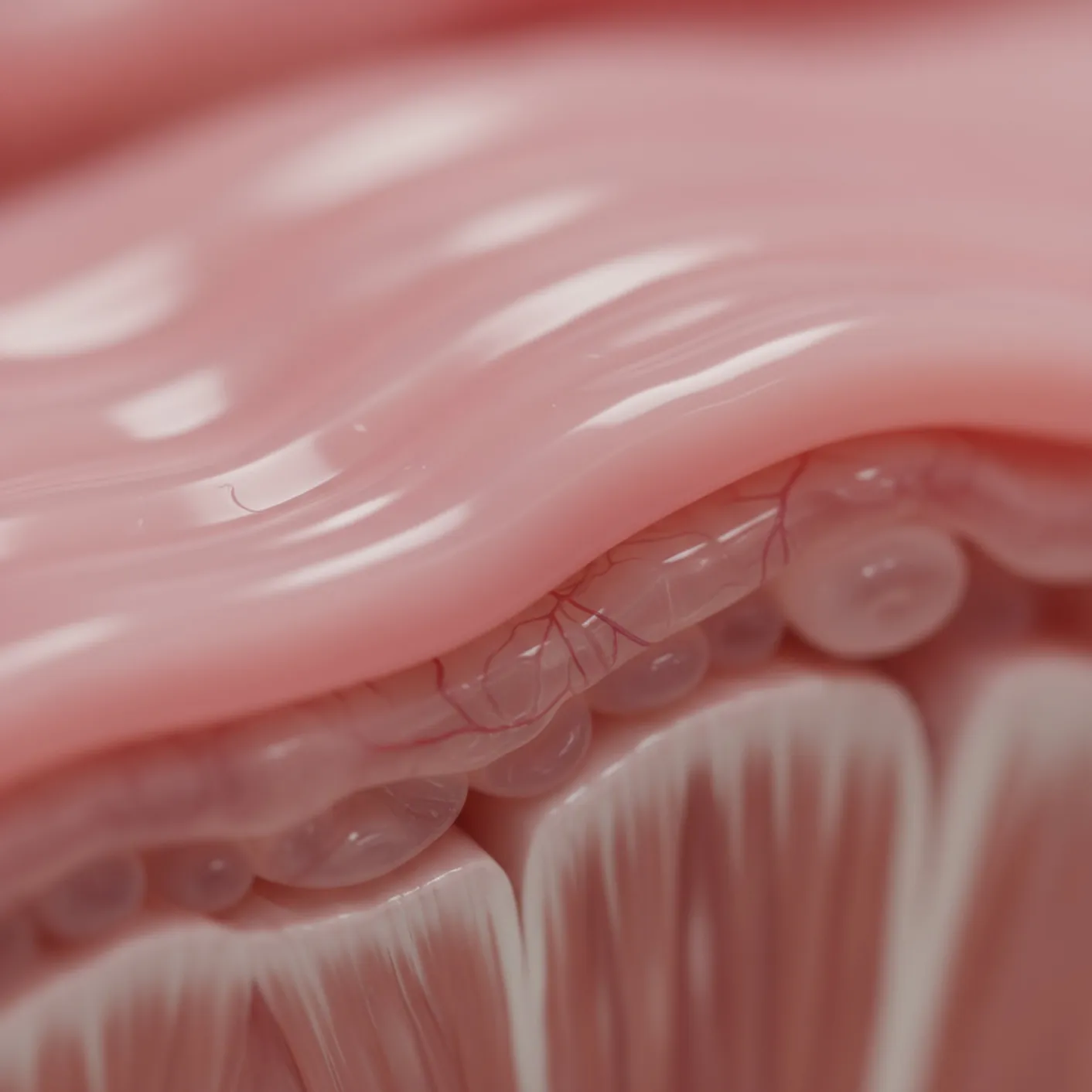
Mucous membrane – an invisible but important protective barrier
Mucous membranes are an essential component of our bodies, forming a protective barrier against harmful substances and microorganisms. They occur in many parts of the body, particularly the airways, digestive tract and mouth. But what exactly are mucous membranes and...
Über 350 Google-Bewertungen
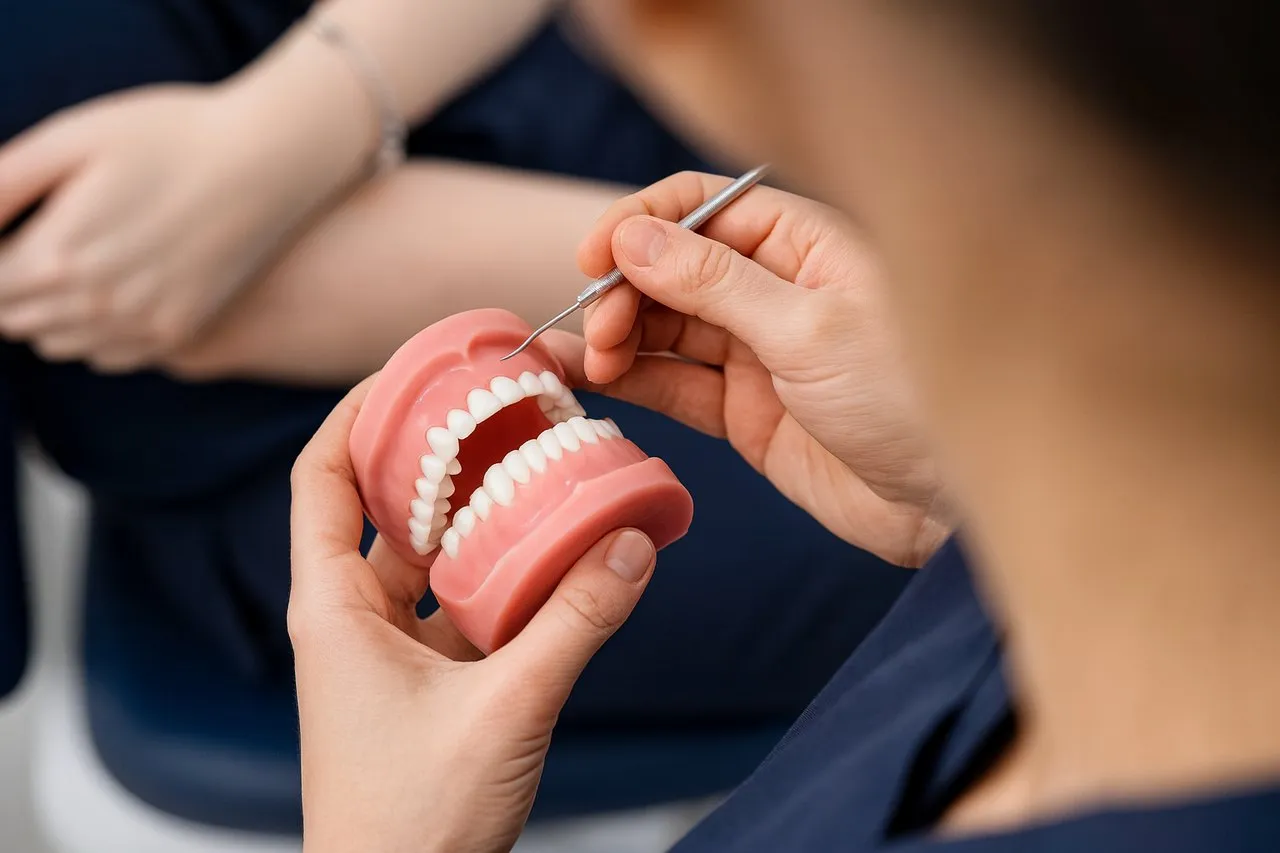
What are mucous membranes?
They are specialised tissues that line the interior of body cavities and canals. These include the airways, digestive tract and urogenital system. Mucosal tissue consists mainly of epithelial cells and a thin layer of mucus produced by the underlying glands. This mucus keeps the surface of the mucosal tissue moist and forms a protective barrier. This barrier prevents pathogens, dust and other harmful substances from entering. In the mouth, mucosal tissue is one of the body's most important barriers. It protects the gums, palate and tongue from harmful influences such as bacteria and viruses. The tissue also plays a central role in the health of the entire mouth.
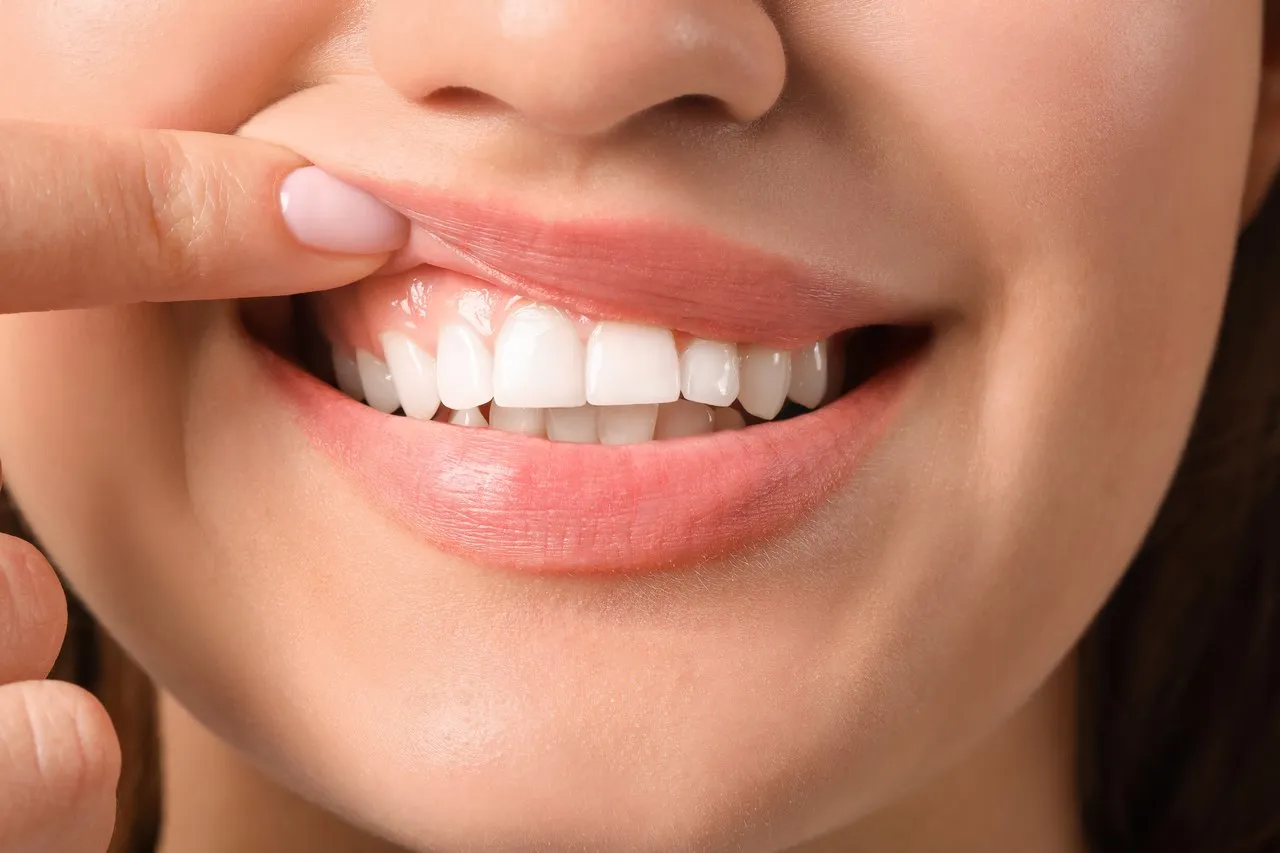
Functions of the mucous membranes
Mucous membranes have a wide range of important functions that are essential for the smooth functioning of our bodies: 1. Protection: The mucous membrane forms a physical barrier against harmful germs, viruses and bacteria. It protects the underlying tissues from injury and infection. 2. Moisture retention: By producing mucus, the mucosal tissue prevents the affected surfaces from drying out. This is particularly important in areas such as the mouth and airways. Constant moisture is needed there to maintain healthy function. 3. Perception: The mouth, particularly the tongue, contains many receptors. They enable us to recognise tastes. These receptors are located in the mucous membrane and contribute to the perception of food. 4. Defence: Mucosal tissue contains immune cells that can fight off pathogens. These cells recognise and eliminate foreign substances before they can enter the body.
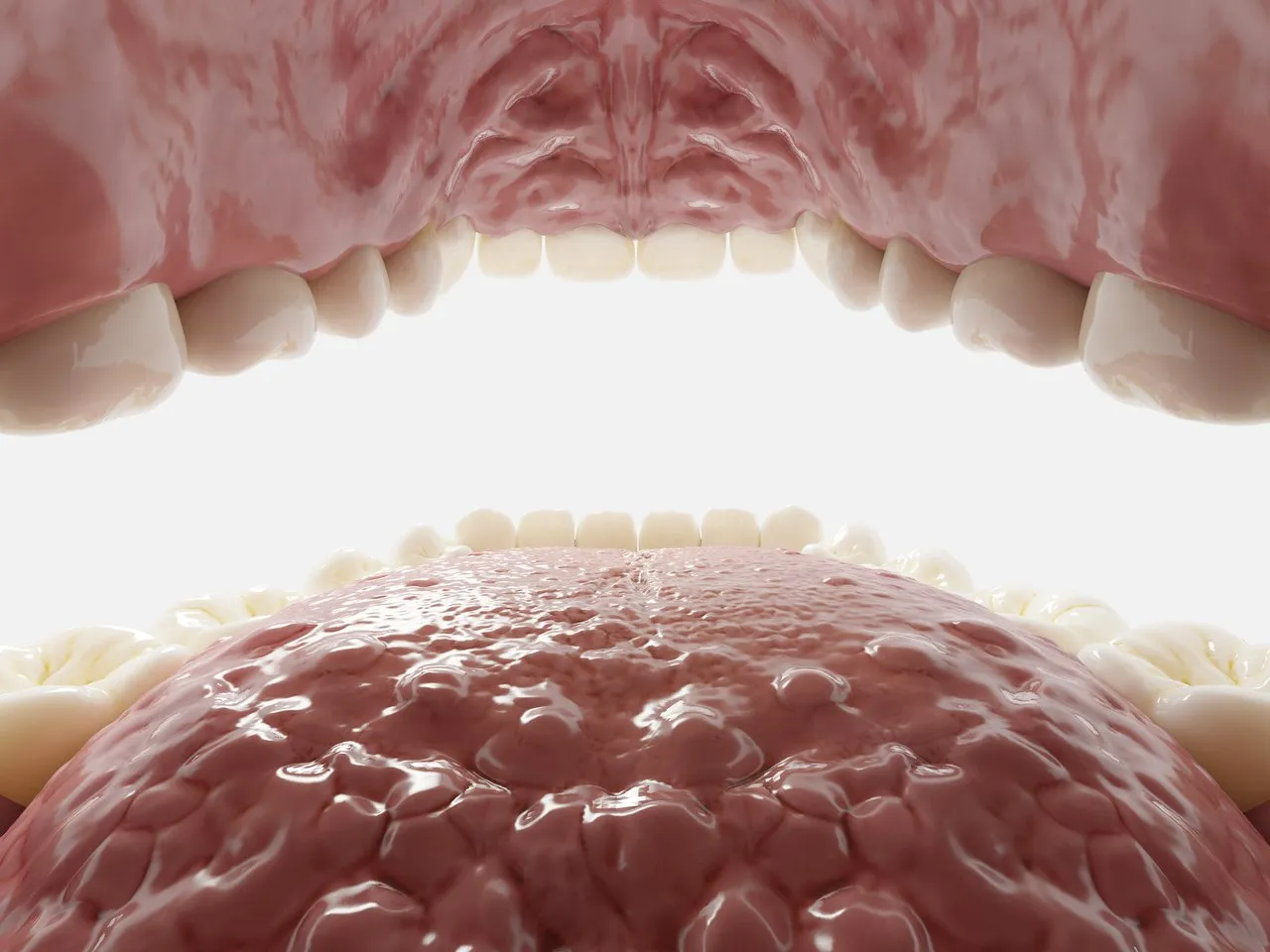
Mucous membrane in the mouth
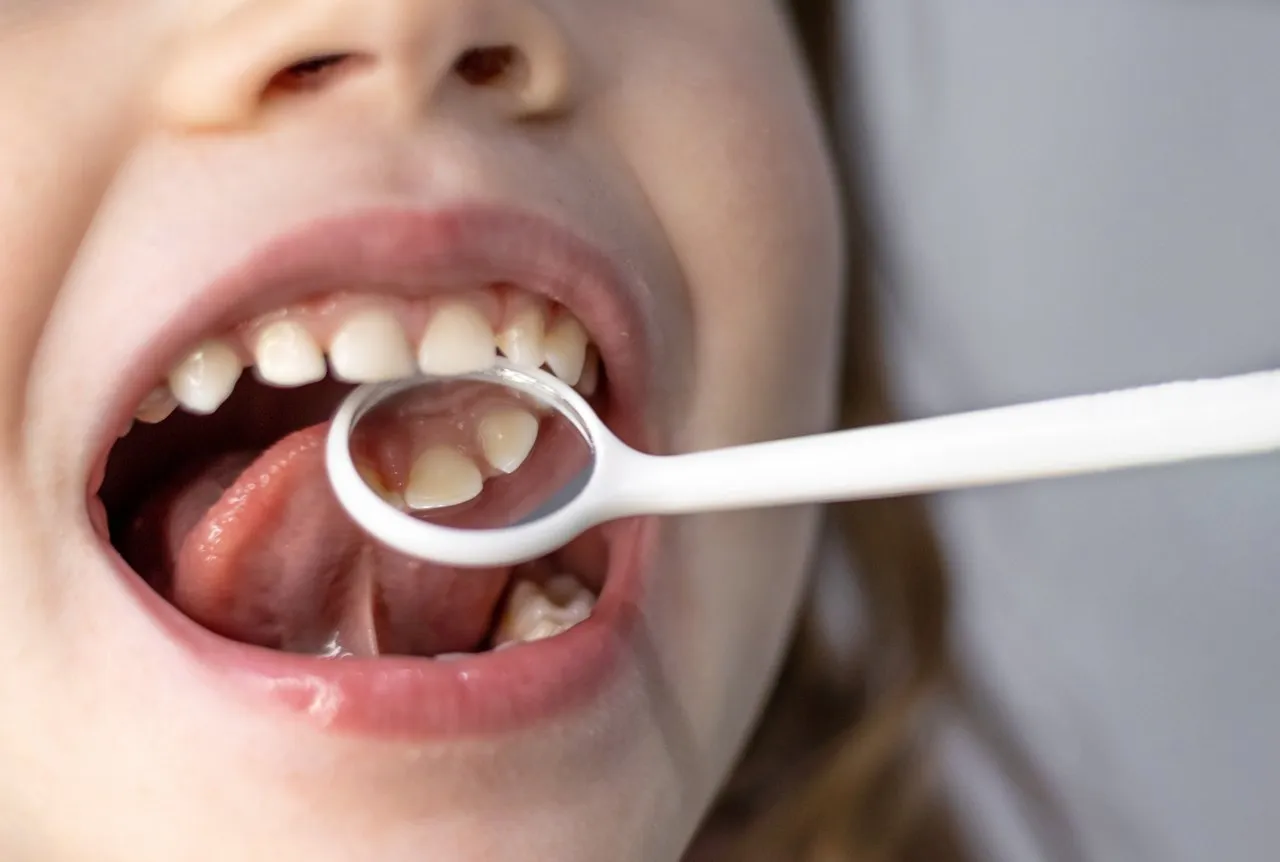
The mucous membrane in the mouth is particularly important. It not only protects against infections, but also plays a key role in nutrition. The mouth is the first point of contact for food, drink and even bacteria. The mucosal tissue protects the oral cavity from harmful microorganisms. The mucous membrane of the gums is particularly important. This forms a protective barrier against bacteria that can lead to gum disease and tooth decay. Saliva, produced by the salivary glands, keeps the teeth and gums moist. Saliva contains enzymes that not only support digestion, but also antibodies that fight harmful microbes. Furthermore, the mucous membrane in the mouth is sensitive. Changes in its condition can indicate various health problems. Dry oral mucous membranes, sores or redness can be symptoms of a disease or irritation.
Mucosal problems and their causes
There are various factors that can have a negative effect on the mucosal tissue in the body, including in the mouth. The most common problems include: 1. Dryness: Dryness can be caused by dehydration, medicines or health conditions such as Sjögren’s syndrome. This can be particularly unpleasant in the mouth and increase the risk of dental problems. 2. Inflammation: Inflammation of the mucous membranes (mucositis) frequently occurs with infections or after chemical or physical irritation. This can lead to painful ulcers or redness in the oral mucosa. 3. Fungal infections: Fungal infections such as thrush can affect the mucosal tissue throughout the oral cavity. Particularly in people with weakened immune systems or when using antibiotics. 4. Injuries: Injuries caused by hard foods, sharp teeth or dental treatments can lead to wounds and damage to the mucosa. 5. Bad breath: Bad breath often results from problems with the mucosa, such as the accumulation of bacteria in the oral cavity or inflammation of the gum tissue. 6. Allergies: Allergic reactions can cause swelling and redness in the mucosal tissue, which may manifest as irritation in the mouth.

Treatment of mucosal problems
Treatment for oral mucosal problems depends on the underlying cause. Drinking water and chewing sugar-free gum may help relieve dry mouth symptoms. Regular dental check-ups and thorough oral hygiene are essential for maintaining a healthy oral mucosa. Avoiding tobacco and alcohol, as well as eating a balanced diet, also contribute to the health of the mucous membranes. Consult a doctor or dentist if symptoms persist, so that the underlying cause can be identified.
FAQs about mucous membranes
Mucous membranes are tissues that line the internal cavities of the body. They form a protective barrier against harmful substances and microorganisms.
Mucous membranes protect the body against pathogens, keep surfaces moist and play a role in the immune defence system.
The mucous membranes in the mouth protect the gums and teeth. They prevent infections and provide the moisture needed in the mouth.
Mucosal problems can be caused by dehydration, infections, allergic reactions, injuries or certain medicines.
Drink water or chew sugar-free gum to help relieve dry mouth symptoms. Consult a doctor or dentist if symptoms persist, so that the underlying cause can be identified.
Redness, pain, swelling or the appearance of sores are common adverse changes to the oral mucosa.
Maintain good oral hygiene. Avoid smoking and alcohol, drink enough water and eat a healthy diet.
Infections, injuries, dry mouth and allergic reactions are common causes of inflammation of the oral mucosa.
Yes, persistent inflammation of the oral mucosa can indicate problems such as an infection, gum disease or systemic diseases.
If the symptoms persist for longer than two weeks or occur alongside other symptoms, you should see a doctor.