Tooth feels numb or different
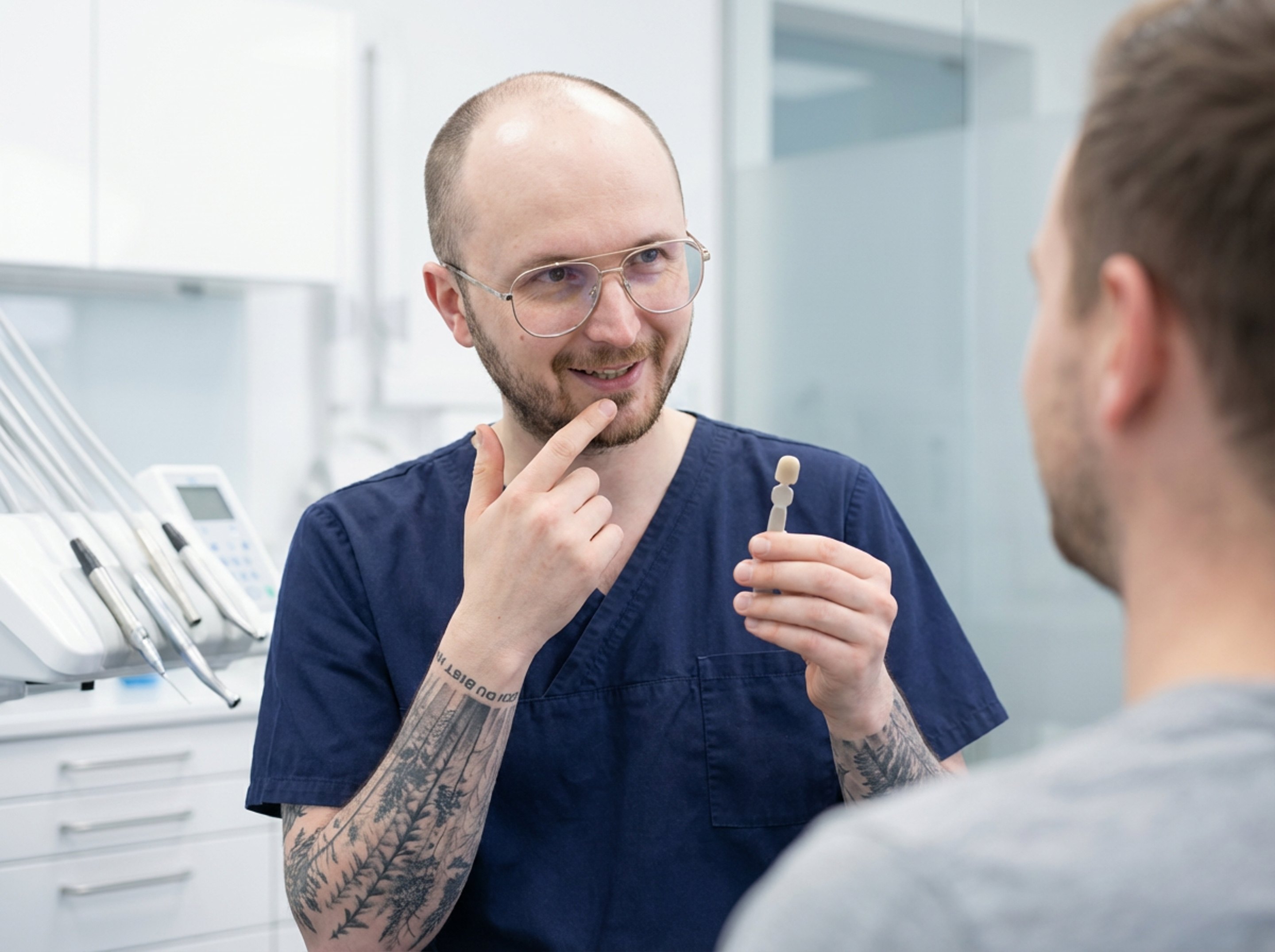
A tooth can suddenly feel numb, dull, strange or unusually high. Changes to your bite, irritated nerves or the effects of treatment are often behind this. An early examination identifies the cause and protects the tooth, gums and jaw.
Über 350 Google-Bewertungen
What does a numb feeling in a tooth mean?
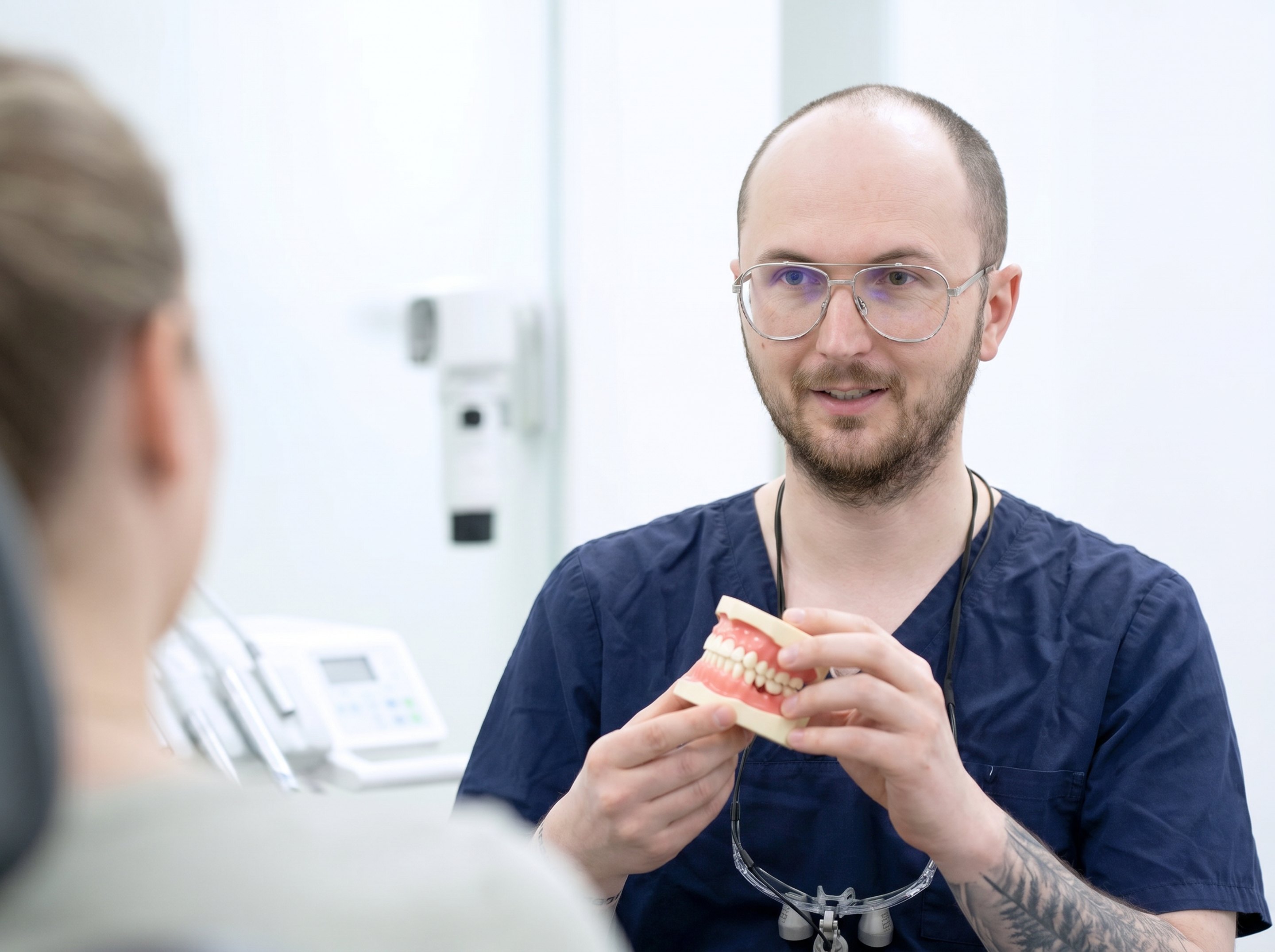
A tooth does not become numb in the same way as skin. Those affected usually notice an altered sensation when chewing, touching the tooth or brushing their teeth. Some describe pressure, tingling, tension or a strange sensation.
The sensation may affect only one tooth. Sometimes the gums, lip or chin also feel different. These accompanying symptoms help the dentist assess the problem.
Common causes of an altered sensation in a tooth
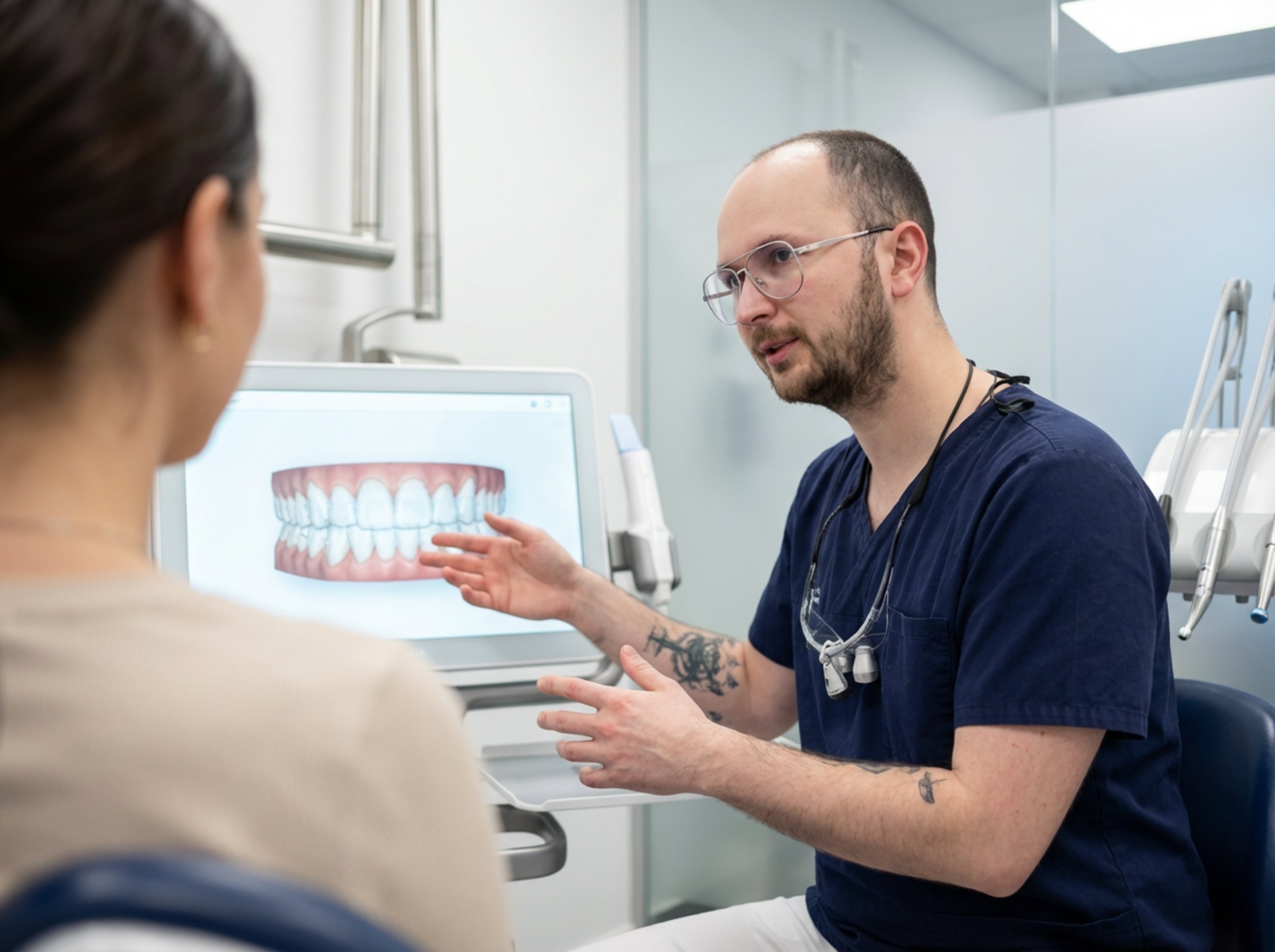
Many causes are harmless and temporary. Nevertheless, a persistent change in how a tooth feels should be examined. Only an examination can reliably detect hidden damage.
After a local anaesthetic, the treated area initially remains numb. Normal sensation usually returns within a few hours. As the anaesthetic wears off, temporary tingling or mild abnormal sensations may occur.
A new filling or dental crown can also feel unfamiliar. If the contact is too high, the tooth is subjected to too much chewing pressure. This can make it feel longer, duller or more sensitive than the neighbouring teeth.

Tooth feels different after treatment
The tissue is often sensitive after dental treatment. This is particularly true after fillings, crowns, root canal treatments or surgical procedures. However, the symptoms should gradually subside.
A bite contact that is too high is often noticeable when you close your teeth together. The affected tooth touches its opposing tooth earlier than the other teeth. This can create a feeling of pressure in the tooth.
After procedures in the lower jaw, nerves may be temporarily irritated. This can cause numbness, tingling or burning in the lip and chin. In rare cases, the tongue may also be affected.

Could the dental nerve be affected?
Fine nerves and blood vessels are located inside the tooth. Tooth decay, cracks or old fillings can irritate this tissue. A blow to the tooth can also cause changes.
An irritated dental nerve often reacts more strongly to cold or heat. With more severe damage, however, the response may become weaker. The tooth may then feel numb or unusually quiet.
A tooth that is becoming darker should also be examined. The discolouration can occur after an accident or nerve damage. A reliable diagnosis cannot be made from the colour alone.

Other possible causes
Grinding your teeth at night places strain on individual teeth and the supporting structures of the teeth. In the morning, teeth may feel dull, loose or strange. Tense chewing muscles and jaw problems are also common.
Inflammation at the tooth root can also alter the sensation. Typical signs include sensitivity to pressure, pain when chewing or swelling. Sometimes the inflammation initially goes almost unnoticed.
Exposed tooth necks tend to cause hypersensitivity rather than numbness. Cold drinks or sweet foods then trigger brief discomfort. An examination distinguishes this cause from nerve damage.

Which warning signs are important?
If numbness or tingling remains unusually severe for several hours, you should contact the practice. This is particularly important after operations, implant placement or wisdom tooth removal. An early follow-up examination documents any changes.
Fever, significant swelling or difficulty swallowing require prompt assessment. Pus, an unpleasant taste or increasing pressure are also important warning signs. Such symptoms may indicate progressive inflammation.
Sudden facial numbness can originate outside the teeth. Speech difficulties, paralysis or severe dizziness are medical emergencies. In this situation, the emergency services must be called immediately.

How is the cause investigated?
First, the dentist asks about when the symptoms started, how long they last and what triggers them. The tooth, gums and surrounding areas are then carefully examined. Previous treatments and accidents are also important for the diagnosis.
Cold, percussion and pressure tests check the tooth's response. The bite is also checked for problematic contacts. This always involves a comparison with healthy neighbouring teeth.
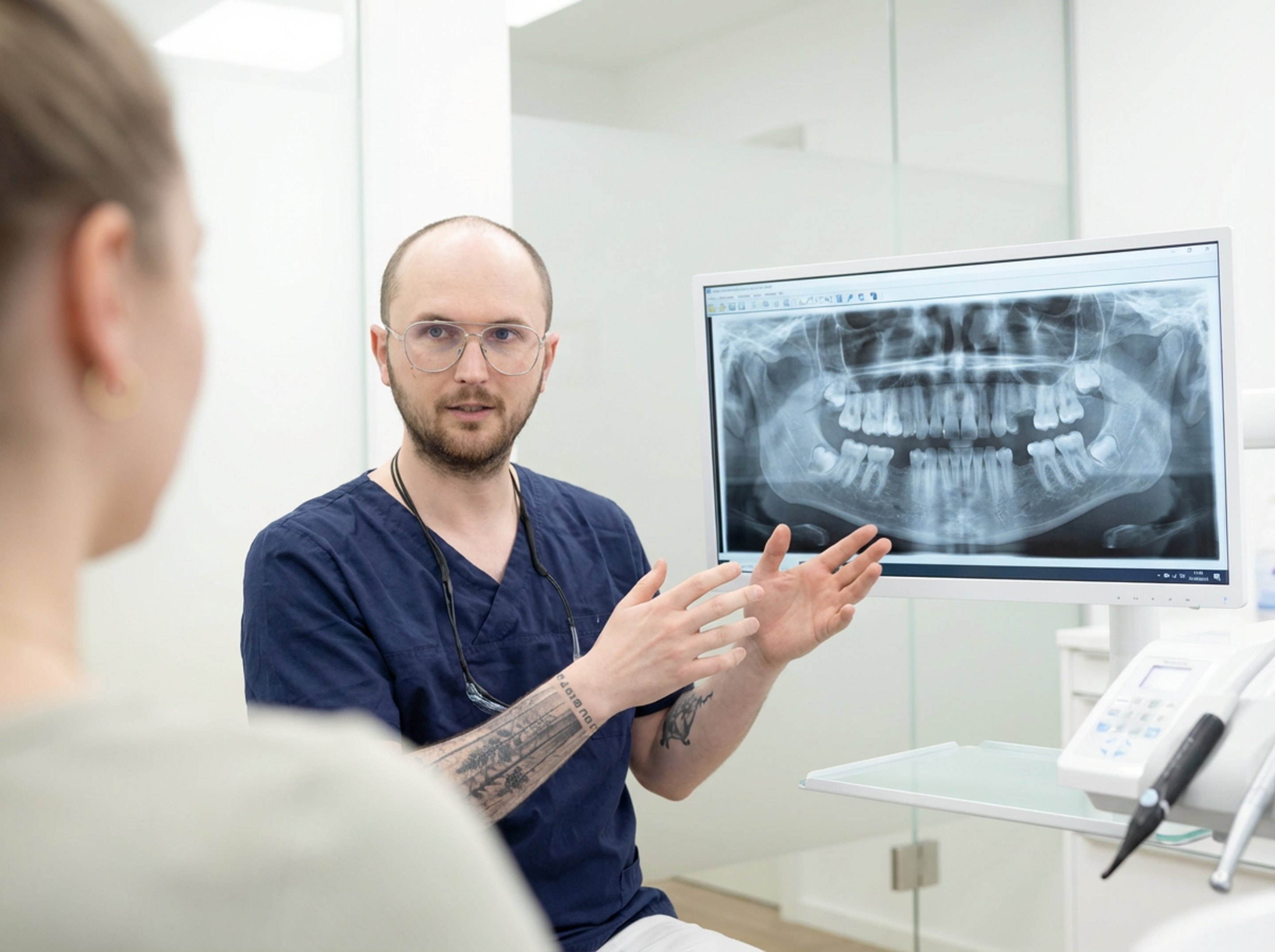
X-rays show the tooth roots, bone and possible inflammation. Further examinations may be necessary if the nerve disorder is unclear. Sometimes an assessment by an oral surgeon or neurologist is recommended.
What treatment is possible?
Treatment depends on the cause identified. A contact that is too high can be carefully adjusted. This relieves pressure on the affected tooth when chewing.
Irritated pulp often requires monitoring and follow-up appointments. If the damage is more severe, root canal treatment may be necessary. The dentist removes diseased tissue from inside the tooth.
Nerve irritation following procedures is checked regularly. The extent, location and development of the sensory disturbance are documented. If necessary, a referral is made to appropriate specialists.

What can those affected do themselves?
For now, put as little strain as possible on the affected tooth. Avoid very hard, cold or hot foods. Do not test the area with pointed objects.
Make a note of when the change started, how long it lasts and its exact location. Also watch for swelling, discolouration or discomfort when chewing. This information will make the subsequent examination easier.
Monitoring yourself is no substitute for a dental examination. This is particularly true if symptoms worsen or keep returning. If you are unsure, make an appointment with Wunschlachen promptly.
Conclusion: Take changes in how a tooth feels seriously
A tooth can feel numb or different for various reasons. Anaesthesia, bite contacts or irritated nerves are often responsible. Tooth decay, inflammation or injuries must also be ruled out.
An early examination provides clarity and enables appropriate treatment. Warning signs require prompt medical assessment. Wunschlachen carefully investigates the cause and explains all the next steps clearly.