Inflammation of the mouth lining: causes & treatment
A healthy oral mucosa protects the teeth, gums and jaw. If it becomes inflamed, pain develops. Eating, drinking and speaking then often become difficult.
At the Wunschlachen dental practice in Berlin, we take such symptoms seriously. We determine the cause and plan gentle treatment.
Über 350 Google-Bewertungen
The short answer
Inflammation of the mouth lining (mucositis or stomatitis) is irritation of the delicate lining of the mouth, which becomes red, swollen or painful and can affect the gums, cheeks, tongue or palate. Typical symptoms include burning, pain on pressure, small blisters or open sores, and discomfort when eating. Causes are often mechanical irritants such as sharp tooth edges or poorly fitting dentures, chemical irritants and infections.
- Common causes
- Mechanical irritants such as sharp tooth edges, poorly fitting dentures or wires, chemical irritants and infections.
- Warning signs
- Burning, redness, swelling, pain on pressure, blisters or open sores, altered taste and difficulty swallowing.
- When to see a dentist
- For severe or persistent symptoms, if a child refuses to eat, or if the irritation does not subside. Significant new difficulty swallowing or breathing requires immediate medical care; in Germany, call 112.
This does not replace individual dental advice; seek medical assessment if symptoms persist.
What is inflammation of the mouth lining?
Inflammation of the mucous membrane is an irritation of the delicate oral mucosa. The surface becomes red, swollen or painful. The medical terms are mucositis or stomatitis.
The inflammation may be confined to a small area. However, it can also affect larger areas of the mouth. The gums, cheeks, tongue or palate are often involved.

Typical symptoms affecting the lining of the mouth
Inflammation of the mucous membrane causes various symptoms. Many patients report a burning sensation in the oral mucosa. Even mild stimuli are perceived as painful.
Typical signs are redness, swelling and pain on pressure. Small blisters or open sores sometimes develop. These can be very painful when eating.
Bad breath, an altered sense of taste and difficulty swallowing are also possible. Children often refuse food because every bite hurts.

Infections as a cause
An infection is often behind inflammation of the mucous membrane. Bacteria, viruses or fungi attack the tissue. The mucosa is then barely able to protect itself.
Herpes infections with painful blisters on the gums or lips are well known. Fungal infections such as oral thrush are also common. They cause white patches and a burning sensation.
Untreated gum inflammation can also spread. Bleeding gums and bad breath then occur as additional symptoms.

Aphthous ulcers and other local causes
Many patients are familiar with aphthous ulcers. These are small, roundish mucosal lesions with a red border. These areas are very painful when touched.
Aphthous ulcers often develop without a clear cause. Stress or a weakened immune system can encourage their development.
Most aphthous ulcers heal on their own after a few days. However, frequently recurring inflammation of the mucous membrane should be investigated. Underlying general medical conditions may be responsible.

Inflammation of the mouth lining caused by medication and illness
Certain medicines can dry out or irritate the oral mucosa. These include, for example, blood pressure medicines, antidepressants or chemotherapy. The mucosa becomes more susceptible to injury and infection.
General medical conditions also affect oral health. Diabetes or autoimmune diseases can promote inflammation of the mucous membrane. It is often the first warning sign.
Please talk to us about your medicines and any pre-existing conditions.
How is inflammation of the mouth lining diagnosed?
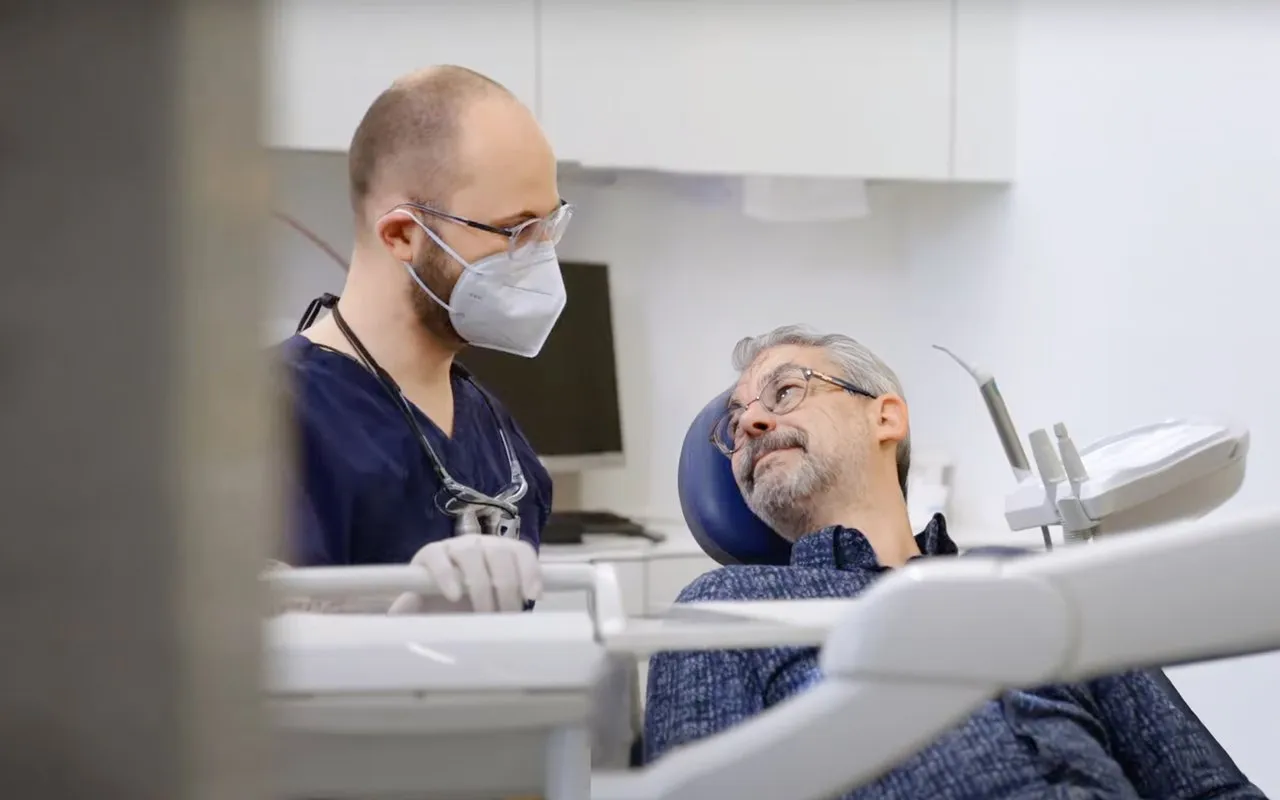
First, we carefully examine the entire mouth. We look for redness, coatings and pressure points. Any existing dentures are also checked closely.
It is important to record your symptoms in detail. How long have you had the pain?
If the findings are unclear, swabs or blood tests may be useful. This allows infections or deficiencies to be identified.

Treatment of inflammation of the mouth lining at Wunschlachen
Treatment always depends on the cause. First, we eliminate mechanical irritation in the mouth. Sharp edges are smoothed, dentures adjusted or wires corrected.
If an infection is present, special oral gels or solutions are used. Antiseptic mouthwashes help with bacterial infections. We treat fungal infections with suitable antifungal medicines.
We relieve severe pain with local anaesthetic gels. This allows you to eat and drink again. In severe cases, additional medication may be necessary.
What you can do yourself for inflammation of the mouth lining
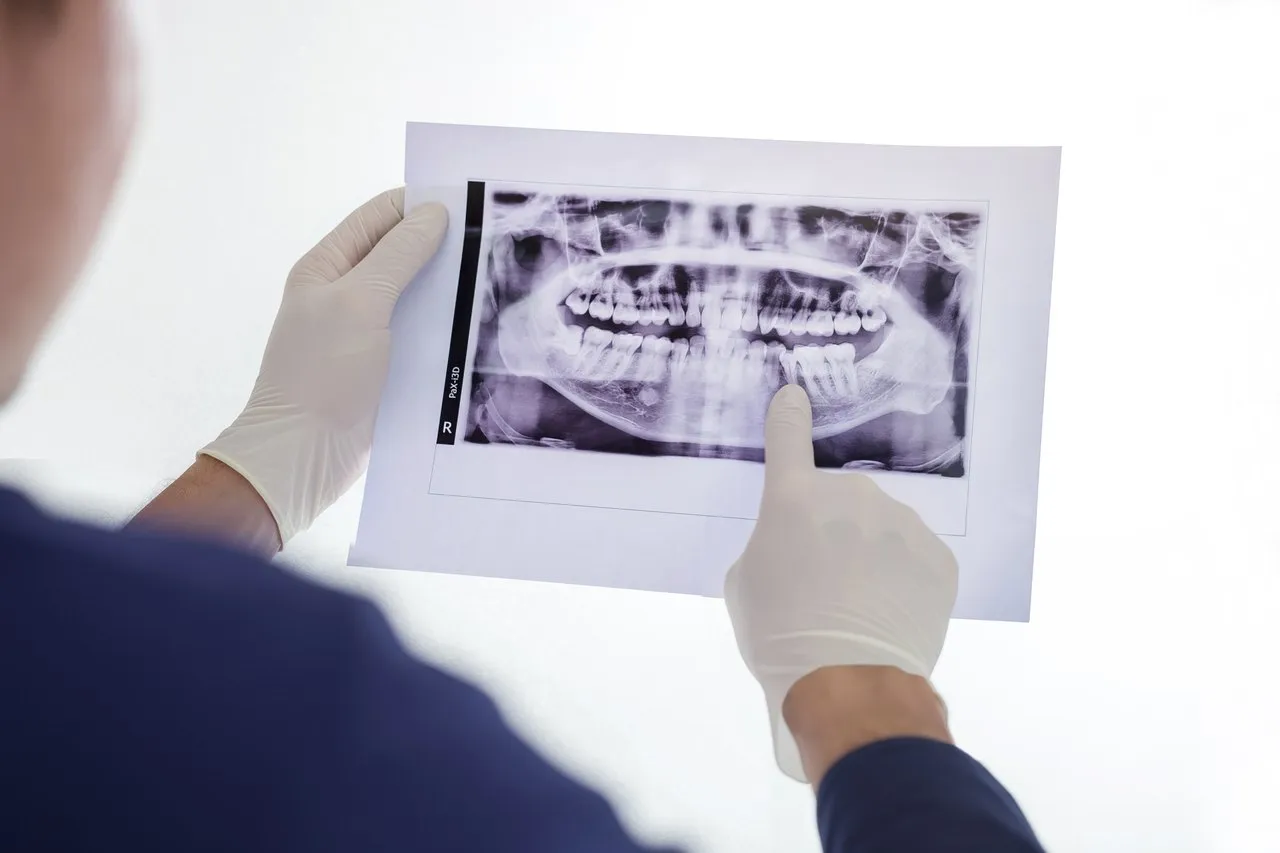
During the acute phase, make sure you practise gentle oral hygiene. Use a soft toothbrush and mild toothpaste. Avoid mouthwashes containing alcohol.
Spicy, hot or very acidic foods further irritate the mucosa. Lukewarm, soft meals are more suitable. Drink plenty of still water or unsweetened tea.
Home remedies such as camomile or sage tea can help. They soothe the irritated oral mucosa.

Prevention: how to protect the lining of your mouth
Good oral hygiene is the best prevention. Clean your teeth and the spaces between them thoroughly. Use suitable aids and gentle techniques to do so.
Regular check-ups at Wunschlachen help to identify problems early. We treat pressure points from dentures or small injuries in good time. This prevents chronic inflammation of the mucous membrane from developing in the first place.
You should also maintain a balanced diet. Sufficient vitamins and minerals support the mucosa.
When to see a dentist about inflammation of the mouth lining
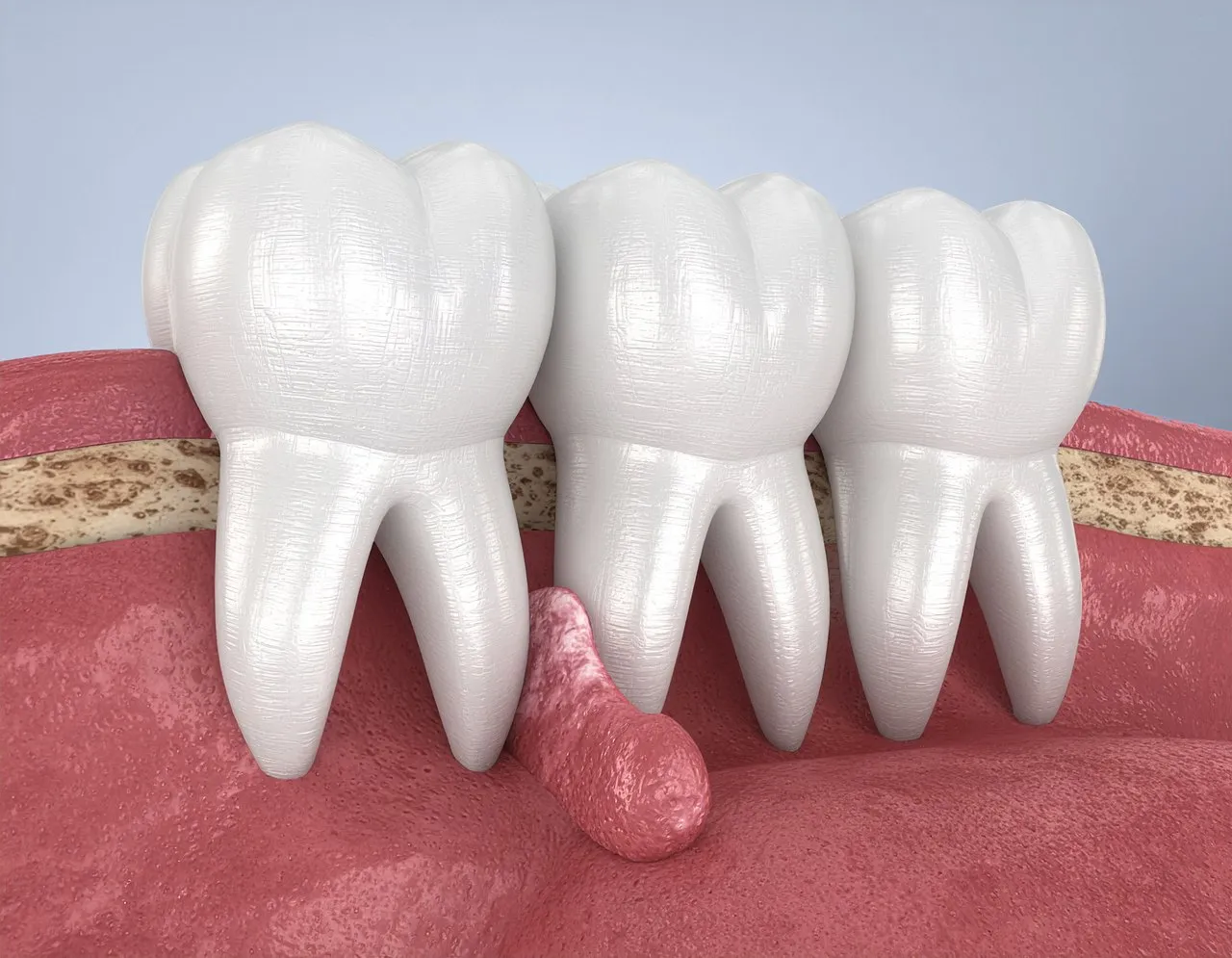
Not every red area is immediately a cause for concern. If symptoms persist for longer than a week, you should come and see us for a dental assessment. This is especially important if you have severe pain.
Warning signs include recurring inflammation of the mucous membrane, bleeding areas or unexplained white patches. Fever or swollen lymph nodes should also be taken seriously. If you develop significant new difficulty swallowing or breathing, seek immediate medical help or call the emergency services.
Early treatment can help prevent complications and prolonged illness. We can also assess whether there is a serious underlying cause and arrange any necessary follow-up.