
Pain after eating acidic foods: causes
Pain after eating acidic foods often indicates sensitive tooth surfaces. Acids can irritate previously damaged tooth enamel and reach exposed dentine. Recurring symptoms should therefore be examined by a dentist.
Über 350 Google-Bewertungen

Why do teeth react to acidic foods?
Acids temporarily alter the surface of tooth enamel. This happens particularly often after consuming citrus fruits, vinegar or fruit juices. Acidic sweets and soft drinks can also cause discomfort.
Healthy tooth enamel protects the underlying tooth structures. If this protective layer becomes thinner, the tooth reacts more quickly. The sensation may be stinging, nagging or dull.
Tooth erosion as a possible cause
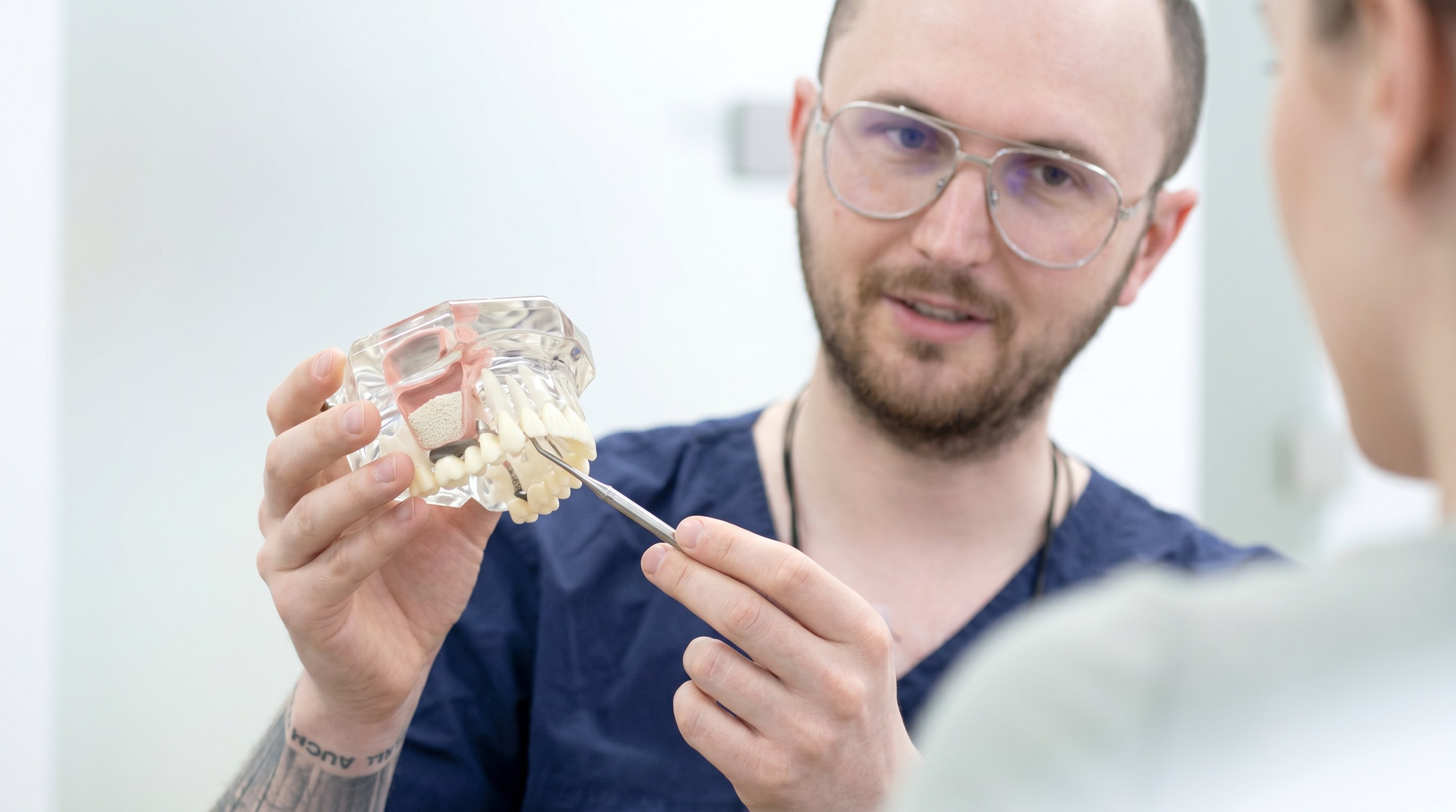
Tooth erosion refers to the acid-related loss of hard tooth tissue. Initially, no bacteria are involved. Frequent contact with acids can progressively weaken tooth enamel.
Early changes often go unnoticed. Later, tooth surfaces may appear smoother, duller or slightly translucent. Small depressions can also indicate erosive damage.
Lost tooth enamel does not fully regenerate. However, early measures can limit further damage. A timely examination is therefore particularly important.

Exposed dentine causes sensitive teeth
Beneath the enamel lies the more sensitive dentine. It contains numerous tiny channels leading to the centre of the tooth. Acid can trigger a strong reaction there.
Exposed dentine is not only caused by tooth erosion. Receding gums or vigorous brushing can also be responsible. Teeth grinding can further aggravate existing defects.
A short, sharp pain is typical. It usually disappears once the stimulus ends. Longer-lasting symptoms may indicate other causes.

Which foods trigger discomfort?
Lemons, oranges and grapefruits contain natural fruit acids. The same applies to apples, berries and pickled vegetables. The key factors are quantity, frequency and length of consumption.
Cola, lemonade and energy drinks also have high acid potential. Sugar-free varieties can also attack tooth enamel. The absence of sugar does not prevent tooth erosion.
Difference between tooth erosion and tooth decay
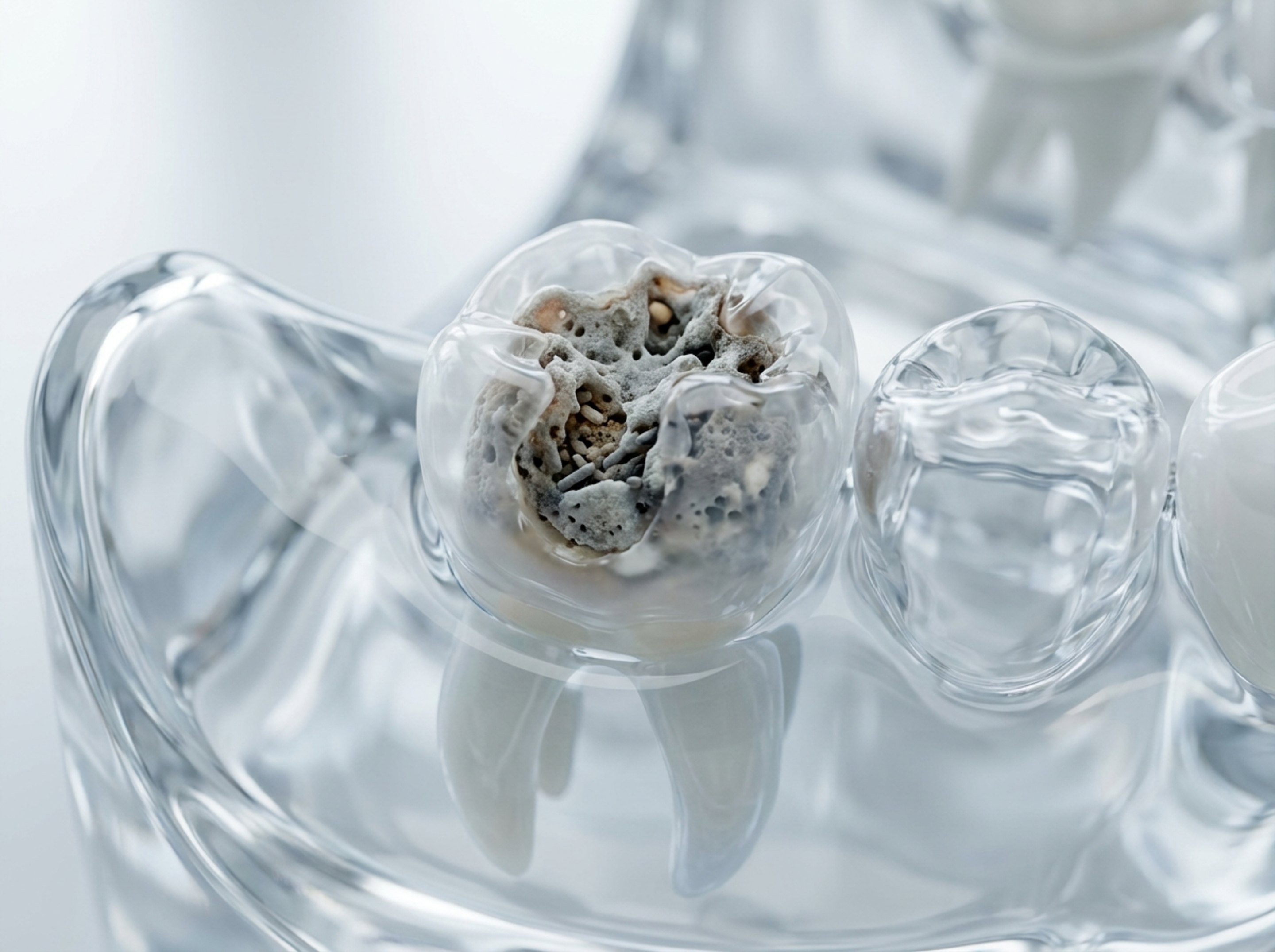
Tooth erosion is caused by acids acting directly on tooth surfaces. Tooth decay, on the other hand, is caused by bacterial metabolic products. Both processes can occur at the same time.
Tooth decay can cause reactions to acidic, sweet or cold things. Dark spots or visible defects are often present as well. Only an examination can reliably distinguish between them.
Other causes of pain after eating
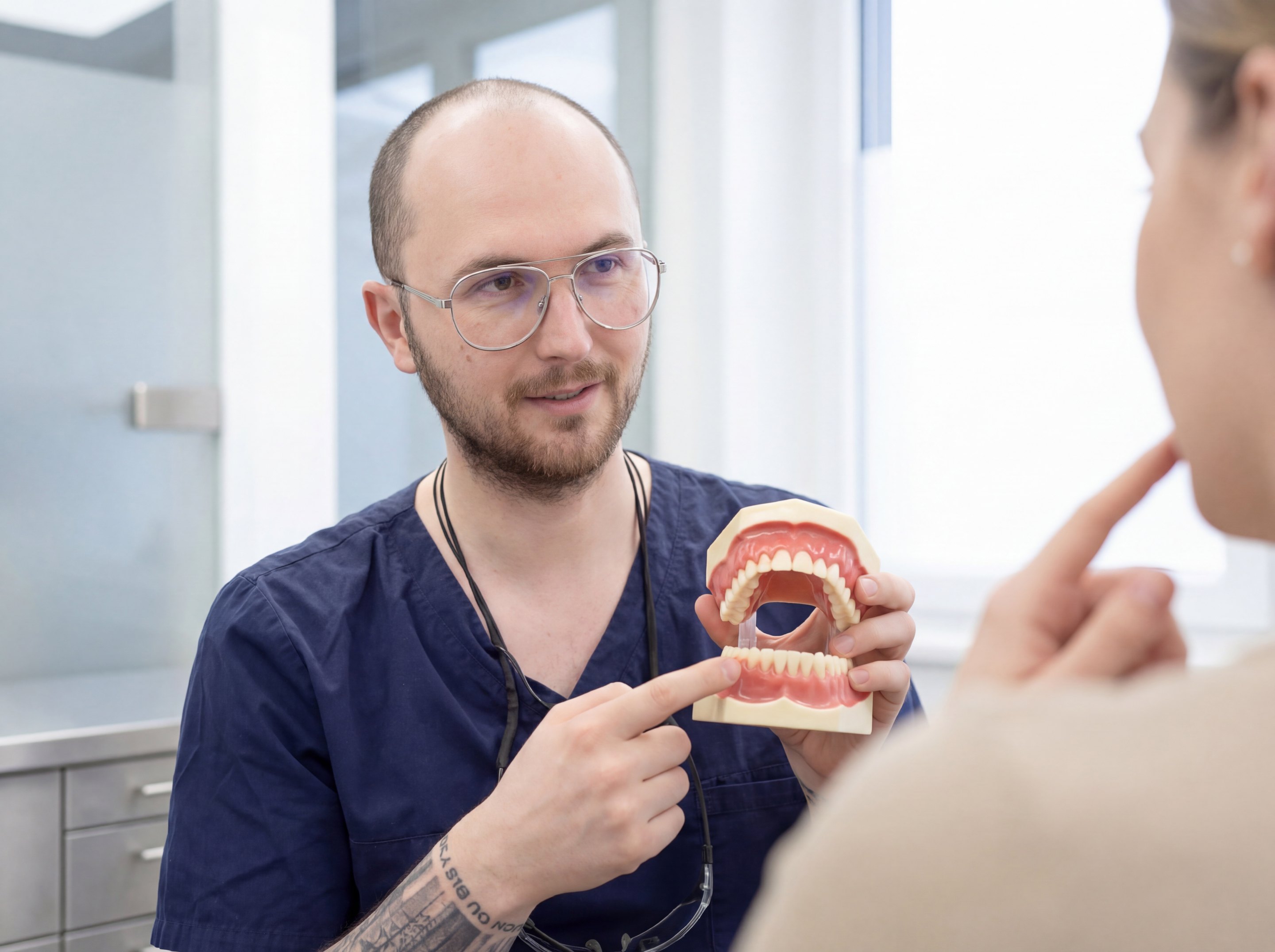
A leaking filling can expose sensitive tooth tissue. Fine cracks can also cause discomfort with certain foods. Sometimes only a single tooth reacts.
Acidic foods can also make inflamed gums burn. Small wounds or mouth ulcers are often particularly sensitive. In these cases, the irritation is mainly in the soft tissue.
More rarely, inflammation of the dental nerve is the cause. Symptoms then often last longer. Warmth or night-time pain can provide additional clues.
Stomach acid and dry mouth as risk factors
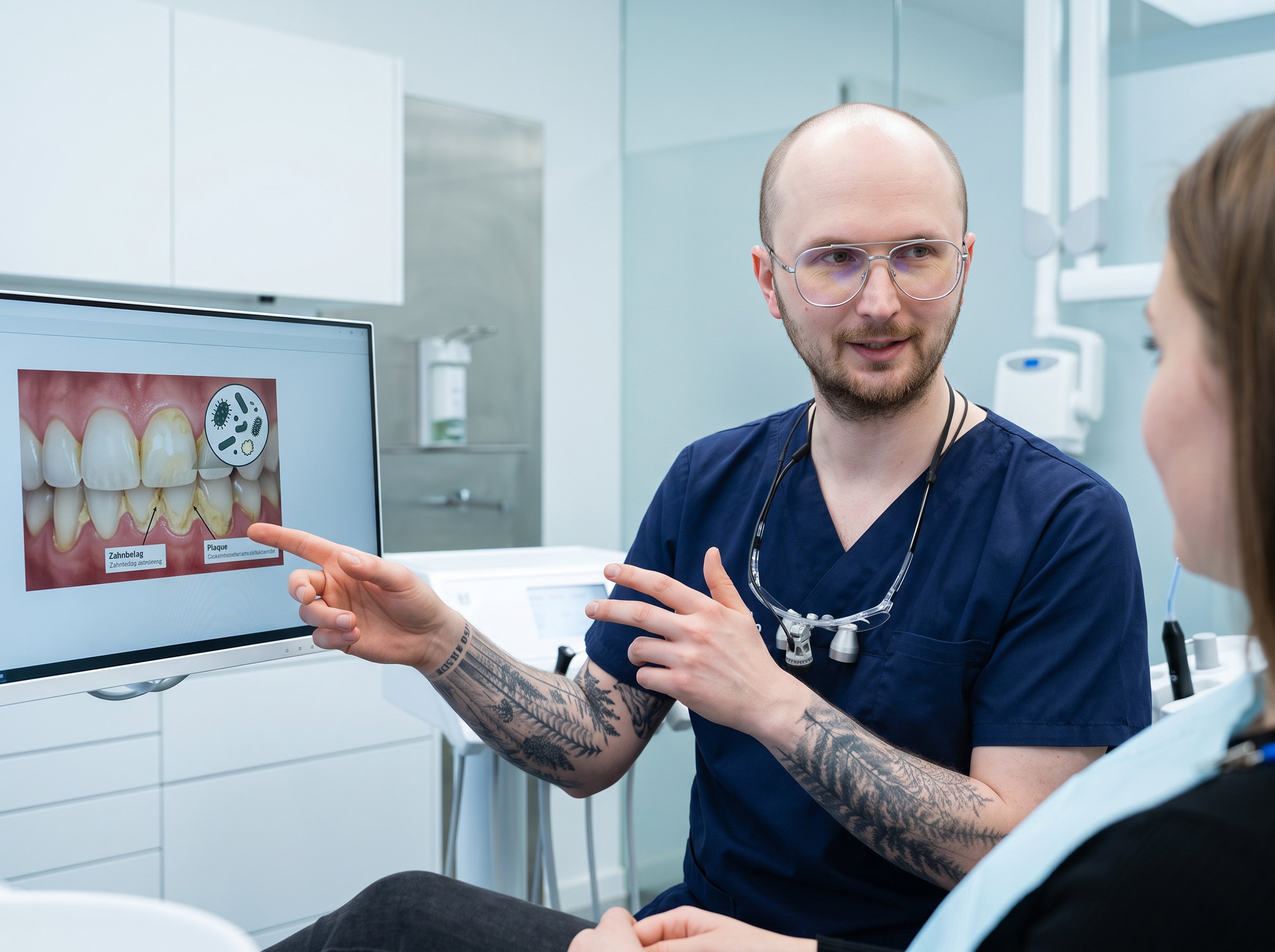
Not all acid comes from food. Heartburn or frequent burping brings stomach acid into contact with tooth surfaces. The inner surfaces of the upper teeth can be particularly affected.
Repeated vomiting also puts considerable strain on tooth enamel. Those affected should also seek medical advice. The underlying cause requires separate treatment.
Saliva dilutes acids and supports natural repair processes. With a dry mouth, some of this protection is missing. Medicines, illnesses or low fluid intake can reduce saliva flow.
What helps immediately after eating acidic foods?
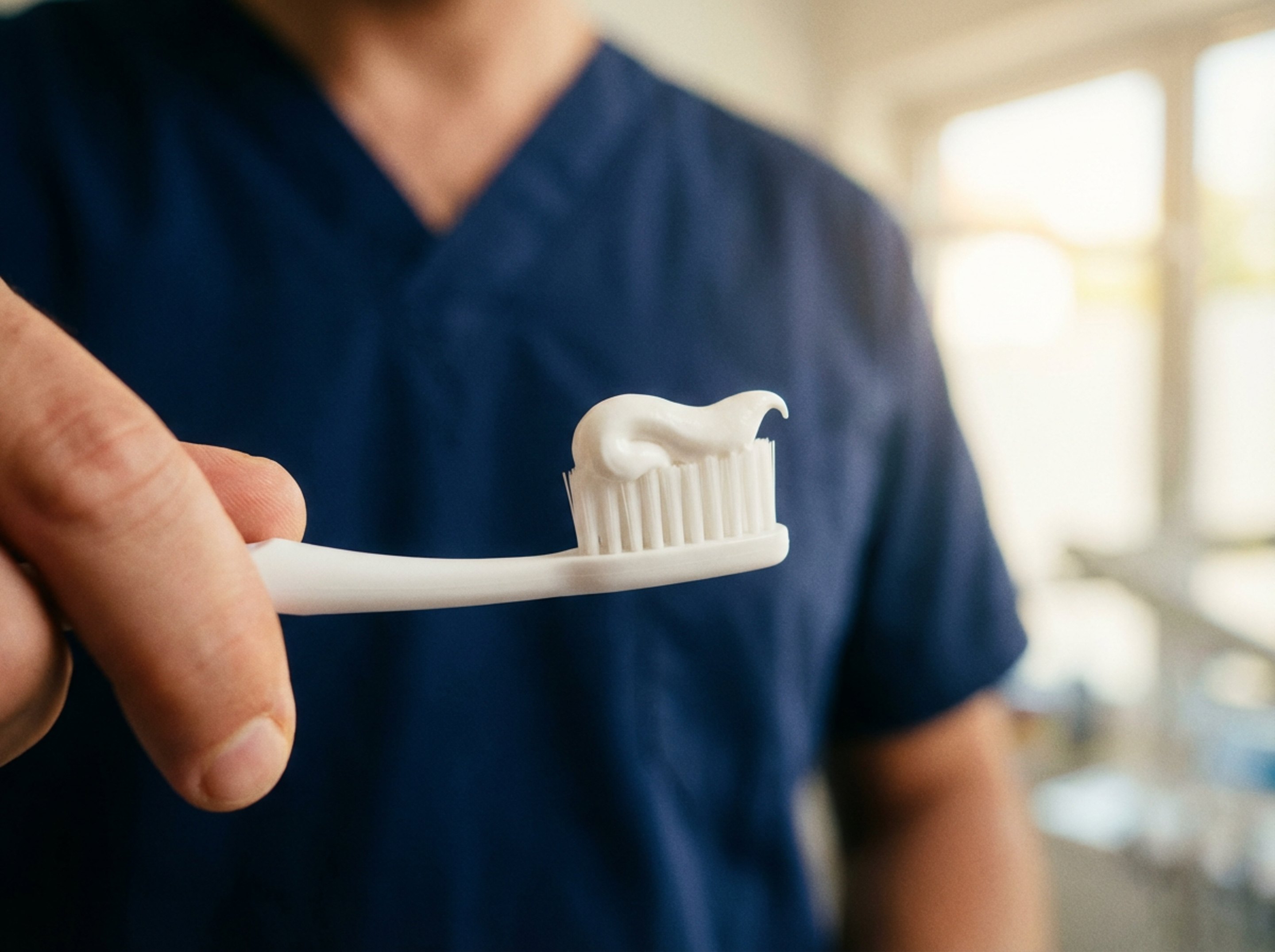
First rinse your mouth with plain water. This dilutes acid residues and removes them more quickly. Do not rub the tooth surfaces vigorously straight away.
Wait at least thirty minutes before brushing your teeth. Then use a soft toothbrush. Fluoride toothpaste helps protect the tooth surface.
Sugar-free chewing gum can stimulate saliva flow. Saliva helps neutralise acids that are present. However, frequent chewing is not advisable if you have jaw problems.

Enjoy acidic foods in a more tooth-friendly way
Consume acidic foods with main meals wherever possible. Frequent small portions prolong the exposure. Do not drink acidic beverages over several hours.
Water is a particularly good accompaniment. Do not hold drinks in your mouth unnecessarily. A straw can reduce contact with the front teeth.
Combine fruit with natural yoghurt or other mild foods. This can reduce acid exposure in the mouth. Complete avoidance is usually not necessary.
Which toothpaste is suitable?
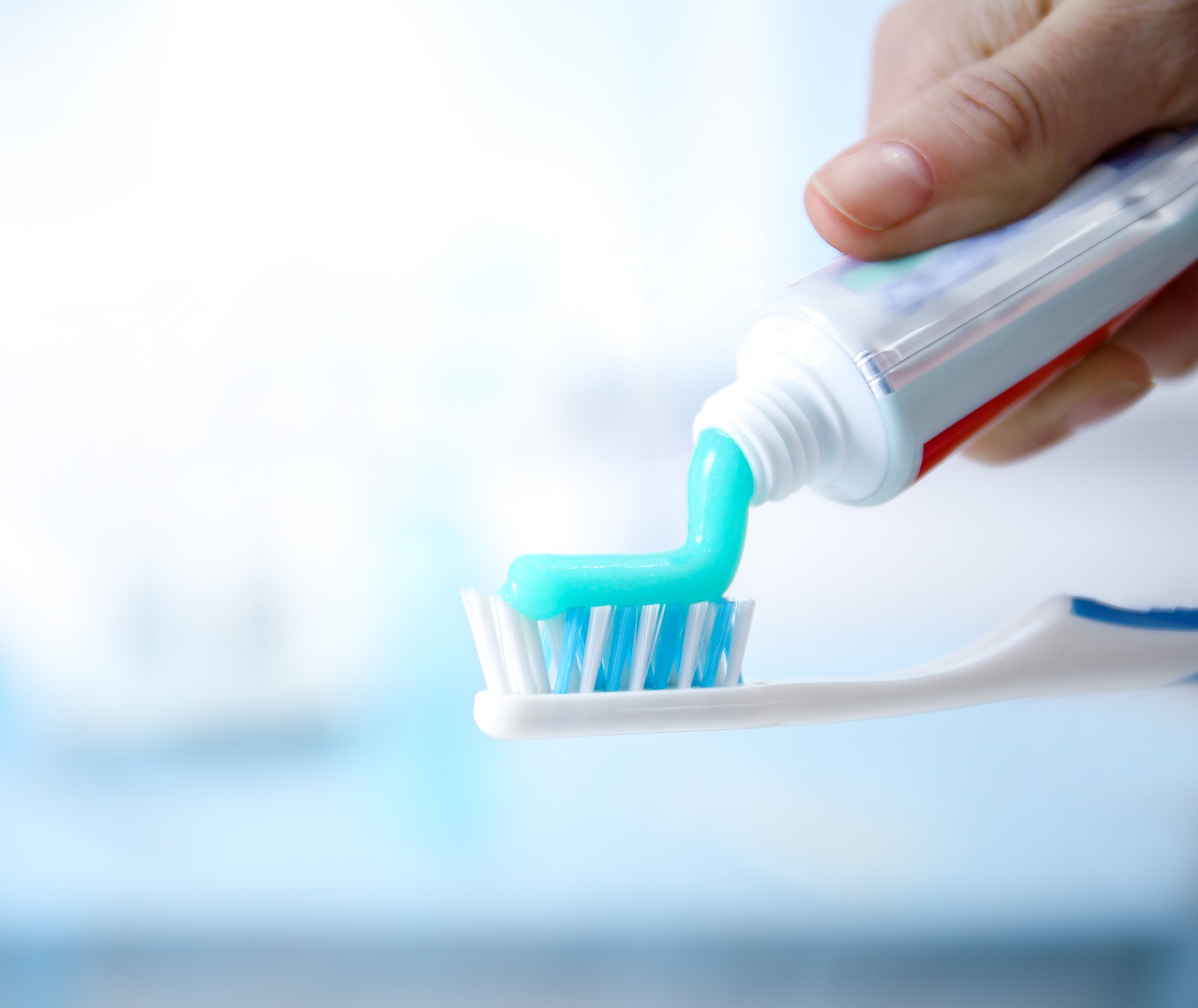
Sensitive teeth need gentle cleaning. Fluoride-containing products with low abrasiveness are suitable. Highly abrasive whitening toothpastes can worsen symptoms.
Special toothpastes for sensitive teeth can partially seal open dentine tubules. The effect usually develops with regular use. Your dental practice can provide an individual recommendation.
When should you see a dentist?
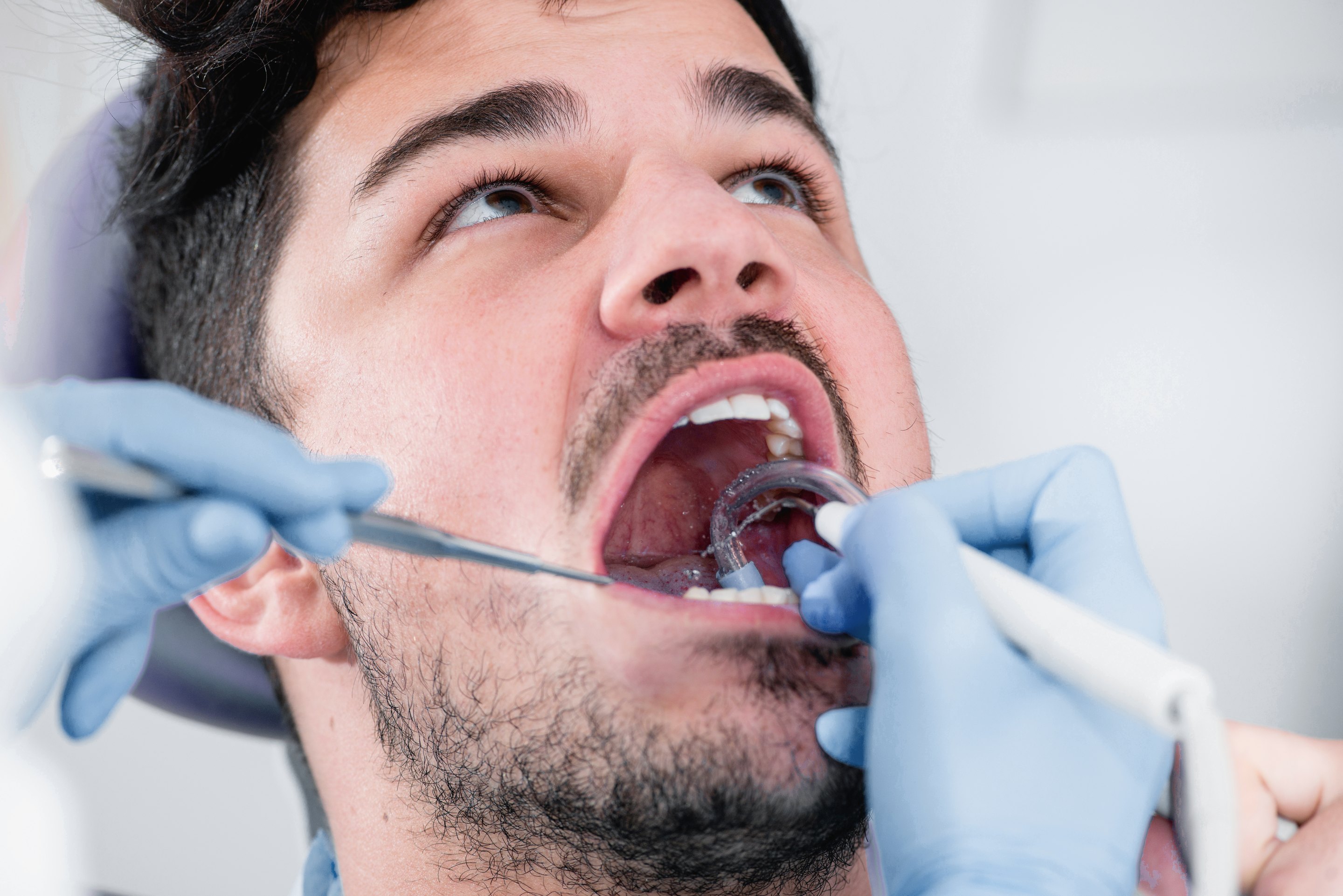
Book an appointment if symptoms recur. This is particularly important if there are visible changes or receding gums. Individual teeth that appear unusual should also be checked.
Persistent or worsening pain requires prompt assessment. The same applies to swelling, fever or a taste of pus. Such symptoms may indicate an infection.
How is the cause identified?
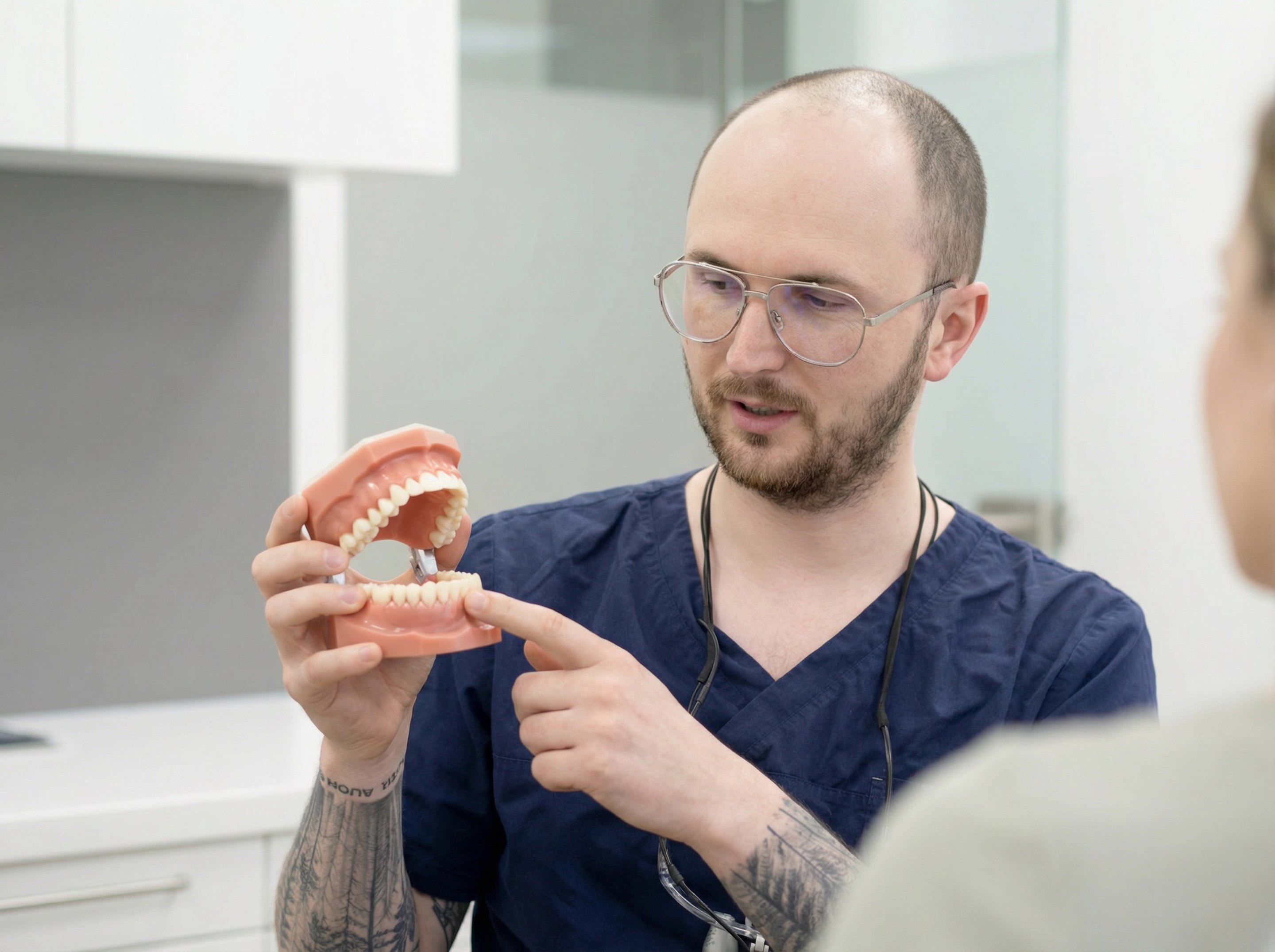
First, the type, duration and triggers of the symptoms are discussed. The dentist then checks all accessible tooth surfaces. Particular attention is paid to tooth necks, filling margins and visible changes to the enamel.
Cold tests can compare the responses of individual teeth. X-rays reveal hidden tooth decay or changes near the tooth root. Documented follow-up examinations make progressive tooth erosion easier to identify.
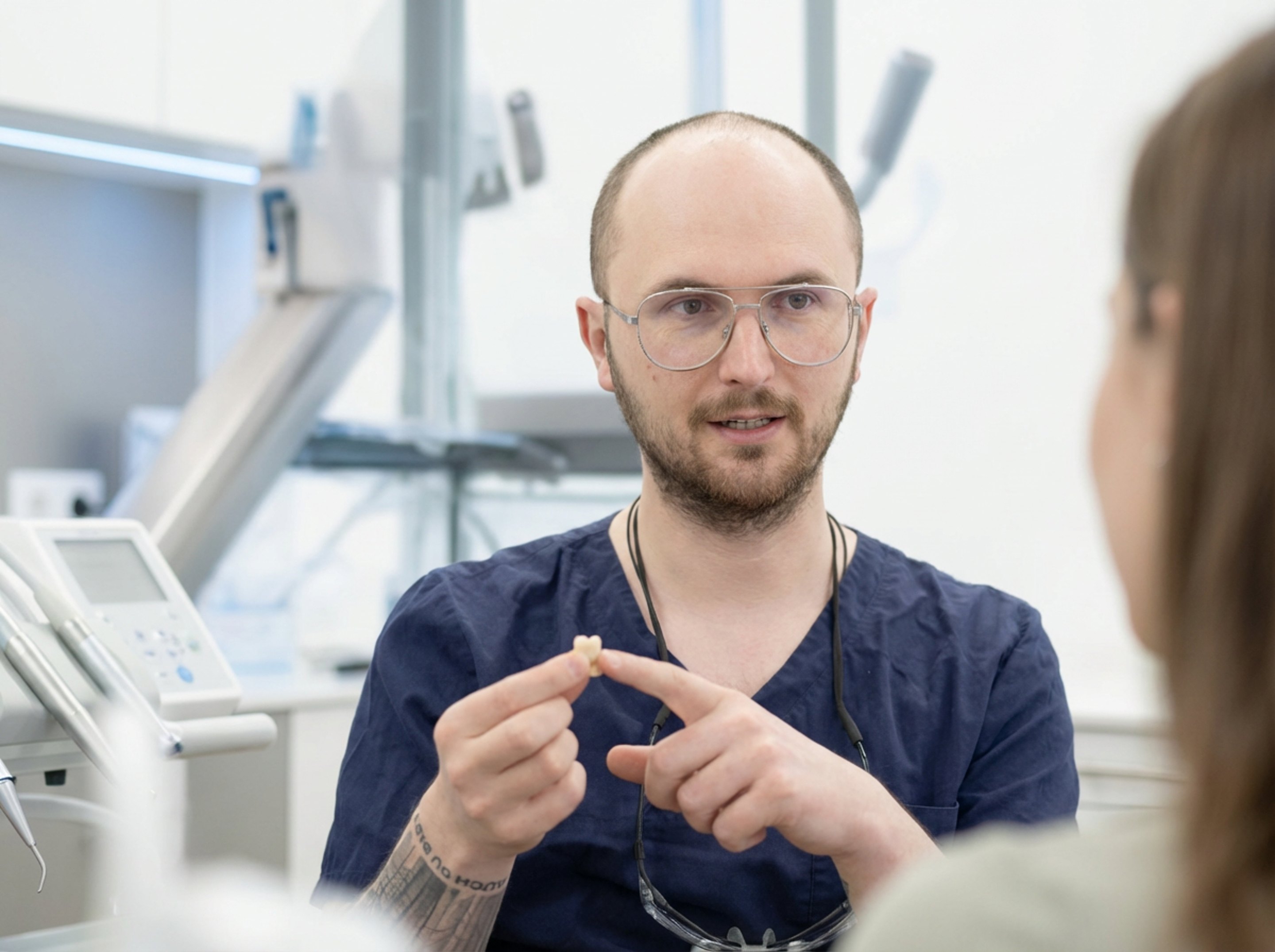
Examination and treatment at Wunschlachen
At Wunschlachen in Berlin, we examine tooth enamel and sensitive tooth surfaces. We also check fillings, gums and possible cracks. Digital X-rays can be added to the diagnostic process if needed.
Treatment depends on the cause identified. Fluoride applications, protective varnishes or targeted fillings are possible. More extensive defects may require further restorative treatment.
We also advise you on suitable oral hygiene. Together, we develop a tooth-friendly eating strategy. This allows further acid exposure to be reduced in a targeted way.