Experiences of pain after bleaching
Experiences of pain after bleaching paint a nuanced picture. Temporary reactions can occur after teeth whitening. Teeth often react to cold, heat or sweet foods. These symptoms usually subside quickly. A preliminary examination, the right method and careful...
Über 350 Google-Bewertungen
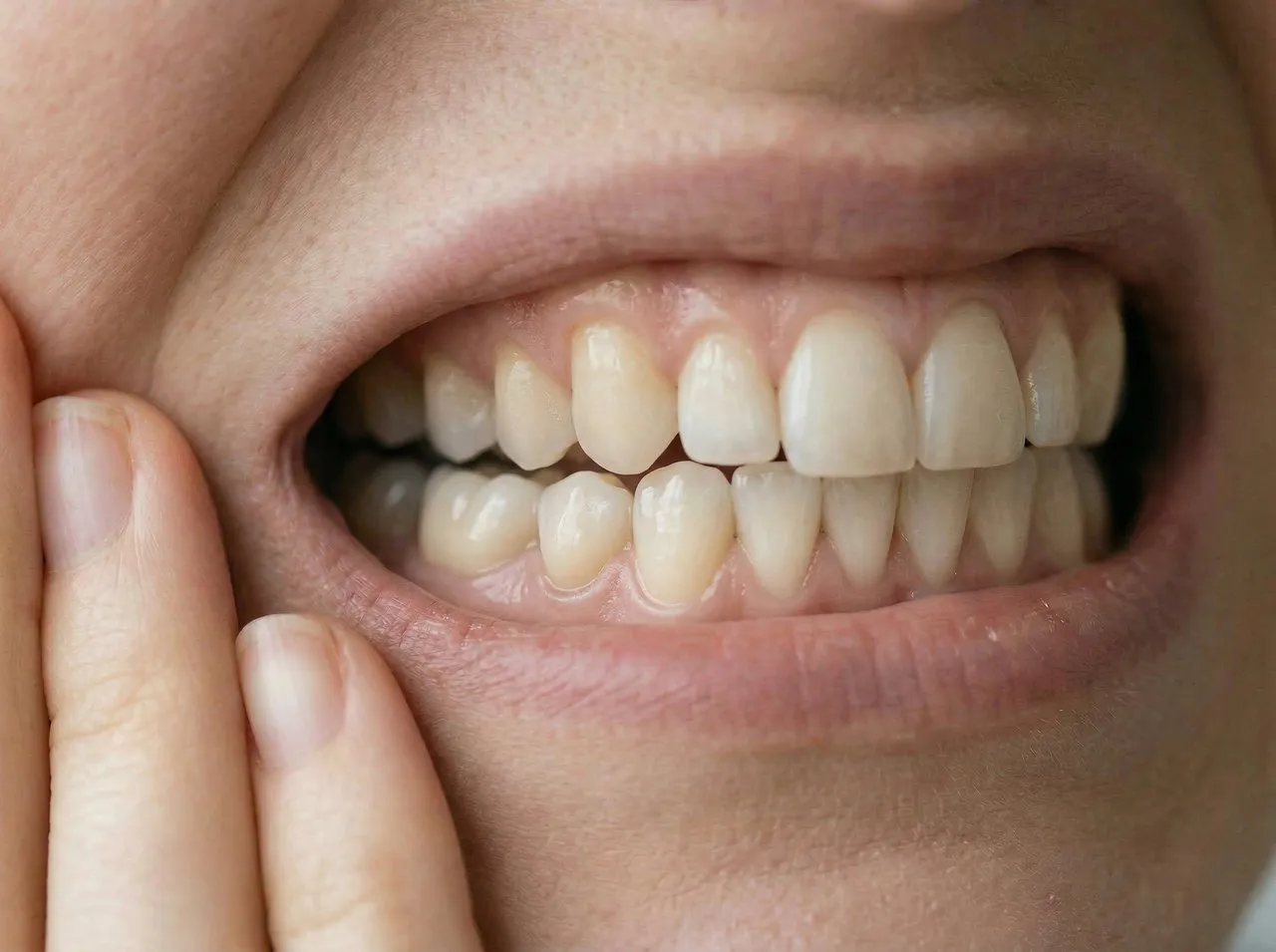
Why teeth can be sensitive after whitening
Teeth whitening changes the colour of the teeth using special active ingredients. These penetrate the tooth enamel, where they break down embedded discolouration. This can temporarily make the tooth surface more sensitive. Exposed tooth necks are particularly susceptible. Fine cracks in the enamel can also play a role. Many patients therefore ask: does bleaching hurt? There is no blanket answer. Some people feel almost nothing, while others report a brief twinge.
Pain after bleaching: experiences that are often described
Pain after teeth whitening is similar in many respects. Those affected often describe a brief twinge. Others notice sharp pain when eating cold or hot foods. Symptoms typically occur immediately after treatment. Sometimes they do not appear until later. In many cases, they disappear within a few days. Experiences with teeth whitening also differ according to the method used. Stronger active ingredients are often used in the dental practice. With home whitening, the dosage is usually lower, but the application takes longer.
Does bleaching hurt, or does it depend on the individual case?
Whether whitening is uncomfortable depends on several factors. The condition of the teeth, the concentration of the active ingredient and the duration of treatment are decisive. Personal sensitivity also affects the experience. Sensitive teeth react more frequently to such procedures, particularly when the tooth enamel is thin. Already irritated gums can further aggravate the situation. Nevertheless, experiences of teeth whitening paint a balanced picture. Many patients report only mild reactions. Some feel nothing more than a slight tingling sensation.
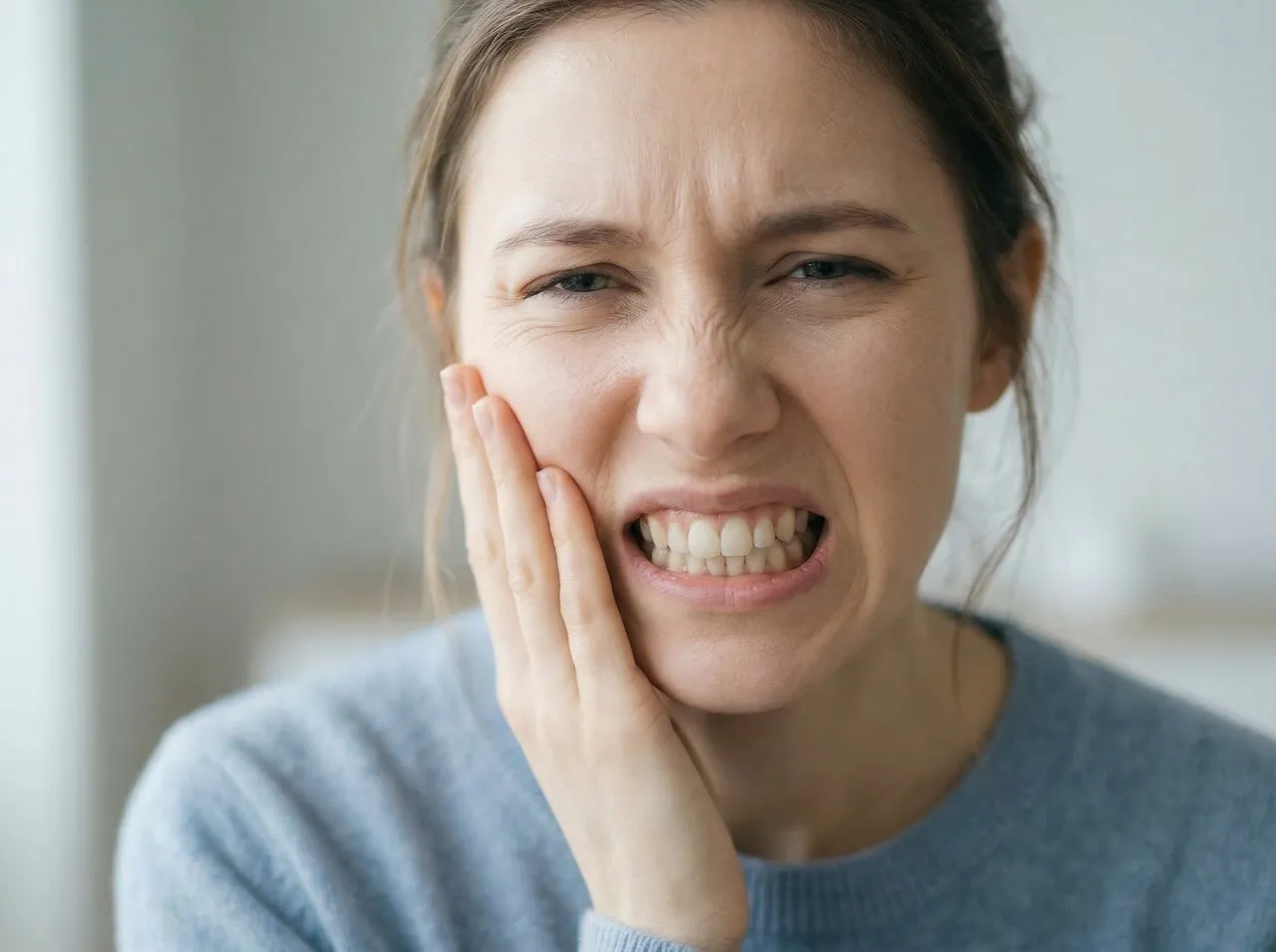
Which causes can promote more severe symptoms
Possible causes include exposed tooth necks or small defects. Tooth decay and leaking fillings are also relevant. A dental examination should therefore always be carried out before cosmetic whitening. Another factor is the application time. If the product is used for too long, the risk of irritation increases. This applies particularly to treatments without close supervision.
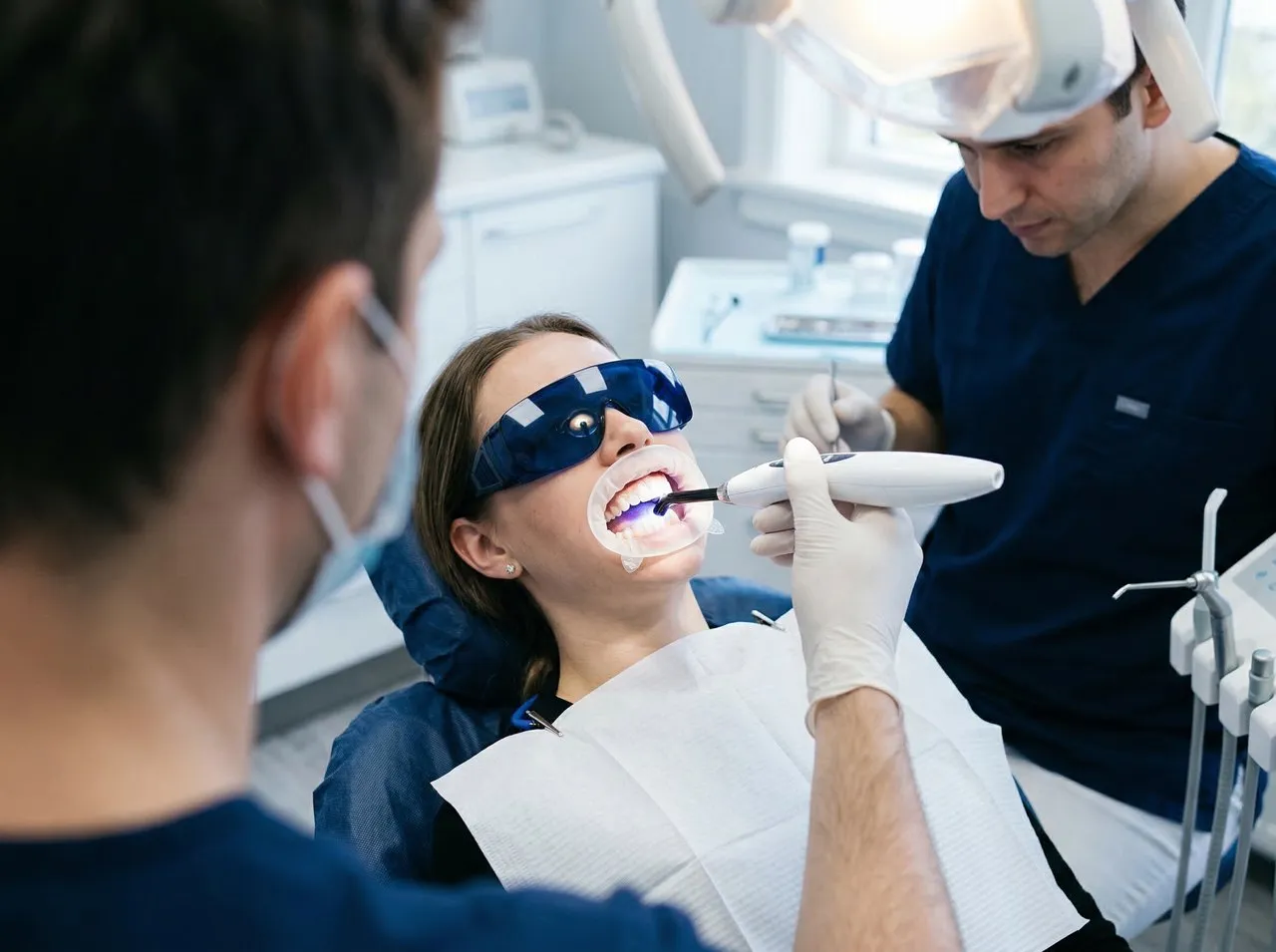
Severe pain after whitening: what helps?
Strong stimuli should first be avoided. Very cold, hot, acidic or sweet foods are often unhelpful. Toothpastes for sensitive teeth can help. Fluoride gels may also be useful. They help to soothe the tooth surface. In addition, teeth should be brushed gently for a few days. A soft toothbrush is usually the better choice in this situation. Highly abrasive products are less suitable during this phase.
What Wunschlachen considers before teeth whitening
In a dental practice, treatment does not begin with the gel. First, the condition of the teeth is checked so that potential risks can be identified early. At Wunschlachen, we examine the enamel, gums and existing dental work. Any existing sensitivities are also recorded. This is important for safe planning. This preparation not only improves the aesthetic result, but also reduces the risk of unnecessary irritation. This is particularly relevant for sensitive teeth.
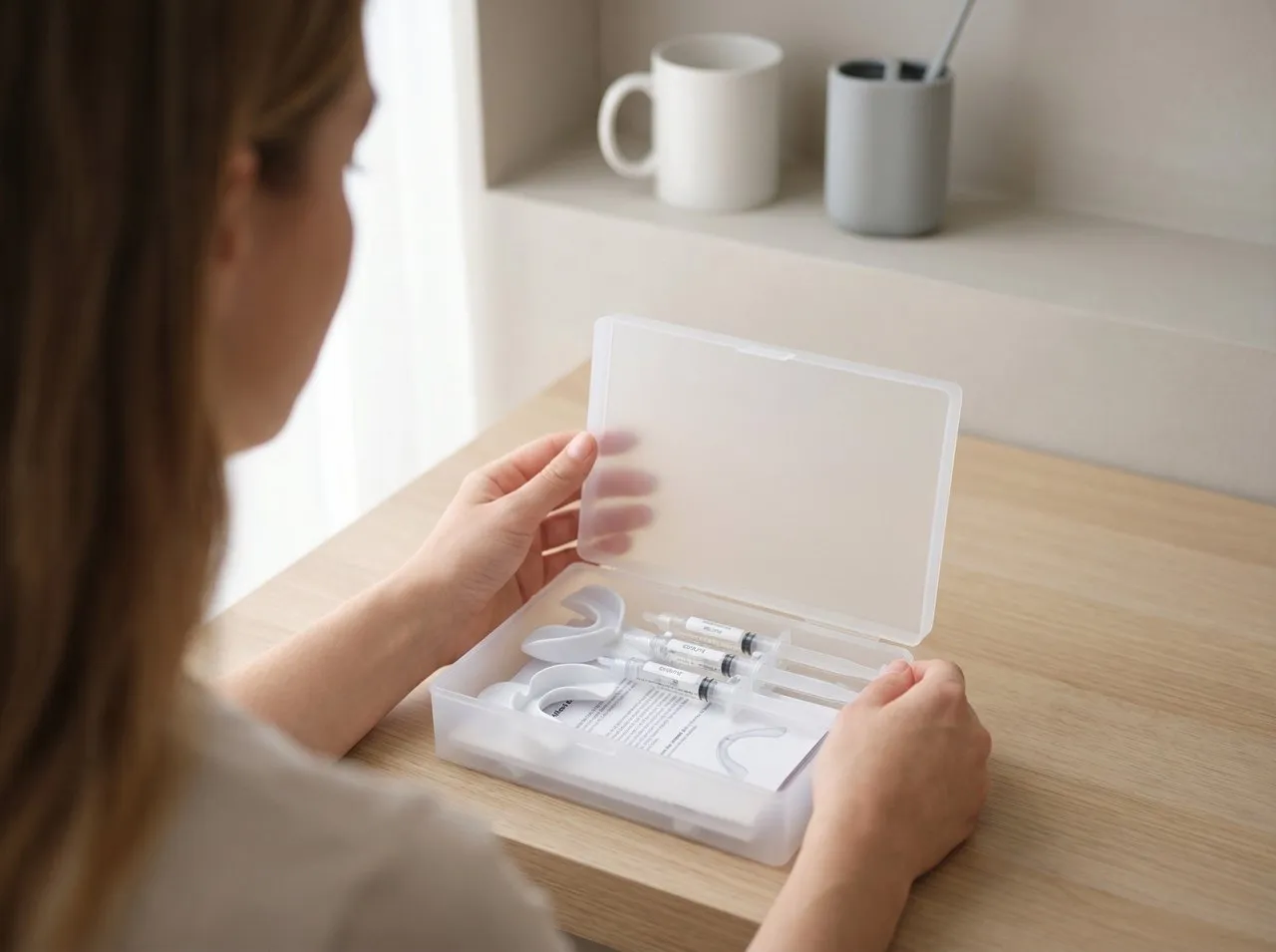
Experiences of whitening sensitive teeth
Experiences of bleaching sensitive teeth are often mixed. Many people want whiter teeth, but are also concerned about stronger reactions. In such cases, an adapted approach is advisable. Lower concentrations or shorter intervals often help. Preparatory fluoridation can sometimes also be useful. Fläsh bleaching pain is also frequently mentioned online. This usually refers to symptoms following particularly fast procedures. A professional assessment is especially important here.
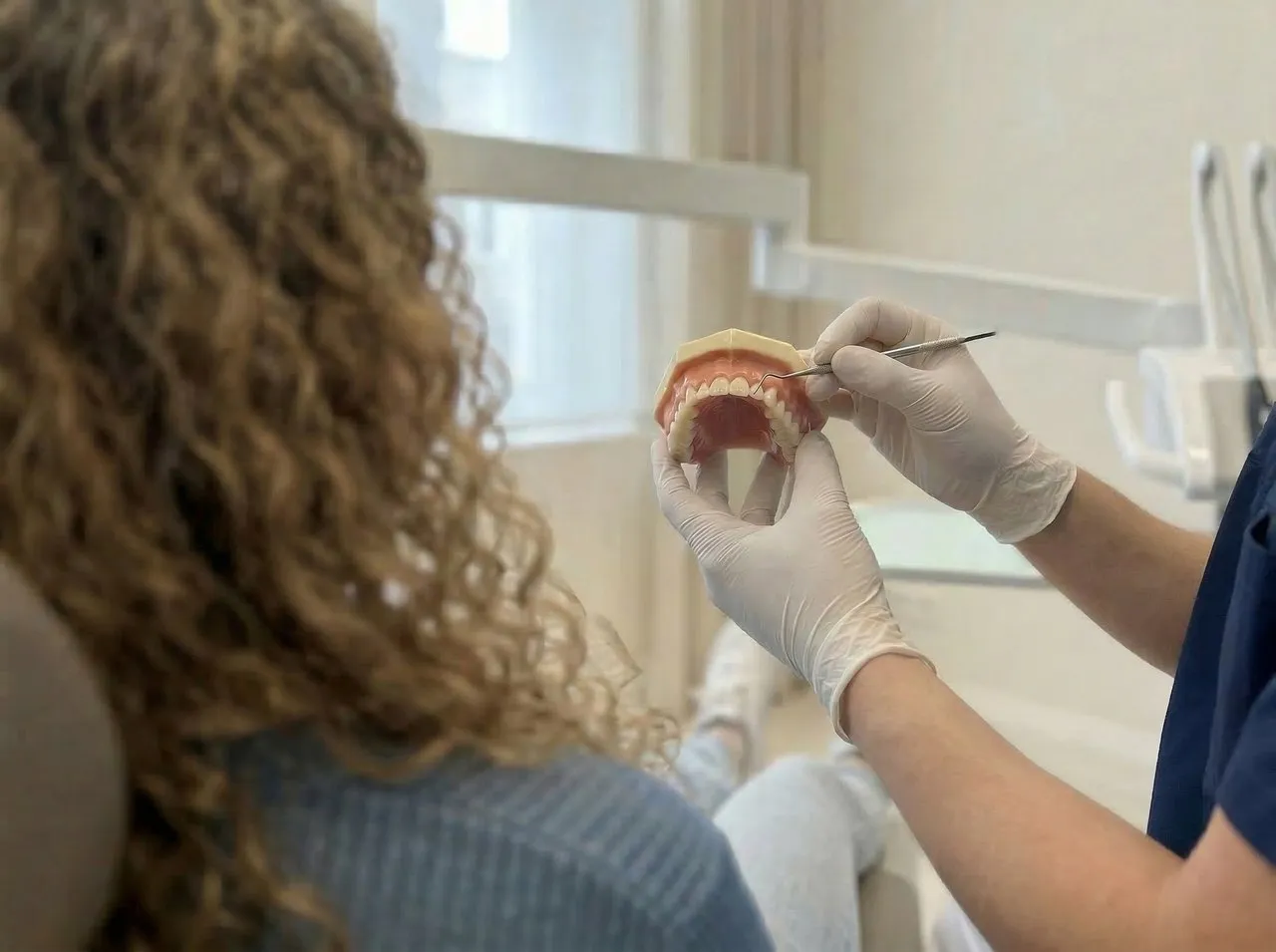
When a check-up after treatment is advisable
Mild sensitivity is usually temporary. However, if symptoms persist, the cause should be investigated. This applies particularly to severe twinging in just one tooth. Persistent reactions to air or water are also relevant, as are a feeling of pressure or discomfort when chewing. There may then be a cause other than the whitening. A check-up provides clarity and helps to distinguish harmless sensitivity from findings that require treatment. This is crucial for further planning.
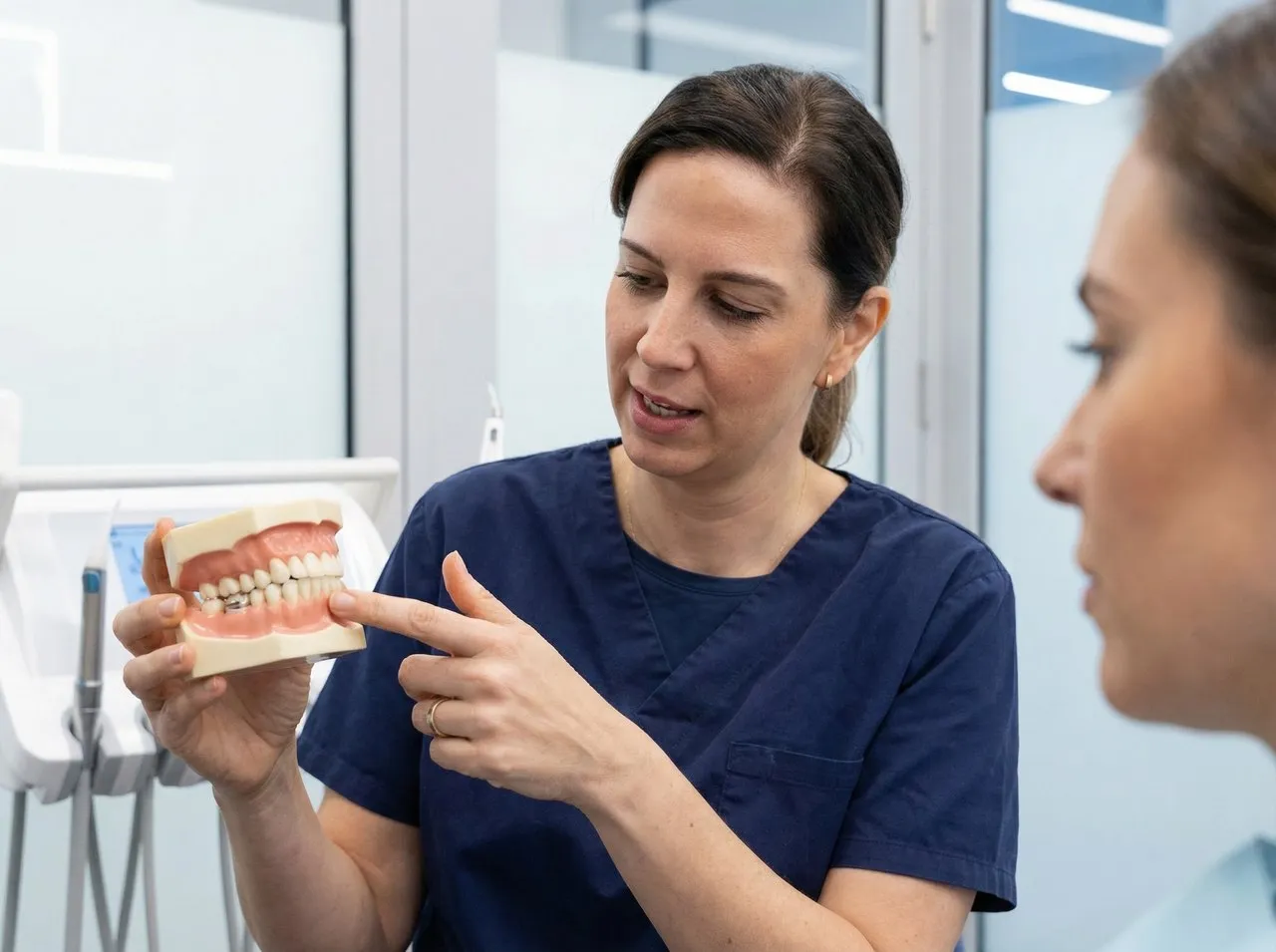
How symptoms can often be avoided
An examination should be carried out before any cosmetic teeth whitening. This allows tooth decay and leaking areas to be detected early. The gums are also carefully assessed. After treatment, it is advisable to take care and follow a suitable oral care routine. Staining foods should be avoided temporarily. This also applies to very hot or cold foods. Anyone with sensitive teeth should mention this at an early stage. This allows the method to be specifically adapted. This is precisely the advantage of professional supervision.
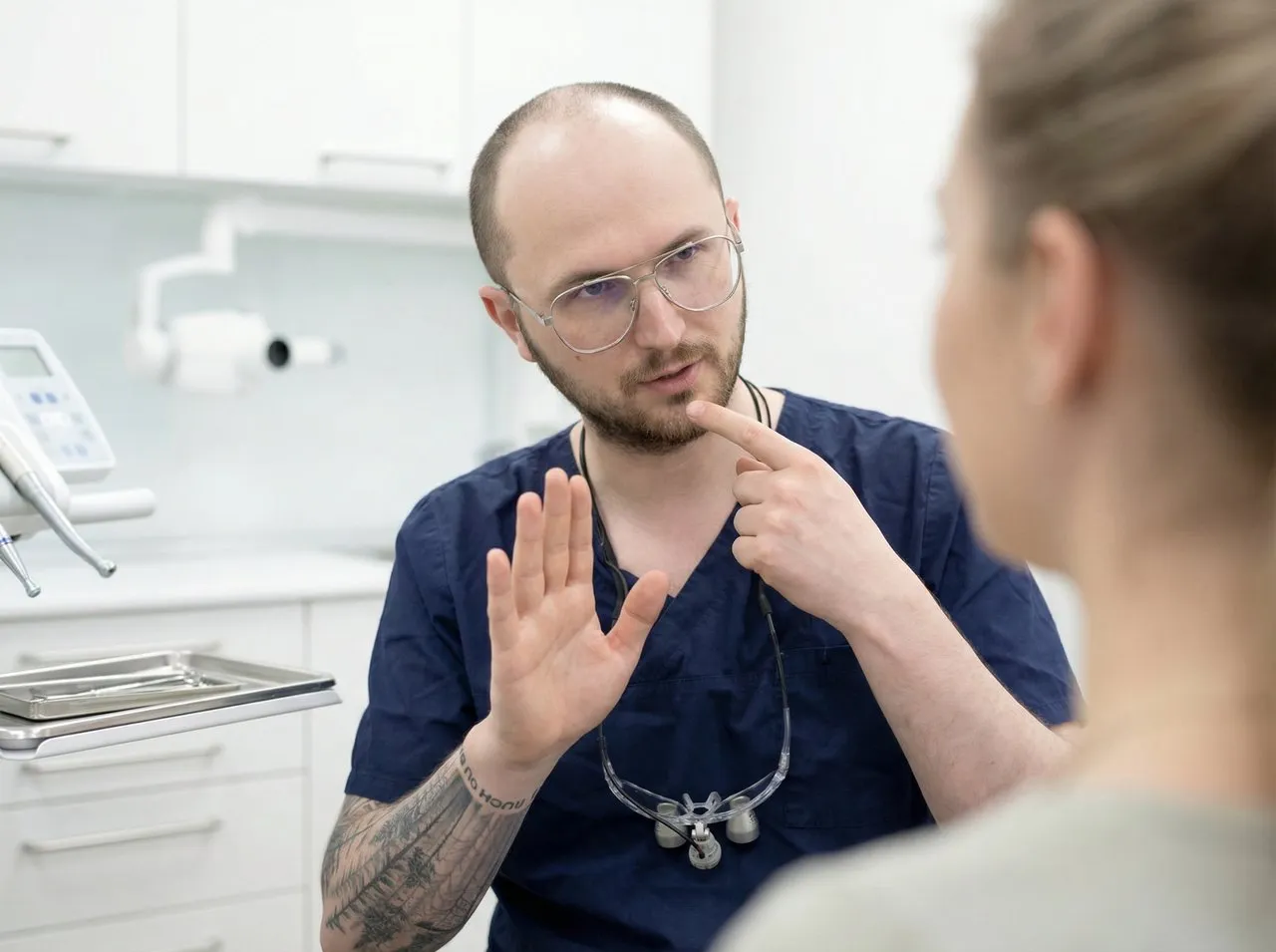
Conclusion: correctly assessing symptoms after whitening
Experiences of pain after bleaching show one thing above all. Mild sensitivity is possible after teeth whitening. It is often temporary and not automatically a cause for concern. Good diagnostics and a tailored approach are important. Risks can often be significantly reduced with dental supervision. This makes the aesthetic treatment more predictable.
FAQ: frequently asked questions about experiences of pain after bleaching
Whitening can cause temporary sensitivity. Many patients feel only a slight twinge.
Often only a few hours to a few days. If they last longer, a check-up should be carried out.
Mild reactions are possible. Severe or prolonged symptoms should be assessed.
Gentle dental care, fluoride and avoiding strong stimuli often help. An examination is advisable if symptoms are pronounced.
Exposed tooth necks, thin enamel or small defects increase sensitivity.
Yes. The strength of the active ingredient and the duration of application differ. This also changes the potential for irritation.
Yes, often with an adapted approach. A dental assessment beforehand is important.
Much of the feedback is positive. However, temporary sensitivity is among the most common experiences.
This usually refers to symptoms after fast whitening procedures. The reaction depends heavily on the condition of the teeth.
If symptoms persist, become more severe or affect only one tooth.