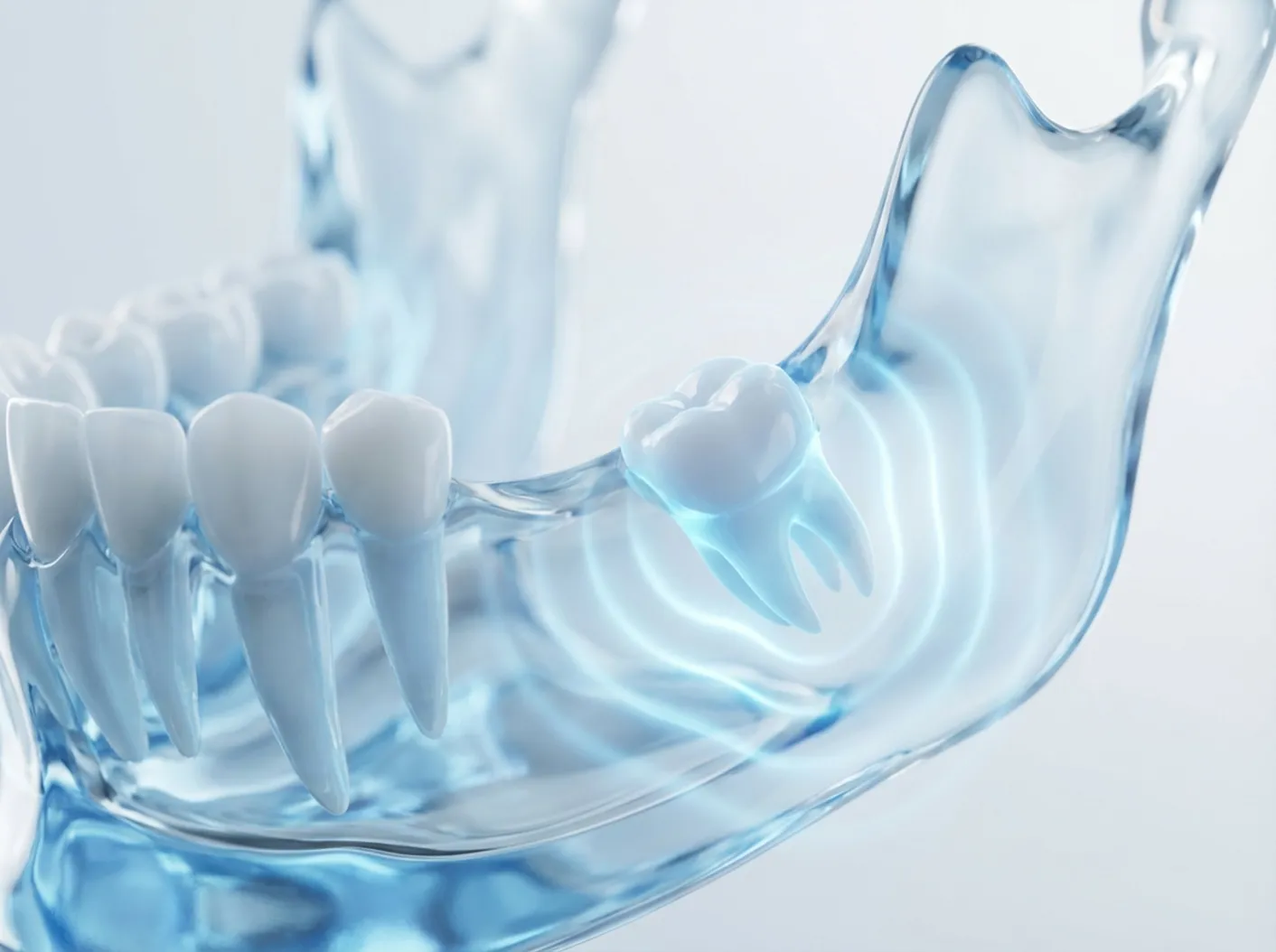
Does wisdom tooth surgery hurt? A clinical explanation
Many patients expect severe pain. During the procedure, pain is usually minimised by a local anaesthetic. Afterwards, wound pain and swelling are more common.
Über 350 Google-Bewertungen
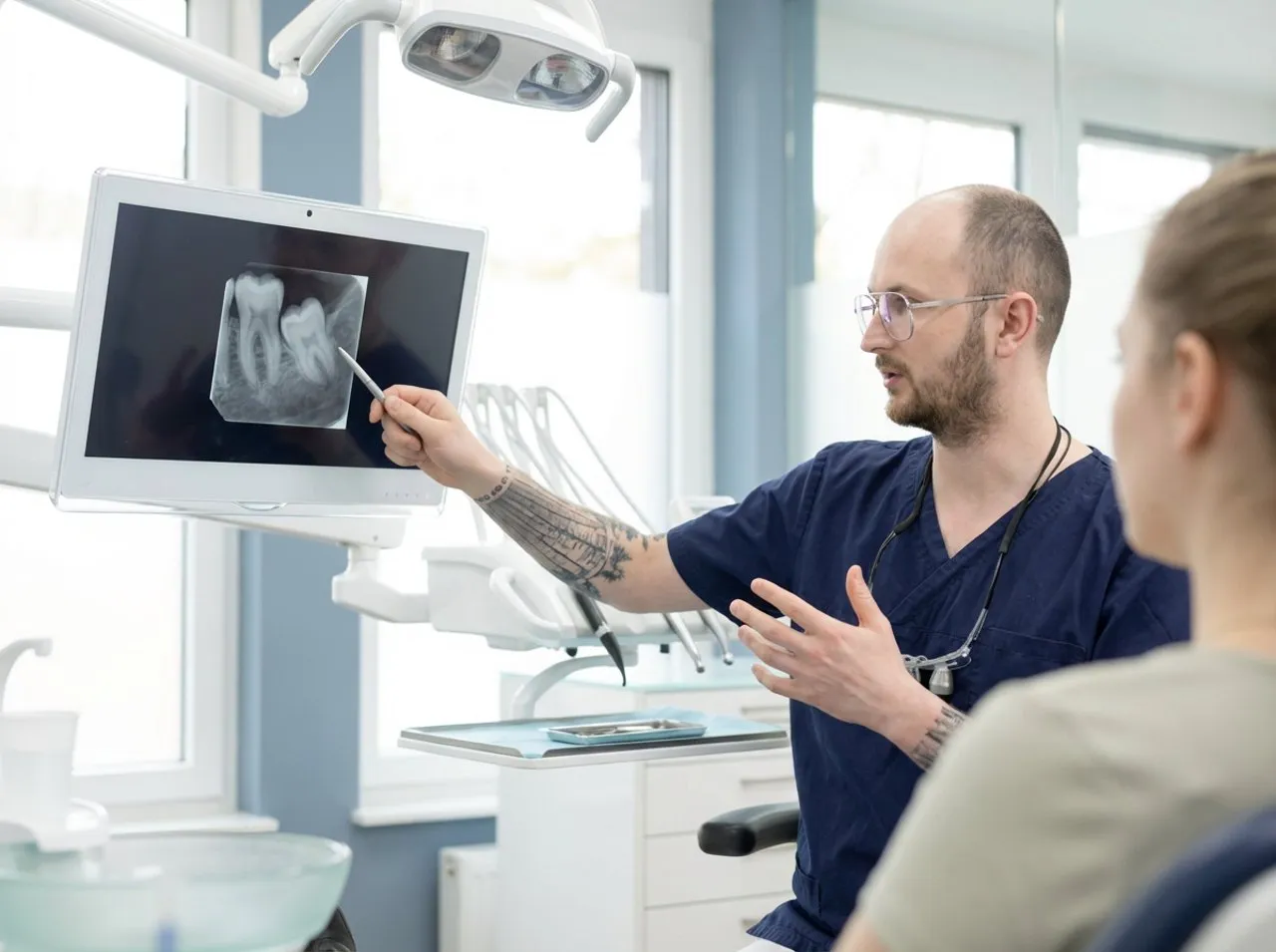
Why the procedure itself rarely hurts
The standard approach is a local anaesthetic in the surgical area. Depending on the situation, we use infiltration or regional block anaesthesia. This reliably blocks nociceptive stimuli. You will often feel pressure and vibrations. These are mechanical stimuli without the sensation of pain. Many people describe the feeling as ‘pulling’ or ‘levering’. Sedation may be beneficial for severe dental phobia. Anxiety-relieving premedication is often offered. Alternatively, twilight sedation with monitoring is possible.
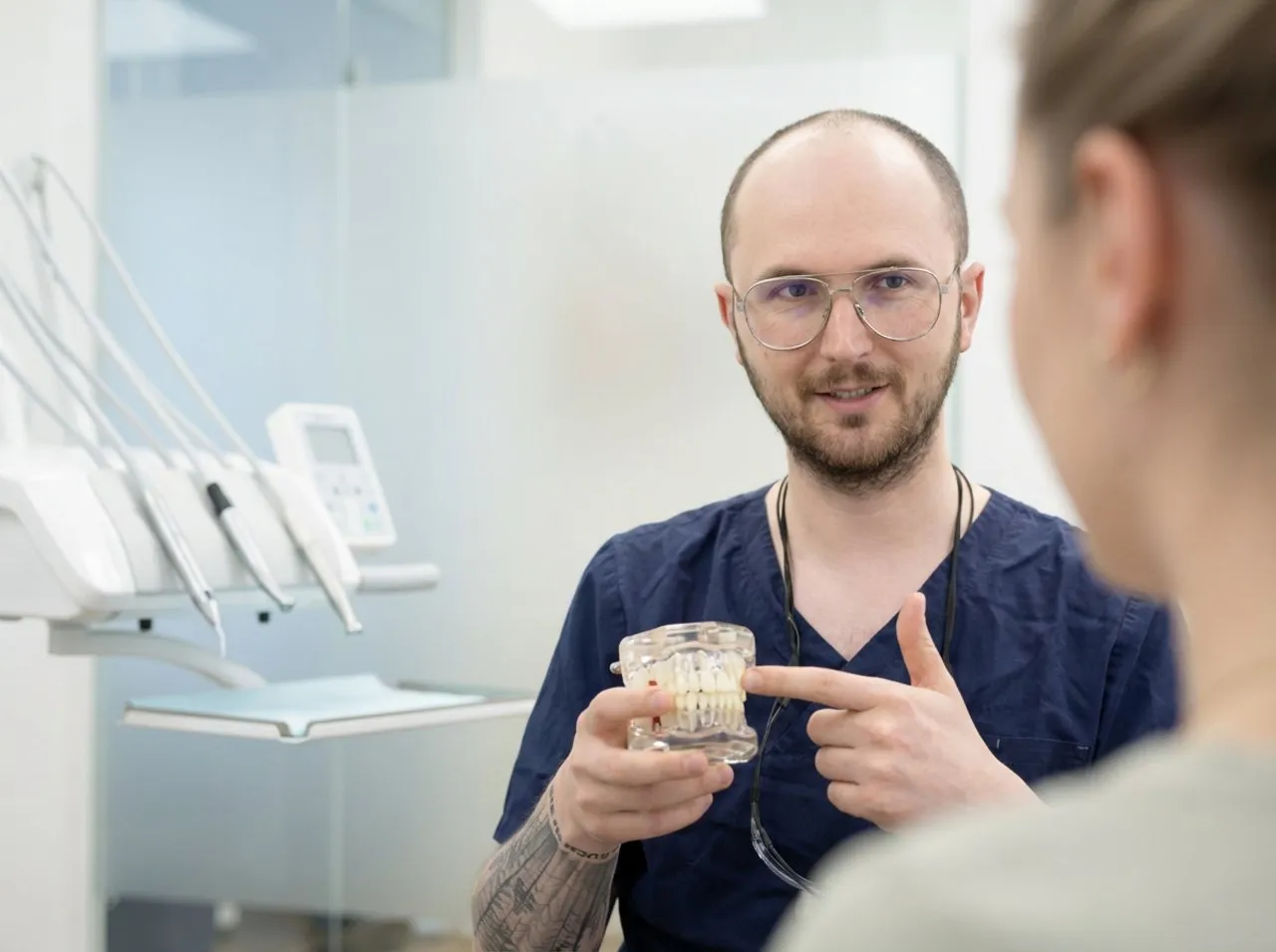
Pre-operative diagnostics: what is assessed beforehand
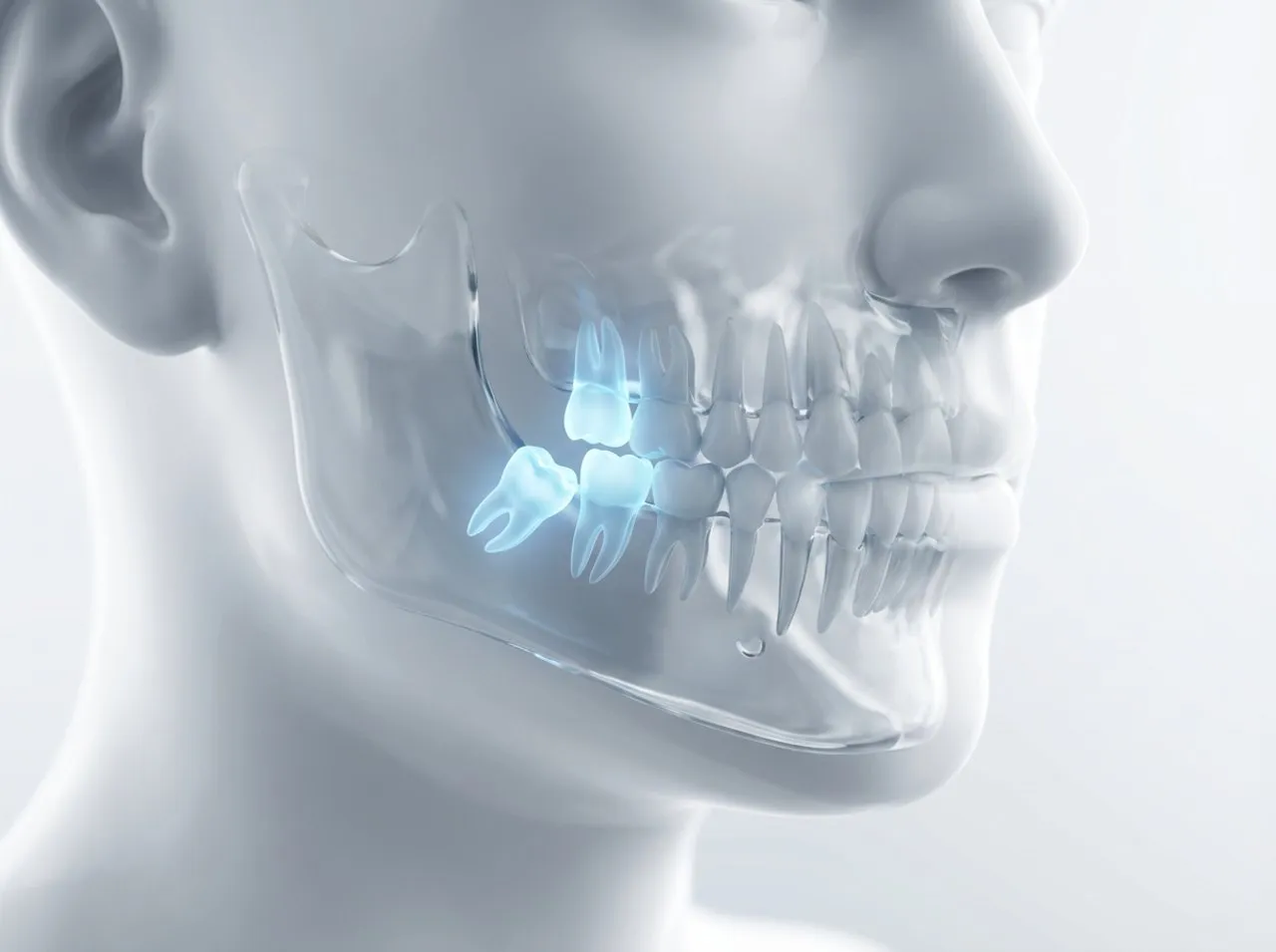
Before removing the tooth, we assess whether the procedure is indicated. Typical reasons include pericoronitis, lack of space or recurrent inflammation. Suspected cysts are also investigated diagnostically. Imaging guides surgical planning. The position relative to the inferior alveolar nerve is important. The lingual nerve is also taken into account. Many people wonder what wisdom tooth surgery involves. The answer depends on the tooth’s position, axis and bone coverage. Impacted teeth usually require more surgical steps.
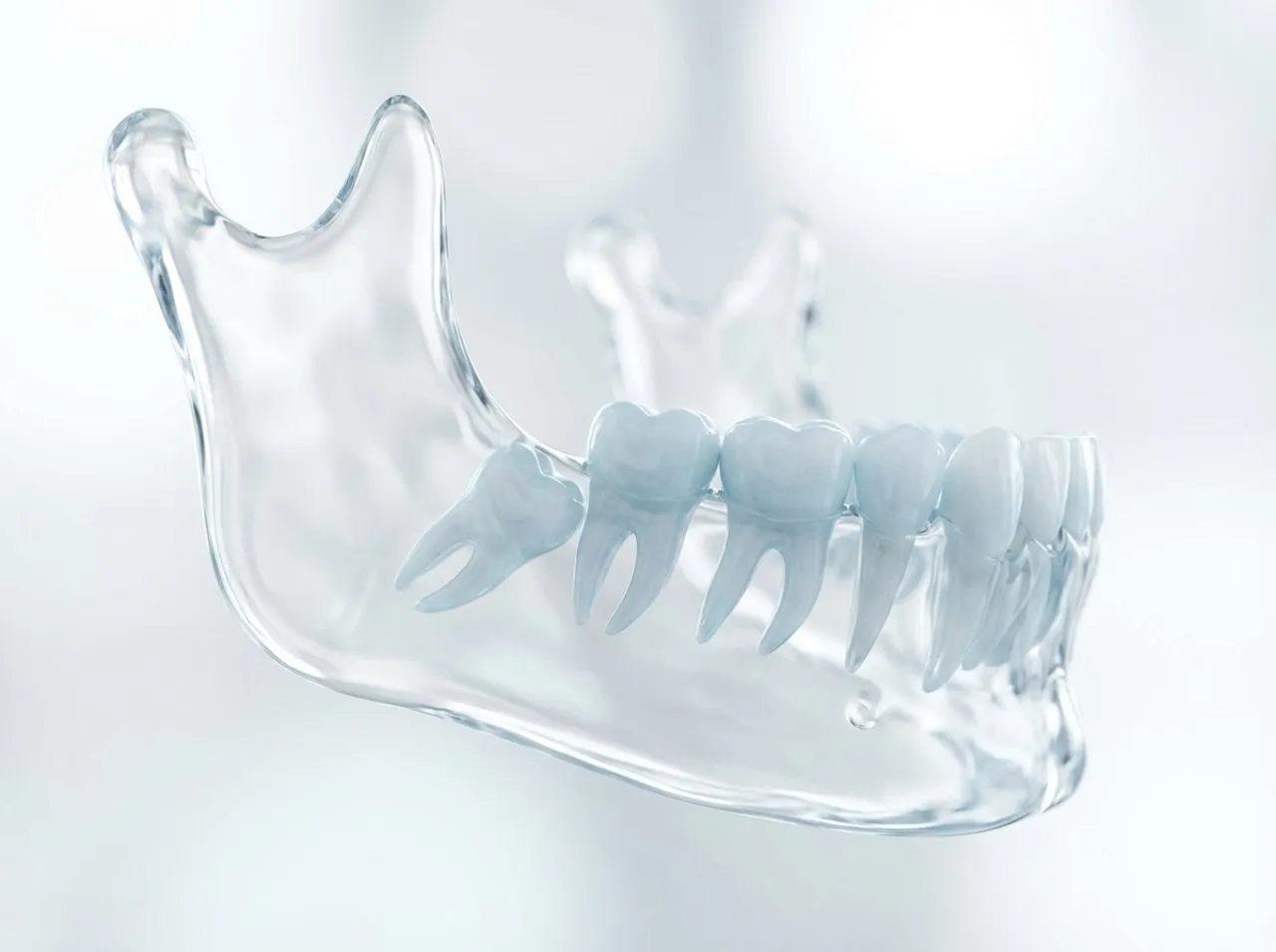
The wisdom tooth extraction procedure in clinical terms
First, the mouth is rinsed with an antiseptic solution. The anaesthetic is then administered and its effect checked. Only after this does the surgical part begin. For impacted teeth, a mucoperiosteal flap is raised. This is followed by an osteotomy to expose the crown. The aim is to create controlled access to the tooth socket. An odontotomy is often required. This involves dividing the tooth into segments so that the roots can be removed less traumatically. After removal, the socket is curetted and rinsed. Haemostasis is achieved by compression and, if necessary, packing. Finally, the tissue is usually approximated with sutures.
Pain after surgery: what is typical?
Wound pain begins once the anaesthetic wears off. This pain is caused by inflammation and mechanical factors. It often peaks on the second day. Patients want to know how long the pain after surgery lasts. Symptoms often improve within a week. It may take longer in complicated cases. A pulling pain after wisdom tooth surgery is not unusual. Causes include haematoma, oedema and muscle tension. Occlusal pressure caused by holding the jaw in a protective position can also be troublesome.
Understanding swelling, haematoma and trismus
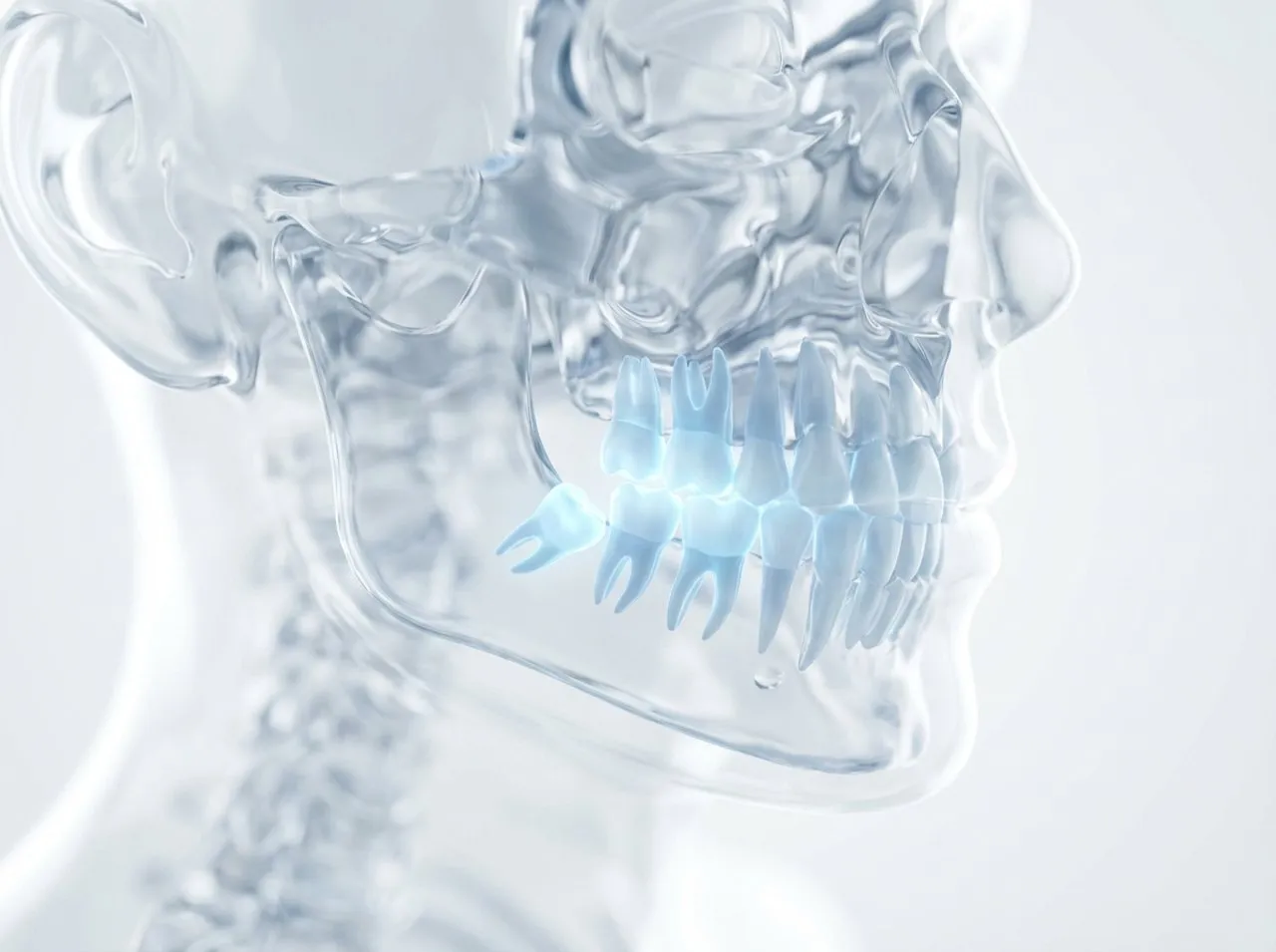
The swelling is caused by postoperative oedema. It is a normal inflammatory reaction of the soft tissue. Cooling often reduces its extent and the feeling of tightness. Jaw pain after wisdom tooth surgery is often muscular. The masseter muscle reacts sensitively to opening the mouth. This sometimes leads to trismus and restricted jaw mobility. Earache after wisdom tooth surgery can radiate. Temporomandibular structures share neural pathways. This is usually harmless and temporary. Difficulty swallowing after wisdom tooth surgery is also possible. Swelling in the throat area can irritate swallowing. Any breathing problems require immediate medical assessment.
Pain treatment: analgesics and anti-inflammatory medication
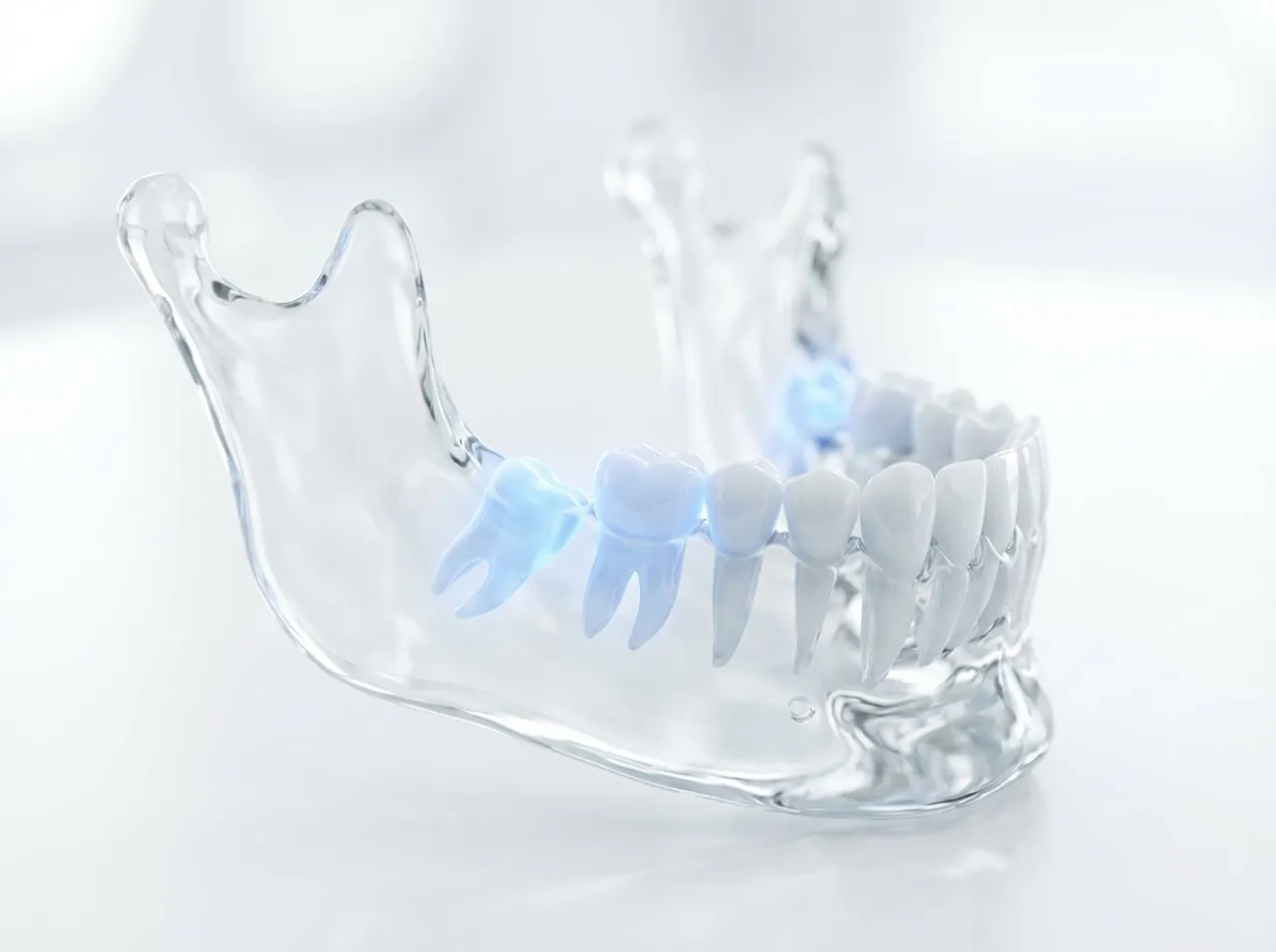
NSAIDs such as ibuprofen are often used. Paracetamol may be an alternative, depending on contraindications. If a painkiller does not help, we will investigate the issue. Sometimes the dose is too low or the dosing intervals are incorrect. Sometimes a complication is the actual cause. A structured medication schedule is important. Cooling intervals and physical rest also help. Alcohol and nicotine should be strictly avoided.
Stitch removal and wound check
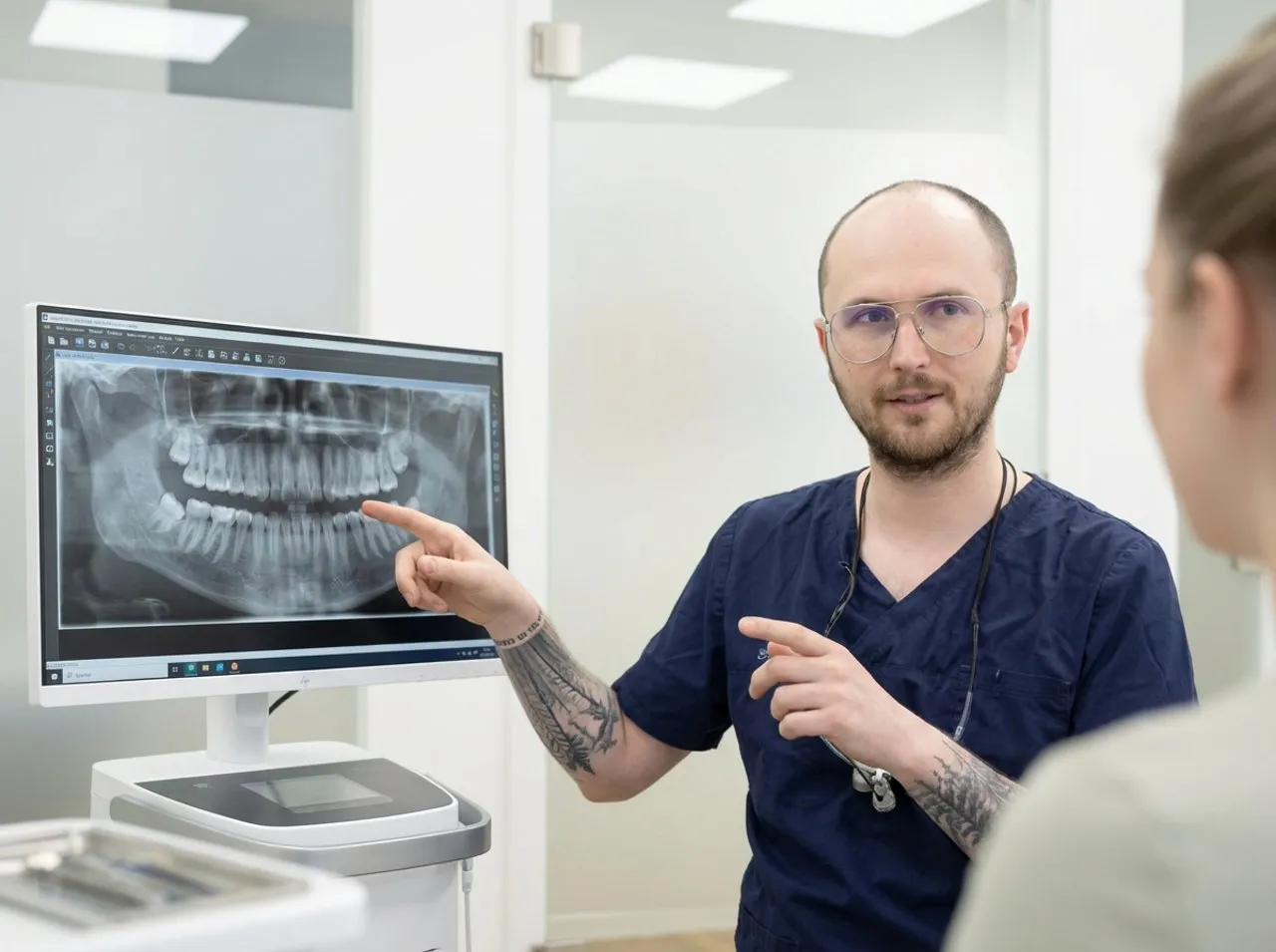
When the stitches are removed depends on your individual healing process. This often takes place after seven to ten days. Resorbable suture material sometimes makes removal unnecessary. Many people fear that the process will be painful. It is usually only briefly uncomfortable. A significant peak in pain is rare.

Sickness absence and ability to resume activities
Many people need to reduce their activity level for three to seven days. Heavy physical work often requires a longer break. Sport increases the risk of post-operative bleeding. Saunas and hot baths are also inadvisable initially. Rest, fluids and soft foods are preferable. However, the healing process is individual and is monitored by our doctors.

Warning signs: when is a check-up important?
Severe pain from the third day onwards is suspicious. This could indicate dry socket. Bad breath and an unpleasant taste are also typical. If the numbness does not wear off after wisdom tooth surgery, it should be investigated. Persistent reduced sensation requires prompt diagnostic assessment. This applies particularly to the tongue or lips.
Conclusion: is wisdom tooth surgery ‘bad’?
Medically, wisdom tooth surgery is a routine procedure with a good prognosis. Planning, atraumatic technique and consistent aftercare are crucial. At Wunschlachen, we provide transparent advice based on clinical need. We explain the risks, alternatives and phases of healing. This gives you reassurance before, during and after the procedure.
Your dental practice in Berlin – Locations
Our dental practices in Berlin are located in Reinickendorf, Schöneberg, Friedrichstraße and Charlottenburg. We offer you high-quality treatments and modern technology. Book an appointment with the dentist now, online or by telephone, for a radiant smile.
General Dentistry and Surgery
Reinickendorf
Zahnarzt & Implantate
Gotthardstr. 27, 13407 Berlin Tel.: 030 / 495 20 10[email protected]Mo-Do: 08:00–20:00 Fr: 08:00–14:00
Mehr erfahrenSchöneberg
Zahnarzt & Implantate
Bayerischer Platz 7, 10779 Berlin Tel.: 030 / 854 44 83[email protected]Mo-Do: 08:00–20:00 Fr: 08:00–14:00
Mehr erfahrenFriedrichstraße
Zahnarzt & Implantate
Friedrichstraße 147, 10117 Berlin Tel.: 030 / 959 990 644[email protected]Mo-Do: 09:00–18:00 Fr: 09:00–14:00
Mehr erfahrenCharlottenburg
Zahnarzt & Implantate
Savignyplatz 5, 10623 Berlin Tel.: 030 / 233 290 390[email protected]Mo-Do: 09:00–18:00 Fr: 09:00–13:00
Mehr erfahrenOrthodontics and Paediatric Dentistry
Reinickendorf
Kieferorthopädie & Kinderzahnmedizin
Gotthardstr. 27, 13407 Berlin Tel.: 030 / 495 20 10Mo-Do: 08:00–20:00 Fr: 08:00–14:00
Mehr erfahrenSchöneberg
Kieferorthopädie & Kinderzahnmedizin
Bayerischer Platz 7, 10779 Berlin Tel.: 030 / 854 44 83Mo-Do: 08:00–20:00 Fr: 08:00–14:00
Mehr erfahrenFAQ – Frequently asked questions about wisdom tooth surgery
Usually not during the procedure, thanks to the anaesthetic. Afterwards, wound pain is normal and can be treated effectively.
Depending on the tooth’s position, a flap is raised, an osteotomy performed and the tooth extracted. Finally, the socket is rinsed and sutures are placed.
The first two to three days are often the most painful. The pain usually decreases significantly within a week.
Cooling, rest and a fixed analgesic schedule help. If your symptoms worsen, contact the practice.
NSAIDs such as ibuprofen are often used. If needed, alternatives may be considered after taking your medical history.
The chewing muscles are often overstrained. Trismus can also result from tissue irritation.
It is usually referred pain. A check-up is important if you have a fever or signs of pus.
Often after seven to ten days. The timing depends on wound stability and healing.
It is usually only briefly noticeable. The mucous membrane has often already stabilised by then.
Cooling, keeping your head elevated and prescribed medication help. Avoid smoking and hard meals late at night.