
Pain with braces: causes, duration and relief
Braces work with small, carefully controlled forces. These forces temporarily irritate the tissues supporting the teeth. This often causes pain from pressure. Braces only hurt for a limited period. With good guidance, the treatment remains easy to manage.
Über 350 Google-Bewertungen
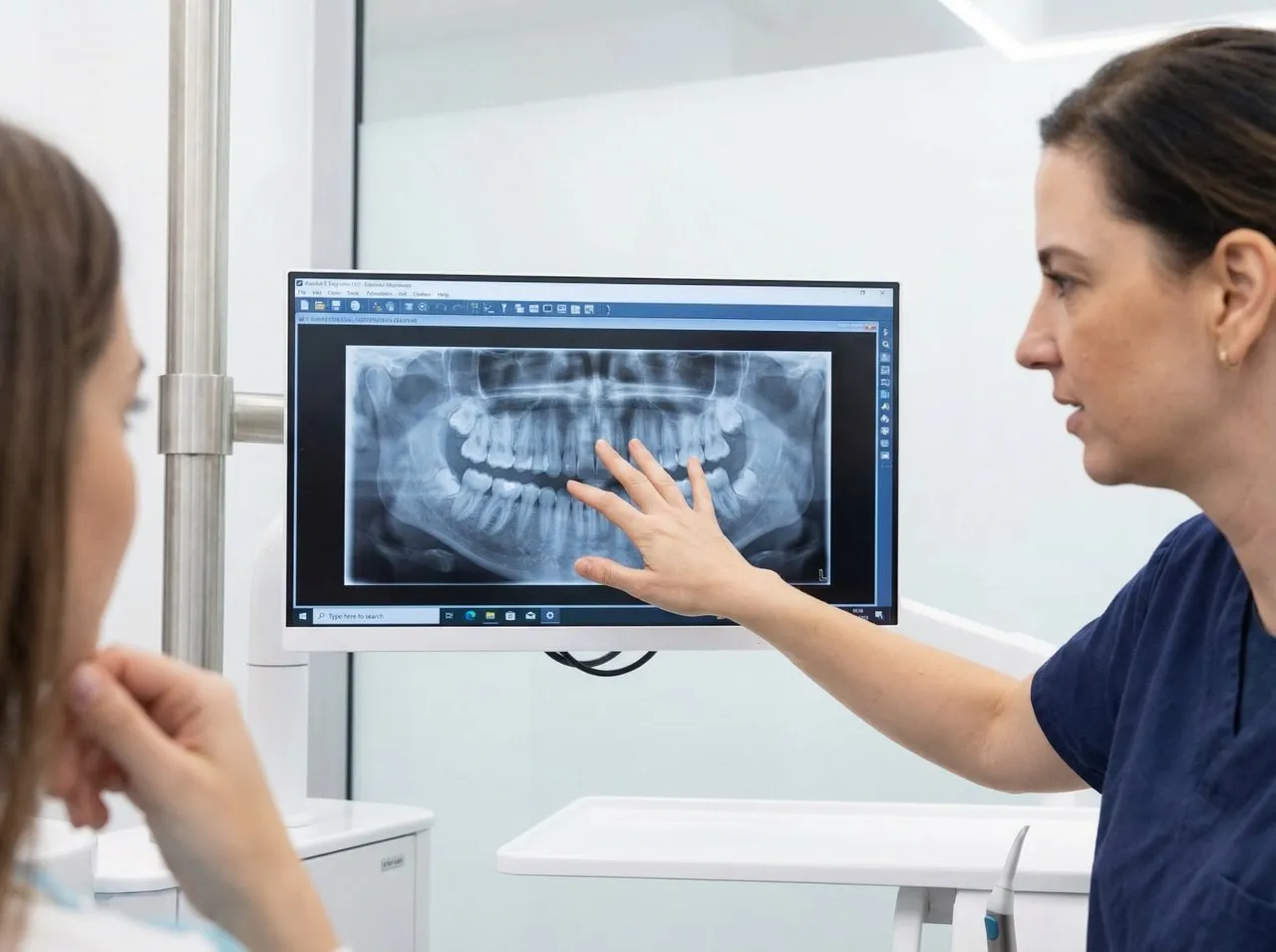
What happens in the tissue
Teeth sit in the alveolar process, but are not rigidly fixed. They are suspended elastically by the periodontal ligament. When the teeth move, zones of pressure and tension develop. Blood flow in the pressure zone temporarily decreases. Inflammatory mediators such as prostaglandins increase. This causes a pulling sensation, pressure or a dull ache.

Typical course after fitting and check-ups
After fitting, sensitivity often begins within hours. It is often at its worst on the second day. After that, it usually decreases significantly. After each check-up, it may start to feel tight again. An archwire change increases tension in the system. New elastics also alter the occlusion.
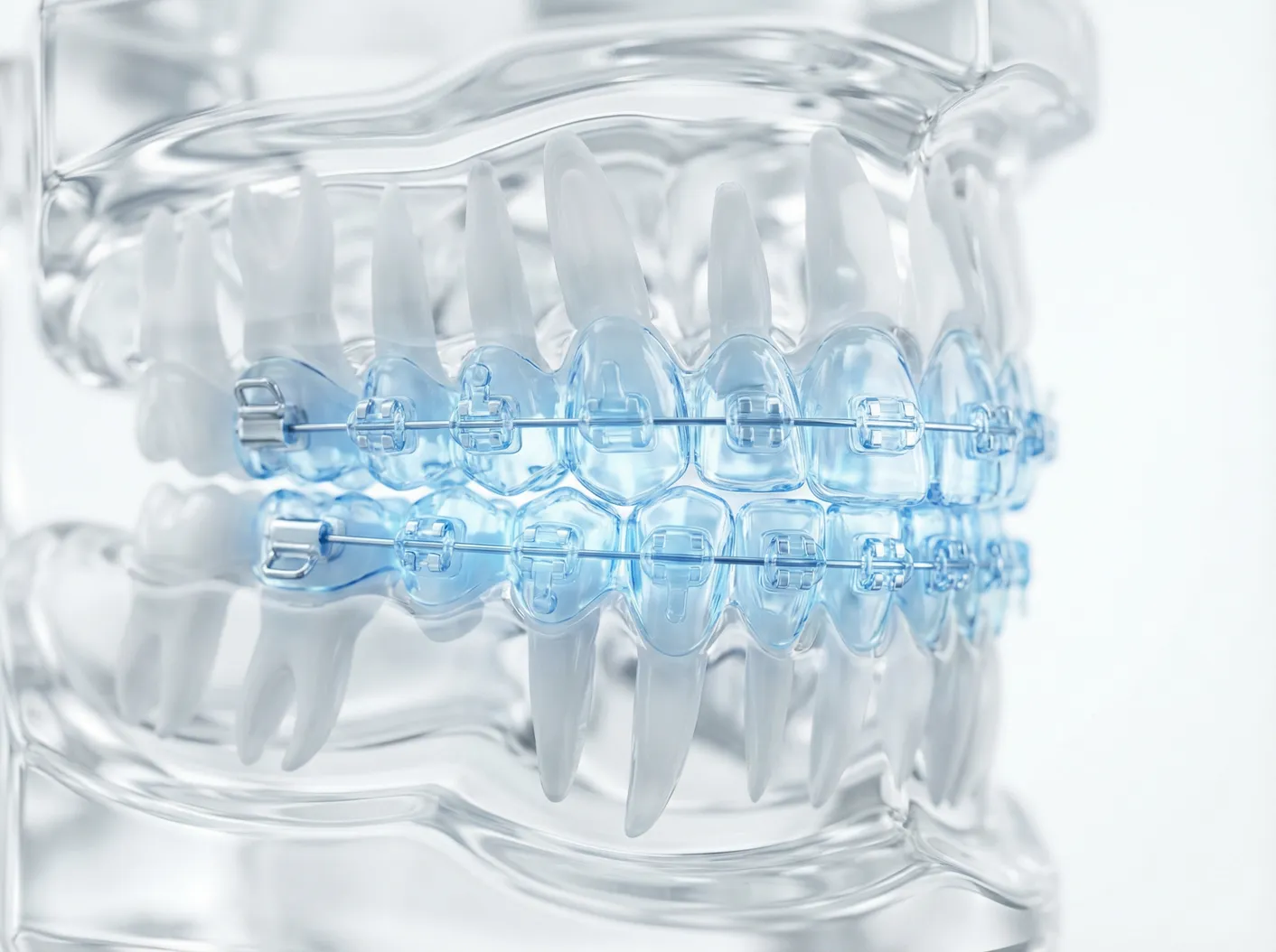
Fixed braces: why pain can be localised
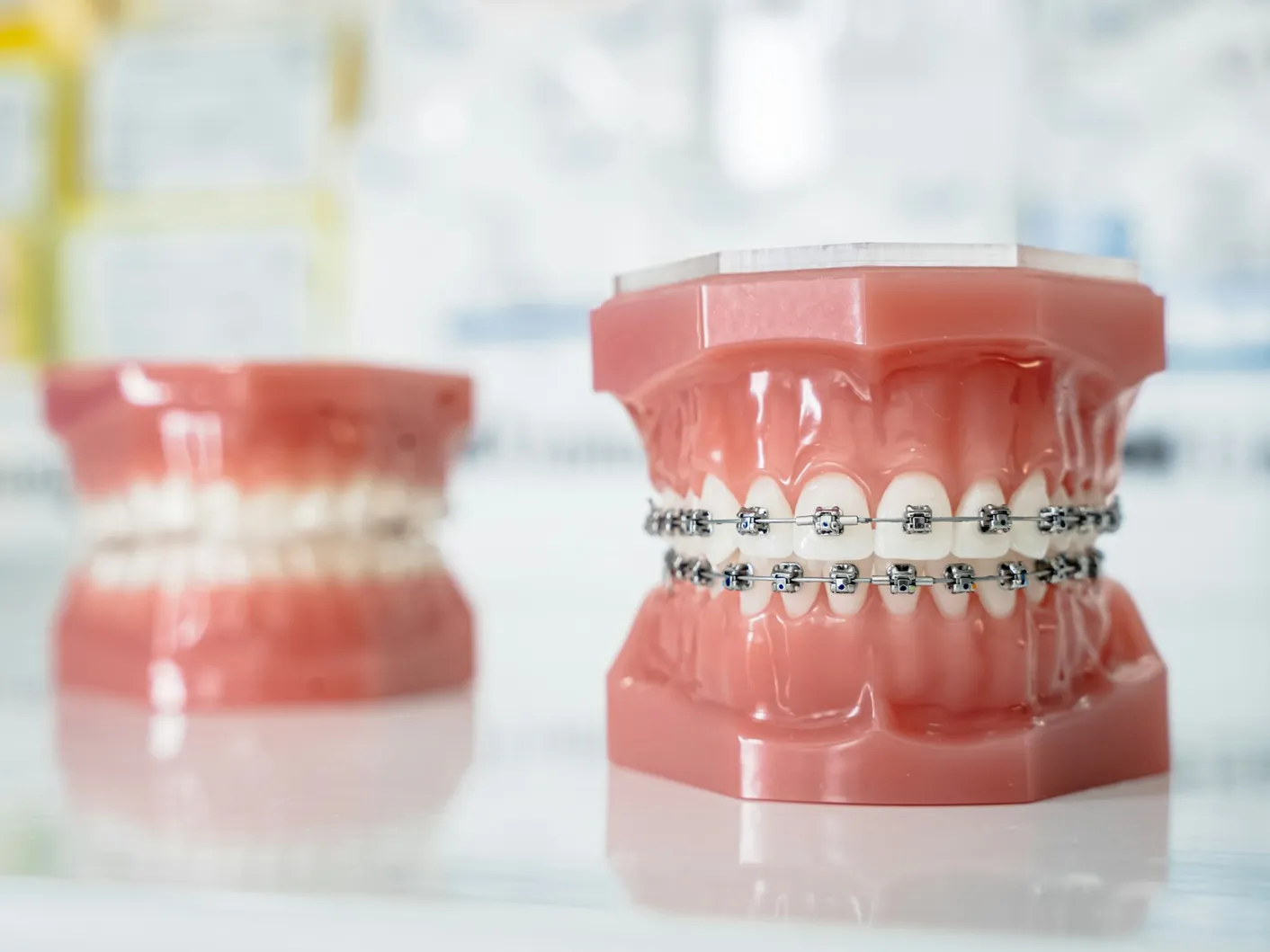
With brackets, the force acts directly on the tooth. A Nitinol archwire provides a constant restoring force. As a result, individual teeth often react more strongly. Fixed braces place localised pressure on the teeth. This means that pain can occasionally occur at specific points. Front teeth are often more sensitive.
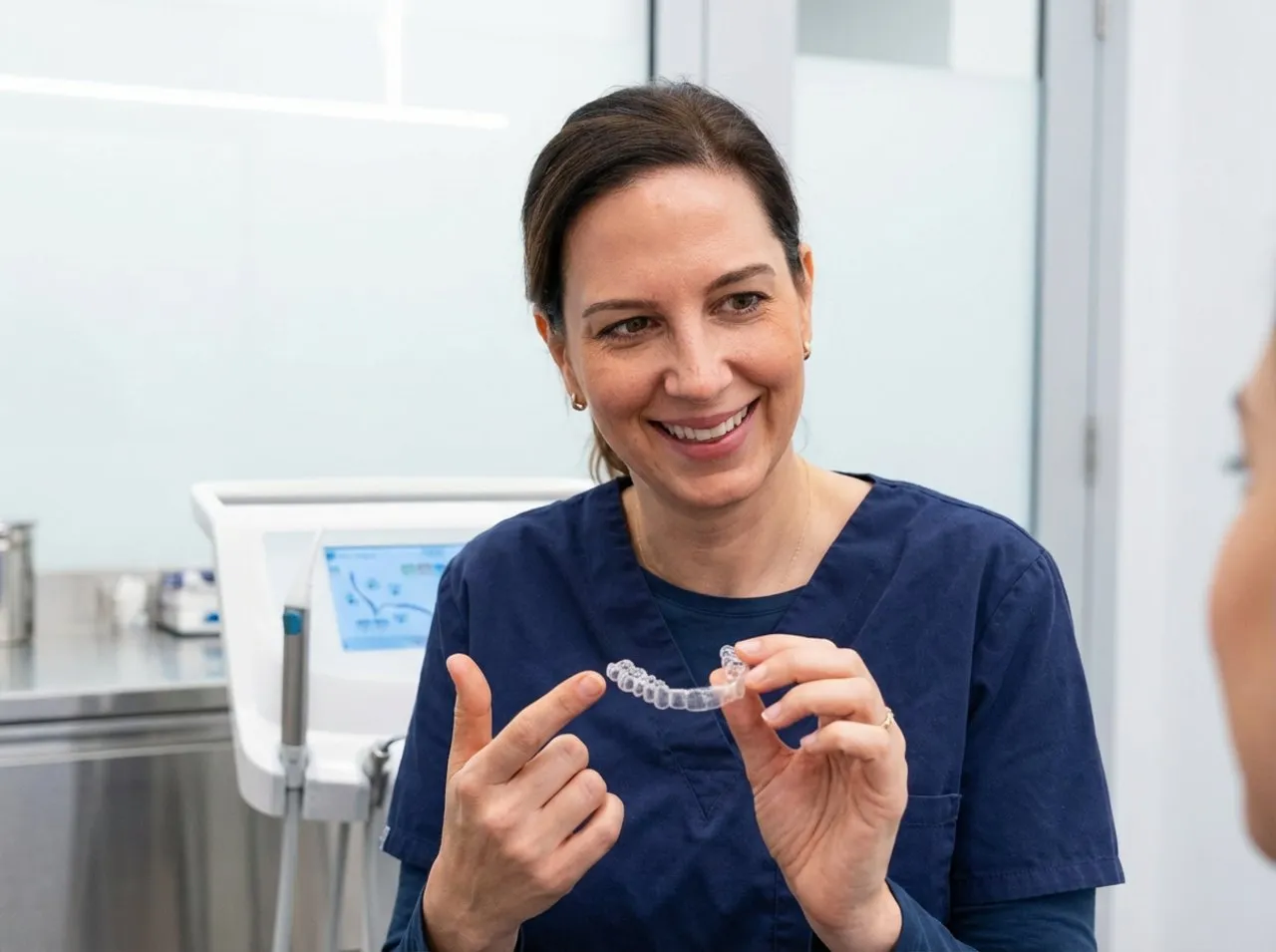
Aligners: a different type of sensation
Aligners distribute forces more evenly across several teeth. The sensation is usually uniform and less localised. Changing to a new aligner can nevertheless cause a pulling sensation. Mucosal irritation is less common with aligners. However, pressure is often felt when putting them in. This is a typical sensation during adjustment.

The mouth lining, aphthous ulcers and pressure sores
Brackets, hooks and archwires can rub. This can cause ulceration or aphthous ulcers. These often sting more intensely than pressure on the teeth. Orthodontic wax protects the area immediately. Apply it to a dry area and press firmly. If wire ends are digging in, a brief appointment can resolve this.
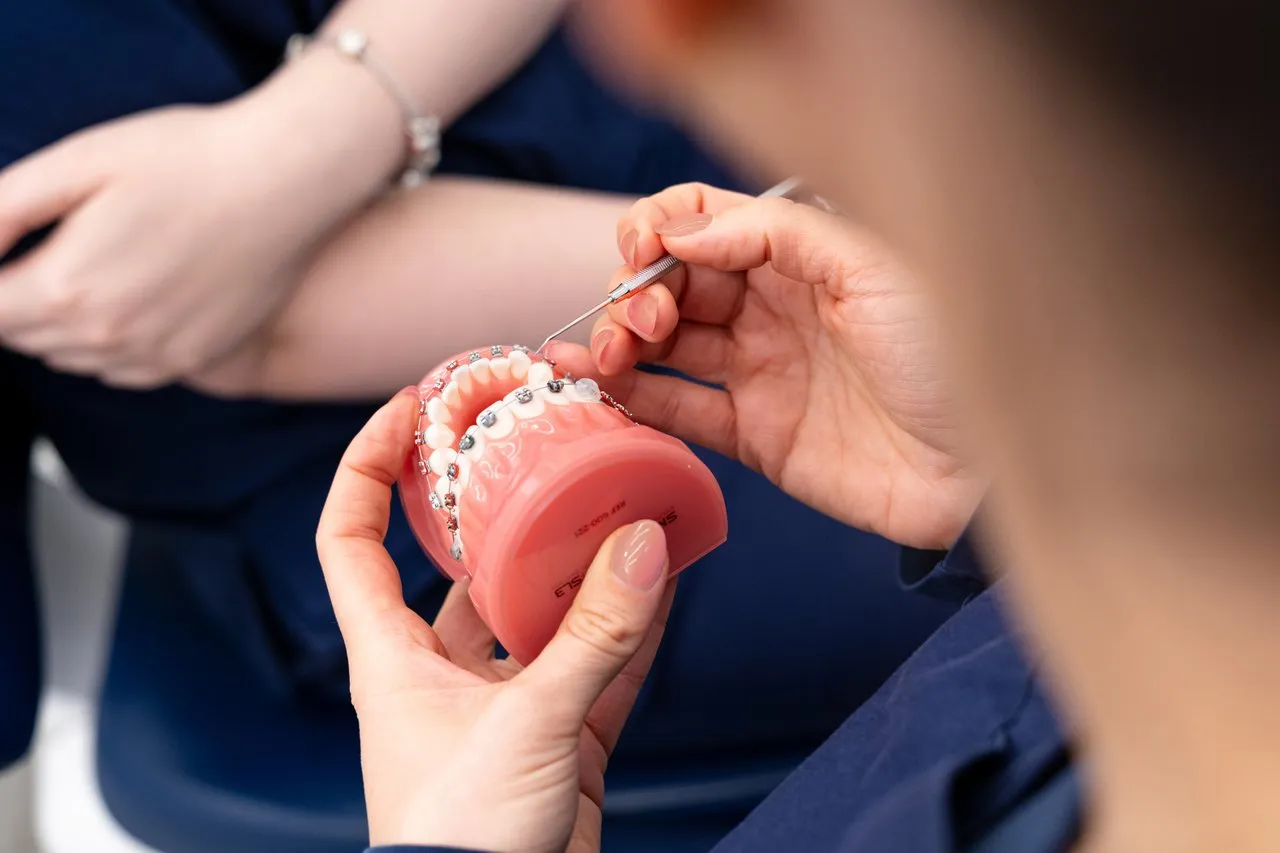
Do fixed braces hurt when eating?
Many people notice pain when chewing. Occlusal pressure directly affects teeth that are being moved. Hard foods increase the feeling of tension. Soft foods relieve the strain during the first few days. Soups, pasta and scrambled eggs are good choices. Cut fruit into small pieces rather than biting into it.
Quick measures at home
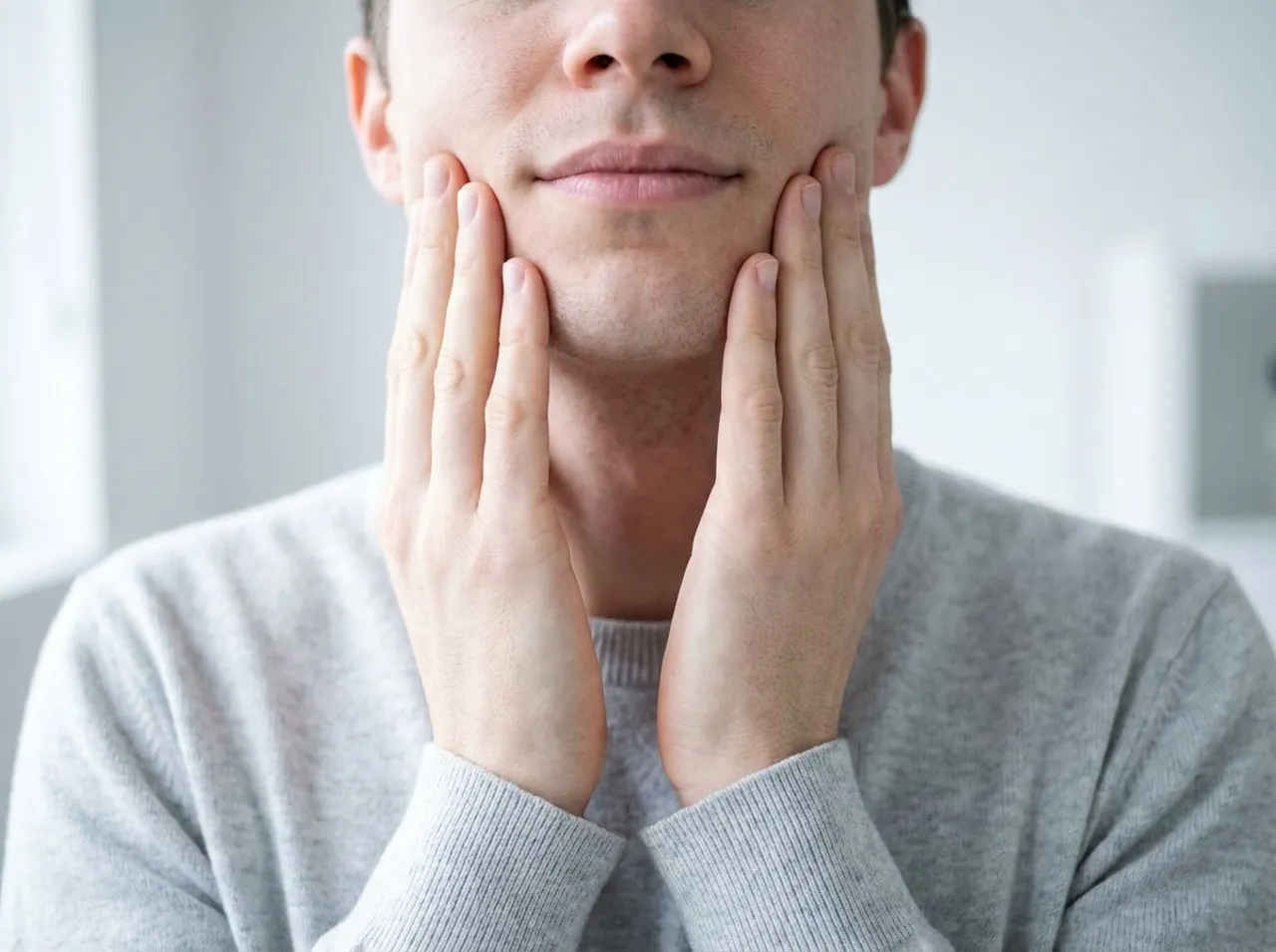
Cool the outside of the jaw at short intervals. Ten minutes is often enough. Use a cloth to protect your skin. Gentle chewing can also help. It improves blood flow in the ligament. Many people then feel less pressure.

Heat for muscle tension
Elastics can overwork the chewing muscles. This can feel like muscle soreness in the jaw. In this case, warmth helps. A warm cloth relaxes the muscles. Gentle stretching exercises can also be used. Avoid yawning widely if it is painful.
Medication: what is advisable?
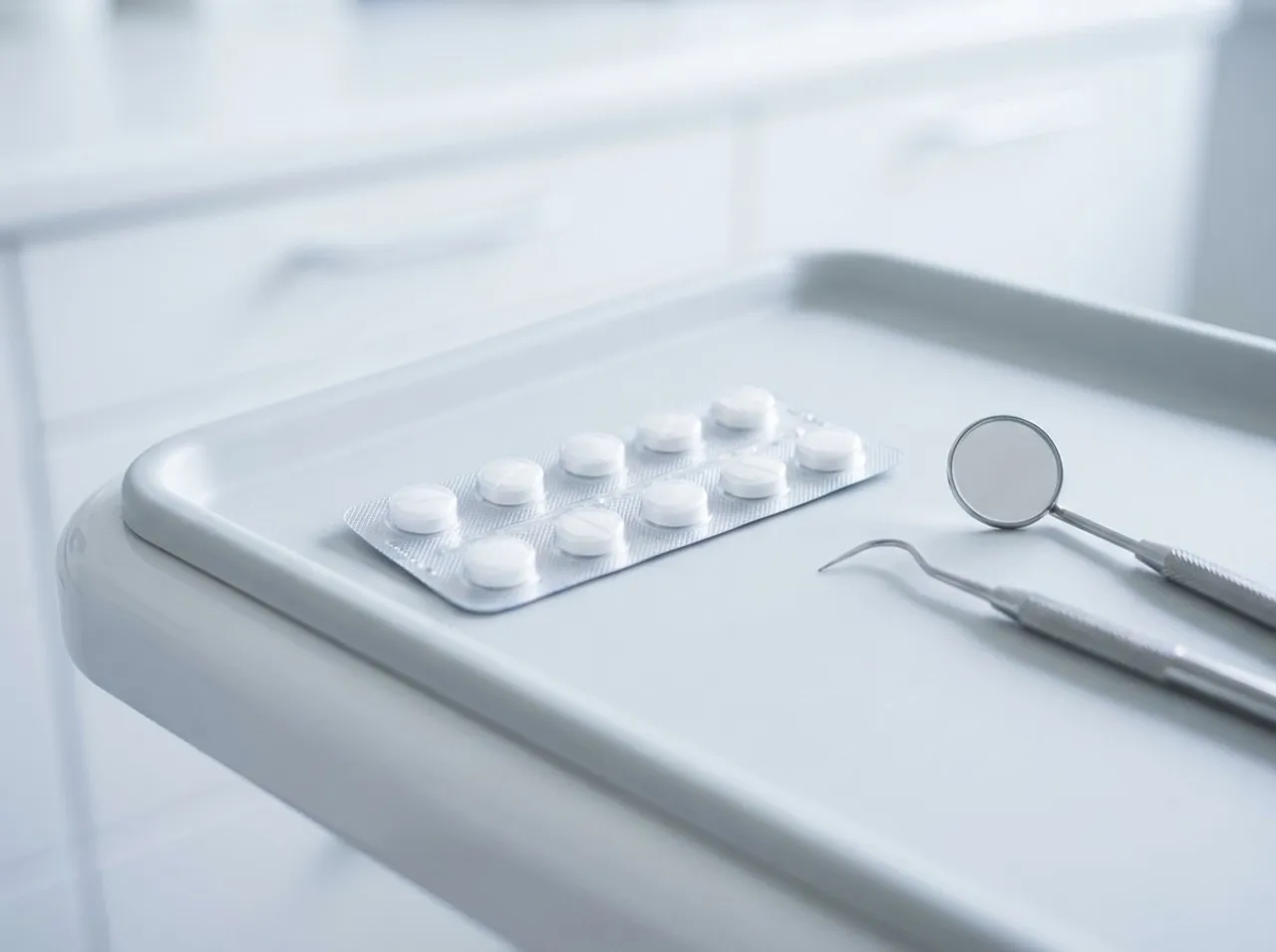
For more severe symptoms, analgesics can help. Ibuprofen also has an anti-inflammatory effect. Paracetamol is a common alternative. Take medicines as directed on the packet. Avoid combinations without medical advice. If you have pre-existing conditions, consult a doctor before taking them.
When pain seems ‘unbearable’
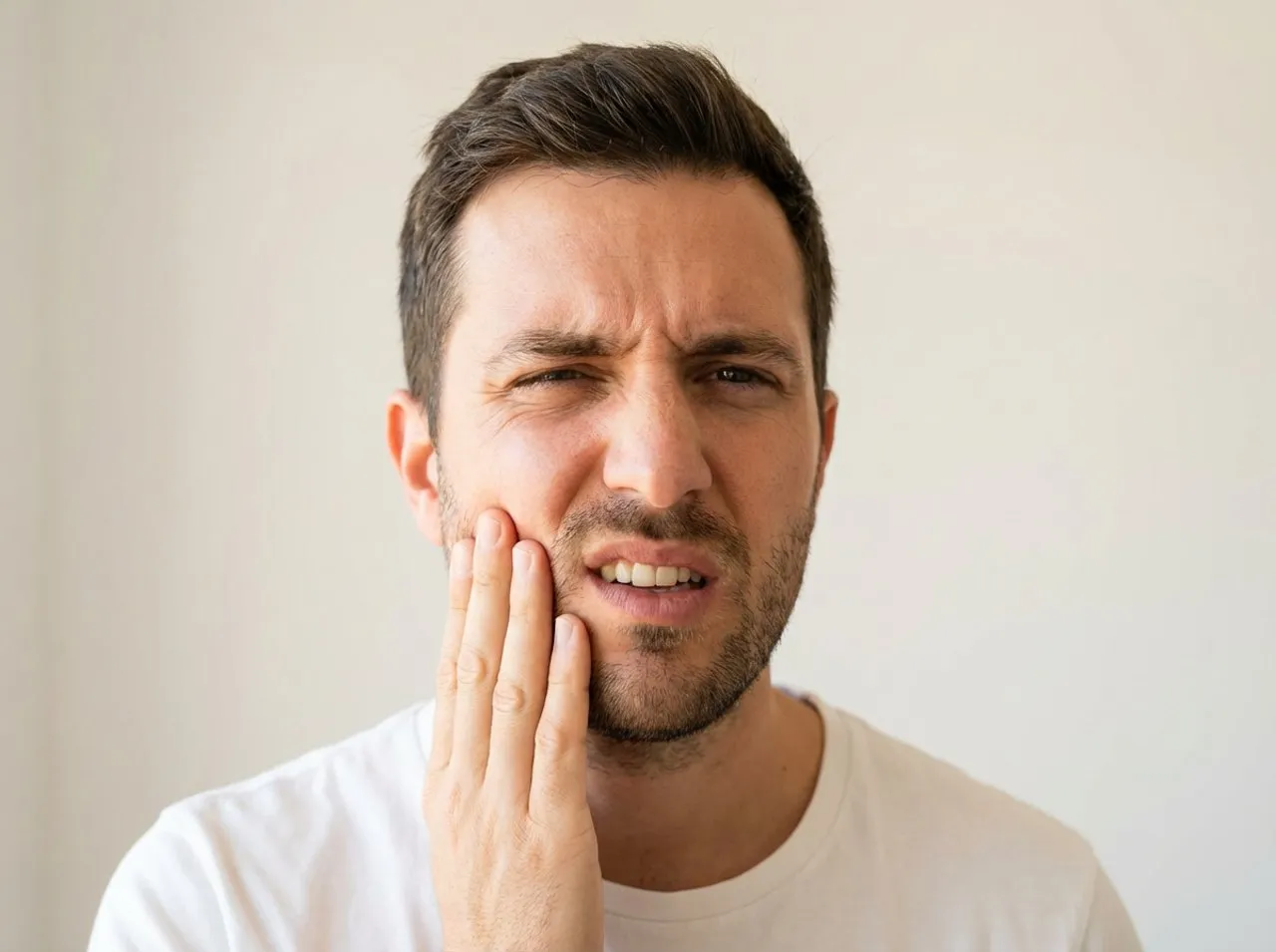
The phrase ‘unbearable brace pain’ is common. However, very severe pain is unusual. There is often a specific cause. A loose bracket can press and rub. An overlong archwire end can dig in. Such causes can be resolved quickly at the practice.
Warning signs that should be assessed
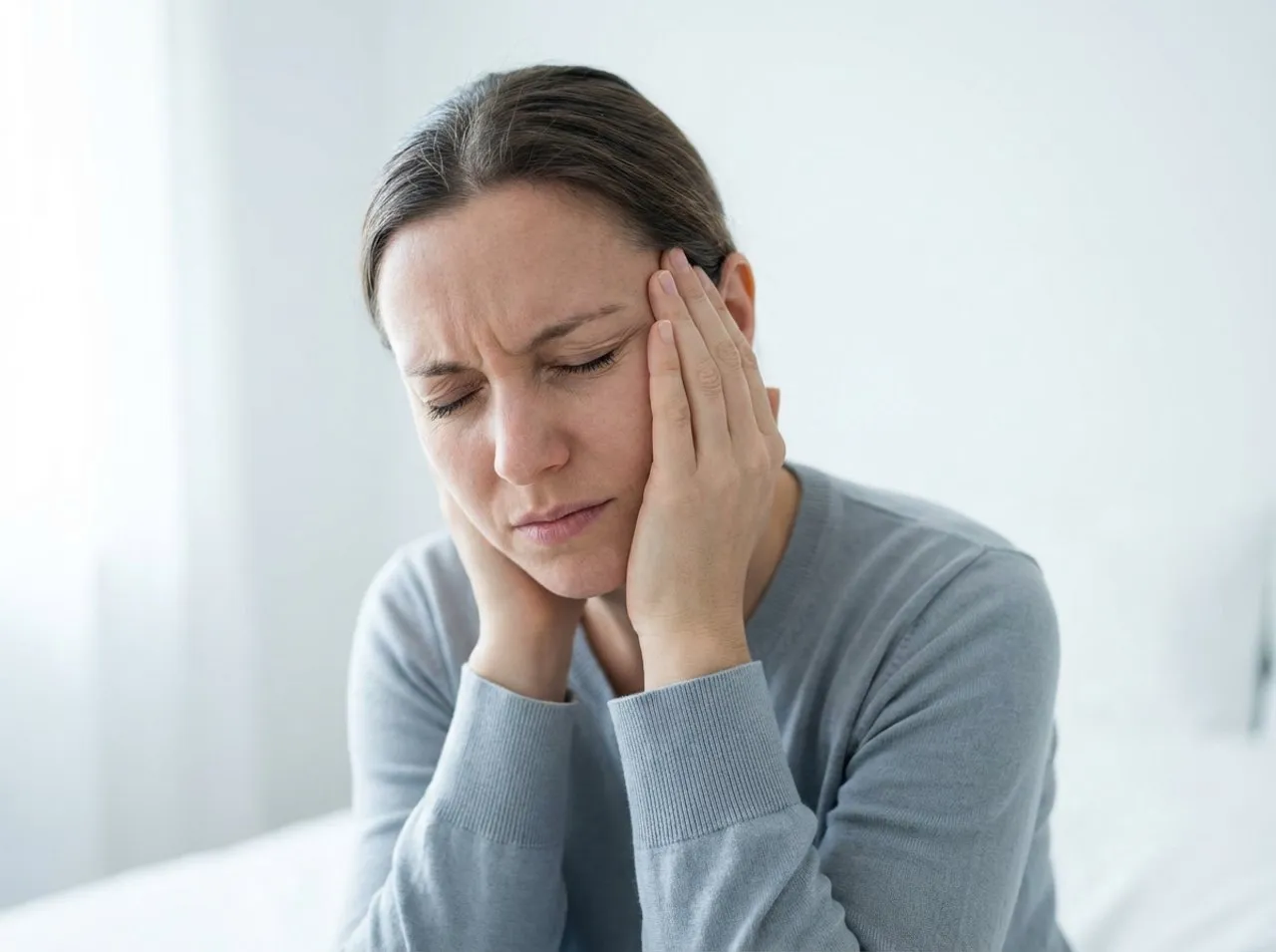
Persistent throbbing pain can indicate pulpitis. Swelling, fever or pus discharge are also warning signs. If this happens, you should see your orthodontist promptly. Severe pain in just one tooth is unusual. This is particularly true in response to cold or heat. We examine the occlusion and hard tooth tissue.
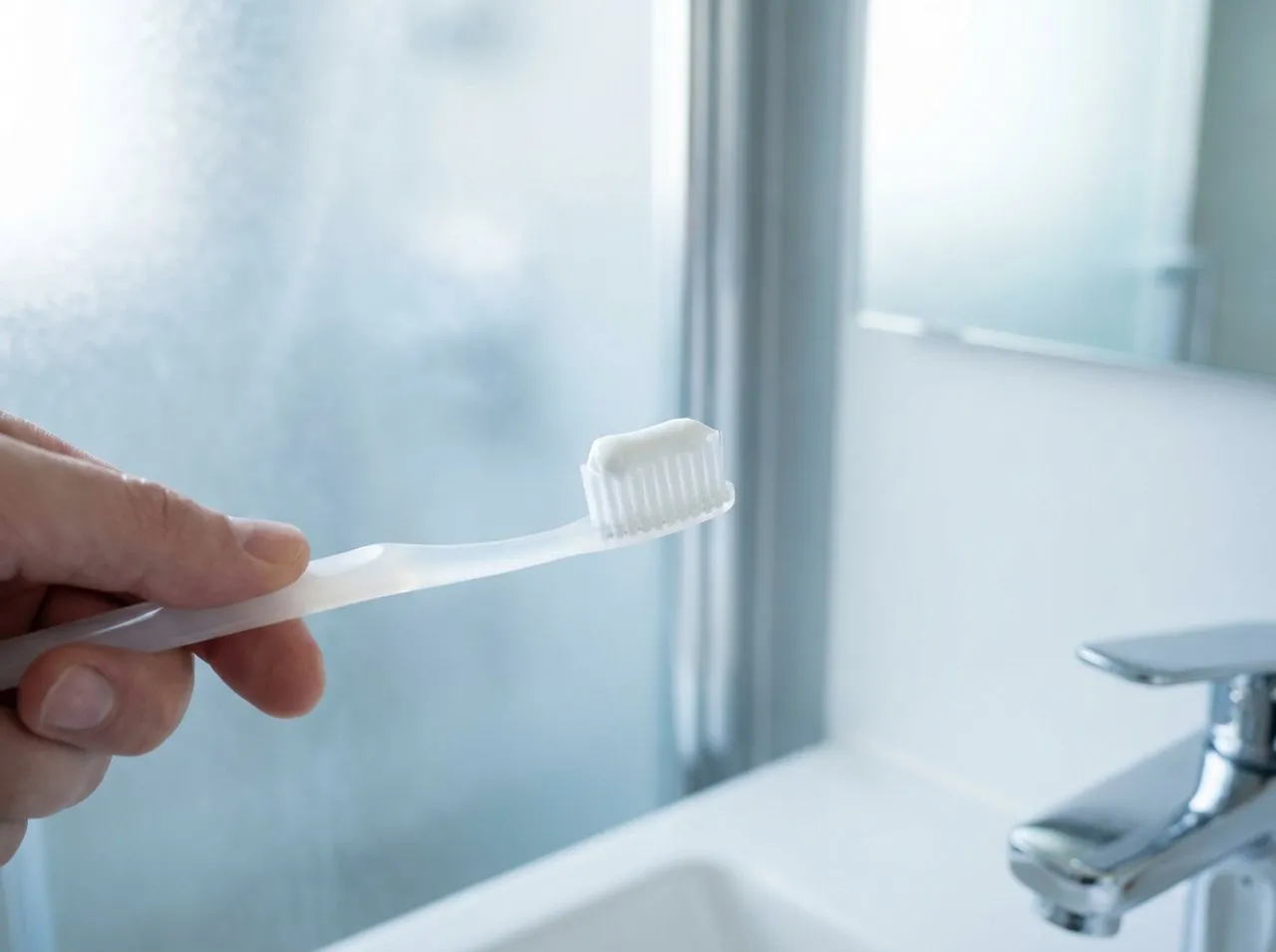
Oral hygiene to help prevent pain
Inflamed gums intensify every sensation of pressure. Plaque promotes gingivitis and swelling. This increases sensitivity when brushing. Use interdental brushes under the wire. Fluoride toothpaste protects the enamel. This reduces the risk of decalcification.
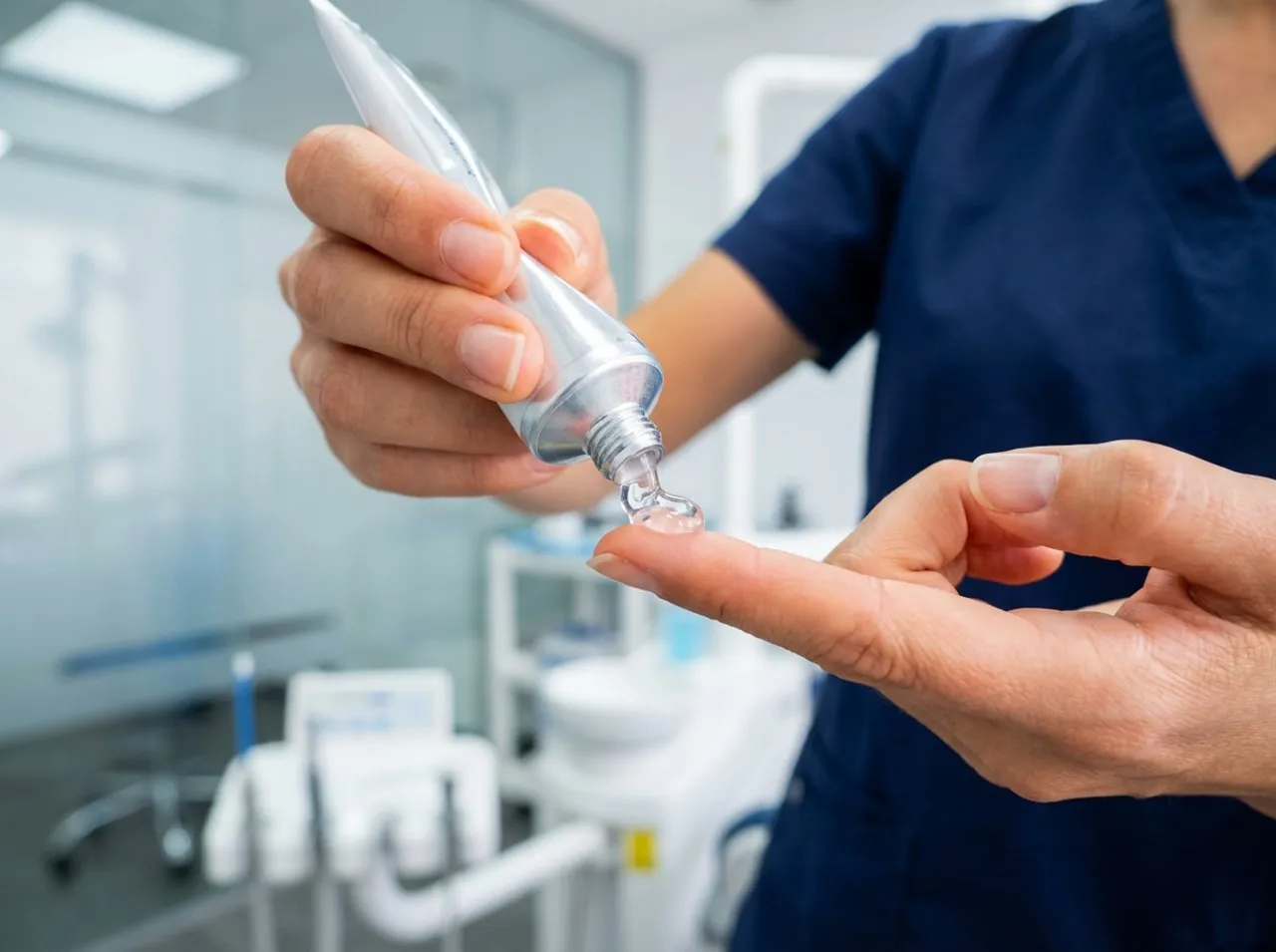
Mouthwashes and protective gels
For an irritated mouth lining, mild mouthwashes can help. Salt water is often sufficient. Mouthwashes containing alcohol, on the other hand, often sting. Chlorhexidine gel can help in the short term with severe gingivitis. Only use it for a few days. Otherwise, discolouration may occur.
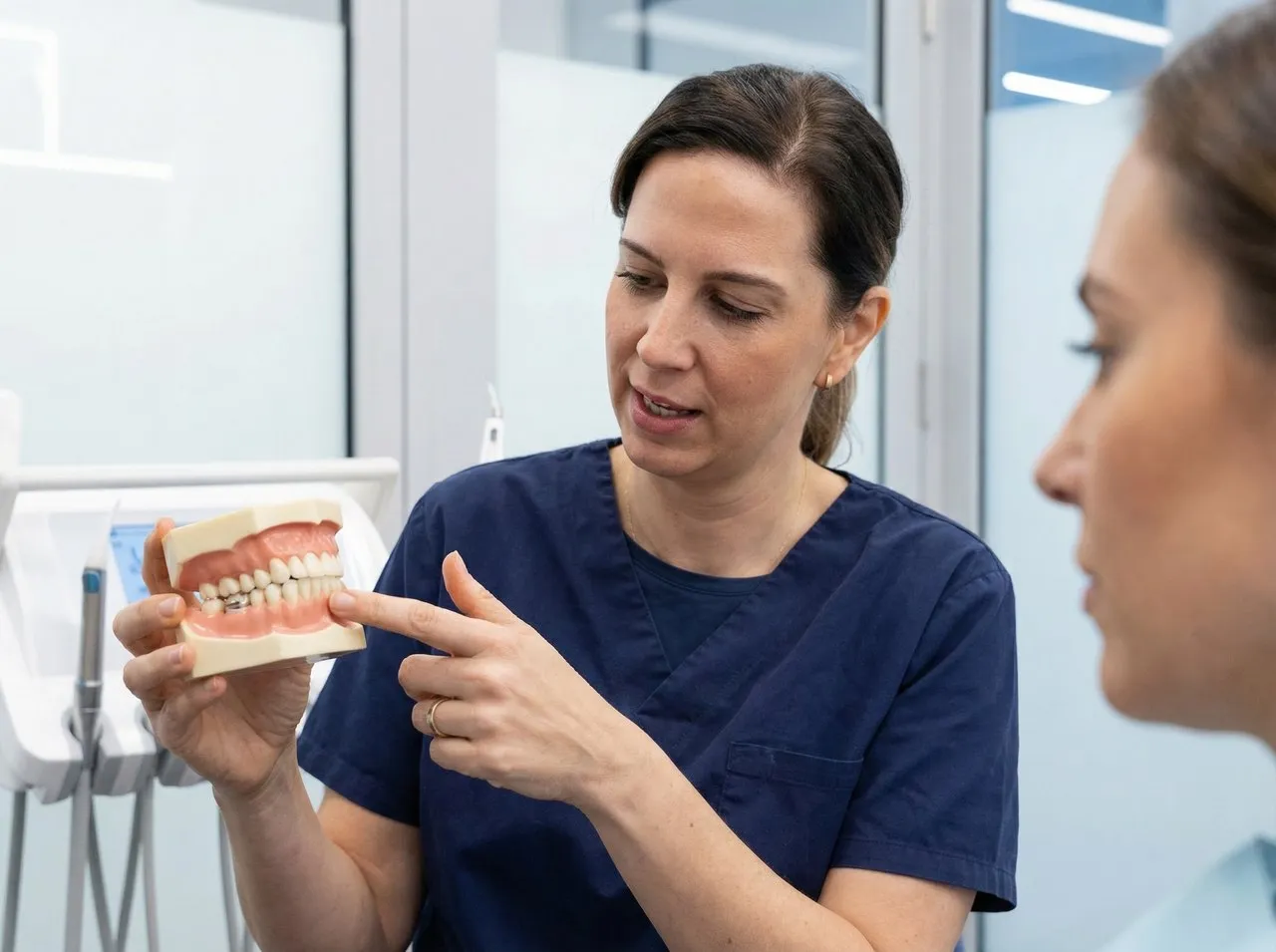
Retention and new pressure points
The active phase is often followed by retention. Retainers stabilise the position of the dental arch. This can also cause brief pressure. The cause is usually new contact points in the bite. Small interferences can be corrected. This keeps the result stable in the long term.
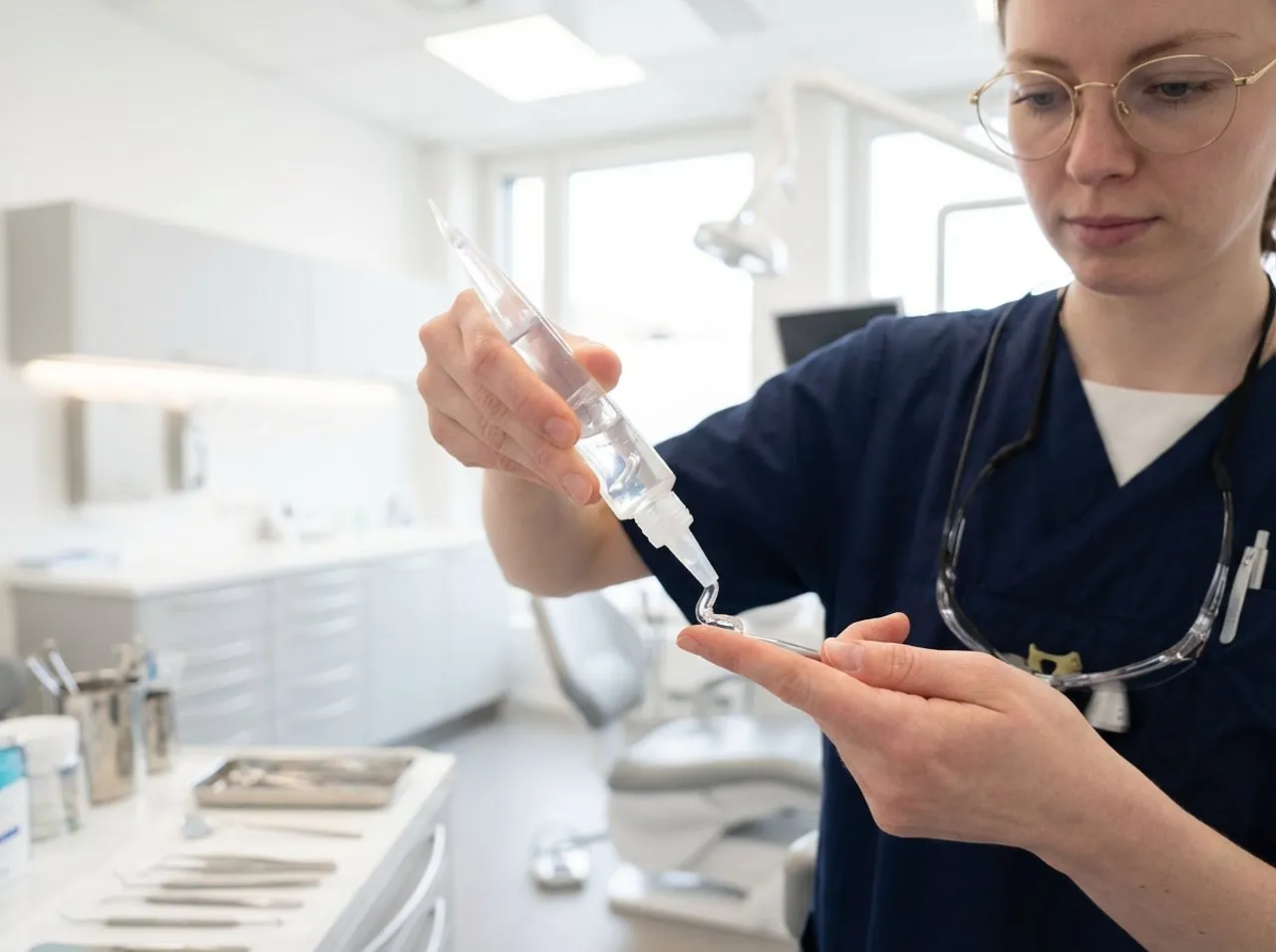
Everyday life, sport and useful aids
Speech is often affected at school or work. The tongue touches new edges inside the mouth. This usually returns to normal after a few days. A mouthguard is advisable for contact sports. It protects the lips and brackets. Lip balm also reduces friction against the mouth lining.

How we support you at Wunschlachen
We tailor forces to your clinical findings and biotype. If necessary, we use more flexible archwires. We also check the occlusion specifically. We treat pressure sores promptly. Wire ends are shortened and smoothed. This usually relieves symptoms quickly.
Conclusion
Pain with braces is usually a normal reaction. It is caused by bone remodelling. Simple measures can help manage much of the discomfort.
FAQ – frequently asked questions about pain with braces
Yes, especially after fitting or activation. It usually improves after a few days.
Yes, pressure is part of tooth movement. The periodontal ligament is sensitive.
Often one to three days. With a more extensive adjustment, up to five days.
Brackets transfer forces to specific points. An archwire can place greater strain on individual teeth.
Cooling, soft foods and orthodontic wax often help. An analgesic can be added if needed.
Often yes, because there are fewer distractions. When you are at rest, sensations seem more intense. However, the pressure subsides after a while.
Press wax onto the edge. Lukewarm salt water soothes the mouth lining.
Elastics change the position of the jaws. The chewing muscles have to adapt.
When there is throbbing, swelling or fever. Also if there is pus or numbness.
At first, often yes. Soft foods reduce the strain on the teeth.