
Using paracetamol correctly for toothache
Severe toothache often strikes many patients suddenly. But how effective is this active ingredient really for dental pain? The commonly used active ingredient paracetamol is one of the best-selling painkillers. It is available from pharmacies without a prescription and is considered well tolerated....
Über 350 Google-Bewertungen
Which painkiller should I take for toothache?
Paracetamol can provide short-term relief for mild to moderate toothache and after treatment by dampening pain perception in the central nervous system. It has little anti-inflammatory effect, so it is usually insufficient for severe, throbbing pain caused by root inflammation or deep decay. If symptoms persist, a dentist must investigate the cause; follow the package leaflet or medical advice on use and dosage.
- Key point
- Tends to help with mild symptoms and after procedures; it is not a long-term solution for severe toothache.
- Good to know
- Ibuprofen also reduces inflammation, while paracetamol tends to be gentler on the stomach; the choice depends on the situation.
- When to see a dentist
- For persistent, throbbing or severe pain, to determine the cause.
This does not replace individual dental advice; follow the package leaflet or medical advice on dosage, and do not self-medicate long term.
What is paracetamol?
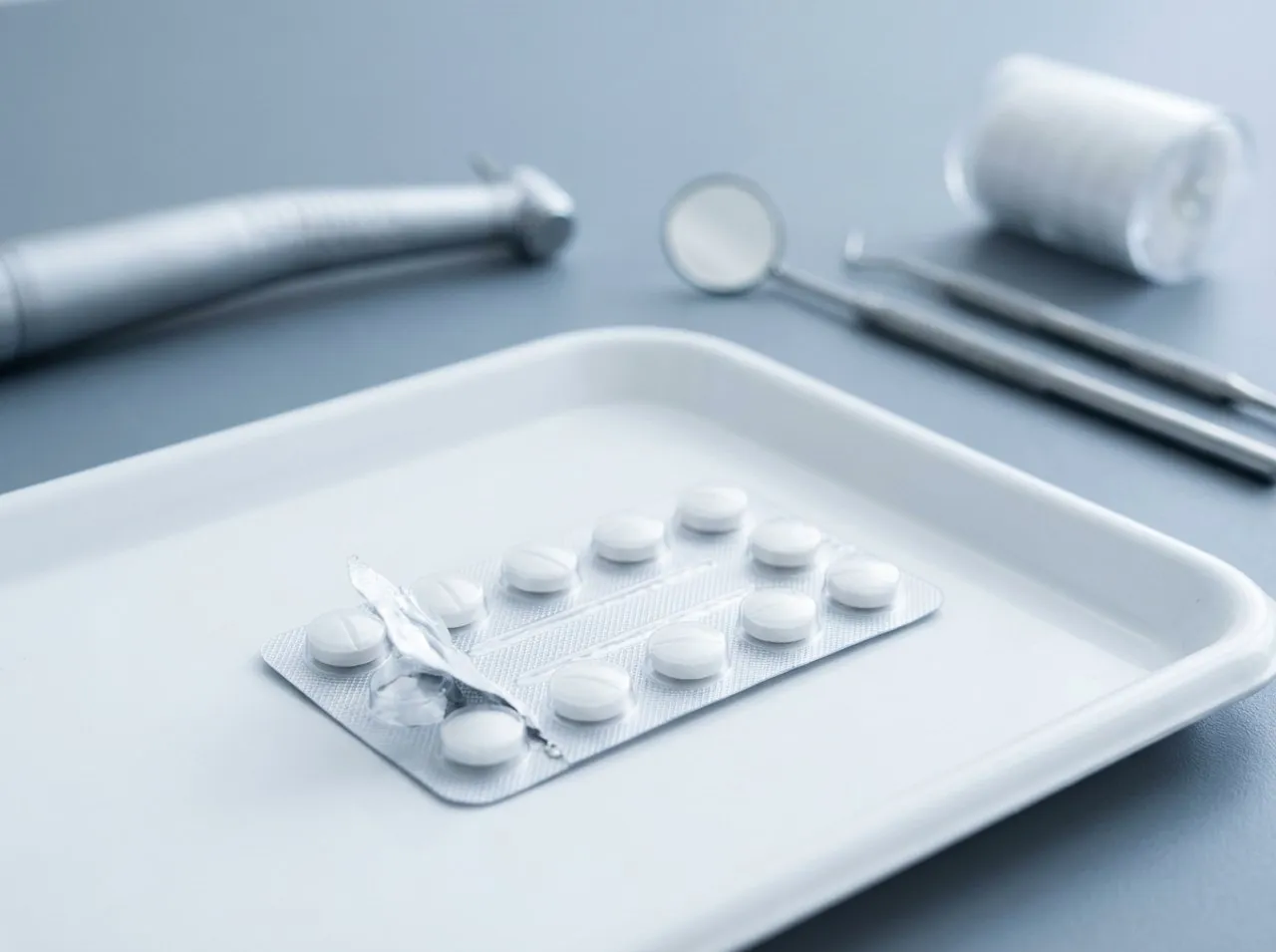
Paracetamol is a medicine that relieves pain and reduces fever. It is used for headaches, limb pain and acute everyday ailments. Many patients also take it for pain in the teeth and jaw. Unlike some other painkillers, it has little anti-inflammatory effect. It mainly affects pain perception in the central nervous system. This is important to bear in mind for certain causes of toothache.
How does paracetamol work for toothache?
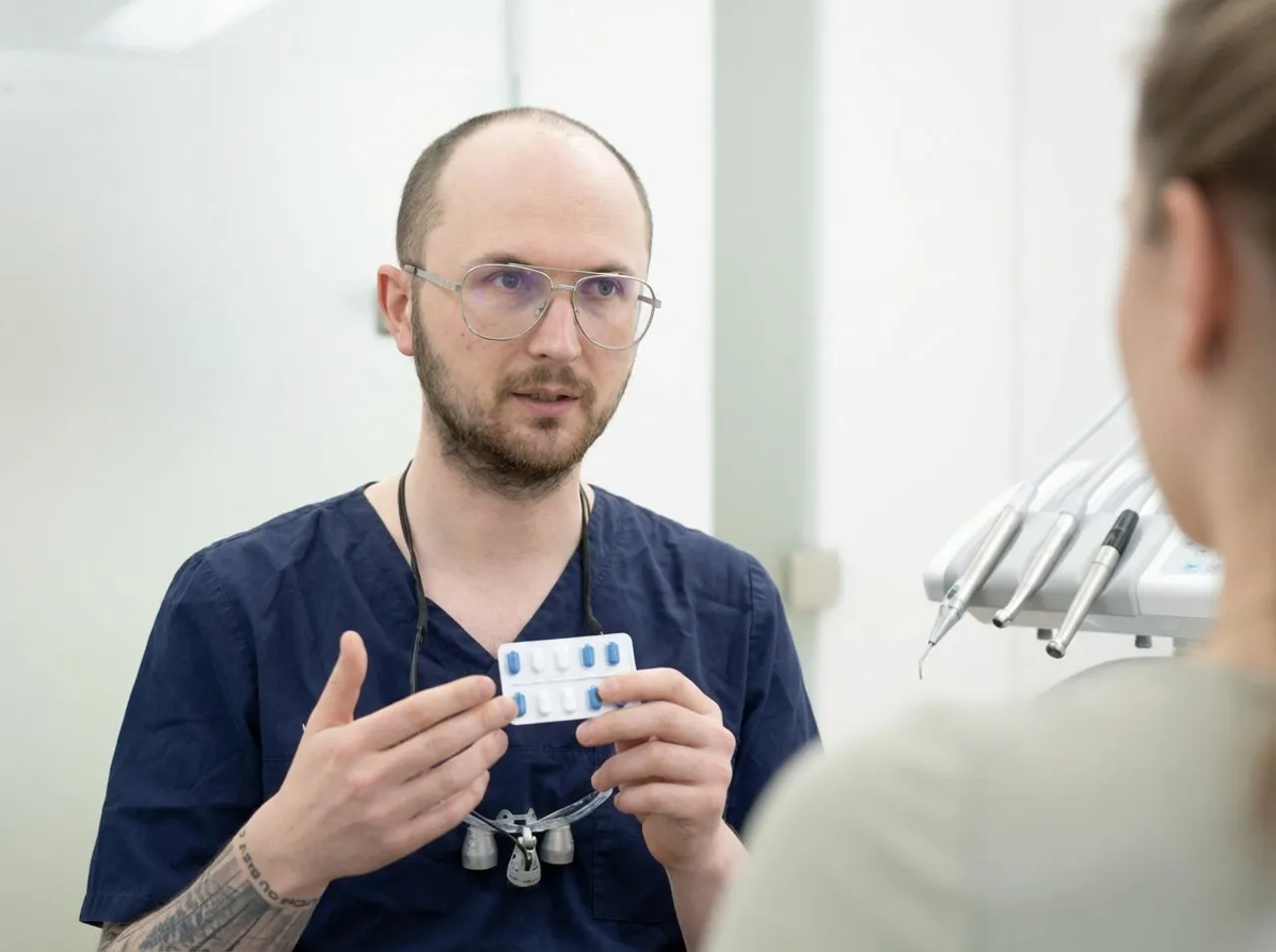
This active ingredient blocks certain chemical messengers that transmit pain signals. This subjectively reduces pain in the mouth and jaw. Many patients report significant but temporary relief. The medicine can be an initial aid, particularly for acute symptoms, for example after a dental procedure or temporary irritation. However, it does not resolve the underlying cause of the pain.

When can this painkiller be useful for dental problems?
The active ingredient for toothache is particularly suitable for mild to moderate symptoms, for example for irritated gums or after treatment. It can also provide short-term relief for sensitive teeth. Severe, throbbing pain often requires the cause to be investigated. This includes, for example, inflammation of the tooth root or deep caries. In such cases, an analgesic alone is generally not enough.
How to take paracetamol tablets correctly
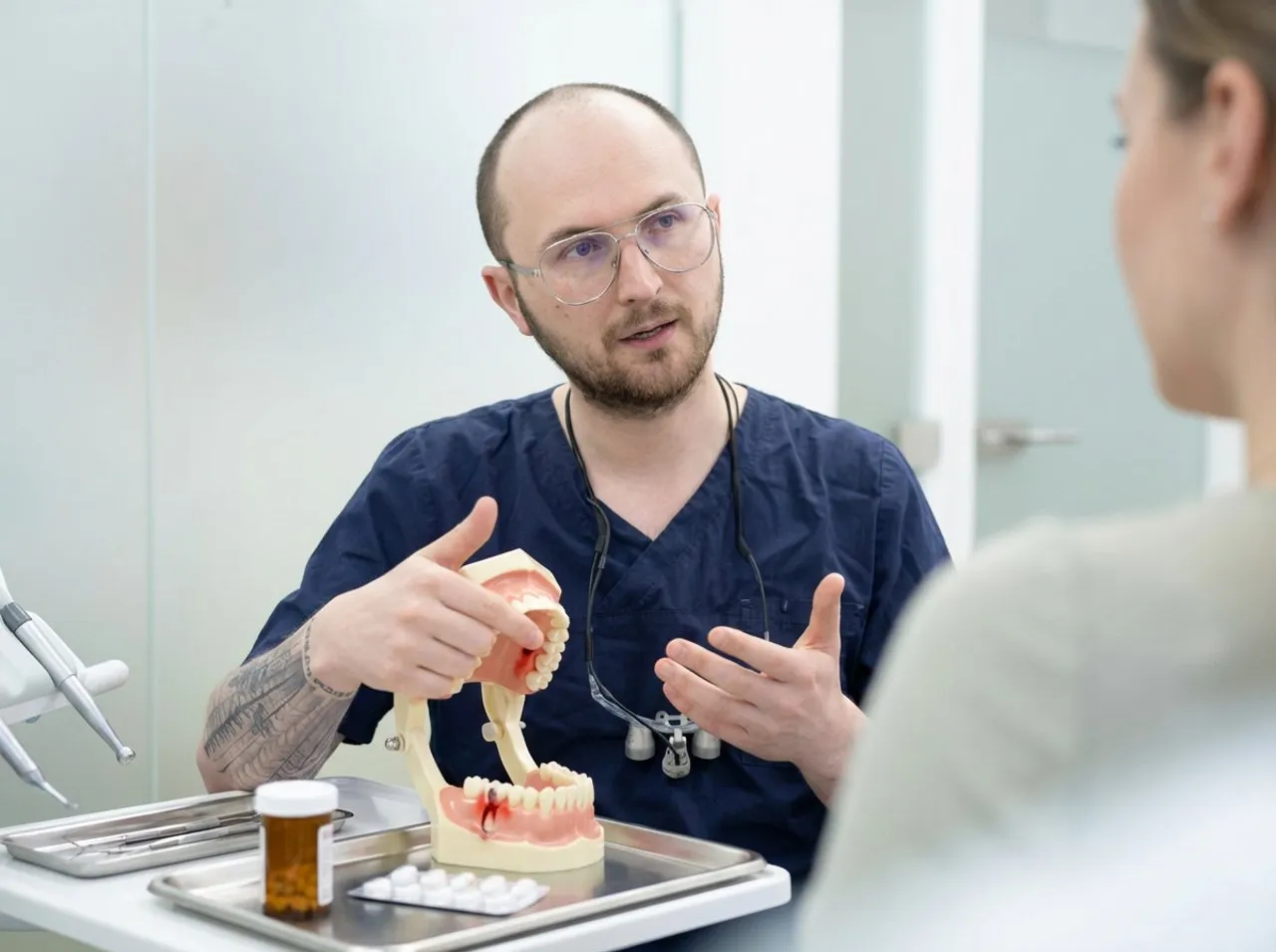
Always take them according to the package leaflet or as recommended by a doctor. Never exceed the stated maximum daily dose. This is particularly important with prolonged or repeated use. Take the medicine with plenty of fluid. Alcohol should be avoided entirely while taking it. If you are unsure, it is advisable to consult a doctor or dentist.
Paracetamol or ibuprofen for toothache?
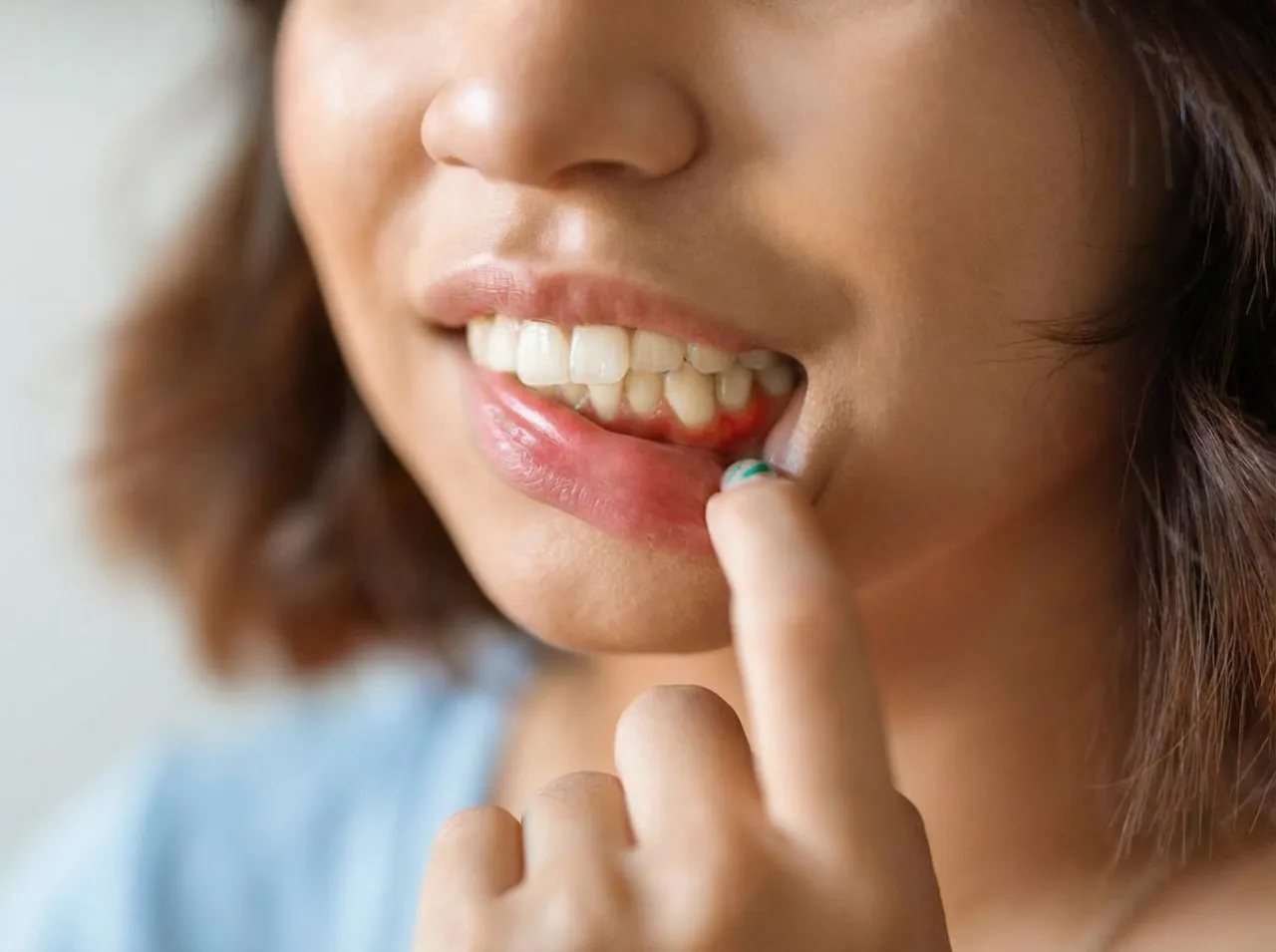
Many patients compare the well-known active ingredient with ibuprofen for toothache. Ibuprofen also has anti-inflammatory effects, which can be beneficial for inflammation. Paracetamol, on the other hand, is often slightly gentler on the stomach. Which medicine is more suitable depends on your situation. Pre-existing medical conditions, other medicines and the cause of the pain all play a role. Ideally, this decision should be made in consultation with a doctor or dentist.

Risks and side effects of the active ingredient
This painkiller is considered well tolerated when taken at the correct dose. The liver is particularly sensitive to excessive doses. An overdose can cause severe liver damage. Long-term use on your own initiative is therefore problematic. Combinations with other products containing paracetamol are also risky. Do not take additional cold and flu medicines containing this active ingredient without checking. The amount of active ingredient can add up unnoticed. If in doubt, it is better to ask than to take too much.

Use in children and during pregnancy
This well-known active ingredient is also frequently used in children. The dosage is strictly based on body weight and age. Parents should never treat children over a longer period without consulting a paediatrician. During pregnancy, paracetamol is considered comparatively well established. Nevertheless, every use should be discussed with a gynaecologist or doctor. It is important to use paracetamol for the shortest possible time at the lowest effective dose. Breastfeeding mothers should also seek advice beforehand.

When is the painkiller no longer enough?
If toothache persists despite taking tablets, caution is needed. Reasonably bearable pain can quickly get worse. Long-term use without a diagnosis merely postpones the problem. Warning signs include severe, throbbing pain or night-time symptoms. Swelling, pus, bad breath or fever should also be taken seriously. In these cases, you should see a dentist promptly.
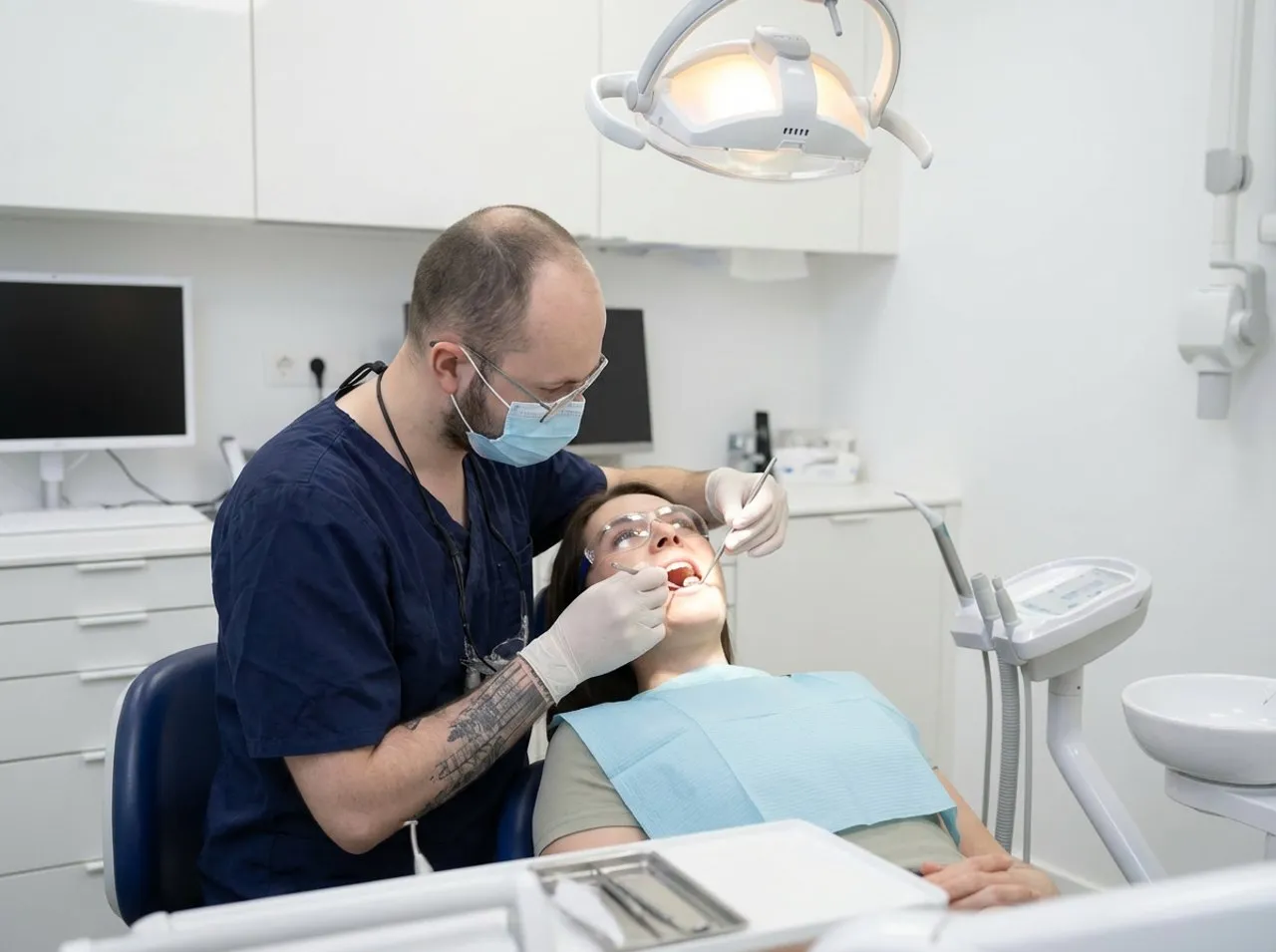
Treatment at Wunschlachen instead of long-term medication
At the Wunschlachen dental practice in Berlin, we see painkillers as a support. They bridge the time until the actual treatment. The cause of your toothache is always our main focus. We investigate whether tooth decay, inflamed roots or gum problems are present. We then plan gentle, sustainable treatment. This usually allows the use of painkillers to be reduced again quickly. We take pre-existing conditions and your current medication into account. The aim is safe pain control alongside healthy healing.
FAQ – Frequently asked questions about paracetamol for toothache
Yes, the medicine can noticeably relieve toothache. However, it only alleviates the pain and does not eliminate the cause.
Ibuprofen also has an anti-inflammatory effect and is often advantageous where inflammation is present. The other active ingredient, on the other hand, is often gentler on the stomach. The choice should be made with medical guidance.
Only use the active ingredient for a short time, until you can see a dentist. Long-term use without a diagnosis is risky and should be avoided.
Taking it before the appointment may reduce pain if it is suitable for you and you follow the package directions and your dental team's instructions. Always tell the dentist which painkiller you have taken.
Combinations are only advisable after consulting a doctor. Incorrect use can increase side effects and strain on organs.
The active ingredient is often preferred, but its use must be agreed with a gynaecologist. It should be taken at the lowest possible dose for the shortest possible time.
See a dentist promptly, for example at Wunschlachen in Berlin. More severe or persistent pain often indicates a cause that requires treatment.
No, the medicine only relieves the symptoms. An inflamed tooth root requires targeted dental treatment.
Yes, but only in a child-appropriate dosage as recommended by a doctor. Never simply split adult tablets or guess the dose.
If you have swelling, fever, night-time pain or symptoms lasting several days. In these cases, an analgesic is not enough and the cause must be treated.