Periodontal diseases: causes, symptoms and treatment
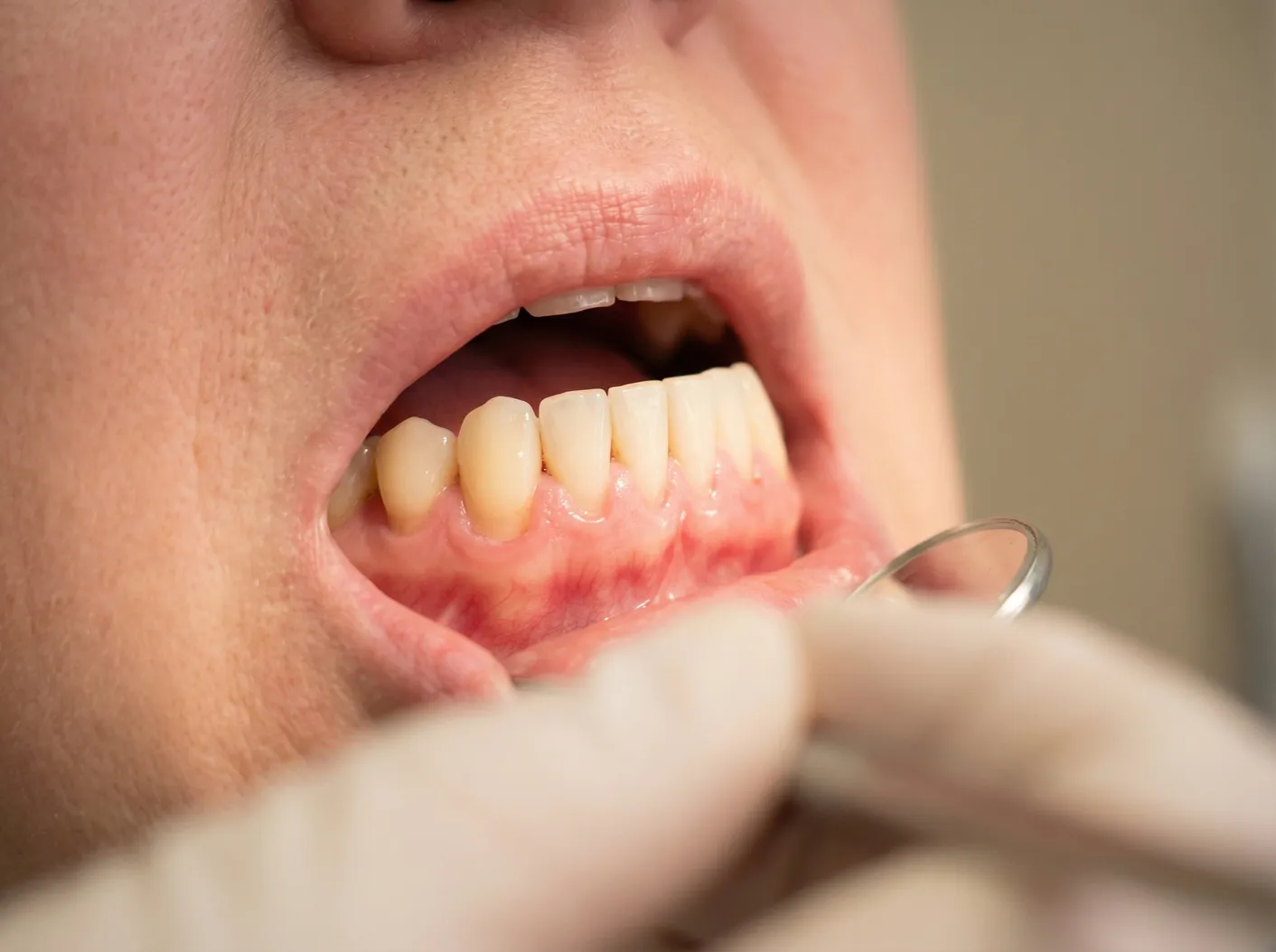
Periodontal diseases affect the supporting structures of the teeth. These include the gums, fibres and jawbone. If left untreated, teeth may become loose and be lost. Many people affected notice nothing for a long time. There is often no pain. This is why early detection is crucial.
Über 350 Google-Bewertungen
What are periodontal diseases?
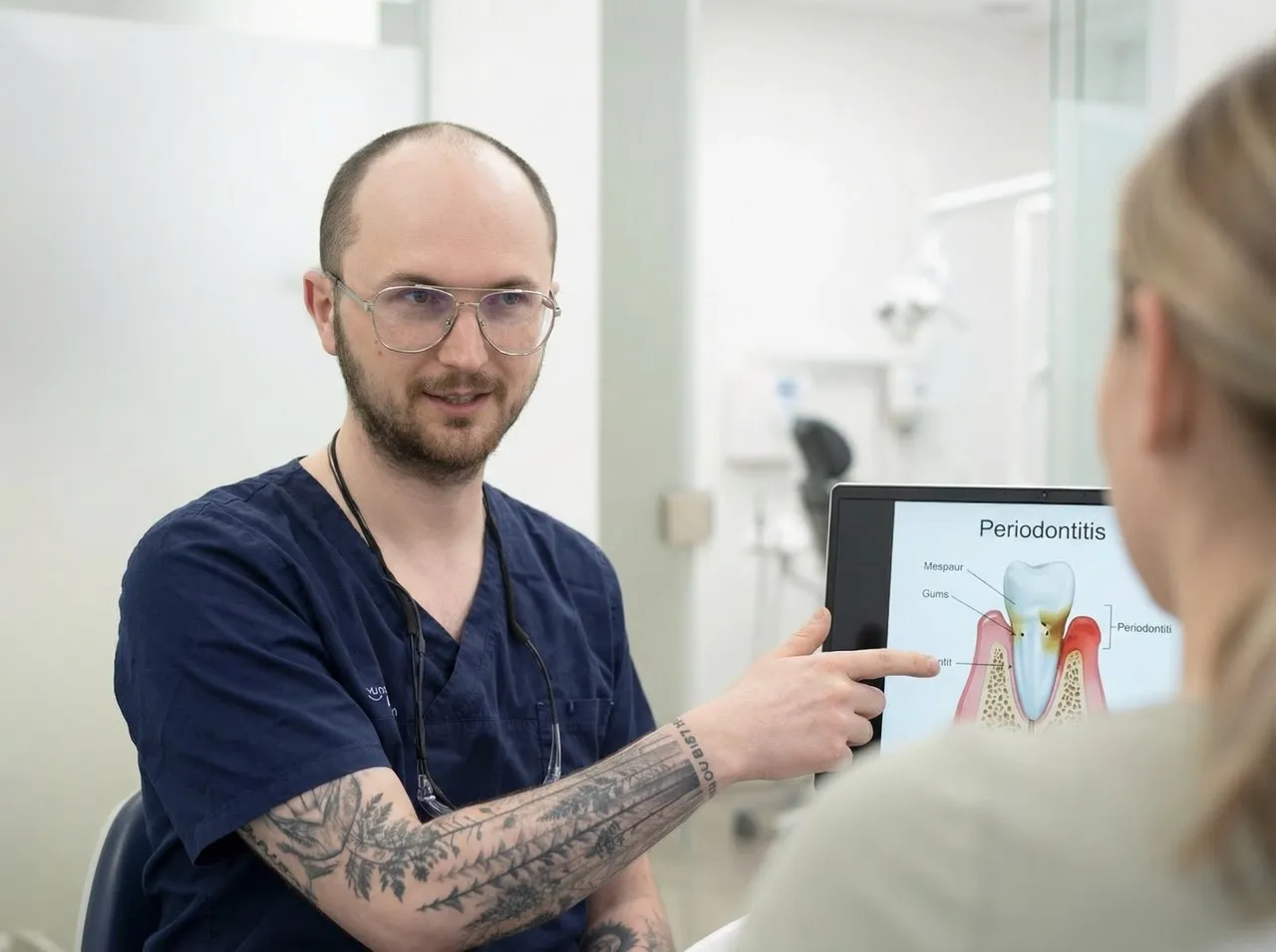
It usually all starts with plaque at the edge of the tooth. Bacteria irritate the gums. Gingivitis develops. If the deposits remain, the inflammation spreads deeper. Periodontal pockets form. This is known as periodontitis.

Causes and risk factors
The main cause is a bacterial biofilm. It consists of plaque and tartar. Aggressive bacteria develop there. Smoking significantly increases the risk. Diabetes also plays a central role. Stress can further weaken the body's defences. Genetic factors may also be involved. Crowded teeth make cleaning more difficult. Certain medicines can also contribute to dryness.
Recognising typical symptoms early
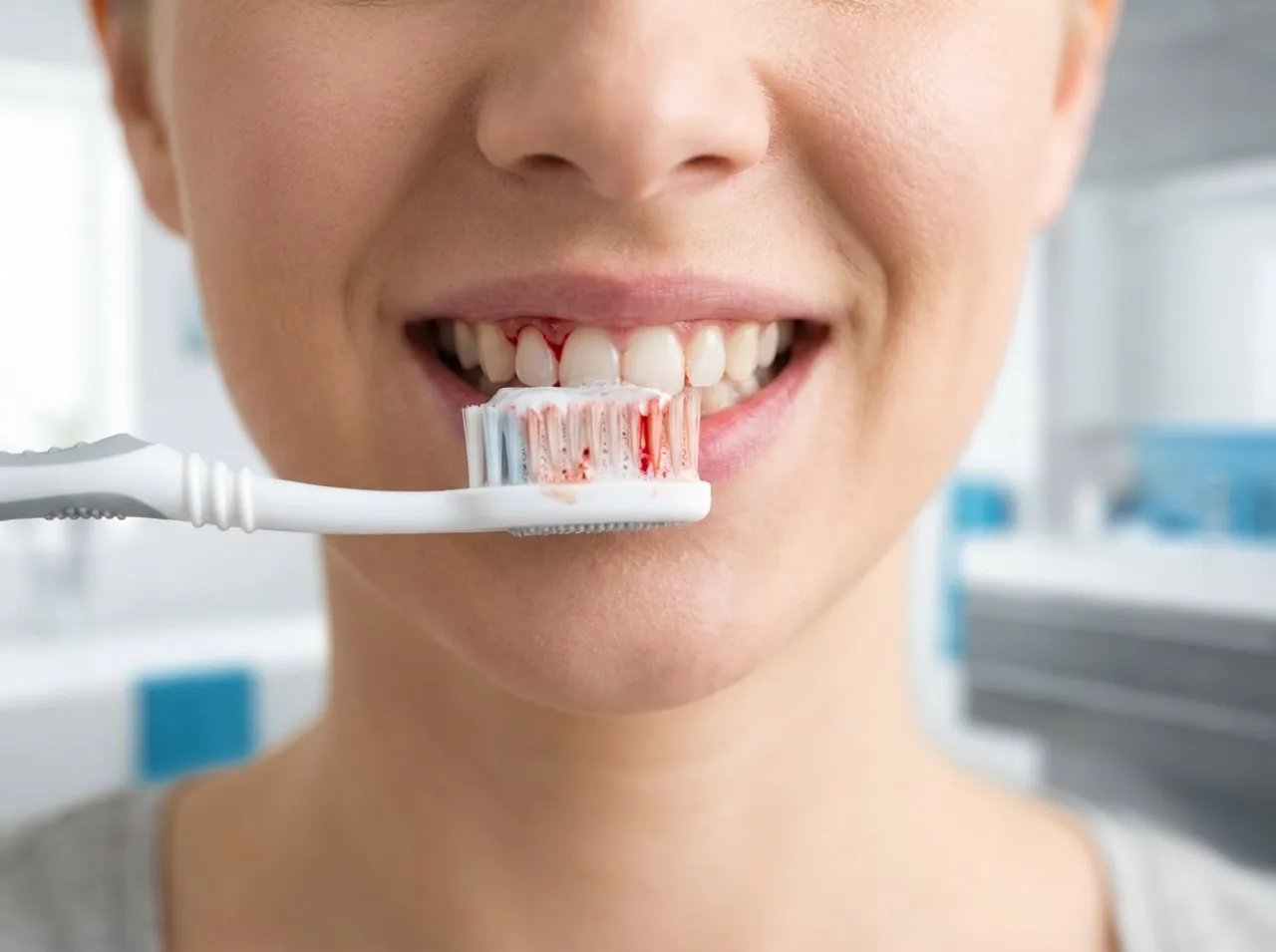
Bleeding gums when brushing are a warning sign. Swelling or redness are also typical. Bad breath sometimes develops. Many people notice that their gums are receding. Their teeth appear longer. Sensitive tooth necks may follow. Pus or pressure at the gum margin is serious. Teeth can shift. The bite changes.

Understanding stages and degrees of severity
We assess pocket depths and bleeding. Bone levels are also important. These determine the stage. Early forms can often be stabilised well. Advanced cases require more sessions. The aim is always to preserve the teeth. The course of the disease also matters. Some people have rapid flare-ups. Others develop slower-progressing forms.
Periodontitis and chronic disease progression
An acute phase can occur in episodes. More often, however, the disease develops slowly. This results in chronic inflammation. The term chronic periodontitis describes precisely this condition. The jawbone gradually breaks down. Symptoms often remain mild. Nevertheless, the disease is serious. The loss of supporting bone is usually irreversible. Without treatment, the risk of tooth loss increases.

Why periodontal diseases put a strain on the body
Inflammation in the mouth puts a strain on the body. Bacterial products enter the bloodstream. This can promote inflammation. In people with diabetes, blood glucose control can deteriorate. Conversely, high blood glucose promotes infections. This creates a vicious circle. The heart and blood vessels are also a focus. Studies show links with inflammatory markers. Treatment often improves oral health.
Diagnosis at the dental practice
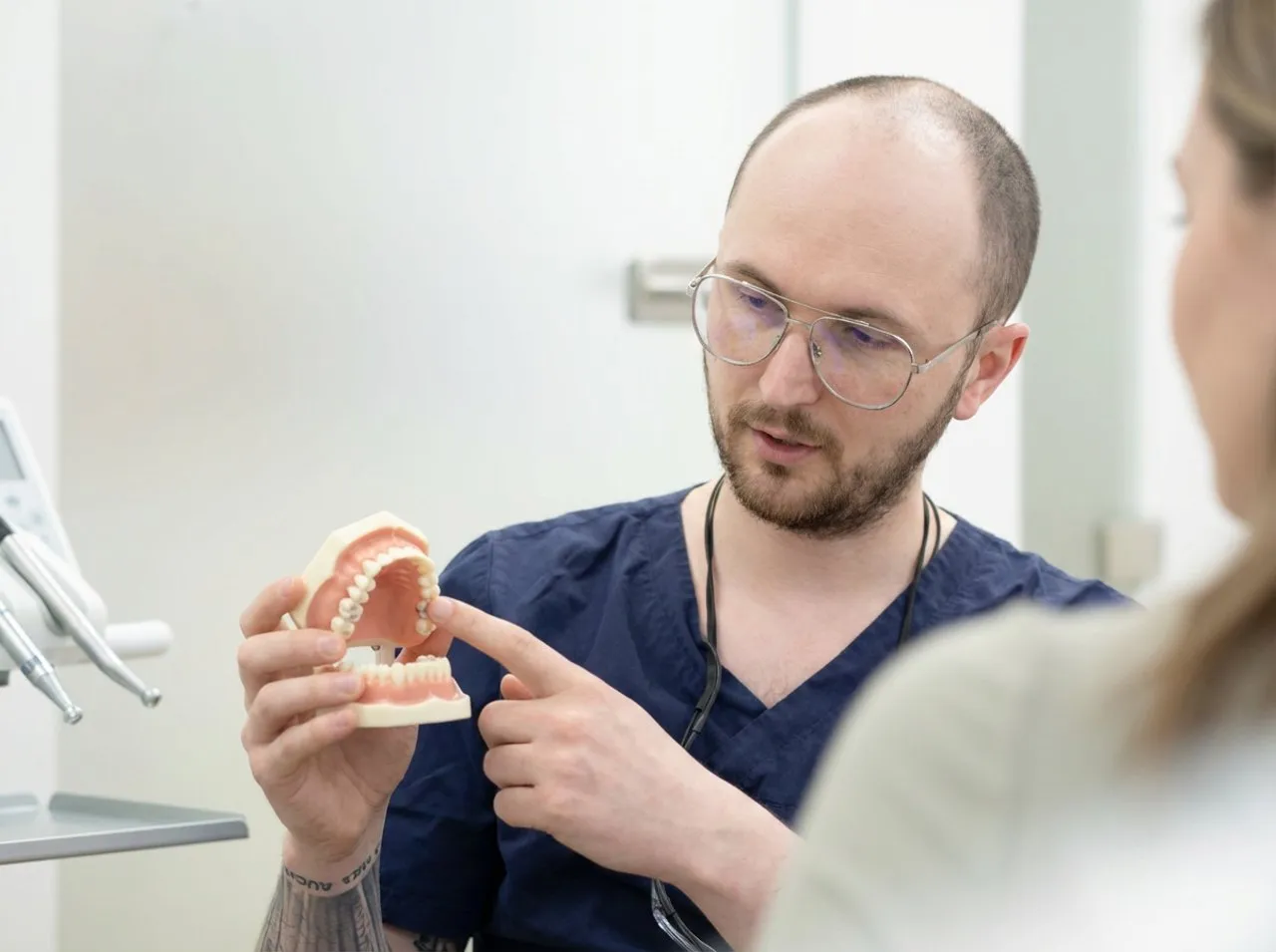
We examine the gums with a measuring probe. This involves measuring pocket depths. Bleeding points provide indications. X-rays show the condition of the bone. This allows us to detect bone loss early. Fillings and crowns are also checked. A short screening test identifies areas at risk. This allows us to set priorities. If necessary, we test for specific germs. A bacterial test is not always necessary. It helps in complicated cases.
Treatment: step by step towards stability
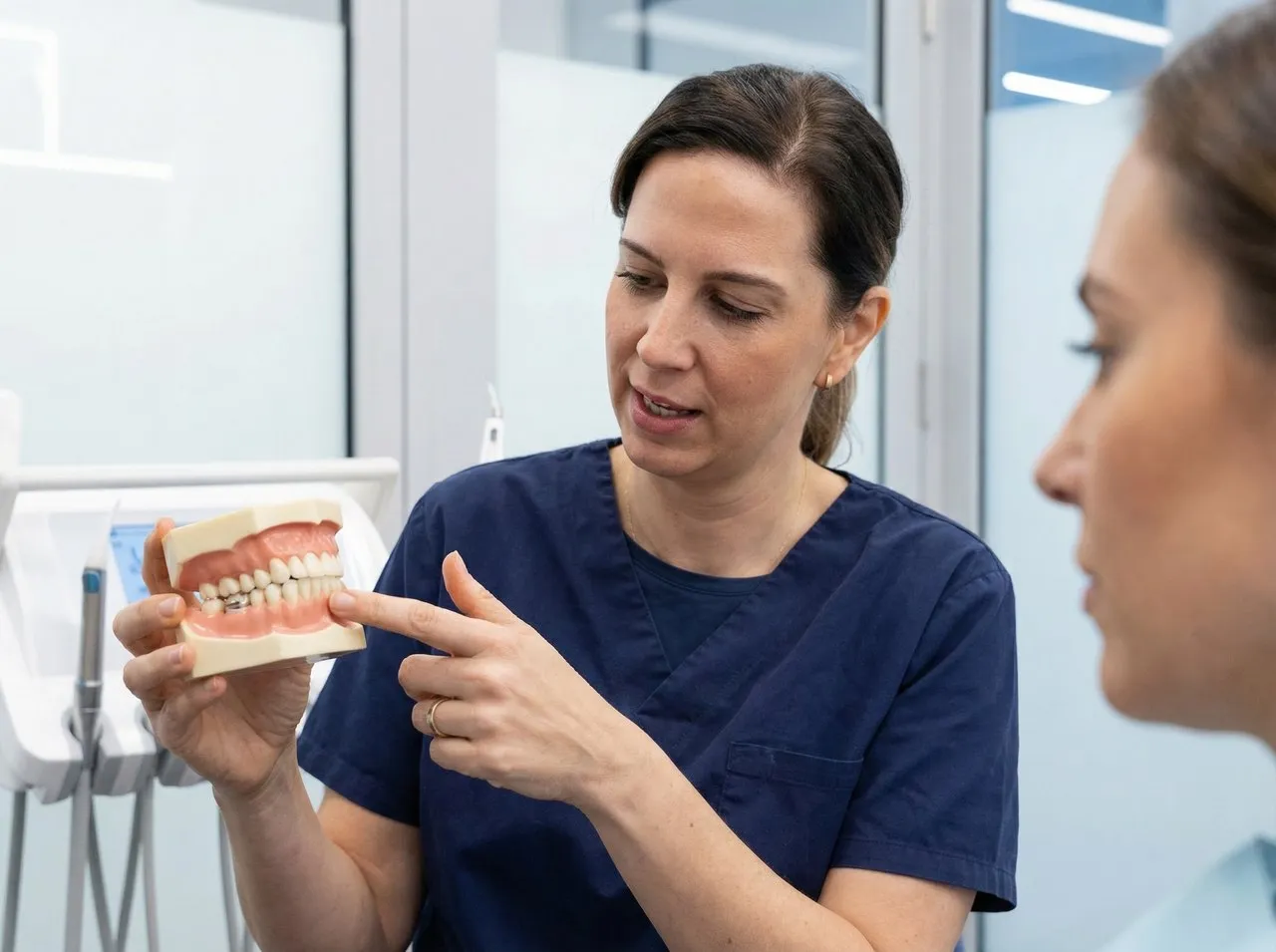
The first step is a professional dental cleaning. This reduces plaque and tartar, making healing easier. Periodontal treatment then follows. We clean the pockets thoroughly and smooth the root surfaces. Instruction on dental care is also important. We demonstrate interdental brushes and cleaning techniques. This reduces the bacterial load in the long term. Surgery may be necessary for deep pockets, during which inflamed tissue is removed. Bone regeneration is assessed on an individual basis. Antibacterial mouth rinses are sometimes useful. They have a short-term local effect. Antibiotics are reserved for individual cases.

Consequences of leaving the condition untreated
Without treatment, the pockets continue to deepen. Bone loss progresses. Teeth lose their support. Gaps and misalignment develop. Chewing becomes more difficult. Pain may also occur later. People with dentures need stable conditions. Inflammation makes crowns and bridges more difficult. Implants can also be at risk.

Aftercare and long-term monitoring
Treatment is followed by supportive periodontal therapy. This is often abbreviated to SPT. It involves regular check-ups. Professional follow-up cleaning reduces relapses. We measure the pockets again. This keeps the findings stable. Consistent care at home is essential. Interdental brushes clean the spaces between the teeth. An electric toothbrush can also help.

When should you come in immediately?
Severe swelling of the face is a warning sign. It may be accompanied by a fever. Difficulty swallowing is also serious. A purulent taste or a ‘pimple’ on the gum indicates an abscess. Prompt help is then needed. Waiting often makes the situation worse.
Prevention: what you can do yourself
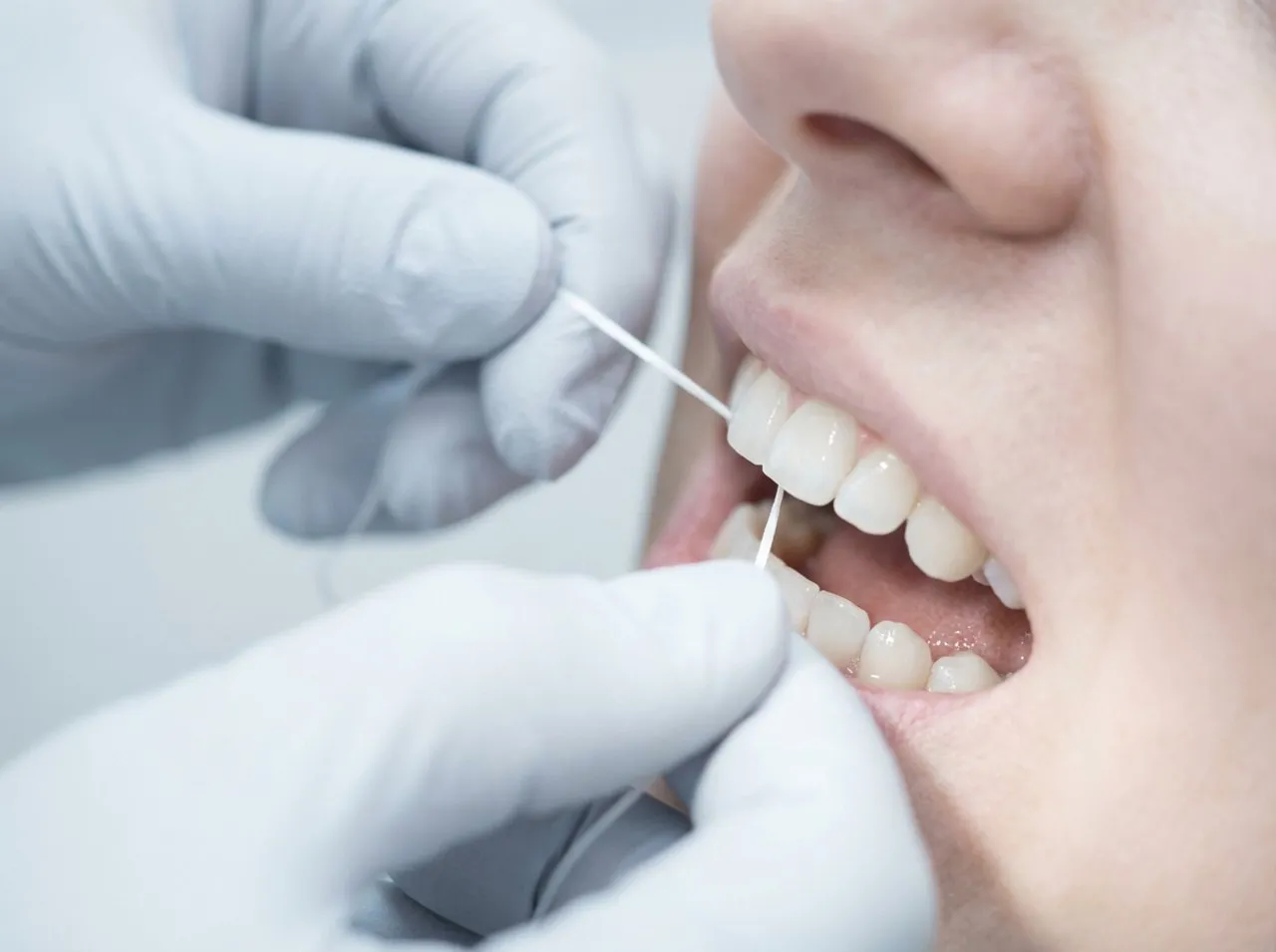
Brush thoroughly twice a day. Clean between your teeth every day. Use suitable oral care aids. Have tartar removed regularly. Check-ups detect changes early. This can avoid later procedures. Stopping smoking improves the prognosis. Good diabetes management also helps. A balanced diet is beneficial too.
Treatment for periodontal diseases at Wunschlachen
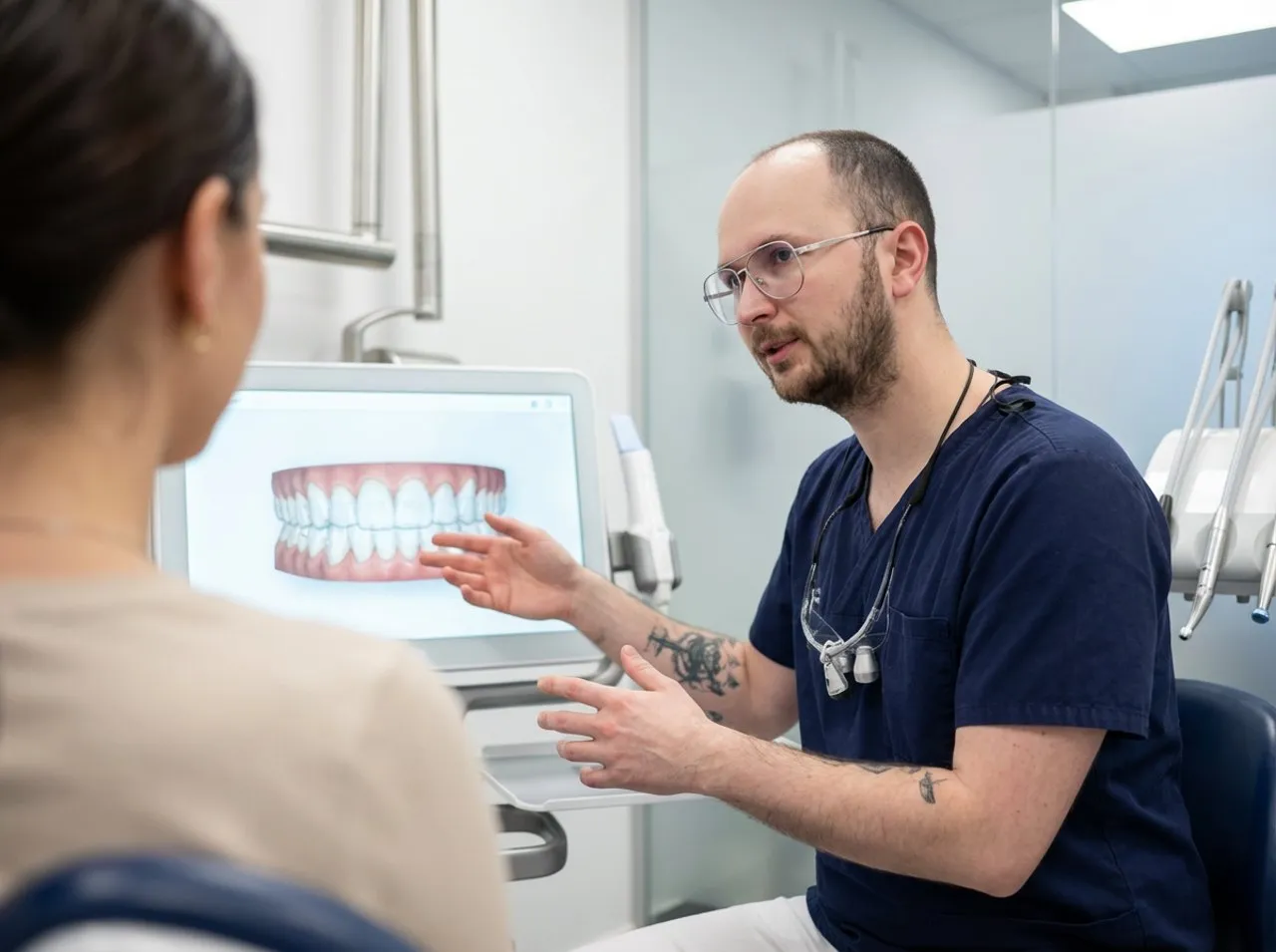
At our Wunschlachen practice in Berlin, we work in a structured way. We use modern diagnostics. Treatment is gentle. You receive a plan with clear steps. We explain oral care and aftercare. This allows you to stay in control.
FAQ – Frequently asked questions about periodontal diseases
These are inflammatory conditions affecting the supporting structures of the teeth. The gums, fibres and bone are affected.
Gingivitis only affects the gums. Periodontitis also attacks the bone and fibres.
The gums often bleed. Bad breath and gum recession are possible. Later, teeth may become loose.
Yes, there is often no pain. This is why the disease can remain undetected for a long time.
It refers to a slowly progressing form of the disease. Bone loss progresses gradually.
The dentist measures pockets and bleeding. X-rays show the bone levels. These determine the degree of severity.
First, deposits are removed. The pockets are then cleaned. A surgical procedure may follow if necessary.
It may be sufficient for gingivitis. True periodontal pockets require periodontitis treatment.
This depends on the risk. Many people need three to four appointments a year. This stabilises the result.
Maintain thorough oral hygiene every day. Clean between your teeth. Attend regular check-ups.