Periodontal Surgery – Procedure, Duration and Chances of Success
Periodontitis, also commonly known as periodontosis, is a chronic inflammation of the periodontium. It is caused by bacteria and, if left untreated, can lead to loose teeth and ultimately tooth loss.
In the early stages, the condition can often be treated with a...
Über 350 Google-Bewertungen
The short answer
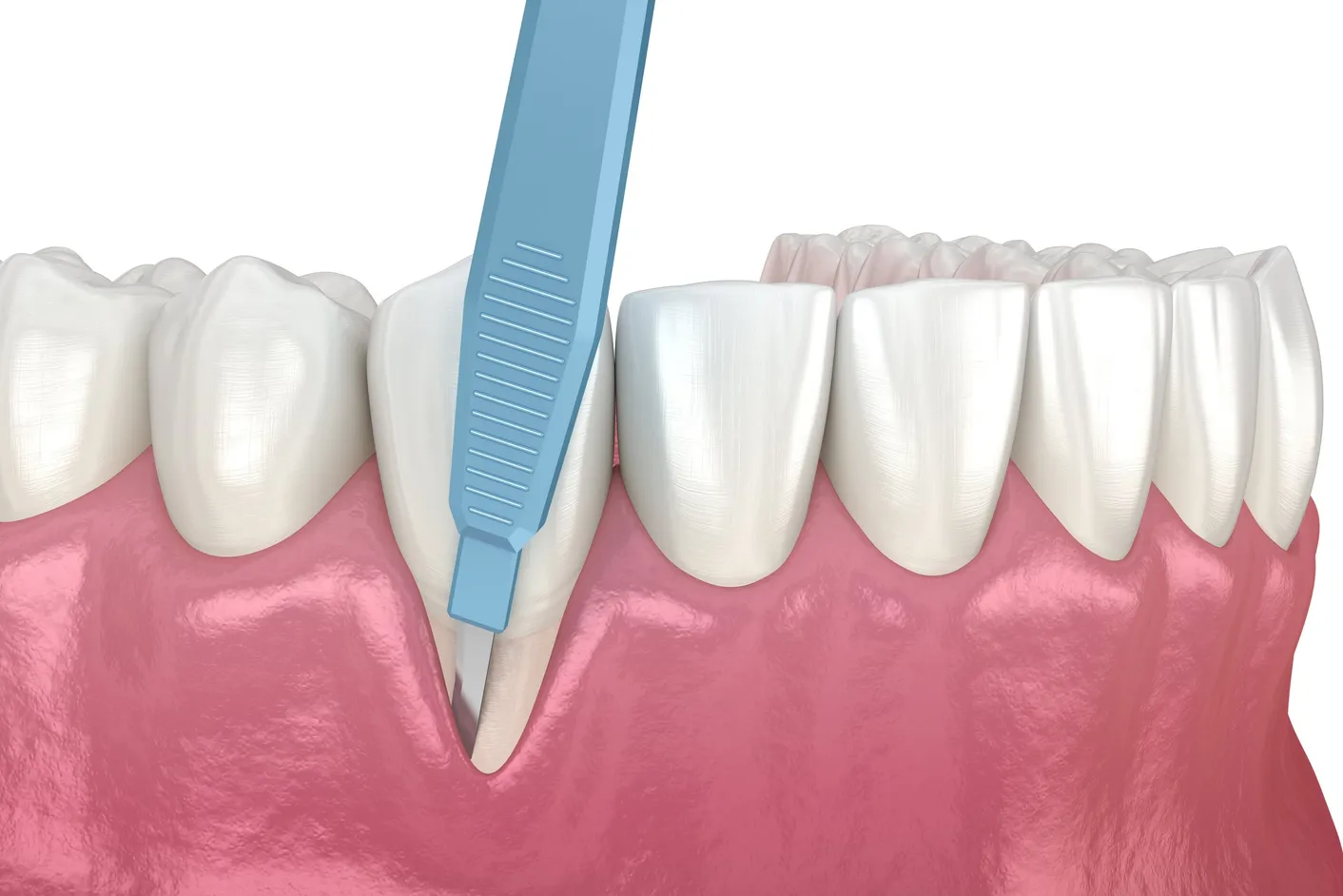
Periodontitis surgery involves surgical procedures when non-surgical cleaning can no longer reach deep-seated deposits and inflamed tissue. During flap surgery, the gums are lifted under local anaesthetic, the root surfaces are cleaned and smoothed, and bone is rebuilt if necessary. It is used for deep pockets or advanced bone loss; sutures are usually removed after seven to ten days.
- Treatment duration
- Procedure under local anaesthetic, with pre-treatment beforehand; sutures usually removed after 7–10 days, followed by a maintenance phase.
- When it is advisable
- Following adequate non-surgical treatment and reassessment: for residual gum pockets deeper than 5–6 mm, persistent inflamed tissue, or planned bone augmentation.
- Costs
- Depends on the extent, findings and regenerative measures; the individual cost plan before treatment begins provides a reliable basis.
Does not replace individual dental advice; binding cost information before treatment begins.
What is periodontal surgery?
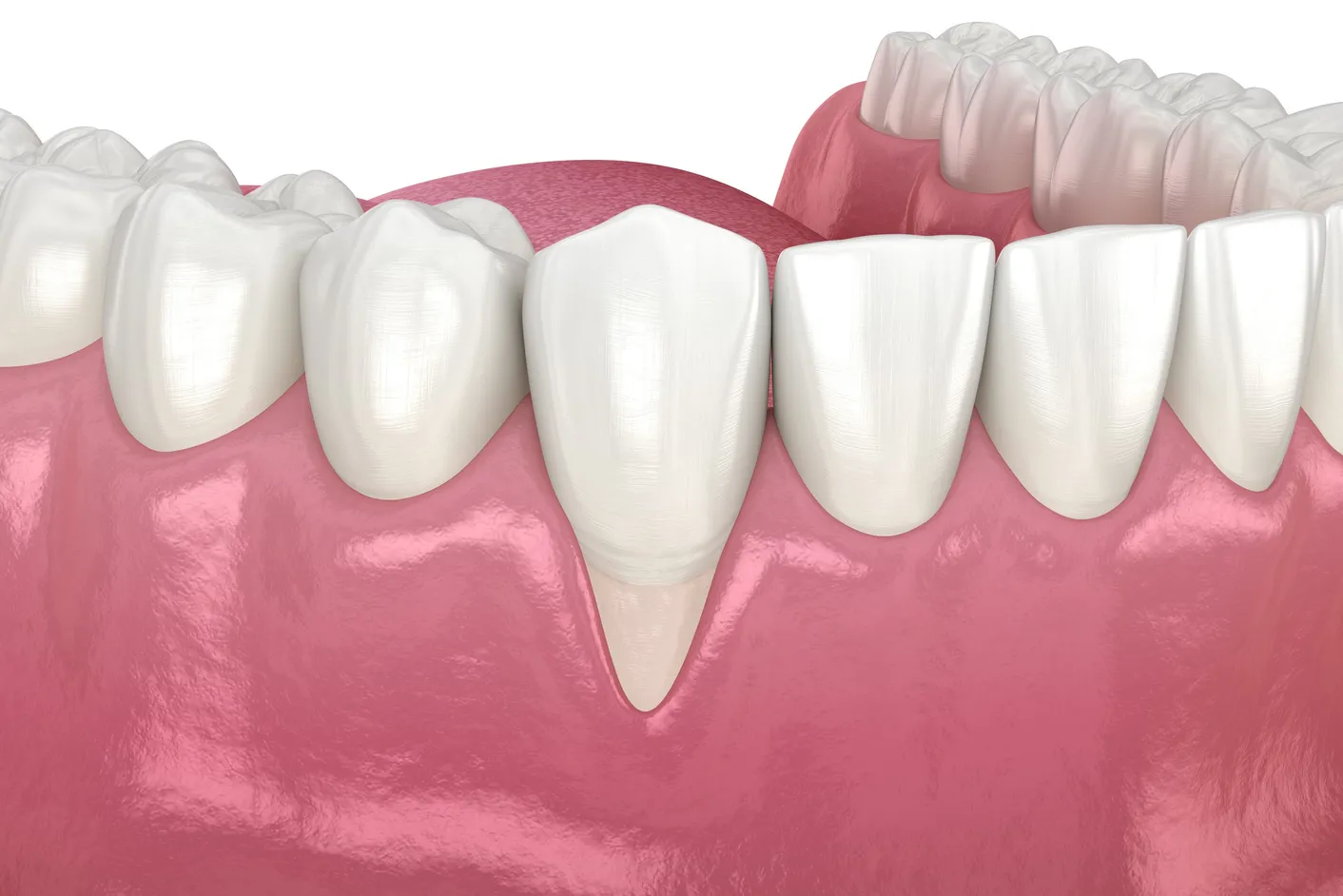
Periodontal surgery encompasses all surgical procedures used to remove deep-seated bacterial deposits and inflamed tissue. These cannot be reached with conventional cleaning. The aim is to regenerate the gums, stop bone loss and restore dental health.
Surgical periodontal treatment is an additional measure. It is used when further action is still needed after conservative therapy.
When is surgical periodontal treatment necessary?
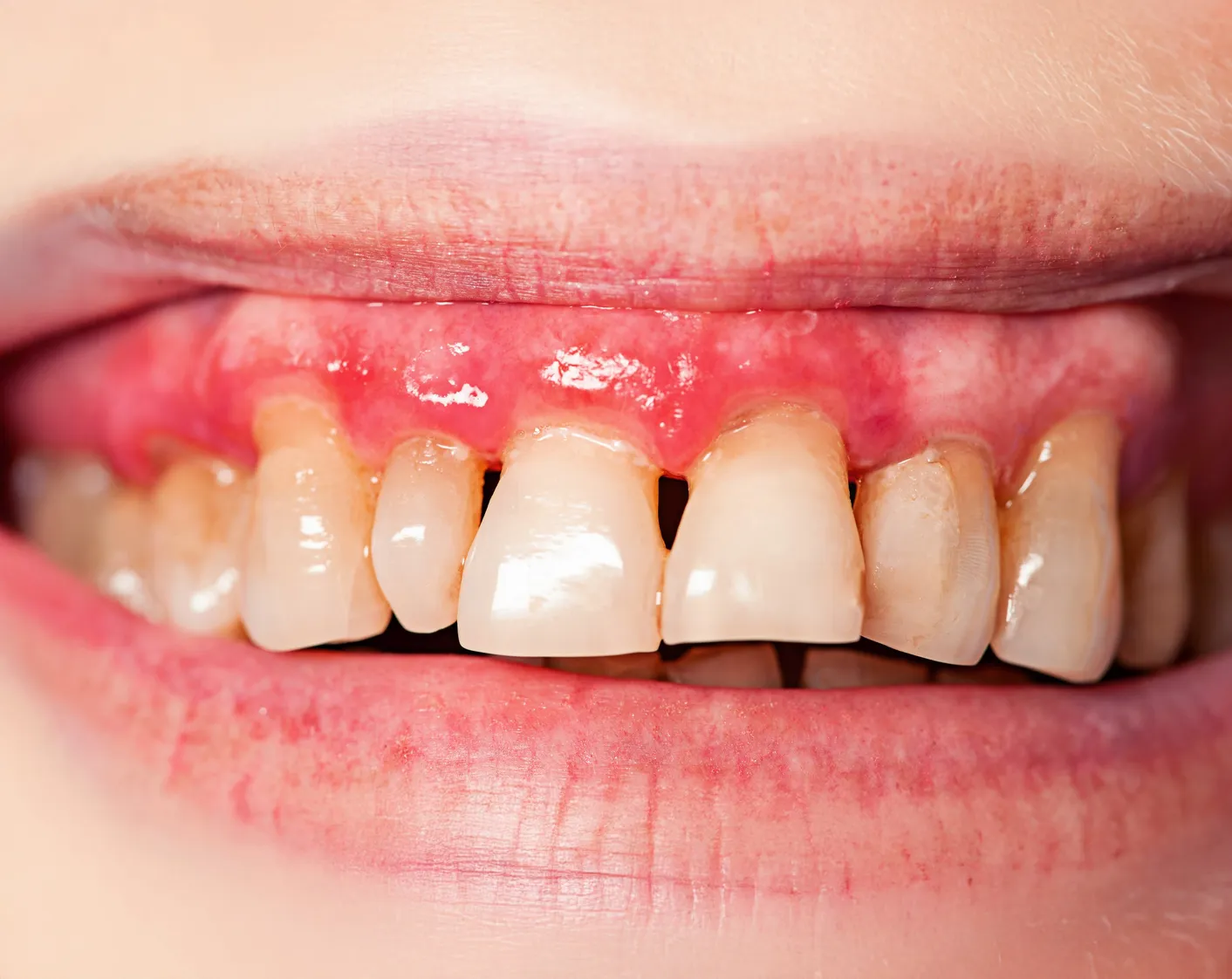
Surgical treatment may be recommended, particularly if reassessment after initial non-surgical treatment shows that:
• the gum pockets remain deeper than 5–6 mm
• inflamed tissue persists despite previous cleaning
• bone loss is already advanced
• regenerative therapy (e.g. bone augmentation) is planned
In such cases, superficial cleaning alone can no longer remove all the bacteria. An operation may be necessary to lift the gums, clean the root surfaces and remove inflamed tissue.
Periodontal Treatment: The Surgical Procedure
The periodontal treatment process consists of several steps:
Preliminary examination and planning
First, the exact pocket depth is measured and an X-ray is taken to assess the extent of bone loss. Possible factors such as smoking, illnesses or the use of medicines are also taken into account.
Pre-treatment
Before surgery, a thorough non-surgical cleaning is carried out. This reduces the bacterial load and prepares the gums for the procedure.
Surgical procedure
Under local anaesthetic, the gum is carefully detached from the tooth (flap surgery). This allows deeper deposits and inflamed tissue to be removed. Bone augmentation or a membrane for tissue regeneration may also be used at the same time.
Cleaning and smoothing of the root surfaces
The root surfaces are smoothed to make it more difficult for bacteria to accumulate again.
Suturing
The gum is returned to its position and closed with fine sutures.
Follow-up and suture removal
The sutures are usually removed after 7–10 days.
Is periodontal treatment painful?
The procedure itself is performed under local anaesthetic and is therefore painless. Mild discomfort or swelling may occur during the first few days after the operation. However, this can be controlled well with painkillers. Cooling, physical rest and a soft diet during the first few days support healing.
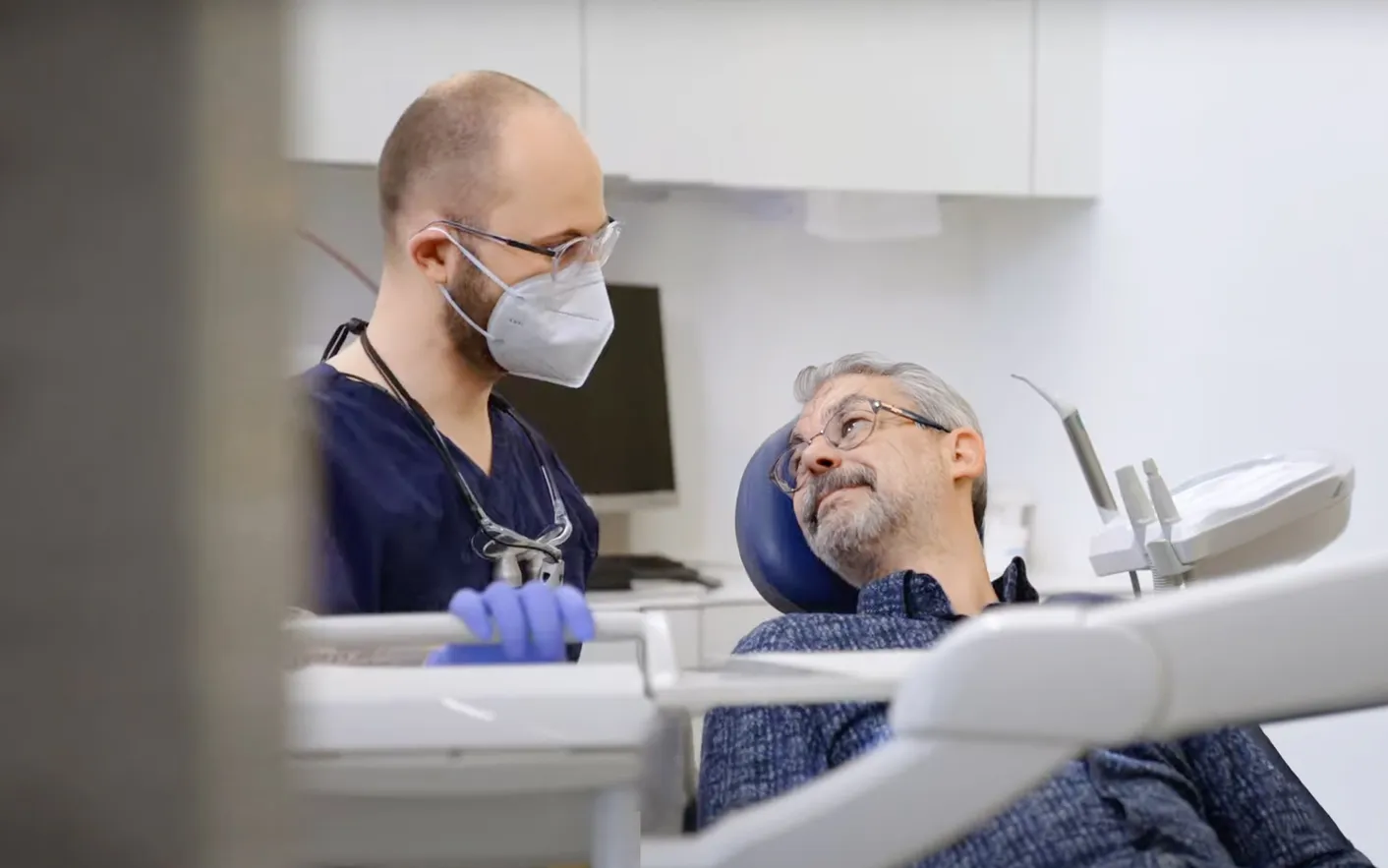
Duration of Periodontal Treatment
The duration depends on the individual clinical findings. The procedure usually takes between 45 and 90 minutes per half of the jaw. Healing takes several weeks. Uninterrupted aftercare is essential to safeguard the result.
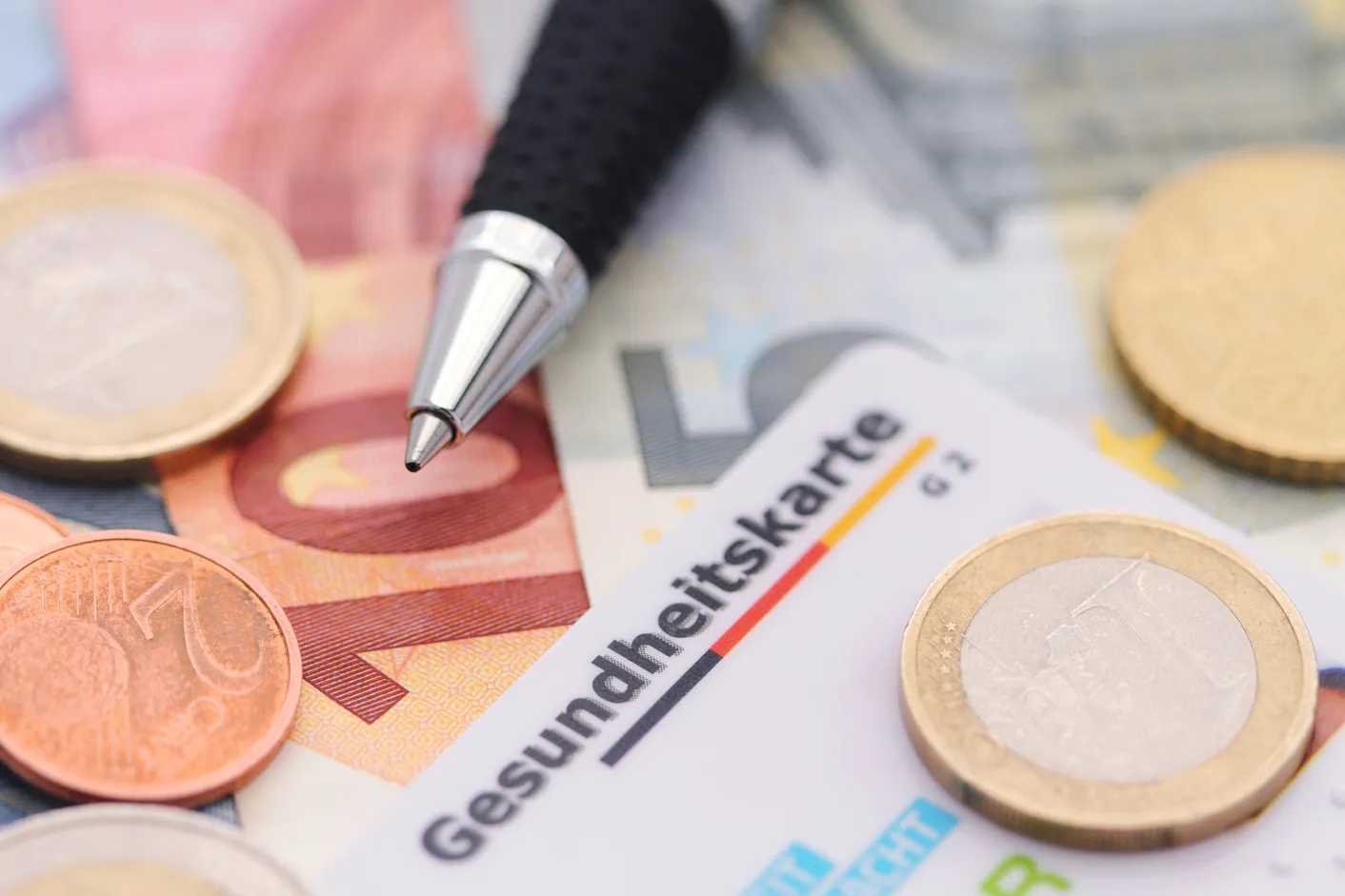
Cost of Periodontal Treatment
The costs depend on the severity, the number of teeth affected and the materials used. Statutory health insurance providers usually cover only the basic treatment; additional services such as bone augmentation often have to be paid for privately. A detailed treatment and cost plan provides transparency.
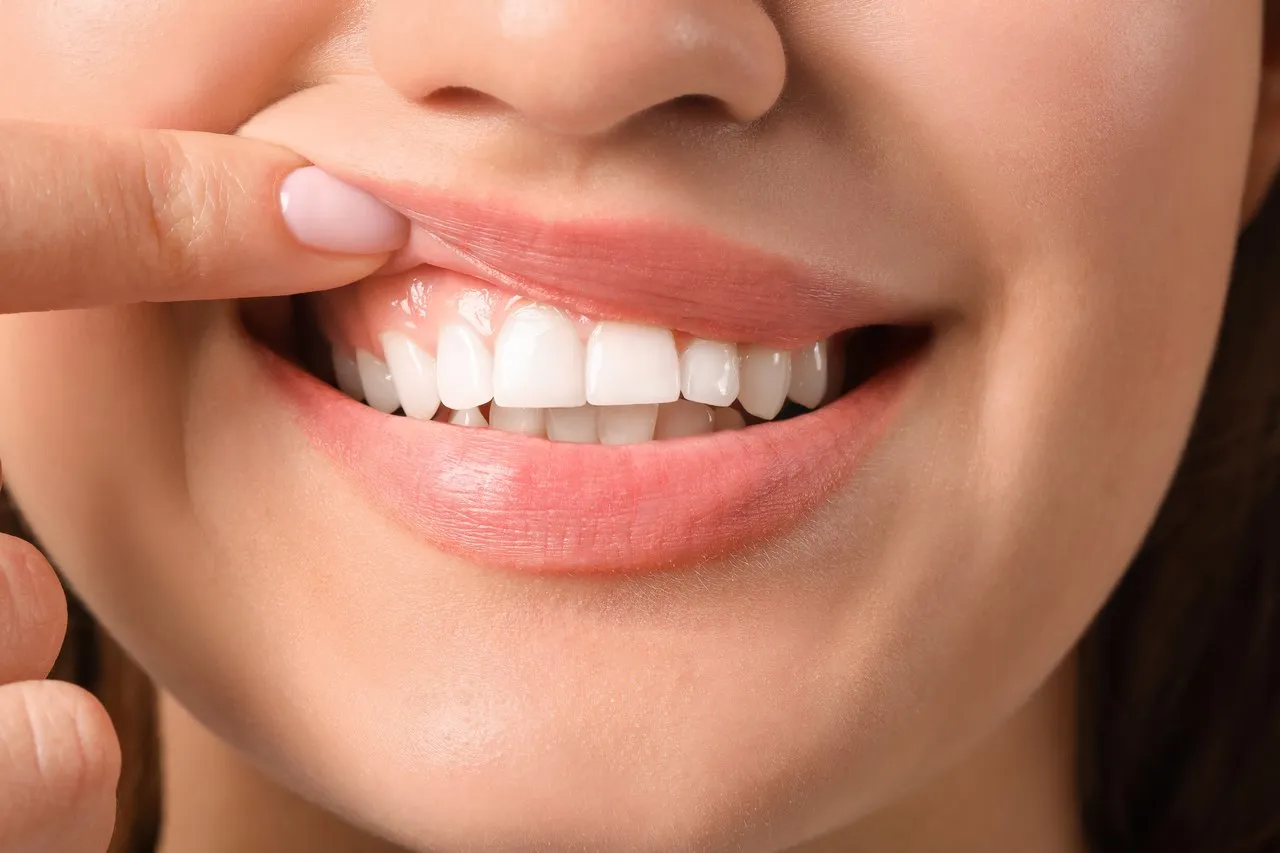
Chances of Success and Benefits
Surgical periodontal treatment can help control the inflammatory process and preserve teeth. In selected cases, regenerative procedures may restore lost supporting tissue.
Aftercare and Long-term Success
Long-term healthy results require structured aftercare:
• Regular professional teeth cleaning
• Monitoring of the gum pockets
• Optimised oral hygiene at home
• Supportive periodontal therapy (SPT) with measurement of the periodontal screening index (PSI) and targeted cleaning of affected teeth
These measures prevent relapses and ensure the long-term success of treatment. At Wunschlachen, we advise you and support your healing process.
FAQ – Frequently Asked Questions about Periodontal Surgery
Periodontal surgery is an operation to remove deep-seated bacterial deposits and inflamed tissue. The aim of the procedure is to preserve the periodontium and stop further bone loss.
The most common reasons are as follows: • If deep gum pockets remain after non-surgical periodontal treatment • If bone loss is advanced or regenerative measures such as bone augmentation are required.
After a preliminary examination and pre-treatment, the gums are lifted under local anaesthetic, cleaned, smoothed and then sutured. In some cases, bone augmentation is also performed.
Thanks to the local anaesthetic, the procedure itself is painless. Mild discomfort or swelling after the operation is normal and usually subsides within a few days.
Depending on the findings, the procedure takes 45–90 minutes per half of the jaw. Complete healing can take several weeks.
The costs depend on the severity, extent and materials used. Statutory health insurance providers generally cover only the basic treatment. We will provide you with detailed advice on this at our practice.
Possible side effects include swelling, post-operative bleeding, temporary sensitivity to temperature and, in rare cases, infections.
Cooling, soft foods, careful oral hygiene as instructed by your dentist and avoiding nicotine promote rapid healing.
SPT is structured aftercare involving regular check-ups, pocket measurements (PSI) and targeted cleaning. This ensures the long-term success of treatment.
The disease can be stopped, but destroyed tissue only regenerates to a limited extent. Consistent aftercare can prevent further progression.