
A feeling of pressure between two teeth: causes and help
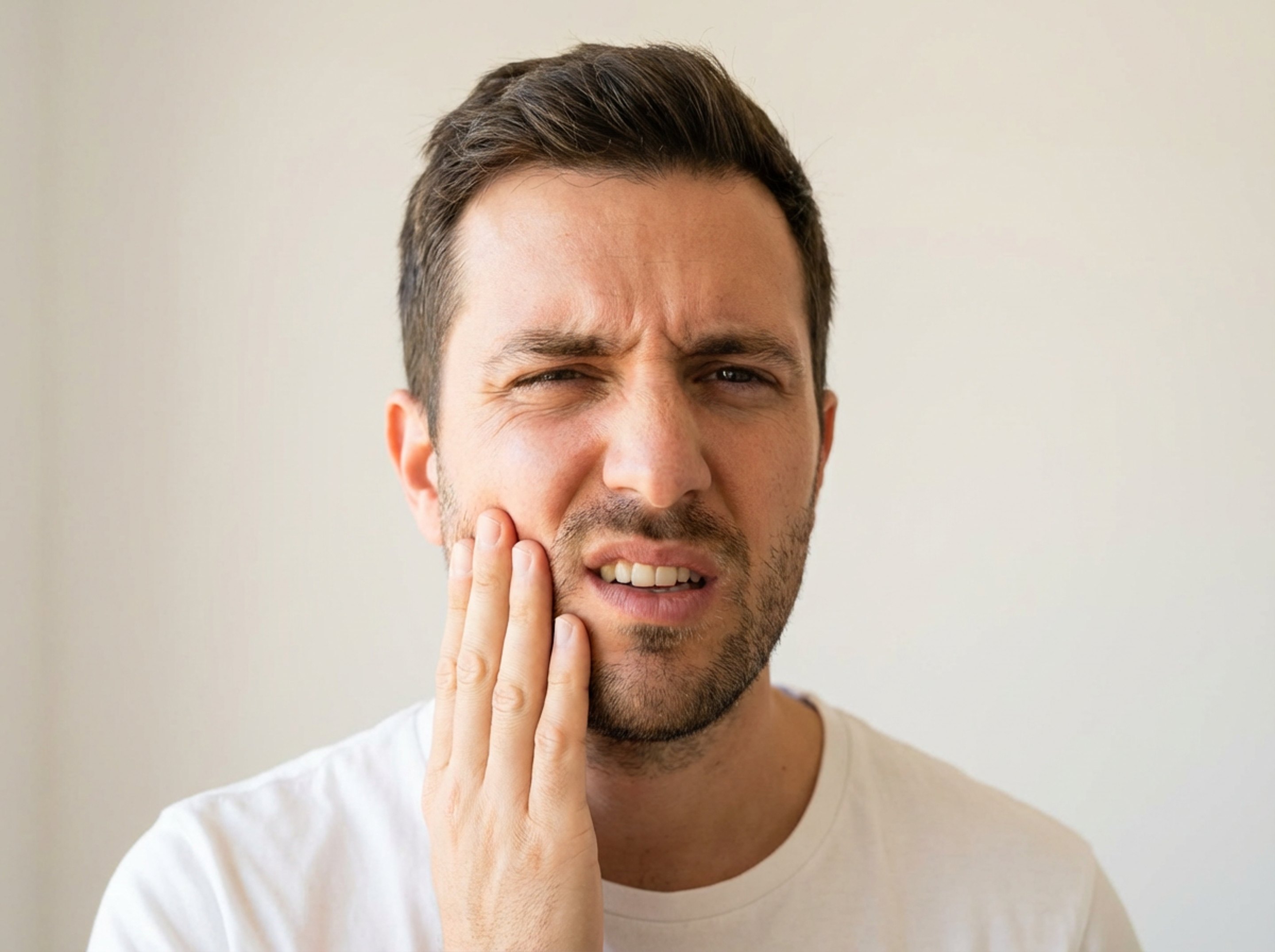
A feeling of pressure between two teeth is often caused by food debris or irritated gums. Tooth decay, leaking fillings or diseases of the periodontium are also possible causes. If the feeling persists, a dental examination should be carried out promptly.
Über 350 Google-Bewertungen

What does pressure between two teeth mean?
Those affected often describe a feeling of tension in the gap between their teeth. Some also experience dull discomfort when chewing. The feeling may appear suddenly or increase over several days.
The space between the teeth contains gum tissue, contact surfaces and parts of the periodontium. Changes to these structures can cause pressure, a pulling sensation or sensitivity to touch. It is often difficult to determine the exact cause without an examination.
Food debris as a common cause
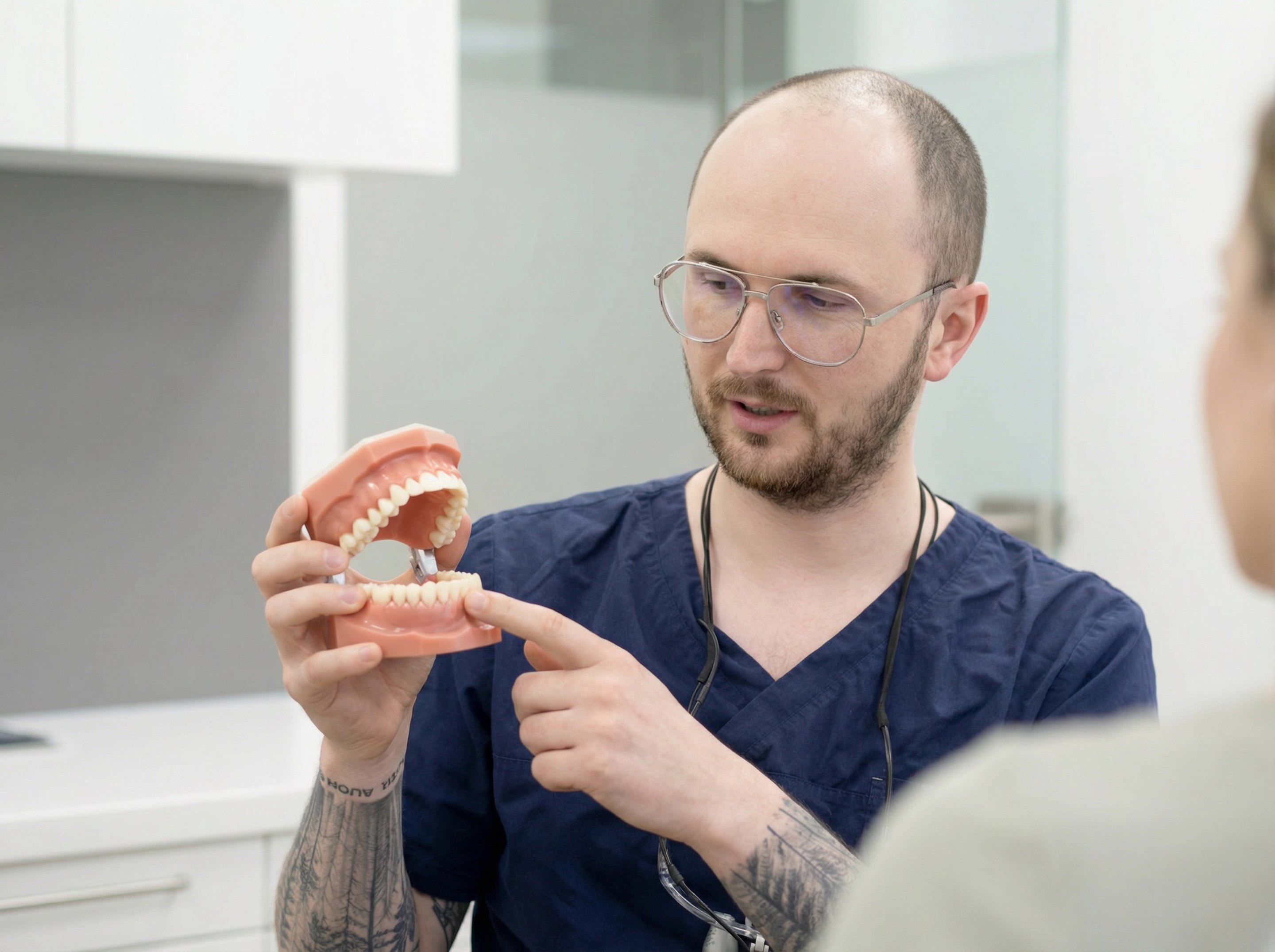
Fibrous foods can become trapped between neighbouring teeth. This often happens with meat, vegetable fibres or hard grains. The foreign body then presses on the sensitive interdental papilla.
An open contact point encourages this so-called food impaction. It can result from tooth migration, wear or a poorly fitting filling. Recurring symptoms should therefore be checked.
Dental floss can carefully remove loose debris. Suitable interdental brushes are useful for larger gaps. Sharp objects can cause injuries and should be avoided.

Inflamed gums between the teeth
Bacterial plaque accumulates particularly easily between the teeth. There, it irritates the gums and promotes gingivitis. Typical signs are redness, swelling and bleeding during cleaning.
Inflamed tissue may feel tense or thickened. Sometimes an unpleasant taste or bad breath also develops. Thorough yet gentle care can reduce early irritation.
If bleeding or swelling persists, a check-up is advisable. Untreated inflammation can affect deeper areas of the periodontium. Periodontitis may then be present.
Tooth decay between the teeth
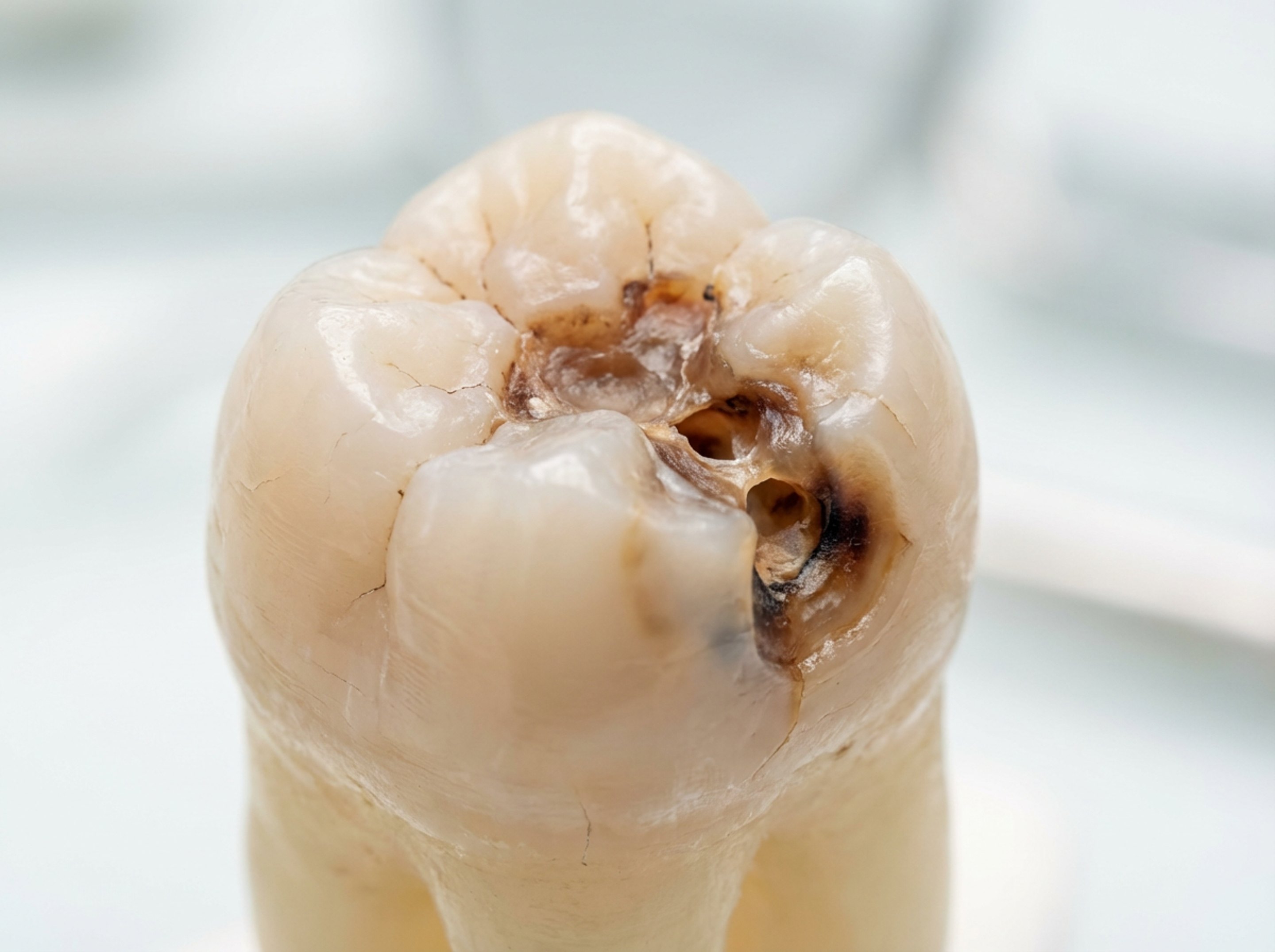
Tooth decay often develops on contact surfaces that are difficult to reach. This so-called approximal caries often goes unnoticed for a long time. Without an X-ray, it often only becomes visible at a late stage.
Possible signs include pressure, a pulling sensation or reactions to sweet foods. Cold and heat can also cause discomfort. However, the affected area cannot always be identified with certainty.
The dentist checks the contact surfaces and takes X-rays if necessary. Small defects can usually be treated with a filling. Larger areas of damage require more extensive treatment.
Leaking fillings or crowns
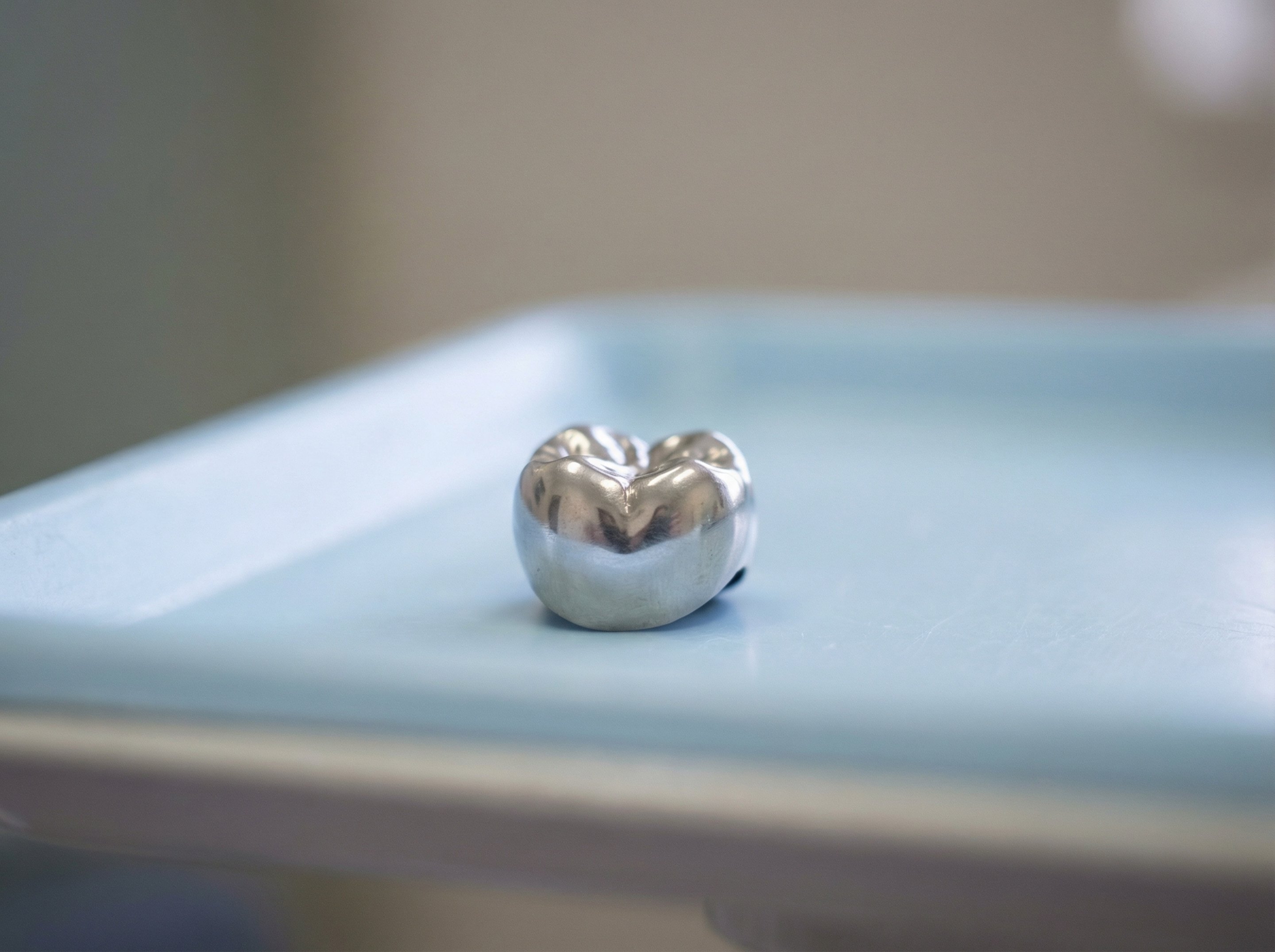
An old filling can start to leak at the edges. This allows bacteria or food debris to enter areas that are difficult to reach. An unfavourable shape can also force food between the teeth.
Similar problems can occur next to a dental crown. A contact point that is too loose often leads to recurring food debris. A contact point that is too tight can make using dental floss considerably more difficult.
The restoration is checked carefully at the practice. Minor corrections can sometimes be enough to help. Damaged or leaking restorations may need to be replaced.

A feeling of pressure when chewing and biting
Discomfort when biting can indicate excessive strain. A new filling or crown may be slightly too high. The tooth is then subjected to too much pressure when chewing.
Grinding and clenching also place strain on teeth and periodontal fibres. The irritation may seem to be located between two teeth. Additional jaw problems often occur in the morning.
A fine crack in a tooth is another possible cause. Such cracks are not always immediately visible. A targeted bite test helps with further assessment.

Could inflammation at the tooth root be the cause?
Inflammation at the tip of the root can cause pressure-related discomfort. The tooth is then often sensitive to tapping or chewing. Occasionally, the gums become swollen.
An abscess can develop from a bacterial infection. Signs include increasing discomfort, a taste of pus, swelling or fever. These signs require prompt dental assessment.
Antibiotics do not always eliminate the underlying dental cause. The key is to treat the affected tooth or focus of inflammation. The appropriate therapy depends on the findings.
What can you do yourself initially?
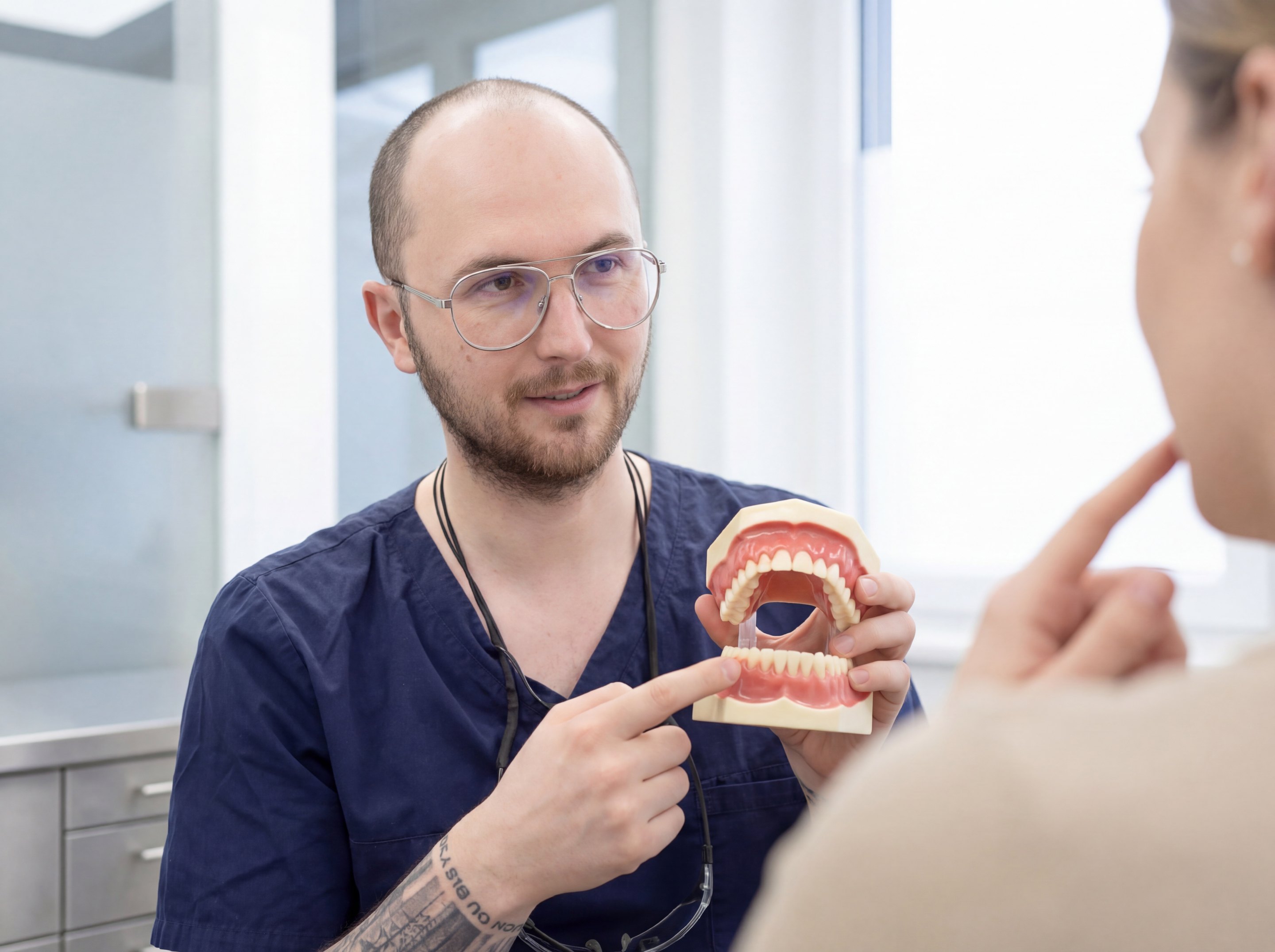
Clean the area carefully with dental floss. Only use interdental brushes of a suitable size. Force or frequent poking will irritate the tissue further.
Then rinse your mouth with lukewarm water. Temporarily avoid very hard or fibrous foods. Monitor whether the pressure, bleeding or swelling subsides.
Painkillers should only be taken in accordance with the package leaflet. Existing medical conditions and interactions must be taken into account. Home remedies are no substitute for a diagnosis if symptoms persist.
When is it important to see a dentist?
Make an appointment if the feeling of pressure recurs. The same applies if symptoms persist for several days. Sensitivity to cold, bleeding or pain when chewing should also be checked.
Prompt help is needed if there is significant swelling or fever. Difficulty swallowing, breathing or opening your mouth are warning signs. In such cases, urgent medical assessment is required.

How can pressure between the teeth be prevented?
Clean between your teeth daily using suitable aids. Move the dental floss slowly along the tooth surfaces. Avoid sawing forcefully against the gums.
Regular check-ups detect leaking filling margins early. Open contact points can also be identified. Professional dental cleaning complements home care according to individual needs.

Examination and treatment at Wunschlachen
At Wunschlachen in Berlin, we examine teeth and the spaces between them carefully. This includes checking the gums, contact points, fillings and crowns. Digital X-rays are added to the diagnostic assessment if necessary.
Treatment always depends on the cause. Options include professional cleaning, adjustment of a filling or treatment for tooth decay. Inflamed roots or periodontal tissues require targeted treatment.
An early check-up often prevents more extensive damage. It provides clarity and facilitates gentle treatment planning. If the feeling of pressure persists, make an appointment at our practice.