Relieving a locked jaw – causes, help and treatment
A locked jaw is very distressing for those affected. The mouth can only be opened with difficulty or not at all.
At our Wunschlachen practice in Berlin, we see this problem time and again. A locked jaw can often be treated successfully. It is important to identify the cause and take action promptly.
Über 350 Google-Bewertungen
The short answer
With lockjaw, the mouth can only be opened to a limited extent — usually because of cramped chewing muscles, teeth grinding, CMD, or temporarily after operations. It is important never to force the jaw open; soft food and gentle, pain-free stretching exercises, following a prior assessment or clinical guidance, can relieve the strain. If mouth opening remains restricted or is accompanied by pain, swelling or fever, a dental assessment is necessary.
- Typical causes
- Overworked, tense chewing muscles caused by grinding or clenching, inflammation in the jaw joint or CMD; restricted opening may also occur temporarily after surgery
- What helps immediately
- Stay calm, do not use force, eat soft, puréed food, apply gentle cooling or lukewarm compresses, and do gentle, pain-free stretching exercises only under clinical guidance
- When to see a dentist
- If mouth opening remains severely restricted, suddenly becomes severely restricted or is restricted after trauma, or you experience severe pain, swelling, fever, pus or numbness, seek urgent dental assessment; difficulty breathing or swallowing requires emergency care
General information only, not individual dental advice. Persistently restricted mouth opening must be examined in person and the cause assessed by a doctor.
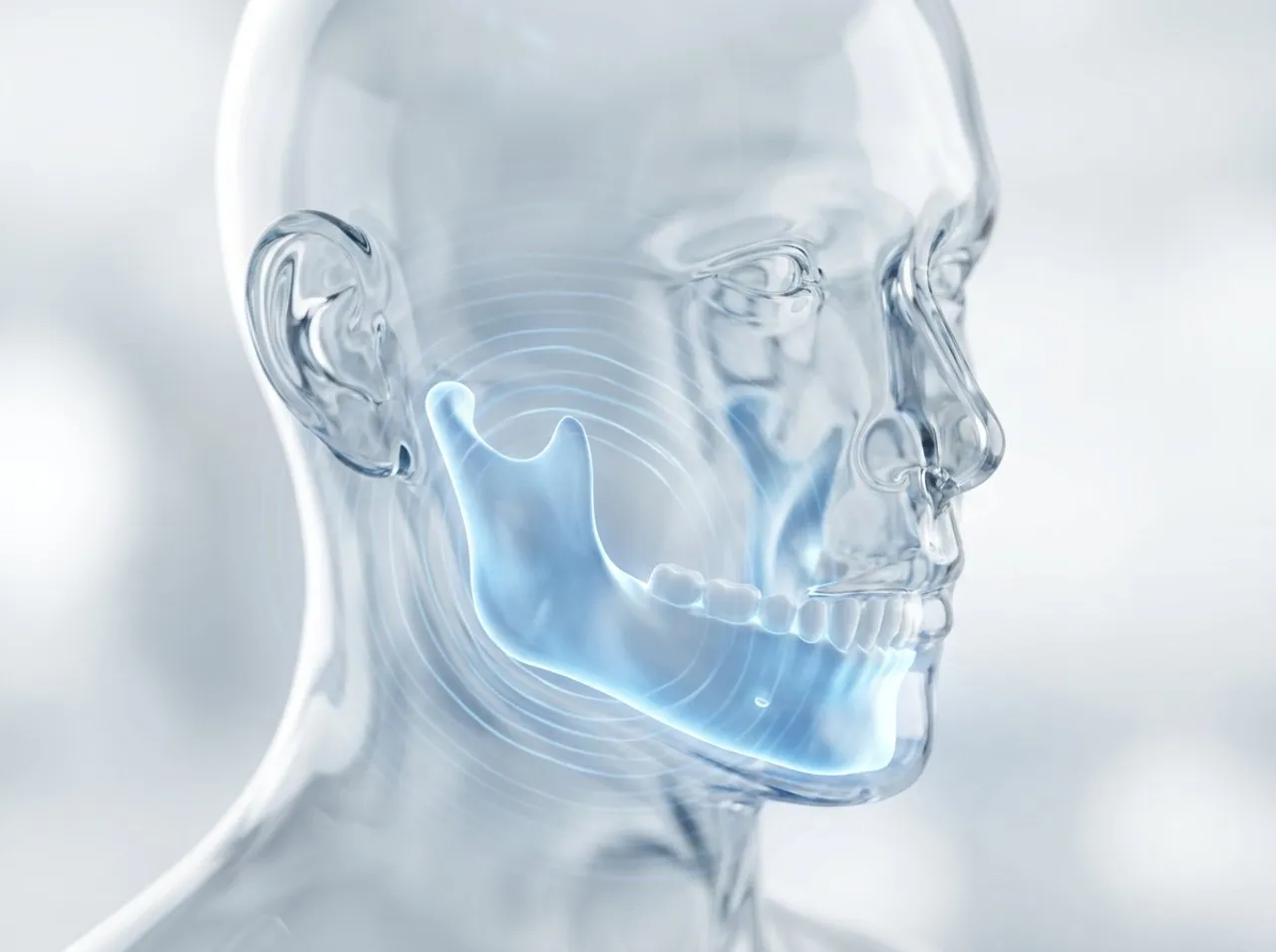
What is a locked jaw?
This term refers to a severely restricted ability to open the mouth. The lower jaw can only move a few millimetres. It is also known as trismus or a locked jaw.
In many cases, the cause lies in the temporomandibular joint or the muscles. Less commonly, structures such as nerves or the jawbone are affected.

Causes of a locked jaw
A common cause is overloading of the chewing muscles. Severe teeth grinding, clenching or lengthy dental treatments can cause the muscles to go into spasm. The jaw then literally gets ‘stuck’.
Inflammation in the temporomandibular joint or CMD can also play a role. A temporary inability to open the mouth is also possible after operations, for example on wisdom teeth.

Typical symptoms of restricted mouth opening
The most important symptom is restricted mouth opening. Those affected are often unable to place a finger sideways between their incisors. At the same time, pulling or stabbing pains occur in the temporomandibular joint.
Many patients experience severe muscle tension in the cheek area. Headaches or earache are also possible. Sometimes the temporomandibular joint clicks or grates with every attempt to open the mouth.

Relieving a locked jaw: immediate measures
If you have an acutely locked jaw, you should stay calm. Avoid jerky movements or trying to force your jaw open. This can cause additional damage to the joint structures.
Gently cool the area from the outside or apply a lukewarm cloth. Avoid hard foods and choose soft, puréed meals instead.

Gentle exercises to relax the jaw
Targeted stretching exercises may help to relax the jaw muscles, but should be performed gently and under clinical guidance once the cause has been assessed. Do not force any movements. Sit up straight and place a finger between your incisors. Open your mouth only as far as you can without pain.
Hold this position for a few seconds and then close your mouth again. Repeat the exercise several times a day. It is important always to proceed slowly and in a controlled manner.
Another exercise: place the fingertips of both hands on your chin. Open your mouth slowly while your hands provide gentle resistance, without forcing the movement. This gently stretches the muscles.
Seek prompt medical assessment if the limitation is sudden and severe, if there are signs of infection, or after concerning trauma. Difficulty breathing or swallowing requires emergency medical care.
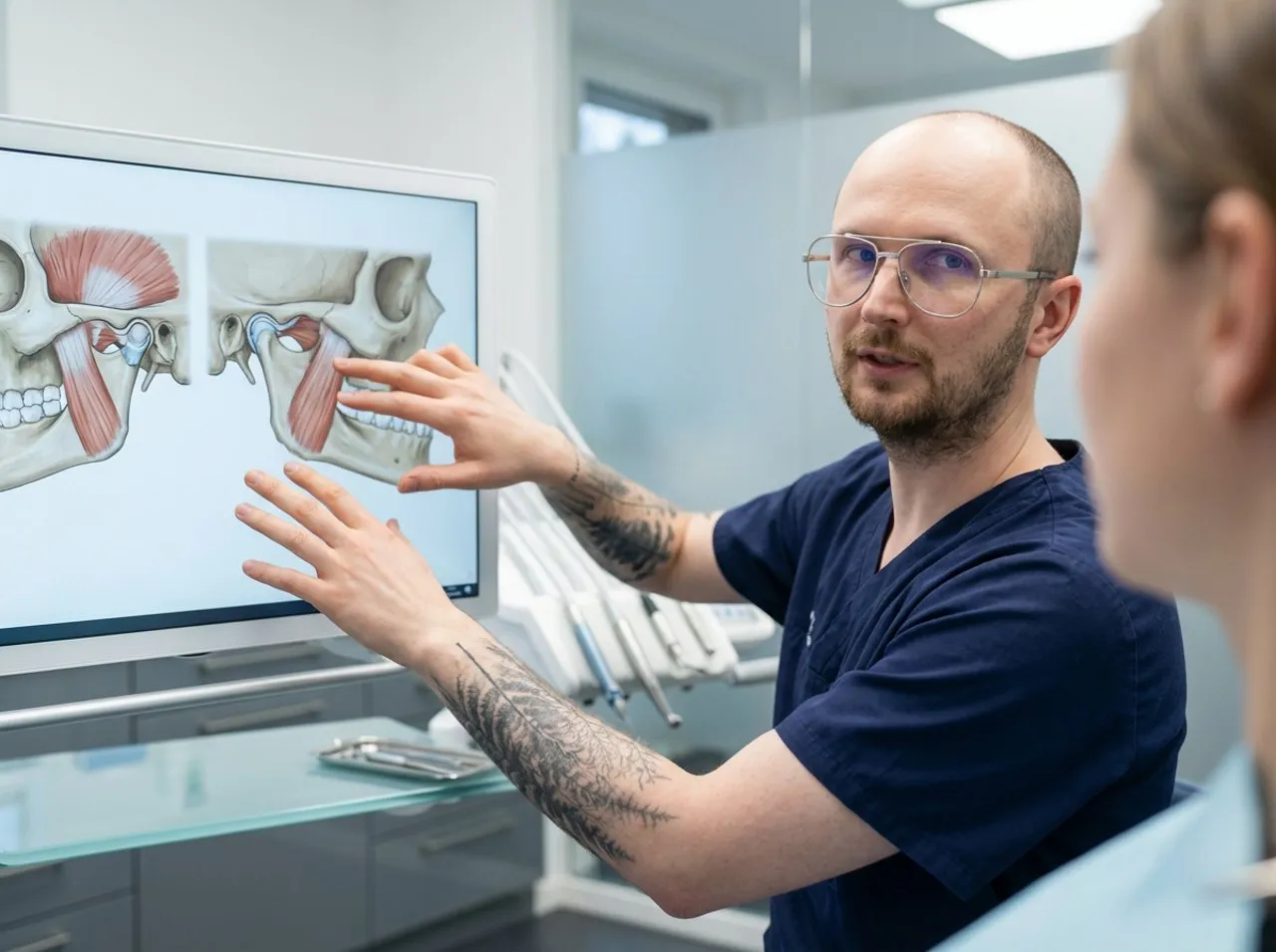
When you should definitely see a dentist
Not every locked jaw can be released by yourself. Seek urgent medical advice if the restriction develops suddenly and is severe, if there are signs of infection, or if it follows an injury. If you have difficulty breathing or swallowing, seek emergency medical care. See a dentist if your mouth opening remains severely restricted. This is especially important if you also notice severe pain or swelling.
A fever, purulent discharge or numbness are also warning signs. In these cases, there may be inflammation or another serious problem. A professional diagnosis is then urgently needed.
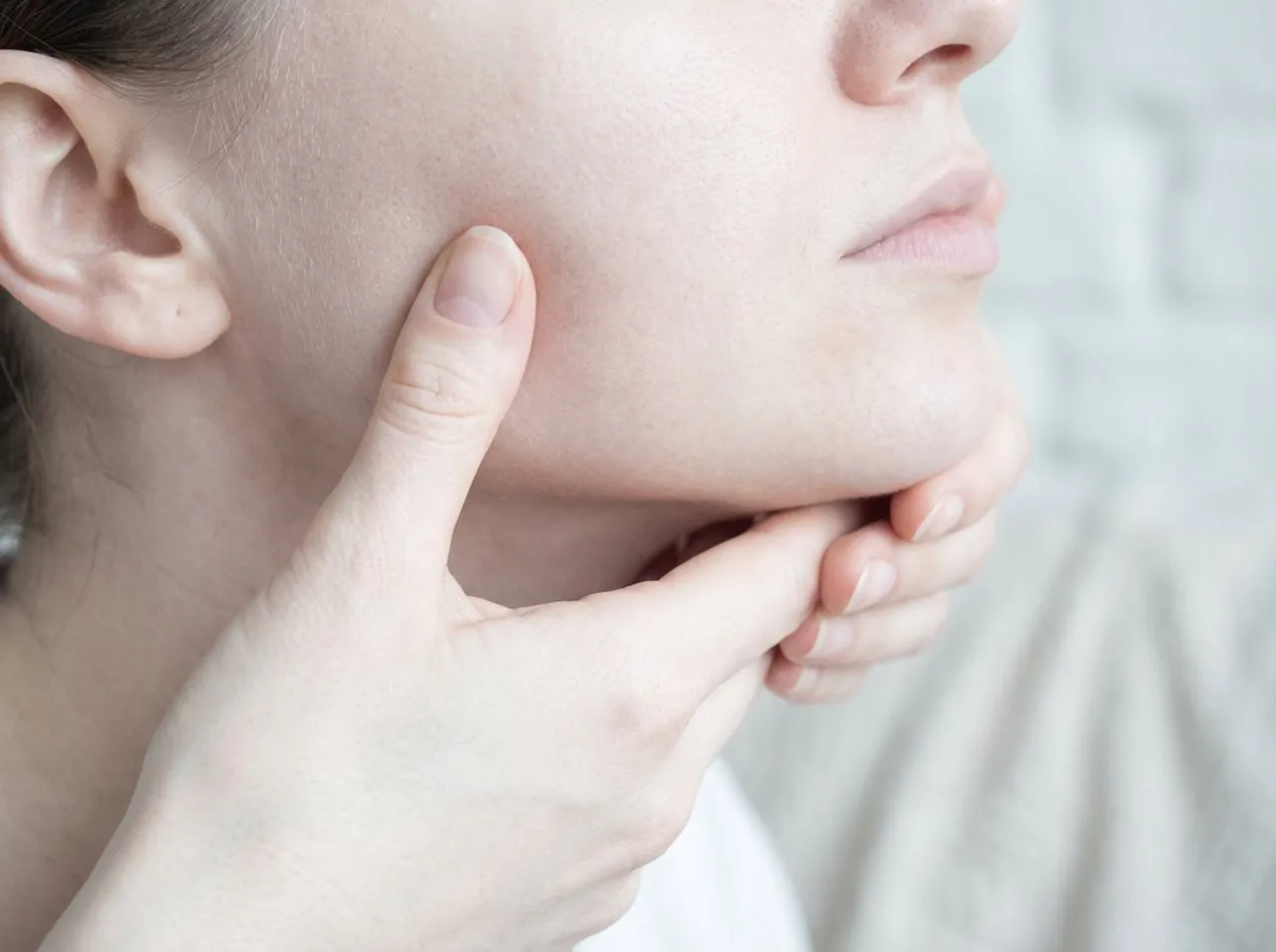
Diagnosis and treatment at the Wunschlachen practice
At our practice in Berlin, we first check your mouth opening. We then carefully palpate the muscles and temporomandibular joint. Imaging techniques such as X-rays or 3D scans can be used if necessary.
Depending on the cause, there are various treatment approaches. For muscular problems, manual techniques, splint therapy and relaxation exercises usually help. Inflammation can be treated with medication and targeted relief.
After operations, mouth opening can be improved with physiotherapy support. The aim is always to restore jaw function gently and permanently.
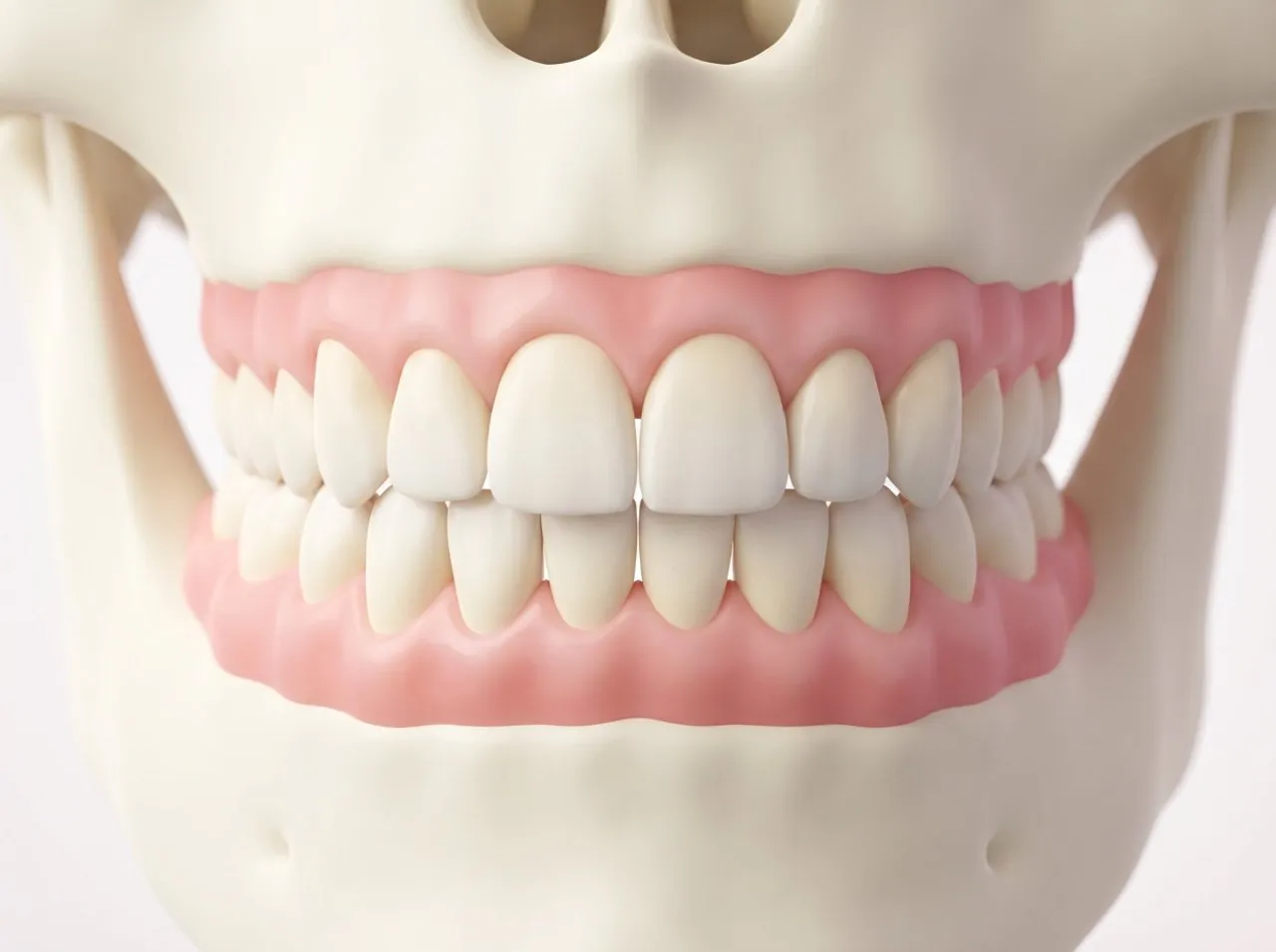
Relieving a locked jaw with a splint and physiotherapy
Many patients have a functional disorder of the temporomandibular joint. An individually fitted occlusal splint can relieve the strain on the muscles. At the same time, it protects the teeth against grinding and clenching.
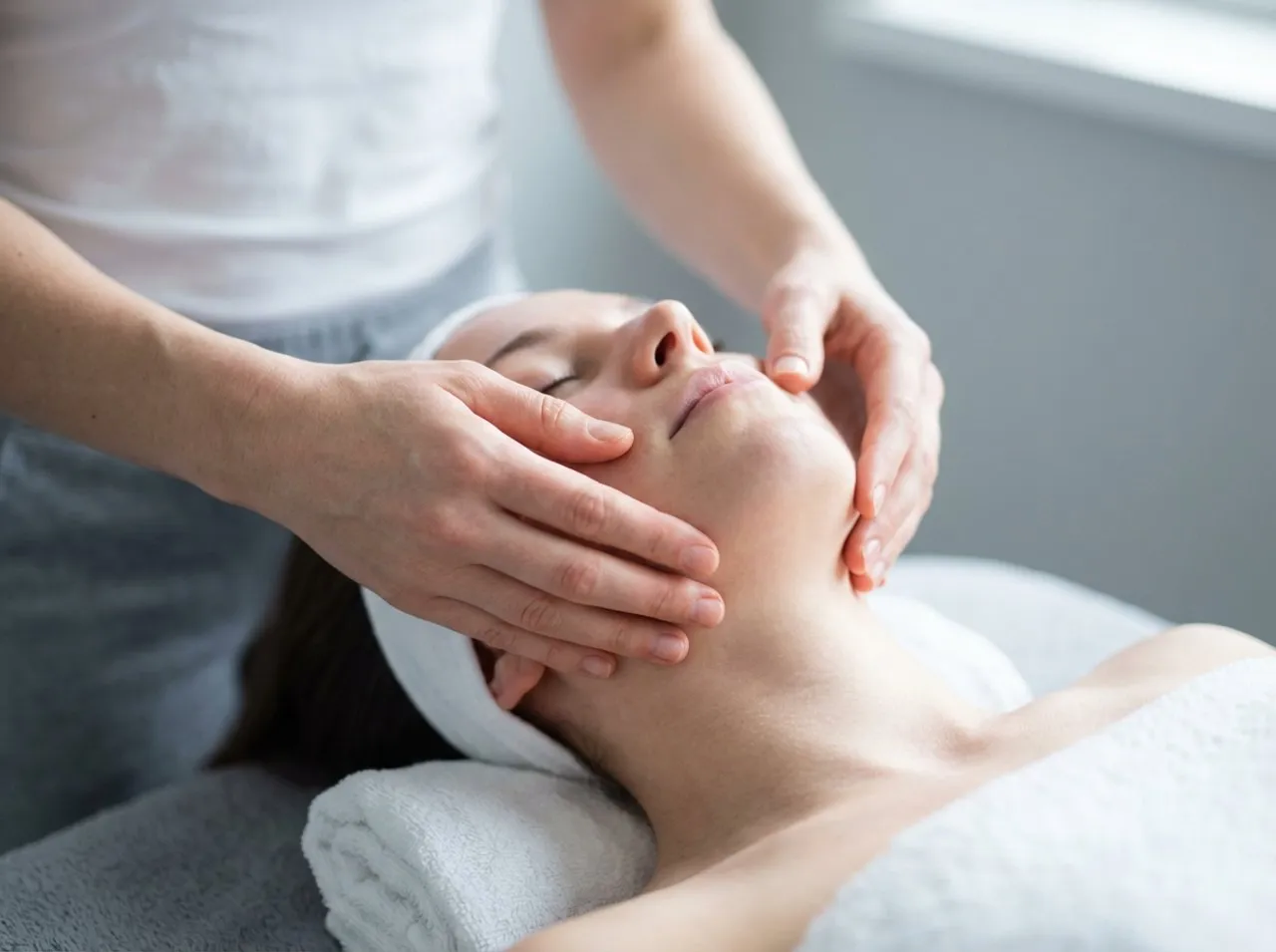
We also often recommend physiotherapy. Special exercises, massages and manual techniques loosen tense structures.
Preventing a locked jaw
To avoid further jaw problems, you should reduce the strain on your jaw in everyday life. Avoid constant chewing of gum and hard, very chewy foods. Constantly clenching your teeth also increases muscle tension.
Make a conscious effort to keep your jaw in a relaxed position. Your teeth should be slightly apart when at rest. Lips closed, tongue resting loosely against the palate – this keeps the jaw in a neutral position.
Relaxation techniques such as breathing exercises, yoga or progressive muscle relaxation help many patients. This reduces unconscious grinding.