Removing tartar yourself: risks, tips and alternatives
Tartar may seem harmless. But it damages teeth and gums. Anyone who removes it themselves risks injury.
Über 350 Google-Bewertungen
What exactly is tartar?
Tartar is hardened plaque. It forms when biofilm mineralises, particularly along the gumline and behind the incisors. Its surface is rough. New deposits adhere to it more quickly. This increases inflammation and the risk of tooth decay.
Why ‘removing tartar yourself’ is problematic
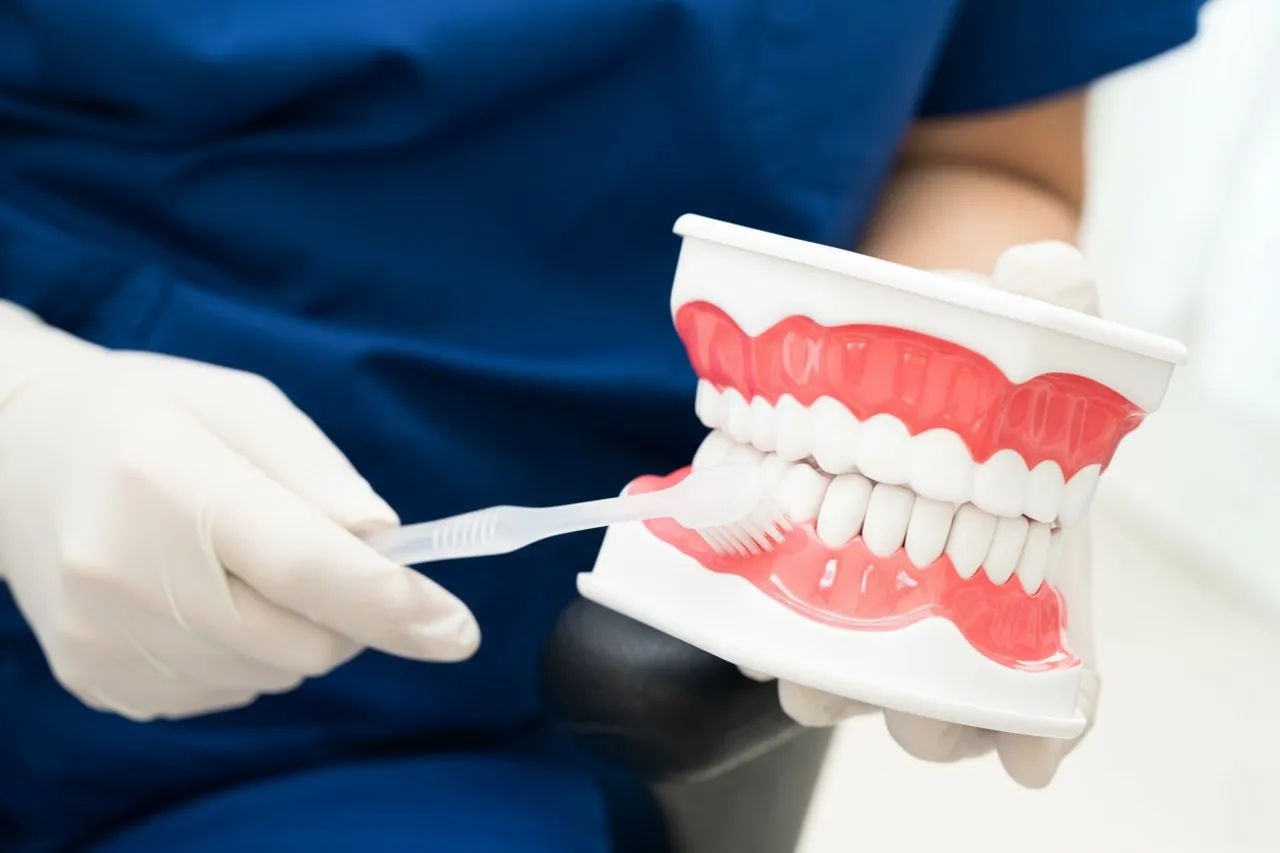
Tartar is hard and firmly attached. DIY tools slip easily. This can injure tooth enamel and gums. Improper scraping roughens the enamel. Bacteria find more to hold on to. Inflammation increases. Periodontitis can also worsen. Hidden deposits are left behind. The inflammation continues to smoulder unnoticed.
What you can do at home – and what you cannot
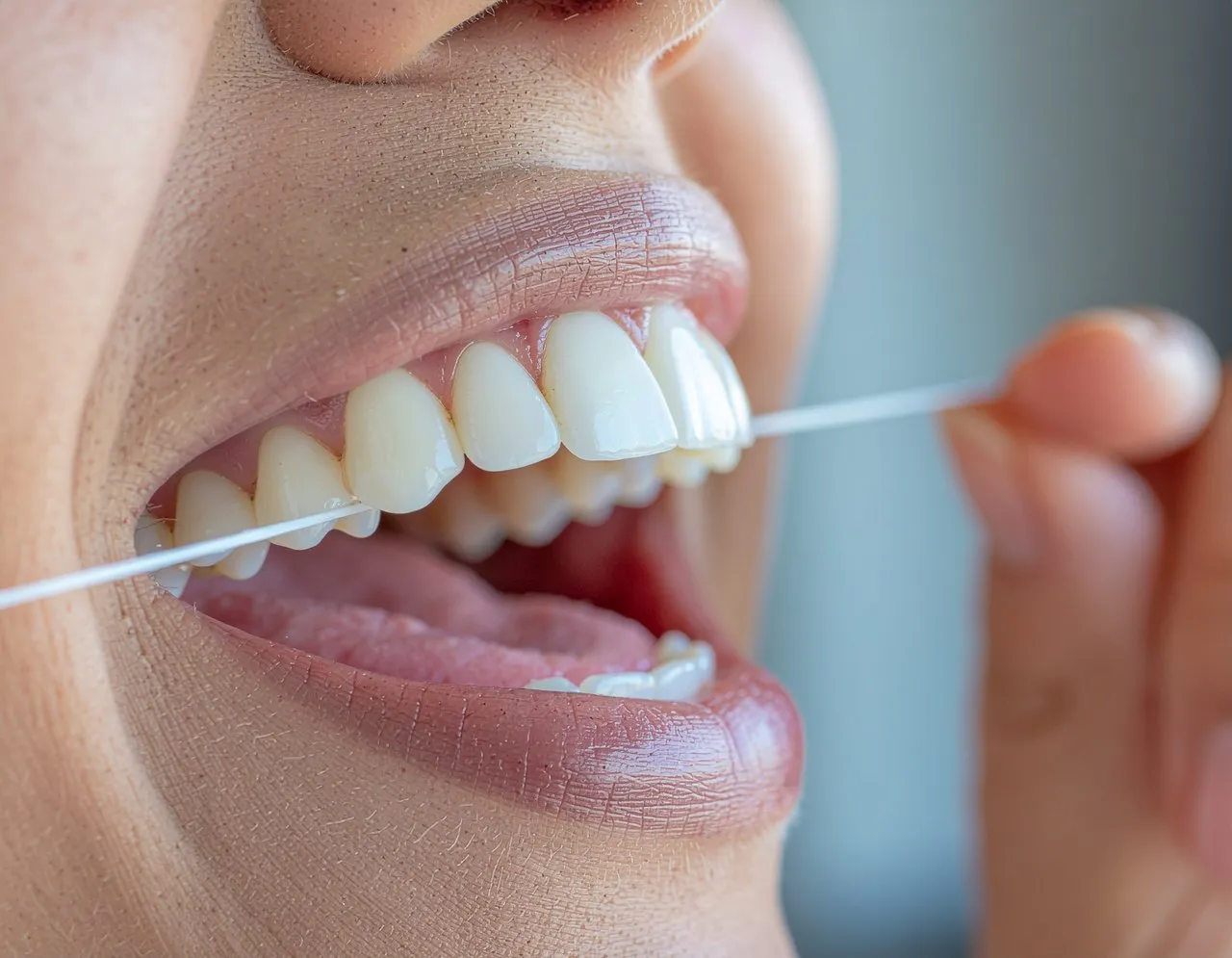
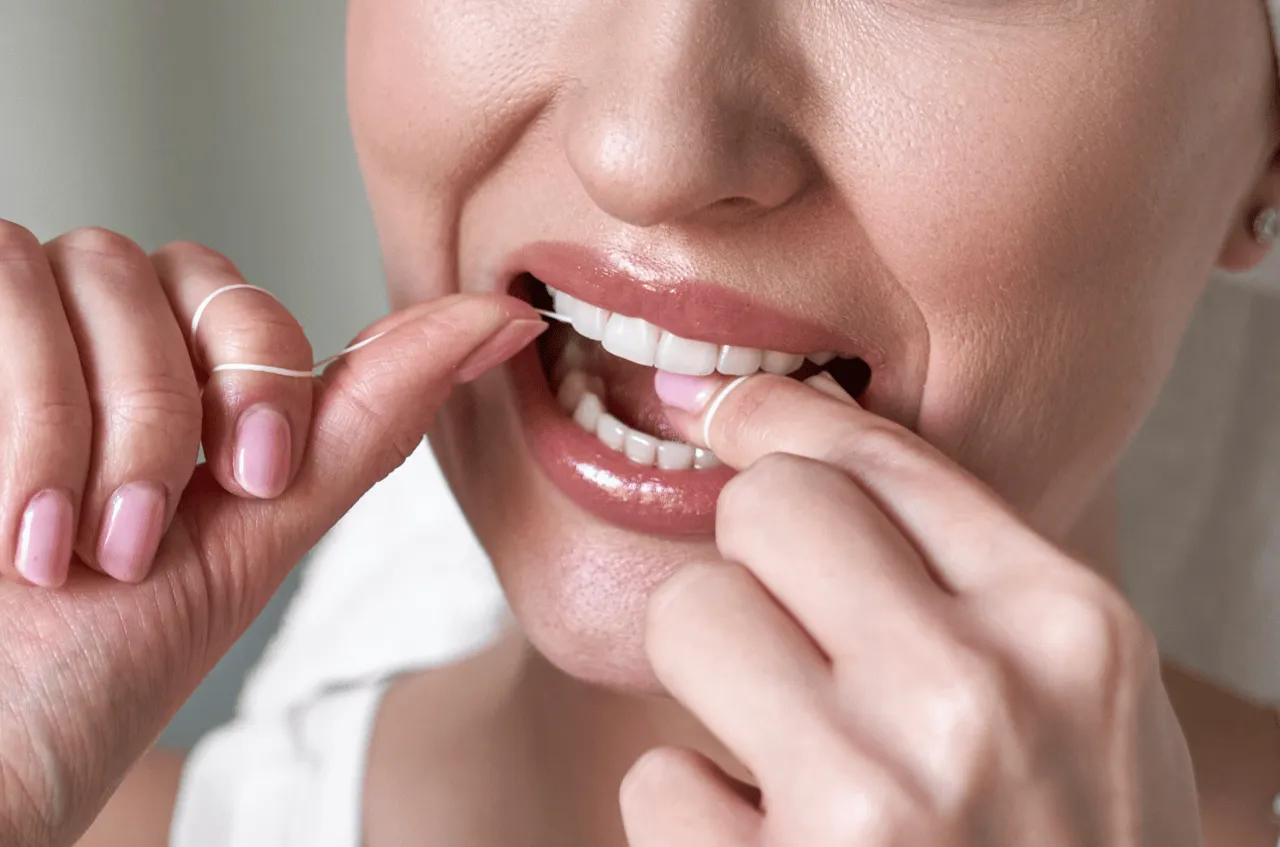
At home, you can prevent deposits. Remove soft plaque thoroughly. This reduces the formation of hard deposits. Use an electric toothbrush. Brush for two minutes, twice a day. Use gentle pressure. Clean between your teeth daily. Interdental brushes are very effective. Supplement with dental floss or soft picks if necessary. Fluoride toothpaste provides additional protection. It hardens the enamel. This inhibits acid attacks. Antibacterial mouthwashes can help. Use them for a limited period. Long-term use should be discussed with a professional.

What you should avoid
Do not use baking powder, salt or lemon juice. These substances are too aggressive. They damage enamel and gums. Do not use vinegar against tartar. Acid does dissolve deposits. But it also demineralises enamel. Do not use nail instruments or knives. Improvised tools are dangerous. They can cause deep injuries. ‘Tartar scrapers’ bought online are also risky. Without a clear view or training, you will not use the technique correctly. The result is microcracks.
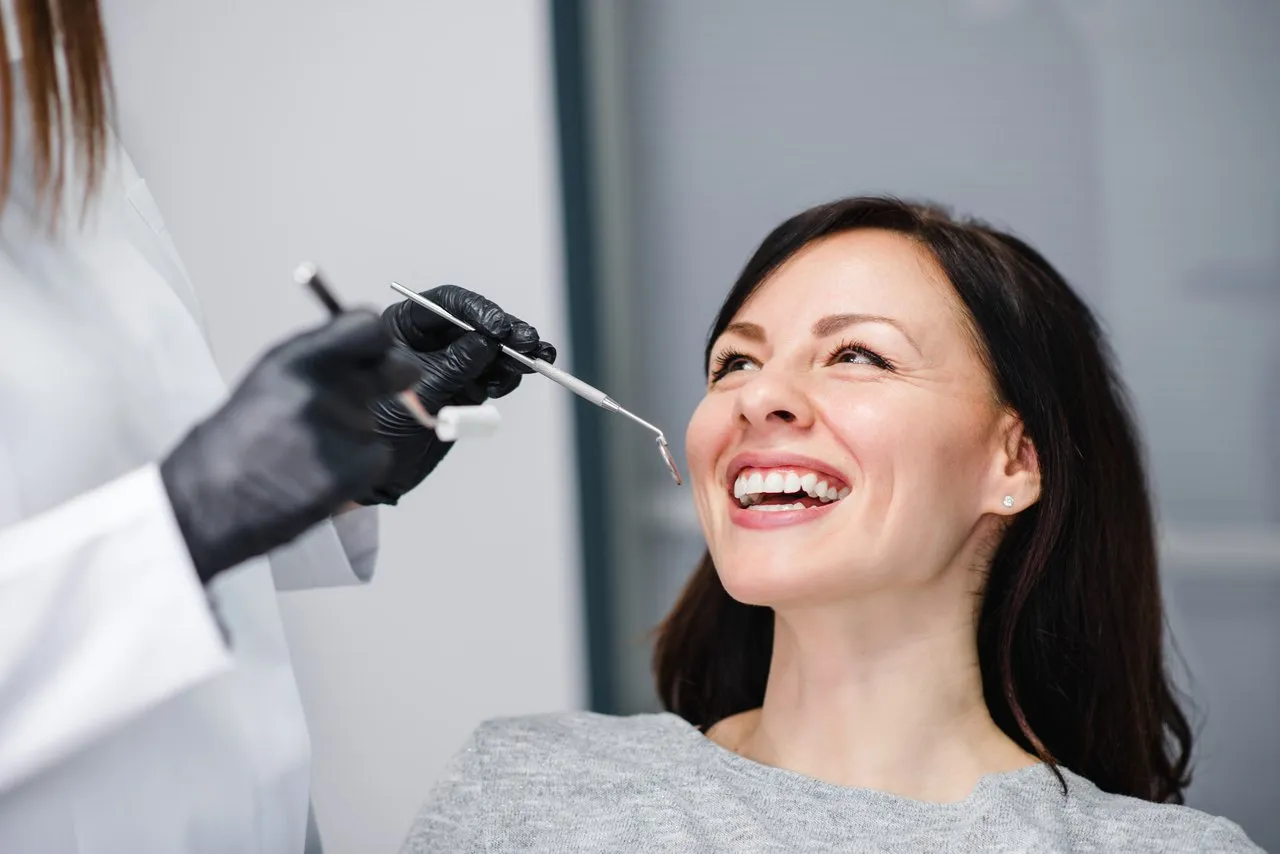
Professional tartar removal at Wunschlachen
Tartar can be removed safely. This is done professionally at our practice. Gently and thoroughly. We use ultrasound and hand instruments. Vibrating tips loosen hard deposits. Fine curettes then smooth the surfaces. Finally, the teeth are polished. Rough surfaces are smoothed. A protective varnish can strengthen the enamel. The result is noticeable. Teeth feel smooth. The gums settle down.
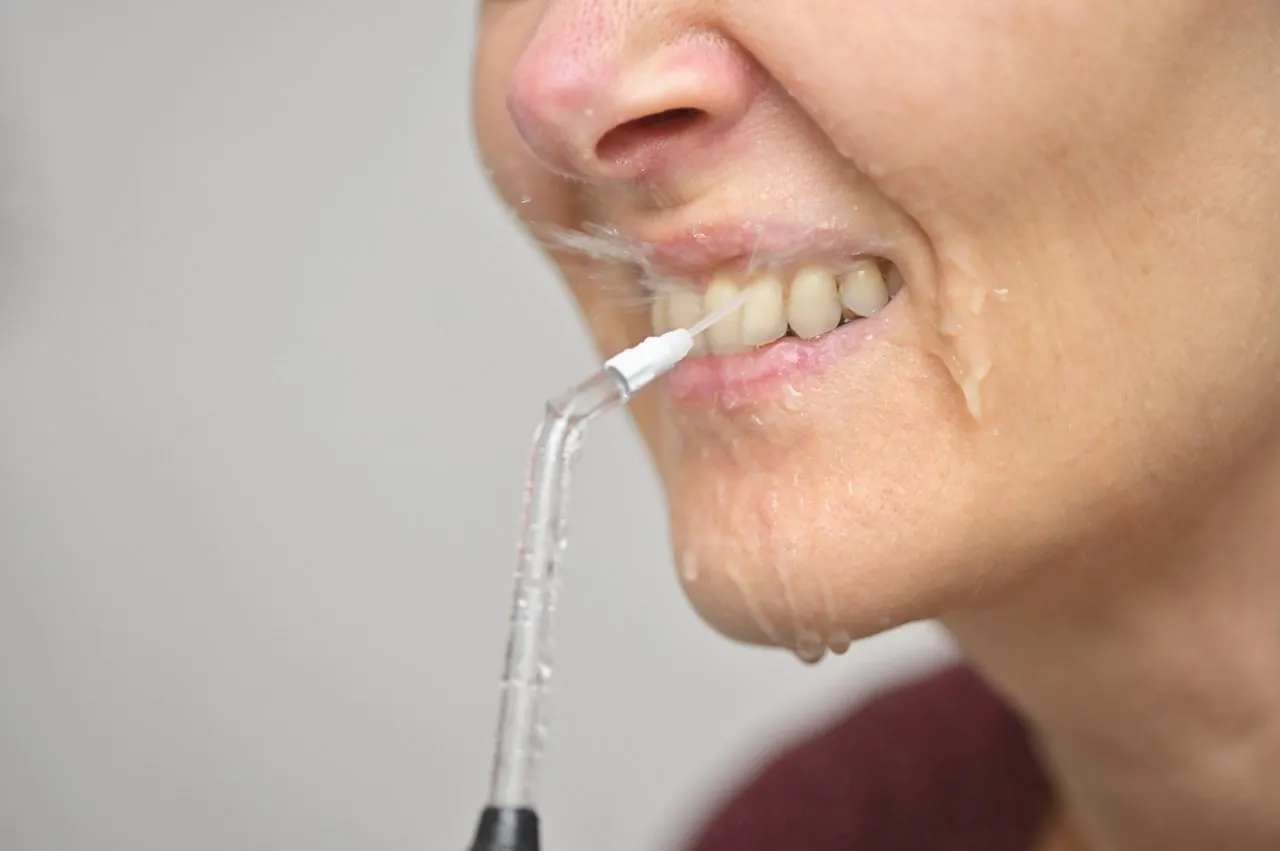
How often should tartar be removed?
As a guide, every six months. More often if you have periodontitis. Also if you have heavy tartar build-up or crowded teeth. Smoking, or drinking a lot of coffee or tea, accelerates the build-up of deposits. We then recommend shorter intervals. We determine this on an individual basis.

Procedure, duration and costs
The session begins with an examination. We check your gums and deposits. Then we start the removal. Treatment usually takes 20 to 40 minutes. More extensive deposits require more time. Local anaesthetic is available on request. Statutory health insurance does not usually cover the cost. Additional preventive care is paid for by the patient. We provide transparent advice on your options. Instalment payments are available at Wunschlachen. This makes preventive care easier to budget for. Please ask us about this.
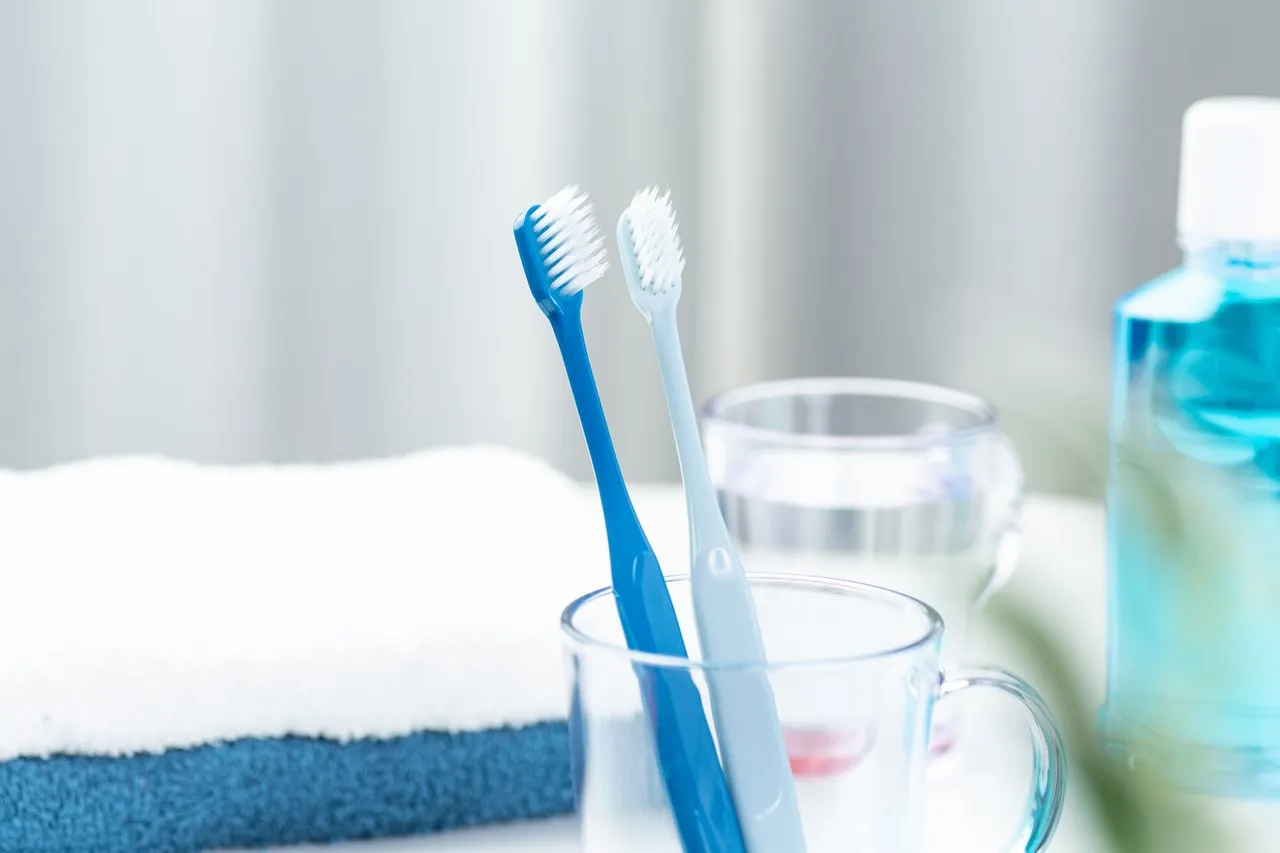
Common mistakes you should avoid
Brushing too hard is harmful. It causes wedge-shaped defects. Use the pressure sensors on modern toothbrushes. Infrequent interdental cleaning is a classic mistake. Inflammation often starts there. Make it a fixed part of your routine. Your tongue and dental splints are often forgotten. Germs also accumulate on both. Clean both regularly.

Diet: small changes, big impact
Sugar promotes plaque growth. Cut down on sweet snacks. Drink water instead of soft drinks. Dairy products provide calcium. This supports remineralisation. Cheese neutralises acids after meals. Sugar-free chewing gum stimulates saliva flow. Saliva buffers acids. This helps between brushing.
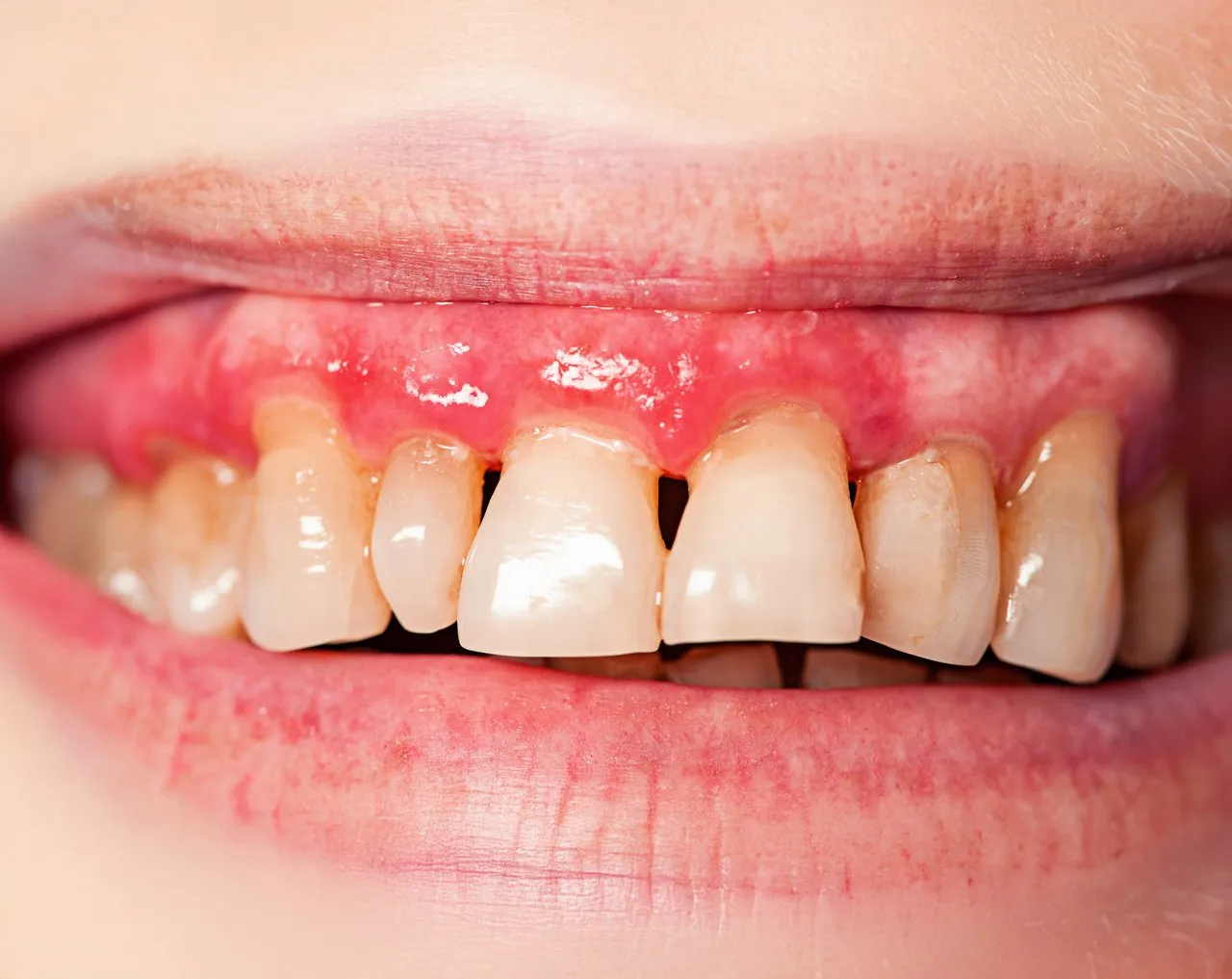
Warning signs: when you should come in immediately
Your gums bleed frequently. Or they are swollen and tender. These are warning signs. Bad breath persists despite oral care. Teeth appear longer. Teeth feel loose. Sensitivity to temperature or biting is also suspicious. Please get in touch promptly. Earlier is easier.
Preventing periodontitis: a systematic approach to preventive care
Preventive care is teamwork. At home and at the practice. With a clear routine. We plan individual intervals. Professional dental cleaning complements your oral care. You also receive coaching on technique. This sustainably reduces tartar build-up. Inflammation subsides. Your gums remain stable.

Conclusion: remove it yourself? Better to have it removed professionally
Removing tartar yourself sounds simple. But the risks are high. Professional removal is safe. Combine practice appointments with a good routine. This prevents new deposits. Your smile stays healthy and beautiful.