Removing a tooth root without a tooth: treatment and healing
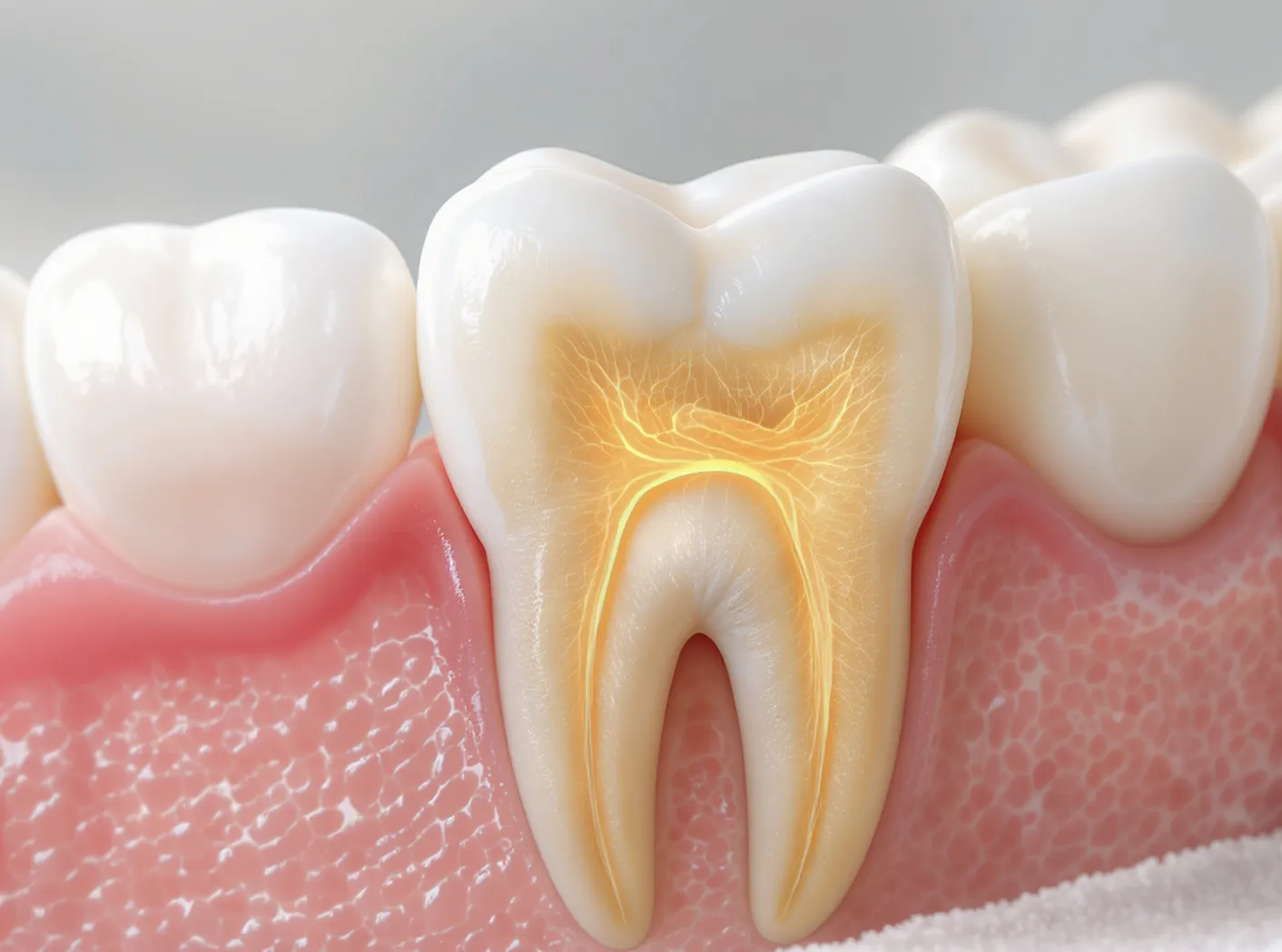
A tooth can break off deep down. Often only the root remains. The expression ‘extracting a tooth root’ is often used colloquially. In most cases, this means extracting root remnants. This protects against inflammation. If enough tooth substance remains, root canal treatment can sometimes help.
Über 350 Google-Bewertungen
When does a root remain without a tooth?
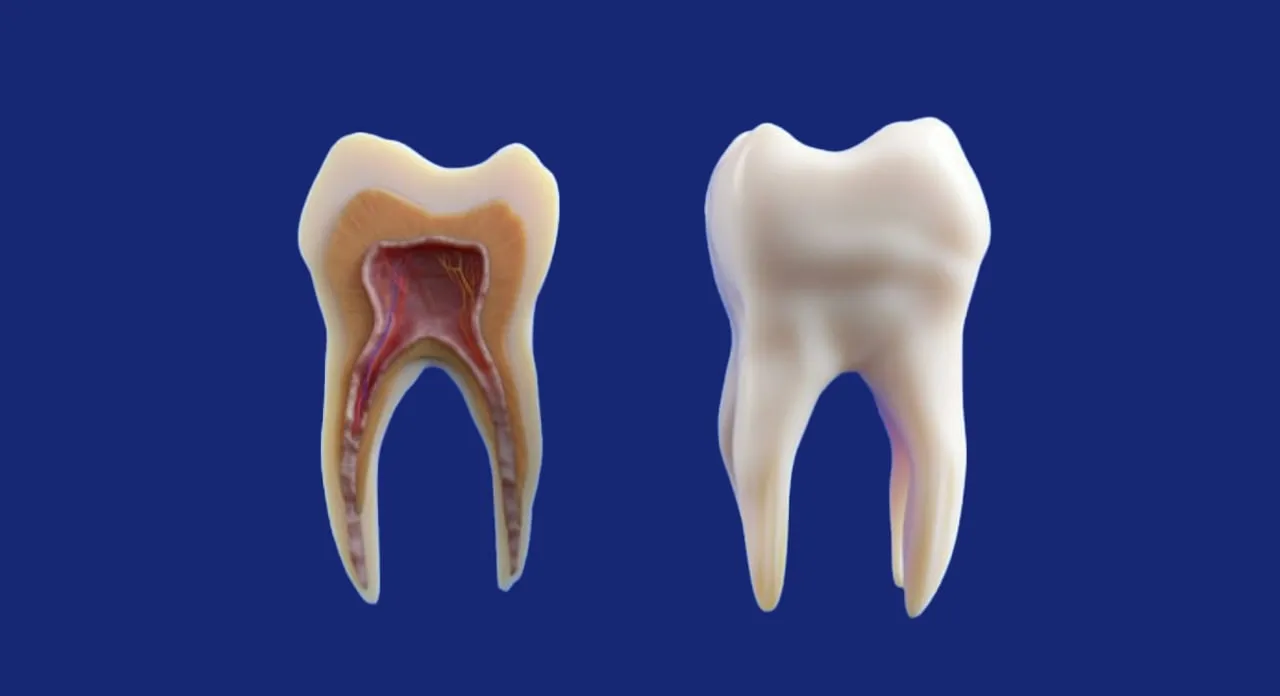
Tooth decay is often the cause. An accident can also split the crown completely. Sometimes a tooth breaks beneath a large filling. A retained root in a broken tooth is typical. A root remnant then remains in the bone. It should be shown to a dentist promptly. If it causes problems, the root remnant often has to be removed.
Symptoms of root remnants in the jaw: typical signs
There may be no symptoms of root remnants in the jaw initially. Later, pain on pressure or throbbing may occur. Swelling is also possible. Some patients notice a bad taste. A small fistula on the gum is also typical. If you have a fever, please contact us immediately.

Examination and diagnosis before removal
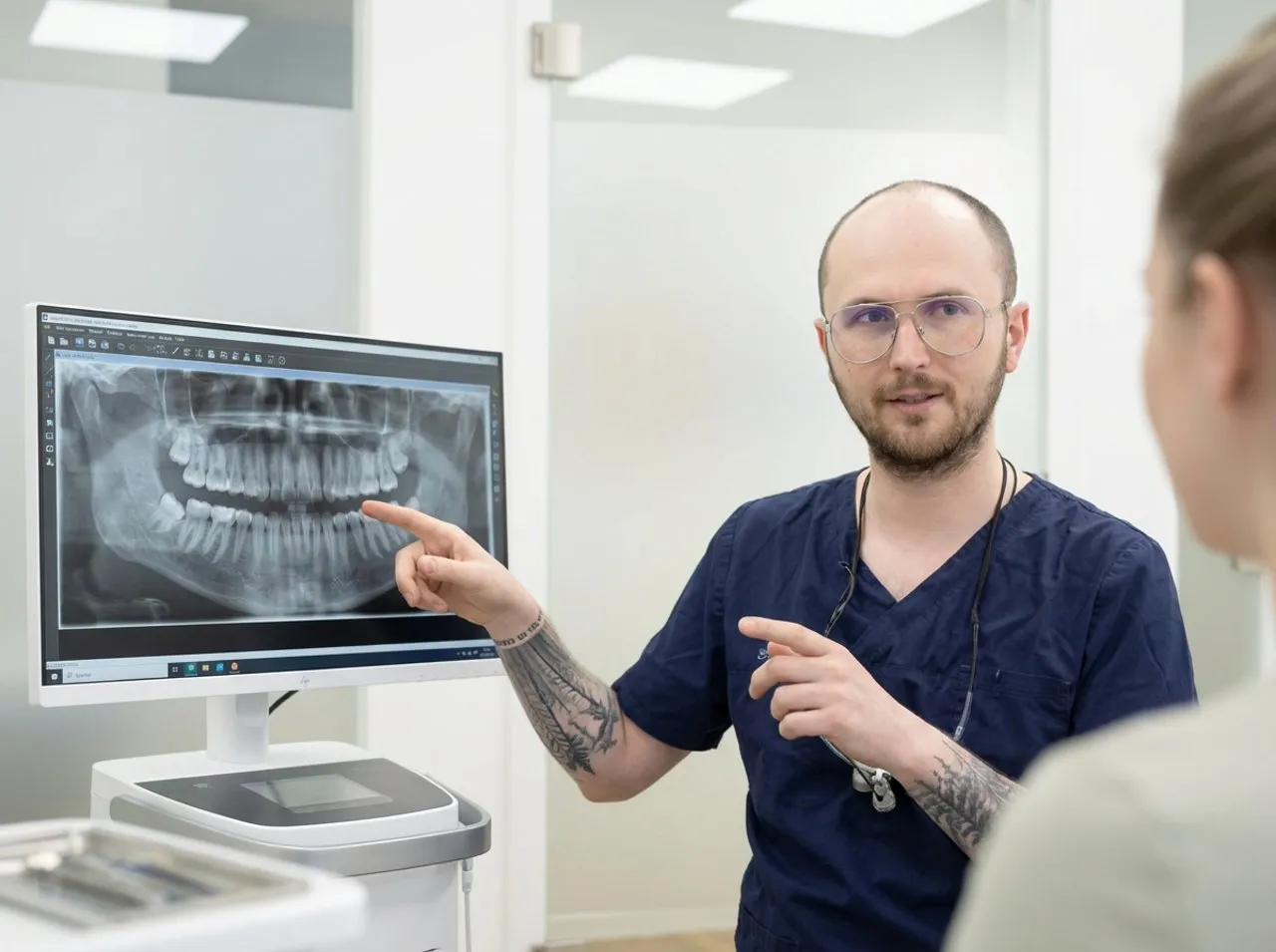
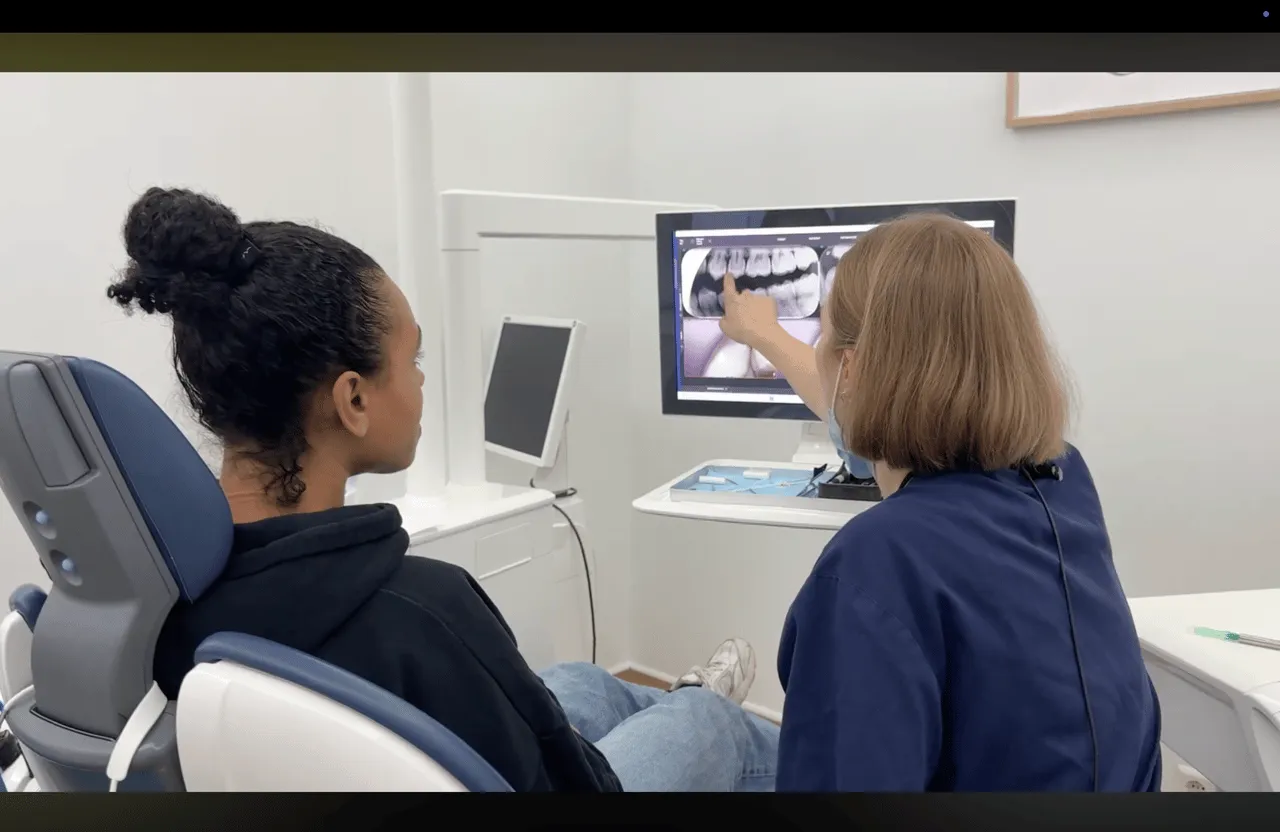
An X-ray is needed before the procedure. This allows us to see the length and shape of the root. Proximity to nerves is also checked. A 3D scan may be useful if the root is in a complex position. This improves the risk assessment. We then choose the gentlest approach.

Procedure: extracting a tooth root without a tooth, step by step
First, a local anaesthetic is administered. You then usually feel only pressure. If necessary, we then carefully detach the gum. The root remnant is loosened and removed. We then thoroughly clean the socket. If access is very deep, a minimal amount of bone is exposed. This procedure may sound unpleasant at first. However, the wound remains small. Stitches may be useful at the end.
Extracting a broken tooth: special considerations
With a broken tooth, there is no surface to grip. We therefore use fine elevators. Special forceps provide a secure hold. Many people wonder how such a tooth can be removed safely. The answer depends on the fracture line. The deeper it is, the more surgical the procedure.

Pain, reassurance and your safety
With effective anaesthesia, the procedure is well tolerated. Sedative options are available on request. These include nitrous oxide or sedation. We discuss any pre-existing conditions and medication beforehand. This keeps the treatment predictable. Your circulation is closely monitored throughout.

Experience after root remnant removal
A feeling of pressure is a typical symptom. The discomfort then usually subsides quickly. Cooling reduces swelling. Many people are surprised at how quickly they can eat again. Nevertheless, soft food is advisable. Take it easy on the first day and avoid exertion.

Healing: realistically assessing the healing time after root remnant removal
The wound usually closes within a few days. Stitches are removed after about a week. The bone takes a little longer to regain full stability. A rough estimate is six to twelve weeks. This is the usual healing time. After this, tooth replacement can be planned with confidence.

Root remnant removal: aftercare in everyday life
Apply cold compresses externally at intervals. Do not rinse vigorously on the first day. Drink water and unsweetened tea. Continue to brush the neighbouring teeth carefully. Avoid smoking and alcohol. Both significantly impair wound healing.

Risks and warning signs
In rare cases, bleeding may recur or infections may develop. A dry socket is also possible. If this happens, the area becomes very painful after two days. Please report any numbness in the lower jaw. This is rare, but must be investigated. The same applies to pus or increasing swelling.

Removing a root remnant from a baby tooth: what applies to children
Children often have milk teeth. A root remnant only rarely needs to be removed from a milk tooth. Often the remnant comes away on its own. We act early in cases of pain or pus. We work particularly carefully. Child-friendly anaesthesia is the focus.
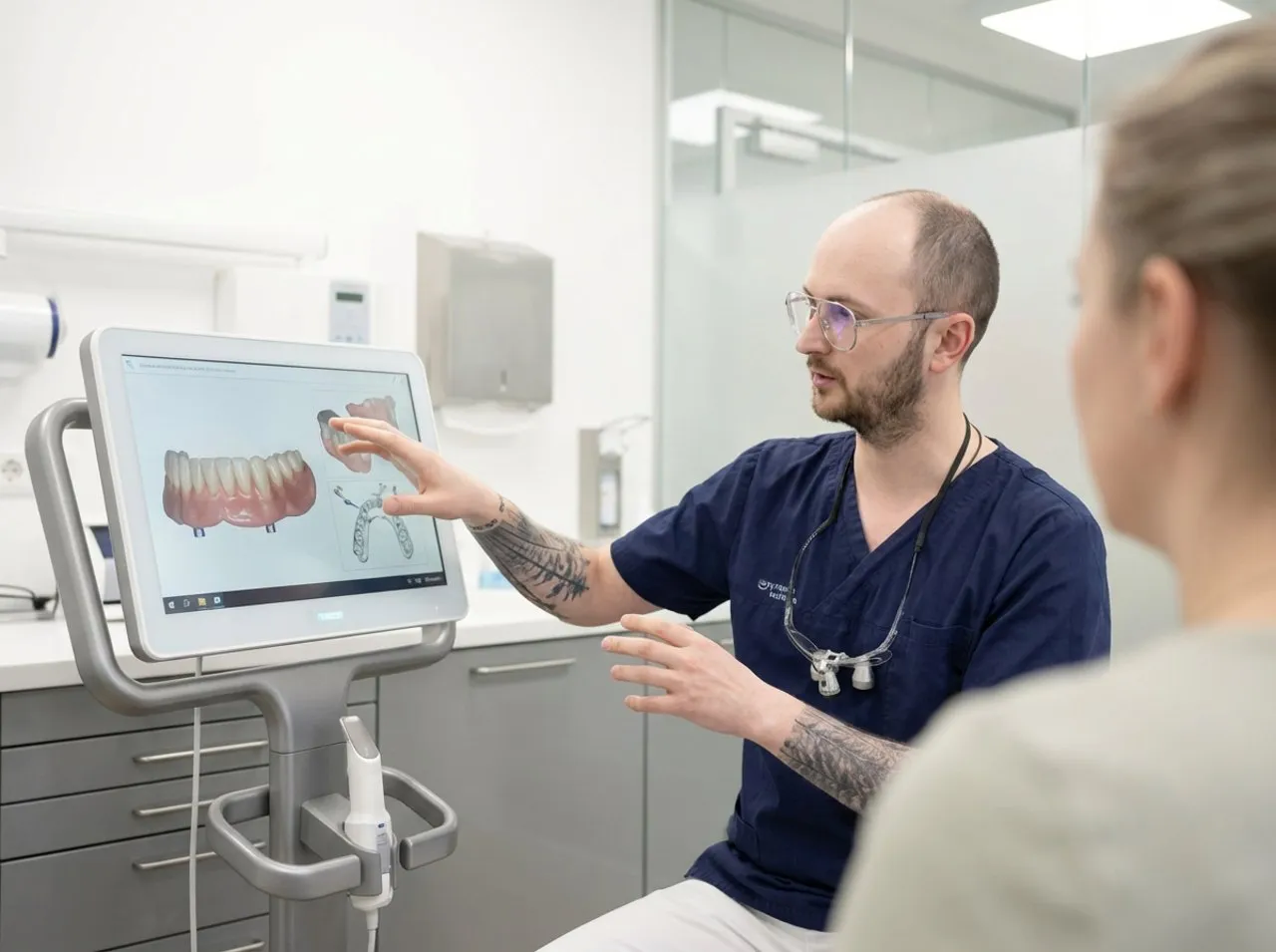
What happens after ‘tooth extracted with root’?
A gap is created. Without treatment, the bite can shift. The bone also gradually deteriorates. Depending on the findings, a bridge, denture or implant may be suitable. Bone augmentation is sometimes advisable. At the Wunschlachen practice in Berlin, we provide transparent advice.
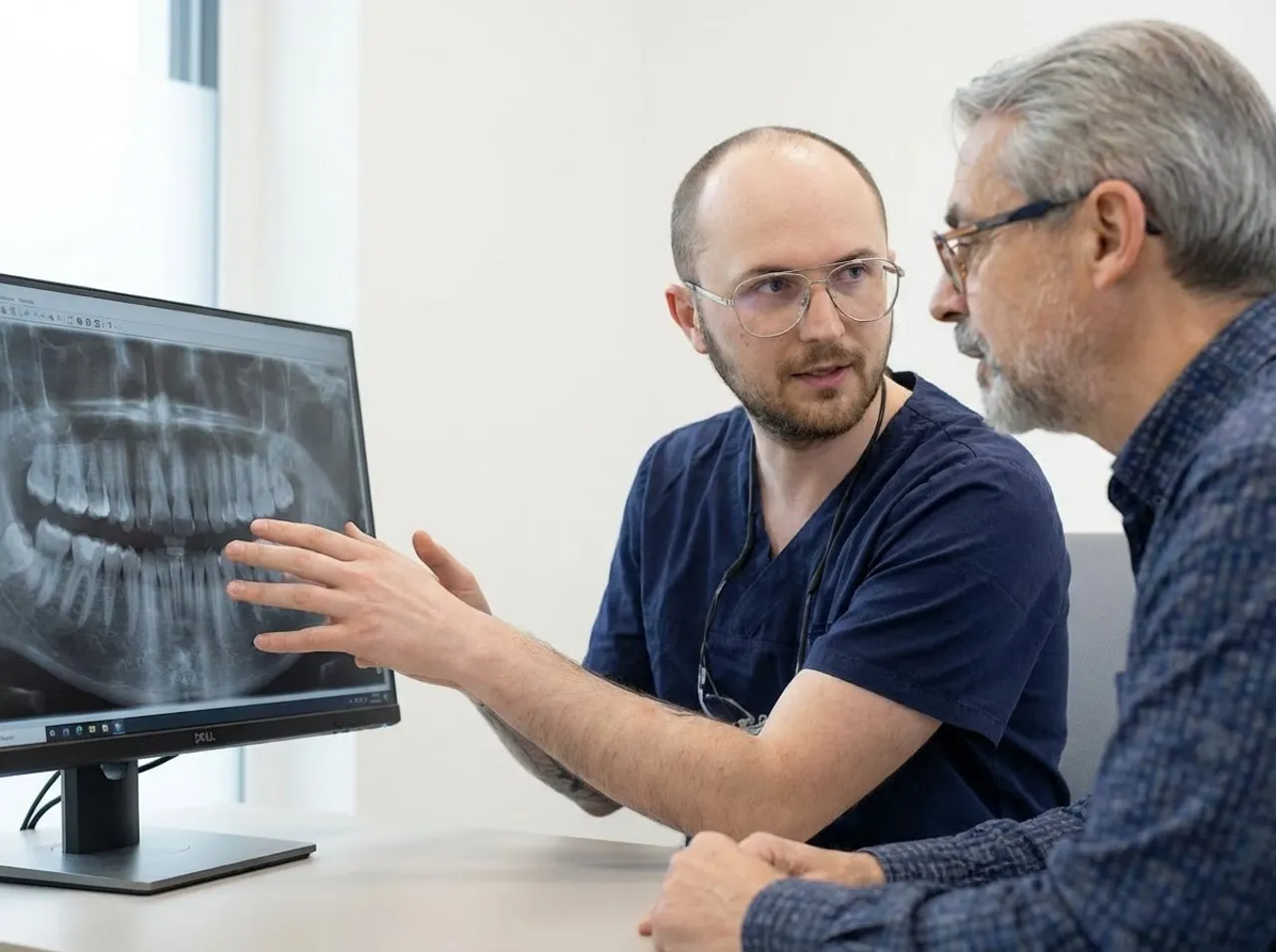
Costs and appointments at Wunschlachen
Costs depend on the complexity and position. A superficial root remnant is usually easier to remove. A deeper remnant requires more time. You will receive a clear treatment plan in advance. We also explain any statutory health insurance contributions clearly. This keeps you fully informed.
FAQ
It means removing a remaining tooth root.
Removal is advisable in cases of inflammation, pain or risk of a cyst.
Pain on pressure, throbbing, swelling, a fistula or an unpleasant taste are typical.
Under local anaesthetic, you usually feel only pressure.
The root remnant is loosened and removed, and the wound is cleaned.
The crown is missing, but the root is still in the jawbone.
Depending on its depth, it is removed conventionally or surgically.
Soft tissue heals within days, while bone usually takes six to twelve weeks.
Mild wound pain, slight swelling and rapid improvement are common.
Treatment should be provided in cases of inflammation, pus or severe discomfort. However, this is not usually necessary.