
Scurvy: effects on the teeth and treatment
Scurvy is a disease caused by a deficiency of vitamin C (ascorbic acid). It is often associated with serious health consequences. Although it is rare nowadays, scurvy was a widespread disease in earlier centuries. It mainly affected sailors. The...
Über 350 Google-Bewertungen
What is scurvy?
Scurvy is the result of a severe, prolonged vitamin C deficiency and is rare today. In the mouth, it mainly causes swollen gums that bleed easily and, as it progresses, loosening of the teeth. Treatment involves correcting the deficiency under medical supervision; gum problems should always be assessed by a dentist, as there is usually another underlying cause.
- Cause
- Severe, prolonged vitamin C deficiency; rare in Germany today
- Signs in the mouth
- Swollen gums that bleed easily and, in advanced cases, loosening of the teeth
- When to see a doctor
- Bleeding and swollen gums should always be assessed by a dentist or doctor – there is usually another underlying cause
This information is no substitute for medical or dental advice. The diagnosis and treatment of a vitamin deficiency should be supervised by a doctor.

What is scurvy?
Scurvy is a disease caused by a severe vitamin C deficiency in the body. Vitamin C is essential for the formation of collagen, an important component of connective tissue. Among other things, it stabilises the gums, teeth and dentine. Without sufficient amounts of vitamin C, the connective tissue in the body becomes weaker. This can lead to a range of different symptoms.

Causes of scurvy
The main cause is an inadequate intake of vitamin C through food. Vitamin C is found in many types of fruit and vegetables, particularly citrus fruits, berries, peppers and green vegetables. A diet lacking in these foods can lead to a deficiency.

Symptoms of scurvy
The disease manifests itself in a wide variety of symptoms. These can range from initial signs such as tiredness and weakness to serious health complications. The most common symptoms include: • Tiredness and exhaustion • Pallor and susceptibility to bruising • Joint pain and muscle cramps • Skin problems, such as bleeding spots on the skin • Severe gum inflammation and tooth loss The symptoms of scurvy are often insidious and develop over time. Bleeding gums, swelling and receding gums are common signs, particularly in relation to dental health.
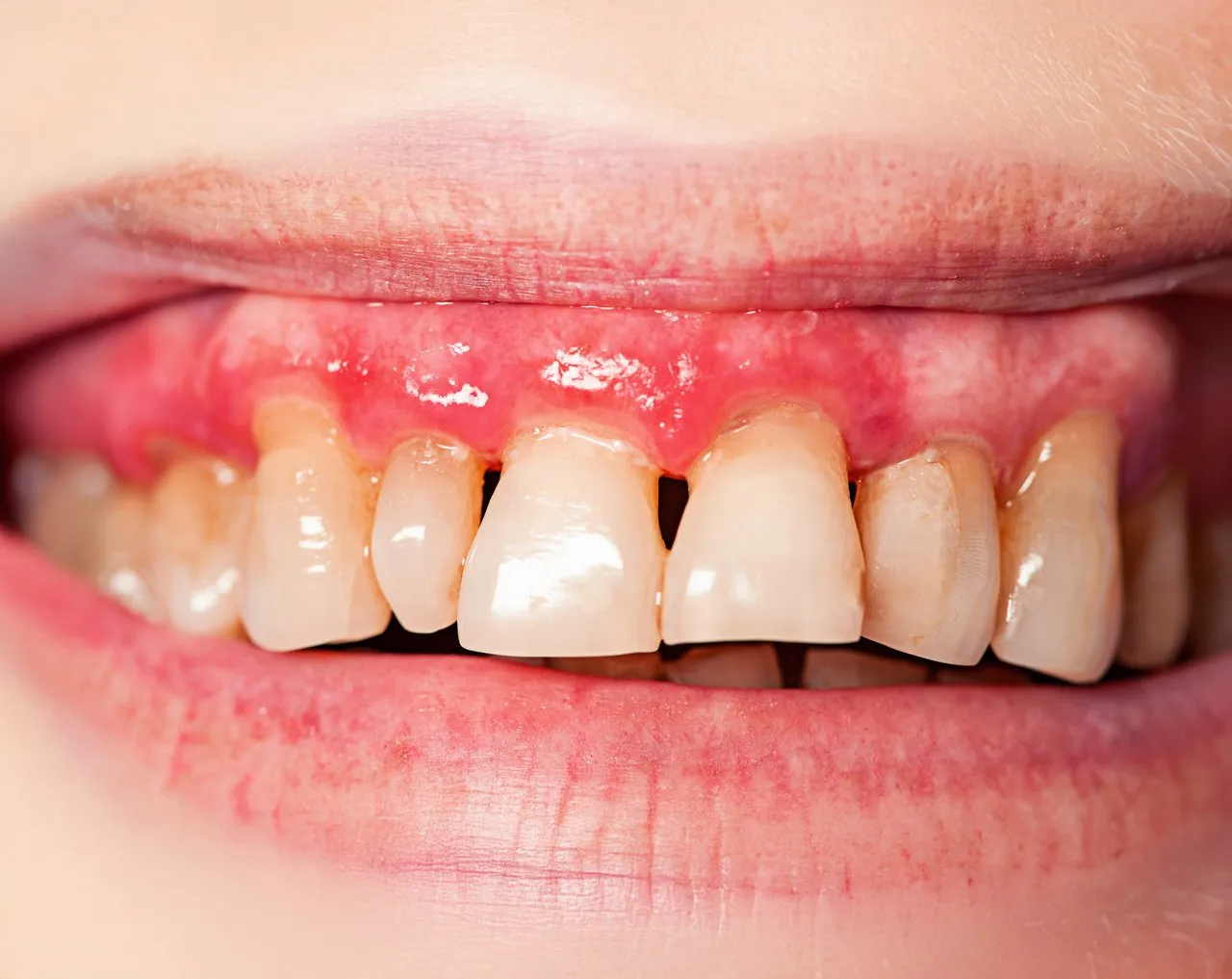
How scurvy affects the teeth
One of the most serious effects is damage to the gums and teeth. Vitamin C deficiency weakens the connective tissue in the mouth, particularly the gums. The effects on the teeth include: • Bleeding gums and swelling: The gums become soft and inflamed due to vitamin C deficiency. In advanced cases, the gums may bleed, particularly during dental care or when chewing food. • Receding gums: The weakened gums may recede from the teeth. This exposes the necks of the teeth and increases susceptibility to tooth decay and tooth loss. • Loosening and loss of teeth: In advanced scurvy, the connective tissue in the mouth can become so weak that the teeth fall out. In severe cases, several teeth may be lost. • Toothache: Inflamed gums and loose teeth can cause toothache, particularly when chewing or touching the affected area. • Poor oral hygiene: Inflamed gums can make it difficult to maintain thorough oral hygiene. This increases the risk of further dental diseases.

Treatment for scurvy
Treatment for the disease is relatively straightforward under medical supervision if it is recognised early. The most important step in treating the disease is the immediate intake of vitamin C following medical assessment. This can be obtained either through food or through food supplements. Recommended foods include citrus fruits, peppers, broccoli and fresh berries. In most cases, symptoms improve within a few days of starting vitamin C intake. In more severe cases where tooth damage has already occurred, dental treatment is required. Dental treatments include: • Professional dental cleaning: A thorough dental cleaning can help relieve gum inflammation and reduce the risk of further tooth damage. • Treatment of gum inflammation: In some cases, periodontal treatment may be necessary to heal the gums. • Tooth replacement: In cases of severe tooth loss, tooth replacement options such as implants or bridges may be required.

Preventing scurvy
The best way to prevent the disease is to eat a balanced diet. It is recommended that you eat fresh fruit and vegetables every day, particularly those that contain high levels of vitamin C. People who follow a vegetarian or vegan diet should also make sure they get enough vitamin C. Some plant-based foods are also good sources of vitamin C.
FAQs about scurvy
A disease caused by a vitamin C deficiency that has serious effects on the gums and teeth.
The most common symptoms include tiredness, paleness, bleeding and swollen gums, toothache and tooth loss.
The disease causes inflamed gums, bleeding gums, receding gums and ultimately tooth loss.
Scurvy is treated under medical supervision with vitamin C, either through food or through food supplements, following assessment.
Yes, the disease can be prevented by eating a balanced diet with an adequate intake of vitamin C.
Symptoms generally improve within a few days of starting vitamin C treatment.
The disease is most common in people who do not get enough vitamin C from their diet.
Yes, children can also be affected, particularly if they have an unbalanced diet.
The disease causes inflamed, bleeding gums, which can lead to receding gums and tooth loss.
A balanced diet with an adequate intake of vitamin C from fruit and vegetables is the best protection against scurvy.