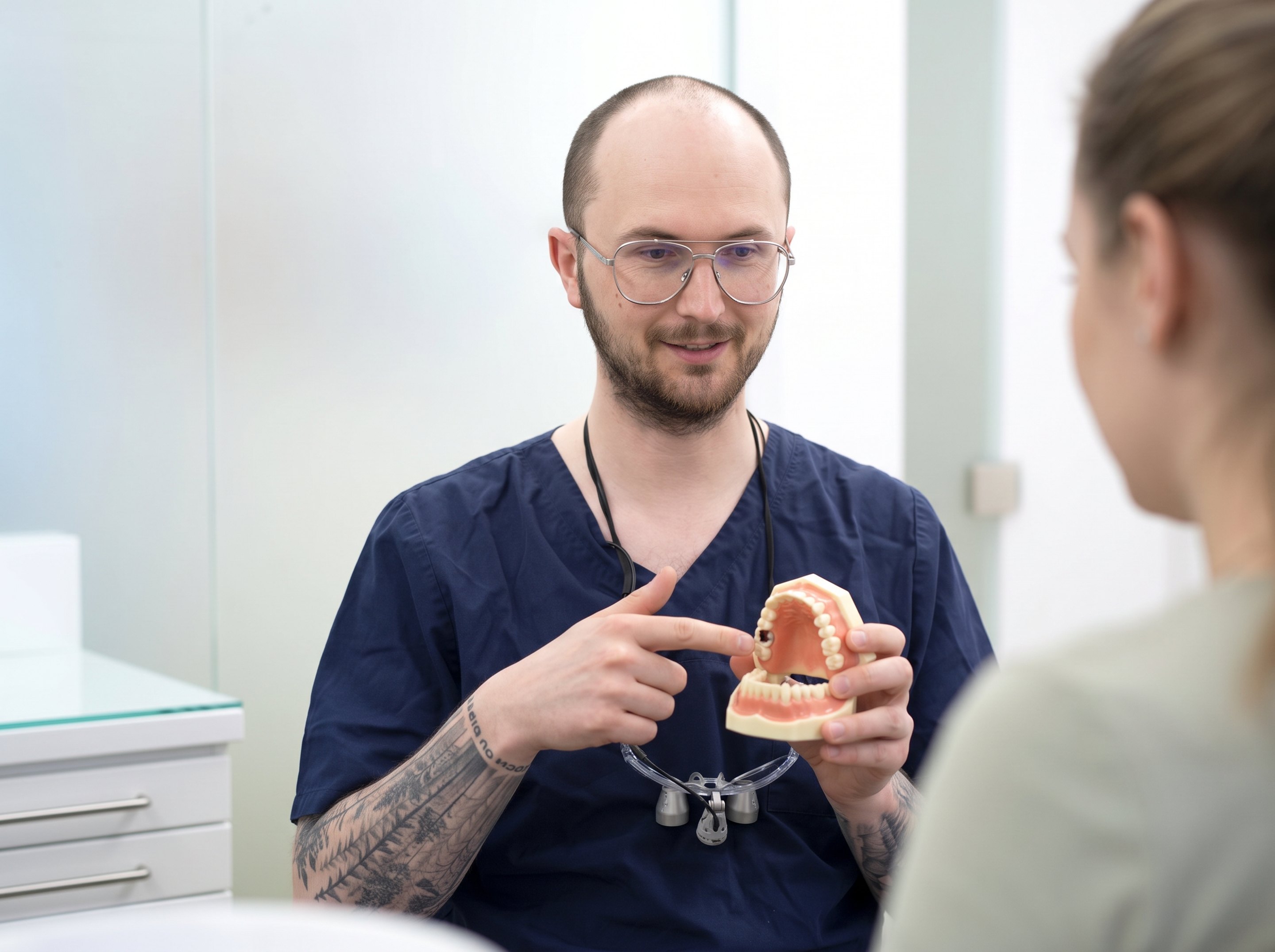
Tooth sensitive after a filling replacement
A sensitive tooth after a filling replacement is not an unusual sign at first. Cold, heat, sweet foods or pressure from chewing can temporarily trigger sensitivity. However, symptoms that persist, worsen or occur spontaneously should be examined by a dentist promptly.
Über 350 Google-Bewertungen
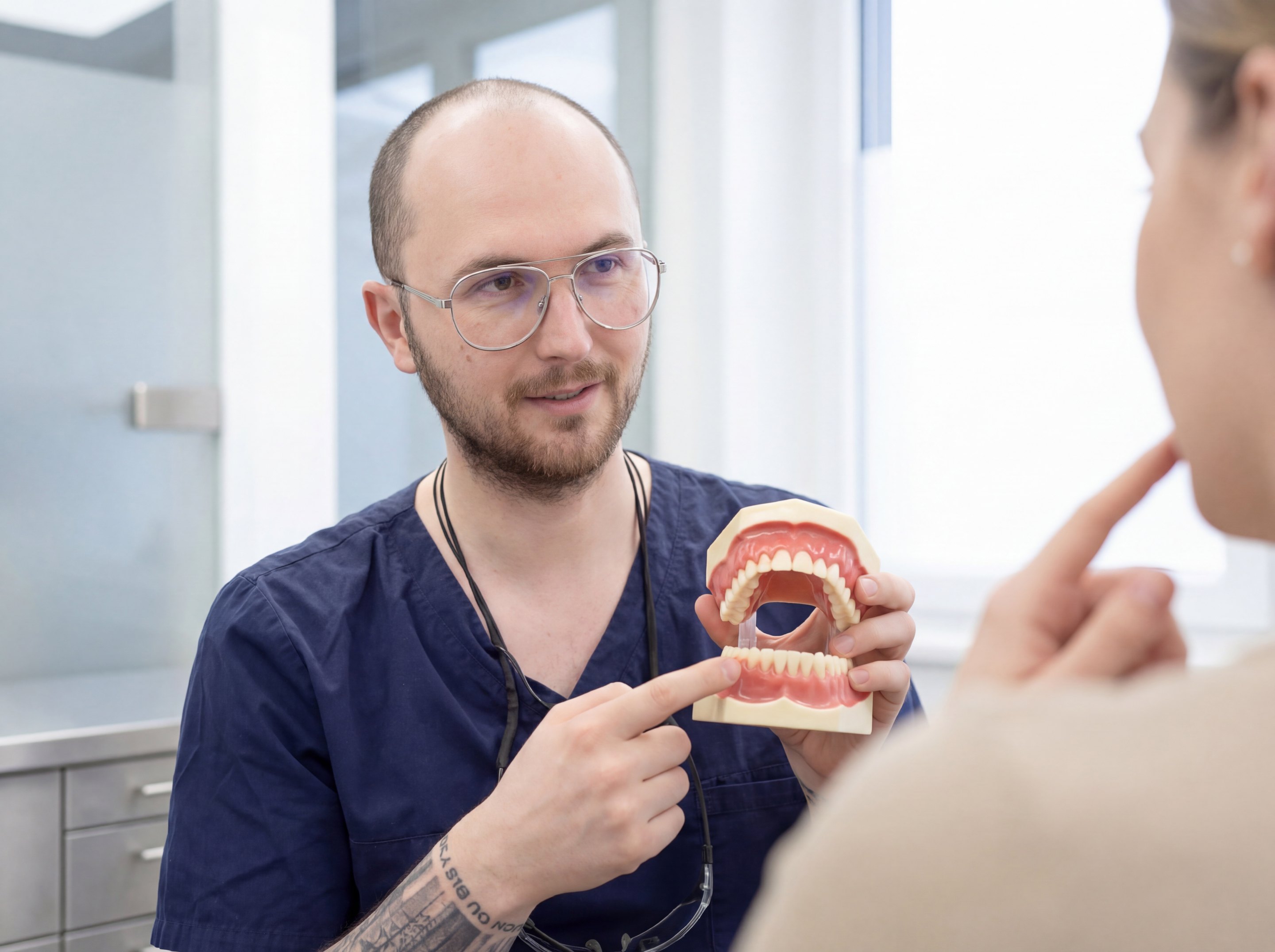
Why does a tooth react after a new filling?
When replacing a filling, the dentist removes the old restoration and any damaged tooth substance. This can partially expose or mechanically irritate the sensitive dentine. The dental nerve may therefore react more strongly to external stimuli for a time.
Particularly deep cavities are close to the dental pulp. This is where the nerve fibres and blood vessels are located. Even slight changes in temperature can then be felt more acutely.
The filling material used also affects the initial period. Composite is applied in layers and hardened with light. This can create slight stresses within the new restoration.

How long can the tooth remain sensitive?
Mild hypersensitivity can last for a few days or several weeks. The reaction often gradually becomes weaker. Sensitivity after a filling should normally subside within a few weeks.
Duration is not the only important factor. The severity, progression and triggers are equally important. Steady improvement is more likely to indicate temporary irritation.
If the symptoms remain unchanged, the practice should examine the tooth. This is particularly important after a deep or extensive restoration. An early examination can prevent unnecessary strain.
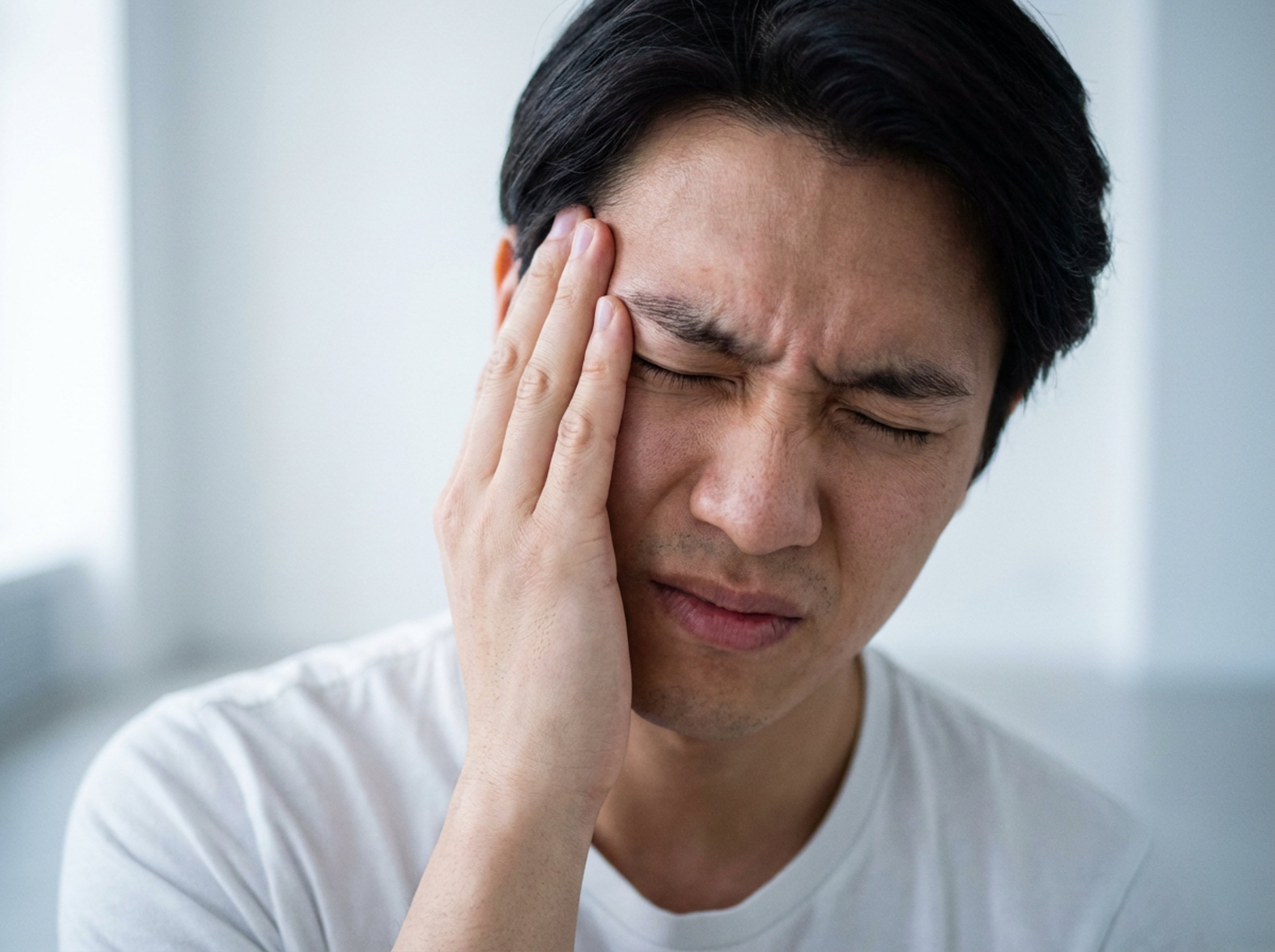
Sensitivity to cold, heat or sweet foods
Brief reactions to cold often indicate irritated dentine. The sensitivity should subside quickly after drinking or eating. The same applies to mild sensitivity to sweet foods.
Heat stimuli deserve particular attention. Longer-lasting reactions can indicate more severe irritation of the pulp. Spontaneous symptoms with no apparent cause also need to be examined.
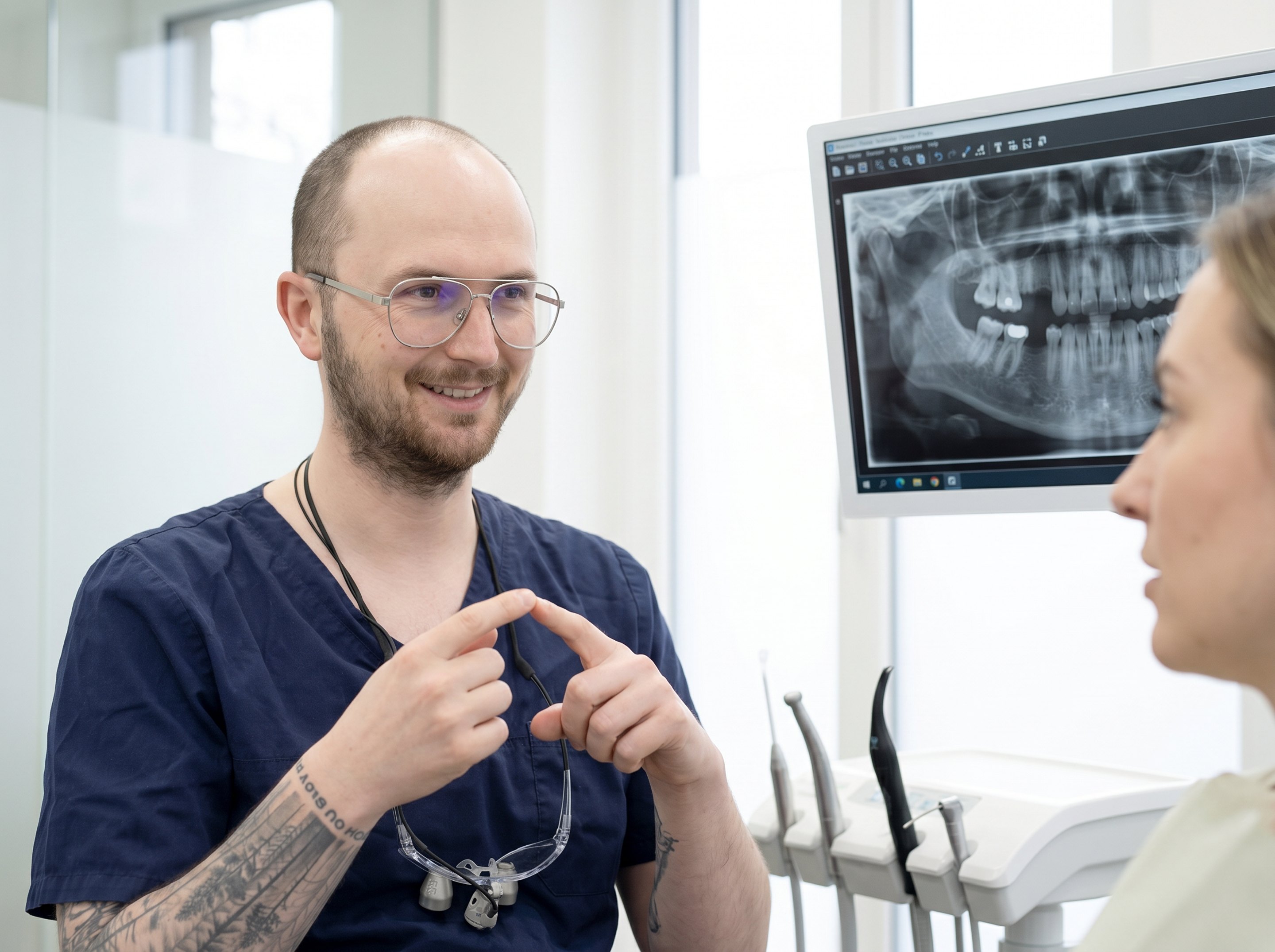
The dentist assesses the reaction using targeted cold and percussion tests. X-rays can also provide important information. The results determine what happens next.

Pain when chewing after a filling replacement
Pain when biting down is sometimes caused by a filling that is too high. The treated tooth then makes contact before its neighbouring teeth. This overloads the tooth's supporting structures with every bite.
The tooth often feels raised or unfamiliar. A small adjustment can remove the troublesome contact. The irritated structures may then need some time to recover.
A sharp pain on release can have other causes. Possible causes include fine cracks or an unstable tooth wall. Such findings require a thorough examination.
What role does the depth of the old filling play?
New tooth decay can develop unnoticed beneath older restorations. When the old filling is removed, the cavity sometimes proves to be larger than expected. This means the new filling is closer to the dental nerve.
The pulp may react to this treatment with reversible inflammation. Brief reactions to cold or sweet foods are typical. These usually end quickly once the stimulus is removed.
Symptoms that linger or occur spontaneously can indicate more severe inflammation. Observation alone may then not be sufficient. A precise diagnosis is always made at the dental practice.
Other possible causes of the symptoms
Sometimes there is no direct reaction to the material. Exposed tooth necks can cause similar symptoms. Severe teeth grinding also places strain on recently treated teeth. Less commonly, there are problems at the edge of the filling.
Small gaps can transmit stimuli to the dentine. Incomplete adhesion must also be ruled out.
A genuine allergy to the material is much less common than mechanical irritation. Symptoms often also affect the mucous membrane or gums. The dentist assesses the symptoms and the materials used together.
What can those affected do themselves initially?
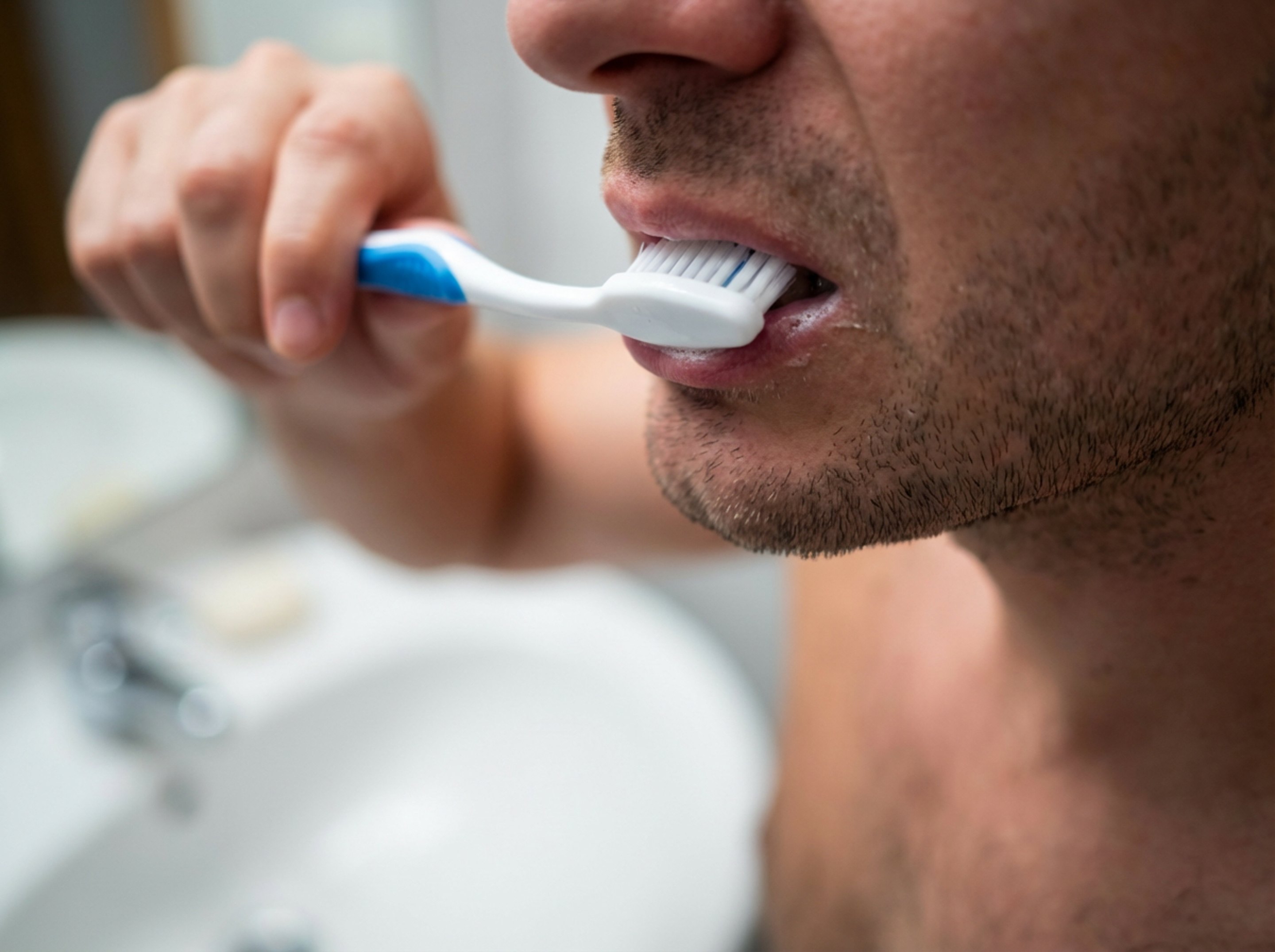
Avoid very cold or very hot foods for the time being. Chew mainly on the other side for a few days. A soft toothbrush supports gentle oral hygiene.
Toothpaste for sensitive teeth can reduce the transmission of stimuli. It should be used regularly and according to the manufacturer's instructions. Vigorous scrubbing often aggravates exposed areas.
Only take medicines after consulting a medical professional. This is particularly important if you have pre-existing conditions or take other medicines. Home remedies are no substitute for an examination if you have unusual symptoms.
When is an examination particularly important?
Make an appointment if your symptoms worsen or occur at night. The same applies if you have swelling, a fever or marked sensitivity to pressure. Persistent sensitivity to heat should also be examined promptly.
An examination is also advisable if the tooth seems too high. Your bite can be checked quickly and precisely. Small adjustments prevent further overloading.
Swift action is important if you have severe pain or facial swelling. Inflammation can spread without treatment. The practice decides on the appropriate diagnostic tests and treatment.

Treatment at Wunschlachen
At Wunschlachen, we examine the treated tooth systematically. We check the edge of the filling, your bite, the gums and the reaction of the dental nerve. If necessary, we supplement the examination with digital X-rays.
Many temporary irritations only require observation and rest. A restoration that is too high can be adjusted precisely. Leaking or damaged areas are corrected according to the findings.
If the pulp is more deeply inflamed, we discuss suitable treatment steps. The aim remains to preserve the natural tooth in the long term. Every recommendation depends on the individual findings.
Conclusion: Sensitive tooth after a new filling
A temporary reaction after replacing a filling can be part of the healing process. However, it should gradually subside. New, more severe or longer-lasting symptoms require a dental examination.