Smokers’ teeth: discolouration, gums and sensible care
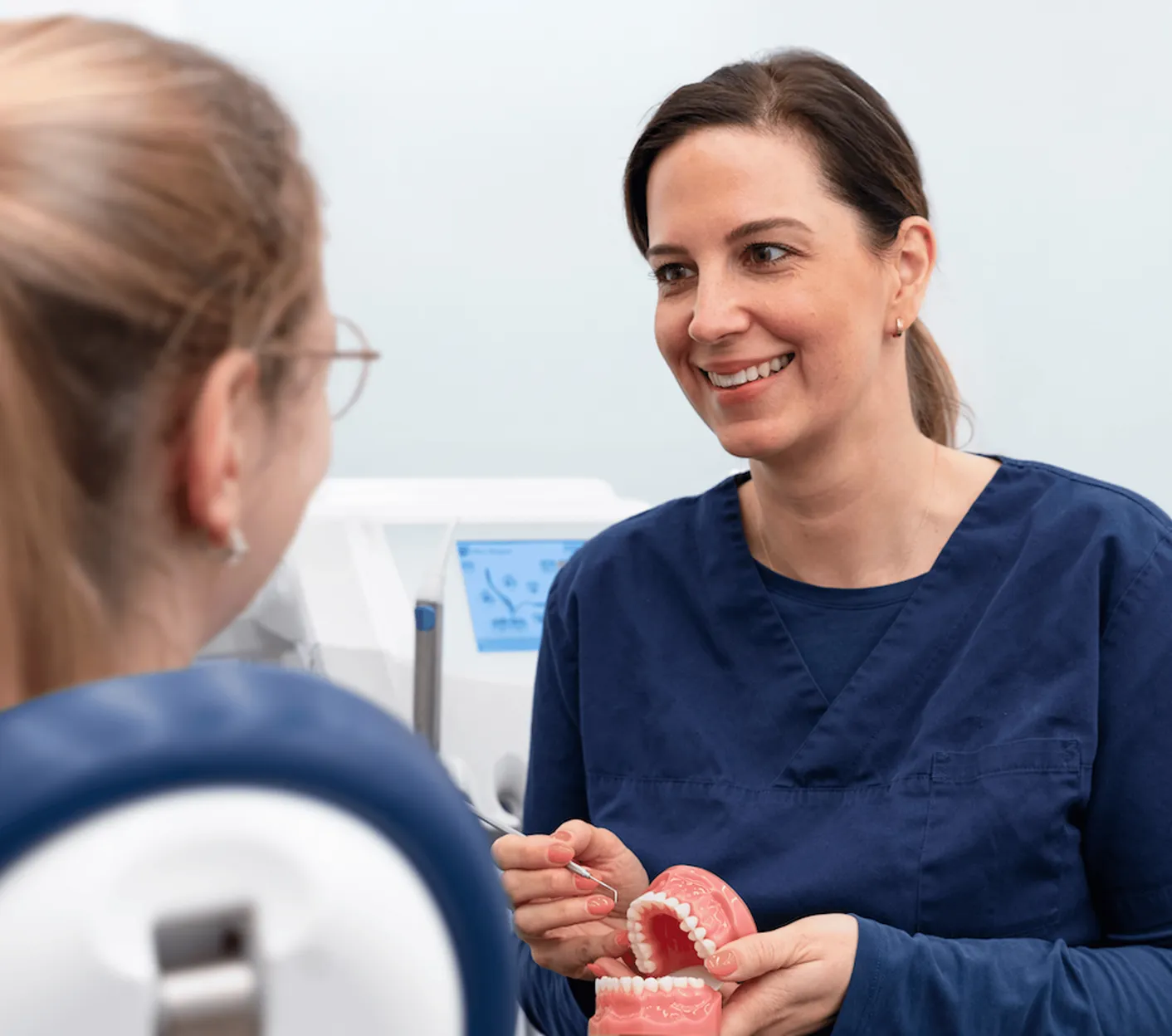
“Smoker’s teeth” usually refers to yellowish or brown discolouration. However, the term does not describe a dental diagnosis. Tobacco can affect oral health in several ways, and not every dark patch is a superficial deposit caused by smoking. An examination helps distinguish between discolouration, tartar, tooth decay and changes to the gums. The aim should therefore not simply be a brighter photograph, but a clear plan for healthy teeth and a thoroughly cleaned mouth.
The short answer
Tobacco can discolour teeth and affect oral health. An examination distinguishes removable deposits from disease and determines appropriate care.
- What may be behind the dark colour
- Tobacco use can encourage yellowish and brown deposits on tooth surfaces. Coffee, tea and other factors can also contribute to the visible colour. How noticeable the discolouration is says little about the health of the tooth beneath. A dark tooth may have surface deposits, but may also be discoloured for other reasons. In particular, a single tooth that has recently become dark warrants its own assessment.
- Why the gums need just as much attention
- Tobacco is a risk factor for diseases affecting the structures that support the teeth. Periodontitis affects the tissues that hold the teeth in place; if left untreated, it can lead to bone loss and tooth loss. A well-cared-for or light-looking tooth does not rule out this kind of disease. Conversely, periodontitis cannot be diagnosed from discolouration alone.
- Home care without aggressive experiments
- Regular brushing with fluoride toothpaste and suitable cleaning between the teeth remain essential. Ask to be shown which aids and techniques are appropriate for your particular findings. Sensitive tooth necks, crowded teeth or dental restorations can influence the choice. Scrubbing as hard as possible is not automatically the most effective care.
- Do not dismiss changes to the mucous membranes as smoking deposits
- Tobacco use also increases the risk of diseases affecting the oral mucosa, including mouth cancer. A sore, lump or red or white change that does not heal should be examined. A noticeable patch does not automatically mean cancer. It is important not to attribute it solely to smoking and therefore delay having it assessed.
What may be behind the dark colour
Tobacco use can encourage yellowish and brown deposits on tooth surfaces. Coffee, tea and other factors can also contribute to the visible colour. How noticeable the discolouration is says little about the health of the tooth beneath. A dark tooth may have superficial deposits, but it may also be discoloured for other reasons. A single tooth that has recently become dark particularly warrants its own assessment.
Before your appointment, you can make a note of whether the change affects all your teeth, mainly the inner surfaces or just one area. Mention any previous root canal treatments, fillings and medicines. This information helps with the assessment. Do not rub your teeth with sharp objects beforehand to find out whether the colour will ‘come off’. This can damage tooth surfaces and gums.

Why the gums need just as much attention
Tobacco is a risk factor for diseases affecting the structures that support the teeth. Periodontitis affects the tissues that hold the teeth in place; if left untreated, it can lead to bone loss and tooth loss. A well-cared-for or light-looking tooth does not rule out this kind of disease. Conversely, periodontitis cannot be diagnosed from discolouration alone.
The examination therefore also includes the gums and, where indicated, measurement of the gum pockets. Ask what the findings are and what further monitoring will involve. If treatment is required, cosmetic cleaning is not a substitute. The guide to periodontitis explains in more detail the differences between superficial inflammation and a disease affecting the structures that support the teeth.
Professional cleaning and its limitations
During a professional clean, suitable procedures can remove some external discolouration and deposits. The most appropriate method depends on factors such as the tooth surfaces, sensitive areas and any existing dental restorations. The result does not automatically amount to a lightening of the natural tooth colour. If you continue to smoke, new discolouration may develop. It is therefore not possible to promise a particular colour or how long the result will last.
Before the appointment, discuss exactly what is to be cleaned and whether any additional findings need treatment. Ask about the costs and any contribution your health insurer may make; both should be clarified individually. The article on dental preventive care provides further background on how home care and professional support work together.
When teeth whitening is a separate consideration
Tooth whitening changes the colour of natural teeth and is different from removing external deposits. Beforehand, any possible diseases and the suitability of the teeth must be checked. Fillings, crowns and other dental restorations cannot be whitened in the same way as natural teeth. This can result in visible differences in colour. Sensitivity and irritation are also points to discuss beforehand.
Be as specific as possible about what you want: would you like external deposits removed, or would you prefer a lighter natural tooth colour? Ask for an explanation of what change is realistic and which visible materials will retain their colour. Do not buy several whitening products at once in the hope of achieving a faster result. Clear planning is more helpful than combining unfamiliar treatments.
Home care without aggressive experiments
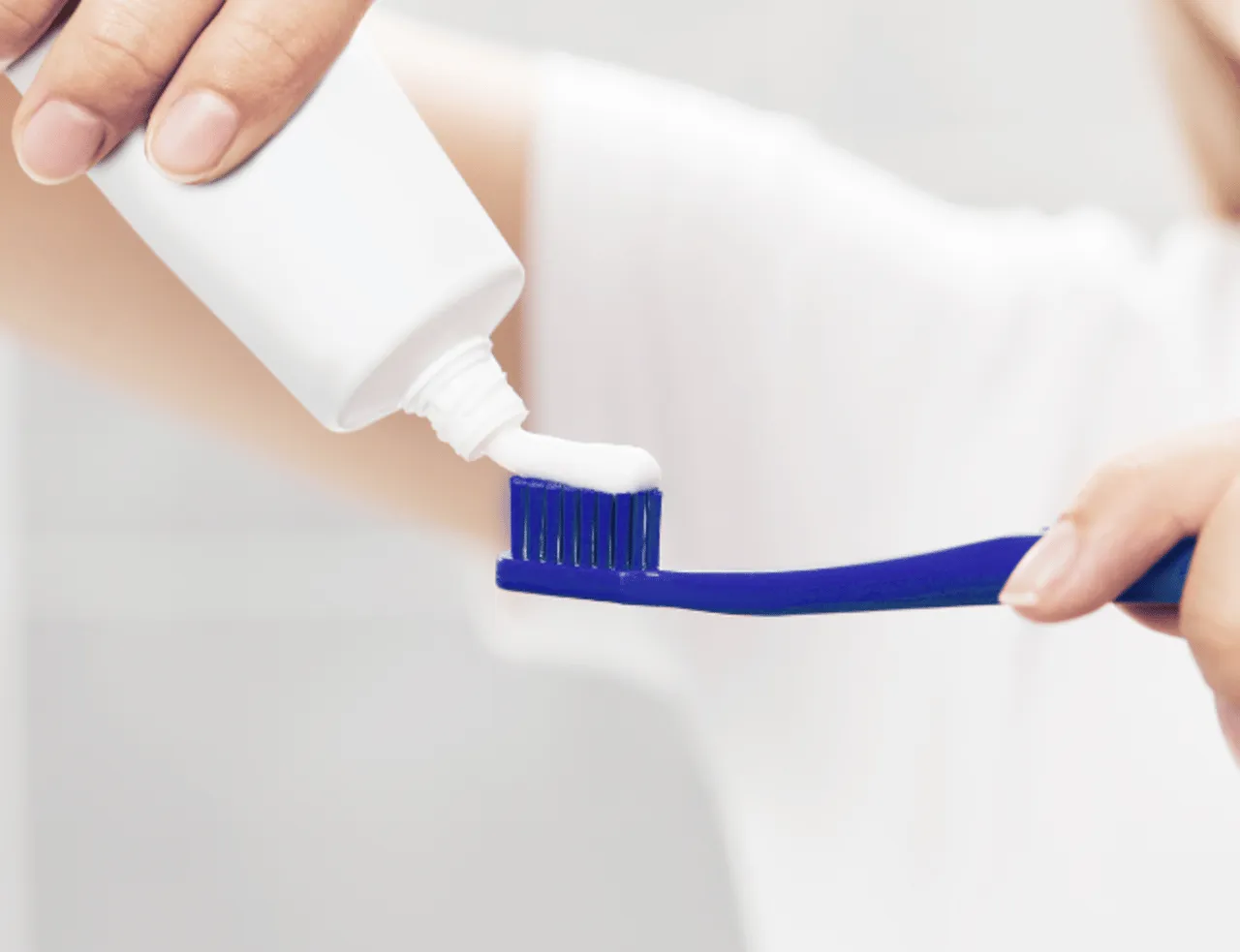
Regular brushing with fluoride toothpaste and suitable cleaning between the teeth remain essential. Ask to be shown which aids and techniques are appropriate for your particular findings. Sensitive tooth necks, crowded teeth or dental restorations can influence the choice. Scrubbing as hard as possible is not automatically the most effective care.
Lemon juice, homemade acids and coarse abrasives are not a suitable shortcut to whiter teeth. Even a product labelled “for smokers” is no substitute for checking whether it is suitable for your tooth surfaces. If an area becomes darker despite care, hurts or becomes sensitive, have it examined. The colour should not be masked by increasingly aggressive attempts.
Stopping smoking can usefully complement the plan
Giving up tobacco can improve oral health and reduce new tobacco-related discolouration. However, it does not automatically reverse existing deposits or diseases. Cleaning, treatment and check-ups may still be necessary. If you are planning your first steps towards stopping smoking, you therefore do not need to wait until all your dental problems have been resolved.
Consider what support suits you: advice from a doctor, a structured cessation programme or, to begin with, information about suitable forms of help. The public initiative rauchfrei-info.de is a good place to start. Tell your dental practice about your plans too. The conversation should take your specific needs into account and should not be judgemental. Relapses can be discussed without abandoning the entire care plan.
Do not dismiss changes to the oral mucosa as smoking deposits
Tobacco use also increases the risk of diseases of the oral mucosa, including mouth cancer. A sore, lump or red or white change that does not heal should be examined. An unusual area does not automatically mean cancer. It is important not to attribute it solely to the habit of smoking and therefore delay having it assessed.
Point out any new changes at your appointment and say how long they have been present. A prompt examination is particularly important if you have persistent symptoms, difficulty swallowing or a lump in your neck. If you experience breathing difficulties, rapidly increasing swelling or an acutely life-threatening condition, call 112. Cosmetic dental treatment should not delay necessary investigation of the underlying cause.

How to turn the desire for whiter teeth into a plan
A useful discussion separates three questions: Which diseases need to be treated? Which external stains can be removed? Is additional whitening desired and appropriate afterwards? This order makes the decision easier to understand. It also prevents a single treatment from being expected to achieve something it is not intended to do.
Keep a written record of the agreed steps and ask about the next review point. These may include tailored care, cleaning, gum treatment or a later colour assessment. A result without new discolouration cannot be promised if tobacco use continues. What matters is a plan whose purpose you understand and which you can put into practice in everyday life.
Frequently asked questions
No. Discolouration can be yellowish or brown and can vary in severity. Tooth colour alone is not a reliable indicator of either tobacco use or health.
It can remove some surface deposits. Natural tooth colour and internal discolouration are a separate issue. The extent and result are assessed after an examination.
Existing deposits do not disappear automatically. Stopping smoking reduces a major influence on new discolouration, but does not replace necessary cleaning or treatment.
That depends on the findings and your goal. Diseases and external deposits are assessed first. Dental restorations do not change colour in the same way as natural teeth and may look different after whitening.
More pressure is not a good solution. Have your technique and aids adapted and avoid acids or aggressive abrasives. Noticeable areas should be examined rather than scrubbed harder.
Non-healing sores, lumps and persistent red or white patches on the mucous membranes should be assessed. Pain, loose teeth and noticeable changes to the gums are also reasons to make an appointment.