Stomatitis – causes, symptoms and modern treatments
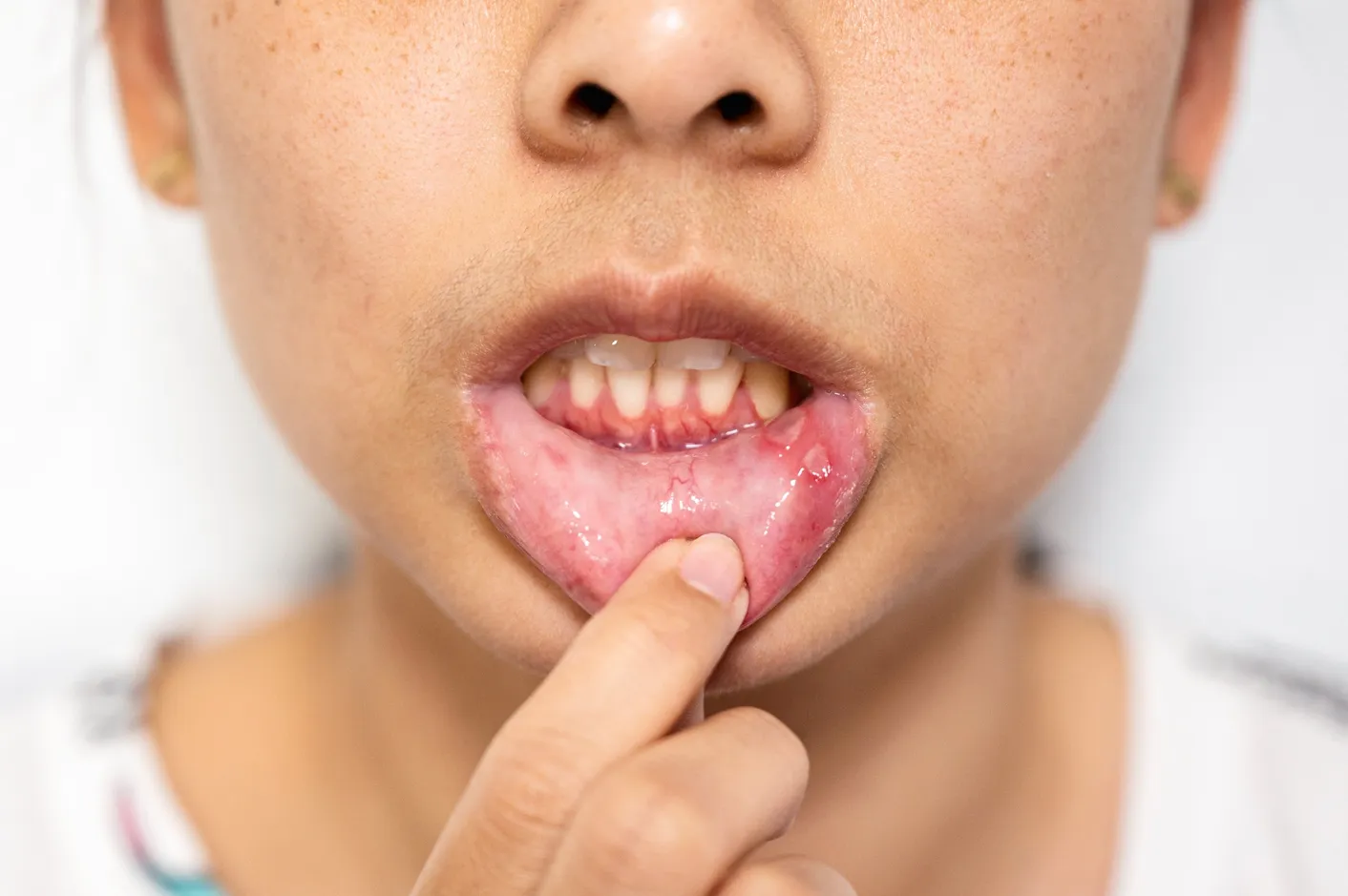
Stomatitis is a common inflammation of the oral mucosa. It can have many causes and spread to different areas of the mouth. The inflammation can affect the inside of the cheeks, the gums, the lips, the tongue or the palate.
Particularly unpleasant...
Über 350 Google-Bewertungen
The short answer
Stomatitis refers to inflammation of the oral mucosa. Triggers can include viruses, bacteria, fungi, mechanical irritation or a weakened immune system; typical symptoms are redness, burning, pain and sometimes blisters or coatings. Treatment depends on the cause and should be coordinated with a dentist or doctor, especially if symptoms persist or recur.
- Common causes
- Viruses, bacteria or fungi, mechanical irritation (e.g. pressure from dentures), weakened immune system
- Warning signs
- Reddened, burning or painful oral mucosa, sometimes blisters, coatings or bad breath
- When to see a dentist
- Have persistent, recurring or severe symptoms assessed, as well as any problems with eating and drinking
This information does not replace dental or medical advice. Treatment depends on the individually identified cause.
Causes of stomatitis: how does inflammation in the mouth develop?
The inflammation can occur suddenly (acute) or persist for a longer period of time (chronic). The causes are varied. It often appears as a result of a viral infection, for example through herpes simplex viruses. Other factors that can promote the inflammation:
• Bacteria
• Fungi such as Candida albicans
• Injuries caused by sharp teeth
• Poorly fitting dentures
• Poor oral hygiene or
• A weakened immune system
In some cases, a reaction to certain medications or an underlying systemic condition such as diabetes mellitus or iron deficiency is also responsible.

What does stomatitis look like in the mouth?
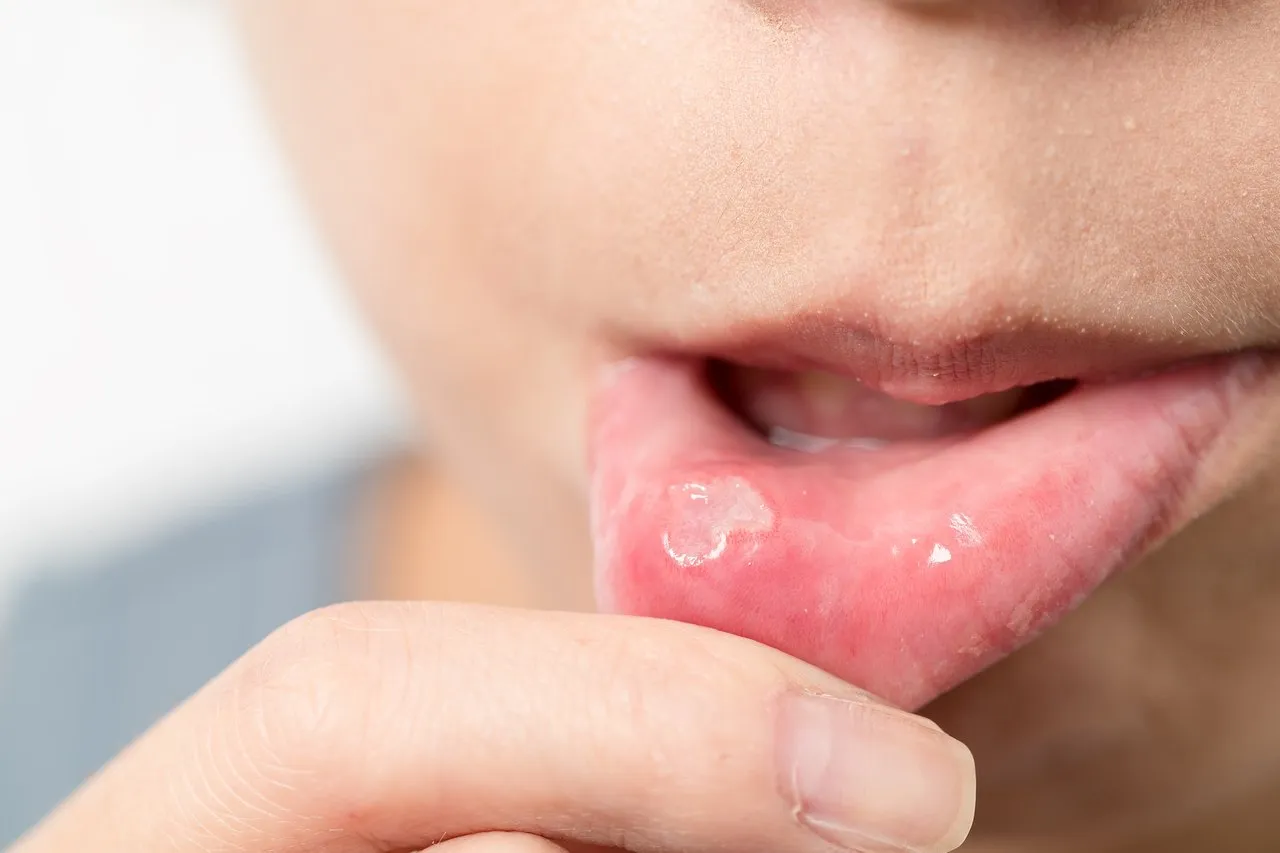
Typical symptoms of stomatitis are pain, redness and swelling of the oral mucosa. In many cases, blisters, aphthae or shallow ulcers form, which become inflamed and burn when eating. Stomatitis on the tongue is particularly unpleasant, as it is especially irritated by movements of the tongue muscle.
Stomatitis on the lip or palate can also lead to considerable restrictions in everyday life. An unpleasant taste in the mouth, bad breath and sometimes even fever are often added to this.

Stomatitis treatment: what helps with inflammation in the mouth?
Treatment for stomatitis depends on the cause. Where a bacterial infection has been diagnosed by a clinician and antibacterial treatment is appropriate, a local or systemic antibiotic may be used; fungal infections are treated with an antifungal. Viral causes are generally treated symptomatically.
In principle, every stomatitis therapy aims to relieve the inflammation, reduce pain and promote healing of the mucous membrane. At our practice, we use individualised diagnostics to develop the appropriate treatment strategy for each patient.

Stomatitis mouthwash: support from antiseptic solutions
A central component of treatment is consistent oral hygiene. Regular brushing with a soft toothbrush, avoiding irritating foods and using suitable mouth rinses support the healing process. Special stomatitis mouthwashes containing anti-inflammatory and antiseptic active ingredients have proved particularly effective. These help to reduce the microbial burden in the mouth and relieve symptoms.

Stomatitis home remedies: natural help for inflammation of the mucous membranes
In addition to conventional therapy, there are also tried-and-tested home remedies for stomatitis that can have a supportive effect. Chamomile tea used as a rinse or mouthwash has a soothing and anti-inflammatory effect. Sage, myrrh and rhatany are also traditionally used for inflammation in the mouth.
Gargling with lukewarm salt water is a simple way to soothe the mucous membrane. However, these home remedies are no substitute for dental treatment, especially if the symptoms persist or worsen.

Holistic approach: how we treat stomatitis in our practice
At the Wunschlachen dental practice, we take a holistic approach to your symptoms. We check whether local irritants such as sharp tooth edges, pressure points or problems with dentures are present.
Inflammation of the lip, tongue or throughout the mouth is treated individually, depending on the findings. For children, older people or patients with weakened immune systems, we adapt the treatment to suit their age.

Prevention: how can stomatitis be avoided?
Regular dental check-ups, thorough oral hygiene, professional dental cleaning and a balanced diet help to prevent inflammation. Avoiding alcohol, smoking and spicy foods can further reduce the risk. If inflammation does occur, early treatment is crucial to avoid pain and complications.
FAQ – frequently asked questions about stomatitis
It is an inflammatory condition of the oral mucosa that can have various causes. These include infections, injuries or irritants.
Pain, swelling, redness, aphthae, burning in the mouth and possibly fever or bad breath.
The inflammation can occur on the tongue, lips, gums or palate.
Treatment depends on the cause and may include medication, mouthwashes or physiological aids.
Chamomile tea, sage rinses, myrrh or salt water solutions can provide relief. However, this does not replace a visit to the dentist.
A mouthwash should have anti-inflammatory and antiseptic effects, be alcohol-free and be gentle on the mucosa.
Acute forms usually heal within 1–2 weeks, while chronic inflammation can persist for months. This depends on the cause and treatment.
This depends on the cause. Viral forms (e.g. herpes) are contagious; others, such as inflammation caused mechanically or by medication, are not.
If symptoms are severe, long-lasting or recurring, a dentist should make the diagnosis.
Good oral hygiene, regular dental check-ups and avoiding irritants such as alcohol, nicotine or spicy foods help to prevent inflammation.