
What strengthens teeth and gums?
Strong teeth and healthy gums are the foundation of every smile. They enable comfortable chewing and clear speech. But what really strengthens teeth and gums in everyday life?
Über 350 Google-Bewertungen
The short answer
Teeth and gums are strengthened by three pillars: a nutrient-rich diet containing calcium, phosphorus, fluoride and vitamins C and D; consistent oral hygiene, with twice-daily brushing using fluoride toothpaste and daily cleaning between the teeth; and regular dental check-ups with professional teeth cleaning. Water as your main drink and crunchy vegetables also support the natural protection provided by saliva.
- Diet
- Calcium (dairy products), phosphorus (whole grains, nuts), fluoride (toothpaste, fluoridated table salt), vitamin C for the gums, vitamin D for calcium absorption.
- Oral hygiene
- Brush at least twice a day with fluoride toothpaste; use dental floss or interdental brushes once a day.
- Preventive care
- Regular check-ups and professional teeth cleaning detect problems early and remove hard deposits.
General tips are no substitute for individual dental advice; seek dental assessment if you experience bleeding gums or other symptoms.

Why strong teeth and healthy gums matter
Well-cared-for teeth withstand chewing forces without any problems. Healthy gums protect the sensitive tooth necks from irritation. Together, both help to prevent tooth decay, inflammation and premature tooth loss. If the gums and periodontium are weakened, pockets form more easily. Bacteria accumulate in them and cause periodontitis. Left untreated, this condition can lead to the loss of healthy teeth. Your general health also benefits from a stable set of teeth. Chronic inflammation in the mouth places a strain on the entire body. That makes the targeted strengthening of teeth and gums all the more important.

Nutrition for strong teeth and firm gums
A tooth-friendly diet provides the building blocks for tooth enamel. It also supports the regeneration of the gums. Important nutrients can easily be incorporated into everyday life.

Minerals: calcium, phosphorus and fluoride
Calcium is crucial for hard tooth enamel and a strong jawbone. Good sources include dairy products, certain vegetables and calcium-rich mineral waters. Phosphorus is found, for example, in whole grains, nuts and pulses. Fluoride additionally hardens the tooth enamel. It makes the surface more resistant to bacterial acids. Fluoridated table salt and fluoride toothpastes are particularly helpful here.

Vitamins for gums and the periodontium
Vitamin C strengthens the connective tissue of the gums. It supports collagen formation and promotes a stable tissue structure. It is abundant in citrus fruits, peppers and berries. Vitamin D improves calcium absorption in the body. This directly benefits the teeth and jawbone. Sunlight and suitable foods provide the largest share.

Healthy drinks and tooth-friendly snacks
Water is the best drink for teeth and gums. It rinses away food debris and dilutes harmful acids. Unsweetened herbal tea is a good alternative. Crunchy vegetables stimulate saliva flow. This neutralises acids and strengthens the natural protective function. Carrots, celery or apples are excellent as a snack between meals.
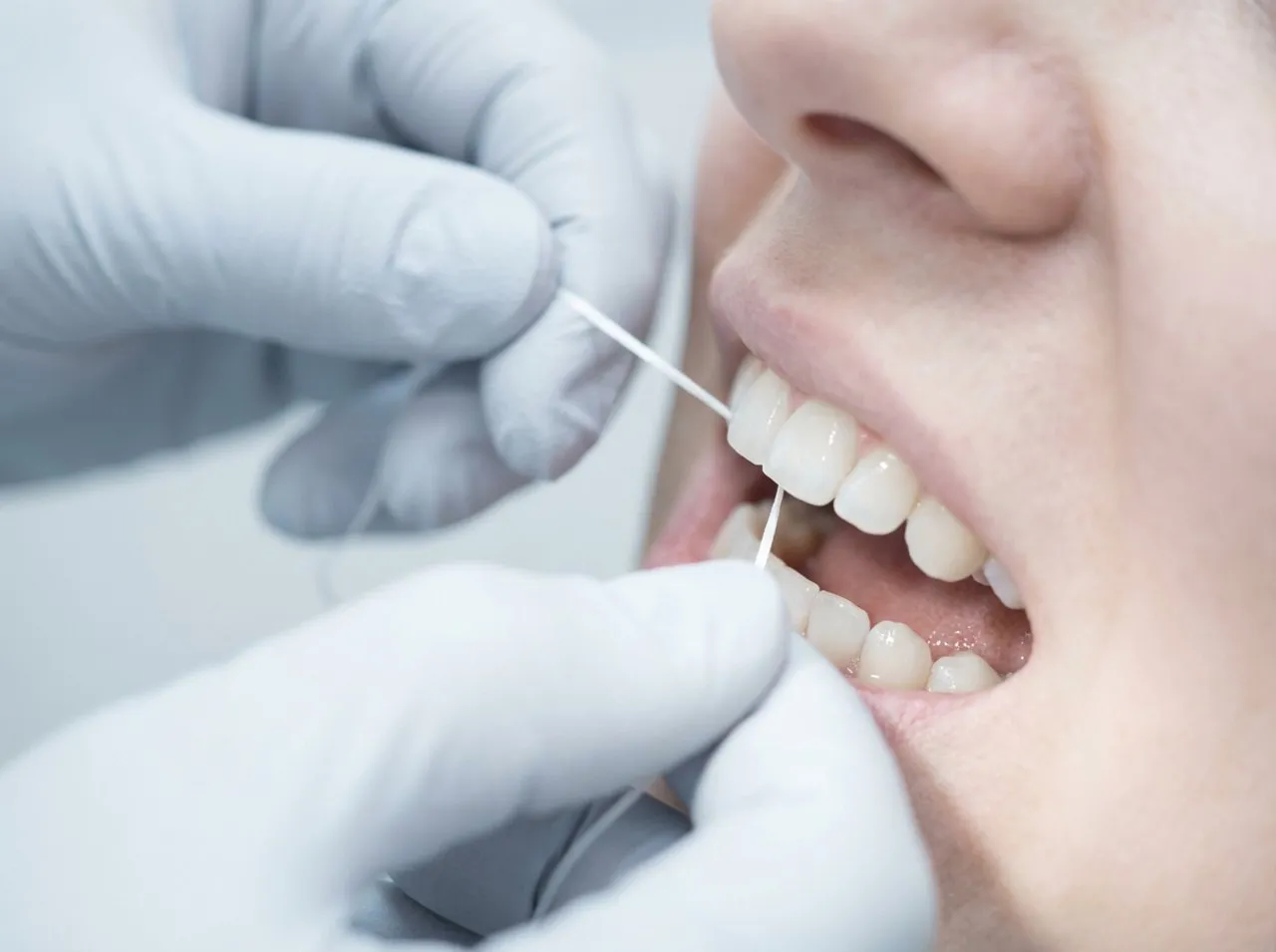
Proper oral hygiene strengthens teeth and gums
Without consistent cleaning, no diet can protect the teeth. Regular tooth brushing reliably removes bacterial plaque. This plaque is the main cause of tooth decay and gum inflammation. Brush at least twice a day with a fluoride toothpaste. Use a soft to medium toothbrush. A gentle, systematic brushing technique is important. The spaces between the teeth should be cleaned once a day. Dental floss or interdental brushes are particularly suitable for this. This prevents inflammation in hard-to-reach areas. An antibacterial mouthwash can complement your care routine. It temporarily reduces germs in the mouth. This is particularly helpful for sensitive gums.

Professional support at the dental practice
There is a lot you can do at home for strong teeth. However, this is no substitute for professional preventive care. Regular check-ups detect problems at an early stage. At our Wunschlachen practice in Berlin, we carry out professional teeth cleaning. In the process, hard and soft deposits are thoroughly removed. This allows the gums to settle down and regenerate. Preventive care also includes detailed advice. Together, we review your dental care at home. You receive specific recommendations for products and techniques.

Bad habits that weaken teeth and gums
Certain everyday habits damage teeth and gums. These particularly include frequent sugary snacks. Sweetened drinks also severely attack tooth enamel. Very acidic foods can soften the surface. These include soft drinks, energy drinks and fruit juices. It is better to have them occasionally with main meals. Smoking reduces blood circulation in the gums. As a result, inflamed tissue heals more slowly. The risk of periodontitis also increases significantly. Teeth grinding puts excessive strain on the teeth and periodontium. This often causes tiny cracks and sensitive tooth necks. An occlusal splint can provide long-term protection against this.

What you can do every day for strong teeth
You can support your teeth with a few simple routines. Start the day with thorough oral care. It should also end with a toothbrush and interdental cleaning. Drink mainly water throughout the day. Consciously reduce sugar and highly acidic drinks. Opt for fresh fruit, vegetables and whole grain products instead. Schedule regular preventive check-ups at the dental practice. This keeps teeth and gums stable in the long term. Early treatment often avoids more extensive procedures.
Conclusion: strengthening teeth and gums in a targeted way
Strong teeth result from the interplay of many factors. Nutrition, oral hygiene and preventive care work hand in hand. This keeps your smile healthy and resilient in the long term. The Wunschlachen practice supports you along the way. Together, we develop an individual preventive care concept. This keeps teeth and gums feeling strong and resilient in the long term.
FAQ – Frequently asked questions: Strengthening teeth and gums
A combination of good oral hygiene, a tooth-friendly diet and regular preventive care. This keeps tooth enamel and gums stable in the long term.
Calcium-rich products, whole grains, vegetables and nuts support hard tooth structures. A low-sugar diet also significantly reduces the risk of tooth decay.
At least twice a day, morning and evening. It is important to brush for two to three minutes each time.
Fluoride hardens tooth enamel and makes it more resistant to acid. It is therefore a key building block in preventing tooth decay.
Yes, gentle massaging with a toothbrush improves blood circulation. This makes the tissue more resistant to irritation and bacteria.
Antibacterial mouthwashes can support daily care. However, they never replace brushing and interdental cleaning.
Coffee can cause discolouration, but it hardly attacks the tooth enamel. It only becomes problematic in combination with sugar.
Smoking impairs blood circulation and promotes inflammation. It also significantly increases the risk of periodontitis and tooth loss.
As a rule, one or two check-ups per year are advisable. For those with pre-existing conditions, shorter intervals may be recommended.
Visit a dental practice promptly. Professional cleaning and adapted care usually stop the inflammation quickly.