
Swelling after dental implant treatment
• Swelling after dental implant treatment is usually a normal healing response. • It often peaks on the second or third day. • Warning signs include fever, pus, worsening pain or breathing problems.
Über 350 Google-Bewertungen

Why does swelling occur after implant placement?
During implant placement, tissue is deliberately opened and prepared. The body responds with postoperative oedema. This reaction protects the wound and promotes regeneration.

Typical course during the first few days
Swelling often increases slowly during the first 24 hours. It is often at its worst on the second or third day. After that, it usually begins to subside steadily.

Swelling on the first day after the procedure
A feeling of pressure in the surgical area is common at this stage. Slight bleeding may also occur briefly. Rest reduces further bleeding and tissue irritation.
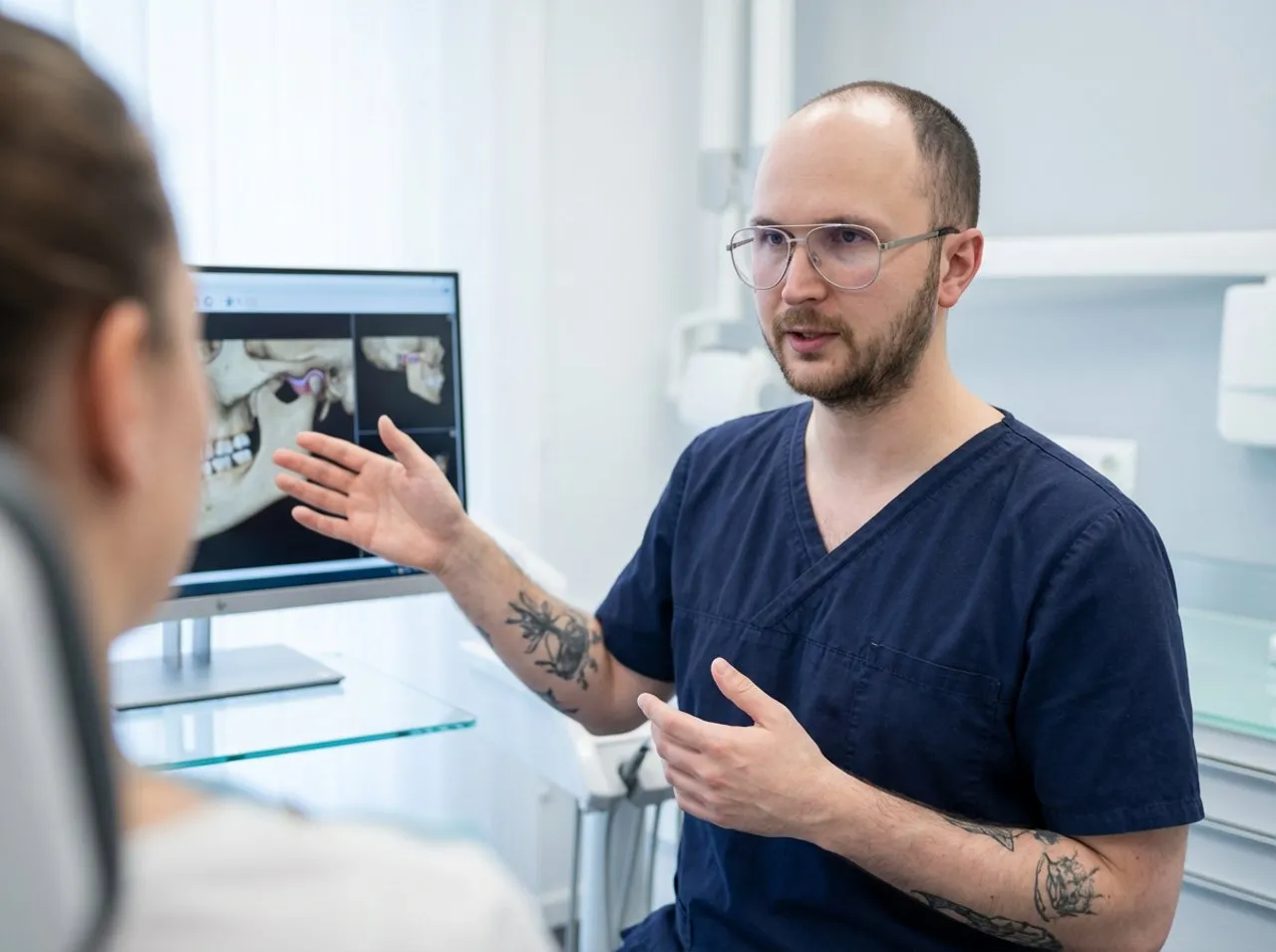
Days 2 to 3: often the peak phase
The cheek may appear visibly enlarged. A feeling of warmth may also occur in the area. Bruising is possible and usually harmless.
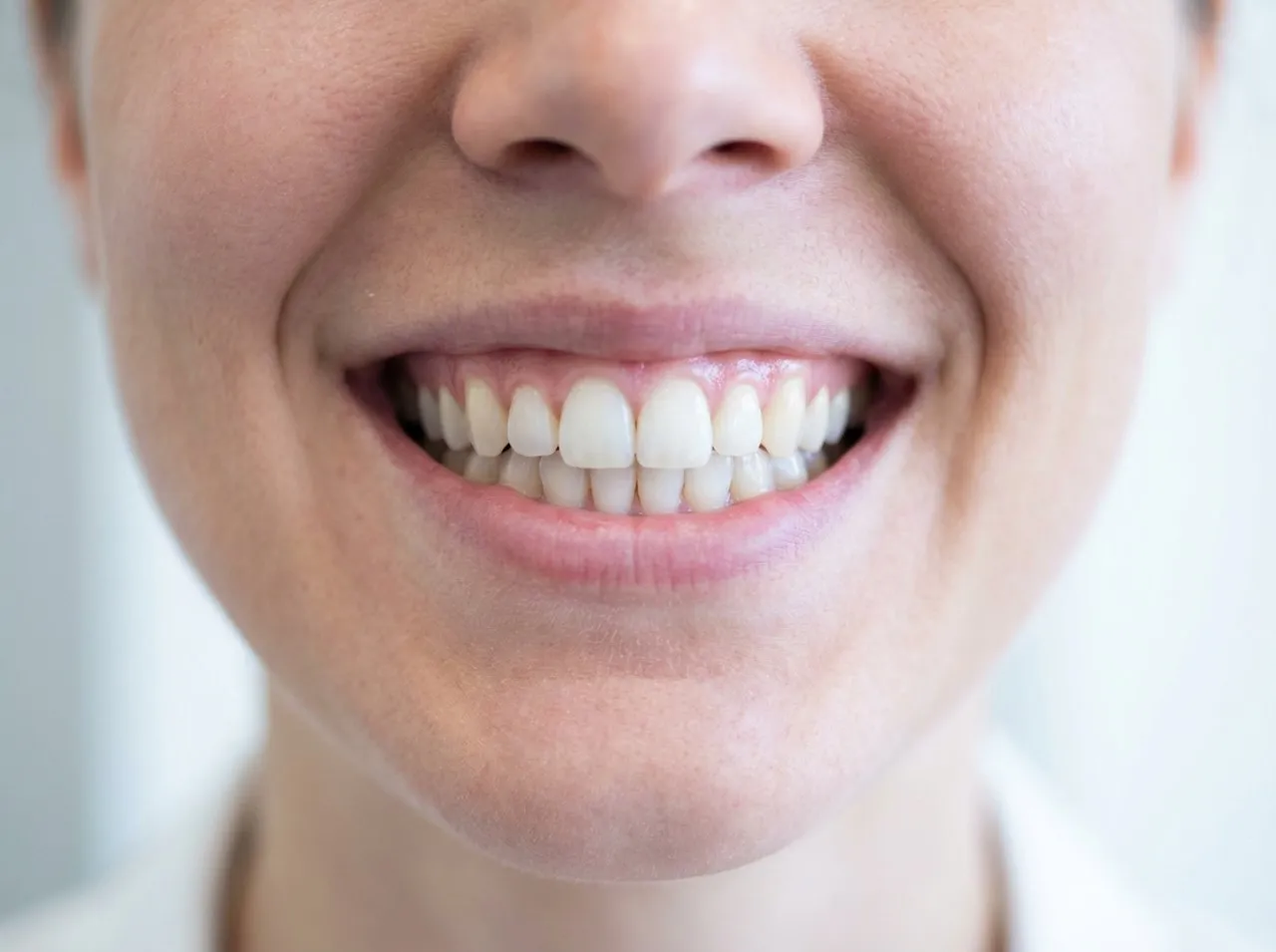
From day 4: reduction and stabilisation
The swelling should now decrease slightly each day. The gums often remain sensitive. Follow-up appointments ensure that healing progress can be assessed.
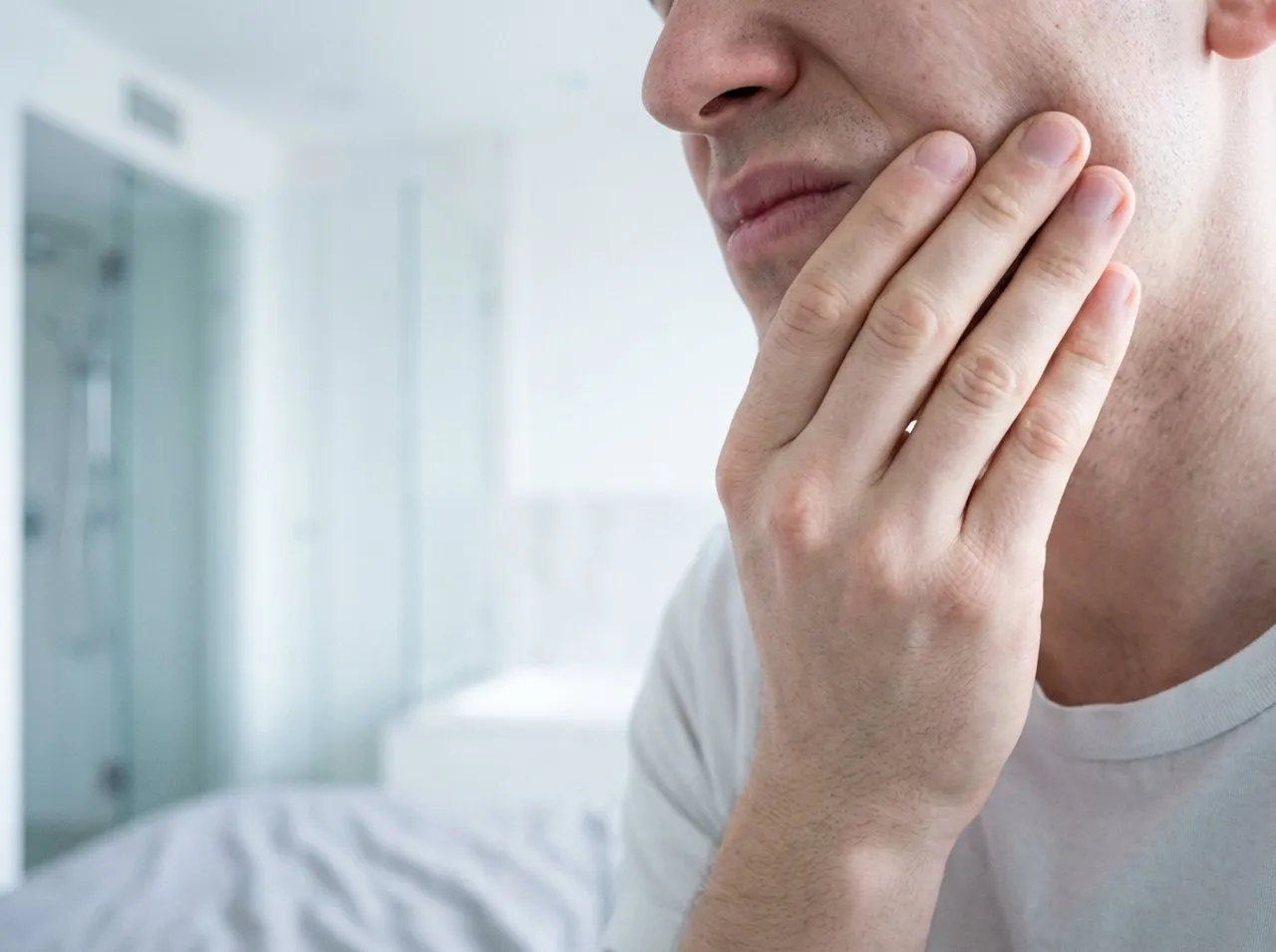
Swollen cheek after dental implant treatment: how long does it last?
Pronounced swelling often lasts three to seven days. Slight residual swelling can persist for up to two weeks. A clear reduction over time is key.
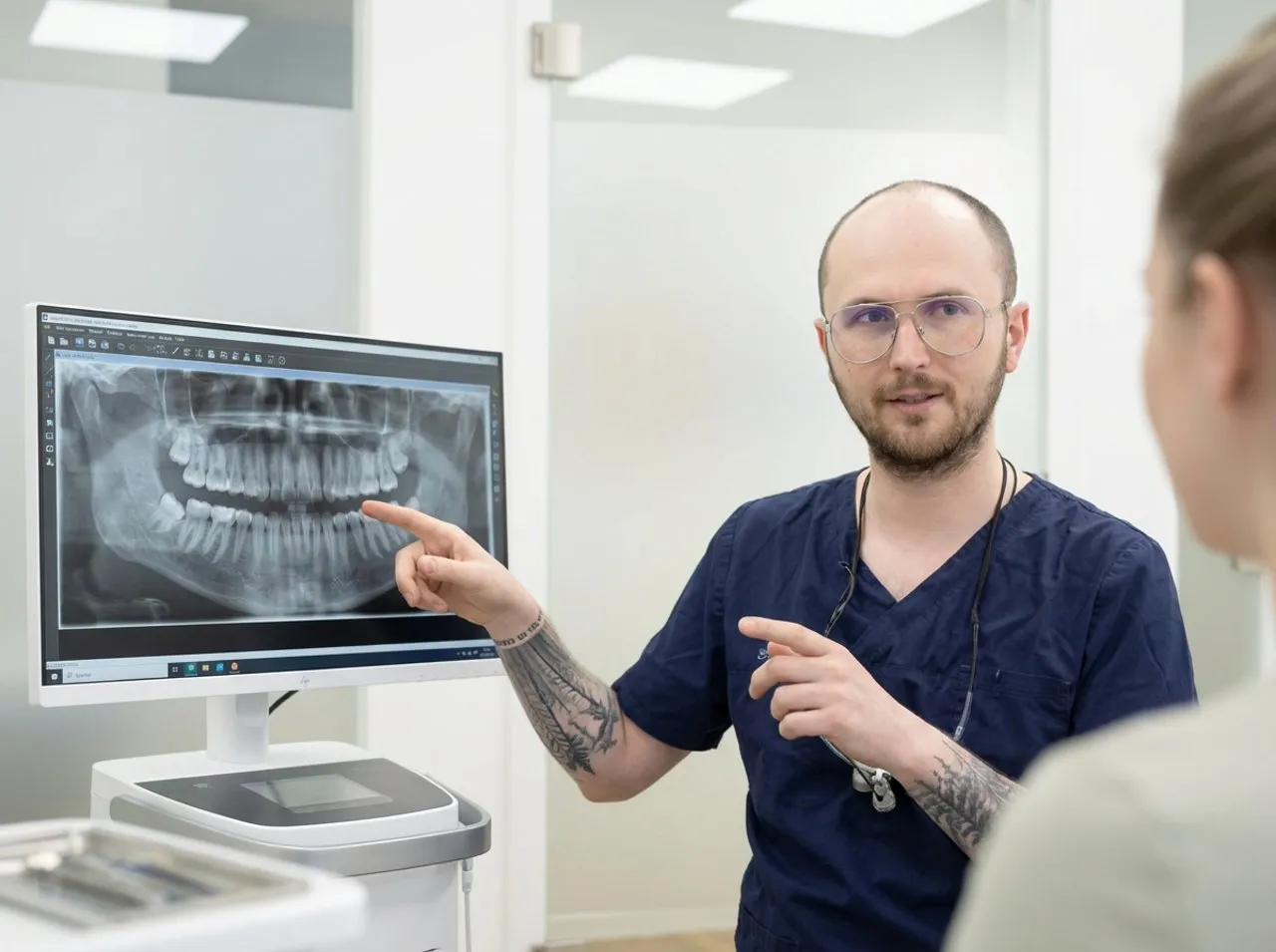
Differences between the upper and lower jaw
In the upper jaw, the region is close to the maxillary sinus. Sensations of pressure may therefore feel more pronounced. In the lower jaw, the proximity to sensitive structures is significant.
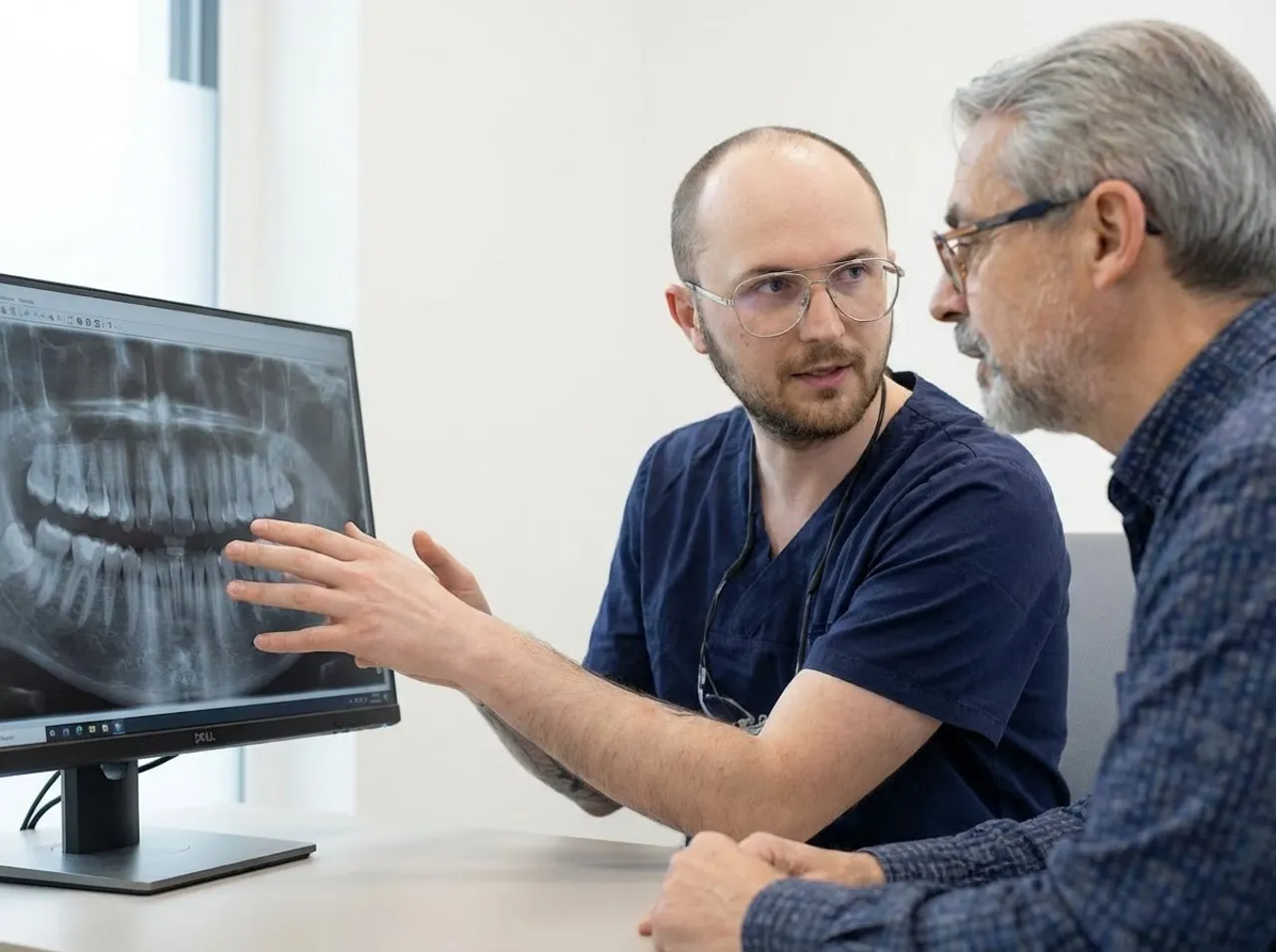
Influence of bone augmentation and sinus lift
Bone augmentation increases the wound area and the healing required. A sinus lift can place additional strain on the soft tissues. More pronounced swelling is therefore more common in these cases.
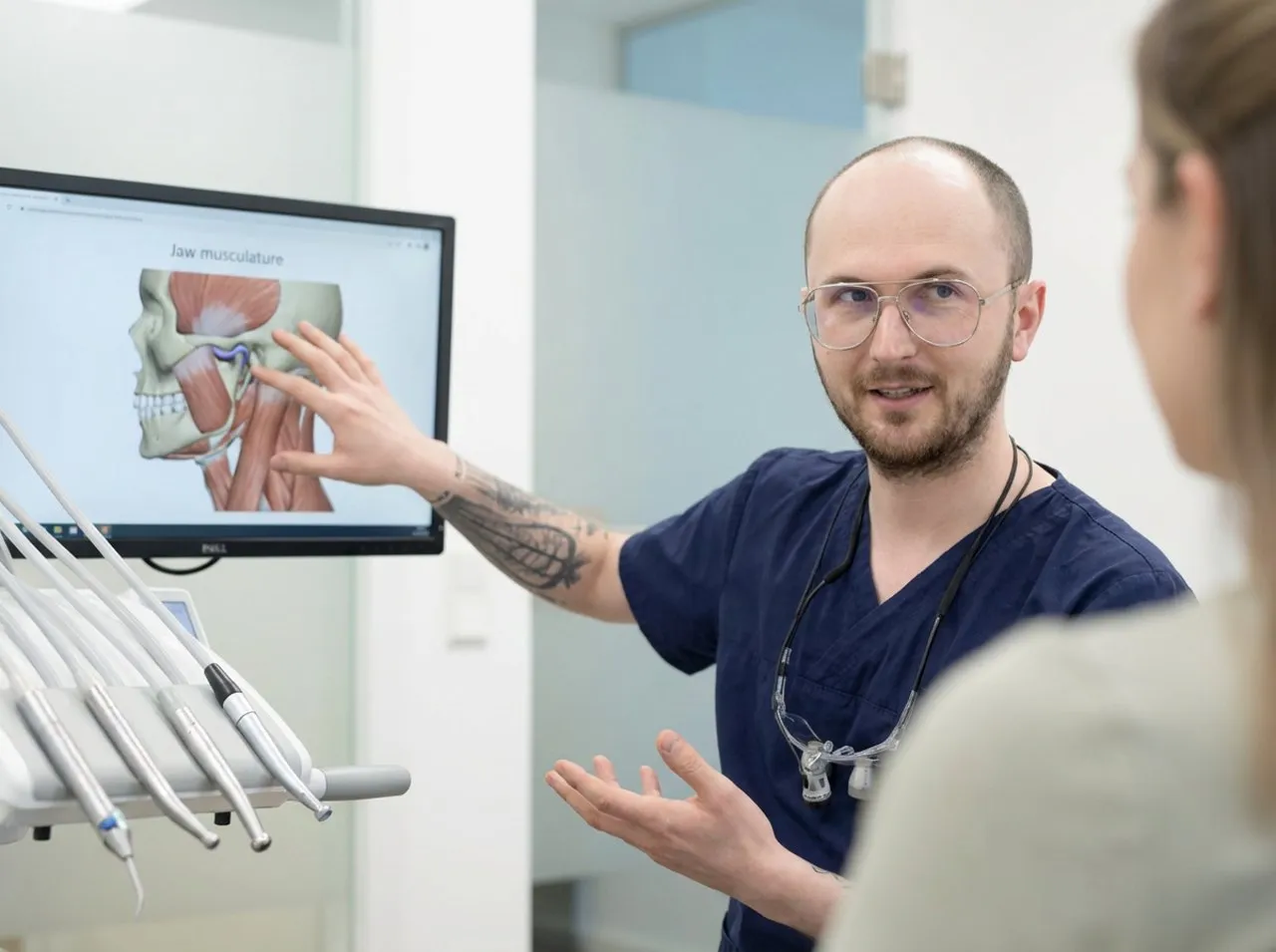
Jaw stiffness and restricted mouth opening
The chewing muscles occasionally react with protective tension after the procedure. This can make it difficult to open the mouth. Mobility usually improves within a few days.
Factors that can increase swelling
Multiple implants increase the local strain on tissue. Smoking reduces blood flow and delays healing. Alcohol and intense physical exertion also have an adverse effect.
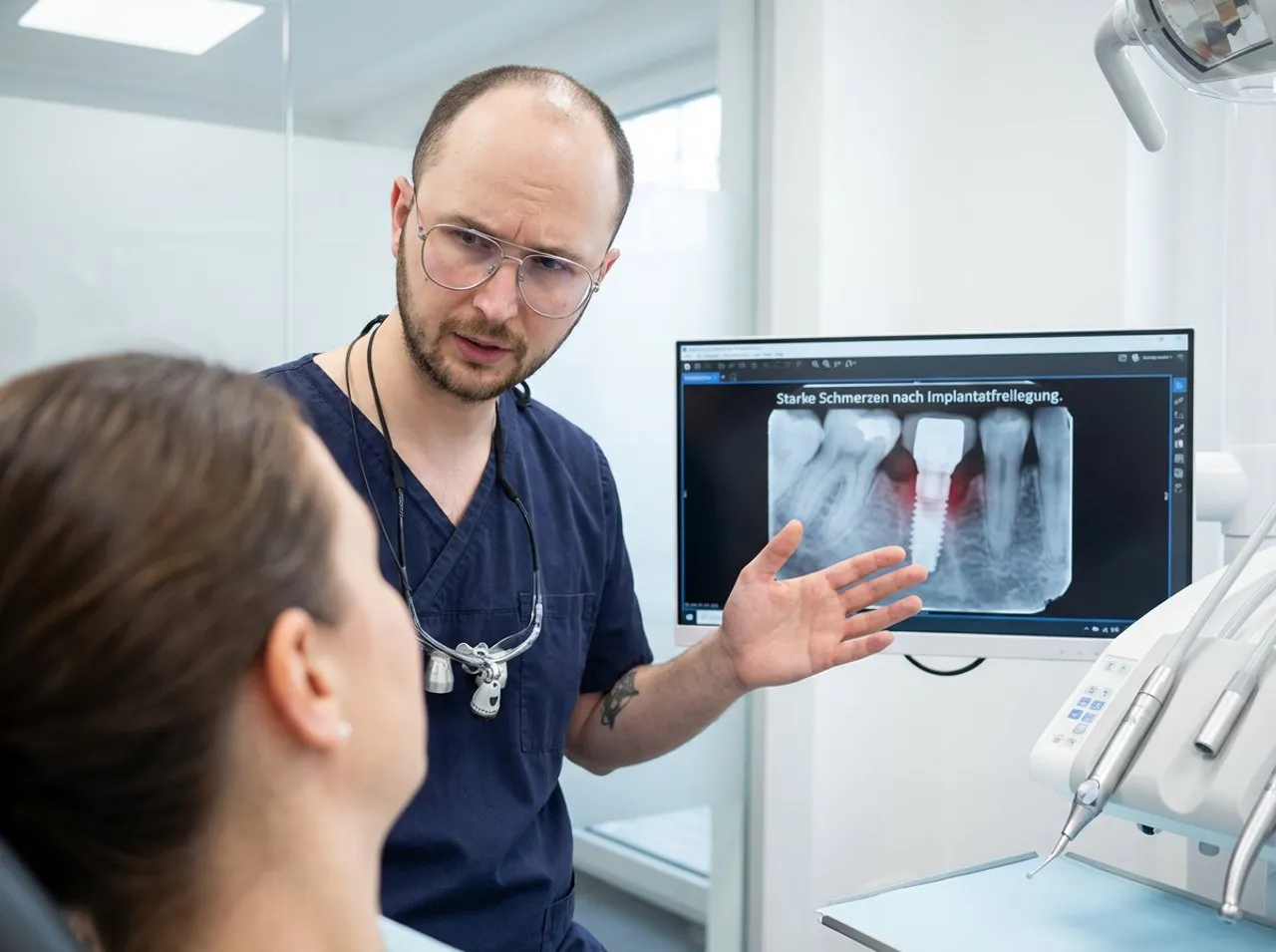
Swelling 2 weeks after dental implant treatment: assessment
Slight residual swelling after two weeks is occasionally possible. However, it should be significantly smaller than before. An unchanged finding requires a prompt examination.
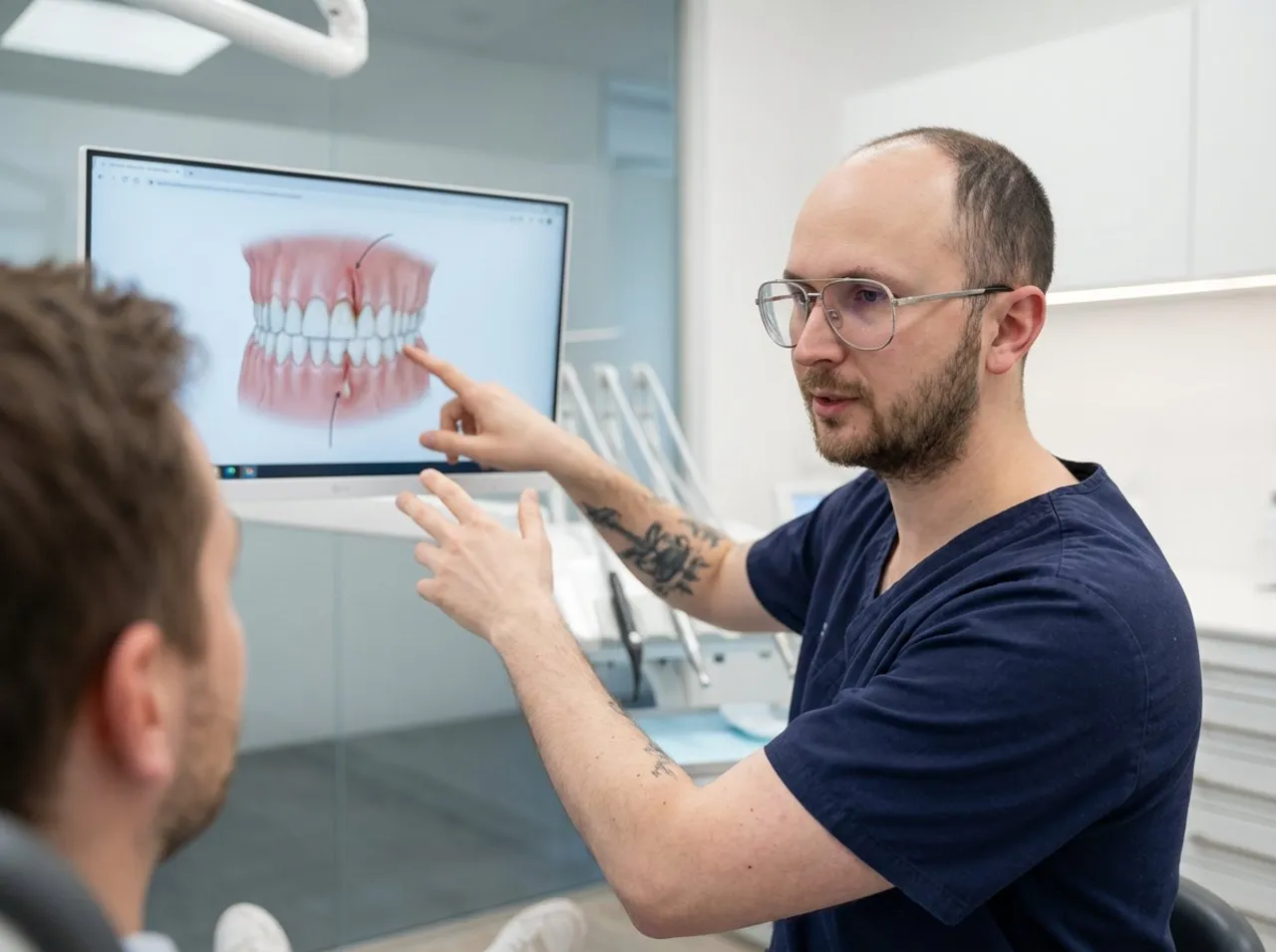
Possible causes of late or recurrent swelling
A gap in the sutures can weaken the barrier function of the gums. Bacteria can then enter the area more easily. In rare cases, early inflammation develops around the implant.

Warning signs: when you should act immediately
Fever is not a typical sign of normal wound healing. Pus, an unpleasant taste or severe bad breath are causes for concern. Difficulty breathing or swallowing are acute emergency symptoms.

Self-care during the first 24 hours
Apply a cold compress externally. Use short intervals with adequate breaks. Avoid heat, sun and physical exertion.

What to do in the following days
Sleep with your upper body slightly elevated. Eat soft, lukewarm food. Avoid vigorous rinsing during the first few hours.
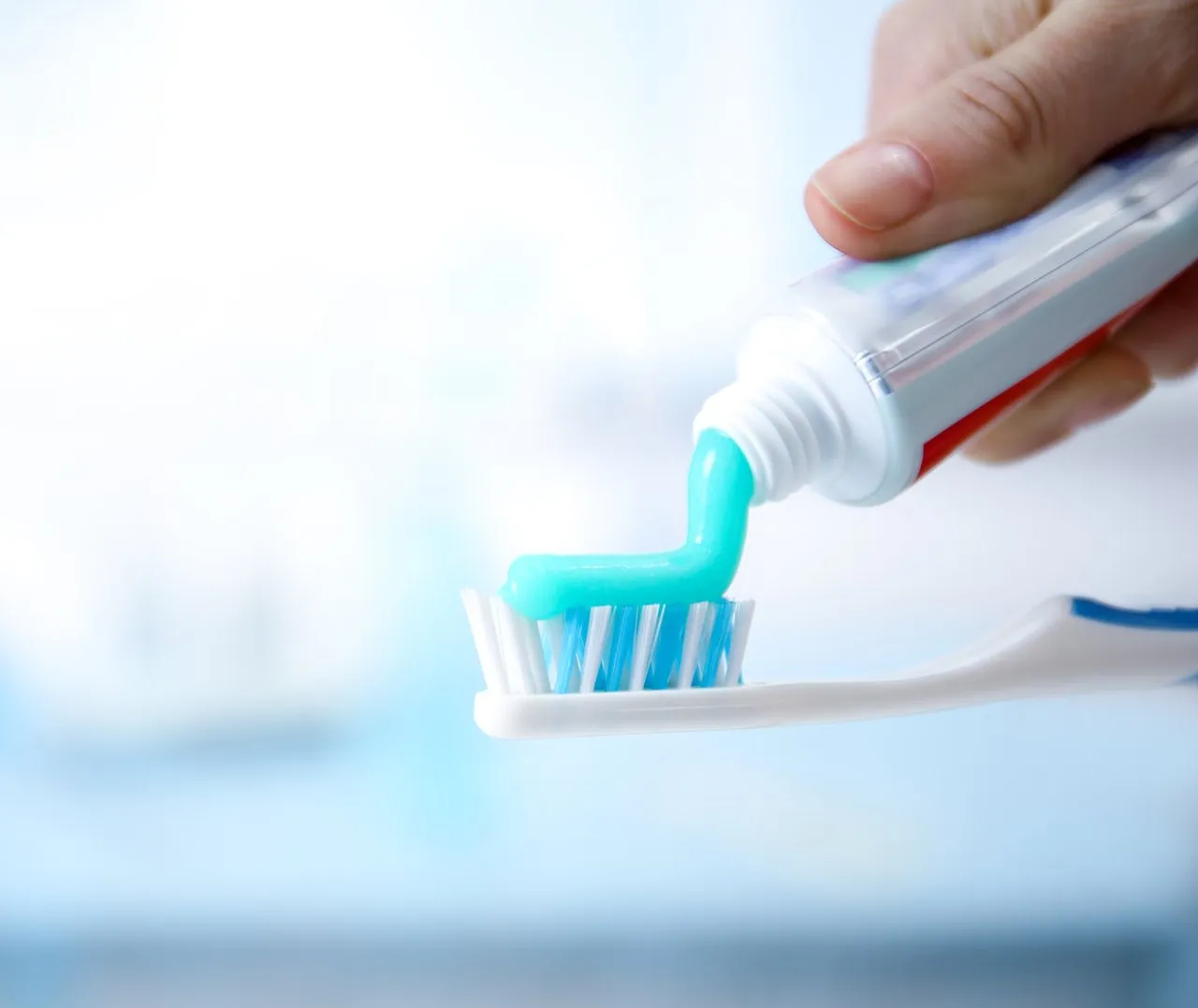
Oral hygiene during the healing phase
Brush carefully, but without putting pressure on the sutures. Clean between your teeth only if recommended by the practice. An oral irrigator should not be aimed directly at the wound.
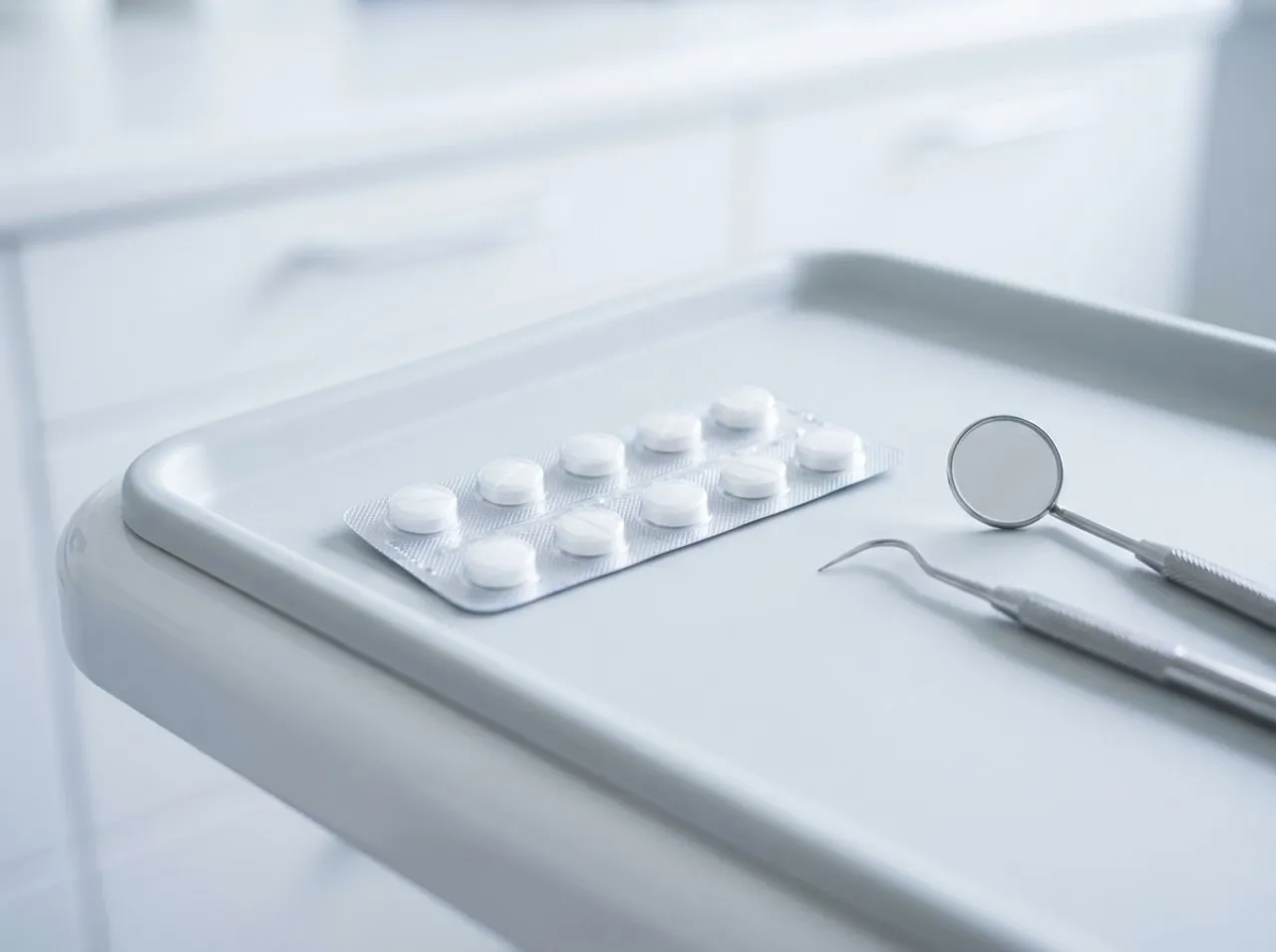
Medication and anti-inflammatory treatment
Take prescribed medicines strictly as directed. Anti-inflammatory painkillers can reduce swelling and pain. Do not combine medications without consulting a medical professional.
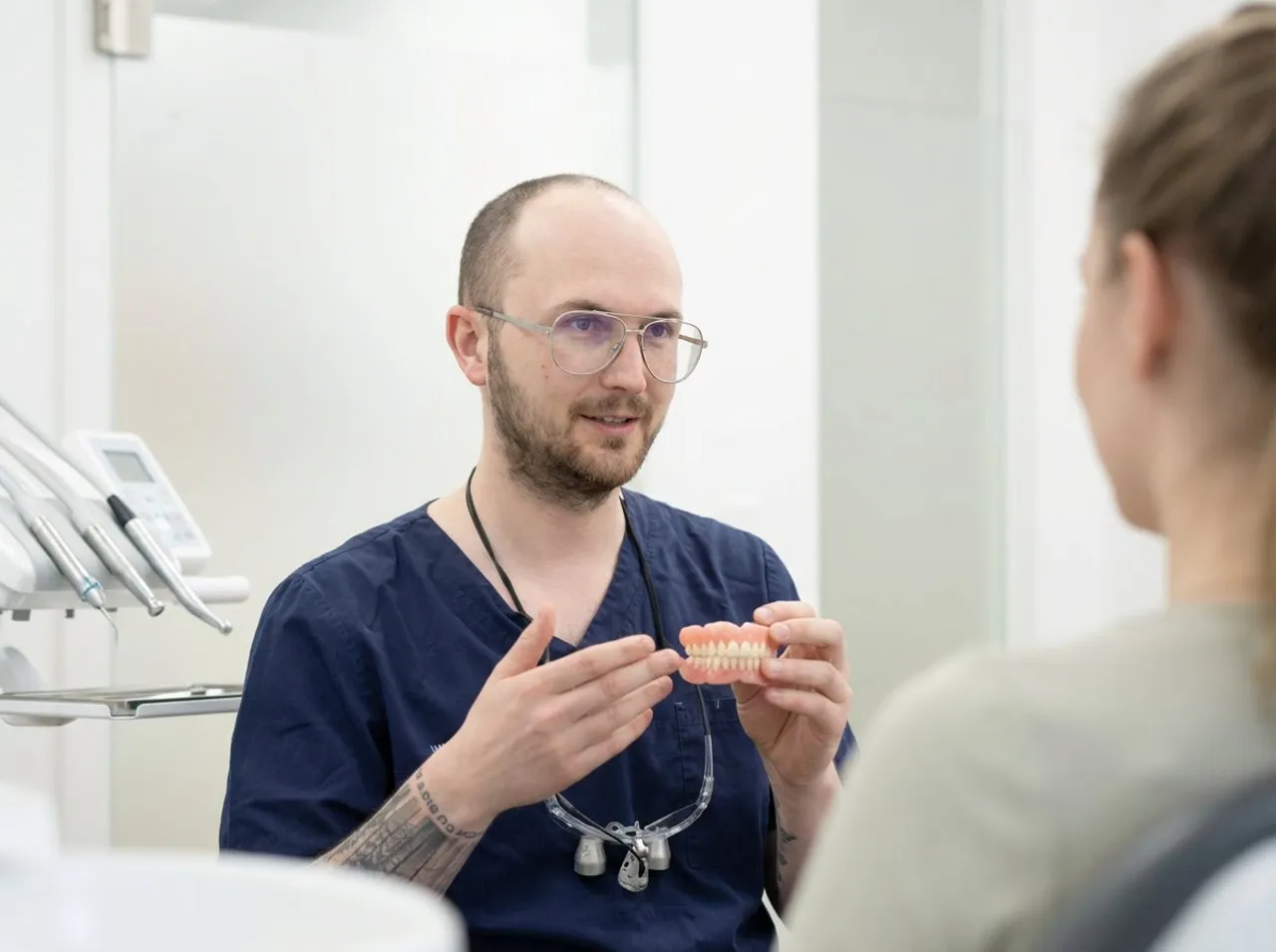
What the practice checks if swelling persists
We systematically examine the gums, sutures and wound area. If there is cause for concern, the area is professionally cleaned. Antibiotic treatment may be necessary.
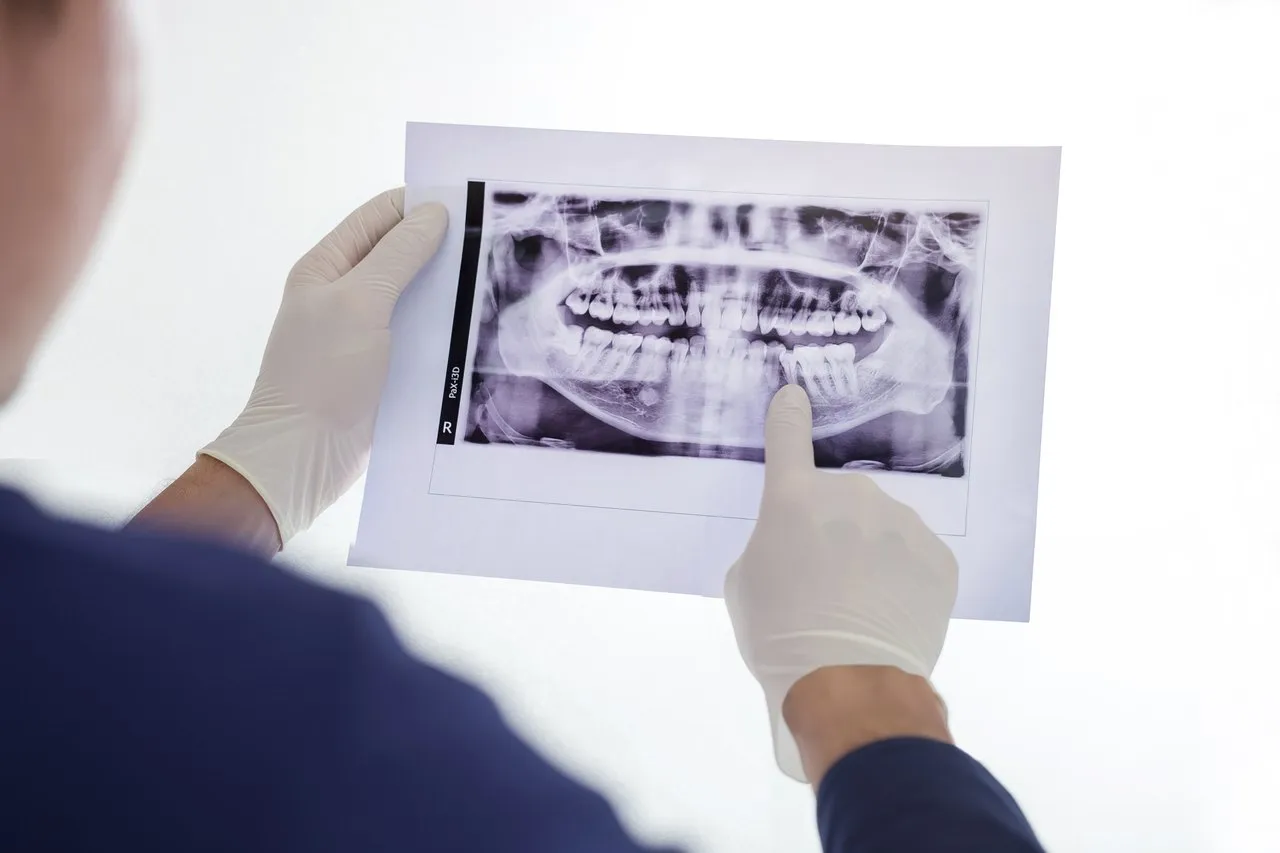
Imaging and diagnostics
An X-ray can clarify the situation around the implant. Three-dimensional imaging is useful in complex cases. The findings then guide further treatment.

Prevention: how to support the healing process
Allow yourself two quiet days after the procedure. Avoid nicotine and consistently reduce your alcohol intake. Attend all follow-up appointments.

Conclusion
Swelling after dental implant treatment is usually to be expected. The most severe phase often occurs within the first three days. A prompt examination is necessary if warning signs occur.
FAQ – Frequently asked questions
Pronounced swelling usually lasts three to seven days. Slight residual swelling can last up to two weeks.
Mild warmth can be part of the healing response. Pronounced redness with fever requires medical assessment.
Cooling is particularly useful during the first 24 hours. It should be applied in short intervals with breaks.
Bruising can result from minor injuries to blood vessels. It usually resolves within ten days.
The procedure affects more tissue and sometimes the bone. This increases the postoperative response.
Light activity is often acceptable after a few days. Strenuous exercise should only be resumed once it has been approved.
Soft, lukewarm food reduces strain on the wound. Hard crusts and very hot food are unfavourable.
Difficulty breathing or swallowing and a high fever are emergencies. Pus or rapidly increasing swelling also require immediate assessment.
Cleaning should be careful and thorough. Avoid mechanical pressure directly on the sutures.
Nicotine reduces blood flow in the wound area. This increases the risk of inflammation and delays regeneration.