Swelling behind an incisor: what helps?
Swollen gums behind an incisor often have harmless causes. Plaque, tartar, irritation or inflammation are often responsible. Good oral hygiene, prompt assessment and a check-up if the swelling persists are important.
Über 350 Google-Bewertungen

What does swollen gum behind an incisor mean?
A swelling behind an incisor is a warning sign. In most cases, the tissue is reacting to irritation or inflammation. The front teeth area of the upper or lower jaw is often affected.
The gum behind an incisor is sensitive. Plaque often builds up there unnoticed. Even small changes can cause a visible swelling.

Typical symptoms around the front teeth
Swollen gum behind an incisor does not always look the same. Some patients experience only a slight feeling of tightness. Others notice a distinct thickening of the tissue.
Redness is common. The gum may appear shiny or irritated. Bad breath sometimes occurs as well.
Bleeding is also possible. It often occurs when brushing the teeth. Occasionally, the tissue also bleeds when eating firm food.
In some cases, a feeling of pressure develops. The area may be tender to the touch. This often becomes noticeable first when chewing.

Swollen gum behind an incisor in the upper jaw
In the upper jaw, the area behind the incisors is sensitive. The palatal mucosa there is close to the front teeth, so irritation often becomes noticeable quickly.
If the gum behind an upper incisor is swollen, plaque may be the cause. Localised inflammation or pressure from misaligned teeth is also possible. In children, an erupting tooth can also affect the tissue.

Swollen gum behind an incisor in the lower jaw
In the lower jaw, plaque often builds up behind the incisors. This area is frequently overlooked when brushing, which makes inflammation particularly likely to develop there.
If the gum behind a lower incisor is swollen, oral hygiene should be assessed. Tartar is also a common finding here. A professional dental cleaning may be advisable.

When is inflammation the cause?
Inflammation is likely if the swelling is red. Warmth, tenderness to pressure and bleeding also point to this. If the finding persists for several days, an examination is advisable.
With more severe inflammation, the tissue may throb. A small raised area sometimes forms. In that case, the cause should be investigated promptly.

What helps with swollen gums behind an incisor?
The first step is thorough but gentle cleaning. The teeth should continue to be brushed carefully. Additional irritation from applying firm pressure should be avoided.
Interdental care and a soft toothbrush are helpful. Antibacterial mouthwashes can also provide temporary support. However, they are no substitute for a diagnosis.
It is also important to check for possible triggers. If a retainer is loose or a sharp edge is causing irritation, this should be checked. The same applies to ill-fitting splints.

When should you see a dentist?
A dental examination is advisable if the swelling does not subside. Bleeding, bad breath or pronounced sensitivity are also clear indications. This applies particularly to recurring symptoms.
Prompt action is needed if there is pus or significant spreading. Loose teeth must also be checked promptly. In such cases, the cause should be treated professionally.
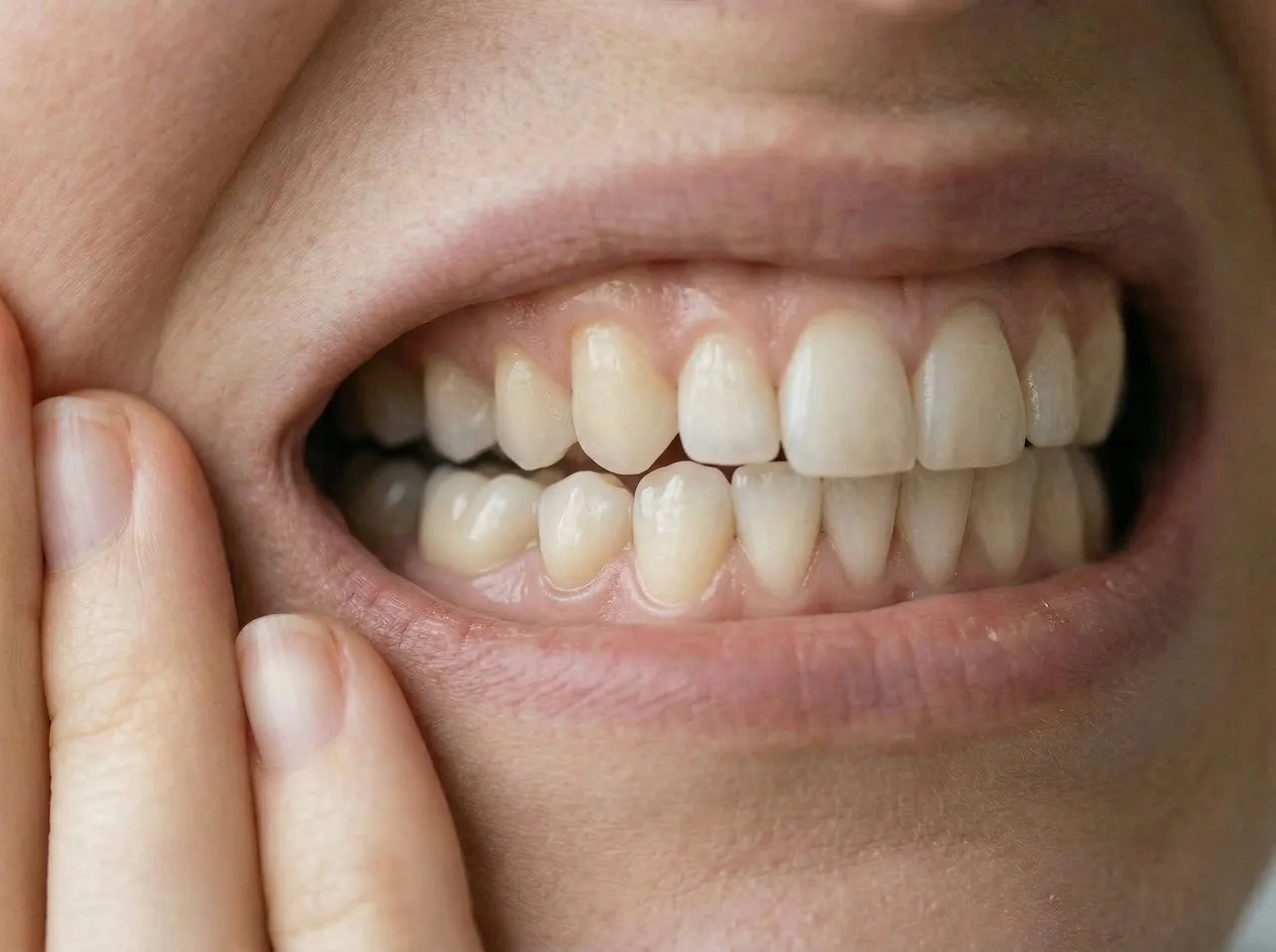
How to prevent swollen gums
Consistent oral hygiene is essential. This includes using a toothbrush and dental floss and attending regular check-ups. The back surfaces of the incisors also need daily care.
A professional dental cleaning can remove plaque safely. This reduces the risk of irritation and inflammation. It also allows problem areas to be identified early.
Anyone prone to sensitive gums should have their brushing technique assessed. Small changes to their daily routine often help. This keeps the tissue in the front teeth area healthy.