
Swollen gums: causes & help
Swollen gums are an important warning sign from your body. Inflammation is usually the cause. You should always take this seriously. Left untreated, swollen gums can cause loose teeth and bone loss. Early treatment protects your teeth and smile. This helps you avoid...
Über 350 Google-Bewertungen
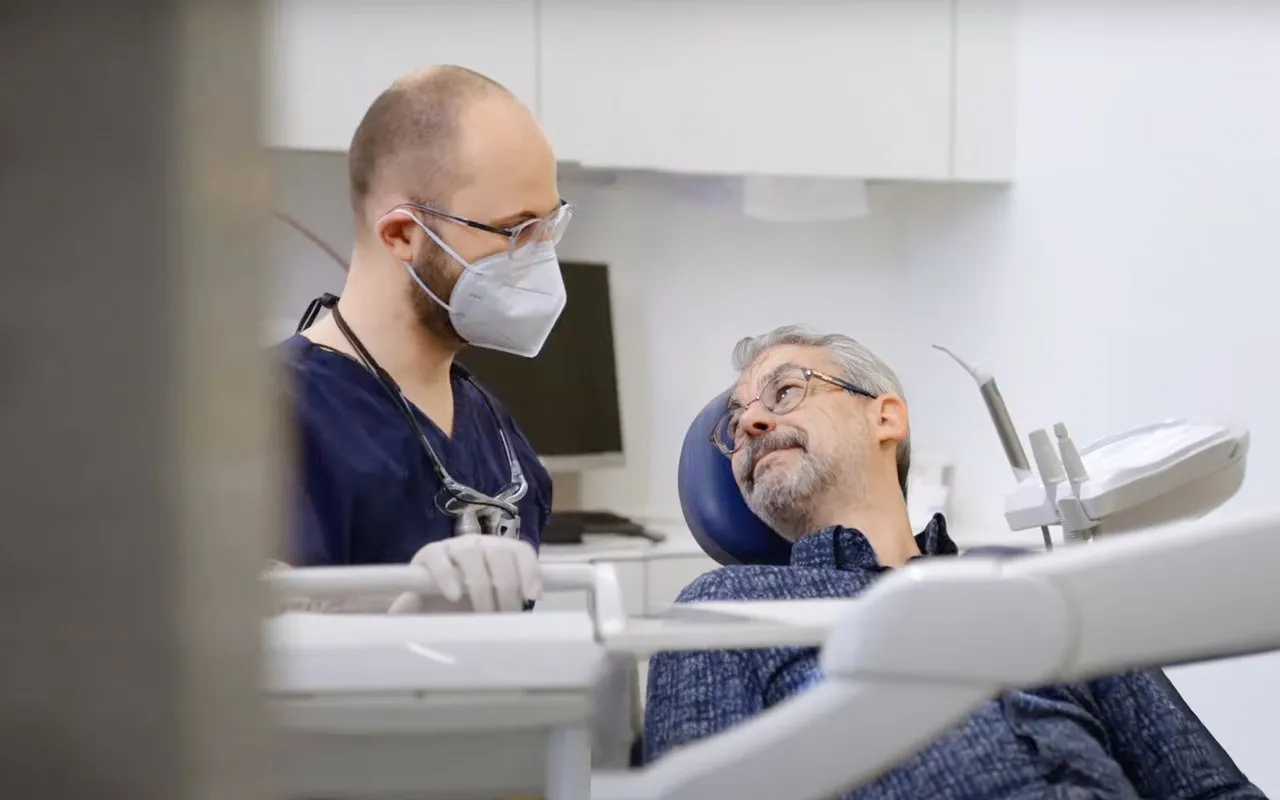
What do swollen gums mean?
With swollen gums, the tissue is thickened and taut. It appears raised and sensitive, and is often red. Many patients first notice the swelling when brushing their teeth. Gum inflammation is usually present. Dentists refer to this as gingivitis or periodontitis. The body is reacting to bacteria and irritation.
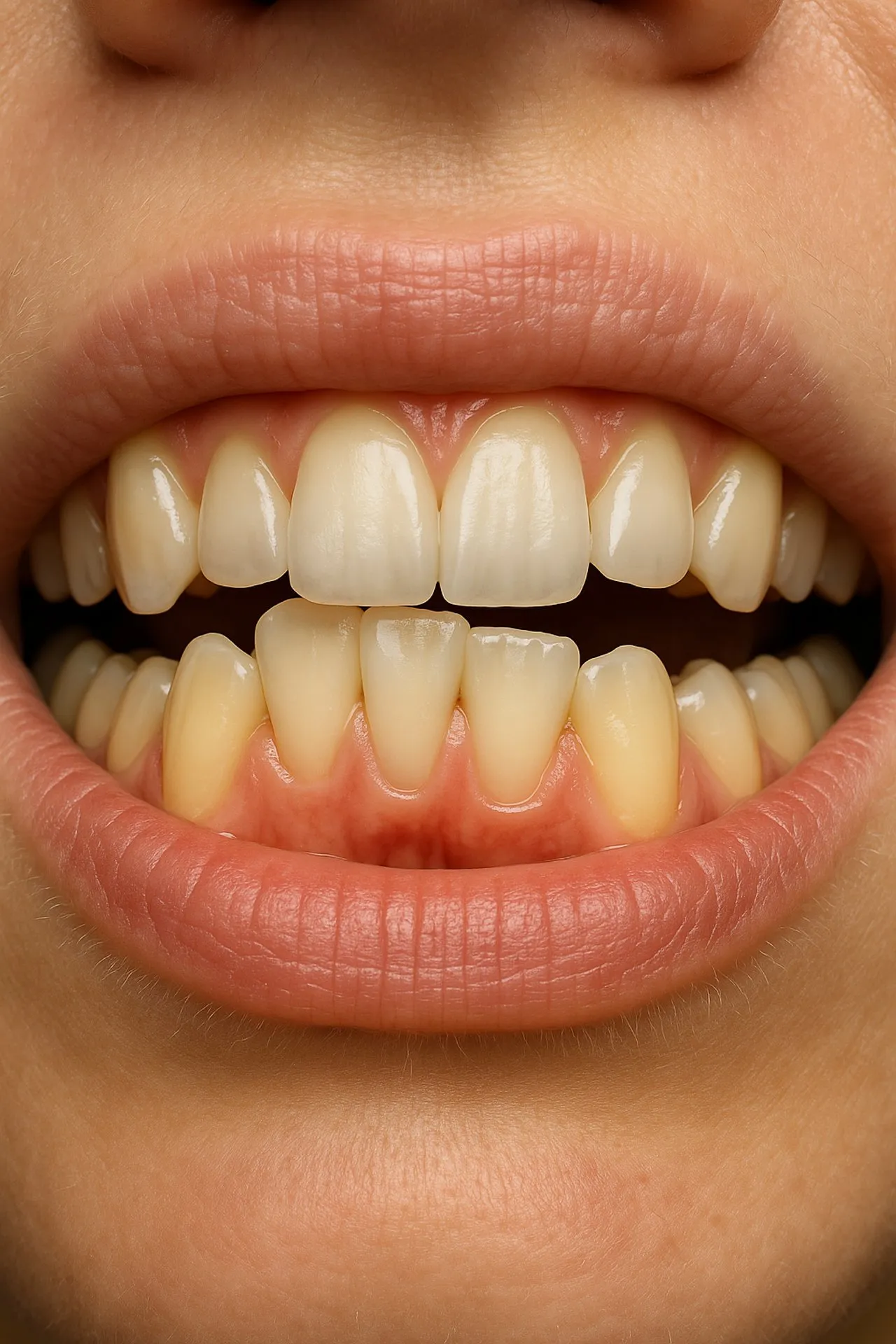
Common causes of swollen gums
The most common cause is bacterial deposits, known as plaque. If they are left in place, the gums become inflamed. The bacteria release metabolic products and irritate the tissue. Tartar also plays a major role. It consists of hardened plaque and attracts further bacteria.

Gingivitis – early gum inflammation
Gingivitis affects only the gums; the bone is healthy. Typical signs are redness, swelling and bleeding gums. The cause is deposits along the gumline. Once these are removed, the tissue often recovers quickly.
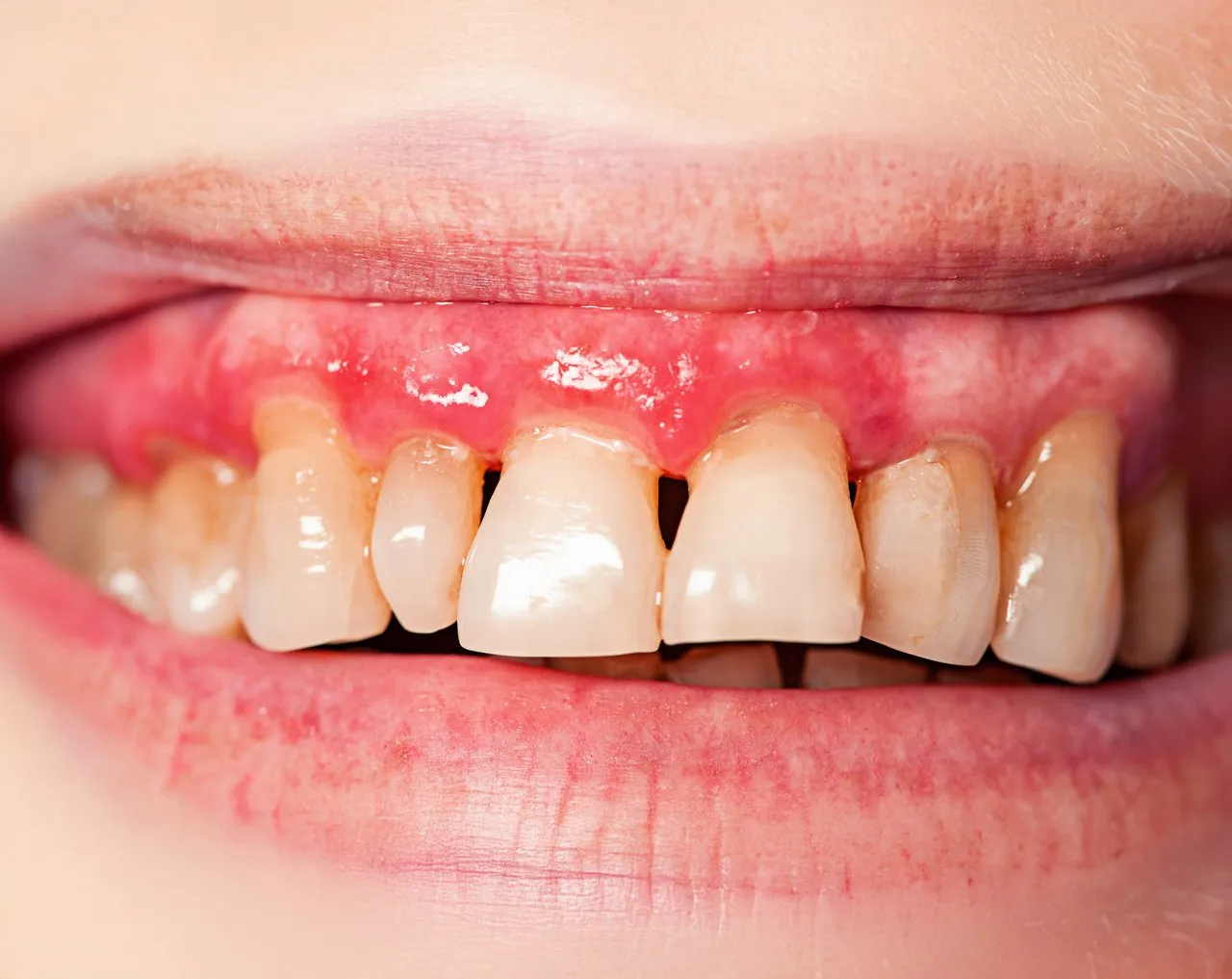
Periodontitis – when the supporting structures of the teeth are affected
Periodontitis affects the entire supporting structure of the teeth. This includes the gums, fibres and bone. Periodontal pockets form, in which bacteria collect. Left untreated, the teeth gradually become loose.

Mechanical irritation and excessive pressure
Brushing too hard can injure the gums. Hard brush heads also irritate the tissue. Dentures that press on the gums or fillings with sharp edges cause similar problems. The same applies to ill-fitting crowns.
Hormonal influences and general health conditions
Swollen gums are common during pregnancy. Hormones alter blood flow to the tissue. Diabetes and a weakened immune system also exacerbate gum problems. Certain medicines can also contribute to swollen gums.
Symptoms: how to recognise swollen gums
Swollen gums feel soft and tender to pressure. Many patients report a feeling of tightness. Sometimes individual areas feel warmer than others. Bleeding gums when brushing or chewing are a typical symptom. Bad breath is also common. If pain occurs when chewing, caution is required. Periodontitis may already be present.
Diagnosis at the Wunschlachen dental practice
At our Wunschlachen practice in Berlin, we examine your gums carefully. We assess their colour, shape and swelling. In doing so, we use magnifying loupes and gentle examination methods. We then measure the depth of any periodontal pockets. X-rays show the condition of the jawbone. This allows us to detect early bone loss and plan treatment specifically. We explain every step clearly.
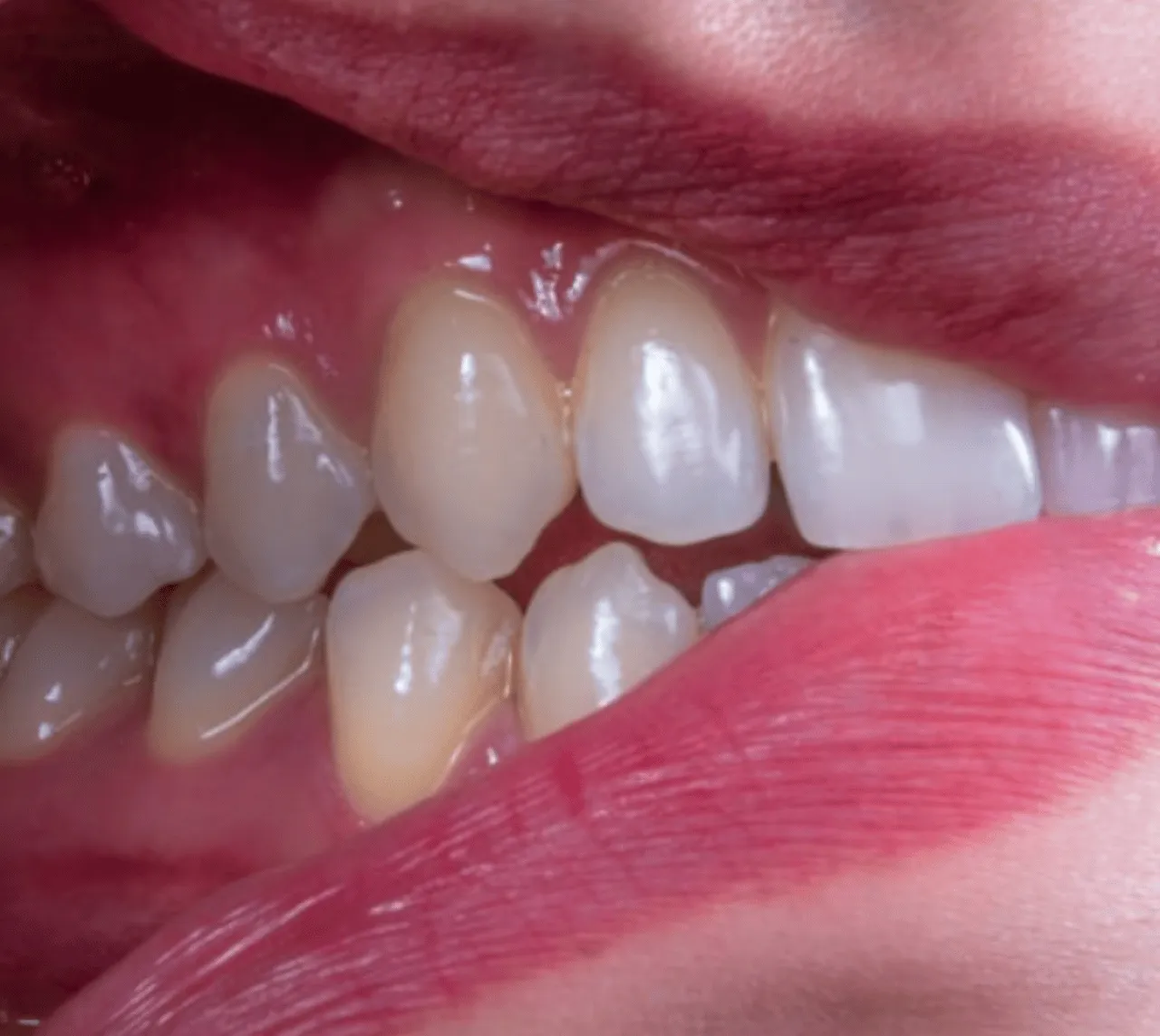
Treatment: how to reduce swollen gums
The most important measure is a thorough clean. First we remove soft deposits, then tartar. We use fine hand instruments and ultrasonic scaling. For periodontitis, we also clean the periodontal pockets. This is usually done under local anaesthetic. Sometimes accompanying medicines are advisable. These include antibacterial gels, mouth rinses or antibiotics if needed. The maintenance phase begins after acute treatment. Professional dental cleaning stabilises the result. Your oral hygiene at home is crucial. Only by working together can gum problems be controlled in the long term.

Home remedies – a useful addition, not a substitute
Cold compresses can relieve the swelling. Salt-water rinses also have a mild disinfectant effect. Chamomile or sage tea soothes inflamed gums. Only use these measures as a supplement. Home remedies are no substitute for a visit to the dentist. They do not treat the underlying cause of the swelling.

Preventing swollen gums
Regular and thorough oral hygiene is crucial. Brush your teeth twice a day. A systematic brushing technique protects both gums and tooth enamel. Also use dental floss or interdental brushes. This removes deposits between the teeth. Professional dental cleaning removes stubborn deposits. We recommend appointments every three to six months. A balanced diet supports healthy gums. You should avoid frequent sugar consumption and smoking as far as possible.

When you should see a dentist immediately
Seek help promptly if you have severe or throbbing pain. A fever is an important warning sign. Pus on the gums also requires rapid treatment. So do loose teeth or sudden gaps. The earlier we intervene, the better the chances. The gums can often be stabilised.
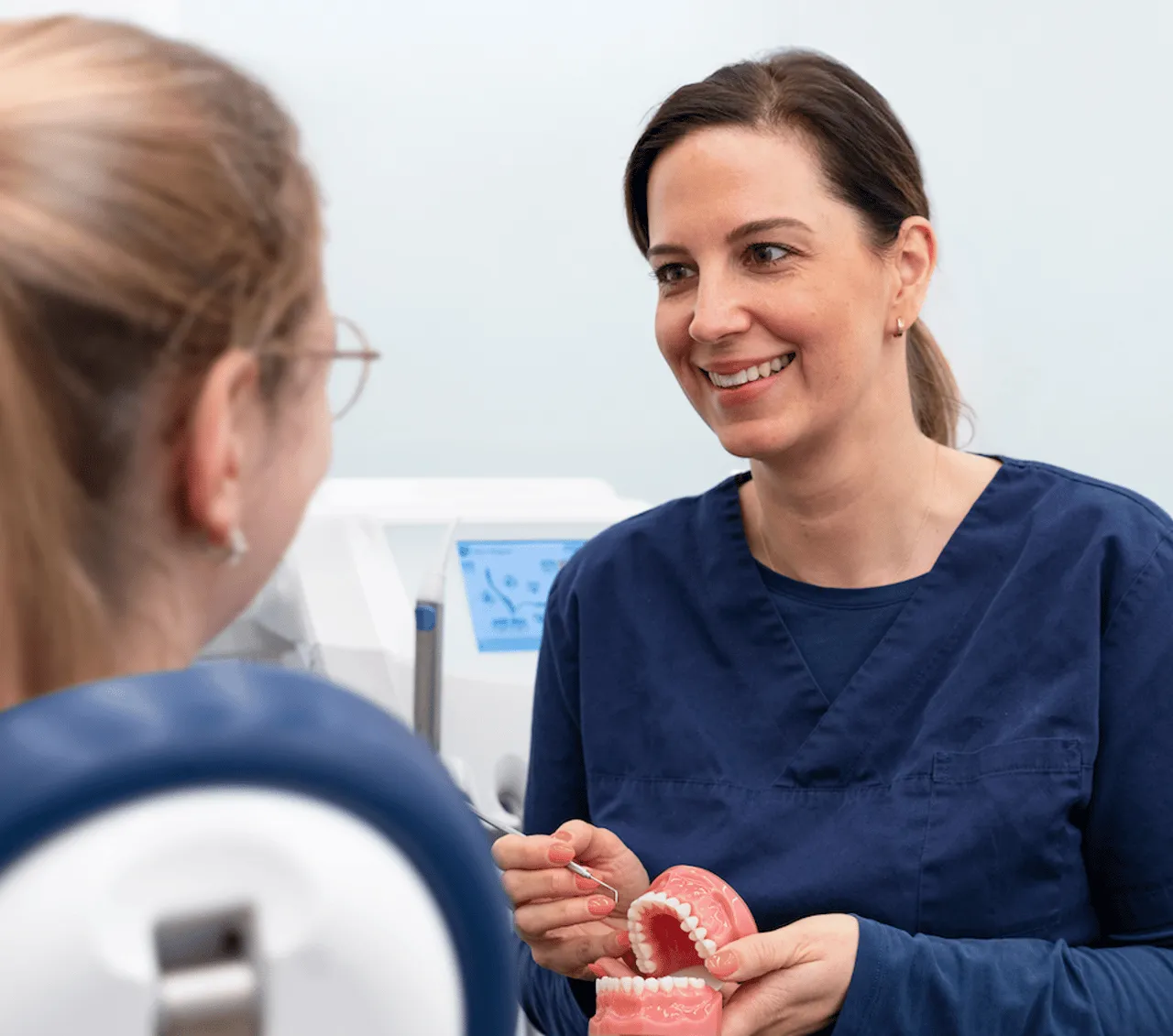
Treatment of gum problems at Wunschlachen
At our practice, we combine modern diagnostics with gentle treatment. We take time to listen to your concerns. Together, we draw up an individual treatment plan. In doing so, we take your wishes and daily routine into account. Book an appointment at Wunschlachen in Berlin. Together, we will restore your gums to a healthy balance.
Your dental practice in Berlin – locations
Our dental practices in Berlin are located in Reinickendorf, Schöneberg, Friedrichstraße and Charlottenburg. We offer high-quality treatments and modern technology. Book an appointment with the dentist now. Online or by telephone for a radiant smile.
General dentistry and surgery
Reinickendorf
Zahnarzt & Implantate
Gotthardstr. 27, 13407 Berlin Tel.: 030 / 495 20 10[email protected]Mo-Do: 08:00–20:00 Fr: 08:00–14:00
Mehr erfahrenSchöneberg
Zahnarzt & Implantate
Bayerischer Platz 7, 10779 Berlin Tel.: 030 / 854 44 83[email protected]Mo-Do: 08:00–20:00 Fr: 08:00–14:00
Mehr erfahrenFriedrichstraße
Zahnarzt & Implantate
Friedrichstraße 147, 10117 Berlin Tel.: 030 / 959 990 644[email protected]Mo-Do: 09:00–18:00 Fr: 09:00–14:00
Mehr erfahrenCharlottenburg
Zahnarzt & Implantate
Savignyplatz 5, 10623 Berlin Tel.: 030 / 233 290 390[email protected]Mo-Do: 09:00–18:00 Fr: 09:00–13:00
Mehr erfahrenOrthodontics and paediatric dentistry
Reinickendorf
Kieferorthopädie & Kinderzahnmedizin
Gotthardstr. 27, 13407 Berlin Tel.: 030 / 495 20 10Mo-Do: 08:00–20:00 Fr: 08:00–14:00
Mehr erfahrenSchöneberg
Kieferorthopädie & Kinderzahnmedizin
Bayerischer Platz 7, 10779 Berlin Tel.: 030 / 854 44 83Mo-Do: 08:00–20:00 Fr: 08:00–14:00
Mehr erfahrenFAQ – frequently asked questions about swollen gums
Inflammation caused by bacterial deposits is usually the cause. Hormones or medicines sometimes play a role.
Cold compresses and salt-water rinses help in the short term. The dentist must treat the underlying cause.
Mild irritation can settle. If the swelling persists, you should visit the practice.
No, often only gingivitis is present. Left untreated, however, it can develop into periodontitis.
Painless swelling should also be taken seriously. Inflammation can remain unnoticed for a long time.
Hormonal changes increase blood flow to the tissue. The gums react more sensitively to deposits.
Maintain gentle, thorough oral hygiene using a soft brush. Mild mouth rinses may also help.
Mild cases usually improve within a few days after professional cleaning. Severe inflammation takes longer.
Yes, but carefully and with a soft brush. You should have any pain or bleeding assessed.
Yes, we are experienced in caring for sensitive patients. We explain every step calmly and clearly.