
Tartar: causes, effects and removal
Tartar is hardened dental plaque. It adheres firmly to the tooth, often near the gumline. Many people feel rough patches. Some see yellowish or brownish edges. This can quickly make teeth look neglected.
Über 350 Google-Bewertungen
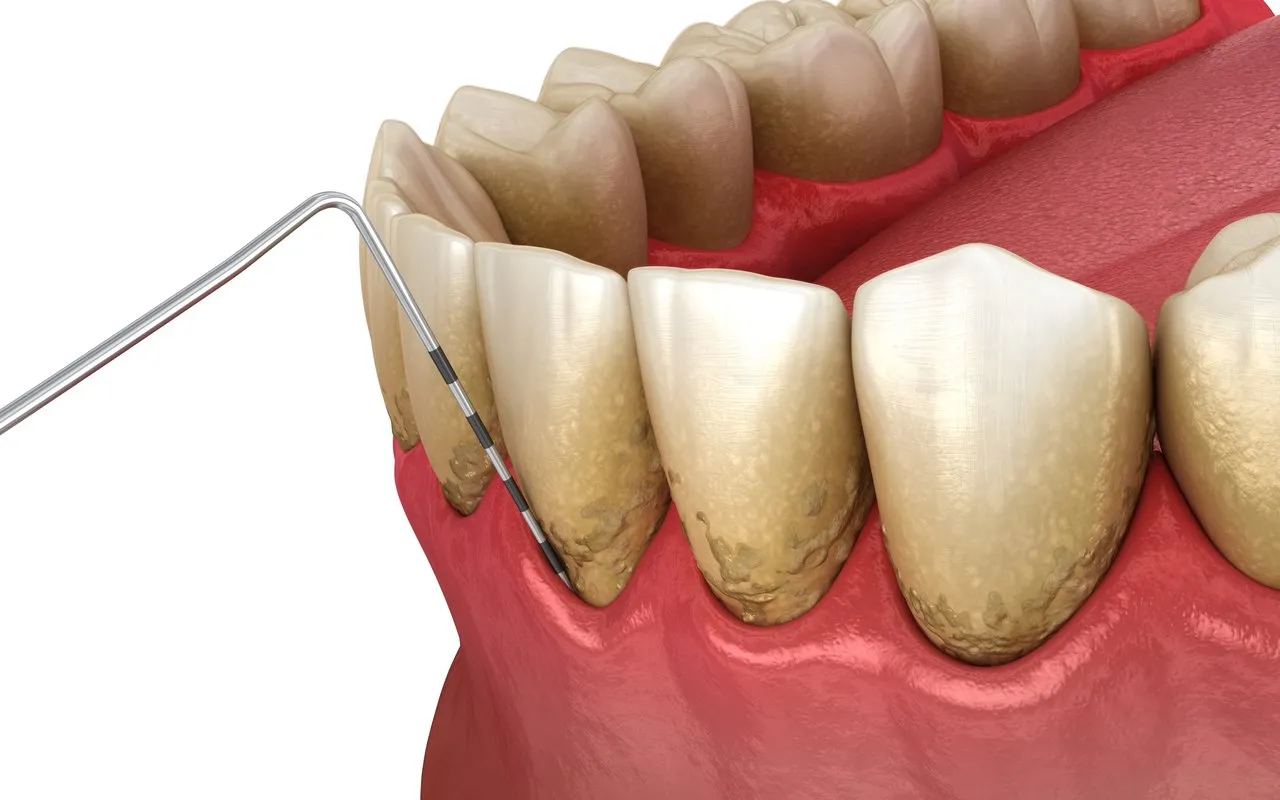
Hard dental deposits: definition and composition
Tartar develops from plaque. Plaque is a biofilm of bacteria, together with components of saliva. What exactly does tartar consist of? It contains minerals such as calcium and phosphate, and bacterial residues also remain trapped within it. Over time, the film becomes hard. Normal brushing is then of little help, and professional cleaning is often needed.
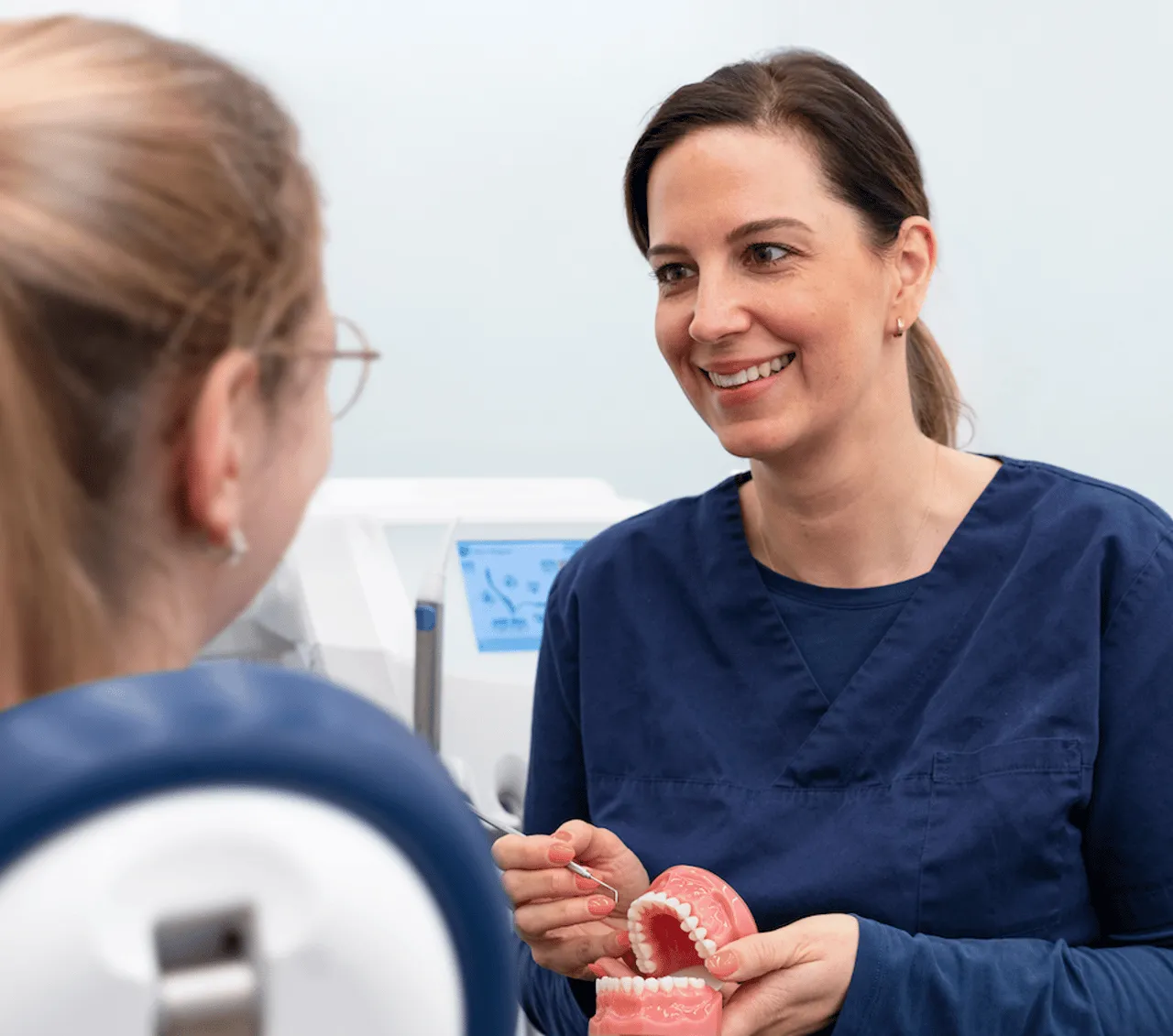
How do calcified deposits form in everyday life?
Tartar starts to develop quietly. Soft plaque remains after eating, especially in small crevices. After a few hours, the plaque matures. Saliva deposits minerals in it, turning it into hard deposits. The speed at which this happens varies from person to person. In some people, just a few days are enough for tartar to form.
Causes of tartar: how does it form?
The causes of tartar often involve routine mistakes. Cleaning along the gumline is frequently neglected, even when using an electric toothbrush. What else causes tartar? Mineral-rich saliva accelerates hardening. A dry mouth also plays an important role. Some medicines reduce saliva flow. Breathing through the mouth dries out the mucous membrane, allowing plaque to stick for longer. Tartar usually develops from residual deposits in hard-to-reach places, where the film is more difficult to remove. A lack of interdental cleaning also contributes to tartar formation. Rough filling margins encourage deposits too.
Typical locations: where hard deposits appear first
The risk is high on the inner surfaces of the lower jaw, where the salivary glands open into the mouth and the concentration of minerals is particularly high. The back teeth are also frequently affected. Plaque readily becomes trapped in small pits, and the tongue can hardly reach these areas.
Severe tartar: when deposits are extensive
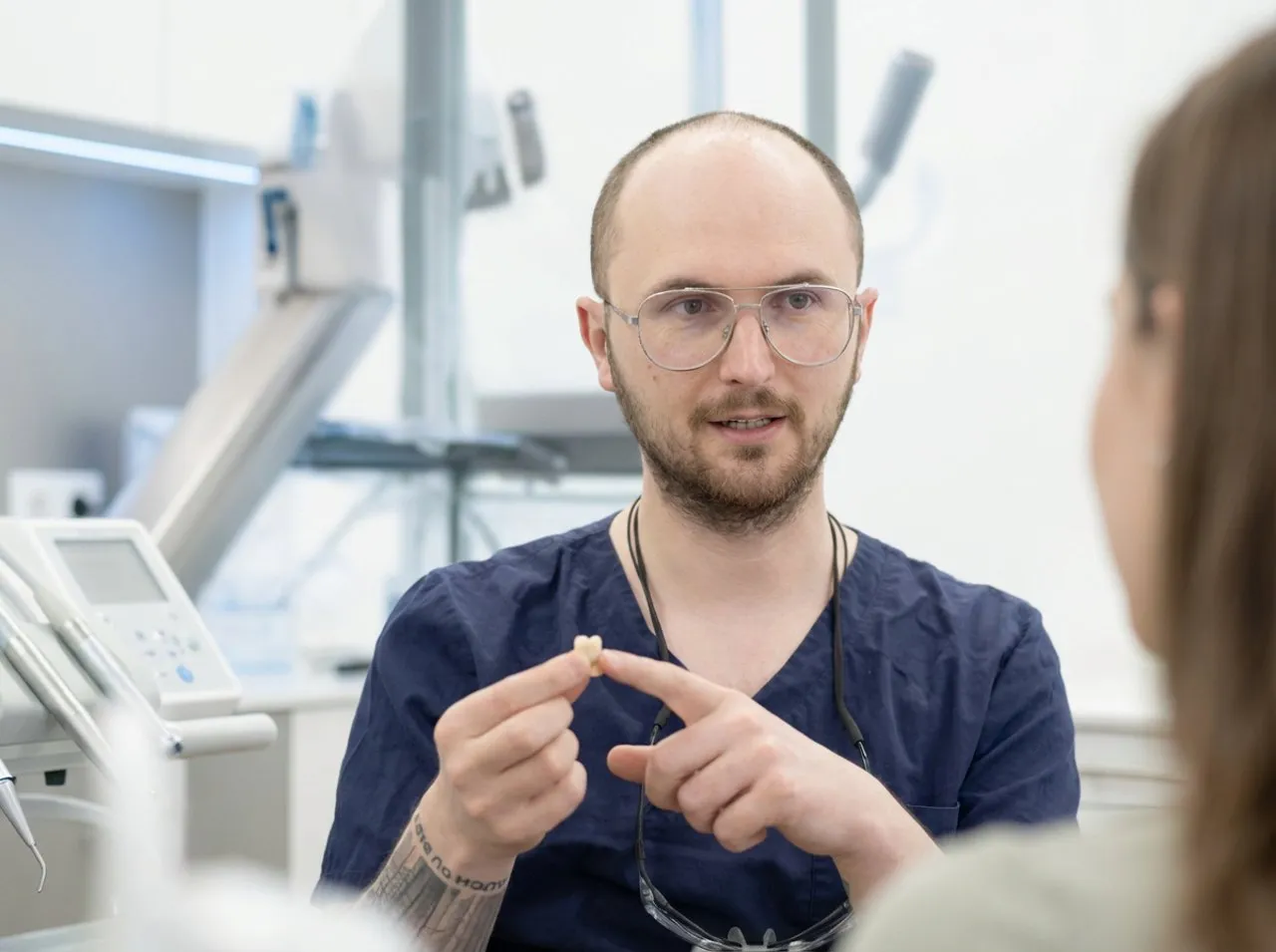
Severe tartar can look like a collar. Those affected see thick deposits, often on the lower jaw. Severe tartar usually develops over months as the layers slowly build up. The surface remains rough, and rough material attracts new plaque, creating a cycle that significantly increases the risk of inflammation.
Possible effects on the gums and teeth
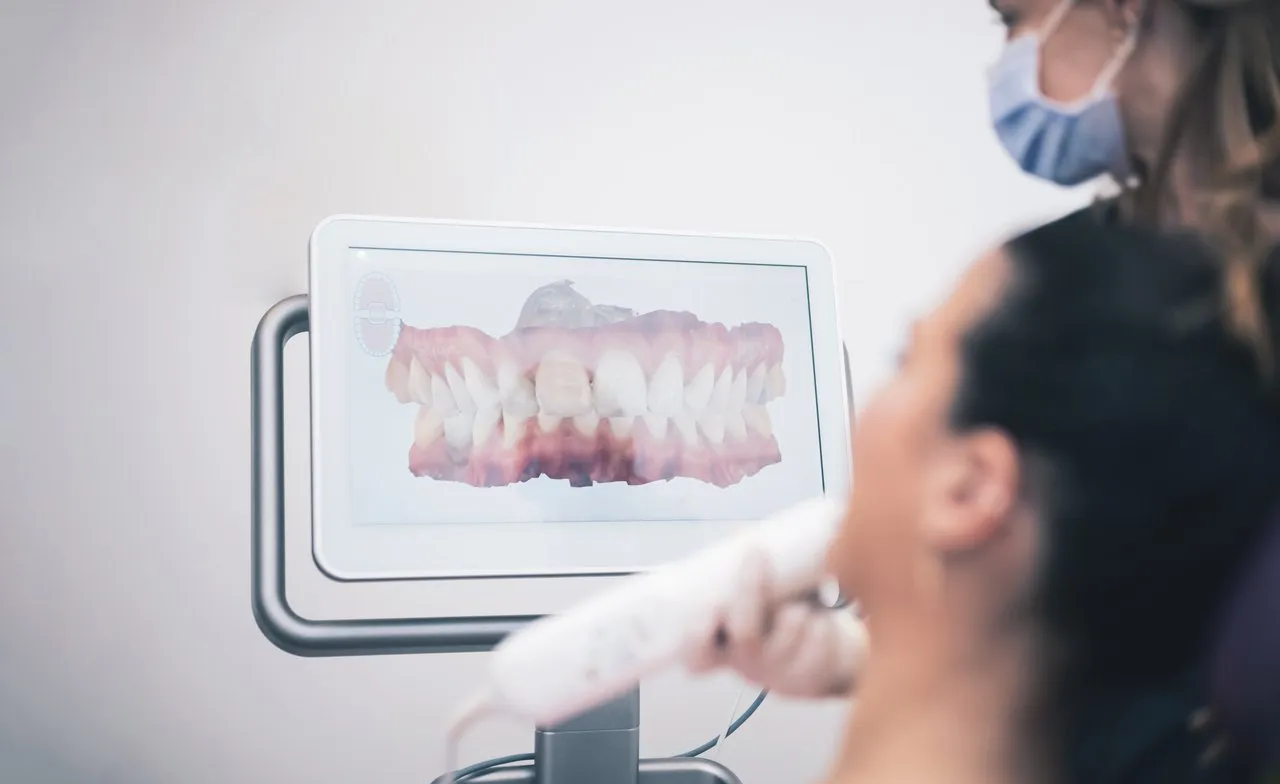
Hard deposits irritate the gums, making them bleed more quickly when brushing. Bad breath often develops too. Bacteria find protection there, which promotes gingivitis. If left untreated, periodontitis may follow. With periodontitis, the tooth's support loses stability. The gums recede, and tooth loss can be a possible consequence. Appearance is also relevant: deposits become discoloured by tea and coffee, making the smile look darker.
Removing tartar: which treatment is advisable?
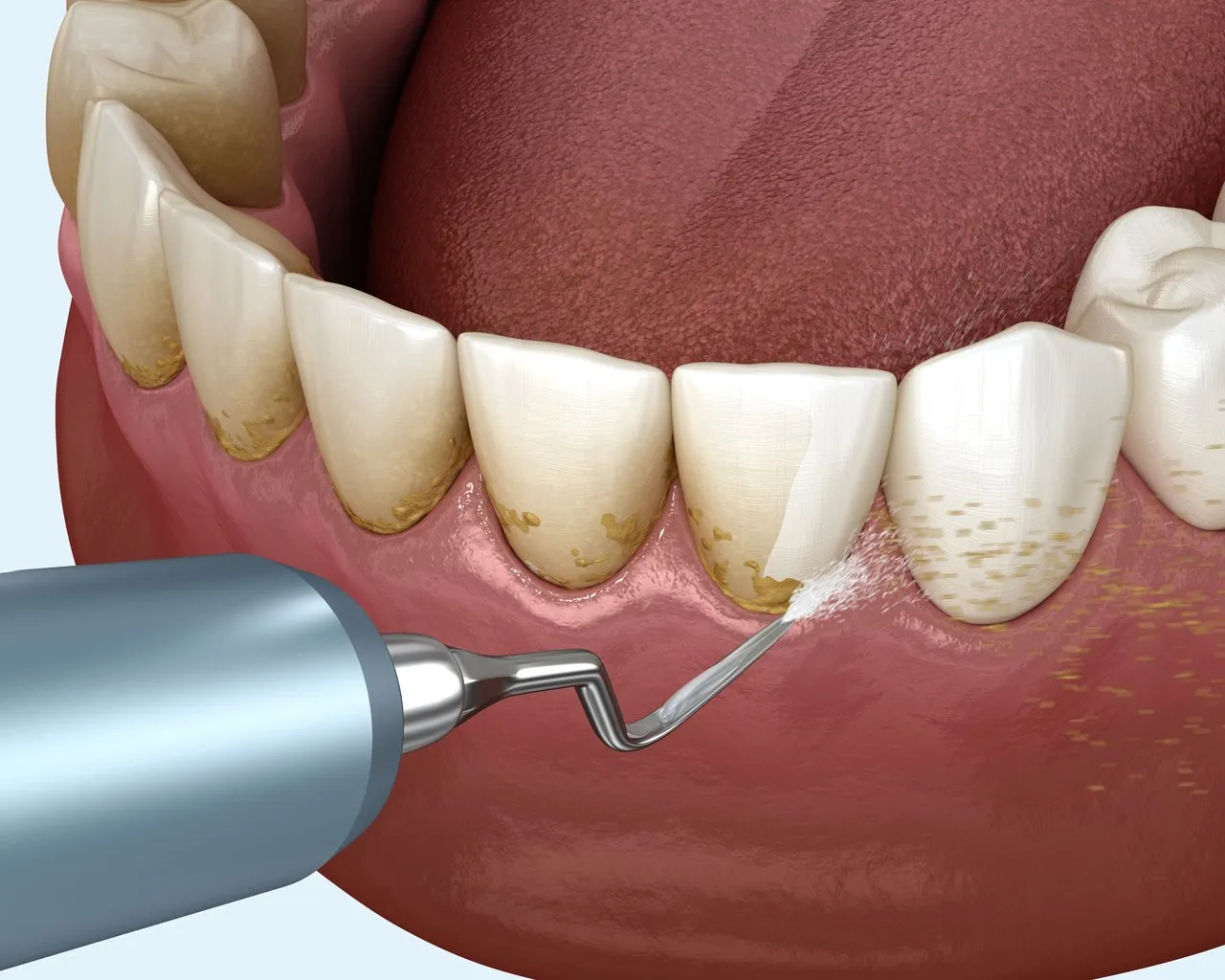
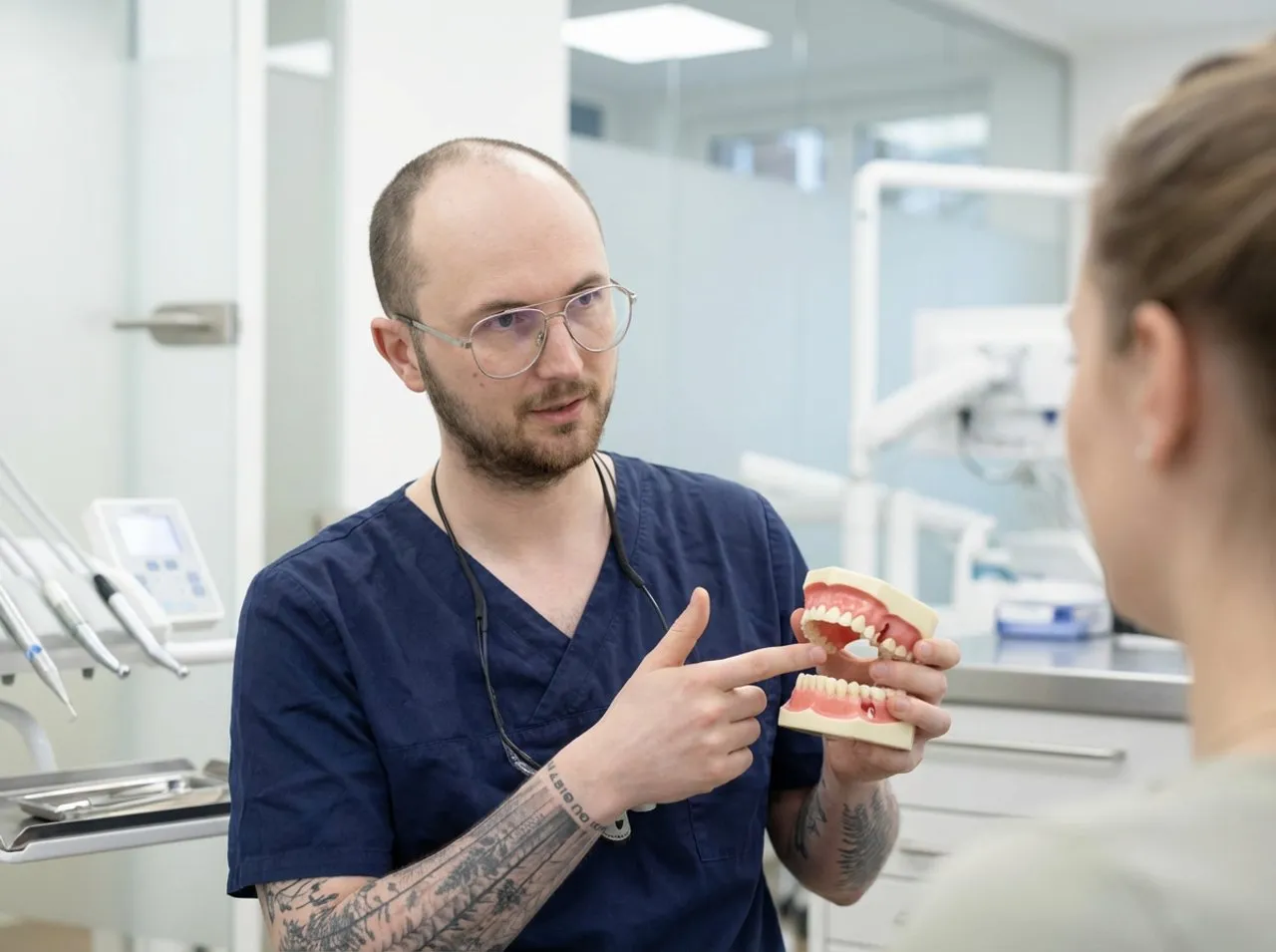
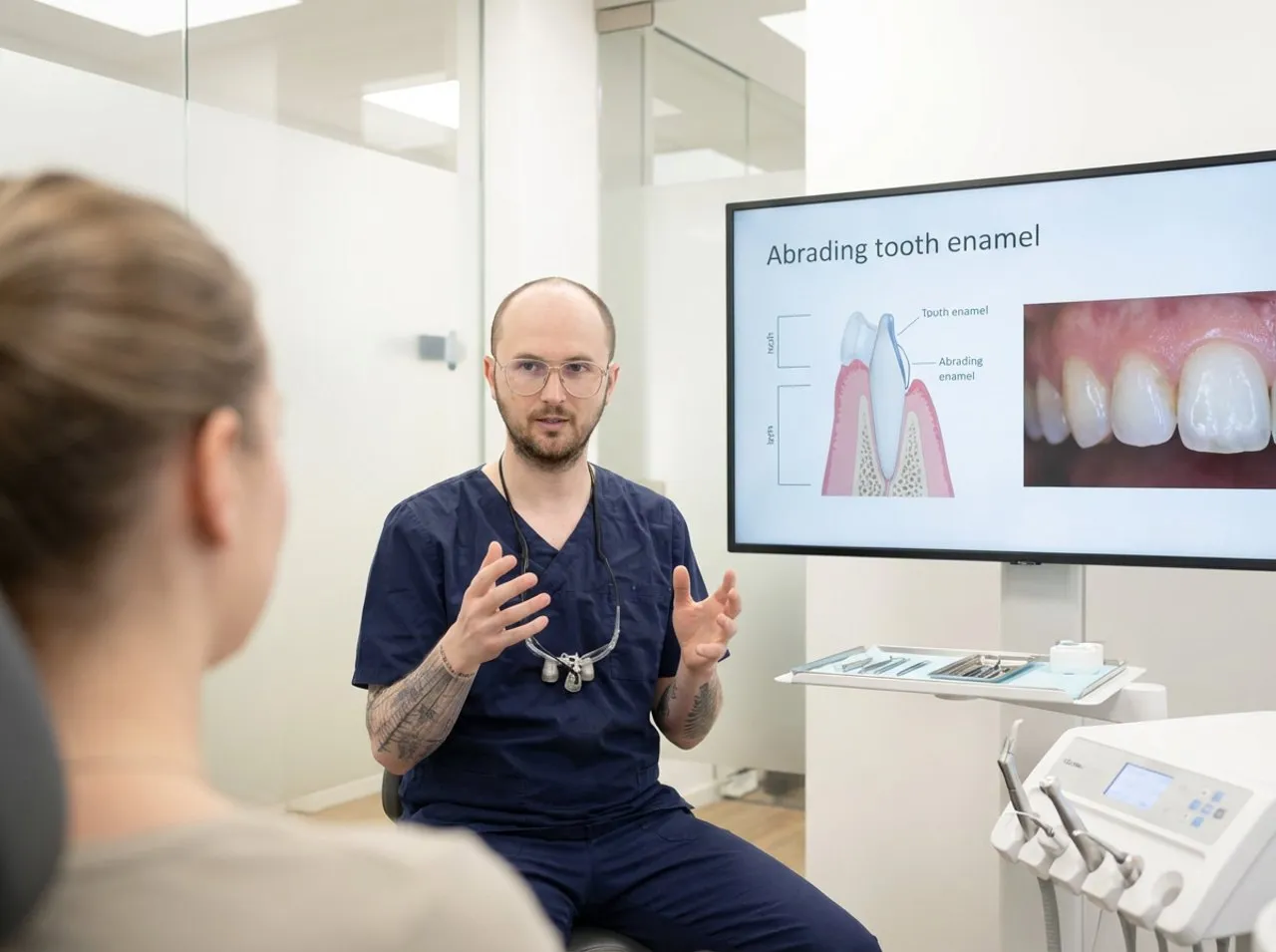
A prophylaxis team should remove the tartar. We use fine instruments to protect the tooth enamel. This usually involves a professional dental cleaning, during which we remove hard and soft deposits, including those between the teeth. Ultrasound can provide additional support, while hand instruments complement the treatment. We then polish the surfaces. Polishing smooths the teeth, making it harder for plaque to adhere. Fluoride can provide additional protection.
Does removal hurt?
Many people only feel a scraping sensation. It may sting if there is inflammation, in which case we work particularly gently. Anaesthesia is possible in cases of severe sensitivity, including when tooth necks are exposed. We discuss this beforehand.
Prevention: how to avoid new hard deposits
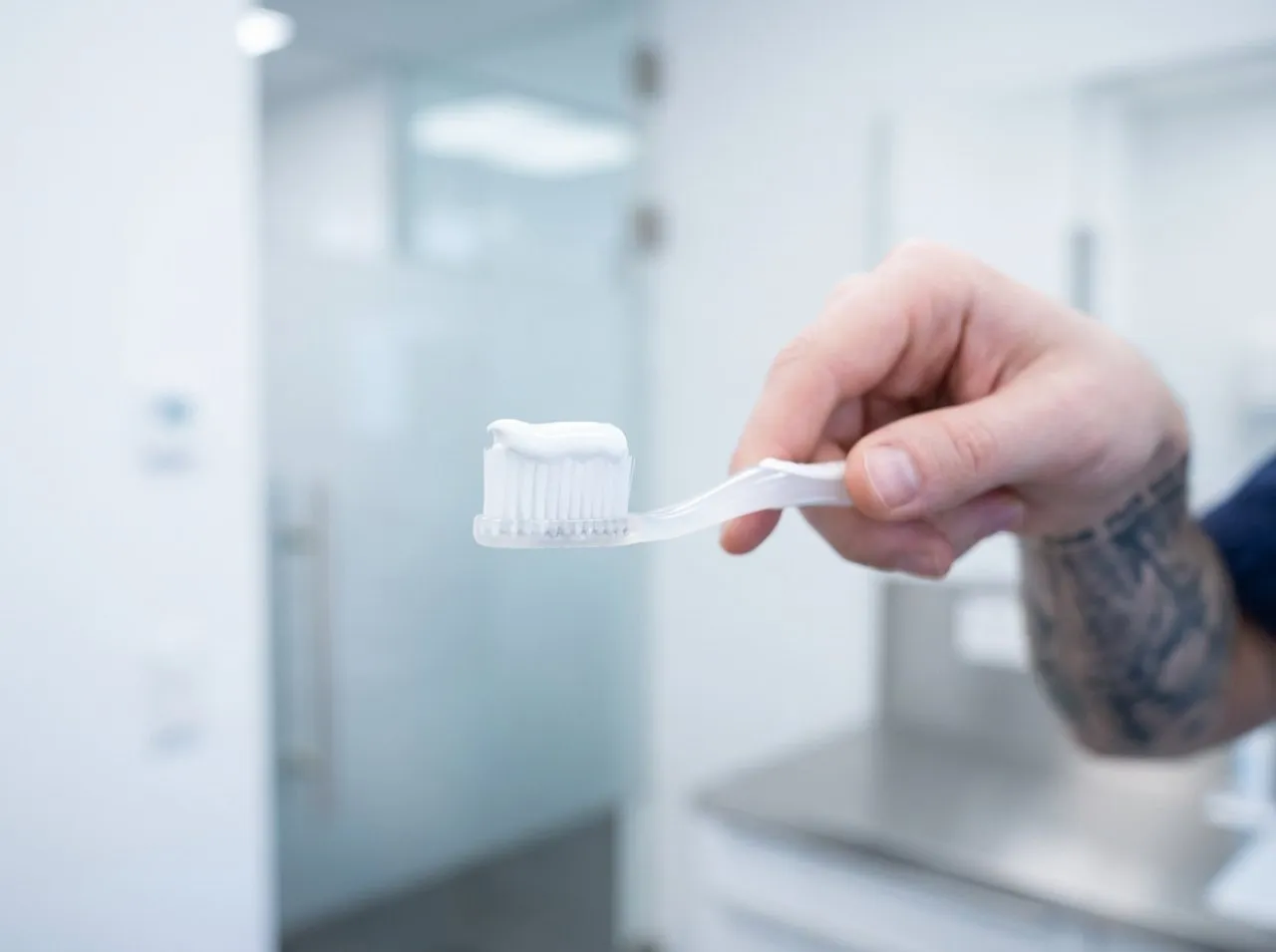
Brush thoroughly twice a day, paying attention to the gumline. Use a soft brush and clean between your teeth every day. Dental floss or interdental brushes help and significantly reduce plaque. A tooth-friendly diet supports oral hygiene. Less sugar reduces bacterial growth, while water promotes saliva flow. Smoking worsens the oral flora and promotes discolouration and inflammation. Stopping smoking is often worthwhile. Regular check-ups are important, and a check-up every six months is often advisable. We identify areas of risk early.
Why does tartar form despite good oral hygiene?
Many people ask why tartar forms despite good oral hygiene. Saliva can be very rich in minerals, and tightly spaced teeth also make cleaning more difficult. Why does tartar form particularly on inner surfaces? Saliva acts directly there, so minerals are deposited more quickly. Even small edges can be a problem, such as filling margins or crown transitions, where plaque is more likely to become trapped.

Professional preventive care at Wunschlachen in Berlin
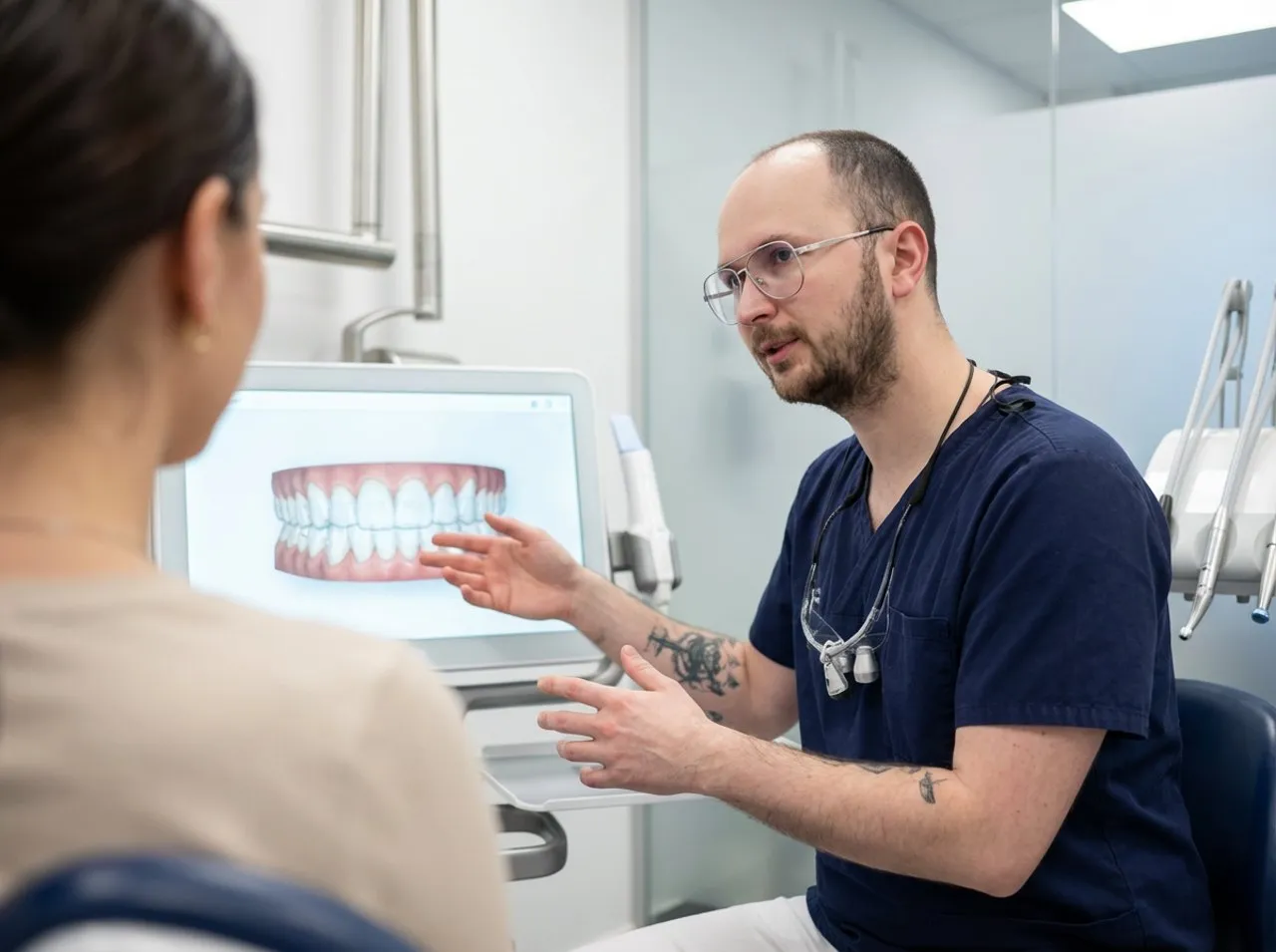
At Wunschlachen in Berlin, we work in a structured way and explain every step clearly, giving you peace of mind. We check deposits and gums, then discuss your brushing technique to create a clear plan. You receive specific tips for home, and we recommend suitable oral hygiene aids. This prolongs the effects of the cleaning.
Conclusion
Tartar is mineralised plaque caused by dental deposits and minerals in saliva. Early preventive care provides protection. When deposits are firmly attached, professional removal helps. Regular oral hygiene reduces the risk of inflammation, helping to keep your smile healthy.
FAQs about tartar
Plaque usually remains in hard-to-reach places. Saliva mineralises this film and makes it hard.
Mineral-rich saliva accelerates calcification. A dry mouth further increases the risk.
The salivary glands are close to the teeth there, so minerals are deposited more quickly.
This varies from person to person. For some people, a few days are enough; for others, it takes longer.
It consists of bacterial deposits and minerals. Calcium and phosphate are particularly important.
It refers to extensive deposits that have been left untreated for a long time and significantly irritate the gums.
It is a thicker, very hard deposit. It promotes inflammation and can contribute to periodontitis.
Cleaning between the teeth and along the gumline is often neglected. Saliva and crowded teeth also play a part.
Predisposition and saliva composition are factors. Regular preventive care slows down new tartar formation.
We gently remove hard deposits, then polish the teeth and provide specific oral hygiene tips.