
Teeth grinding at night – causes and solutions
Grinding the teeth at night is known in medical terminology as bruxism. Those affected unconsciously clench or rub their rows of teeth together. This usually happens during sleep without them noticing. The grinding can be quiet or very loud. It is often first noticed by partners or...
Über 350 Google-Bewertungen
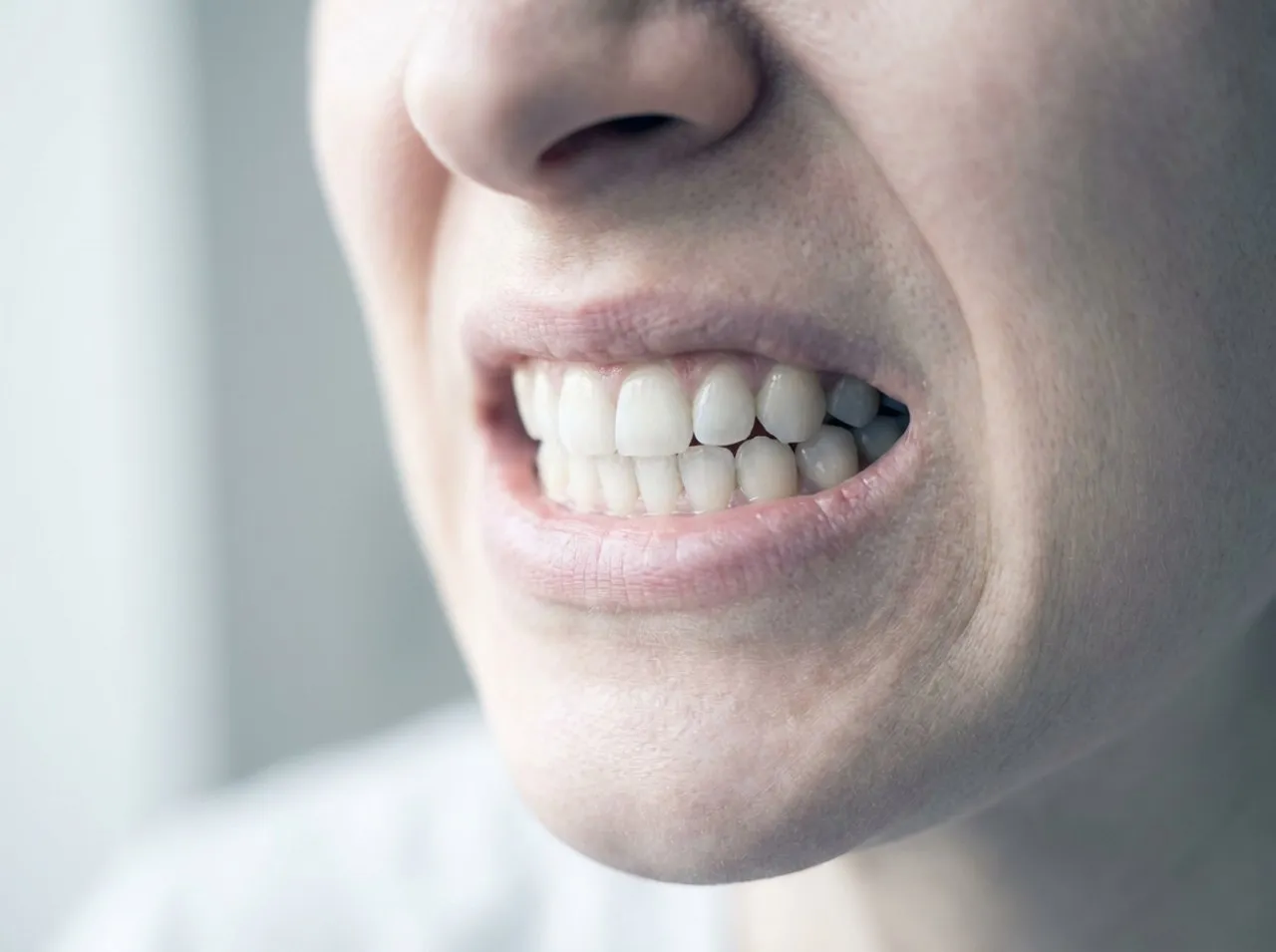
Typical symptoms during sleep
Night-time teeth grinding is associated with various symptoms. These often include tense jaw muscles in the morning or a tired jaw. Some patients also report headaches after waking up. Other signs include sensitive teeth or worn chewing surfaces. A clicking jaw joint may also occur. Restless sleep and daytime tiredness are also typical accompanying symptoms.
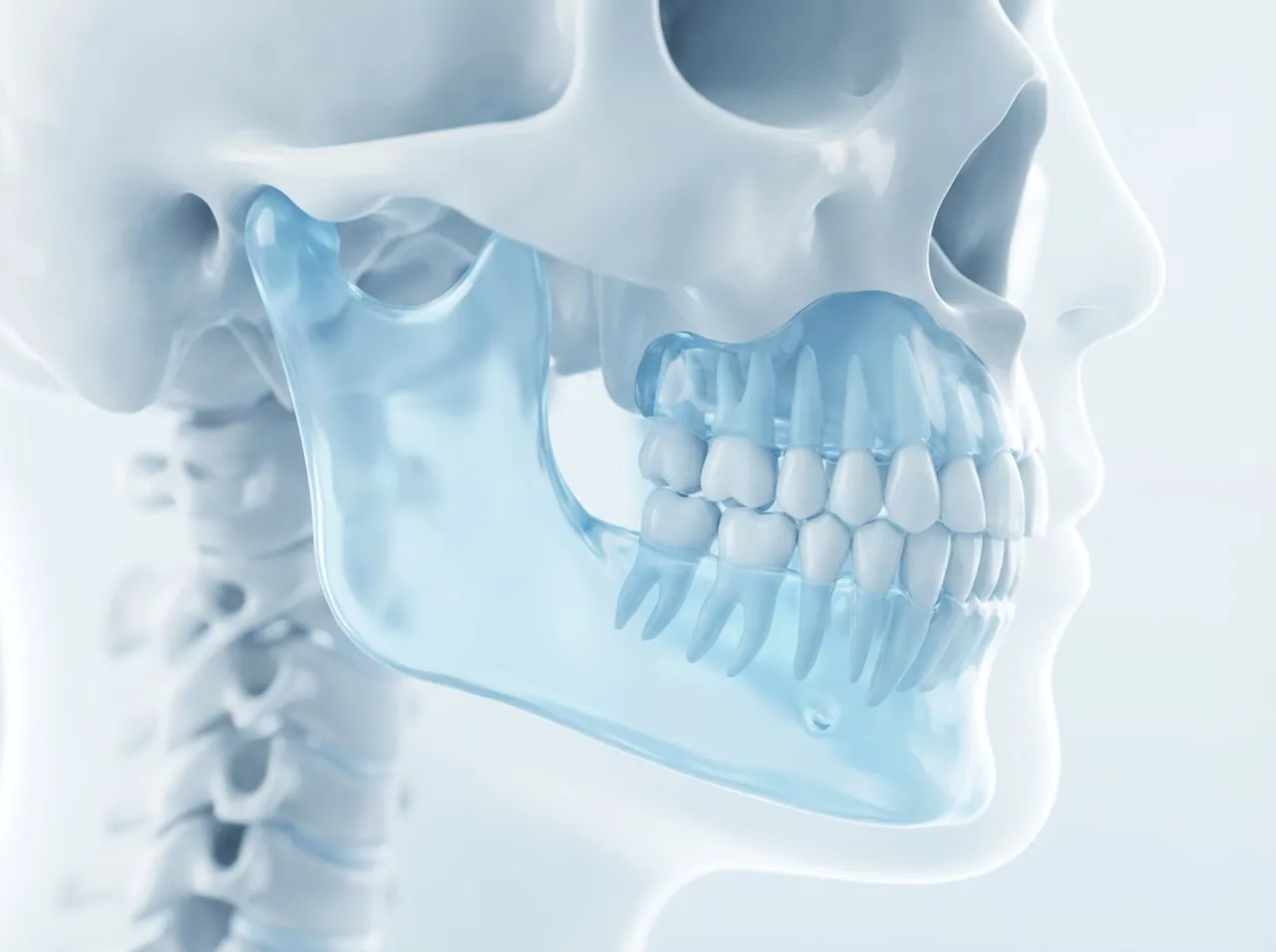
Causes of teeth grinding at night
The most common cause is stress. People often process tension and worries during sleep. The body then releases inner tension through the chewing muscles. Misaligned teeth or jaws can also promote bruxism. Sometimes poorly fitting fillings or dental restorations play a role. Less commonly, neurological disorders or other medical conditions are involved.
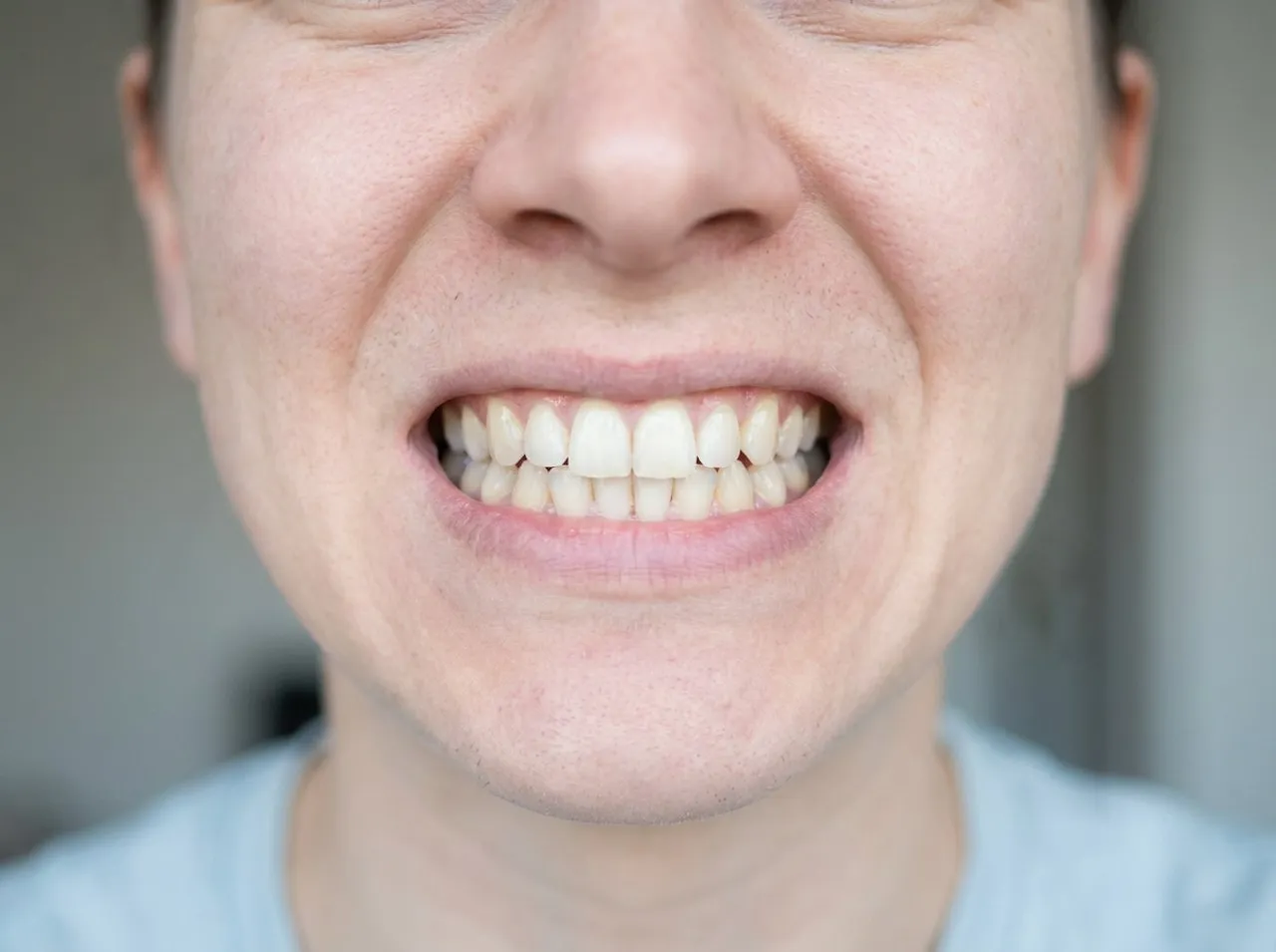
Effects on the teeth, jaw and body
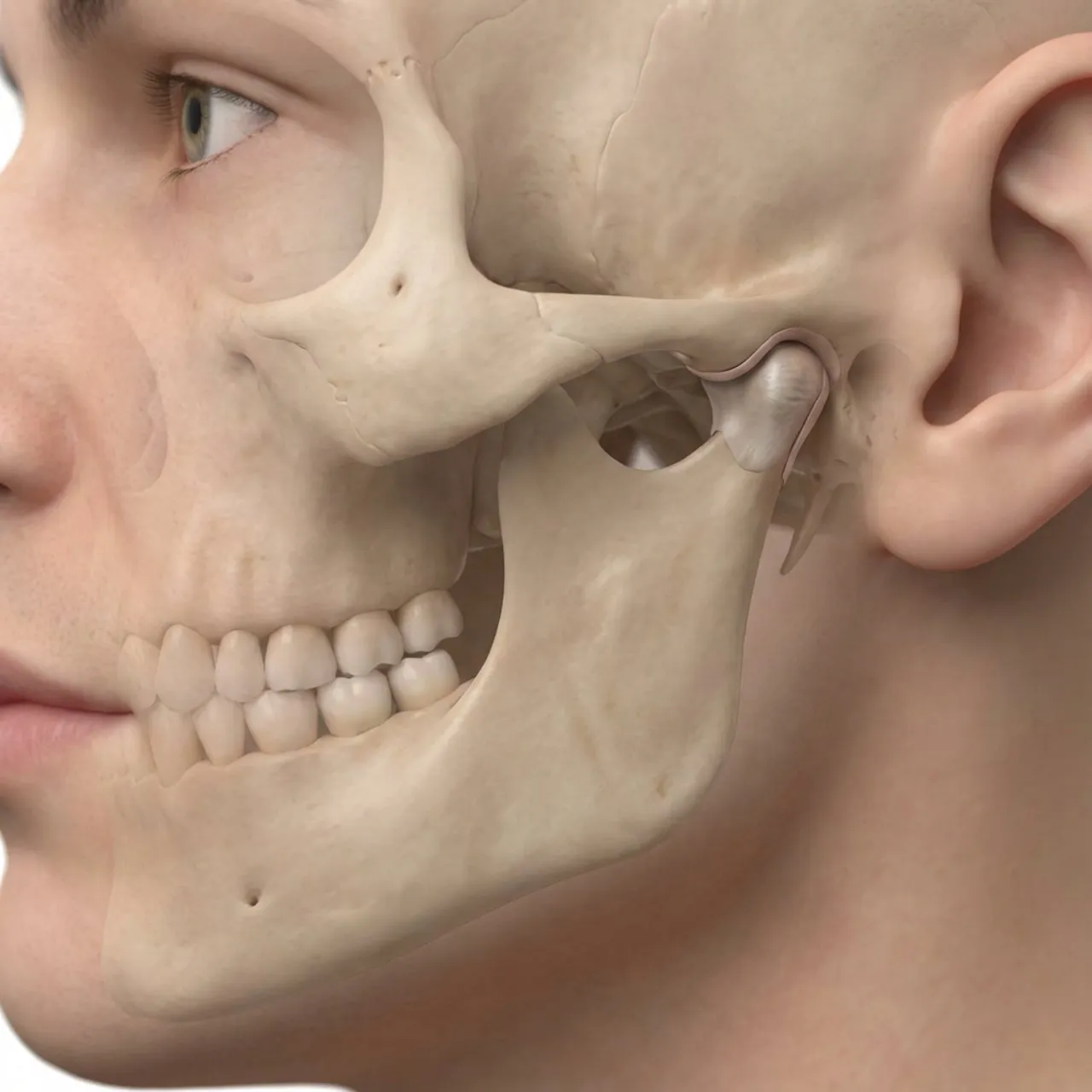
If left untreated, teeth grinding can cause considerable damage to the tooth structure. Tooth enamel wears away and becomes thinner. Cracks, chipped corners or exposed dentine can develop. The temporomandibular joint is also placed under considerable strain. This can lead to temporomandibular joint pain, clicking or restricted movement. Some patients develop craniomandibular dysfunction, or CMD for short. In addition, many of those affected suffer from neck tension and back pain. The constant muscle tension affects overall posture. Over time, this can significantly reduce quality of life.
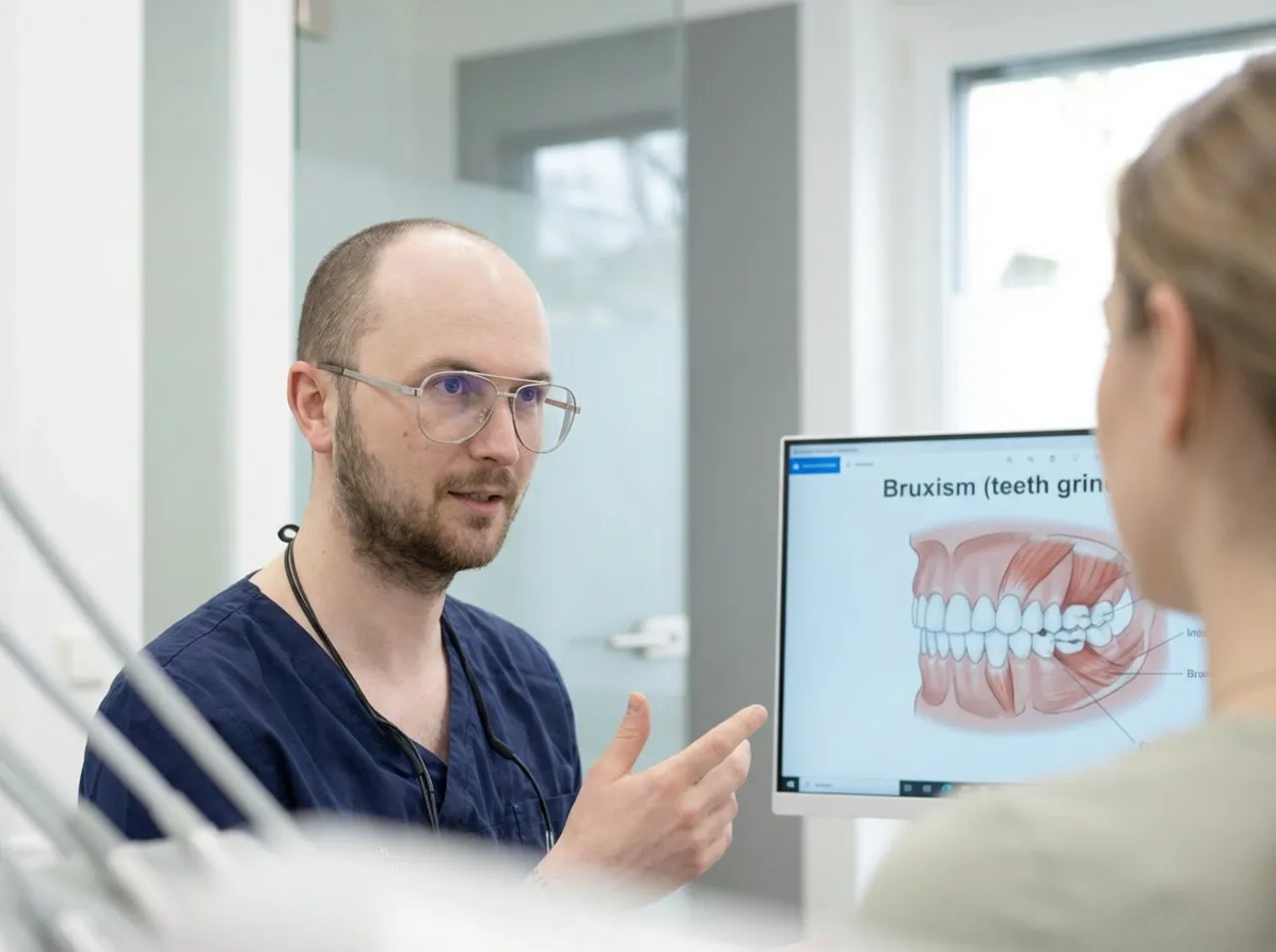
Diagnosis at the Wunschlachen dental practice
At our Wunschlachen practice in Berlin, we begin by taking a close look at your symptoms. We ask about sleeping habits, pain and stressful periods in your life. This information often already provides important clues. We then examine your teeth, temporomandibular joint and muscles. Worn chewing surfaces or cracks often indicate bruxism. If necessary, we supplement the examination with functional diagnostics. In some cases, it may also be helpful to work with sleep medicine specialists. Particularly if breathing pauses or heavy snoring also occur. This gives us a comprehensive picture of your situation.

Treatment for teeth grinding at night
The aim of treatment is twofold. We want to protect the teeth and jaw joint. At the same time, pain and tension should ease.
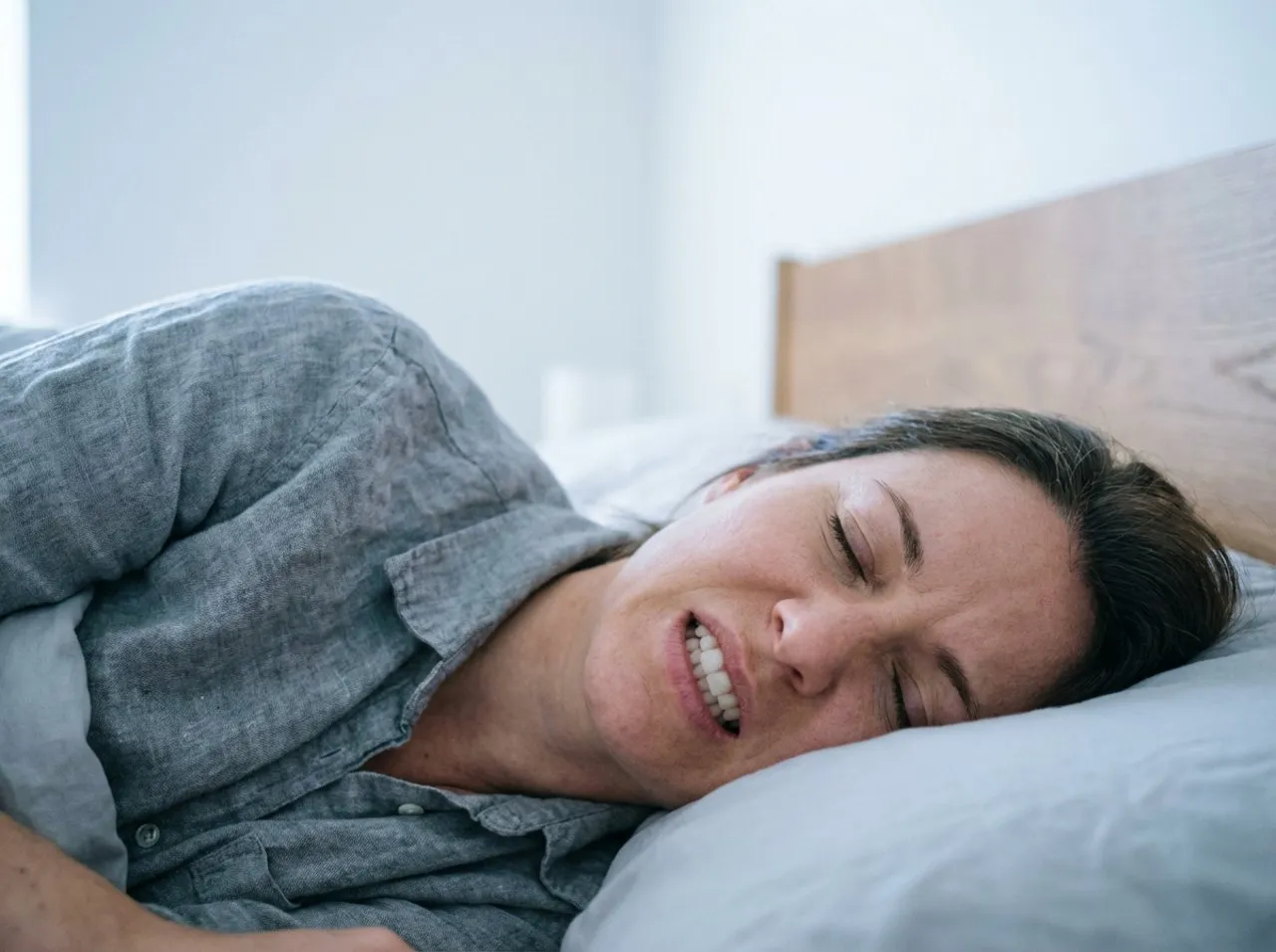
Dental splints and other aids for teeth grinding
One tried-and-tested option is a custom-made bite splint. It is usually worn at night. The transparent plastic appliance distributes the forces and protects the tooth surfaces. At the same time, it relieves pressure on the jaw joint. The muscles can relax more easily. Many patients report less pain in the morning. If tooth wear is severe, reconstruction of the chewing surfaces may also be necessary. Fillings or crowns are used for this. This restores a stable bite height.
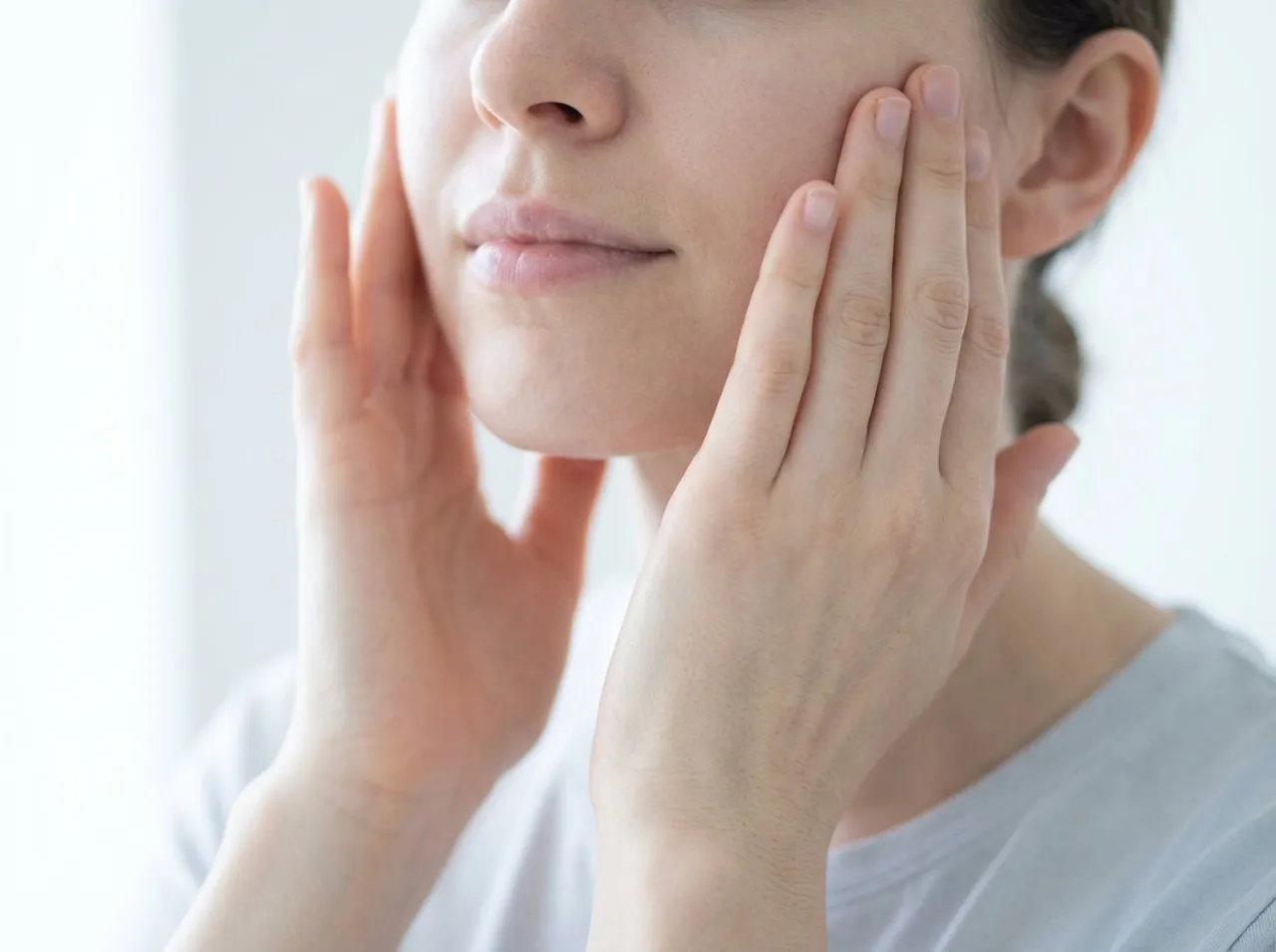
Stress reduction and relaxation
As stress is an important trigger, relaxation is part of treatment. Breathing exercises before going to bed, for example, can be helpful. Progressive muscle relaxation or yoga may also help. Some patients benefit from a short evening ritual. This could include a walk, quiet music or reading. It is important to avoid screen work immediately before going to sleep. Psychological support may be helpful for significant emotional distress. Talking things through or attending stress management courses can help you cope with tension. This reduces the urge to clench at night.
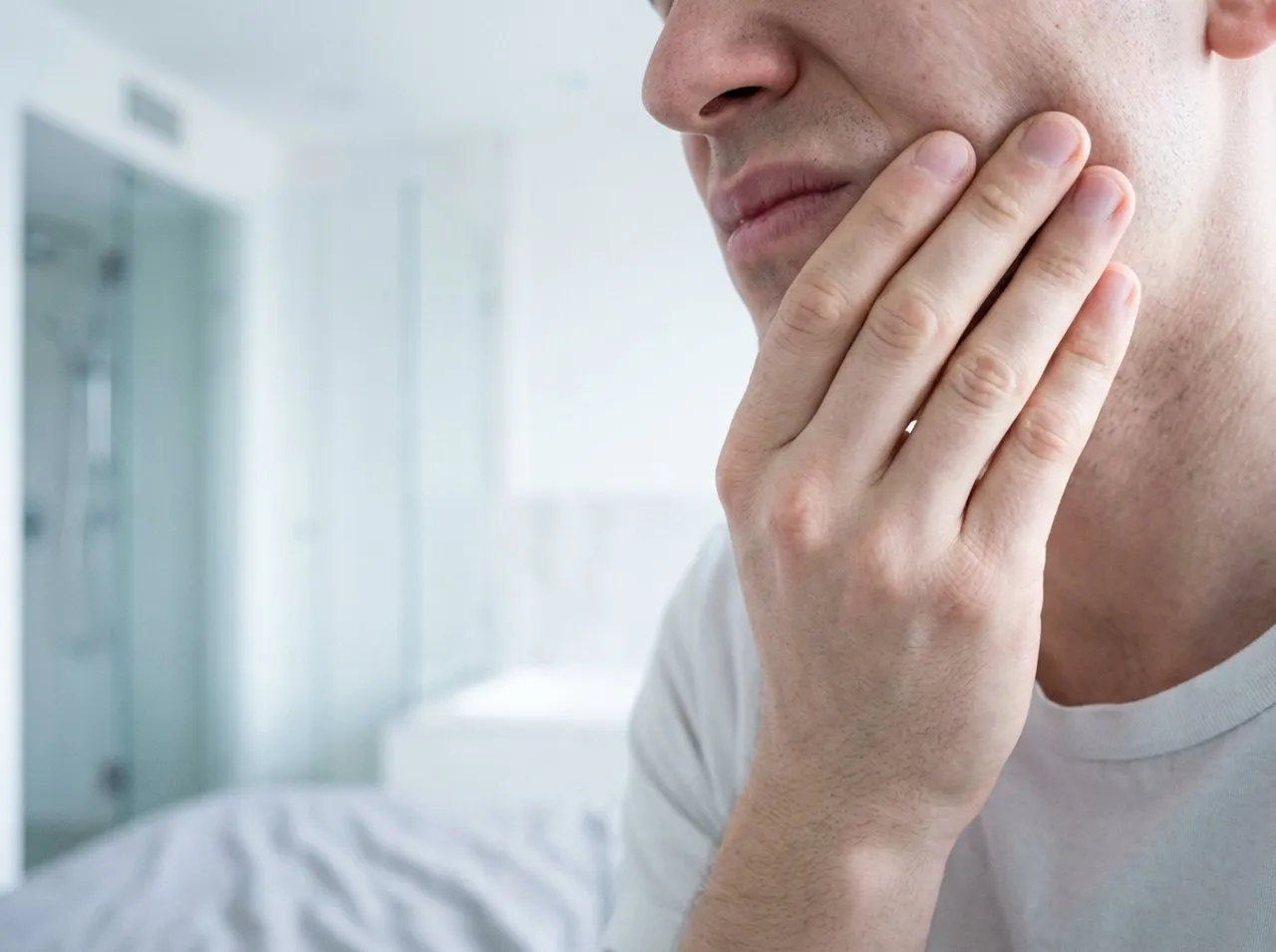
Relieving tension in the jaw muscles
Targeted exercises can relax the jaw muscles. Gentle stretches and deliberate periods of relaxation are helpful. During the day, you should watch out for clenching habits. Many people keep their jaw clenched without realising it. Consciously relaxing the jaws and keeping the upper and lower teeth apart relieves the muscles. The lips may remain closed, but the teeth should not touch. Heat pads on the cheeks can also be soothing. Gently massaging the chewing muscles loosens hardened areas. This reduces baseline muscle tension before night-time.
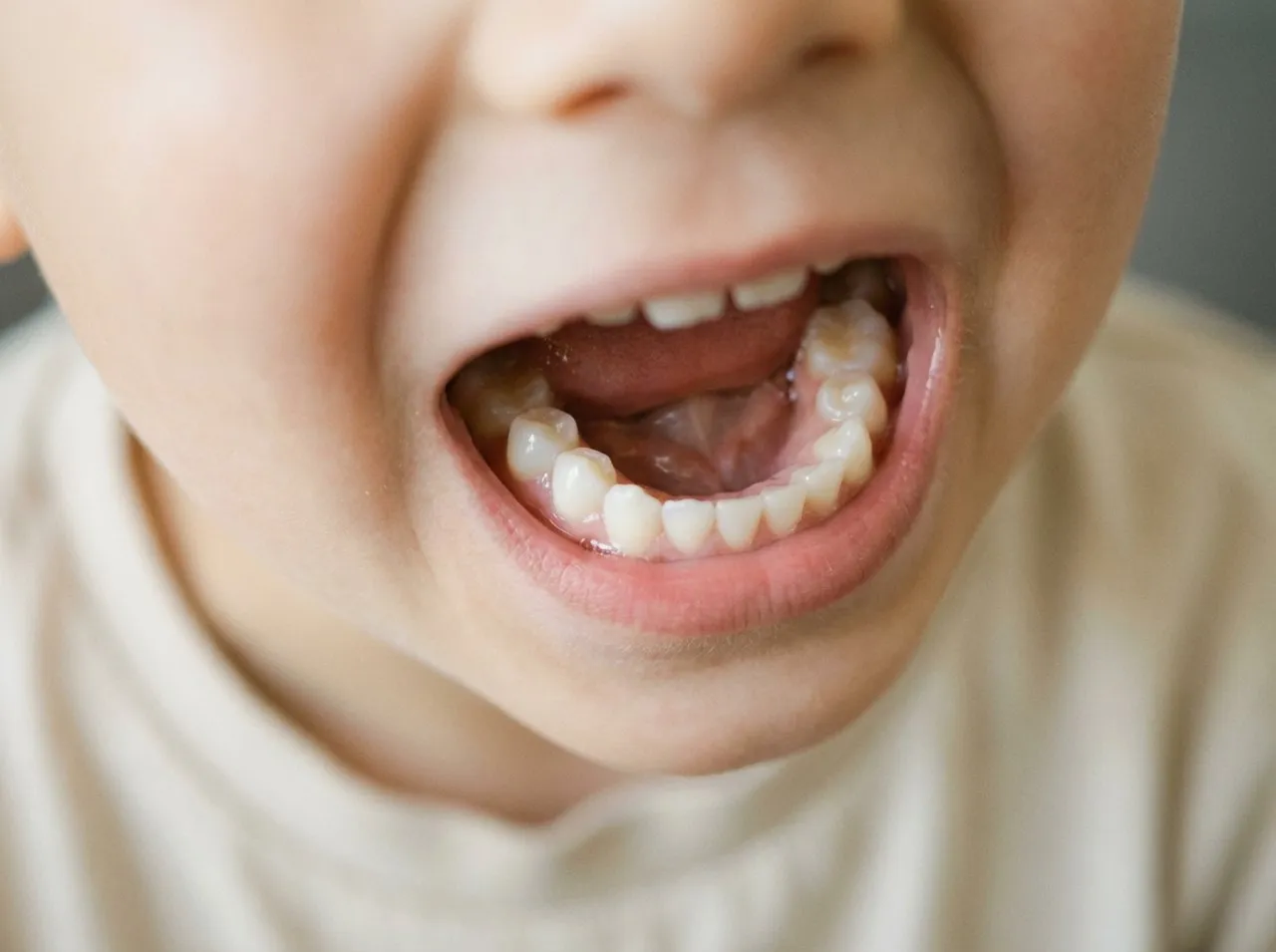
Teeth grinding in children
Children can grind their teeth at night too. This often happens during growth phases or when they are under stress at school. The symptoms usually disappear on their own. Nevertheless, parents should take the grinding seriously. Early dental check-ups prevent damage to baby teeth. Protective treatment may also be necessary for children in cases of very severe wear.
Prevention and self-help in everyday life
Pay attention to the position of your jaw during the day. Your teeth should only touch when you are chewing. At other times, leave a small gap between the rows of teeth. Regular breaks during the day help your muscles. Stand up more often and move your shoulders and neck. This has a positive effect on your jaw. Avoid hard foods such as nuts or tough steaks in the evening. Chewing gum also increases the strain on your chewing muscles. Light meals help you relax before night-time.

Conclusion: sleep better and protect your teeth
Night-time teeth grinding is widespread. Many people remain unaware of it for a long time. Nevertheless, it can cause considerable damage. The sooner you act, the better you can prevent the consequences. A combination of tooth protection, relaxation and good advice is ideal. At the Wunschlachen practice, we are happy to support you with this.
FAQs about teeth grinding at night
Those affected unconsciously rub or clench their teeth together during sleep.
Typical signs include jaw pain in the morning, tense muscles and worn tooth surfaces.
Over time, it can significantly damage the teeth, jaw joint and muscles.
A custom-made bite splint protects the tooth surfaces and relieves pressure on the joint.
Stress, misaligned teeth and difficult periods in life are typical triggers.
Yes, persistent muscle tension often leads to headaches and neck pain.
They examine the teeth, jaw joint and muscles and plan suitable treatment.
Yes, relaxation methods reduce stress and therefore often night-time grinding as well.
Yes, temporary bruxism can occur, particularly during growth phases.
As soon as you experience pain, noises in your jaw or visible wear.