Teeth shifting: recognising changes and finding the right treatment
A new gap between the front teeth, a retainer that has become tight or a different contact when you bite together: changes like these are often noticed in everyday life. Teeth do not always remain in exactly the same position. What a shift means, however, depends on its cause. Gradual changes after orthodontic treatment need to be assessed differently from suddenly loose teeth or new gaps accompanied by gum problems. Rather than trying to push a tooth back yourself, the appropriate next step is an examination.
The short answer
Tooth positions can change. A loose tooth, a damaged retainer and gradually developing crowding each require a different assessment.
- What exactly has changed?
- Start by describing what you have noticed: Has a tooth rotated, does a gap seem larger, or do your upper and lower teeth fit together differently? Perhaps you have only noticed that a removable retainer no longer sits properly. This can indicate tooth movement, but the appliance itself may also be damaged or distorted. It is helpful to bring old photographs, any existing models or a previous report to your appointment. This does not mean you have to take measurements yourself every day. A clear account of the timeline is sufficient.
- Tooth movement after orthodontic treatment
- After correction, teeth have a tendency to move back, known as relapse. Tooth positions can also change later in life. Retainers are therefore intended to stabilise the result beyond active treatment. Whether a bonded wire, a removable appliance or a combination is recommended is decided on an individual basis. The wear schedule cannot be determined from age or the duration of previous treatment alone. The AAO explains how retainers work and the different types available.
- If your retainer is tight or a bonded area has come loose
- A removable retainer should not be forced onto teeth whose position has changed significantly. If it does not fit or causes pain, contact your orthodontic practice. They will check whether the teeth have moved, the retainer is distorted or a new solution is needed. Heating, trimming or bending it yourself can make the problem worse. The AAO explains what to do if your retainer does not fit.
- Examining the gums and supporting structures of the teeth as well
- Teeth can also shift with advanced periodontitis when the supporting tissue is damaged. Signs can include bleeding gums, receding gums, loosening or discomfort when chewing. Not every new gap means periodontitis, but this cause should be investigated if the relevant signs are present. The examination may include assessing periodontal pockets and tooth mobility and, depending on the findings, X-rays. Cosmetic correction alone does not treat the inflammation. The NIDCR explains the link between periodontitis and loose teeth.
What exactly has changed?
Start by describing what you have noticed: Has a tooth rotated, does a gap seem larger, or do your upper and lower teeth fit together differently? Perhaps you have only noticed that a removable retainer no longer sits properly. This can indicate tooth movement, but the appliance itself may also be damaged or distorted. It is helpful to bring old photographs, any existing models or a previous report to your appointment. This does not mean you have to take measurements yourself every day. A clear account of the timeline is sufficient.
Note whether the change occurred gradually or suddenly and whether it was accompanied by pain, loosening or bleeding gums. Also mention any previous orthodontic treatment and how you actually wear your retainer. The conversation should be free of blame: if you have not worn the appliance for some time, this information is important for planning. There is no need to conceal a break in wear; the information helps determine a suitable next step.
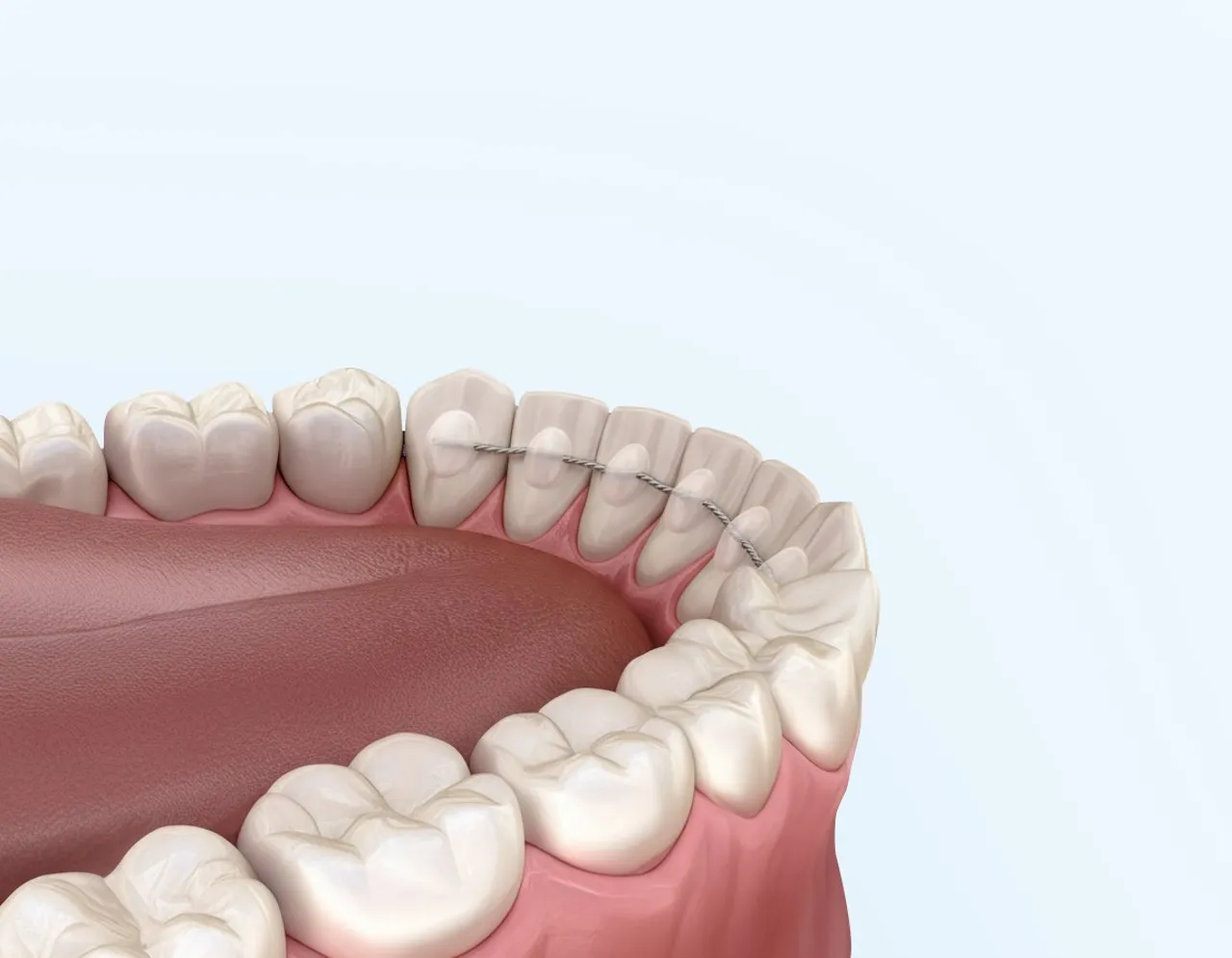
Tooth movement after orthodontic treatment
After correction, teeth have a tendency to move back, known as relapse. Tooth positions can also change later in life. Retainers are therefore intended to stabilise the result beyond active treatment. Whether a bonded wire, a removable appliance or a combination is recommended is decided on an individual basis. The wear schedule cannot be determined from age or the duration of previous treatment alone. The AAO explains how retainers work and the different types available.
The fact that your teeth are positioned differently again after years does not automatically mean that your previous treatment was wrong. The key factors in deciding what to do now are what has changed and what you want to achieve. Is your concern easier cleaning, your bite or the visible position of your teeth? Ask which issues require treatment and which changes can simply be monitored for now. You can find out more about the retention phase under Retainers after braces.
If your retainer is tight or a bonded area has come loose
A removable retainer should not be forced onto teeth whose position has changed significantly. If it does not fit or causes pain, contact your orthodontic practice. They will check whether the teeth have moved, the appliance is deformed or a new solution is needed. Heating, trimming or bending it yourself can further alter the findings. The AAO describes what to do if your retainer does not fit.
A fixed retainer also requires check-ups. If an adhesive bond comes loose, the affected tooth position may no longer be held as intended. Report any damage you notice promptly rather than waiting for a visible shift. Take any broken-off pieces with you and have any firmly attached remnants assessed professionally. The guide Broken retainer covers this situation. The British Orthodontic Society explains the necessary check-ups.

Examining the gums and supporting structures of the teeth as well
Teeth can also shift with advanced periodontitis when the supporting tissue is damaged. Signs can include bleeding gums, receding gums, loosening or discomfort when chewing. Not every new gap means periodontitis, but this cause should be investigated if the relevant signs are present. The examination may include assessing periodontal pockets and tooth mobility and, depending on the findings, X-rays. Cosmetic correction alone does not treat the inflammation. The NIDCR explains the link between periodontitis and loose teeth.
You should therefore specifically mention any new loosening when making your appointment. Following an accident, or if there is significant pain or rapid change, you should be assessed promptly. The guide to periodontitis can help you understand the gum findings. A diagnosis cannot be made from bleeding during brushing or a photograph alone. The combination of symptoms, examination and progression is what matters.

Which treatments may be considered?
Treatment depends on the findings. Sometimes replacing or adjusting a retainer is enough; in other cases, renewed active tooth movement with a suitable appliance is discussed. With more extensive changes, a retention appliance alone cannot produce the desired result. The right option must be planned following an examination. An appliance you order yourself without an examination does not replace this decision-making process. The AAO explains the options for further movement after treatment.
When a treatment is proposed, ask about its aim, the sequence of steps and follow-up care. Does gum disease need to be treated first? Will the existing result simply be maintained, or will teeth be actively moved? What check-ups are planned, and what arrangements will apply to retention later? A clear plan should answer these questions. It can also state explicitly if further findings are still needed before a decision is made. General promises about price and timing are of limited value without such a plan.
How to prepare for your check-up
Bring any retainers you have and information about your previous treatment. Choose two or three specific observations you would like to discuss rather than a long list of possible diagnoses from the internet. A photograph from before the change began can be useful if you already have one. Also note when any damage occurred and when your bite first felt different. At the end, ask what you should wear until your next check-up and which new symptoms would require you to get in touch earlier. This turns a vague concern about shifting teeth into a clear treatment plan.
Frequently asked questions
Yes, tooth positions can change throughout life. Whether a change needs treatment depends on its cause and extent, your bite and the supporting structures of the teeth.
Tooth movement or a distorted or damaged appliance may be responsible. If it is painful or no longer fits, do not force it into place; contact your orthodontic practice.
No. Various causes are possible. If there is also loosening, bleeding gums or a change in your gums, the supporting structures of the teeth should also be examined.
This is not a suitable form of treatment. The forces involved and the cause need to be professionally assessed. Do not alter your retainer yourself in an attempt to correct the position either.
Report the damage to the practice treating you promptly. Do not wait for visible movement. The practice will decide on repairs and temporary retention.
This cannot be determined simply because you have noticed a change. Adjusting the retainer, another active correction or initially treating another underlying cause may be options. The decision depends on the findings.