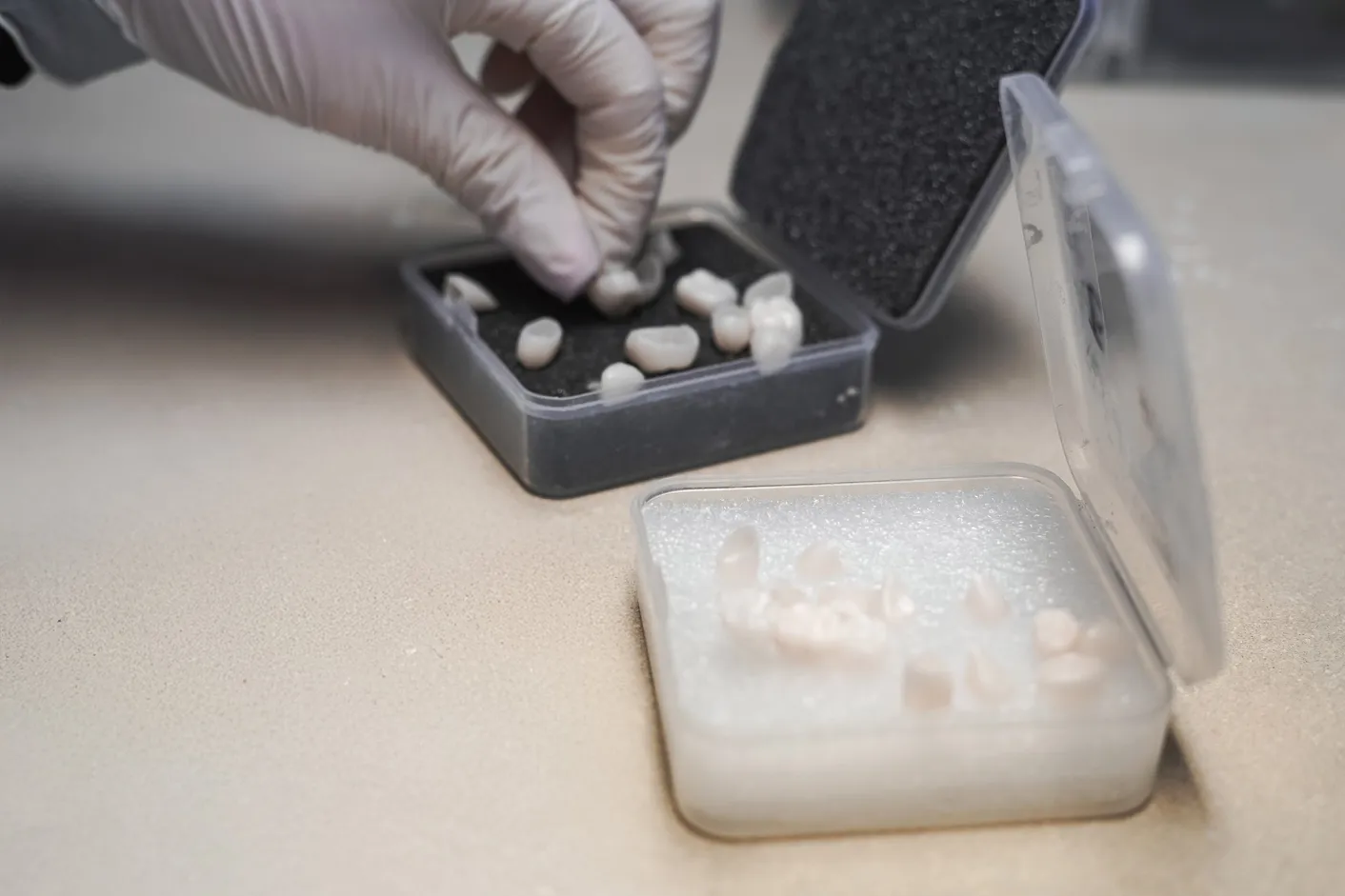
Temporary dental restoration: everything you need to know about temporary tooth replacements
Losing a tooth or having a tooth extracted is an unpleasant experience. It can cause not only aesthetic but also functional problems. In many cases, a temporary dental restoration is used as an interim solution to close the resulting gap. Temporary restorations are...
Über 350 Google-Bewertungen
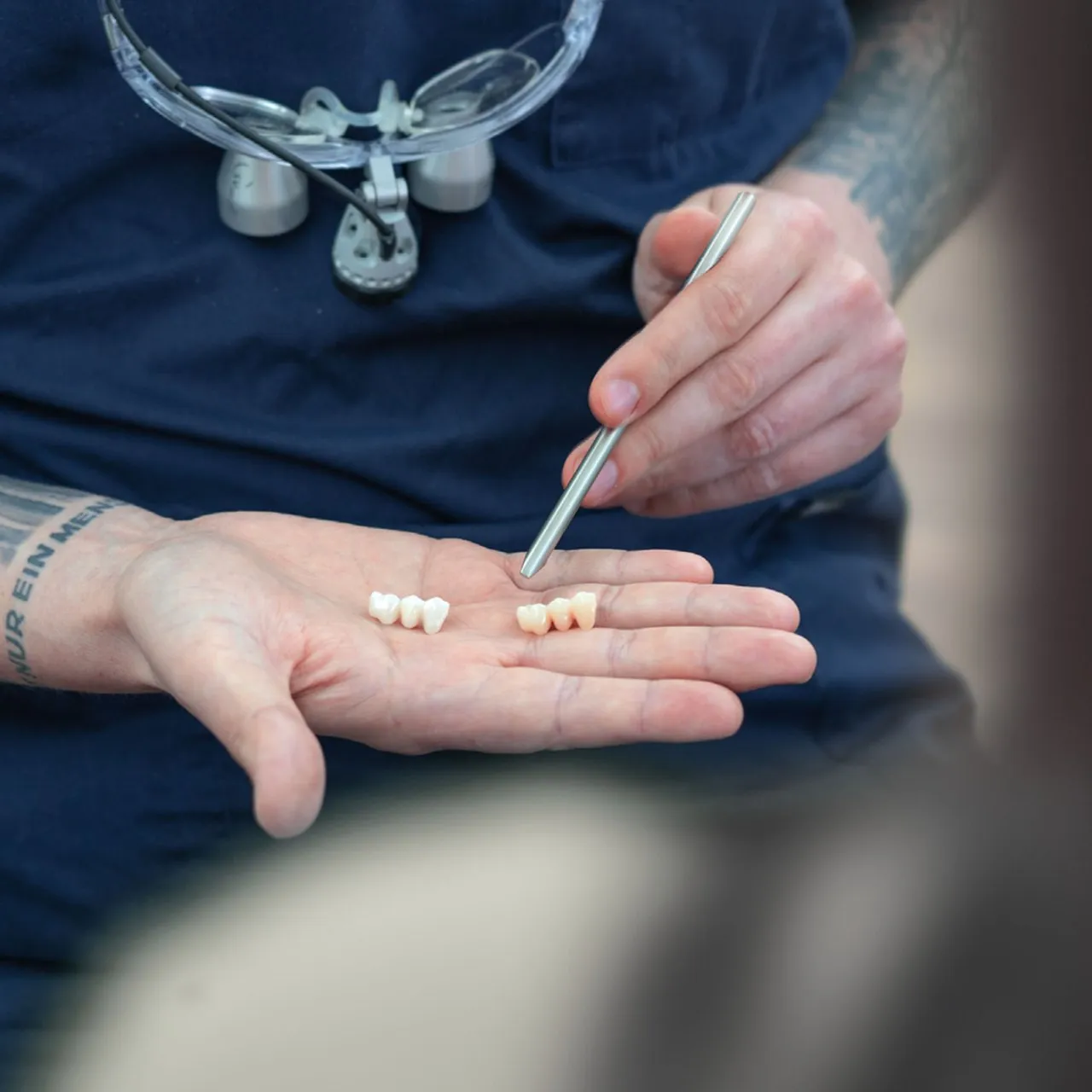
What is a temporary dental restoration?
A temporary dental restoration is a temporary filling or dental prosthesis that is fitted after a tooth extraction or treatment. It is used to close the gap until the permanent restoration, e.g. a dental crown, dental bridge or implant, is fitted. The temporary restoration protects the affected area from external influences and helps maintain normal dental function. In some cases, it is also used to conceal aesthetic gaps, particularly with front teeth.
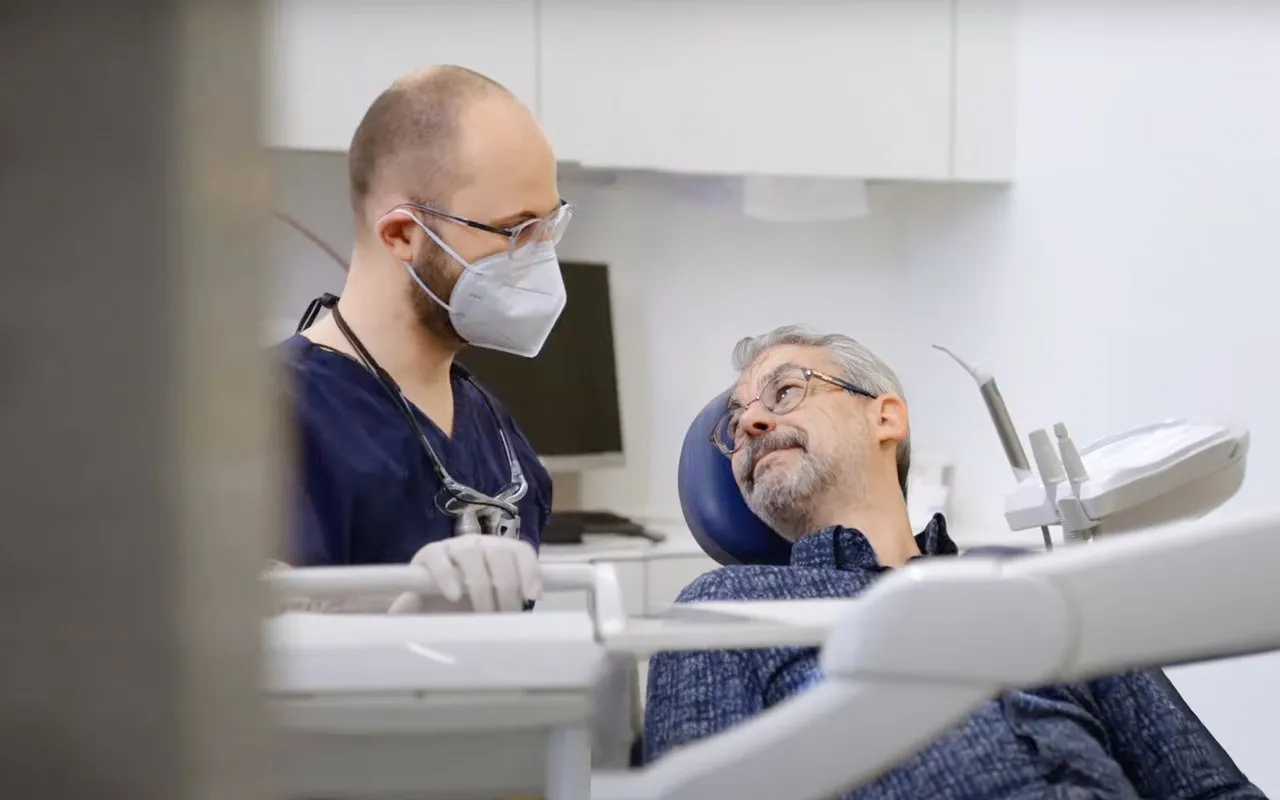
Types of temporary restoration
There are various types of temporary restoration, which are used depending on the situation and the patient's needs. The most common types are: 1. Temporary restoration after tooth extraction After a tooth extraction, it is important to close the gap as quickly as possible. This can help avoid possible complications such as tooth movement or impaired chewing. A temporary restoration after tooth extraction offers a quick solution to restore the function of the dentition. It can be used as a temporary solution for a tooth until the definitive replacement is made. 2. Temporary restoration for teeth A temporary restoration for teeth is not only used after tooth extractions. For example, it can be used after a root canal treatment or after a tooth has been ground down. This protects the tooth until the definitive treatment. The advantage of temporary dental prostheses is that they can be made and adjusted quickly. 3. Temporary restoration for a front tooth A temporary restoration for a front tooth is particularly important because the lost tooth is in a visible area. Aesthetics are very important with a temporary restoration for front teeth. Plastic is often used here to match the colour and shape of the tooth to the adjacent teeth. 4. Temporary restoration after tooth extraction: selection The choice depends on the findings, healing and the planned definitive restoration. Whether a removable or fixed transitional solution is suitable depends on the initial situation. Material and complexity are also taken into account when making the selection. 5. Temporary dental bridge This type of temporary restoration is used to close a gap left by one or more teeth. A dental bridge is used temporarily to bridge the gap before the definitive dental bridge or dental implants are fitted. These temporary restorations offer greater stability and function than simple temporary crowns. 6. Temporary restoration for an incisor A temporary restoration for an incisor is often used after tooth loss in a visible area. Incisors are particularly important for the appearance of a smile. For this reason, the temporary restoration is made to look aesthetically pleasing. Plastic materials are generally used for this. 7. Temporary dental crown A temporary dental crown is used when a tooth has been prepared to receive a crown. The temporary restoration for a dental crown protects the prepared tooth and helps maintain the tooth's function. 8. Temporary denture A temporary denture is often used after a tooth extraction to bridge a complete or partial gap in the teeth. This temporary bridge is then replaced by a permanent denture or an implant. A temporary denture enables the patient to continue eating and speaking normally. 9. Implant temporary restoration A temporary implant restoration is used temporarily when a dental implant is planned. It serves to fill the gap and preserve the aesthetics and functionality of the dentition.
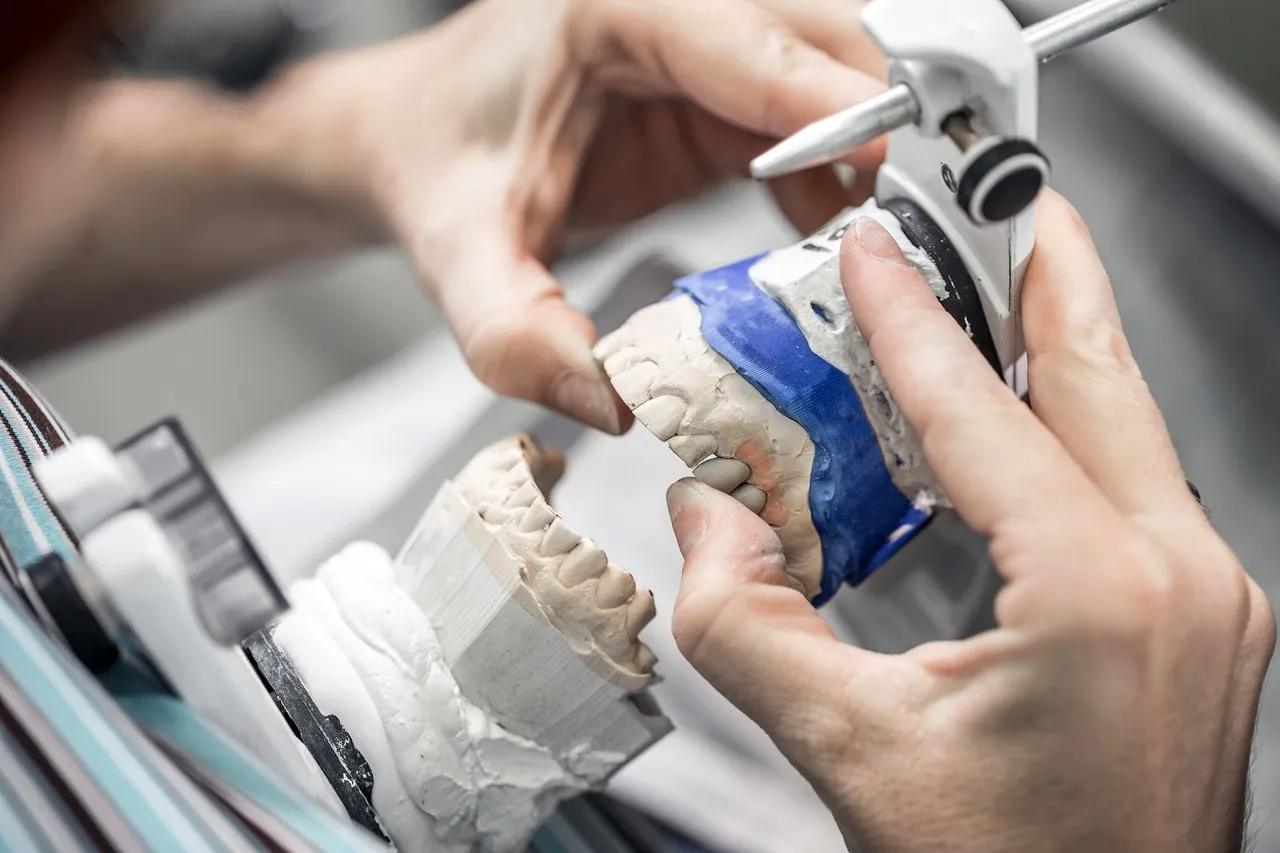
How long does a temporary dental restoration take at the dentist?
How long it takes to make and fit a temporary restoration depends on the type of interim solution and the extent and complexity of the treatment. The exact procedure depends on the clinical findings and the planned next step.

How long does a temporary restoration last?
A temporary restoration is a short-term solution. How long it remains in place depends on healing and the next stage of treatment. It is later replaced by a definitive dental restoration such as a dental crown or dental bridge. Follow-up appointments provide the basis for determining whether the temporary restoration still fits and whether the definitive restoration can begin. The duration also depends on the material used and the load placed on the tooth.
Your dental practice in Berlin – locations
Our dental practices in Berlin are located in Reinickendorf, Schöneberg, Friedrichstraße and Charlottenburg. We offer you high-quality treatments and modern technology. Book an appointment with the dentist now. Online or by phone for a radiant smile.
General dentistry and surgery
Reinickendorf
Zahnarzt & Implantate
Gotthardstr. 27, 13407 Berlin Tel.: 030 / 495 20 10[email protected]Mo-Do: 08:00–20:00 Fr: 08:00–14:00
Mehr erfahrenSchöneberg
Zahnarzt & Implantate
Bayerischer Platz 7, 10779 Berlin Tel.: 030 / 854 44 83[email protected]Mo-Do: 08:00–20:00 Fr: 08:00–14:00
Mehr erfahrenFriedrichstraße
Zahnarzt & Implantate
Friedrichstraße 147, 10117 Berlin Tel.: 030 / 959 990 644[email protected]Mo-Do: 09:00–18:00 Fr: 09:00–14:00
Mehr erfahrenCharlottenburg
Zahnarzt & Implantate
Savignyplatz 5, 10623 Berlin Tel.: 030 / 233 290 390[email protected]Mo-Do: 09:00–18:00 Fr: 09:00–13:00
Mehr erfahrenOrthodontics and paediatric dentistry
Reinickendorf
Kieferorthopädie & Kinderzahnmedizin
Gotthardstr. 27, 13407 Berlin Tel.: 030 / 495 20 10Mo-Do: 08:00–20:00 Fr: 08:00–14:00
Mehr erfahrenSchöneberg
Kieferorthopädie & Kinderzahnmedizin
Bayerischer Platz 7, 10779 Berlin Tel.: 030 / 854 44 83Mo-Do: 08:00–20:00 Fr: 08:00–14:00
Mehr erfahrenFAQ – frequently asked questions about temporary restorations
The duration depends on the type of temporary restoration and the extent and complexity of the treatment. Production and fitting are coordinated with the planned course of treatment.
This type of temporary restoration is used to fill the gap until the permanent dental restoration is ready.
Yes, a temporary restoration for an incisor is made to look as natural as possible.
This depends on the clinical findings, healing and the planned permanent restoration. Depending on the initial situation, removable or fixed temporary restorations may be used. The material and the subsequent restoration also play a role in the selection.
How long a temporary restoration remains in place after a tooth extraction depends on healing and the treatment plan. It is later replaced by a permanent dental restoration. Check-up appointments show whether it still fits.
Yes, a temporary dental bridge is stable enough for everyday activities such as chewing and speaking. However, it is not intended for permanent use.
If the temporary dental crown does not hold, the tooth can be ground down to improve the fit.
Whether and when a temporary front tooth restoration can be used after tooth extraction depends on the clinical findings and overall plan. This allows the gap to be covered for the interim period and the appearance of the smile to be taken into account.
The timing of fitting after a tooth extraction depends on the chosen interim solution and the treatment plan. The practice will explain the individual steps involved in your treatment.
A plastic temporary restoration is a functional solution, especially for temporary use. It offers good aesthetic matching and protects the affected area.