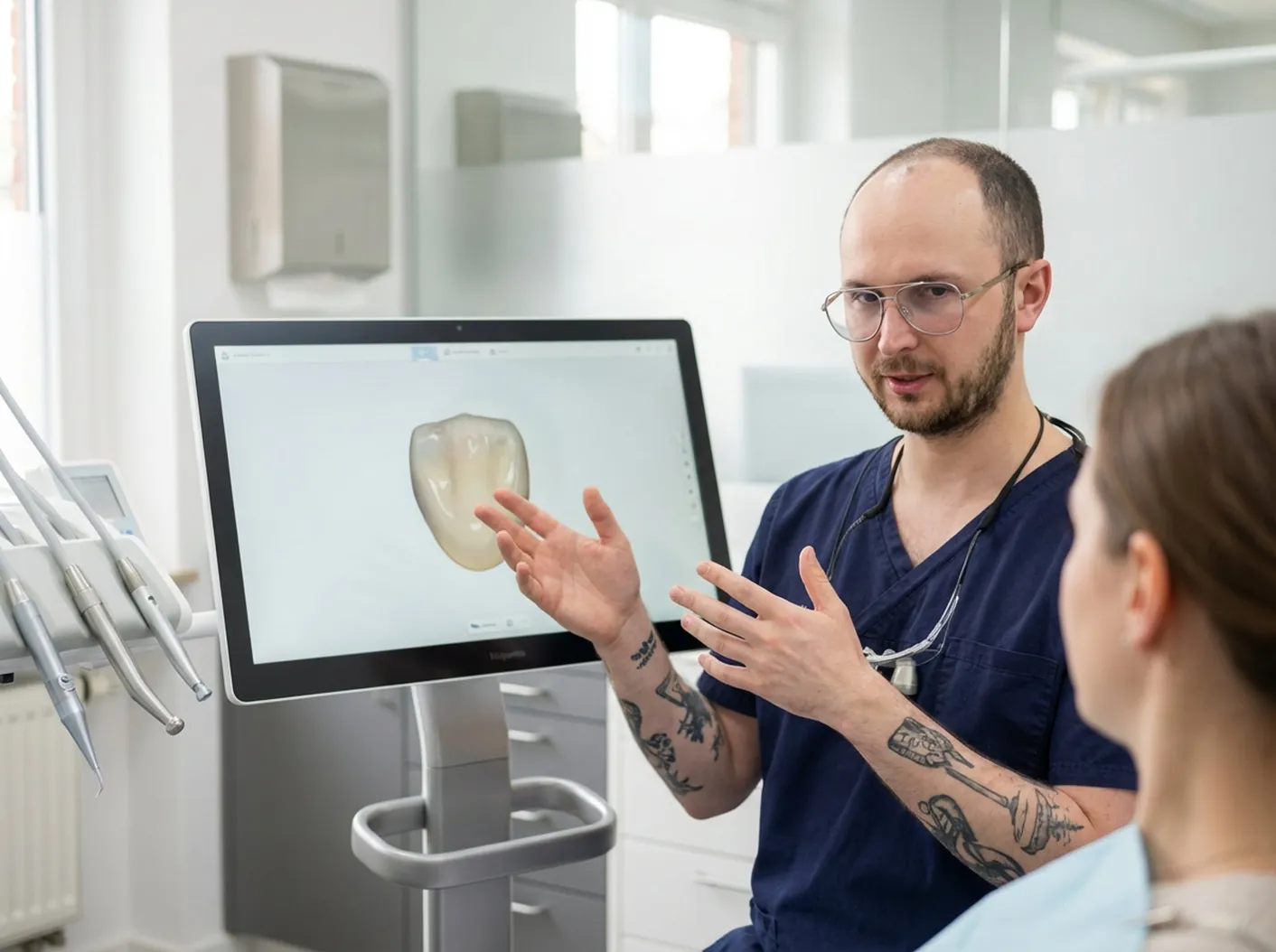
What does it mean when a tooth is ‘dissolving’?
An artificial tooth root replaces the missing root in the jaw. Many patients would like a temporary restoration in the meantime. This preserves their smile and function.
Über 350 Google-Bewertungen

Typical signs in everyday life
It often begins with increased sensitivity to cold and sweet things. Some people notice dull patches, small indentations or transparent biting edges. Many adults report crumbling teeth. The edges are particularly often affected. Pain when brushing can also occur. Teeth may appear shorter or flatter, or develop fine cracks. Sometimes a piece breaks off while chewing.
Common causes of enamel loss
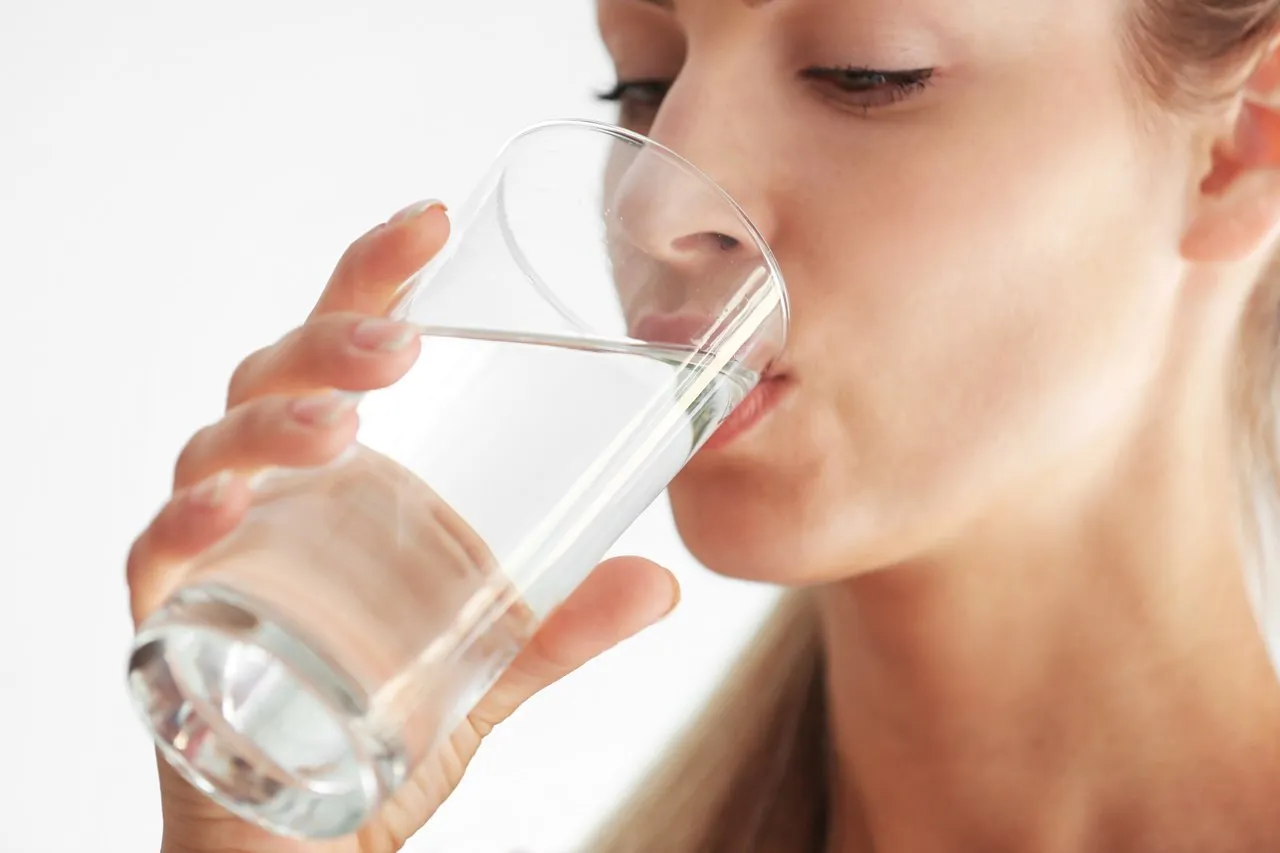
A central cause is exposure to acid, in other words erosion of the tooth. Acid softens the enamel and makes it more vulnerable. Common triggers include soft drinks, energy drinks and fruit juices. Lemon water and acidic snacks also play a role. The key factor is frequency, not just quantity. Another factor is stomach acid due to reflux or frequent vomiting. In these cases, acid often attacks the tooth from the inside. This is often visible on the inner surfaces of the upper teeth. Mechanical abrasion also plays a role. Excessive pressure when brushing can damage the enamel and gums. Grinding and clenching also accelerate the loss of tooth substance. Tooth decay can also have a dissolving effect. Bacteria break down minerals, creating soft areas of damage. Without treatment, a hole can develop in the tooth.
Who is at increased risk?
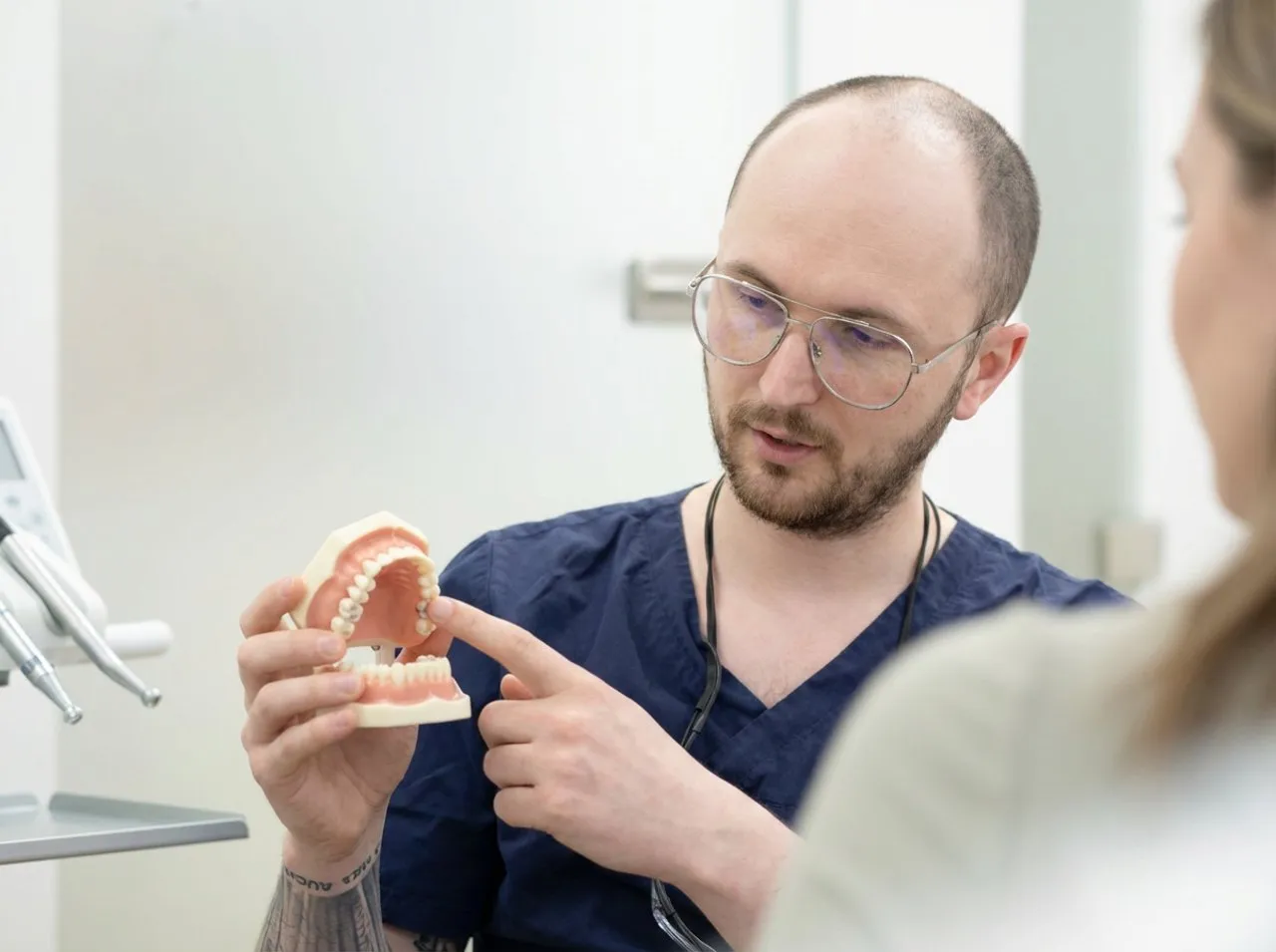
People who frequently come into contact with acid are at increased risk. This includes exposure to sports drinks, ‘sipping’ and constantly taking small sips. People with reflux are also more frequently affected. A dry mouth makes the problem worse. Saliva protects the teeth and neutralises acids. Certain medicines can reduce saliva flow.
Why dental erosion is often underestimated
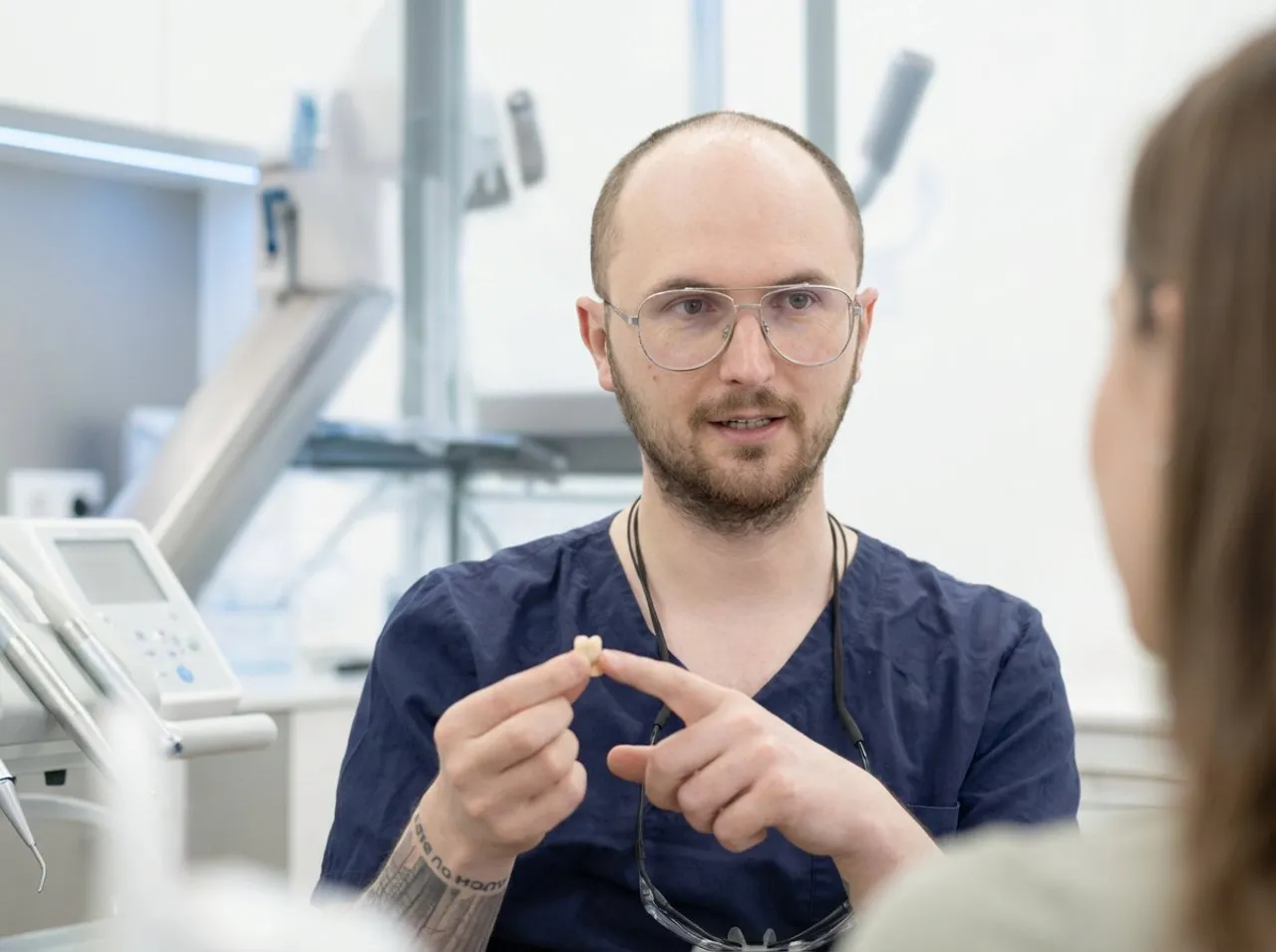
Dental erosion often progresses gradually with little pain. Many people do not notice it until dentine is exposed. Teeth then become considerably more sensitive. Images of dental erosion often show cup-shaped defects and smooth surfaces. Yellowish areas are also typical because the dentine shows through. Such patterns can help with assessment, but are no substitute for a diagnosis.
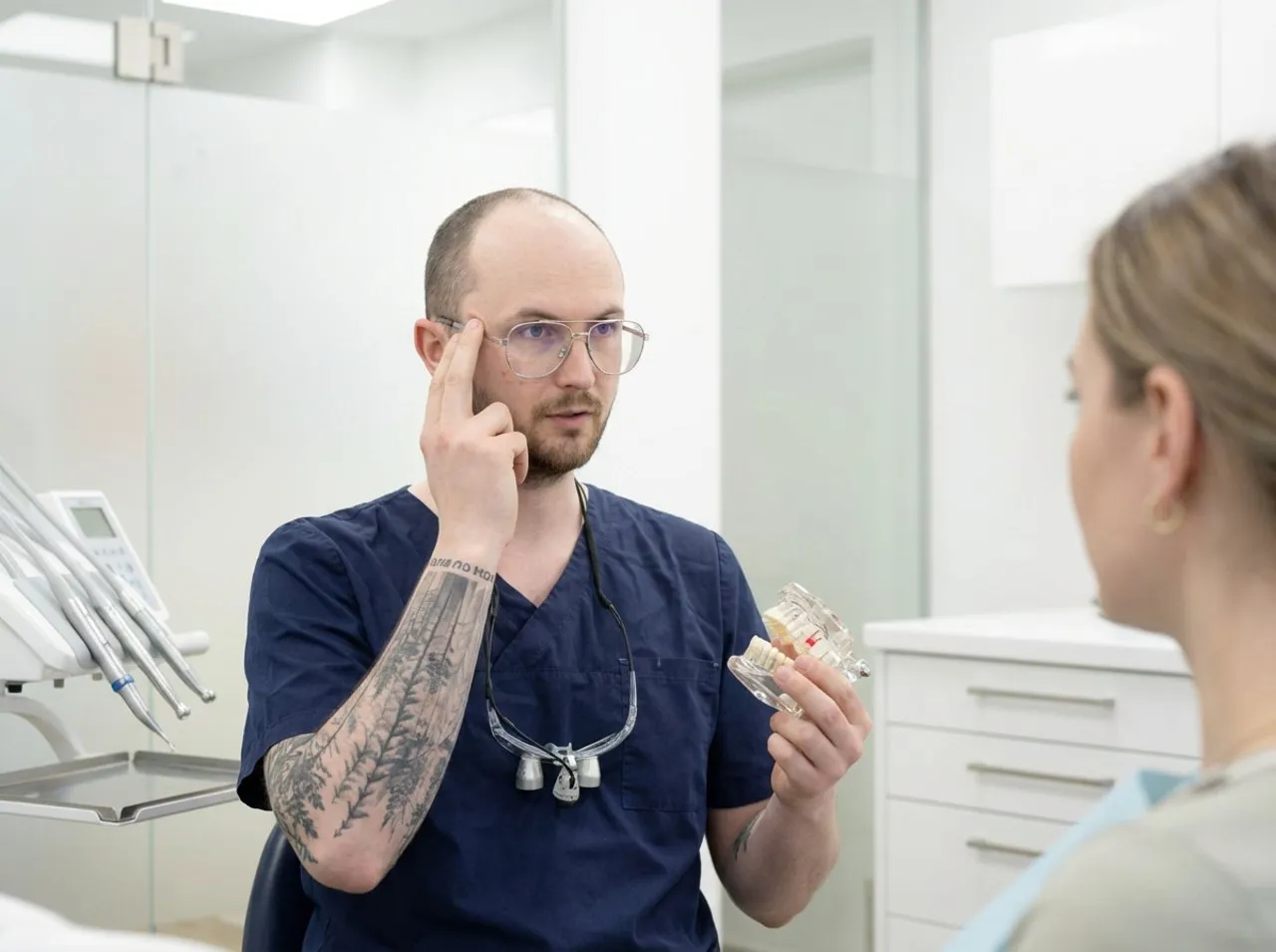
What are the possible consequences without treatment?
Without protection, the risk of chipping and cracking increases. The teeth lose height and the bite can change. This puts strain on the jaw joint and muscles. With deep defects, the dental nerve may become irritated. This can cause persistent pain and inflammation. Subsequent treatments become more complex as a result.

Diagnosis at the dental practice
A reliable assessment begins with a medical history and a thorough examination. We check your bite, brushing technique, eating habits and possible reflux symptoms. Photographs and scans can make it easier to compare changes over time. It is important to distinguish between erosion, abrasion and tooth decay. To do this, we examine the shape, location and surface structure of the defects. If necessary, we use X-rays to detect hidden damage.
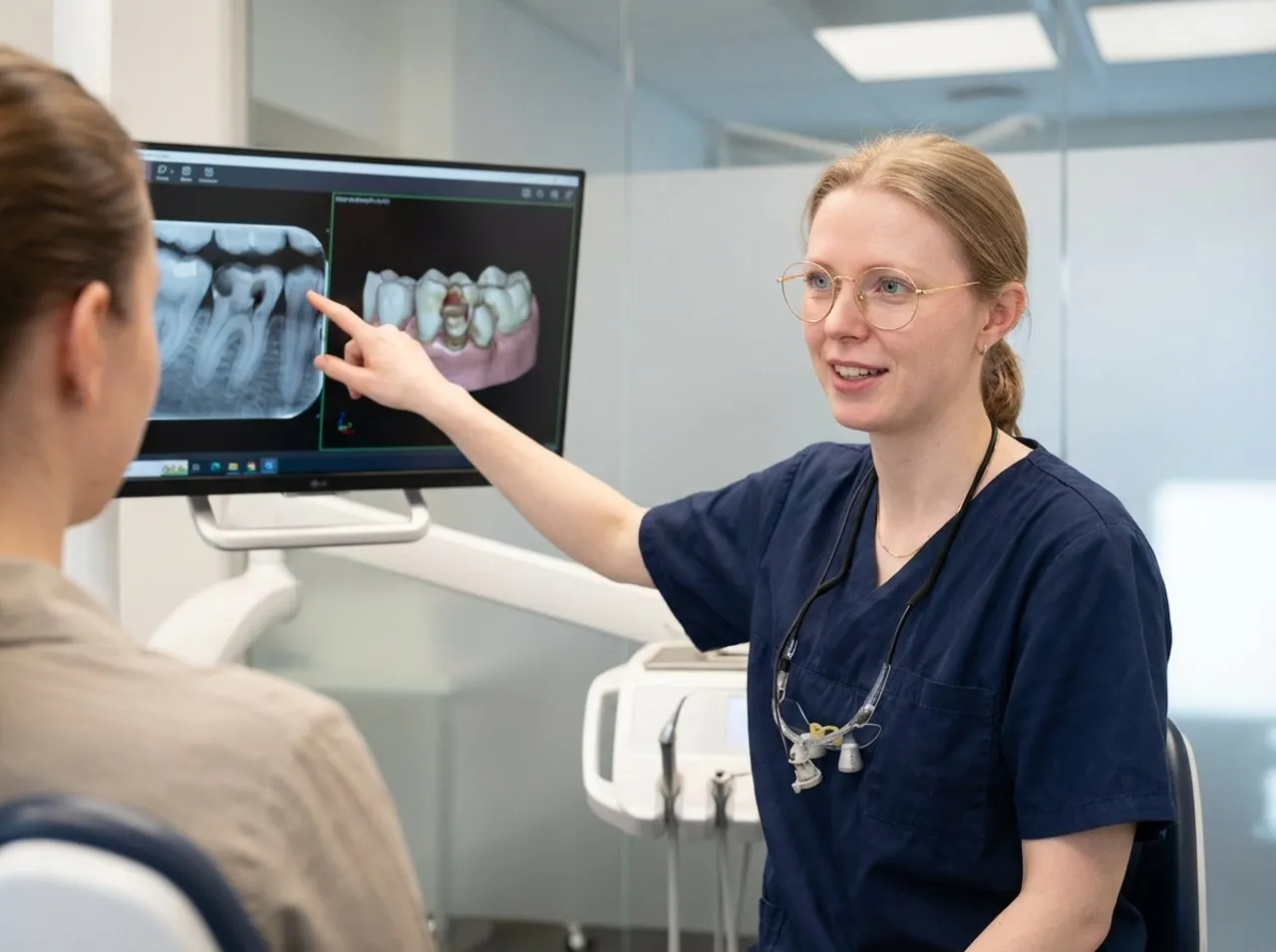
Tooth dissolving: what should you do in an acute situation?
If you suddenly experience severe sensitivity, avoid acidic food and drinks. Rinse with water after contact with acid rather than brushing straight away. Wait about 30 minutes before brushing. Use a soft toothbrush and apply little pressure. A fluoride gel or varnish can strengthen the enamel. If you are in severe pain, you should have an examination promptly.
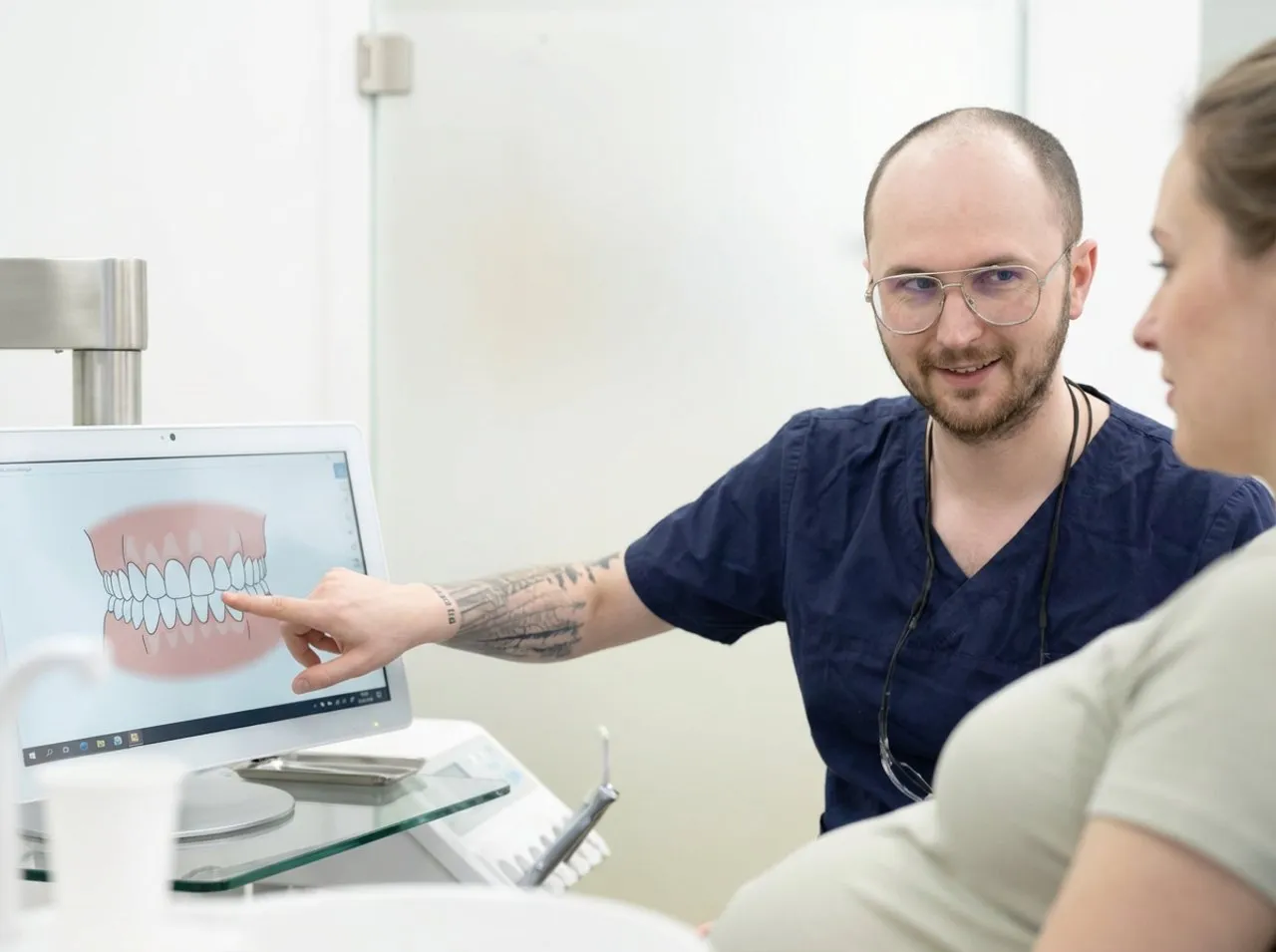
Dental erosion treatment and effective therapies
Treating dental erosion has two aims: stopping the damage and rebuilding the tooth. First, we reduce sources of acid and improve oral care. This includes fluoride, stimulating saliva production and individual advice. Protective varnishes and sealants are often sufficient for early damage. They reduce sensitivity and slow down wear. Check-ups show whether the condition remains stable. If tooth substance has been lost, rebuilding the tooth with composite may be advisable. This is tooth-coloured and often preserves healthy areas. Partial crowns or crowns may be considered for larger defects. For severe grinding, a splint can reduce wear. It protects the teeth at night and relieves strain on the muscles. Where possible, we treat the underlying causes at the same time.
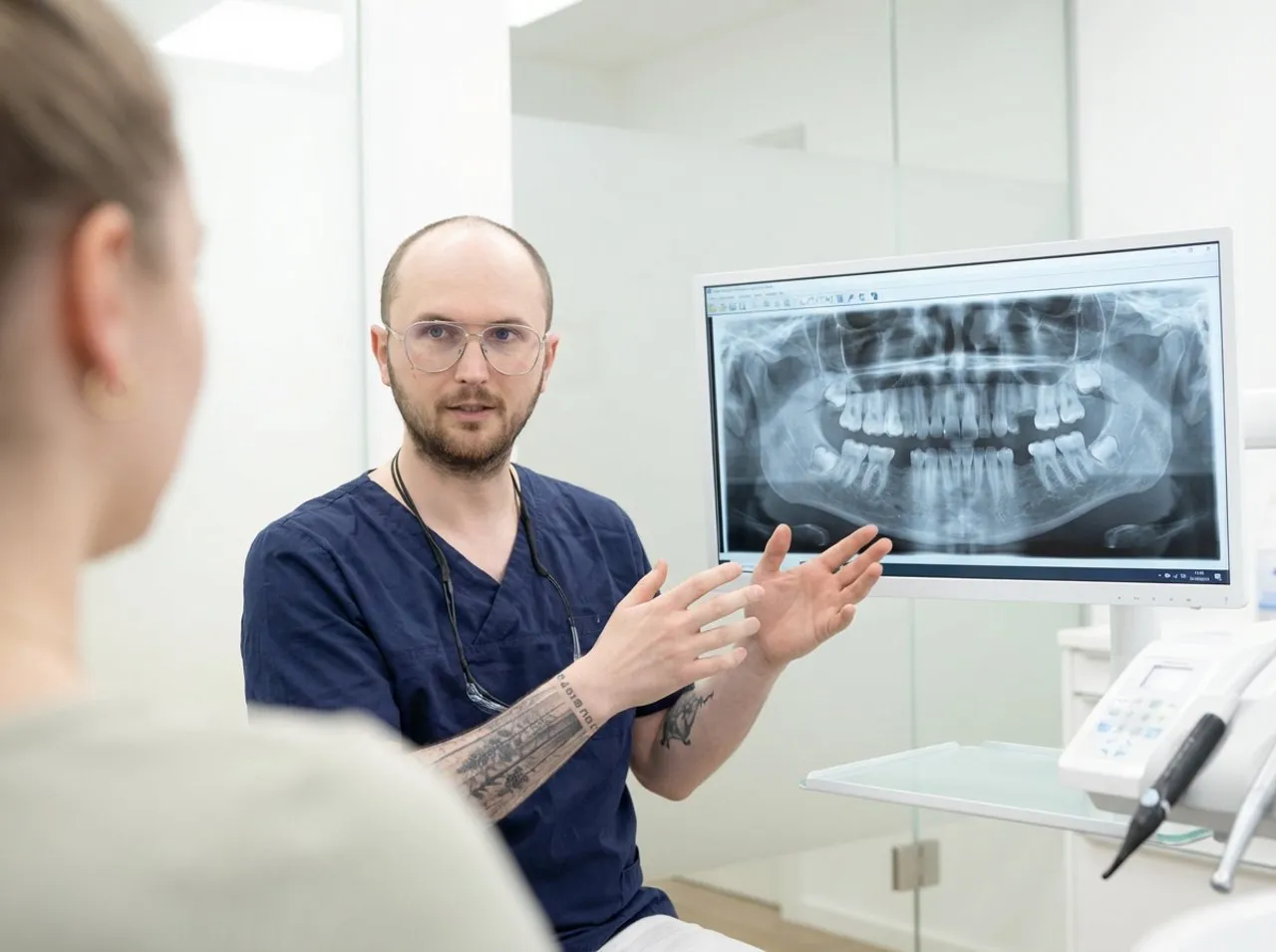
Prevention that really works
It is best to have acidic drinks with meals. Afterwards, drink water or chew sugar-free gum. This increases saliva flow and neutralises acids. Brush twice a day with fluoride toothpaste. Cleaning between your teeth also protects against tooth decay and inflammation. Regular preventive care helps identify risk factors early.
When should you come to Wunschlachen?
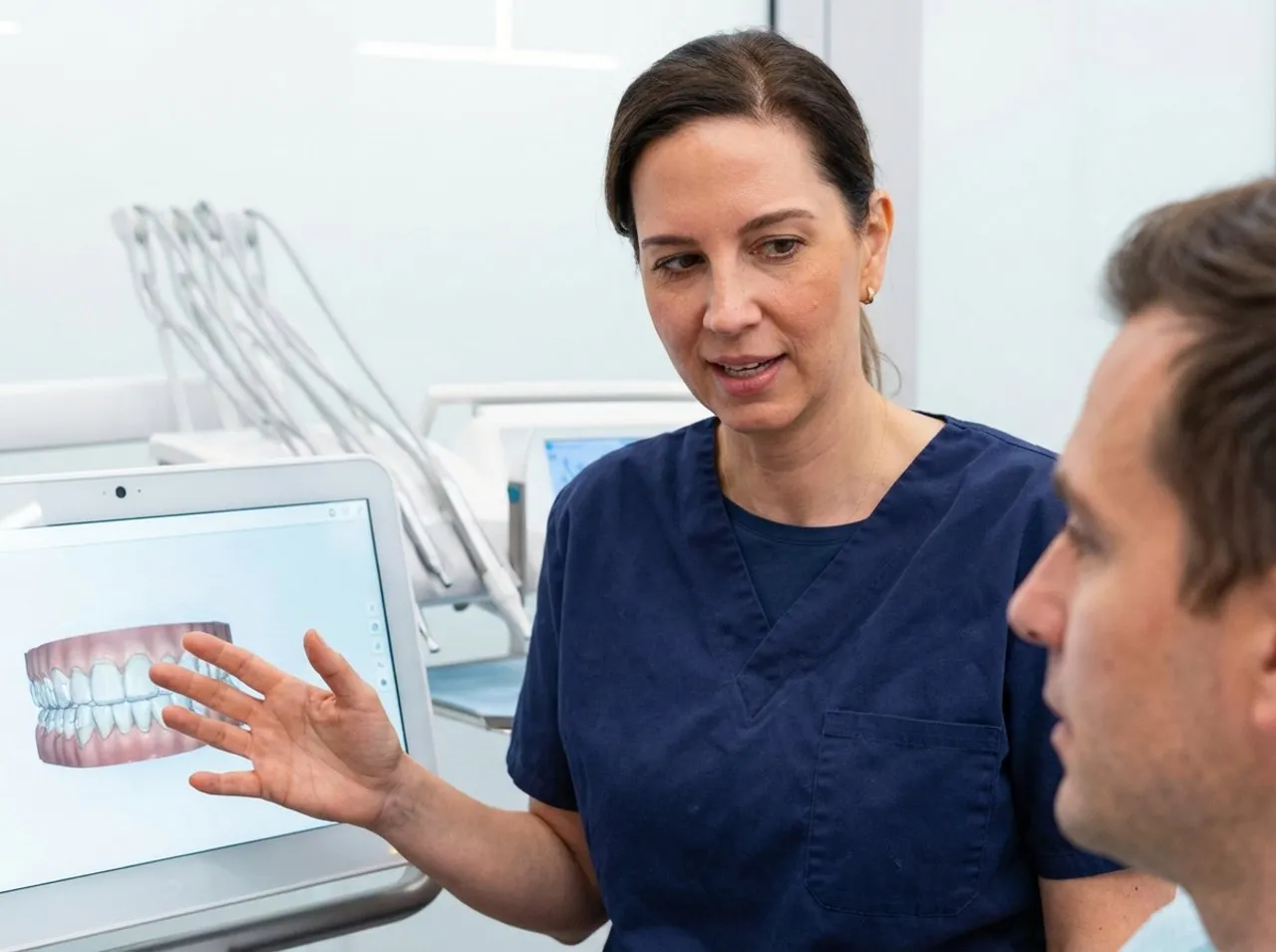
If a tooth is visibly becoming thinner, it is worth having it checked early. You should also come to see us if you have ‘crumbling’ edges or frequent twinges. The earlier we act, the smaller the intervention will be. At the Wunschlachen practice in Berlin, we draw up a clear plan. You receive easy-to-understand steps and transparent options.
Conclusion
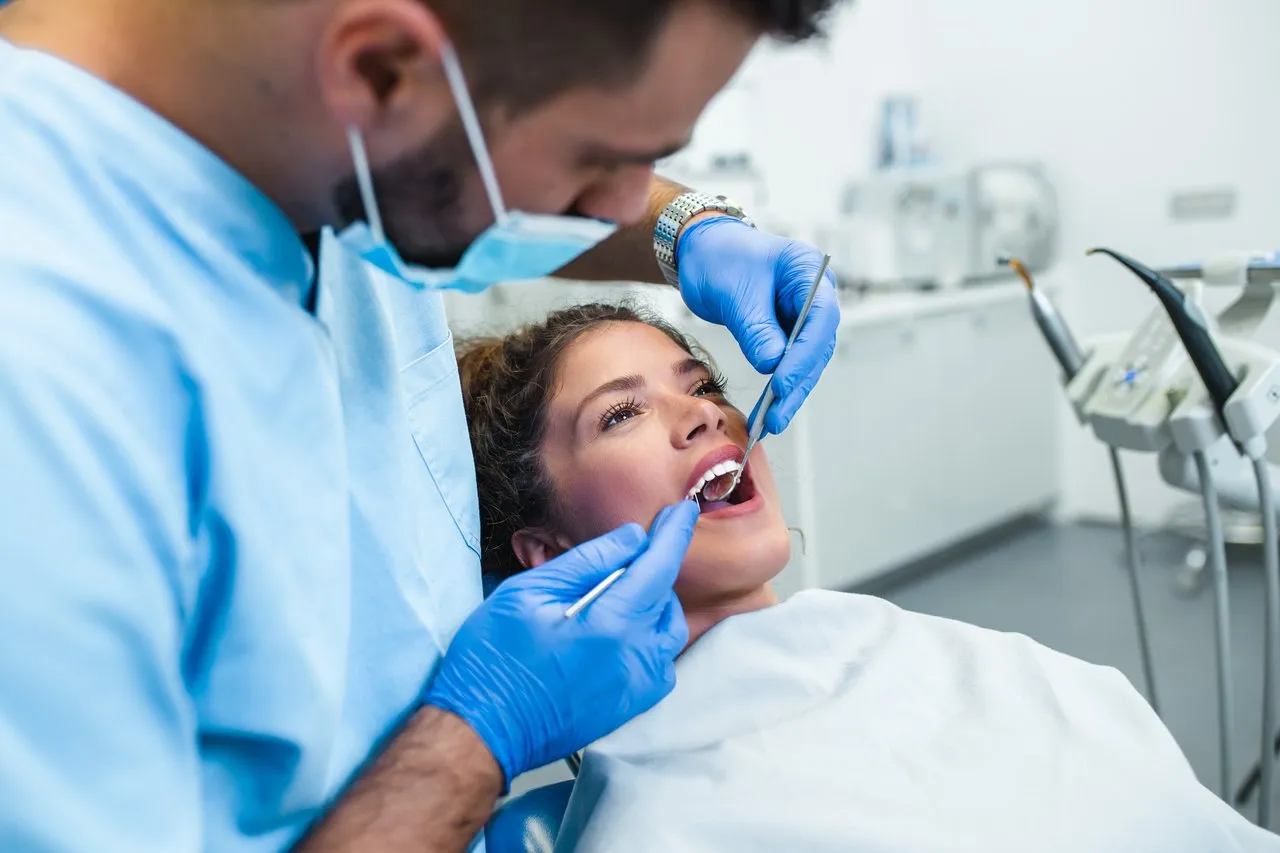
When a tooth is dissolving, there is usually a treatable underlying process. Erosion, abrasion and tooth decay require different solutions. An early diagnosis prevents extensive repairs. Book an appointment with Wunschlachen for an early examination.
FAQ – frequently asked questions
It usually means that tooth enamel is being lost, often due to acid or wear.
Erosion acts independently of bacteria and affects entire surfaces.
Yes, chipping indicates a loss of tooth substance or grinding.
Typical signs include smooth hollows, dull surfaces and increased sensitivity to cold.
Erosion is caused by acid, while tooth decay is bacterial and often confined to a localised area.
Avoid acid, do not brush straight away and use gentle oral care with fluoride.
It hardens surfaces and increases resistance to acids.
Composite build-ups, partial crowns or crowns are often advisable.
Yes, stomach acid can significantly erode enamel from the inside.
Enamel does not grow back, but defects can be reliably rebuilt.