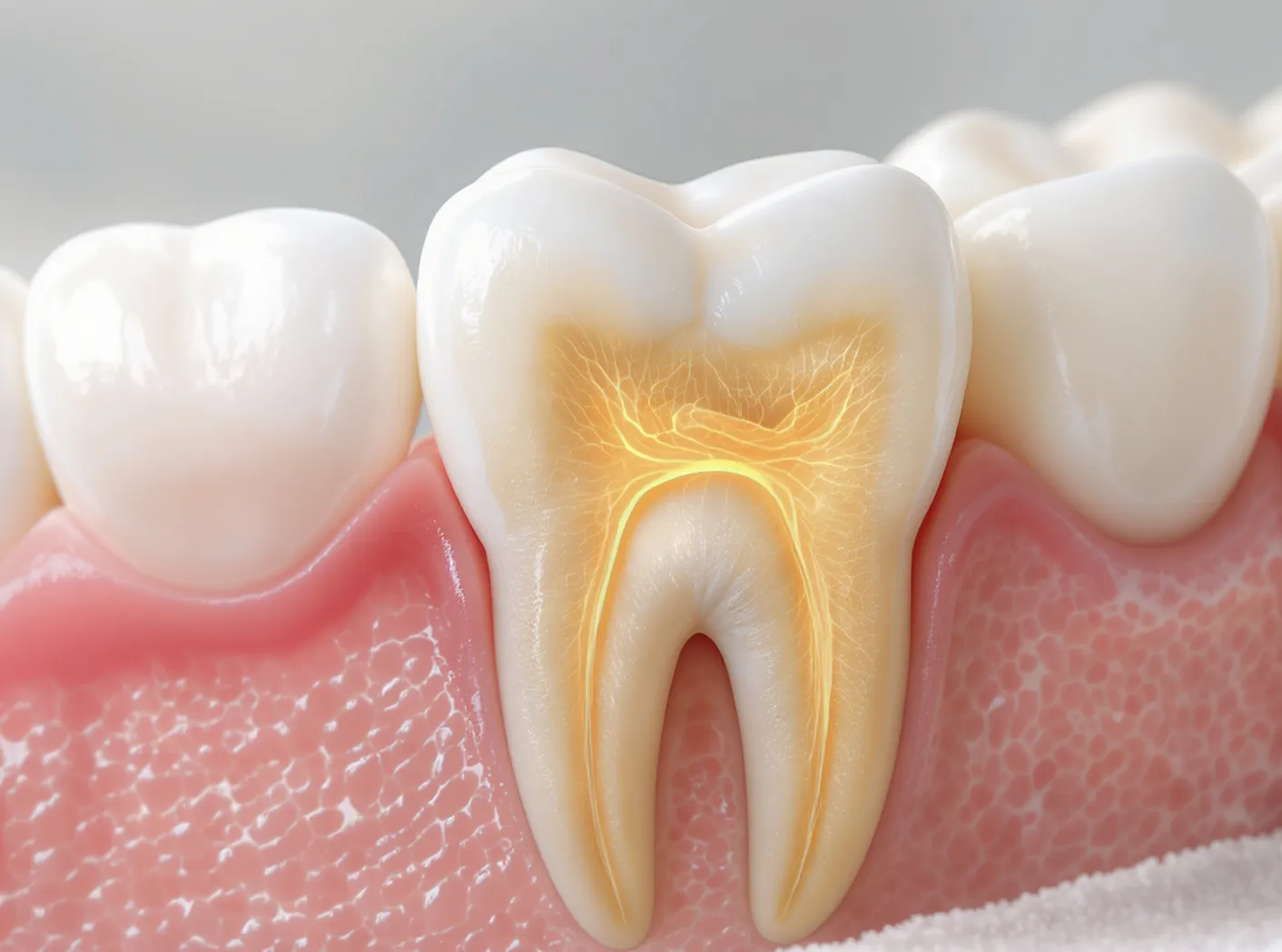
Tooth inflammation: causes, symptoms and treatment
Tooth inflammation is more than just ‘toothache’. It is often associated with a bacterial infection. Without treatment, it can endanger teeth, the jawbone and your health. At the Wunschlachen dental practice in Berlin, we take such symptoms very seriously. We first clarify the...
Über 350 Google-Bewertungen
The short answer
Tooth inflammation can have several causes, including a bacterial infection of the tooth, tooth root, supporting structures of the tooth or jawbone. Typical symptoms are throbbing pain, swelling and sensitivity to pressure; fever requires urgent attention. Depending on the cause, root canal treatment, periodontal therapy or, in rare cases, tooth extraction can help. Home remedies provide at most short-term relief and are no substitute for dental treatment.
- Common causes
- Tooth decay, leaking fillings, periodontitis; risk factors include smoking, stress and diabetes
- Warning signs
- Throbbing pain, swelling, bad breath; fever and swollen lymph nodes require urgent dental assessment; difficulty breathing or swallowing requires emergency medical care
- Treatment
- Depending on the cause, root canal treatment, periodontal therapy or gentle tooth extraction
- When to see a dentist
- Seek an early assessment for persistent pain, and immediate medical assessment for swelling or fever
General information, no guarantee of a cure. Please have any symptoms assessed by a dentist promptly.
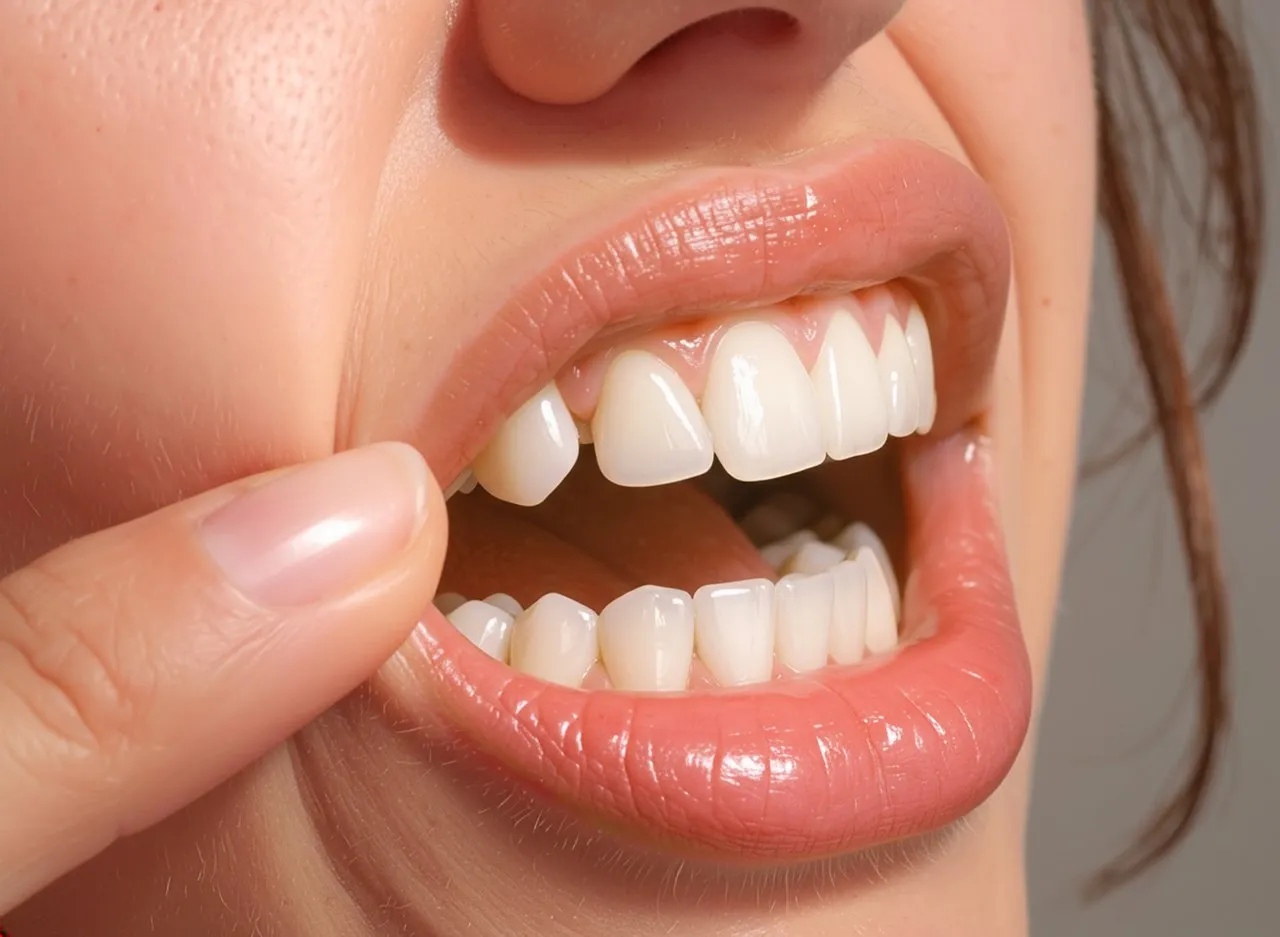
What is tooth inflammation?
Tooth inflammation refers to an inflammatory reaction in or around a tooth. The gums, tooth root, periodontium or jawbone may be affected. Bacteria from the oral cavity are often involved. There are different forms, commonly including gingivitis, periodontitis and inflammation of the tooth root. Inflammation in the jawbone can also develop from a dental focus of infection. An accurate diagnosis is essential because each form of inflammation requires different treatment. This is the only way to preserve the tooth for as long as possible.
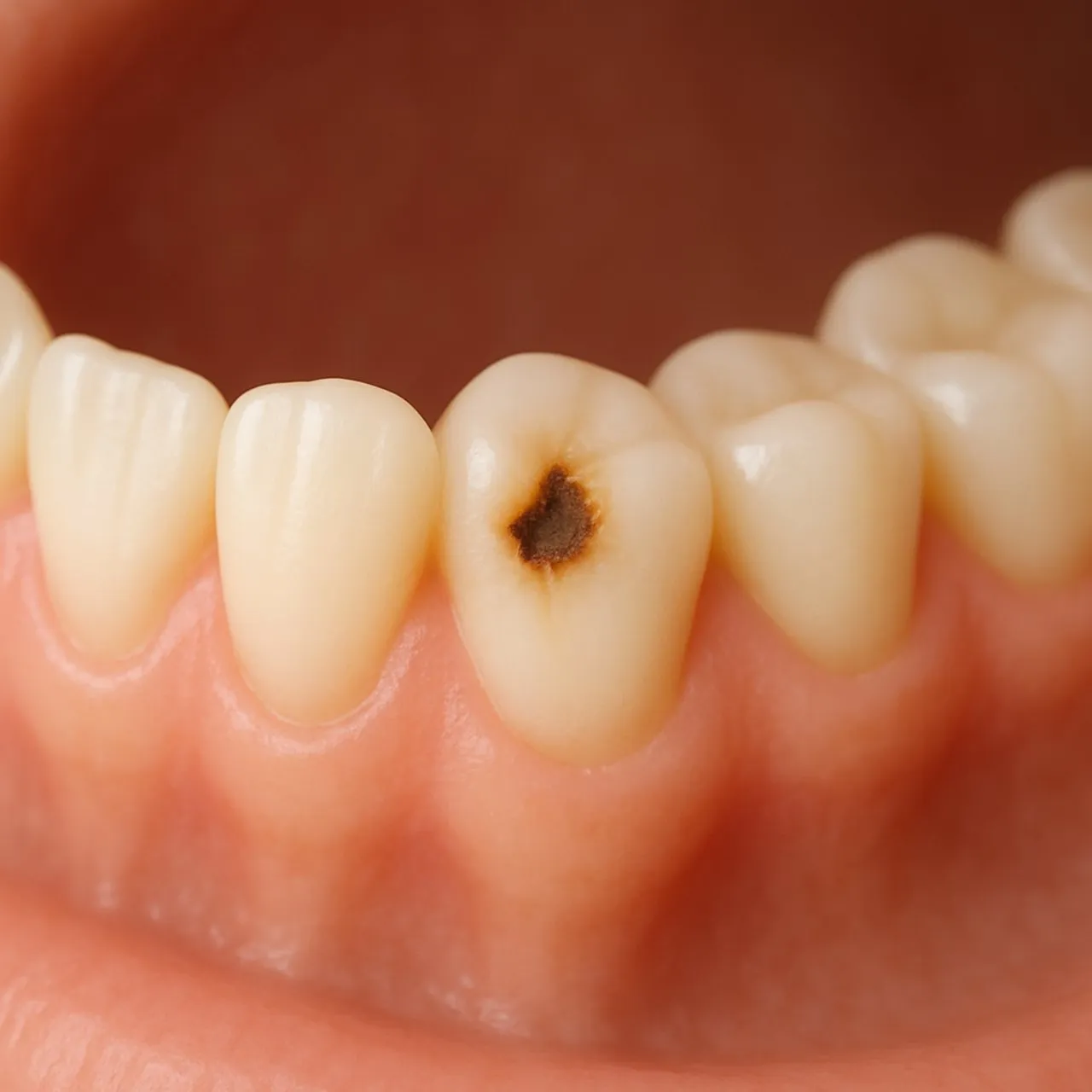
Causes of inflammation affecting a tooth
The most common cause is tooth decay. Bacteria enter the tooth through a hole. They reach the dental pulp and trigger inflammation there. Leaky fillings or old crowns can also pose a risk. Bacteria reach deeper layers through even the tiniest gaps. There they spread unnoticed over a long period of time. Tooth inflammation can also originate in the gums. In periodontitis, the periodontium becomes inflamed. Gum pockets form, in which bacteria reside. Other risk factors include smoking, stress and a weakened immune system. Diabetes and certain medicines can further weaken the body's defences. This makes it easier for bacteria in the mouth to thrive.

Recognising the symptoms of tooth inflammation
A nagging or throbbing toothache is typical. It often worsens when chewing or eating hot food. Severe pain can also occur when biting down. The gums are often red and swollen. The tooth may feel slightly loose. Sometimes it feels ‘too high’ when biting down. Further warning signs are bad breath and an unpleasant taste. If pus forms, a bitter taste may occur. Sometimes pus drains through a small fistula. In more severe infections, the body reacts as a whole. Fever, fatigue and swollen lymph nodes are possible. At this point at the latest, you need an urgent dental assessment. If you have difficulty breathing or swallowing, seek emergency medical care.

Is tooth inflammation dangerous?
Untreated inflammation rarely remains localised. The bacteria can spread via the root tips into the jawbone. Inflammation of the jaw or periostitis may result. If germs enter the bloodstream, serious complications are possible. These include endocarditis or involvement of other organs. People with pre-existing conditions are particularly at risk. Toothache is therefore always a warning sign. Do not wait until the symptoms become unbearable. The earlier treatment begins, the gentler it is.

Treatment of tooth inflammation at Wunschlachen
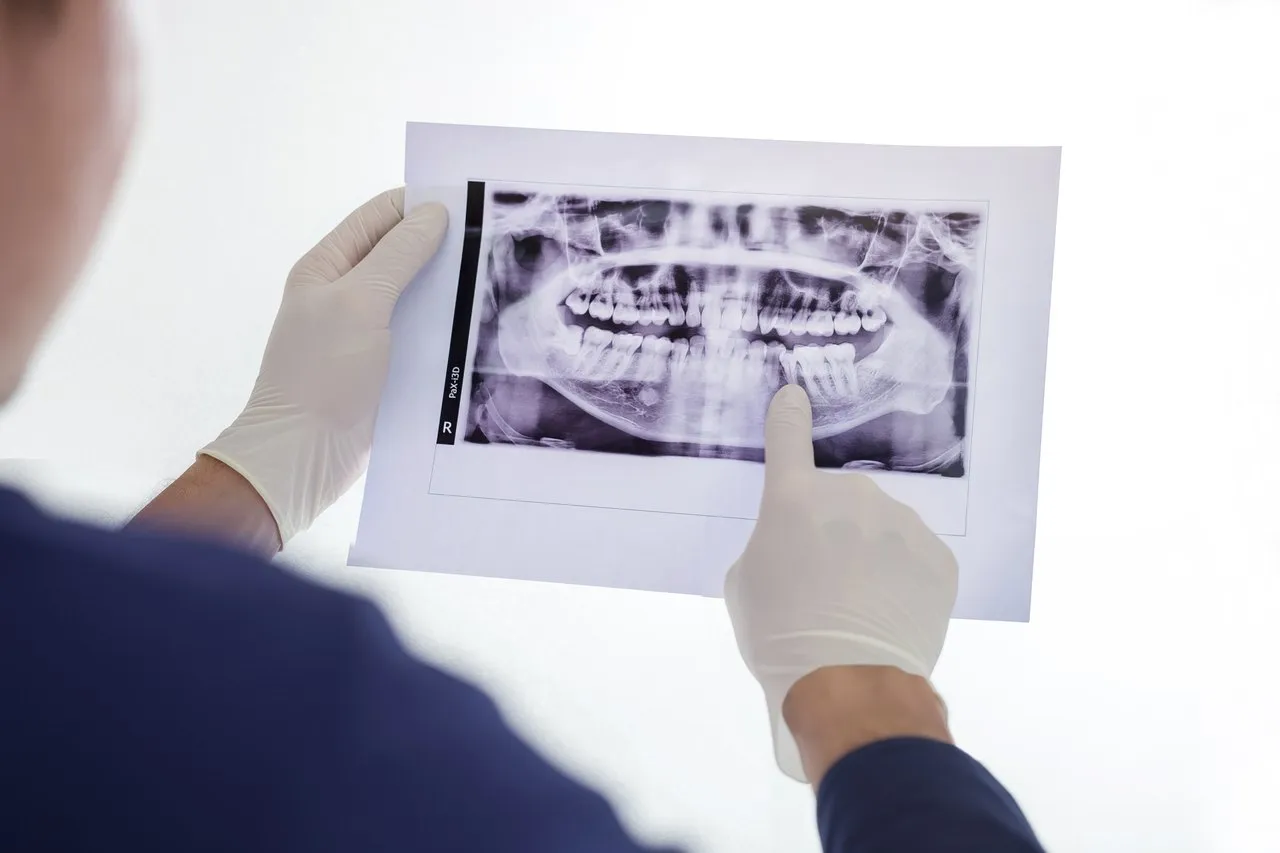
Treatment begins with a thorough diagnosis. We examine the tooth, gums and bite. X-rays show how far the inflammation has progressed. If the tooth root is affected, root canal treatment is usually carried out. The inflamed tissue is removed from inside the tooth. The root canals are cleaned, disinfected and sealed to prevent bacteria from entering. If inflammatory gum disease is present, we treat the periodontium. Deposits and bacteria are thoroughly removed from the pockets. Additional periodontal surgery may be required if necessary. Antibiotics are only used selectively. They complement mechanical treatment but do not replace it. They are often advisable, particularly in cases of severe swelling or fever. In rare cases, the tooth can no longer be saved. It is then gently removed to stop the infection from spreading. The area can later be restored with an implant or bridge. We offer particularly gentle treatment approaches for anxious patients. Sedative medication or sedation is available on request. This makes the treatment considerably more relaxing for you.

Home remedies for tooth inflammation – useful or risky?
Home remedies can relieve symptoms in the short term. External cooling can reduce swelling somewhat. Rinsing with lukewarm salt water has a mild disinfectant effect. However, these measures are no substitute for a visit to the dentist. At most, they mask the pain for a short time. The underlying cause remains. Over-the-counter painkillers are also only a temporary solution. They cannot eliminate the inflammation. Use them only until you can come to the practice.

Preventing tooth inflammation
Consistent oral hygiene is the most important protection. Brush thoroughly twice a day with fluoride toothpaste. Also clean between your teeth with interdental brushes or dental floss. Regular preventive care at our practice helps to detect problems early. We often detect early tooth decay and inflammation at a very early stage. This usually allows severe tooth inflammation to be prevented. Diet also plays a role. Sugary snacks promote tooth decay and bacterial growth. Set meals and tooth-friendly snacks are better. Smoking significantly increases the risk of inflammation. Stopping smoking improves blood circulation in the gums. This also strengthens the immune defences in the mouth.
Treating tooth inflammation early – for your dream smile
Tooth inflammation is not something you simply have to accept. Modern dentistry means that almost every case can now be treated. The right timing is crucial. The earlier you contact us, the greater the chance of preserving the tooth. At Wunschlachen in Berlin, we guide you step by step. For a healthy, relaxed and confident smile.
FAQs about tooth inflammation
Tooth inflammation can have various causes, including a bacterial infection. It affects the tooth, tooth root or periodontium. Without treatment, it can spread as far as the jaw. A clinical assessment is needed to establish the cause.
Typical symptoms include throbbing pain, sensitivity to pressure and swelling. Bad breath and an unpleasant taste are also common. In severe cases, fever and fatigue may also occur.
Without treatment, it can persist for weeks. The pain may subside temporarily and then flare up again. Only targeted treatment can permanently resolve the inflammation.
Antibiotics can reduce bacteria in the body. However, they do not reach all germs inside the tooth. Dental treatment is therefore always necessary.
Cooling, salt-water rinses and soft foods can help. They relieve pain temporarily and soothe the tissue somewhat. However, they do not eliminate the cause.
Bacteria from the oral cavity can generally be transmitted. Germs can be passed on when kissing. However, individual immune defences remain decisive.
The pain may subside temporarily. However, the inflammation in the tooth usually persists. More severe symptoms often develop later.
You should come to the practice as soon as you experience persistent pain. Swelling, fever or sleep disturbances mean that treatment is urgent. Prompt treatment is then medically necessary.
The costs depend greatly on the cause. The costs of a filling, root canal treatment or tooth extraction differ significantly. At Wunschlachen, we always draw up a transparent cost plan.
Good oral hygiene and regular preventive care are crucial. Avoid frequent sugary snacks. Come for check-ups before pain occurs.