
Tooth osteotomy: what surgical tooth removal involves
If your treatment plan says ‘osteotomy’, it often sounds more major and harder to understand than ‘tooth extraction’. In this context, it means surgical tooth removal in which bone is specifically worked on or removed to make the tooth or a remaining root accessible. The term describes a procedure, but not its extent, duration or your personal risk. You should therefore ask why it is recommended for your particular condition, what alternatives are available and how your aftercare will be planned.
The short answer
During surgical tooth removal, bone may be removed selectively to make the tooth accessible. The findings determine the procedure.
- When a surgical approach may be necessary
- A tooth that is normally accessible is removed differently from one that is displaced, has not erupted or is severely damaged. Certain root remnants may also require a surgical approach. Whether bone is removed, and to what extent, depends on the examination and planning. The NHS England service document lists such findings as typical oral surgery cases.
- Osteotomy is not the same as jaw repositioning
- In medicine, the term osteotomy is used for various bone operations. In surgical tooth removal, it concerns gaining access to the tooth. Jaw repositioning to change the position of the jaw is a different procedure with a different treatment plan. The individual term on an invoice or in a consent discussion should therefore be read in its specific context.
- Arrange aftercare before the procedure
- After tooth removal, the plan should include advice on the wound, oral hygiene, diet and physical activity. Pain, swelling and restricted mouth opening may occur initially. Their extent and course depend on the procedure. Take prescribed medicines as directed; do not use leftover antibiotics as a general precaution.
- Watch for bleeding, infection and other symptoms
- Some bleeding may occur after an extraction; persistent or heavy bleeding requires you to contact the practice in accordance with the discharge instructions. Markedly worsening pain, fever, pus or increasing swelling should be examined. An unusual course of recovery should not simply be attributed to the fact that the procedure was an ‘operation’.
When a surgical approach may be necessary
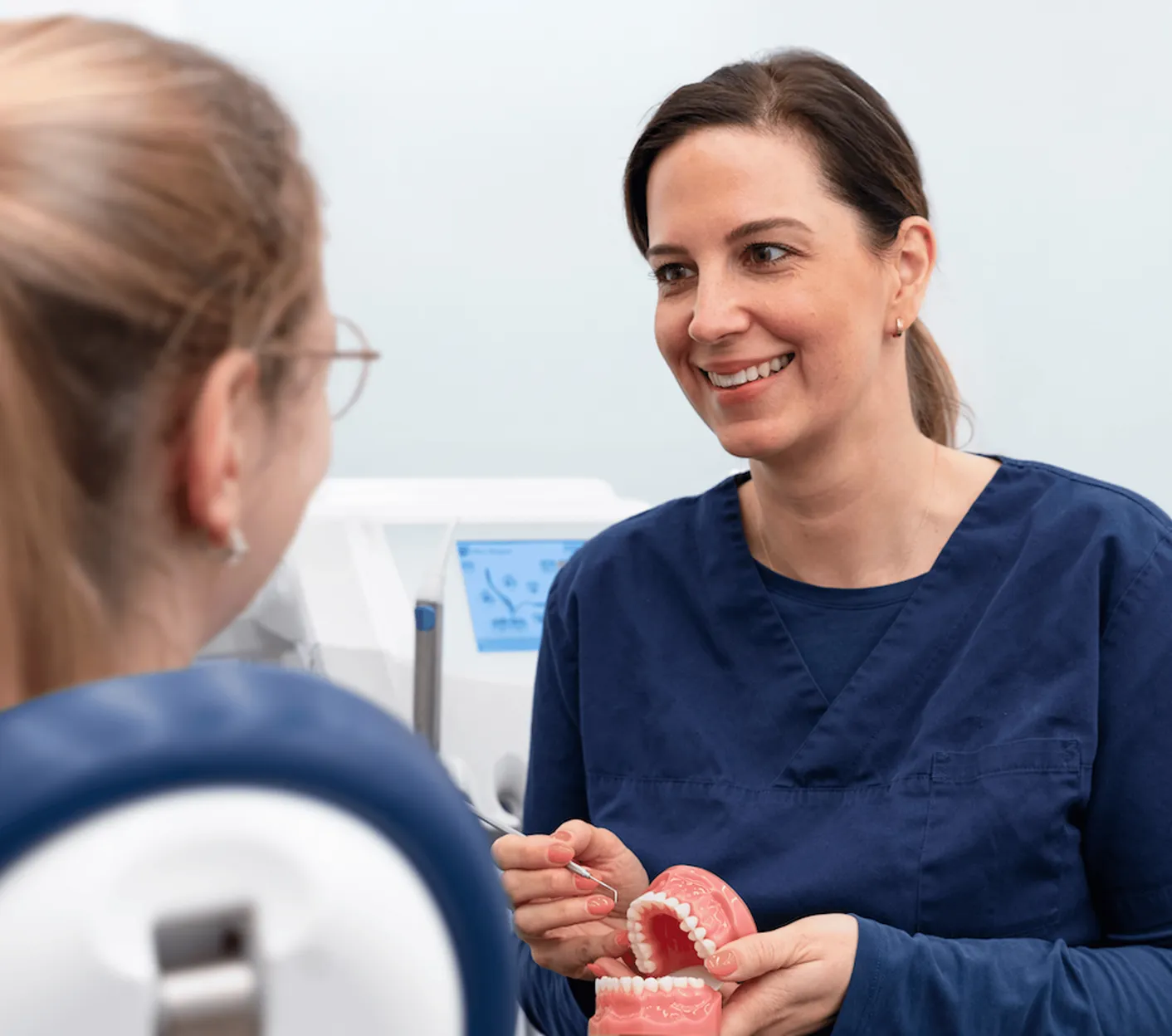
A tooth that is normally accessible is removed differently from one that is displaced, has not erupted or is severely damaged. Certain root remnants may also require a surgical approach. Whether bone is removed, and to what extent, depends on the examination and planning. The NHS England service document lists such findings as typical oral surgery cases.
Ask which part of your tooth is difficult to access and why a simpler extraction would not be sufficient. With wisdom teeth, it is also assessed whether removal is medically advisable. Not every wisdom tooth still present needs to be operated on simply because it exists. The article When do wisdom teeth need to be removed?provides background to help with this assessment.
Osteotomy is not the same as jaw repositioning
In medicine, the term osteotomy is used for various bone operations. In surgical tooth removal, it concerns gaining access to the tooth. Jaw repositioning to change the position of the jaw is a different procedure with a different treatment plan. The individual term on an invoice or in a consent discussion should therefore be read in its specific context.
Ask to be shown the area concerned and for the exact name of the procedure. A clear explanation should establish which tooth is being removed and which tissues may be affected. You should not have to work out how your treatment will proceed from a fee item number. If a more extensive operation is intended, it requires its own consent discussion.
Examination and individual risks
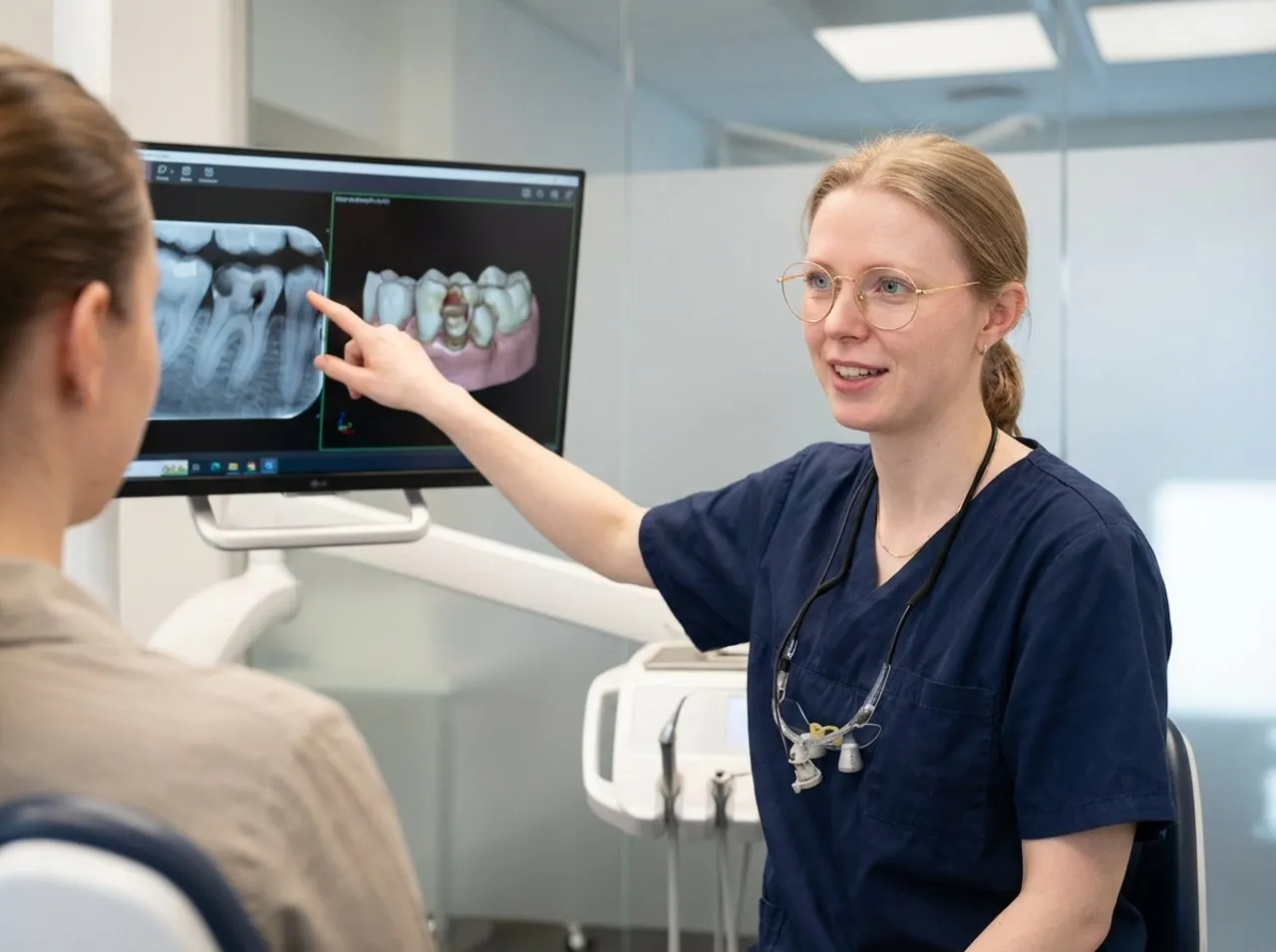
Before the procedure, the findings, the position of the tooth and any relevant pre-existing conditions are assessed. X-rays and, in selected situations, further imaging may form part of the planning. For some lower wisdom teeth, proximity to nerves is important; in the upper back teeth, the relationship to the maxillary sinus may be relevant. These risks are not the same for every tooth.
Mention all medicines, particularly those that can affect blood clotting or bone metabolism. Allergies and previous problems during procedures also form part of your medical history. Do not stop taking medicines on your own initiative. Ask which risks are relevant to your specific condition and whether a referral or additional examination is needed. Percentages from a different surgical situation cannot simply be applied to your case.
Discuss anaesthesia and preparation in detail
Many surgical tooth removals can be carried out under local anaesthetic. Whether additional sedation or another form of anaesthesia is an option depends on the procedure and the individual. ‘Surgical’ does not automatically mean a general anaesthetic. Ask for the purpose, alternatives and requirements of the recommended procedure to be explained. If you feel anxious or have had previous difficulties, a discussion before the day of treatment is helpful.
Ask about eating and drinking before your appointment, taking your medicines and whether someone needs to accompany you. The instructions may differ depending on the type of anaesthesia. Particularly with sedation or a general anaesthetic, transport and what to do afterwards need to be planned. Do not follow fasting rules from someone else’s instructions; instead, ask for the specific preparation instructions in writing.
How to understand the procedure
For surgical access, the gum may be opened and bone selectively removed. In some cases, the tooth is divided so that it can be removed in separate pieces. The wound is then treated and stitched if necessary. The steps required depend on the shape and position of the tooth. The term osteotomy does not imply a fixed operating time.
You may notice a sensation of pressure and sounds during treatment under local anaesthetic. You should tell the team if you feel pain so that the anaesthetic and the procedure can be checked. Agree a signal for a break before treatment begins. After the procedure, ask what was done and whether this means there are any particular aftercare instructions.

Arrange aftercare before the procedure
After tooth removal, the plan should include advice on the wound, oral hygiene, diet and physical activity. Pain, swelling and restricted mouth opening may occur initially. Their extent and course depend on the procedure. Take prescribed medicines as directed; do not use leftover antibiotics as a general precaution.
Prepare suitable soft meals and allow enough time to recover. Ask when you should be able to return to work, exercise and normal chewing. For a related procedure, the article Eating after wisdom tooth surgery provides practical guidance. Individual instructions, for example following involvement of the maxillary sinus, take precedence.
Watch for bleeding, infection and other symptoms
Some bleeding may occur after an extraction; persistent or heavy bleeding requires you to contact the practice in accordance with the discharge instructions. Markedly worsening pain, fever, pus or increasing swelling should be examined. An unusual course of recovery should not simply be attributed to the fact that the procedure was an ‘operation’.
Call 112 if you have breathing or swallowing difficulties, rapidly increasing swelling or an acutely life-threatening condition. You should also promptly inform the team of any new, persistent changes in sensation following a relevant procedure. Keep the telephone number and aftercare documents close to hand. An accurate description of when your symptoms started and how they have developed makes it easier to decide what help is needed.
Plan the costs and subsequent treatment separately
Surgical tooth removal and subsequently replacing the gap are different treatments. For private billing, the German dental fee schedule (GOZ) distinguishes between different surgical services; an individual fee item does not necessarily represent the entire invoice. The actual scope of treatment and your insurance situation need to be clarified. This article does not give a general price range for any type of osteotomy.
Ask for a clear cost breakdown and details of any optional additions. If a replacement is planned, ask for its costs and timing to be explained separately. Agreed check-ups are more important to healing than comparing individual prices on the internet. By the end of the discussion, you should know why the procedure is necessary, how it will be prepared, what aftercare is required and who to contact if you have any problems.
Frequently asked questions
In the context of tooth removal, it refers to a surgical approach involving selective work on bone to remove a tooth or root remnant. Its extent and course depend on the findings.
No. Many such procedures can be carried out under local anaesthetic. Other forms of anaesthesia are discussed individually, based on the procedure and your situation.
There is no single duration that applies to every case. Position, shape, accessibility and additional steps affect the procedure. Ask for the likely timeframe for your tooth to be explained.
These may include bleeding, infection and wound-healing problems. Depending on the tooth, nerves or the maxillary sinus may also need to be considered. Your team will explain the risks relevant to your particular condition.
Not on your own initiative. Tell the team about these medicines in advance so that they can plan your treatment appropriately with the relevant prescribers.
Contact the practice promptly if you have heavy or persistent bleeding, worsening symptoms, fever, pus or an unusual change in sensation. Breathing or swallowing difficulties and a life-threatening condition require urgent help.