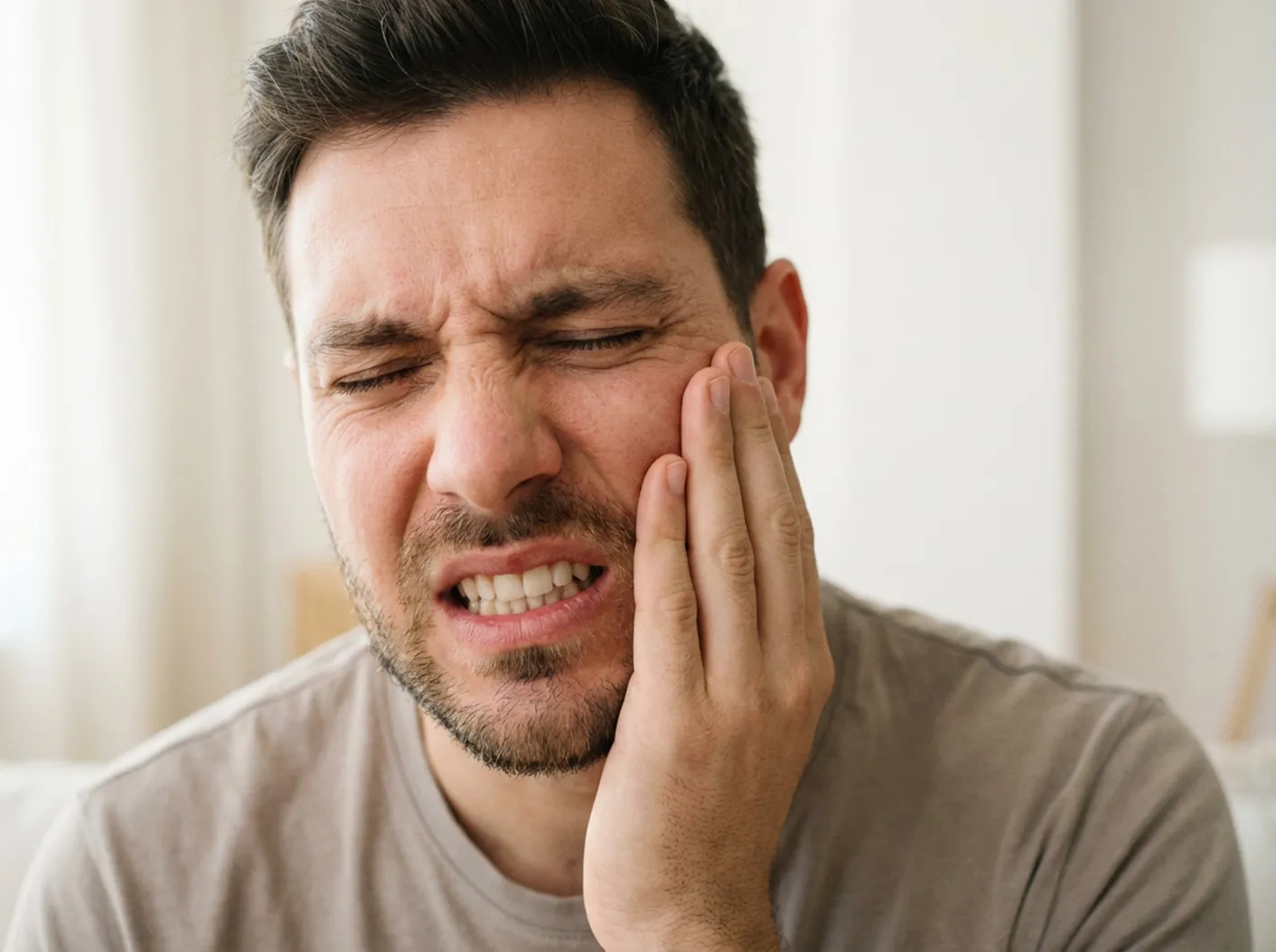
Tooth pain when biting down: causes and treatment
Tooth pain when biting down is usually a load-dependent warning sign. Occlusal overload or inflammatory processes are often involved. Prompt diagnosis protects the tooth substance and the supporting structures of the tooth.
Über 350 Google-Bewertungen
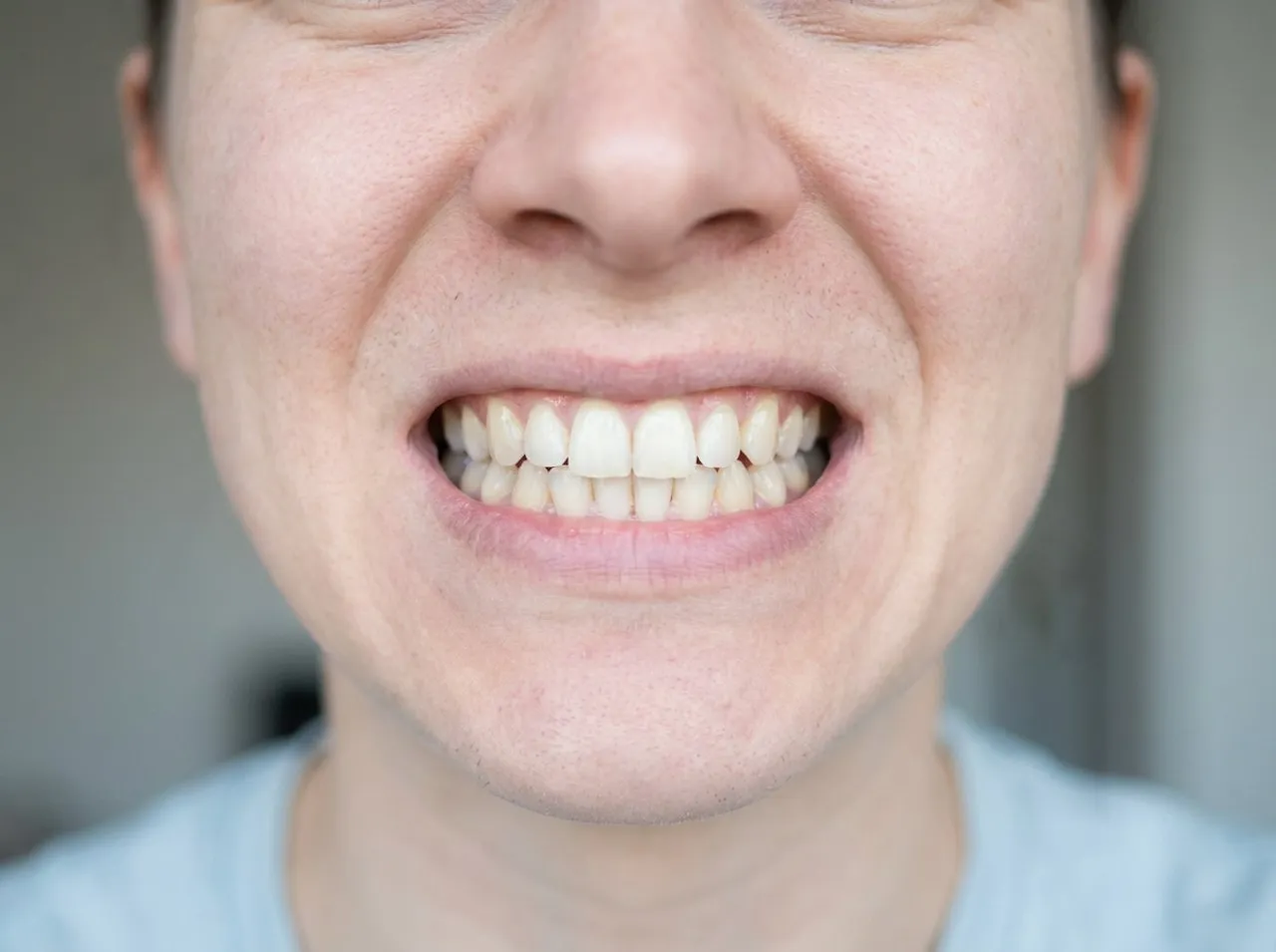
What pain on biting means clinically
When you chew, high localised forces are generated. These forces act on the tooth, root and periodontium. This makes irritation apparent. The pain is often sharp or dull. It frequently occurs only under load. At rest, the tooth sometimes seems symptom-free. Some people feel pain when releasing the bite. This is consistent with microcracks in the hard tooth tissue. A feeling of pressure is also possible.
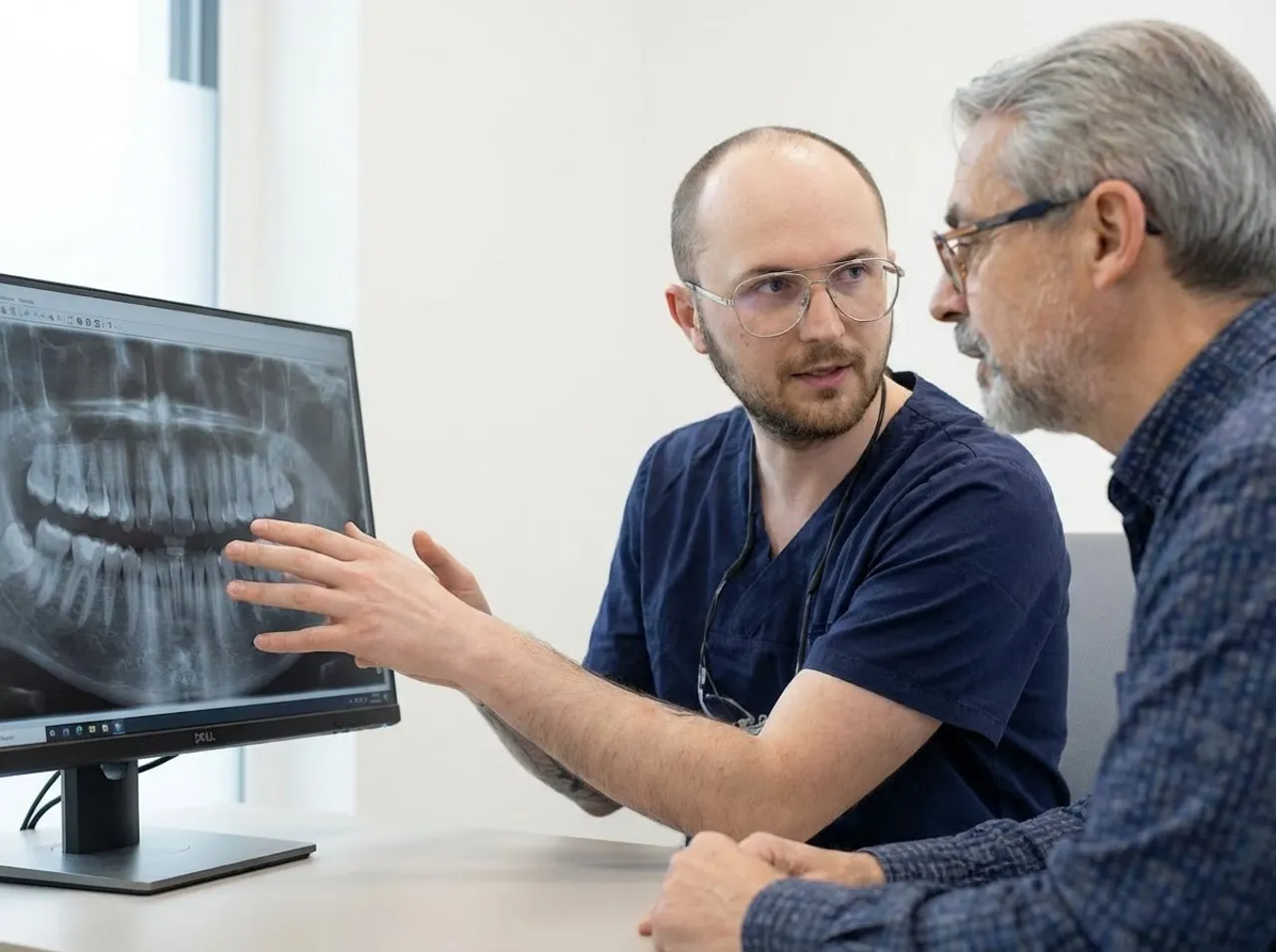
Differential diagnoses for pain when biting together
A contact that is too high after a filling is common. The tooth makes contact too early. This leads to functional overload. A leaking restoration may also be the cause. Bacteria get underneath the filling. The dental nerve then becomes irritated. Deep caries can irritate the nerve. This causes pulpitis. Biting down makes the symptoms worse. A crack in the tooth often remains undetected for a long time. When chewing, the fracture line opens slightly. This causes a brief, sharp pain. Occlusal errors are possible after crowns or inlays. Even a slight high spot is enough. The tooth then remains irritated. Apical periodontitis frequently causes pain when biting. The tissue at the root tip is inflamed. Pressure makes the symptoms worse. Periodontal inflammation also plays a role. Inflamed pockets reduce stability. Loading can trigger pain. Bruxism can affect several teeth. Parafunctional habits increase occlusal forces. The chewing muscles also become overloaded. Symptoms are possible after root canal treatment. The periapical tissue reacts temporarily. A follow-up appointment assesses the healing process.
Associated signs to help assess the problem
Sensitivity to cold suggests nerve involvement. Pain in response to heat is consistent with advanced inflammation. Spontaneous pain is particularly significant. Sensitivity to tapping points to the root region. A ‘high tooth’ often feels enlarged. This occurs after new restorations. Bleeding gums are more indicative of periodontal problems. Bad breath can be an additional clue. Loosening can also occur.

When prompt assessment is necessary
Increasing pain is a warning sign. Swelling, pus or fever are red-flag symptoms. Prompt treatment is then required. Urgent action is also advisable after an accident. A tooth may be fractured. Early stabilisation improves the prognosis.

What to do until your appointment
Avoid hard foods and avoid putting pressure on the painful side. Chew on the opposite side wherever possible. This reduces the pressure. Cooling can be helpful if there is swelling. Heat is not advisable for acute inflammation. It can intensify the reaction. Analgesics can help in the short term. Ibuprofen also has an anti-inflammatory effect, provided it is well tolerated. Follow the package leaflet when taking it. Maintain consistent oral hygiene. Clean between your teeth carefully. This reduces the bacterial load.
Diagnosis at the dental practice
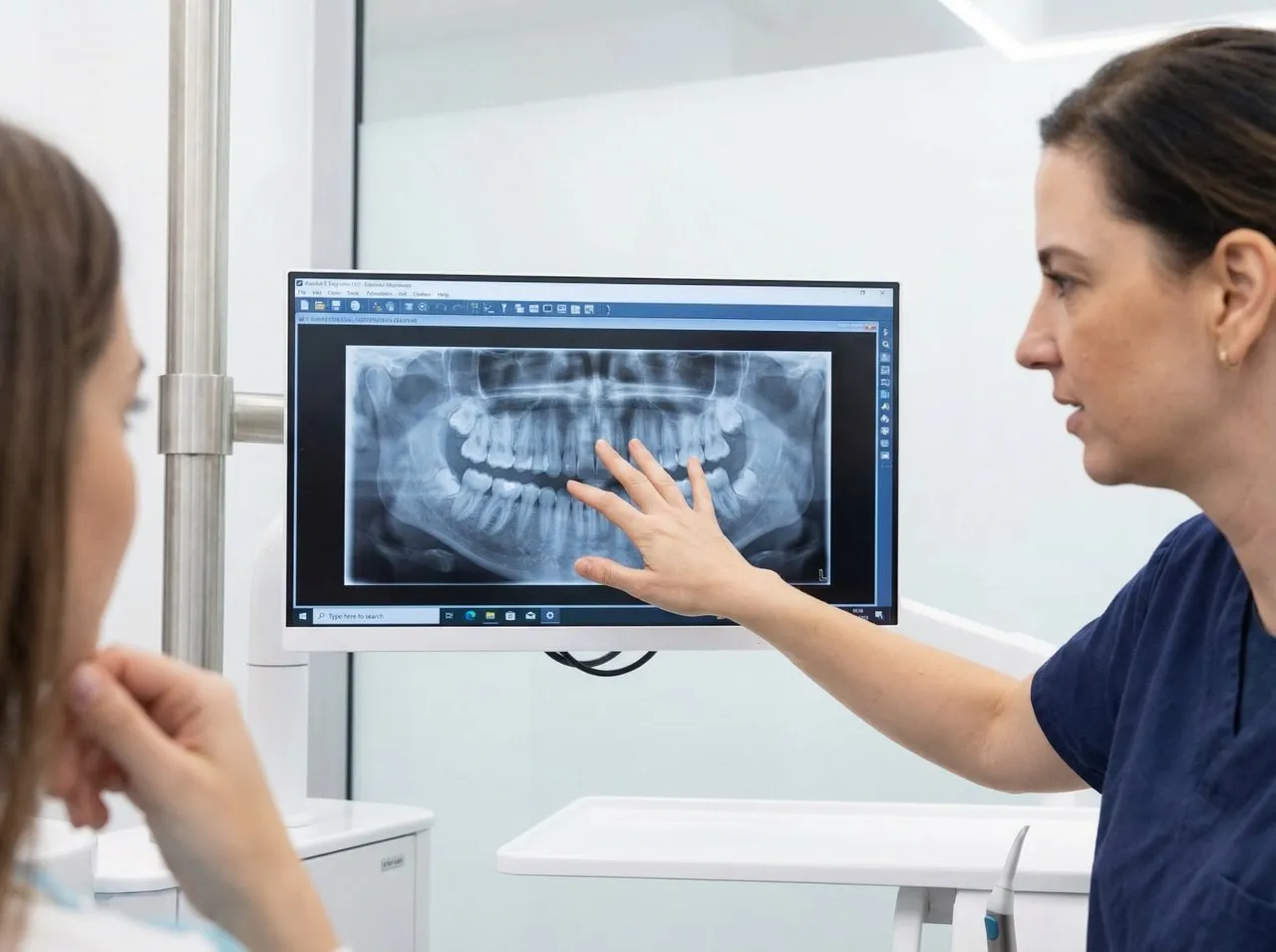
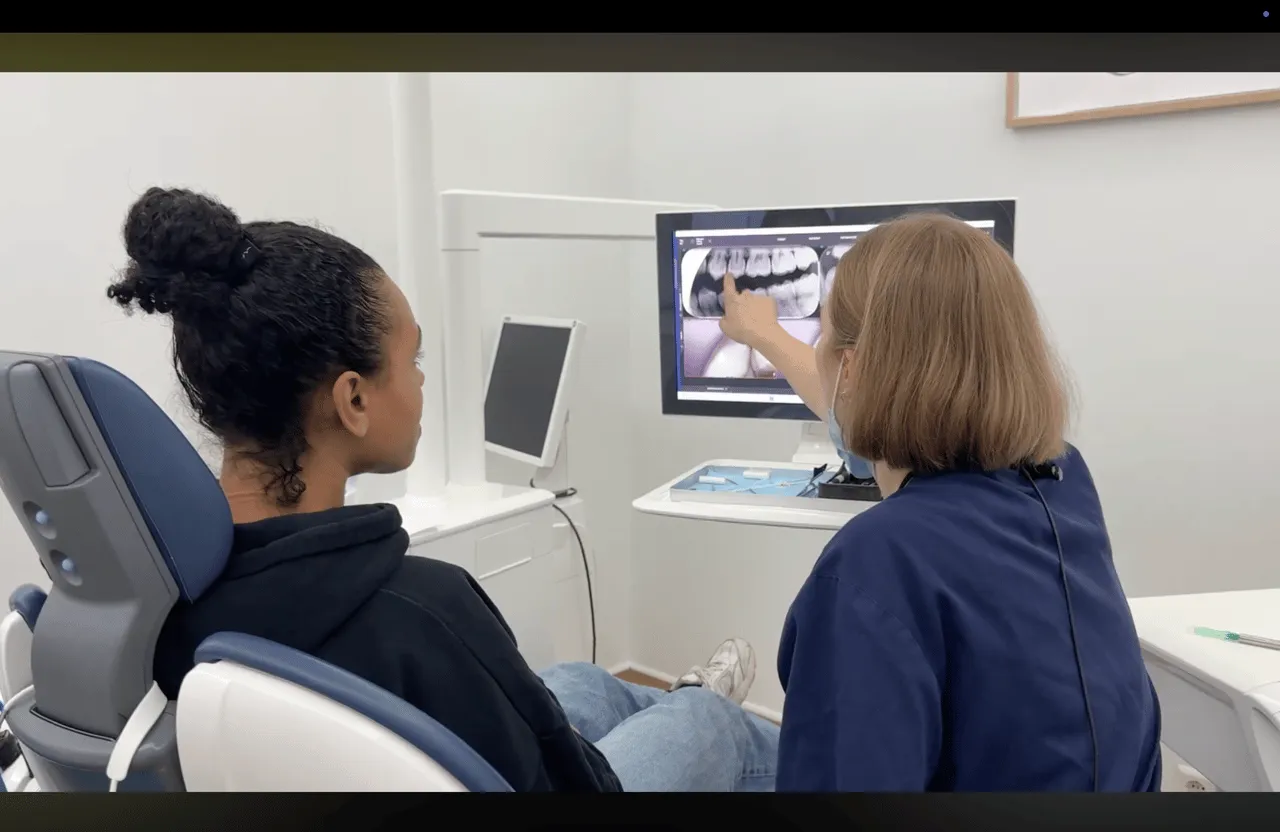
First, we check the occlusion. Articulating paper reliably reveals premature contacts. Minor adjustments often provide immediate relief. This is followed by standardised tests. Cold and percussion tests are well established. They support diagnosis of the pulp and root apex. We assess the periodontium systematically. Probing depths and bleeding are crucial. The degree of tooth mobility is also measured. X-rays complement the examination. They show caries, root tips and bone loss. This allows the cause to be identified more precisely. If a crack is suspected, we use specific techniques. Bite aids localise the pain. Magnification improves assessment.
Treatment options depending on the cause
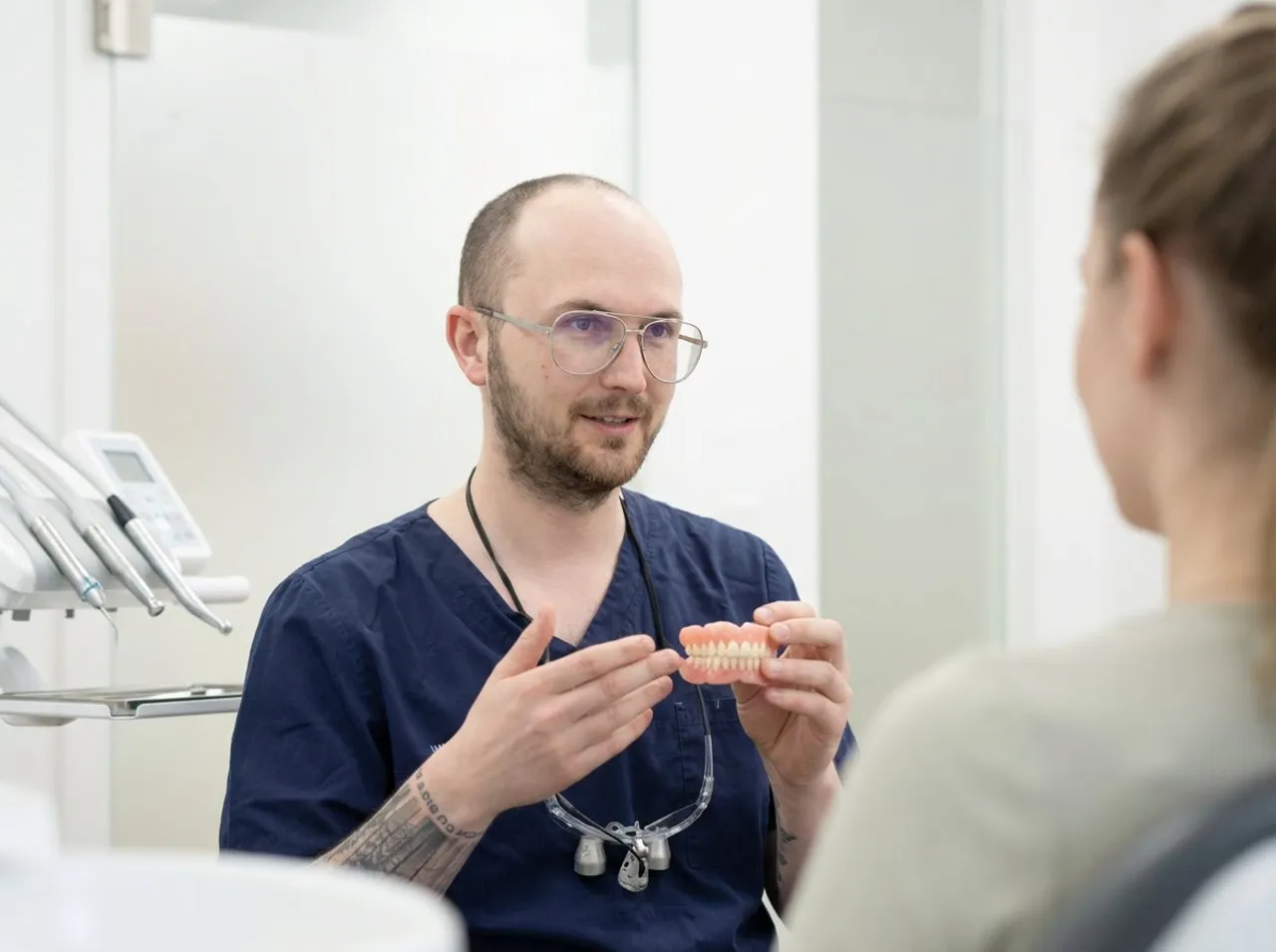
An occlusal high spot is adjusted by selective grinding. This reduces the load immediately. The tooth can then settle down. With secondary caries, the restoration is replaced. Well-sealed margins are crucial. This removes the reservoir of bacteria. With pulpitis, treatment depends on the stage. Sometimes a filling is sufficient. Root canal treatment is often required. Apical inflammation requires endodontic treatment. The aim is to reduce bacteria in the canal system. This is followed by a tight seal. Periodontal causes are treated by addressing the underlying problem. Professional cleaning reduces biofilm and calculus. Structured aftercare is essential. A bite splint is advisable for bruxism. It distributes forces and protects the tooth structure. Physiotherapy may also help. With a confirmed crack, the tooth needs protection. Partial crowns stabilise the remaining tooth structure. Sometimes a crown is indicated.
Prevention and long-term stability
Have new fillings checked promptly. Occlusal adjustments prevent persistent irritation. You should report any sensation of pressure. Clean between your teeth every day. This reduces the risk of caries and periodontitis. Regular check-ups enable early diagnosis. A mouthguard is advisable for sport. If you grind your teeth, a splint protects them. The temporomandibular joint also benefits.
Conclusion
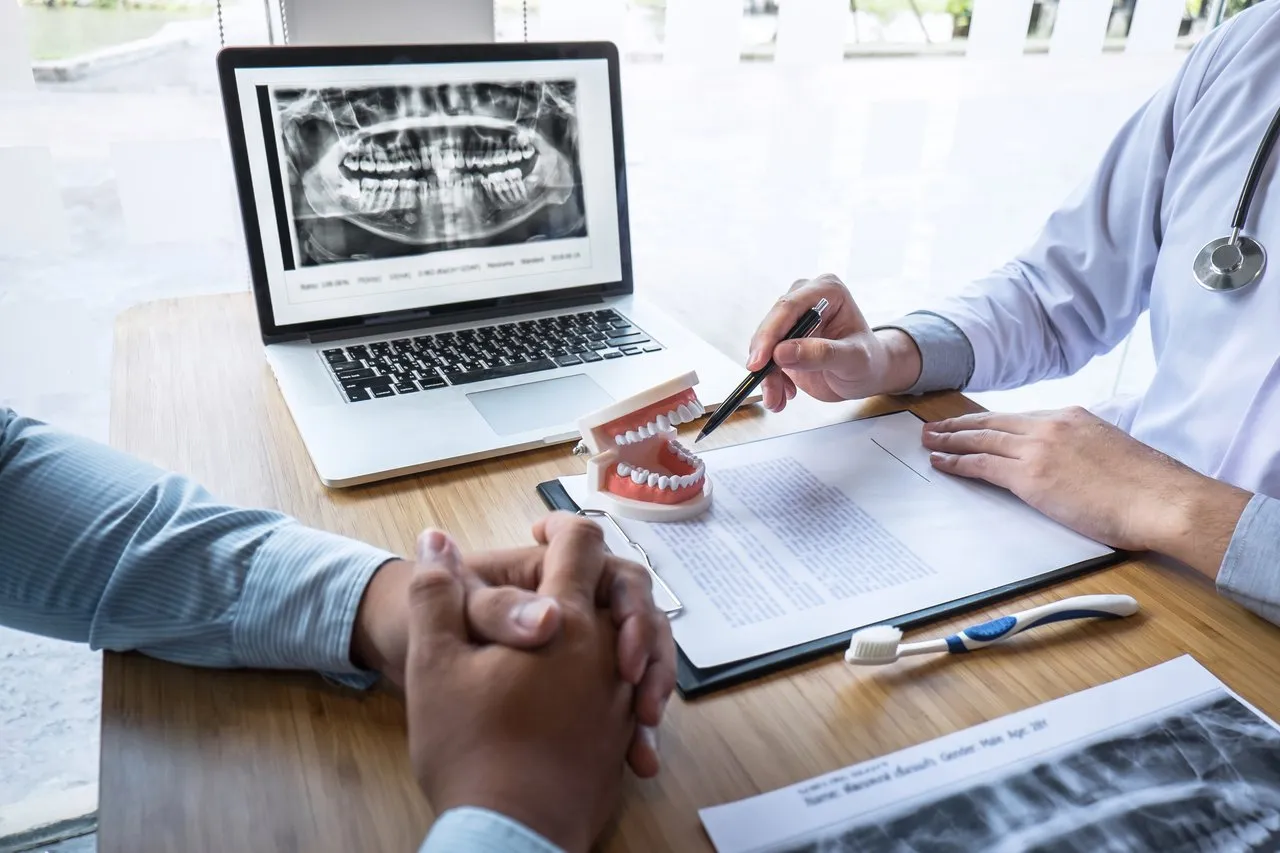
Pain on biting has several causes. Occlusal problems, inflammation or cracks are often involved. Precise diagnosis is crucial. The earlier the cause is established, the more conservative the treatment. This reduces subsequent damage and costs. Wunschlachen in Berlin provides structured advice. Book an appointment soon. This allows us to identify the cause reliably.
FAQ: Tooth pain when biting down
Localised overload or inflammation is often the cause. A crack may also be responsible. An examination will reliably narrow down the cause.
Yes, even a slight excess height is enough. The tooth then makes premature contact. Correction is usually straightforward.
Not necessarily, but tooth decay is often involved. Periodontitis and cracks are alternatives. Functional overload is also possible.
Sensitivity to tapping often points to the root region. This is consistent with periapical irritation. X-rays and tests provide clarity.
Yes, parafunctional habits significantly increase the load. Teeth and muscles become over-stimulated. A splint can provide relief.
When tooth decay, root problems or bone loss are suspected. The image supports the diagnosis. It complements the clinical tests.
Cooling can help if there is swelling. Relieving the load is more effective for occlusal problems. The cause determines the appropriate measure.
Ibuprofen is often used, provided it is well tolerated. It relieves pain and inflammation. Observe the contraindications and dosage.
Yes, excess contact can occur after it is fitted. This causes pain on pressure when chewing. An occlusal check corrects this.
Inflammation can progress and damage bone. Cracks can widen. Early treatment improves the prognosis.