
Tooth only hurts when you release your bite after biting down
A tooth that hurts only when you release your bite after biting down should always be taken seriously. These symptoms often indicate inflammation around the tooth root, a filling that is too high, or fine cracks in the tooth. The cause can only be reliably determined through a dental examination. Early diagnosis helps prevent subsequent damage and preserve the tooth for as long as possible.
Über 350 Google-Bewertungen
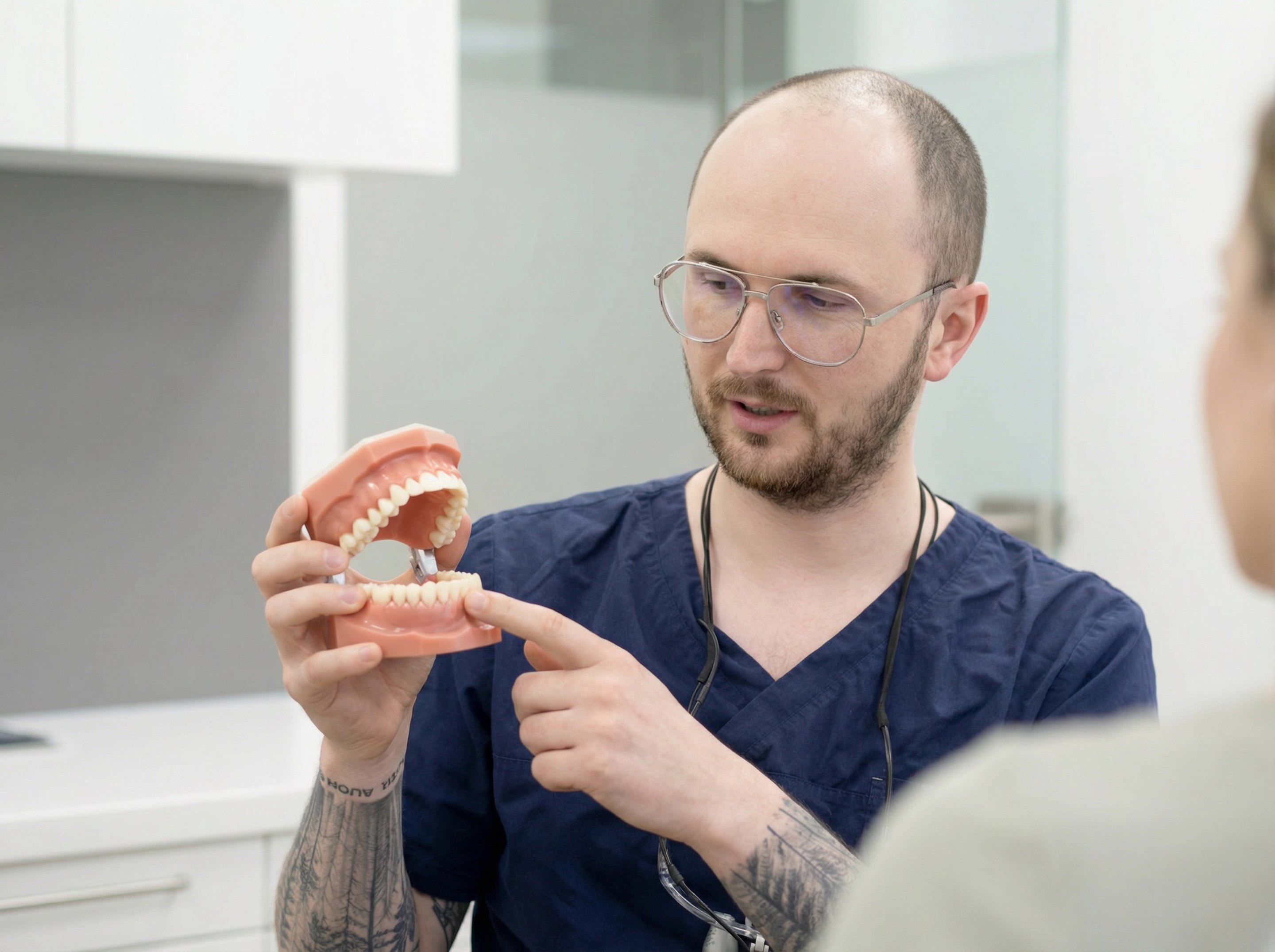
Why does a tooth only hurt when you release your bite after biting down?
Many patients describe a similar sensation. There is hardly any discomfort when biting down. Only when the chewing pressure eases does a short, sharp pain occur.
This symptom differs from typical toothache. It often gives the dentist important clues about the cause. The tooth socket is particularly often affected. The periodontal ligament or the inside of the tooth may also be involved.
The tooth is put under pressure during chewing. When the pressure is released, the pressure conditions in the tissue change. If inflammation is present, this precise moment can trigger discomfort.
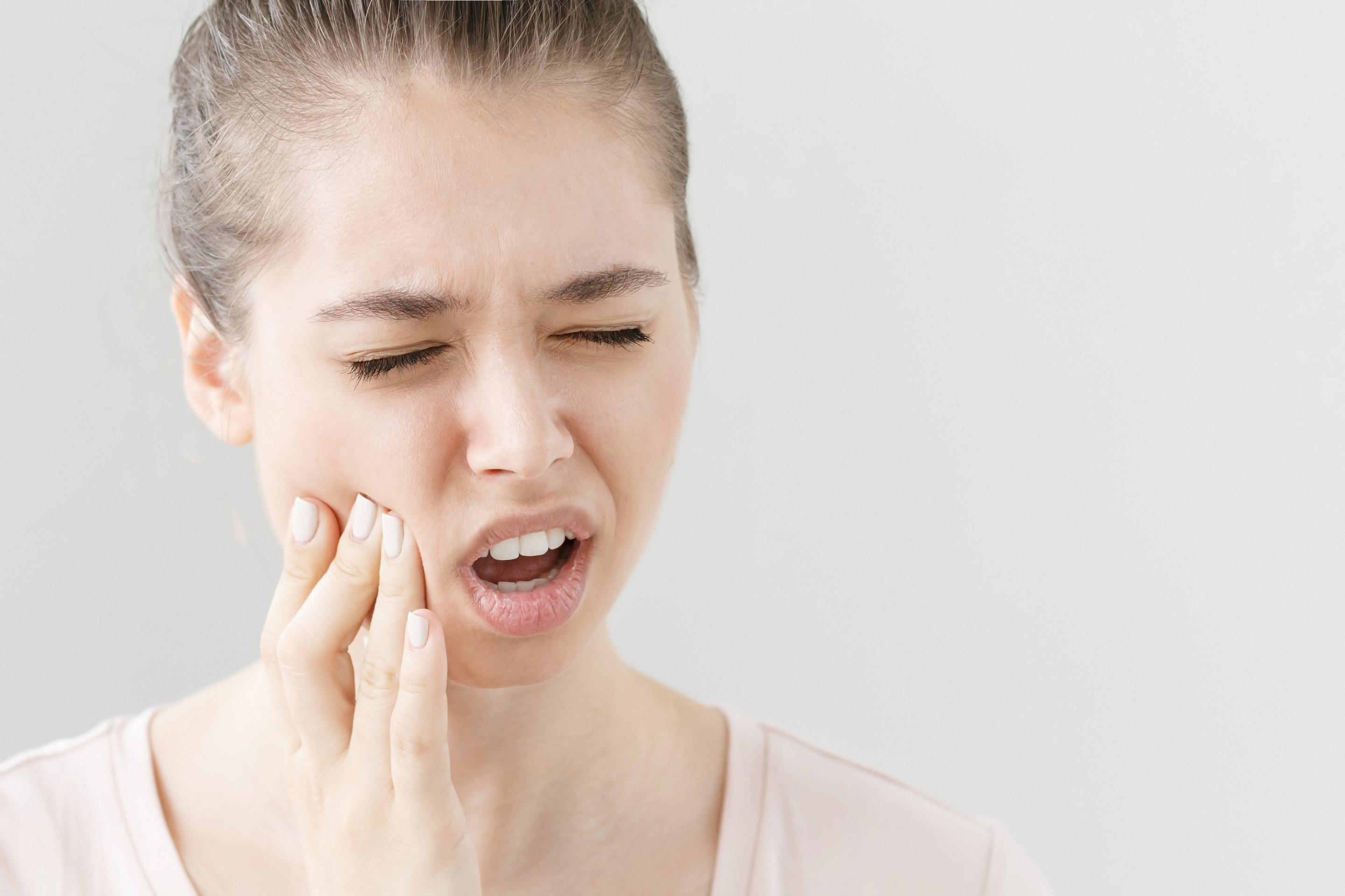
Common causes of pain when releasing your bite after biting down
Various conditions can cause these symptoms. A thorough examination is therefore important.
Inflammation of the tooth root
Inflammation at the tooth root is one of the most common causes. Bacteria enter the inside of the tooth through deep decay or leaking fillings. The tissue there becomes inflamed. If the inflammation spreads to the root tip, the tooth becomes sensitive to pressure. Pain when releasing your bite after biting down is typical.
Filling or dental crown that is too high
A new filling or crown may also be responsible. If it is even slightly too high, greater strain is placed on the tooth with every bite. This irritates the periodontal ligament. Those affected often report that the tooth hurts when chewing or only when they release their bite. Even minor adjustments can often significantly improve the symptoms.
Crack in the tooth
A fine crack often goes unnoticed for a long time. It is frequently not visible from the outside. The fine crevices open slightly during chewing. When the pressure is released, they close again. This very movement can cause a sharp pain. The earlier such a tooth is treated, the better the chances of preserving it.
Inflammation of the periodontal ligament
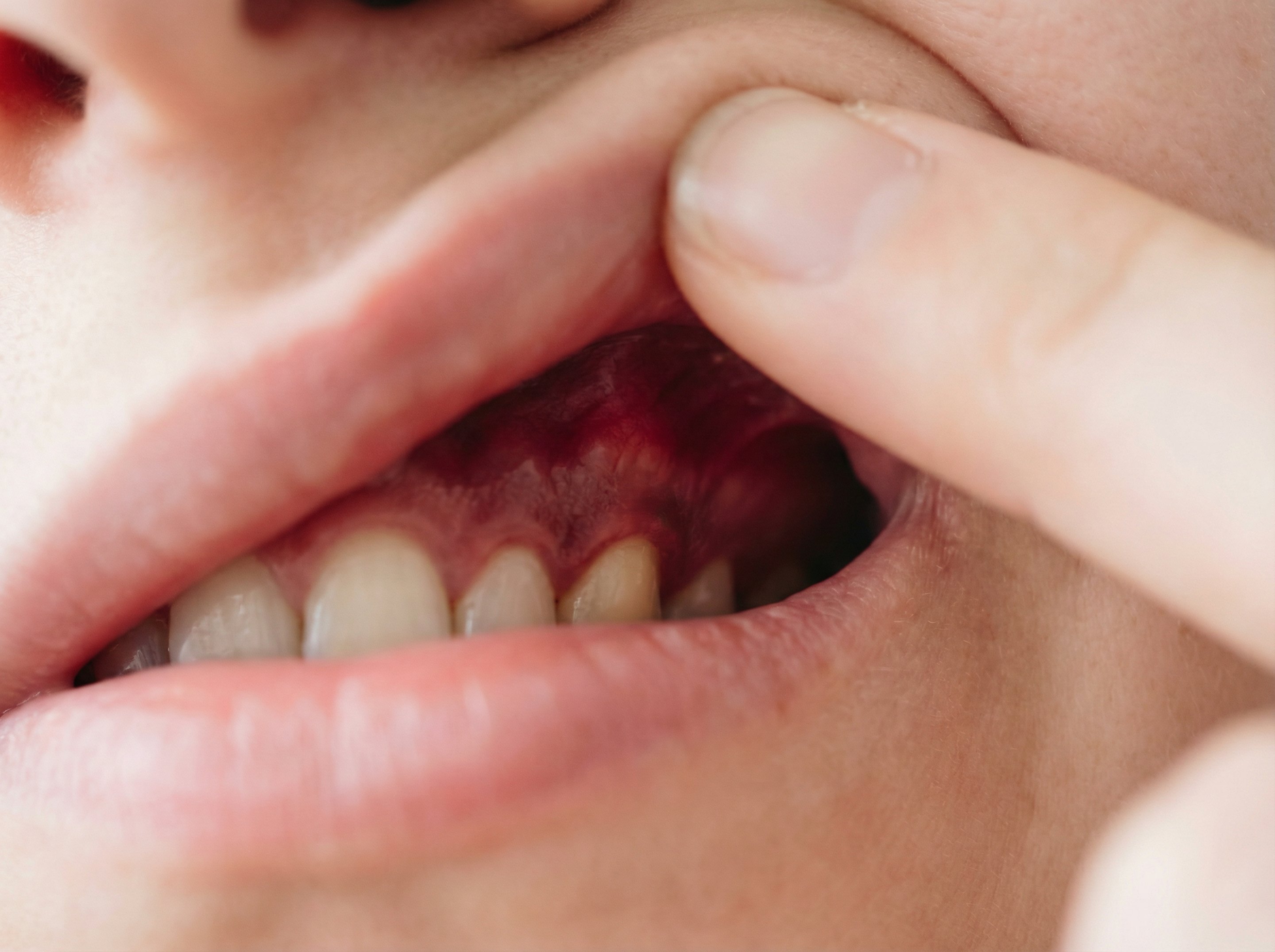
The gums and periodontal ligament may also be affected. Inflammation makes the tooth sensitive to pressure. Swelling or tenderness to pressure may also occur.
Other possible causes
The cause is not always directly in the tooth.
The following factors may also be responsible:
• Excessive strain caused by teeth grinding at night • Imbalanced loading after dental treatment • Loosening of a tooth • Early-stage periodontitis • Rarely, inflammation in the jawbone
The cause should therefore always be assessed individually.
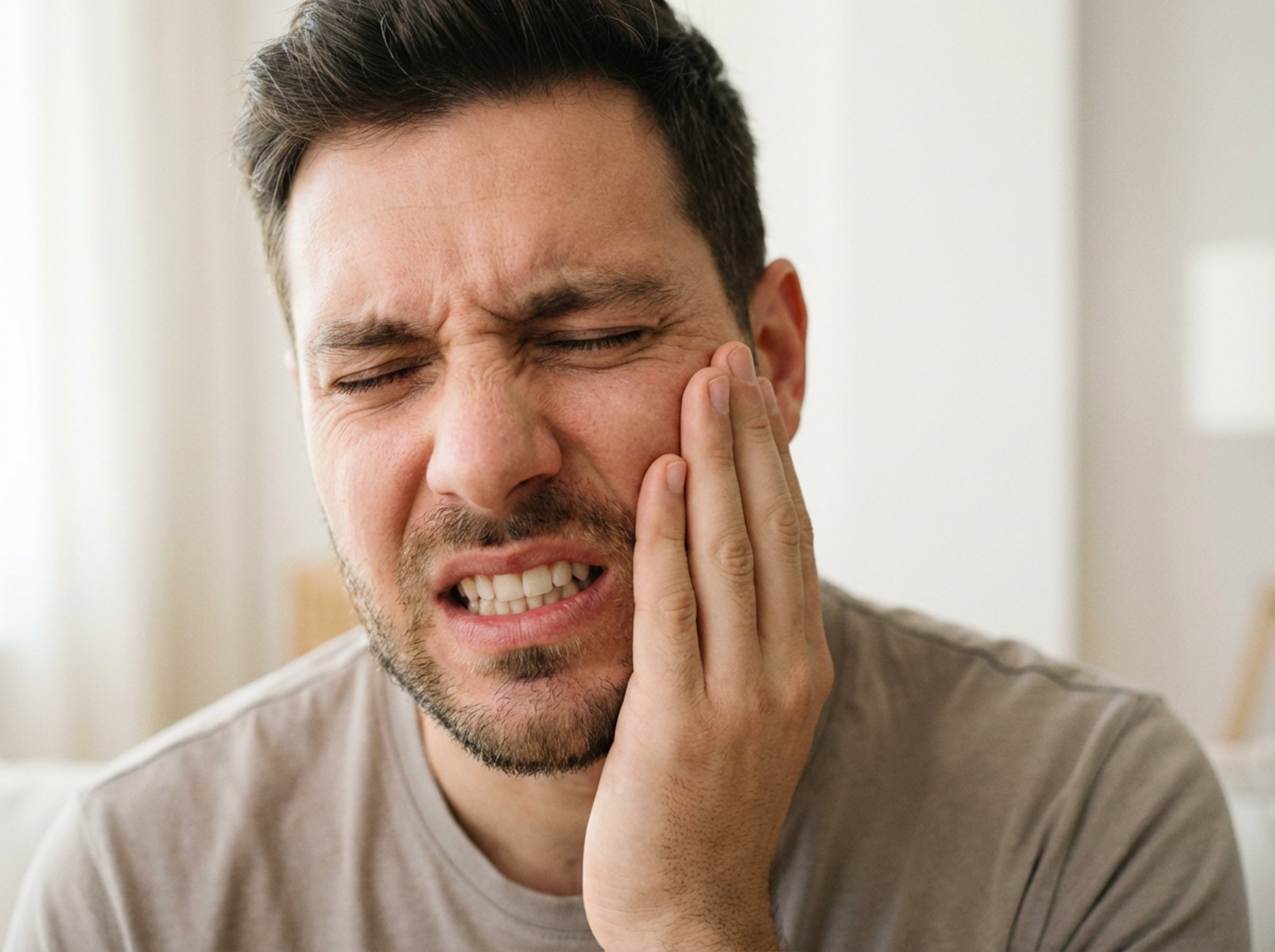
What other symptoms may occur?
The symptoms vary depending on the cause.
Typical accompanying symptoms include:
• Tooth hurts when you release your bite after biting down • Feeling of pressure in the affected tooth • Pain when chewing • Tooth sensitive to cold or warm foods • Tenderness to tapping • Swollen gums • Occasional throbbing toothache
The more symptoms occur at the same time, the more important it is to have an examination promptly.
How is the diagnosis made?
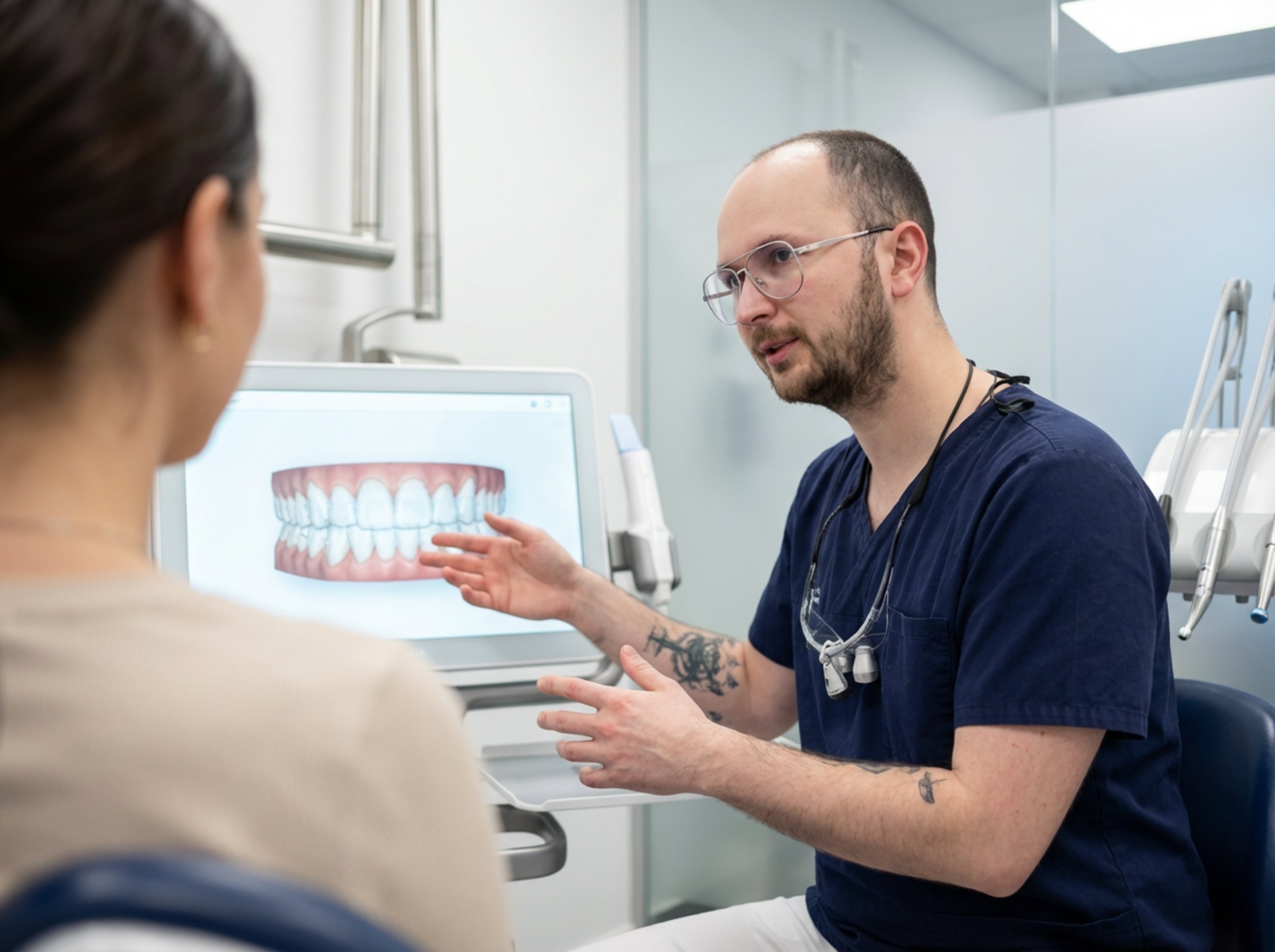
The process begins with a personal consultation. The dentist asks about the nature, duration and progression of the symptoms.
This is followed by a thorough examination. The tooth, gums and bite are checked. Various tests may also be carried out:
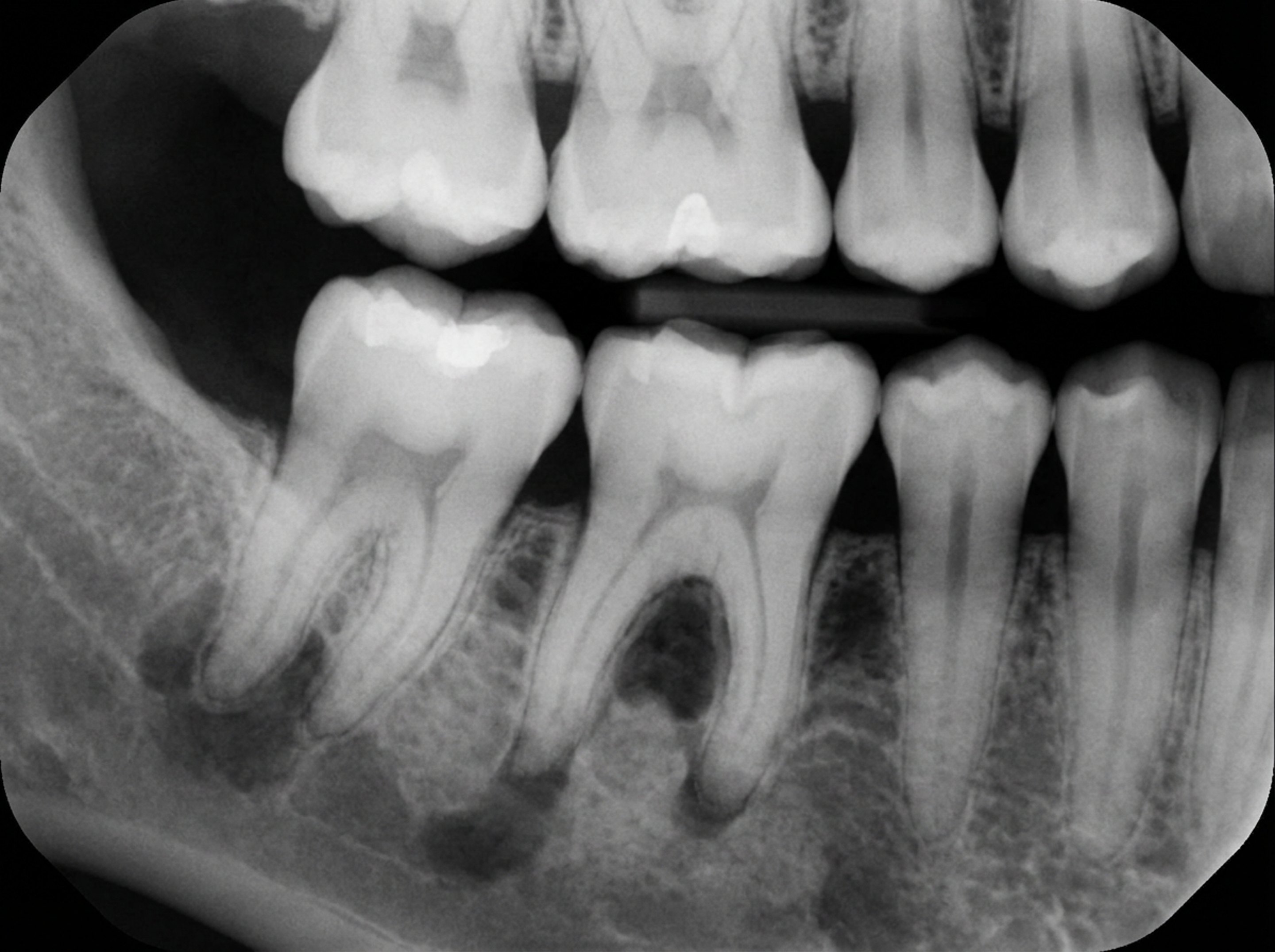
• Percussion test • Cold test • Bite test • X-ray
Not every crack is visible on an X-ray. Several examination methods are therefore combined.
What treatment is possible?
Treatment depends on the cause. If a filling is too high, a minor adjustment by grinding it down is often sufficient.
If the dental nerve is inflamed, root canal treatment may be necessary. The aim is to eliminate the inflammation and preserve the tooth. If a leaking filling is responsible, it is removed and replaced.
For a cracked tooth, treatment depends on the extent of the damage. Small cracks can often be treated with a crown. Larger fractures can make it difficult to preserve the tooth.
Inflammation of the periodontal ligament is treated with thorough cleaning and further dental measures.

What can you do until your dental appointment?
Home remedies are no substitute for treatment. However, they can relieve the symptoms in the short term. The following can help:
• Soft food • Avoid putting pressure on the affected side • Careful oral hygiene • Choose lukewarm drinks • Suitable painkillers as recommended by a doctor, if needed
Avoid hard foods and chewing heavily on the painful tooth.
When should you see a dentist immediately?
It is advisable to arrange an appointment quickly if:
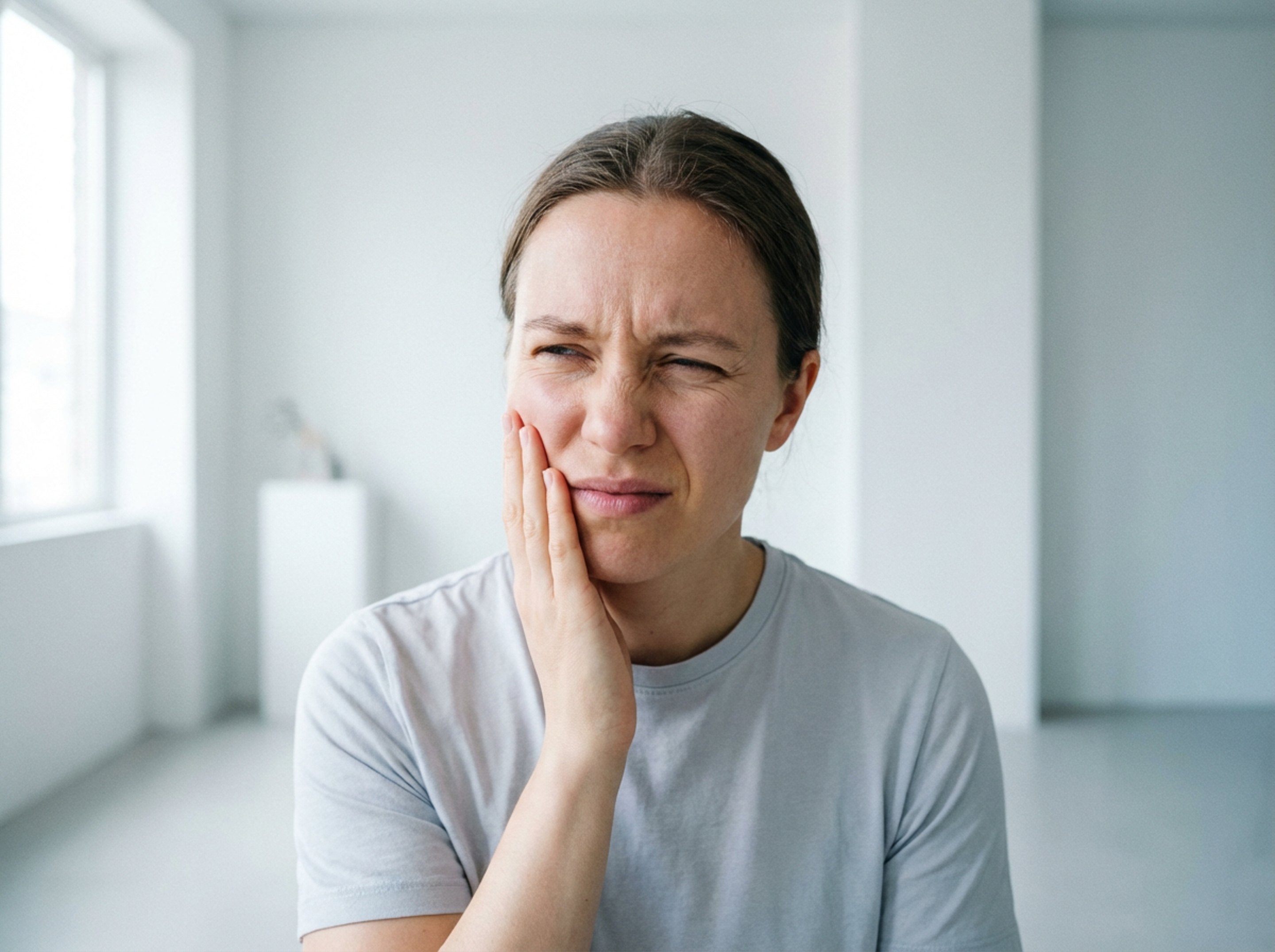
• The pain gets worse • Swelling occurs • You develop a fever • The tooth seems loose • Pus is discharged • The symptoms persist for more than two days
Early treatment often significantly improves the prognosis.

Conclusion
A tooth that hurts only when you release your bite after biting down often indicates a cause that requires treatment. Inflammation, fine cracks or a filling that is too high are among the most common causes. A dental examination provides clarity and enables targeted treatment. The earlier the cause is identified, the greater the chance of preserving the natural tooth in the long term.