
Toothache after a filling: causes, symptoms and treatment
Toothache after a filling is not uncommon, and many patients wonder whether this pain is normal and how it can be treated. In most cases, it is a temporary reaction by the body, but there may also be serious causes behind the pain...
Über 350 Google-Bewertungen
The short answer
Mild toothache after a filling is usually a temporary reaction and subsides within a few days to weeks. Common causes include a filling that is too high and interferes with your bite, an irritated dental nerve or, less commonly, an infection. If the pain lasts longer than two weeks or gets worse, you should have it checked by a dentist.
- Common causes
- A filling that is too high (interfering with your bite), an irritated dental nerve after treatment or, less commonly, an infection or deep inflammation
- Warning signs
- Pain lasting more than two weeks, increasing discomfort, severe pain when chewing
- When to see a dentist
- If the pain persists or gets worse, have it checked promptly – a filling that is too high can usually be corrected easily
General information only; no guarantee of a cure. A dental examination will determine the cause and treatment; please only take painkillers as agreed with your doctor.

Causes of toothache after a filling
Sensitivity after treatment After a dental filling, you may experience sensitivity to hot or cold food and drinks. This is common after a dental filling, as the treatment can mildly irritate the tooth. This type of pain often disappears after a few days to weeks once the tooth has settled down. However, sensitivity can also indicate a poorly fitting filling or a minor injury to the tooth. Filling that is too high In some cases, the filling may be too high and press on neighbouring teeth or the gums. This causes pain when chewing or biting. If the filling has not been fitted correctly, it can interfere with your bite, placing excessive strain on the tooth. This type of pain may get worse when the patient eats harder foods or repeatedly puts strain on their teeth. Tooth injury or infection Sometimes, the tooth cavity may need to be treated more deeply during the filling procedure than originally expected. This can irritate the dental nerve or even cause inflammation of the root, resulting in severe toothache. In such cases, additional treatment, such as root canal treatment, is often required. An infection can also be caused by bacteria entering the tooth during the filling procedure. Jaw joint problems or muscle tension Toothache after a filling can also be triggered by unconscious tensing or tension in the jaw muscles, especially if the patient was tense or anxious during treatment. This leads to temporary strain on the jaw joints and teeth. Jaw joint problems can affect dental health in the long term and lead to recurring pain if not treated promptly.

Symptoms of toothache after a filling
Throbbing or nagging pain This usually occurs when the tooth is sensitive to pressure or temperature. Such pain can last for up to a few weeks and can often be relieved by improved oral hygiene and adjustment of the filling. Pain when chewing or biting If the tooth hurts when chewing or biting, this may indicate that the filling is too high or has not been fitted correctly. The pain may be particularly noticeable when chewing hard or firm foods. Sensitivity to pressure The tooth may be sensitive to pressure, particularly after extensive treatment, making chewing and speaking difficult. This sensitivity can usually be resolved by adjusting the filling. Persistent pain If the pain lasts longer than two weeks or gets worse, this could indicate a more serious complication, such as inflammation or an infection, which requires medical treatment.
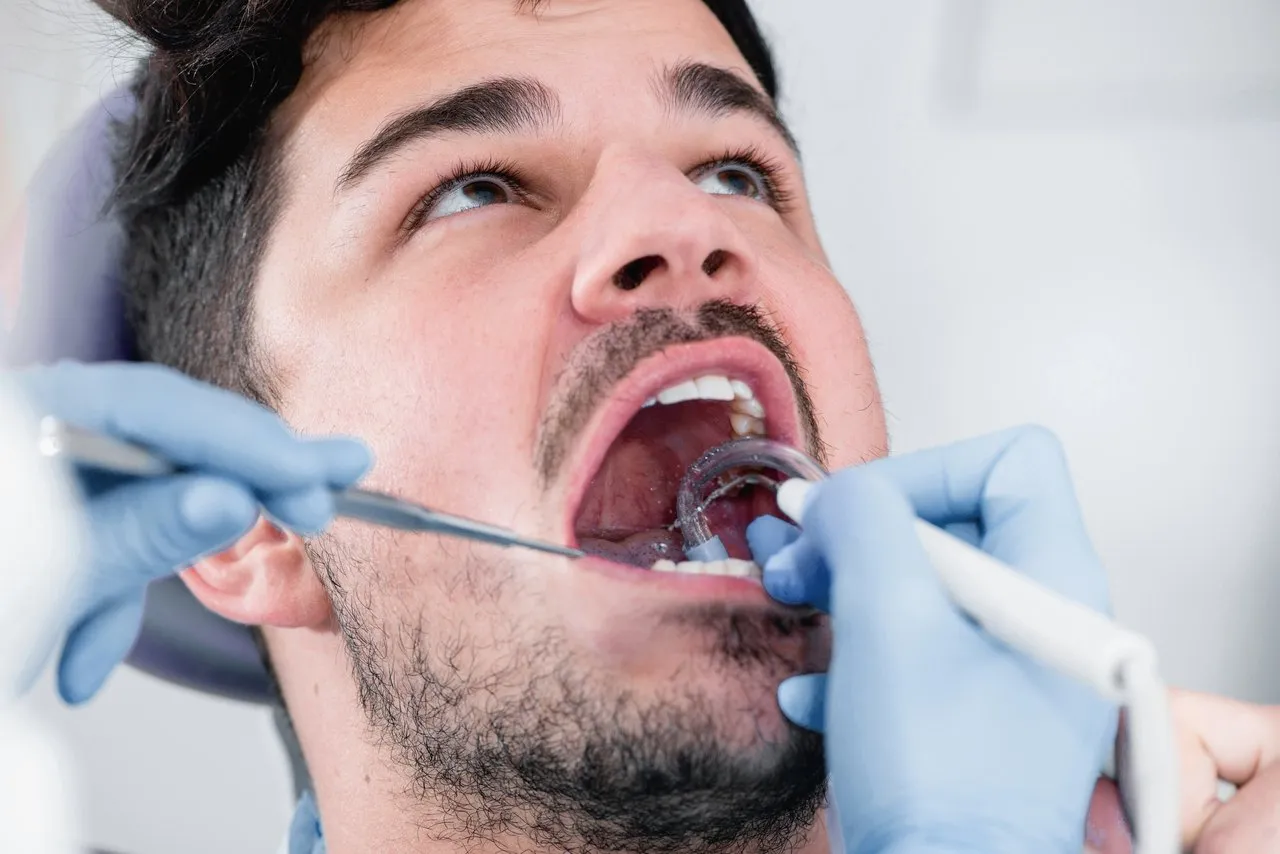
Treatment for toothache after a filling
Examination by the dentist If the pain does not subside or gets worse, it is important to see a dentist. The dentist can determine whether the filling is too high or whether further treatment, such as root canal treatment, is required. An early examination by the dentist can help prevent serious damage and speed up the healing process. Painkillers Over-the-counter painkillers such as ibuprofen or paracetamol can be taken for temporary pain relief. Ibuprofen is an anti-inflammatory painkiller, while paracetamol provides pain relief. These medicines help control pain. However, it is important to use them only temporarily so as not to delay further examination. Adjusting the filling If the dentist finds that the filling is too high, they may adjust it to restore the correct bite height. A small adjustment to the filling can often provide rapid pain relief. Root canal treatment In rare cases, if the pain indicates deep inflammation of the tooth or nerve damage, root canal treatment may be required to resolve the inflammation and save the tooth. This treatment is carried out when the dental nerve is severely damaged and the tooth can no longer heal itself. Jaw joint therapy If the toothache is due to tension in the jaw joint or muscles, relaxing therapies such as massages or a special splint to relieve pressure on the jaw joints may be helpful. This therapy helps relax tense muscles and relieve pain. Preventive measures To avoid toothache after a filling in the long term, it is important to maintain good oral hygiene. Regular brushing, flossing and regular dental check-ups help keep teeth healthy and prevent future problems.

Conclusion
Toothache after a filling is temporary in many cases and can be treated easily. However, if the symptoms persist or get worse, it is important to see a dentist promptly to rule out potentially serious complications. Early treatment is essential to maintain long-term dental health and prevent subsequent damage.
FAQs – Frequently asked questions about toothache after a filling
Common causes include a filling that is too high, tooth sensitivity or an infection.
In most cases, mild toothache disappears within a few days to weeks.
Painkillers such as ibuprofen or paracetamol, as well as a visit to the dentist, can help.
Yes, if the filling is too high, it can interfere with your bite and cause pain when chewing.
If the pain lasts longer than two weeks or gets worse, a dentist should be consulted.
Yes, in some cases, deep inflammation of the tooth or a damaged dental nerve can cause severe pain.
Yes, if the tooth is very painful after the filling, a bacterial infection may have developed.
Toothache when chewing could indicate a filling that is too high or irritation of the dental nerve.
Yes, unconscious tension or uneven strain can lead to jaw joint pain.
In many cases, toothache disappears after a few days, provided there is no serious infection or nerve damage.